





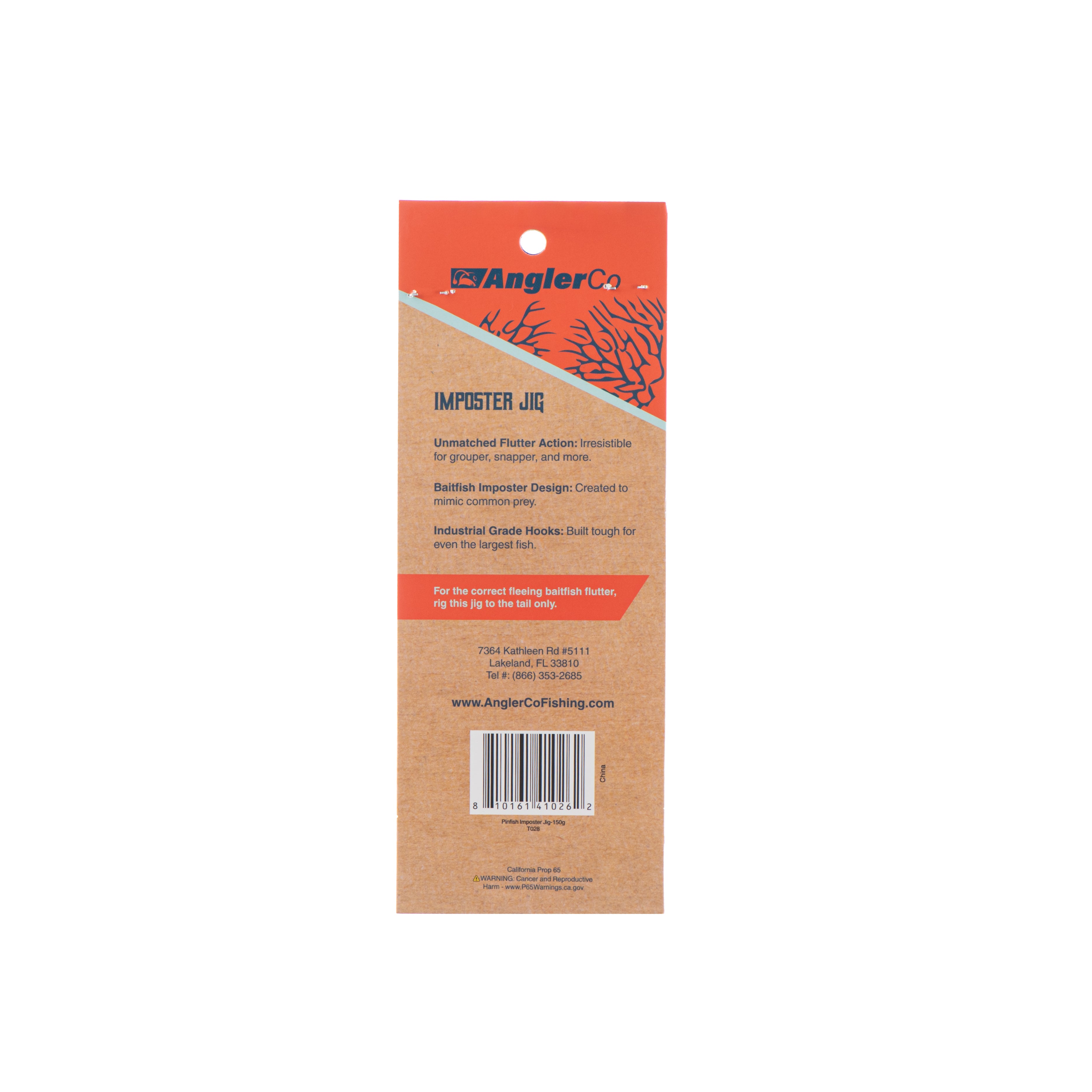
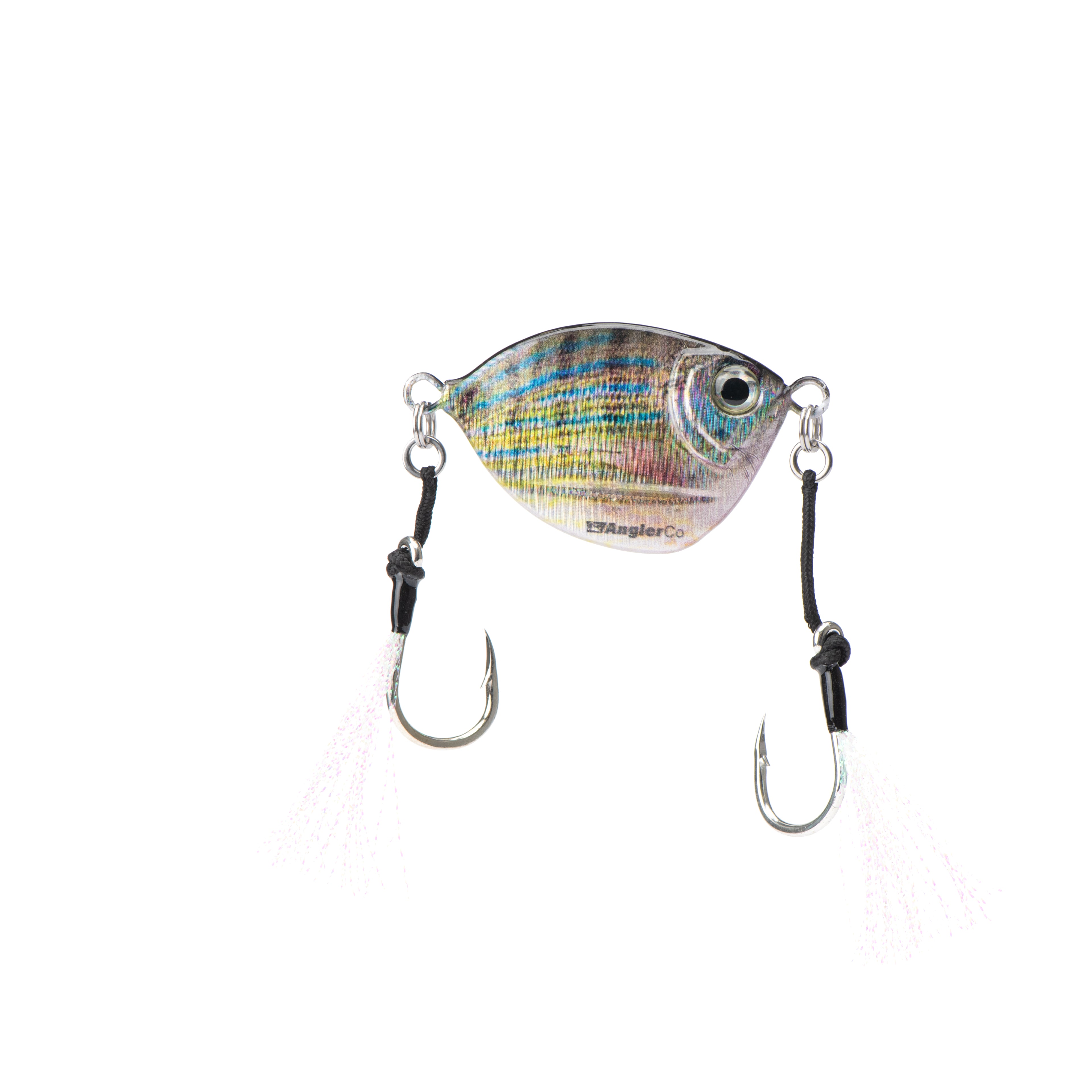
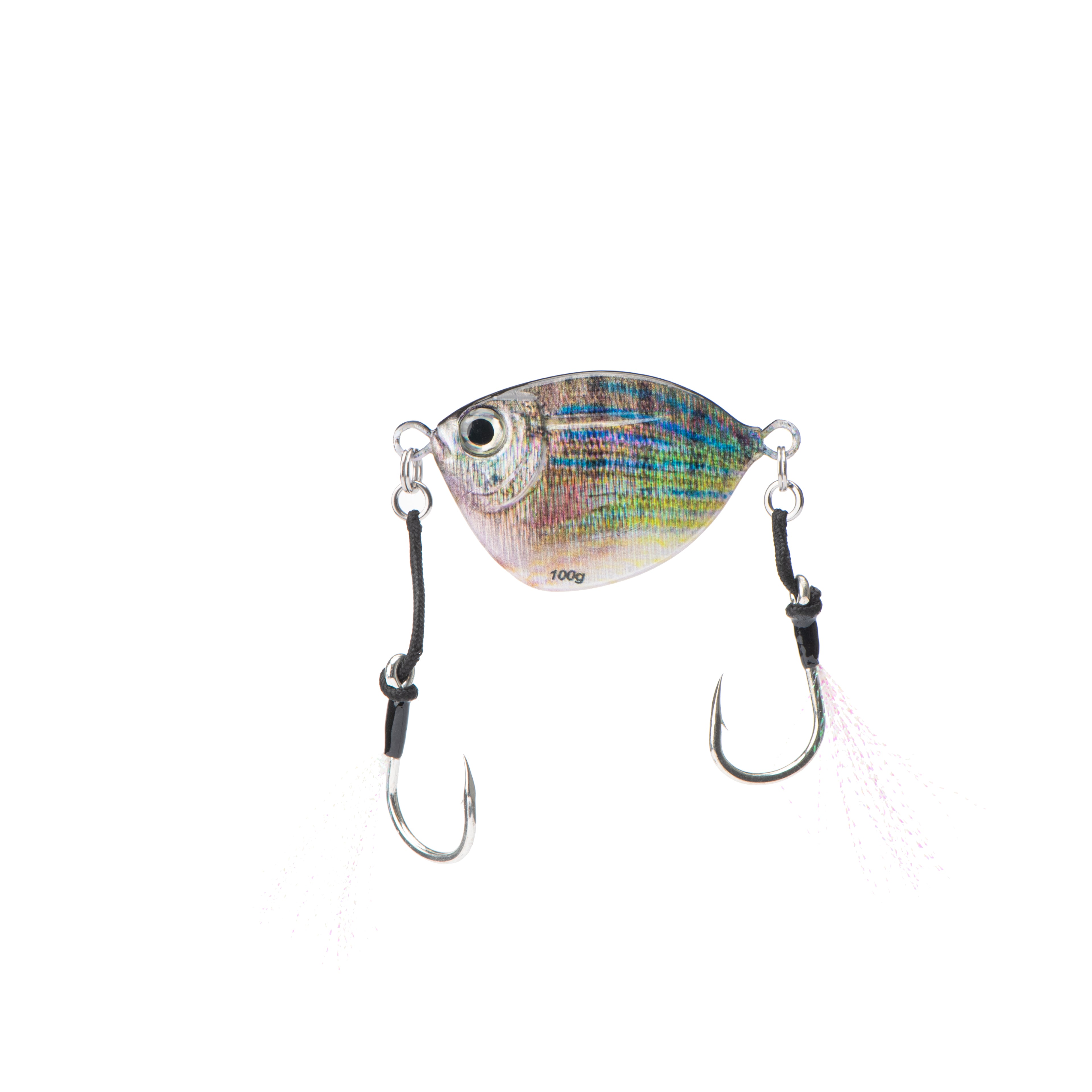
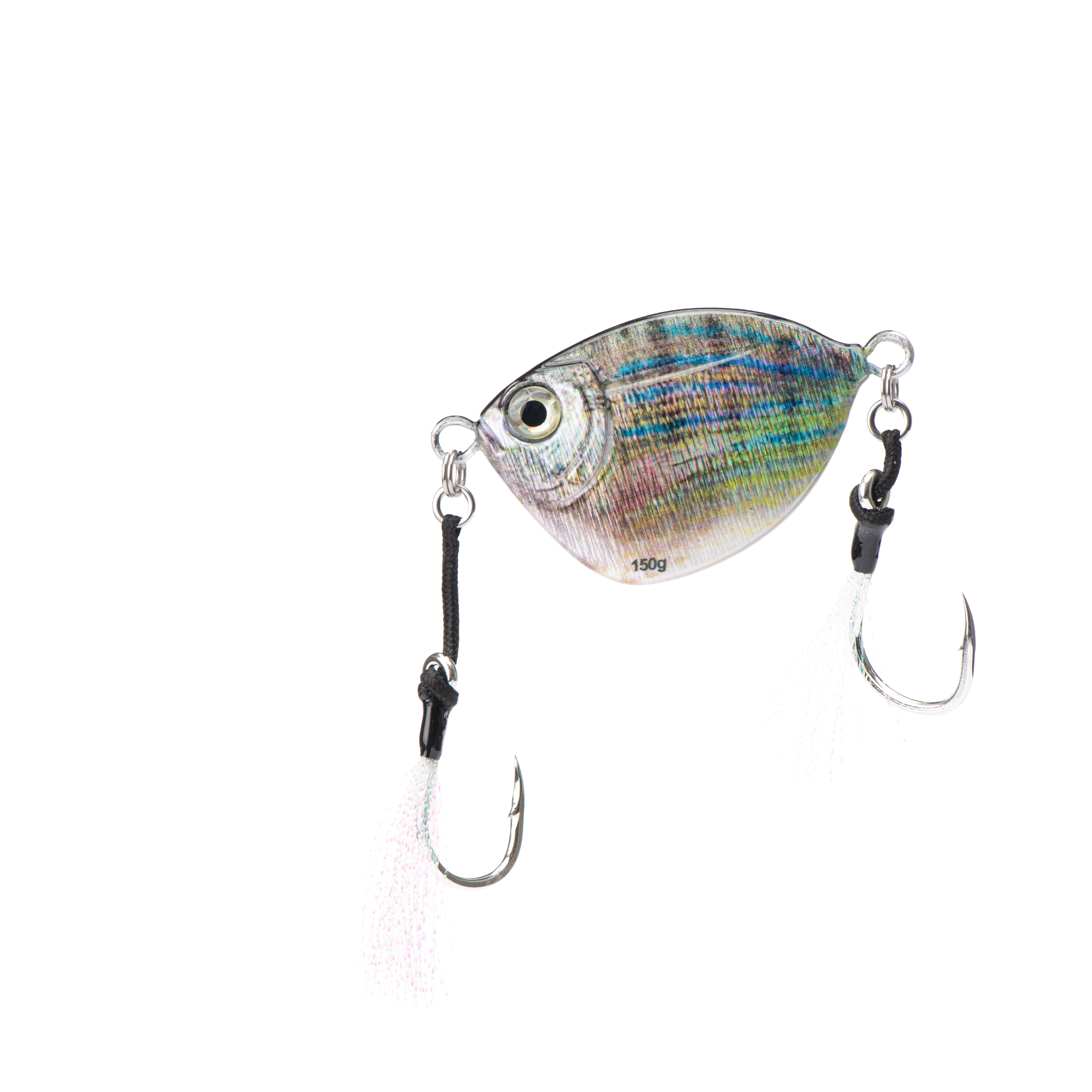



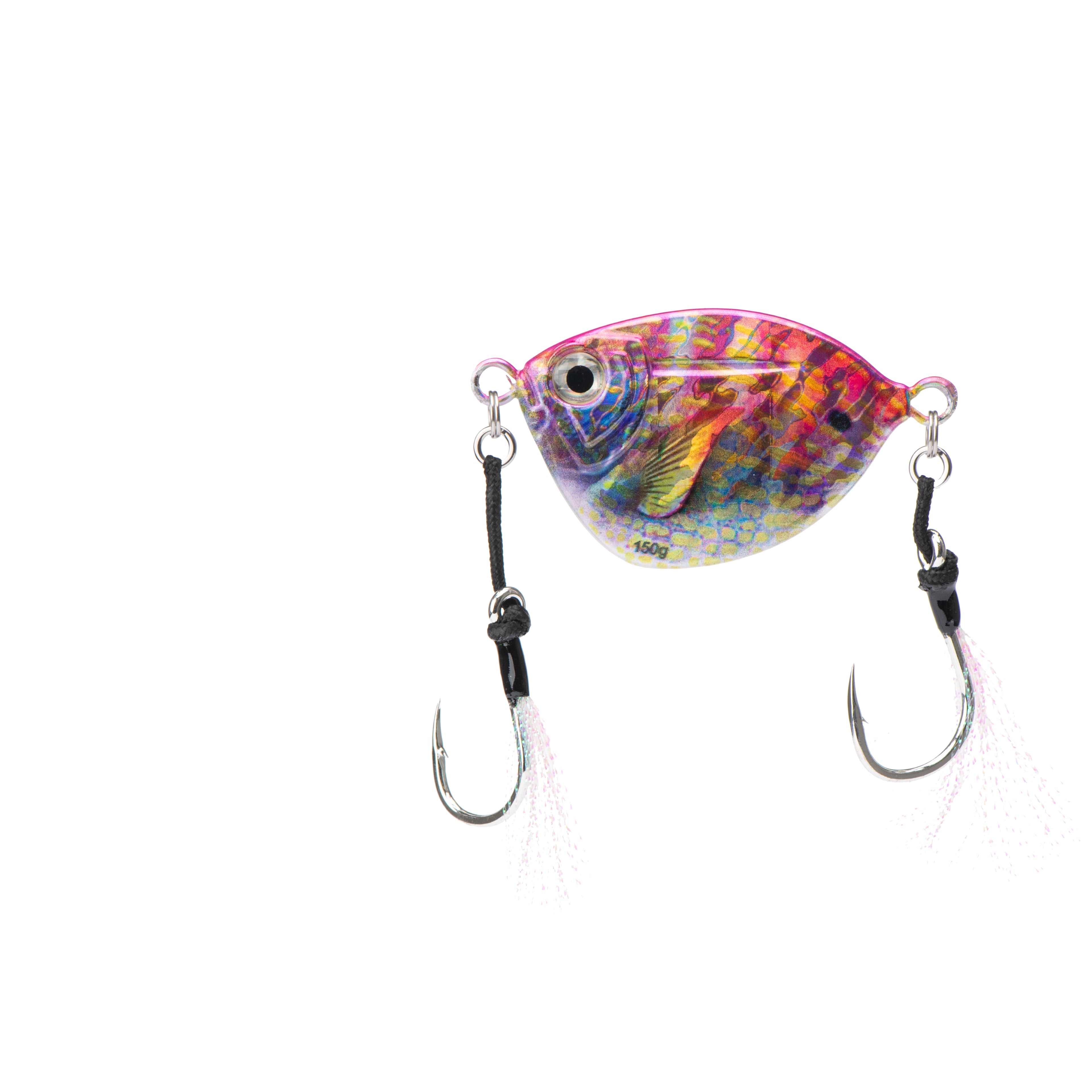
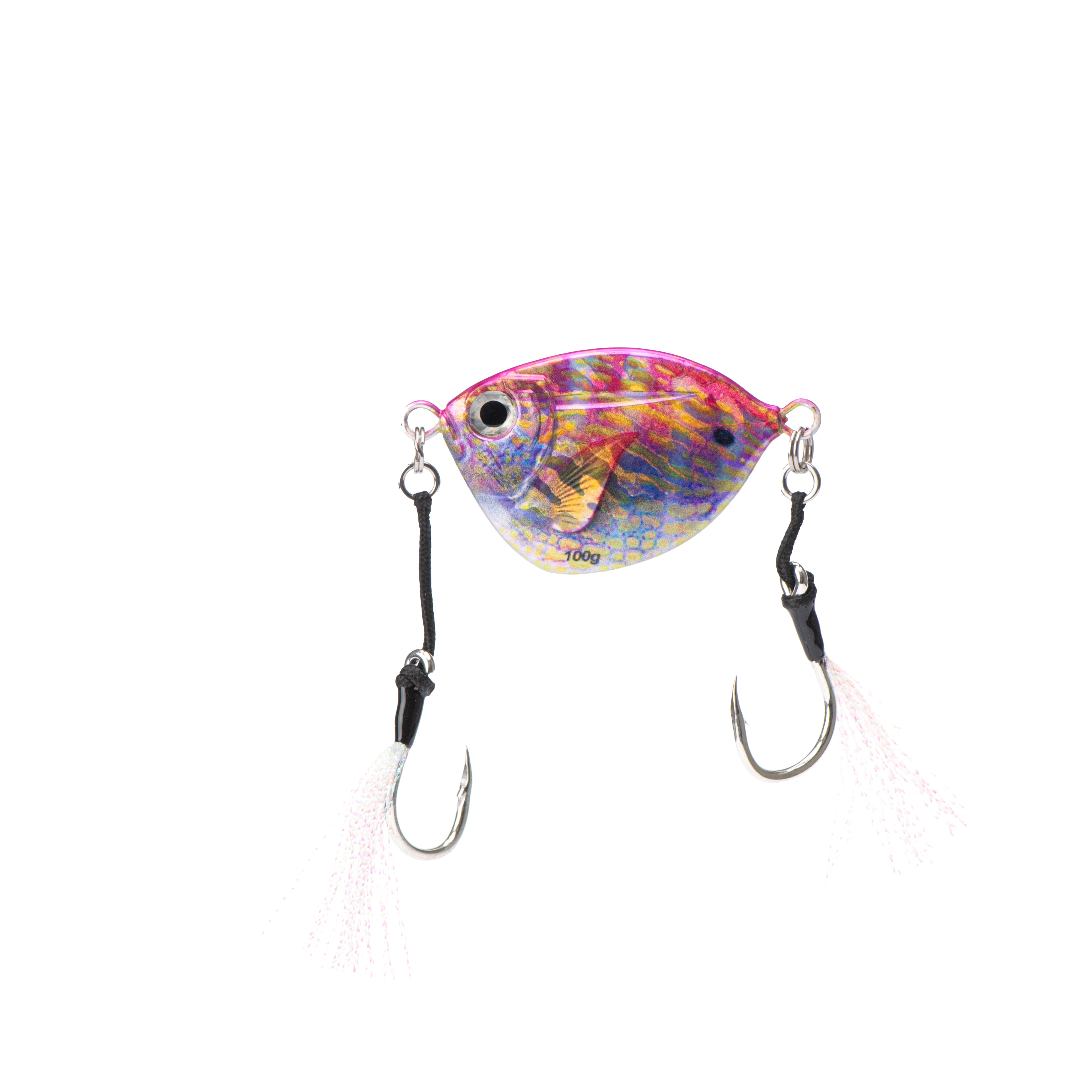
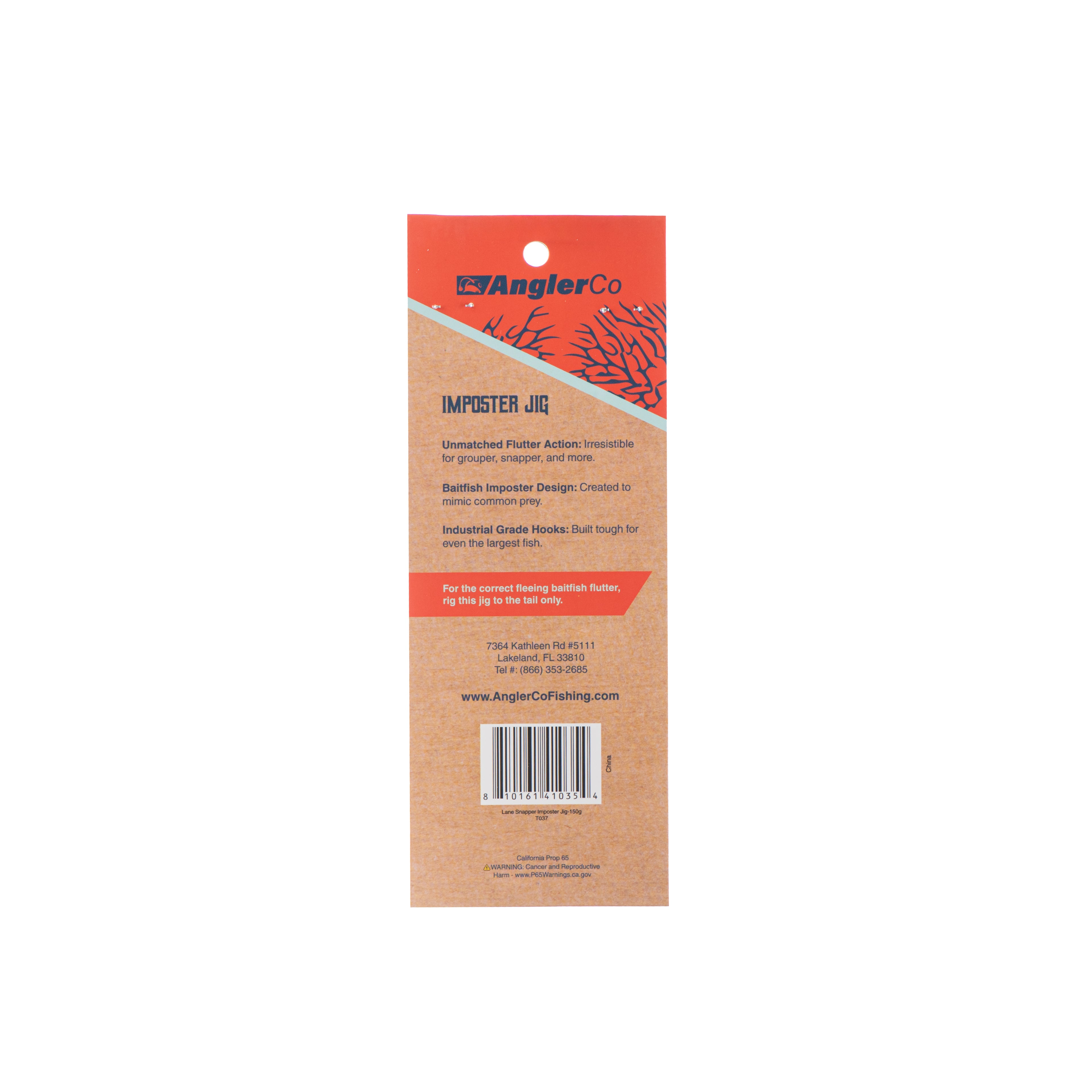
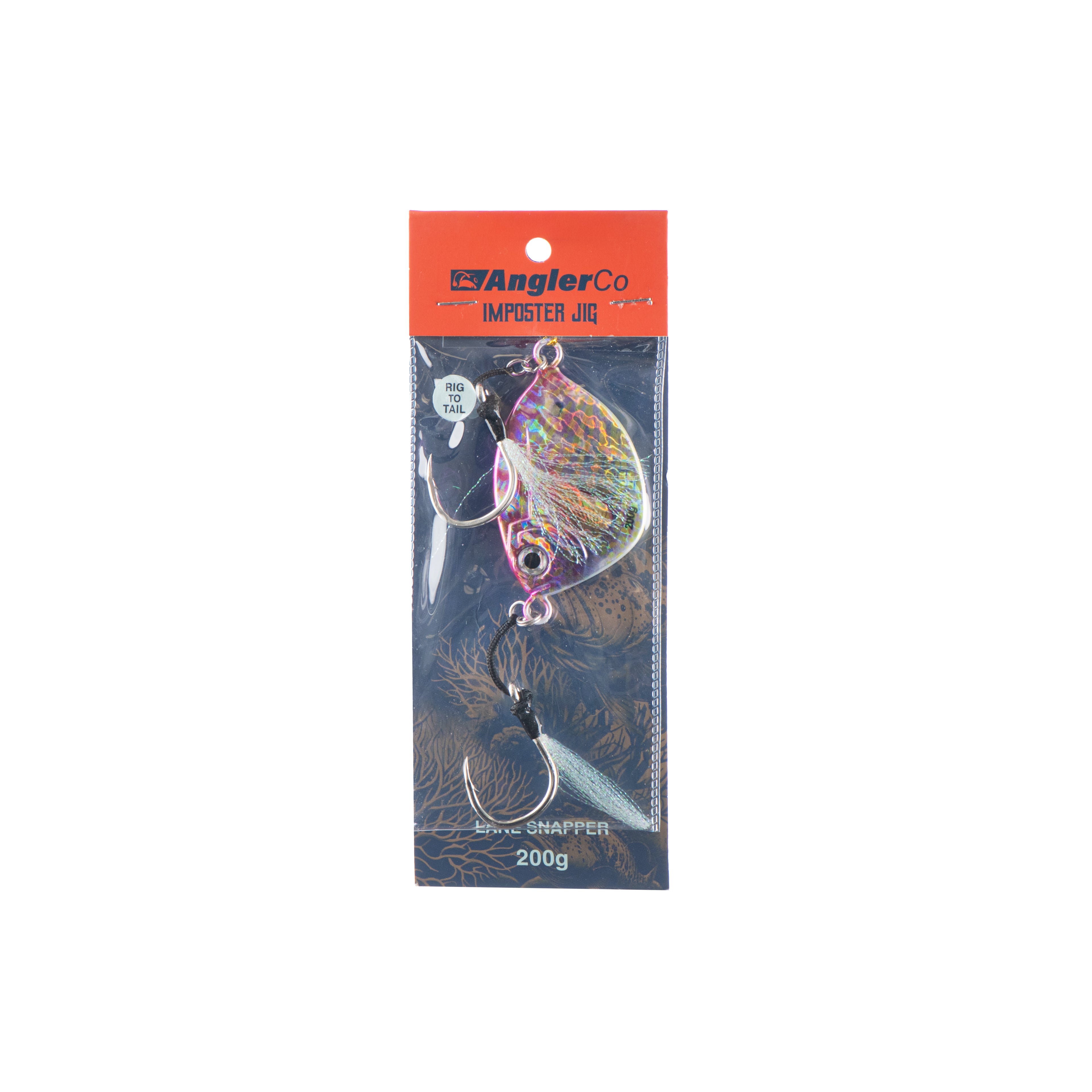
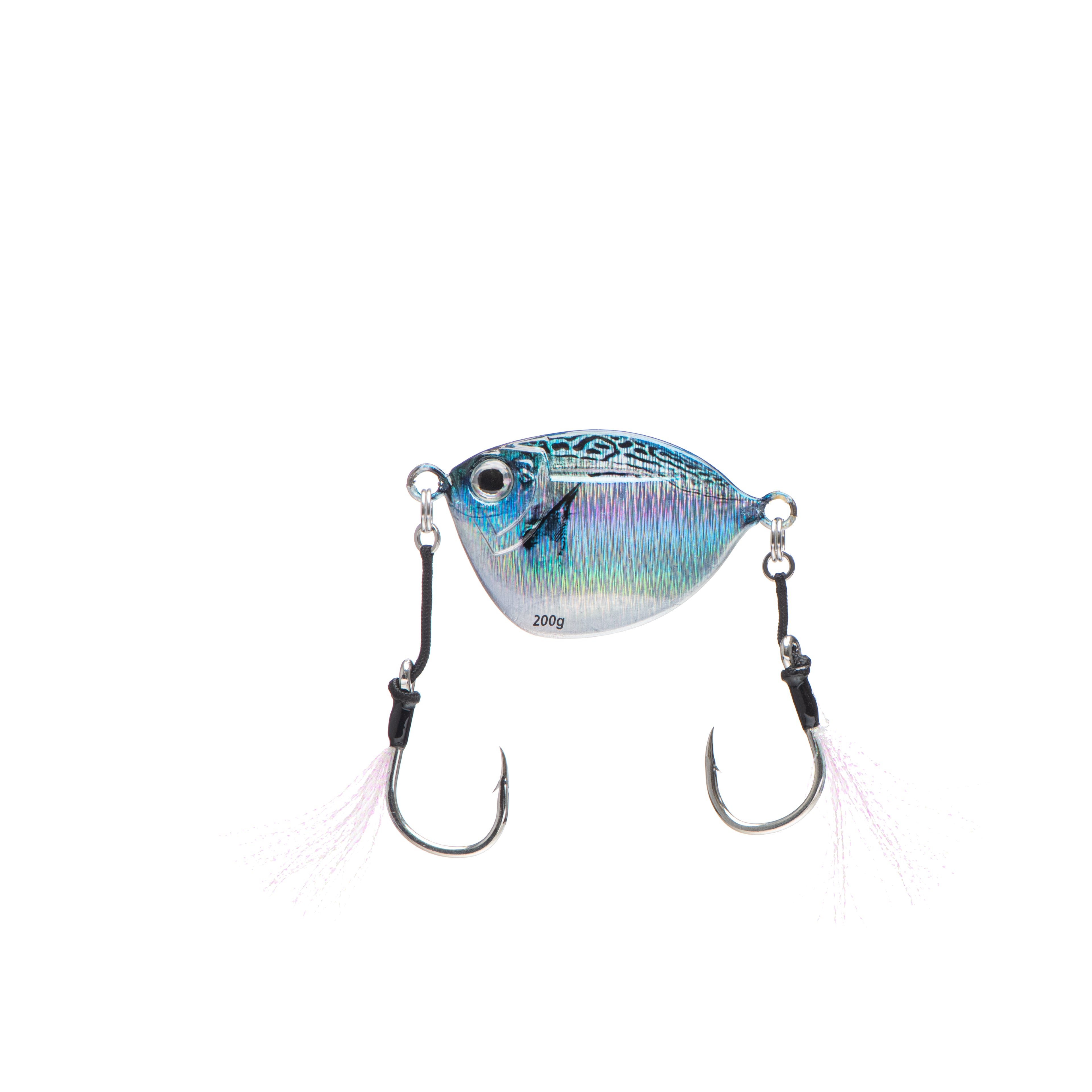
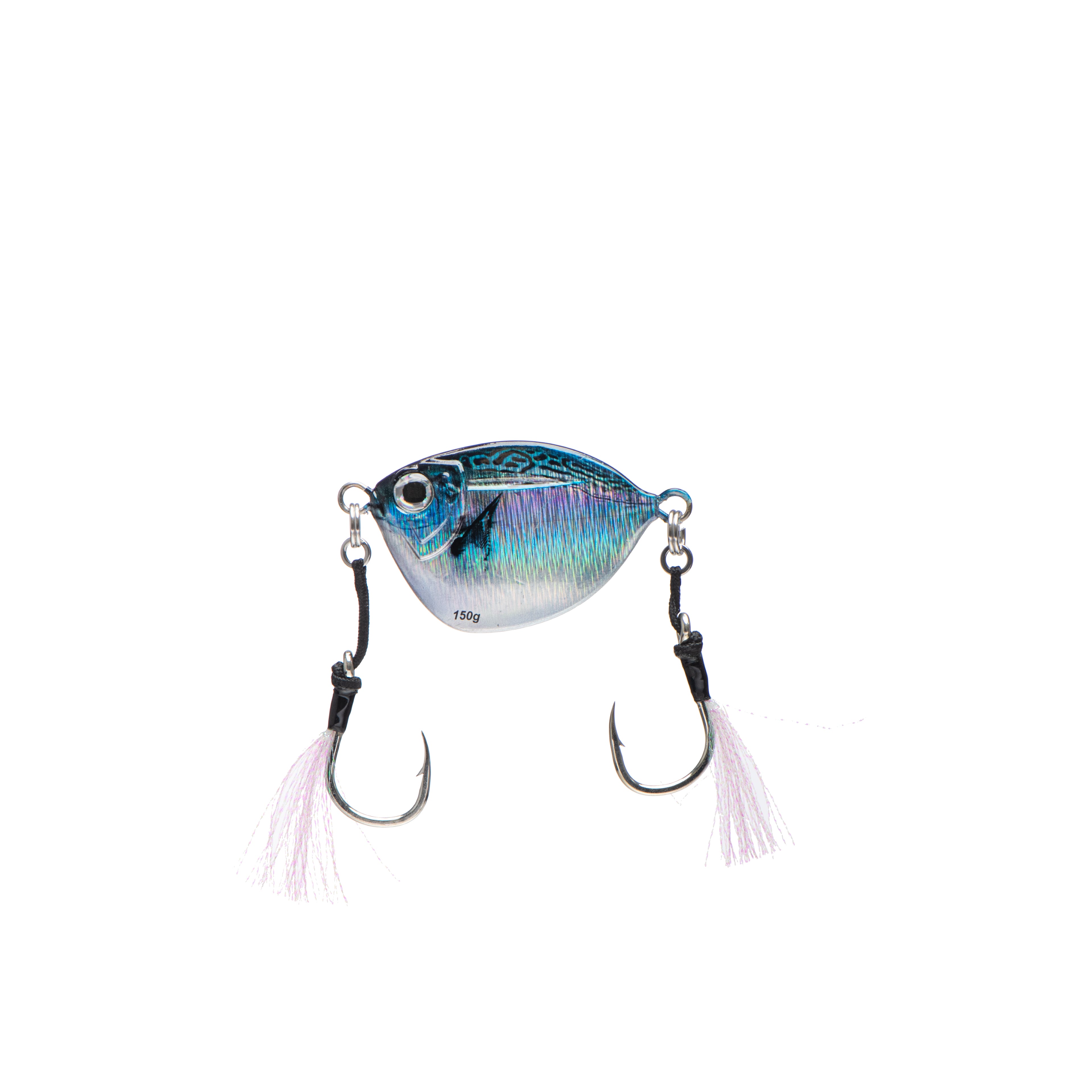
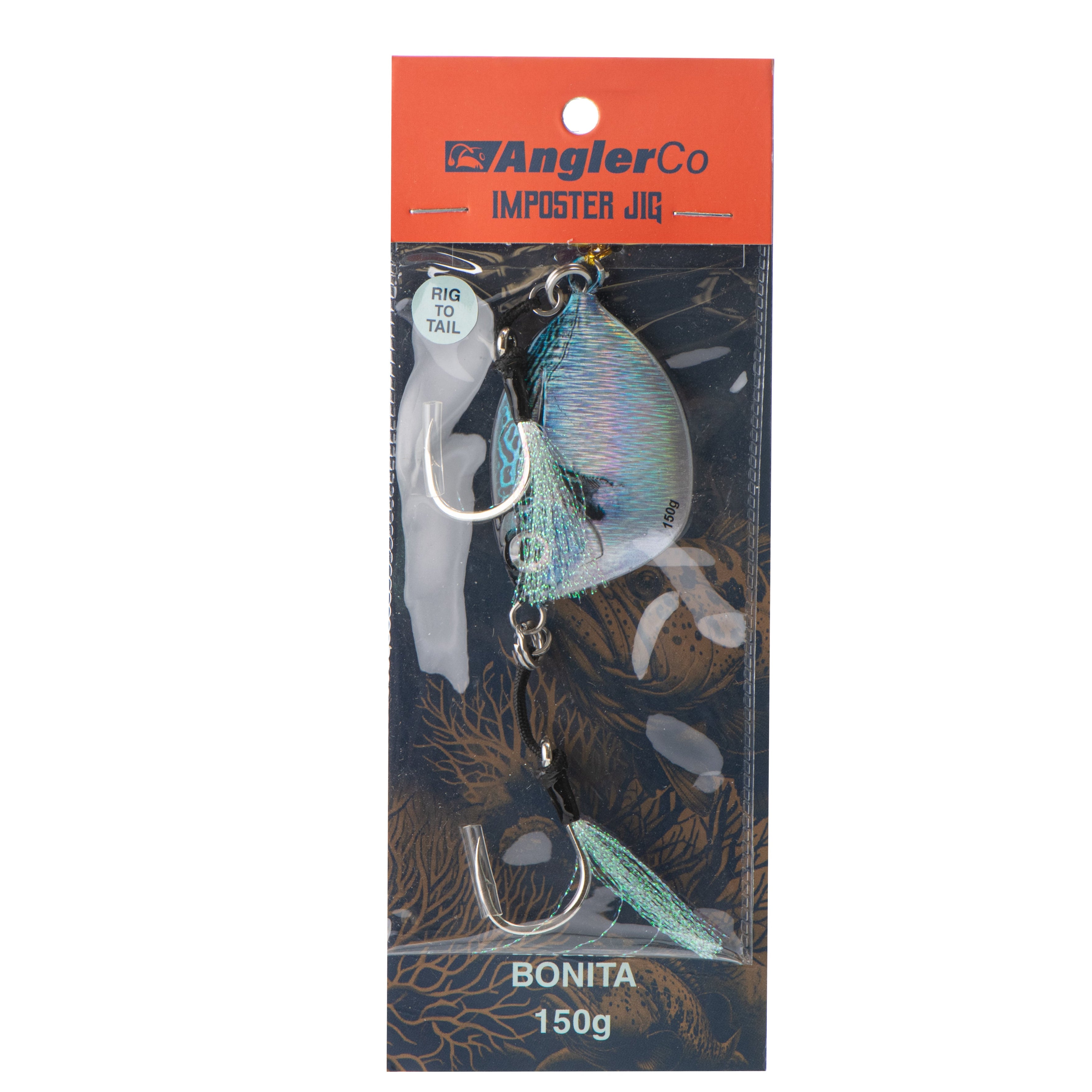



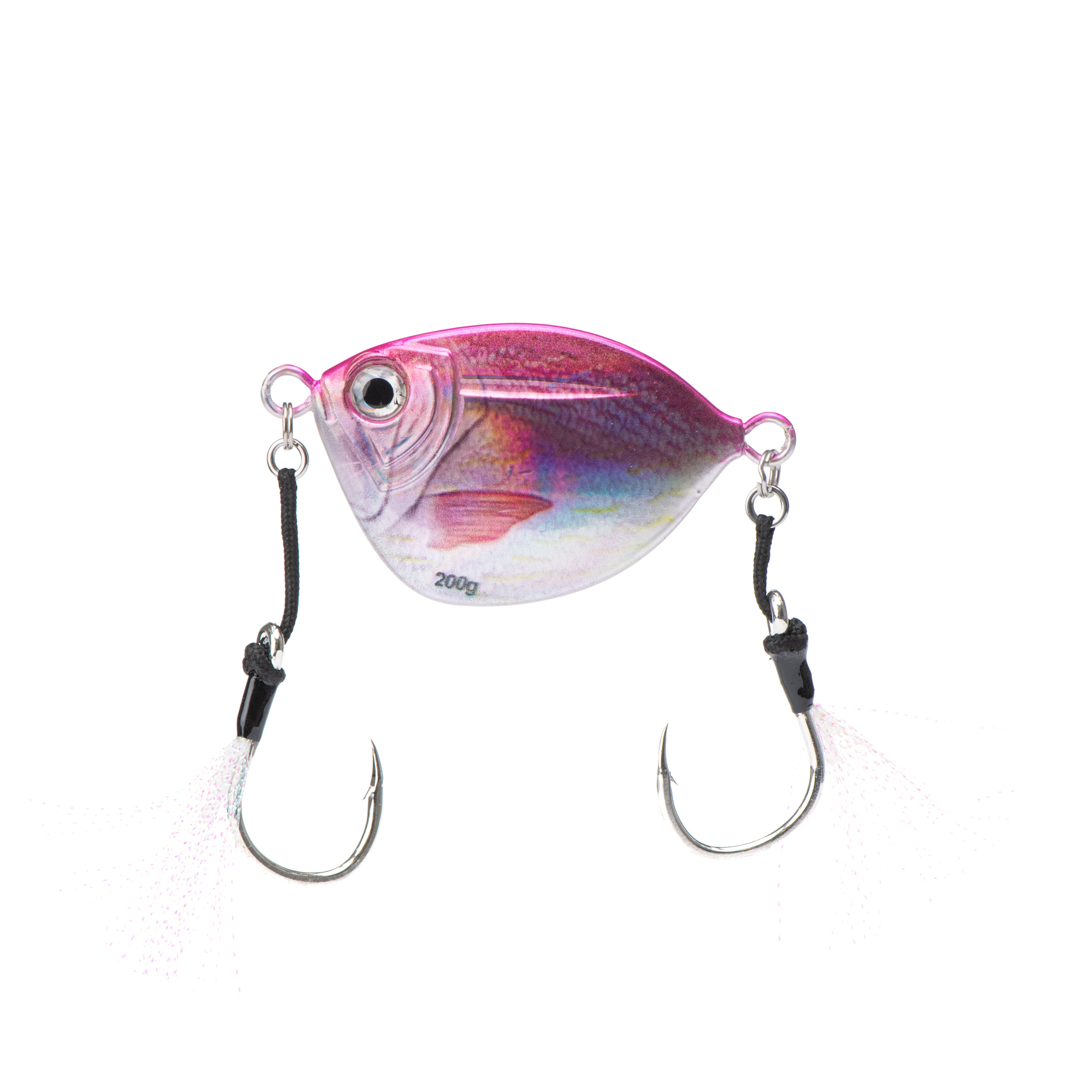


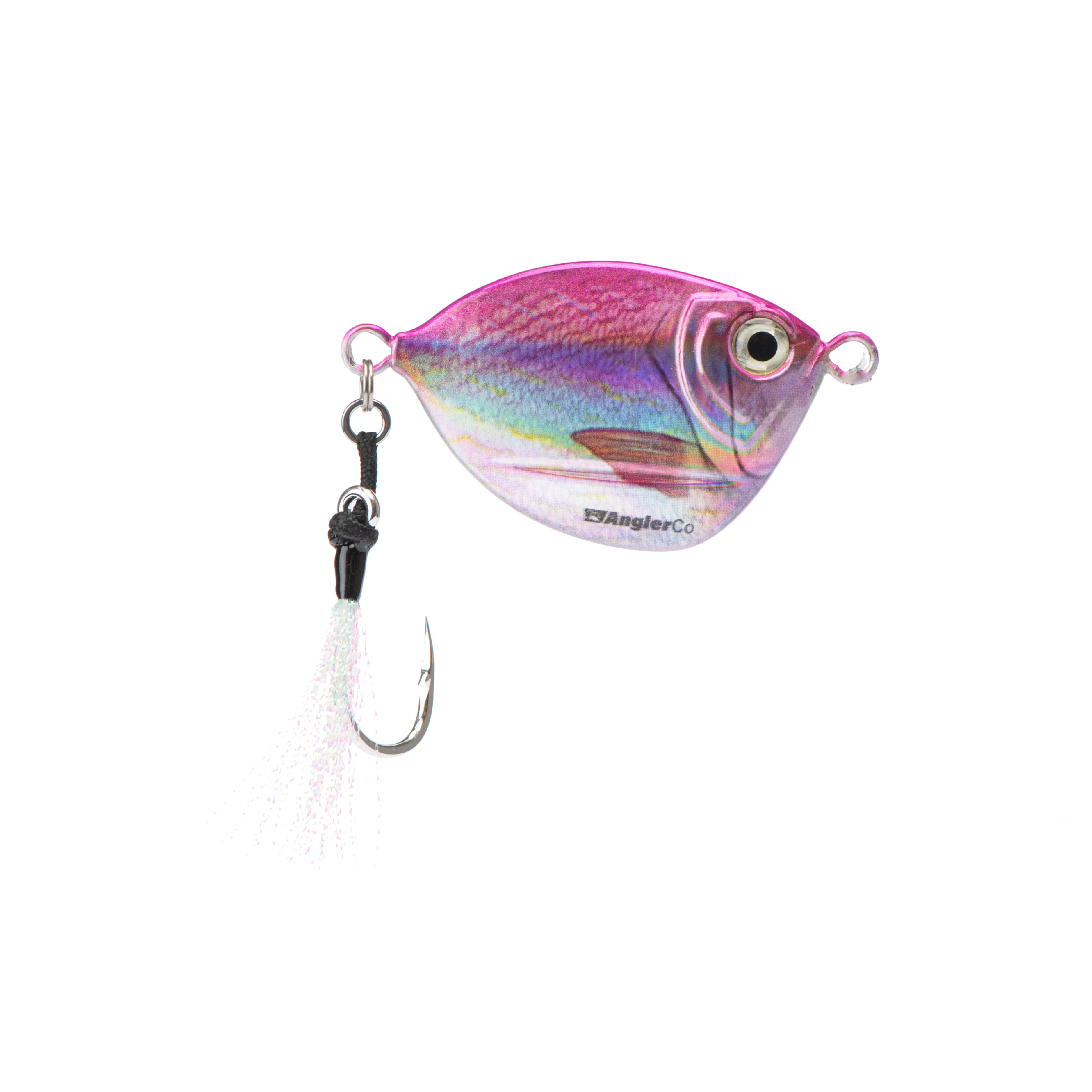
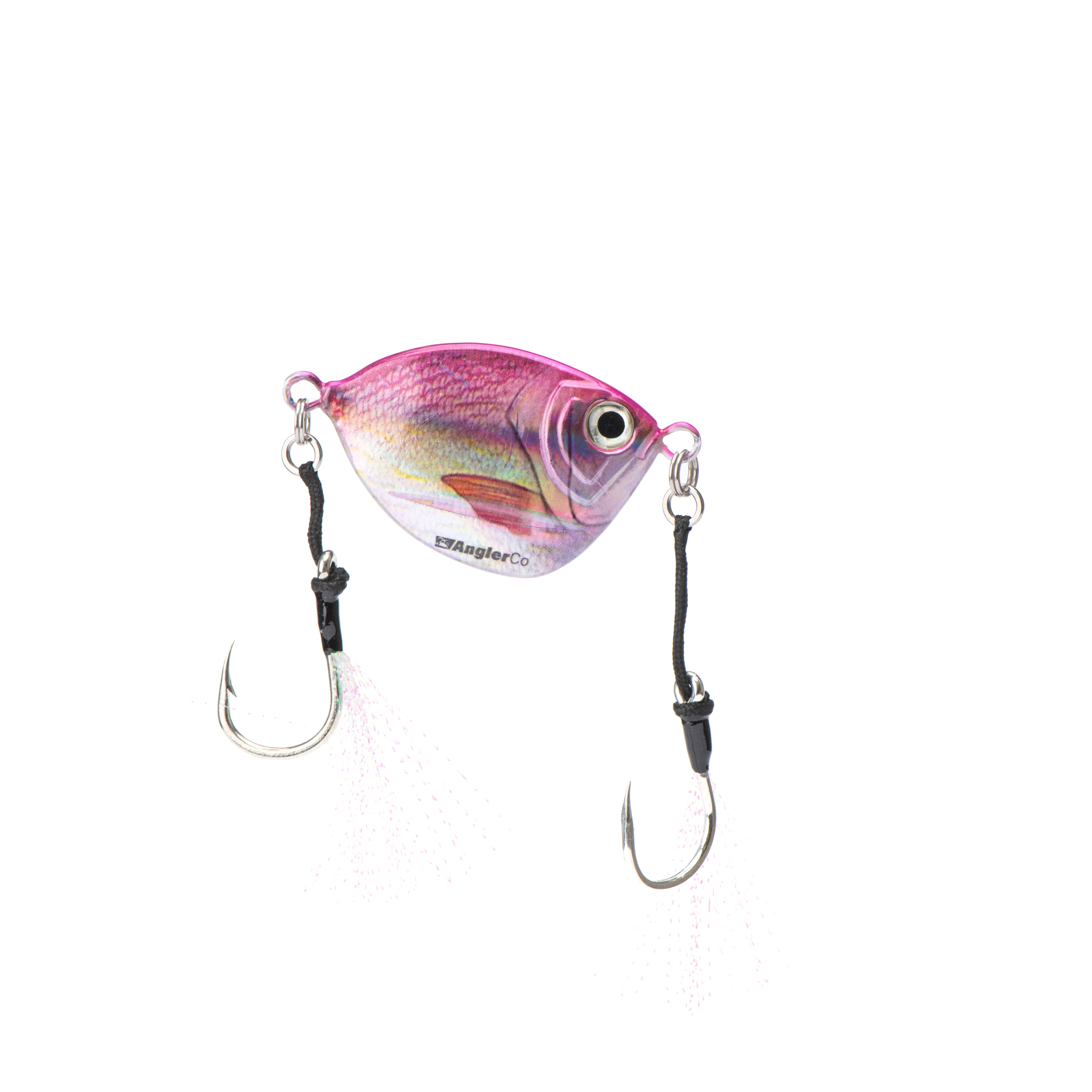

Grouper fishing in current exposes every weakness in your setup. When water is moving hard across ledges, wrecks, and rock piles, grouper sit tight, facing into the flow and waiting for food to come to them. If your jig sweeps off target, spins uncontrollably, or crashes straight past the strike zone, you’re not giving those fish a reason to leave the structure. Precision matters more than speed, and control matters more than brute force.
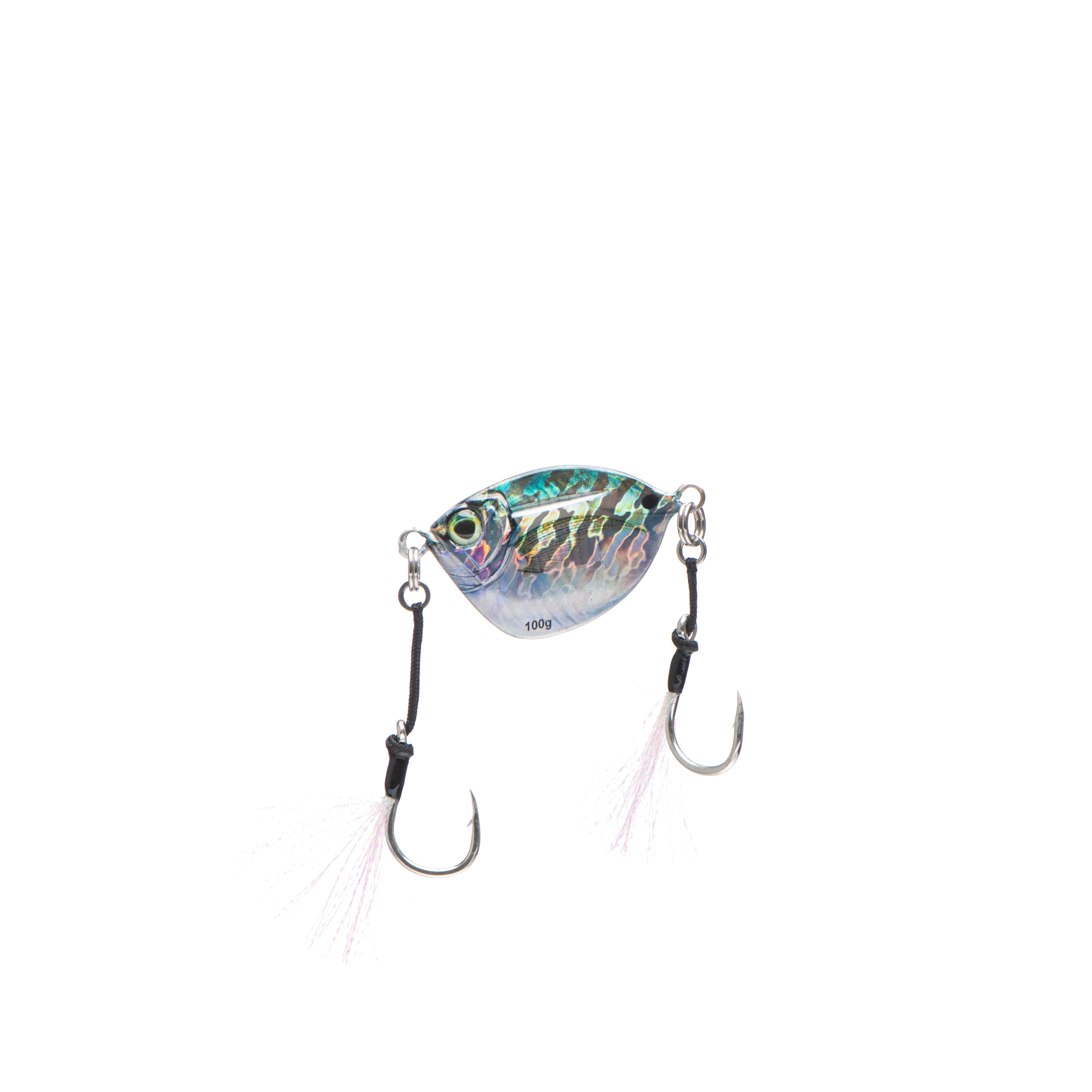
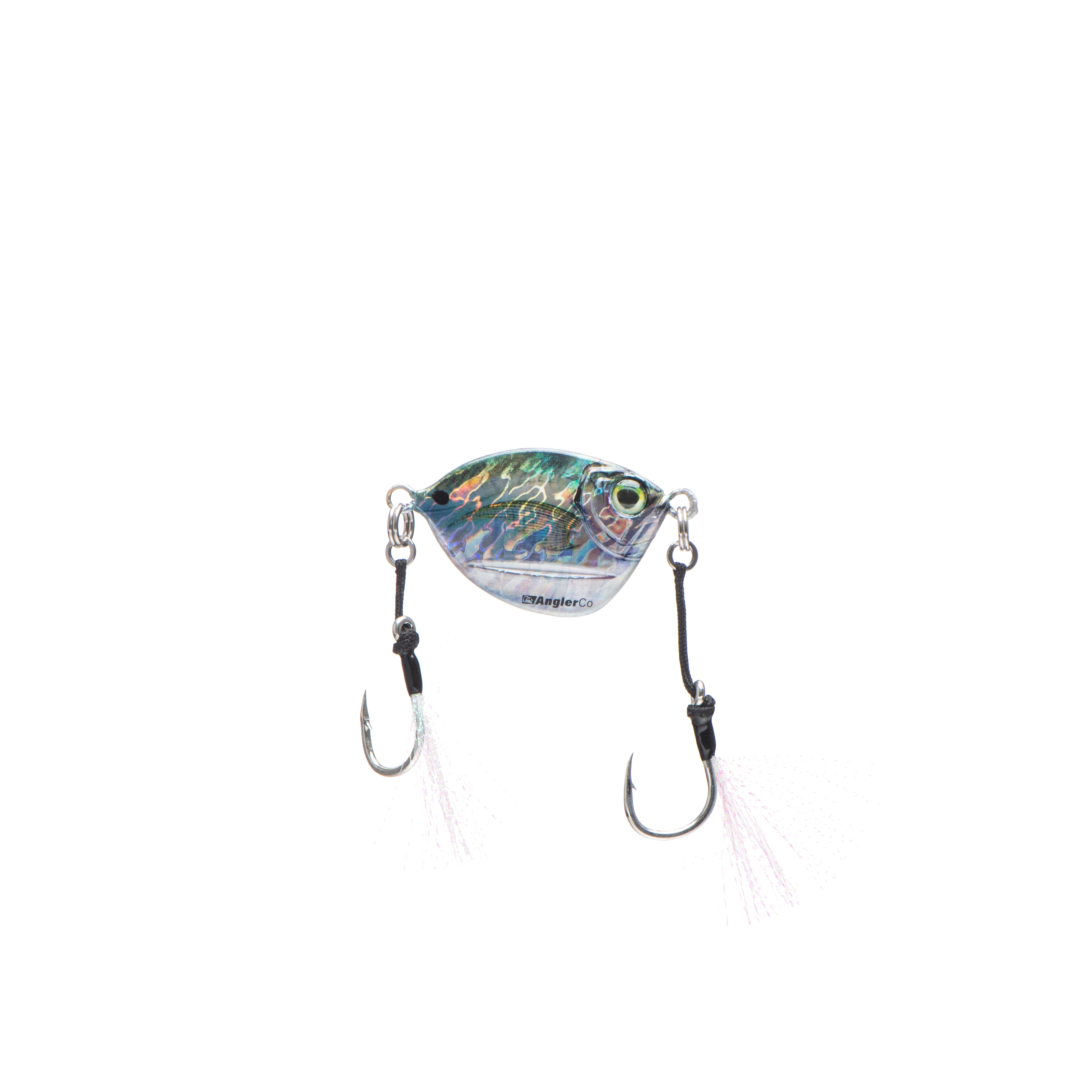
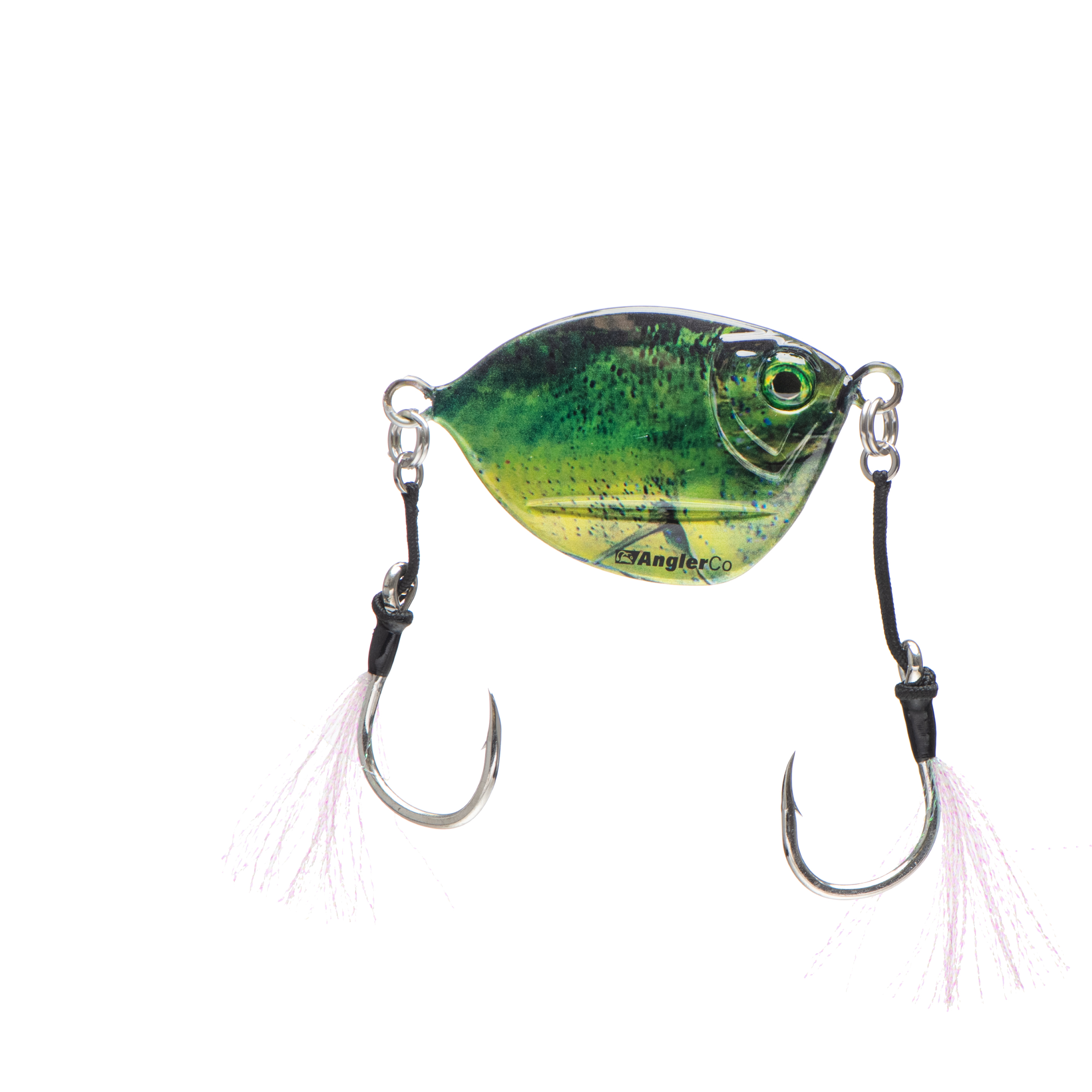
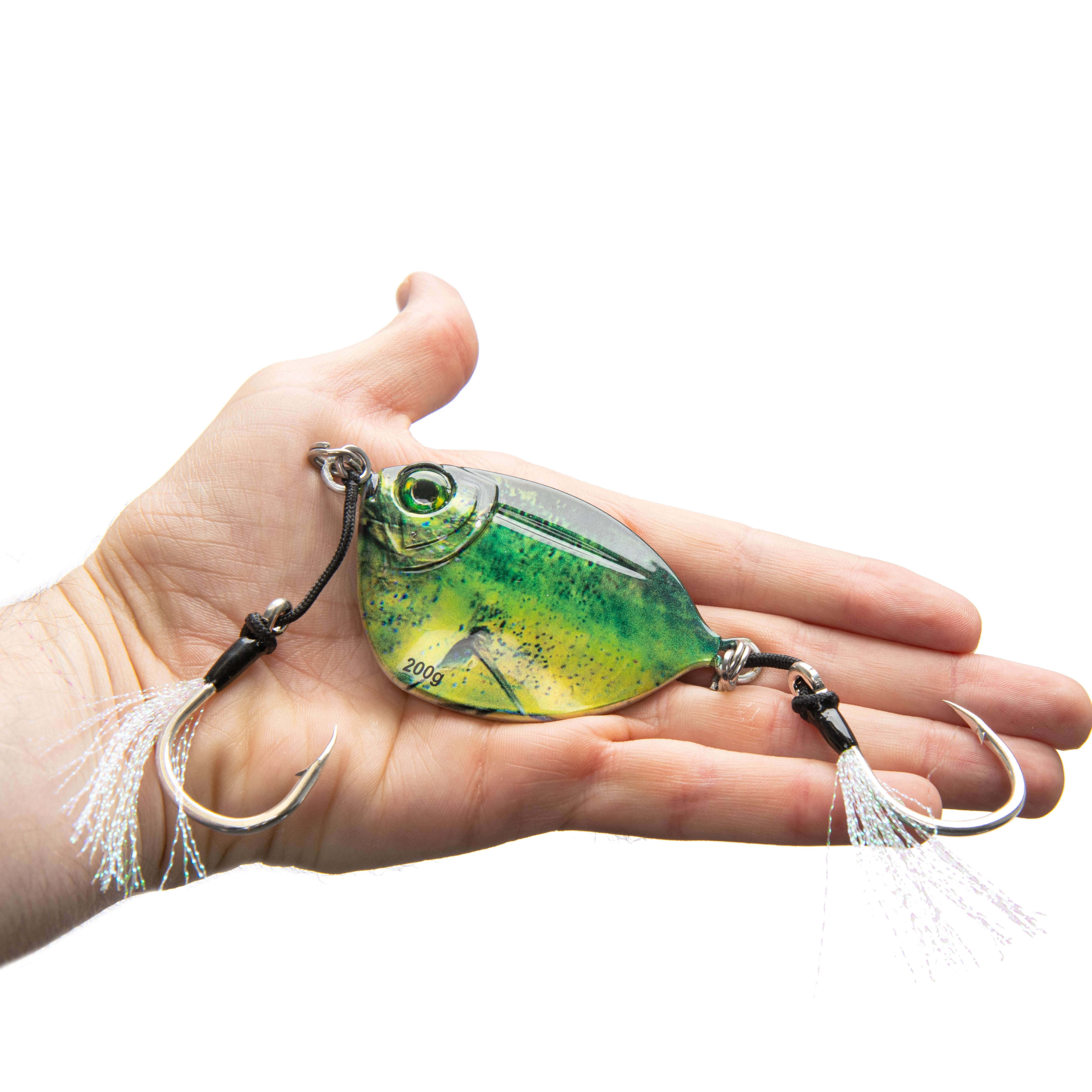
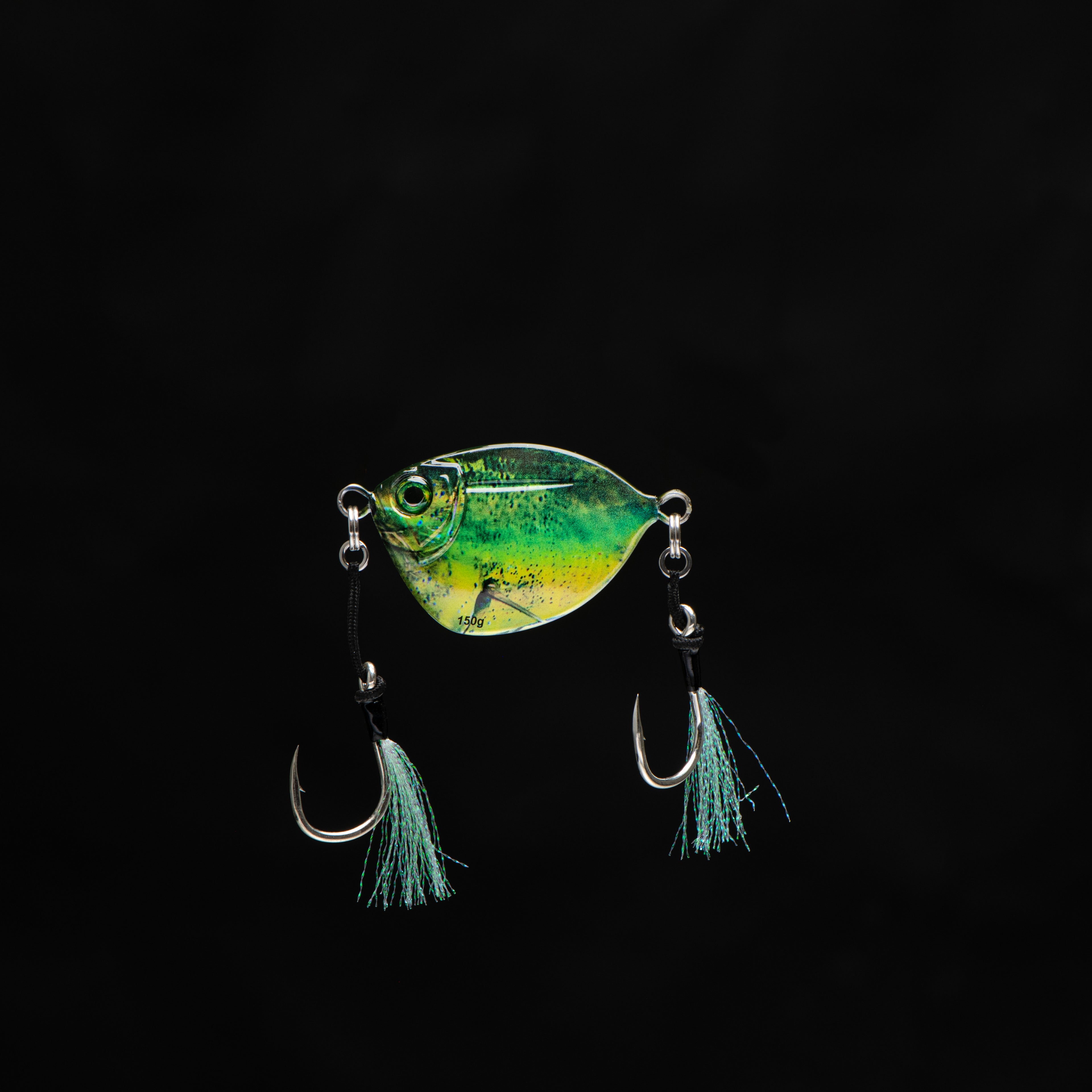
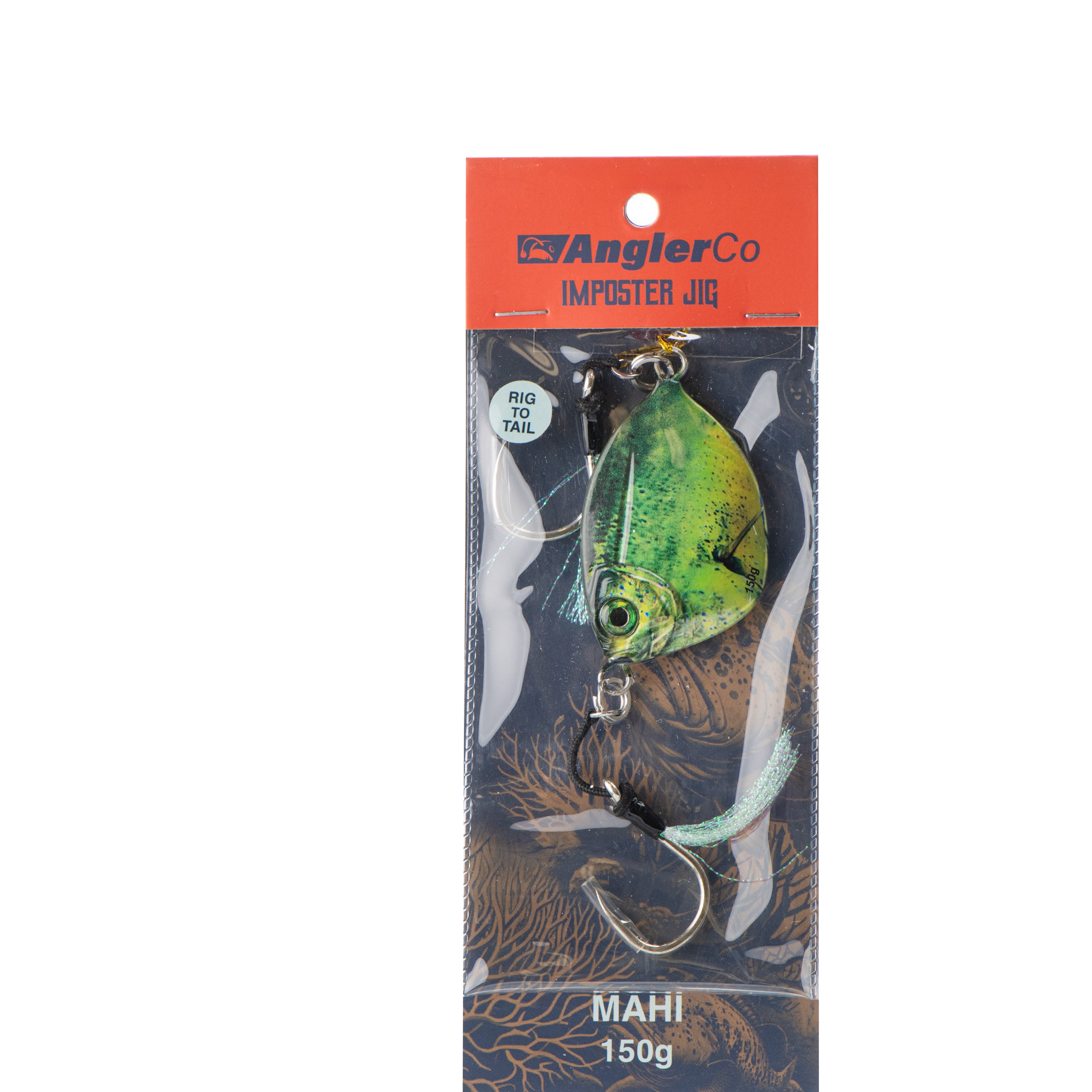
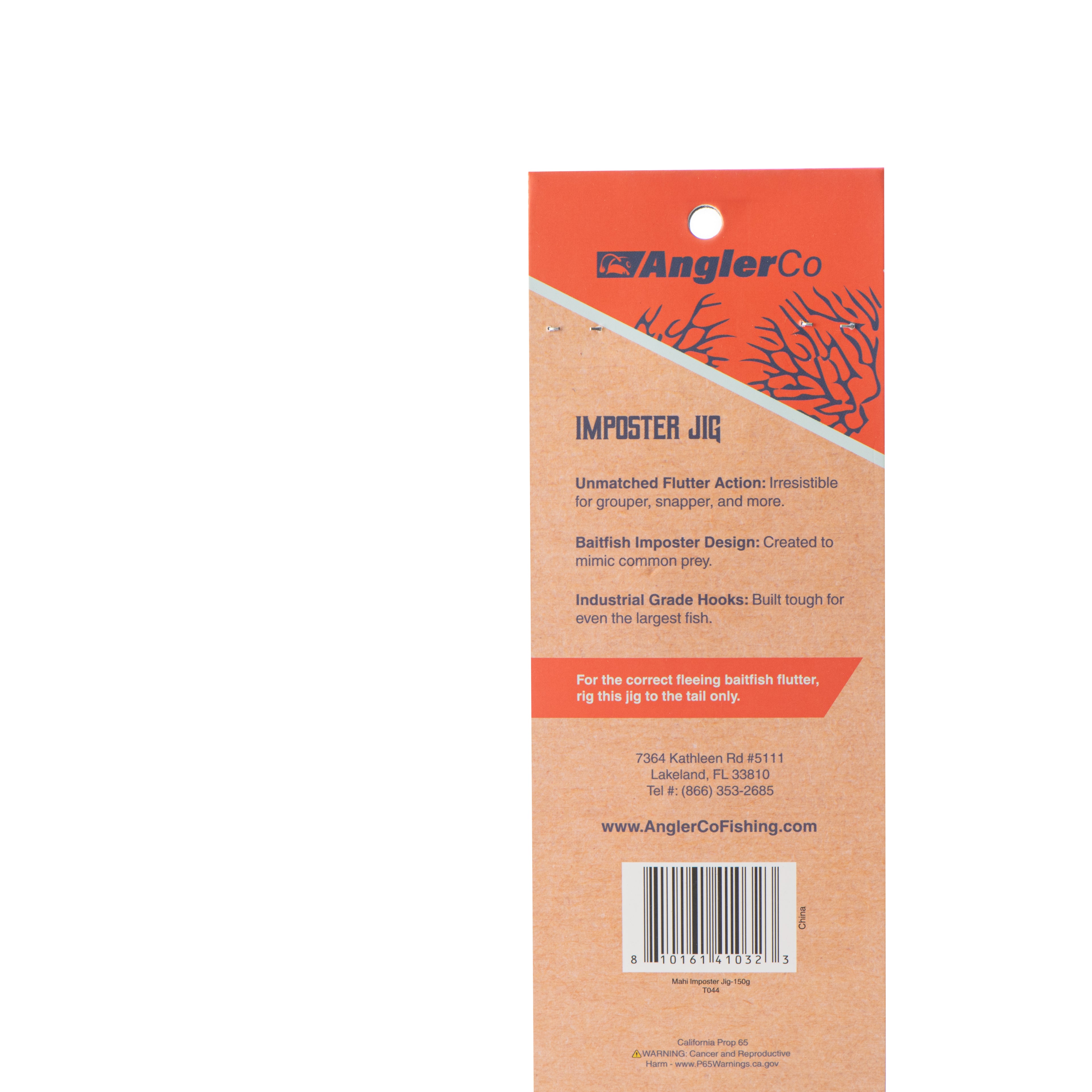
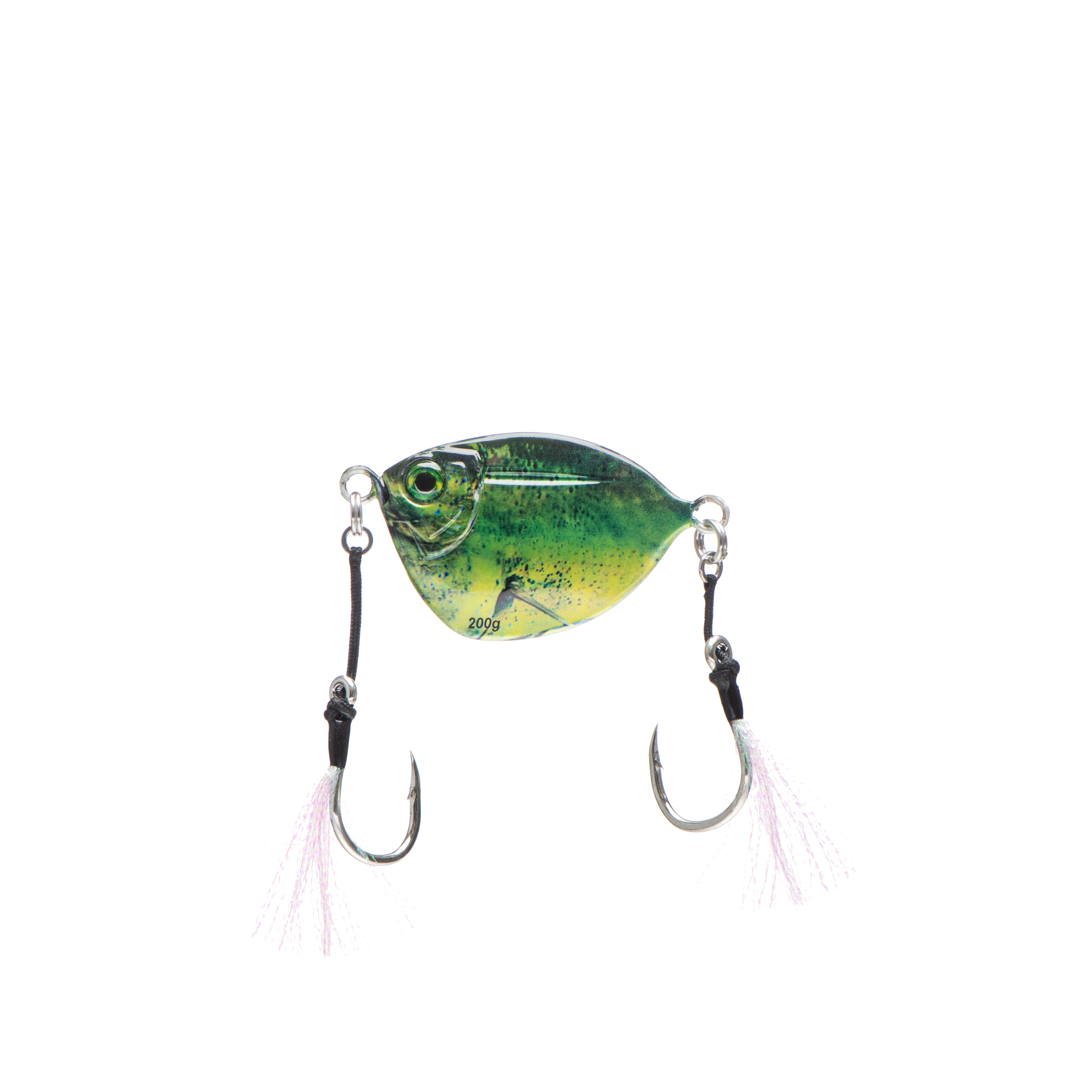
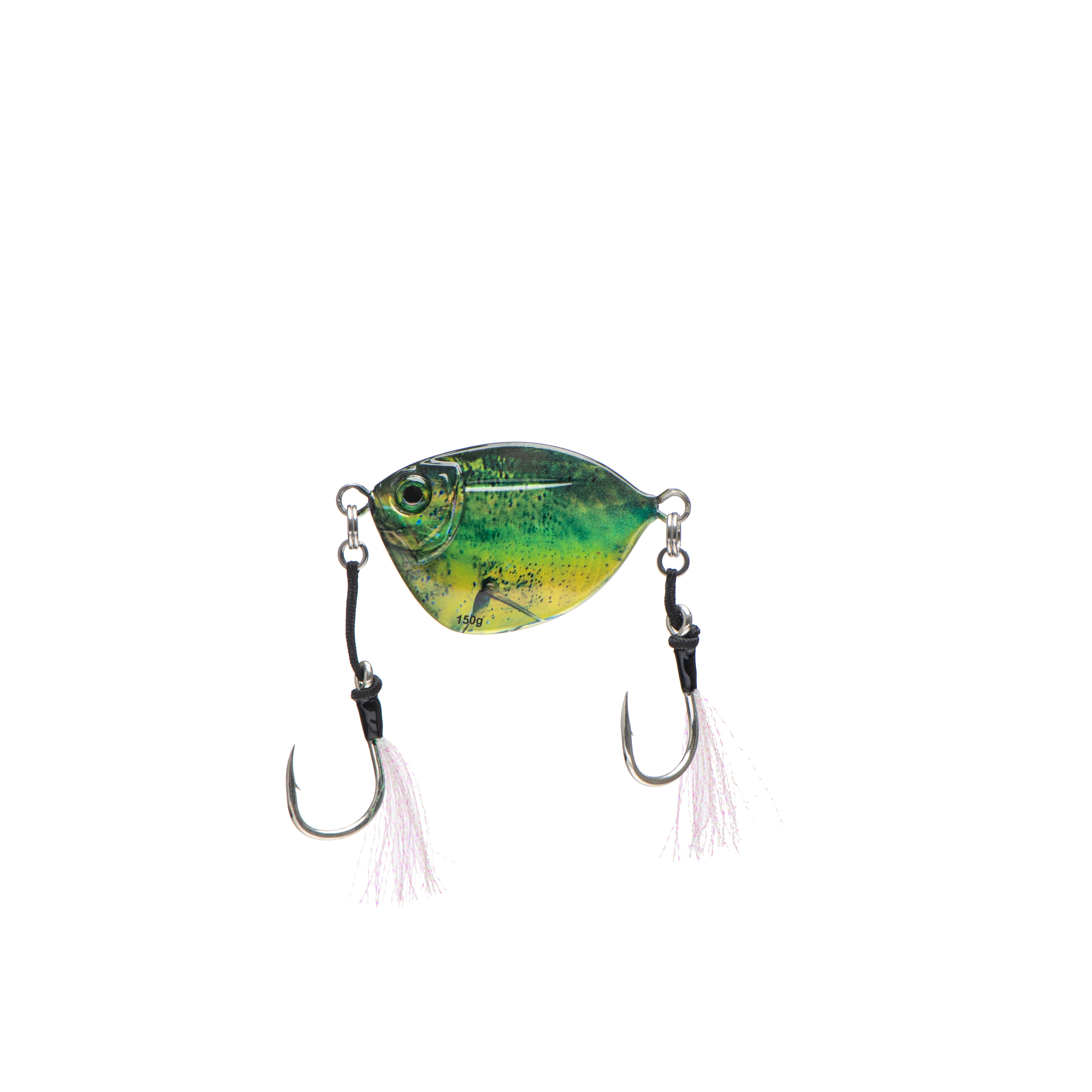
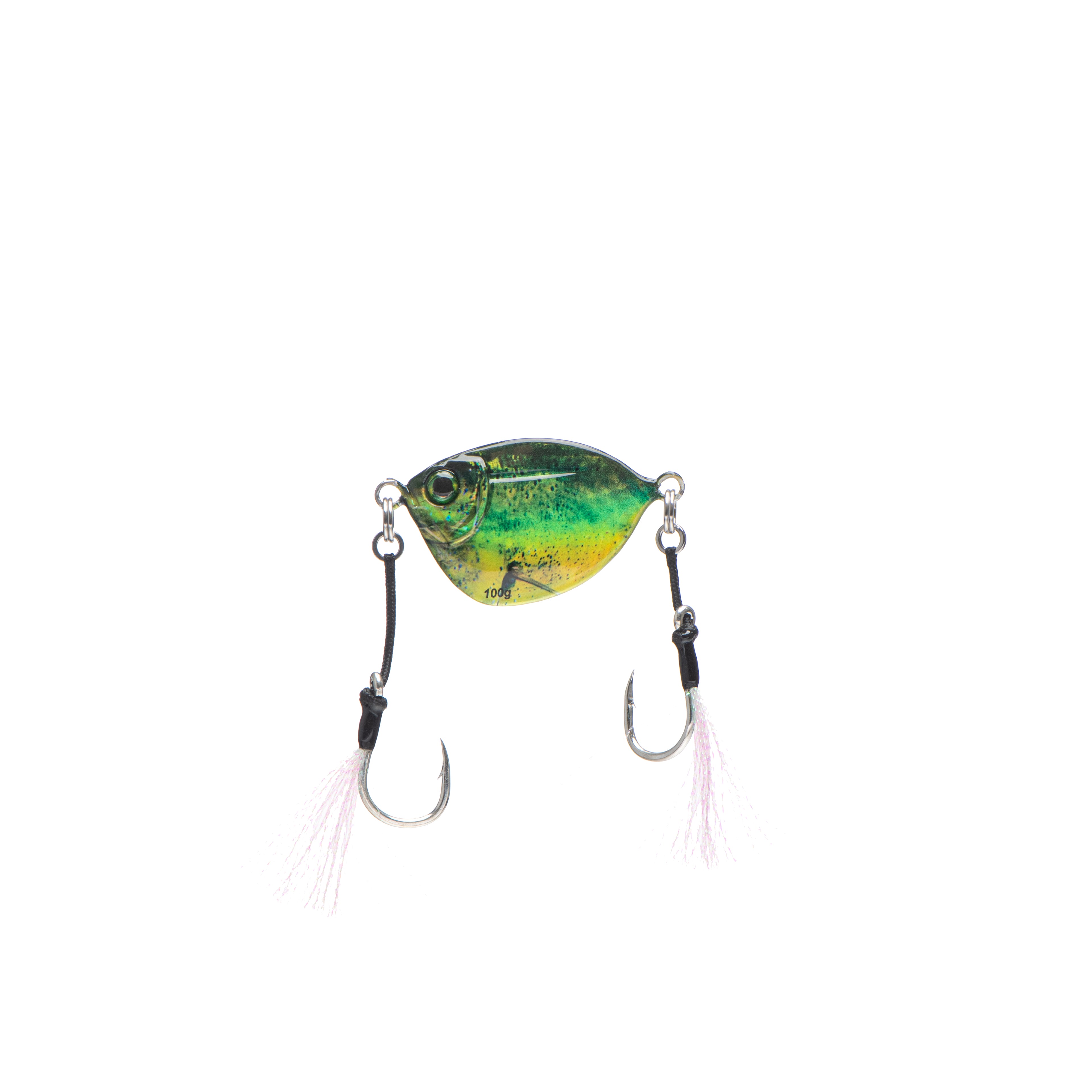
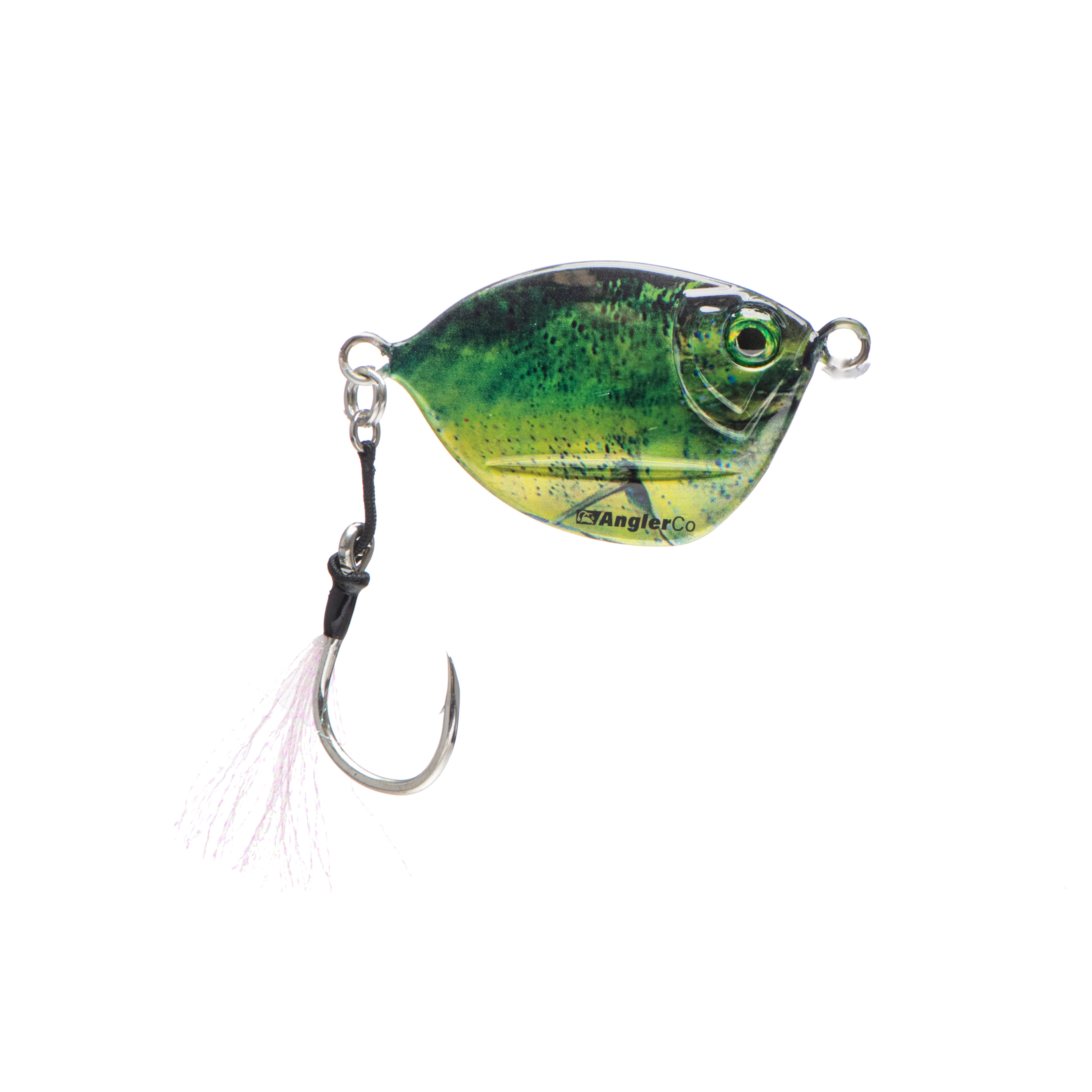
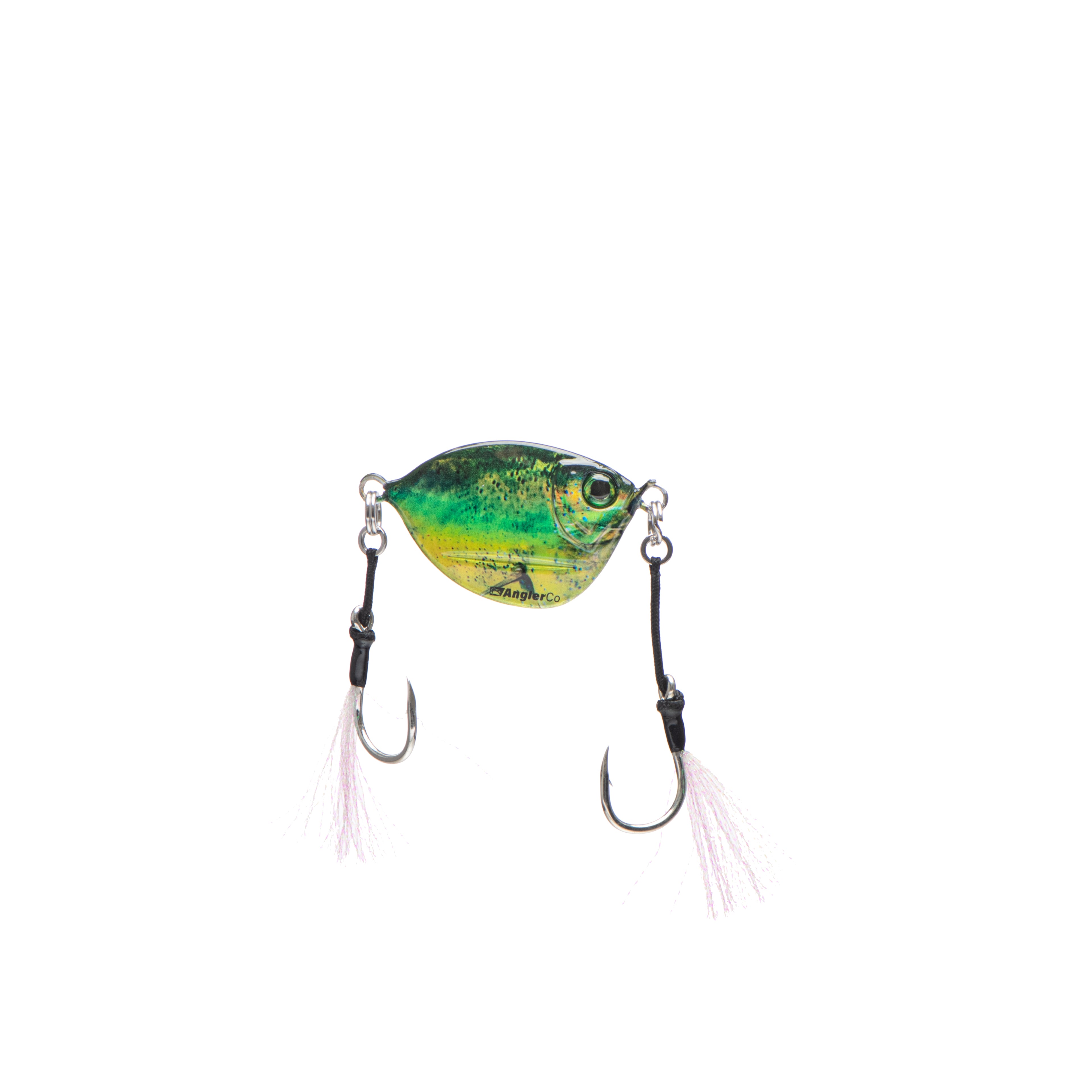
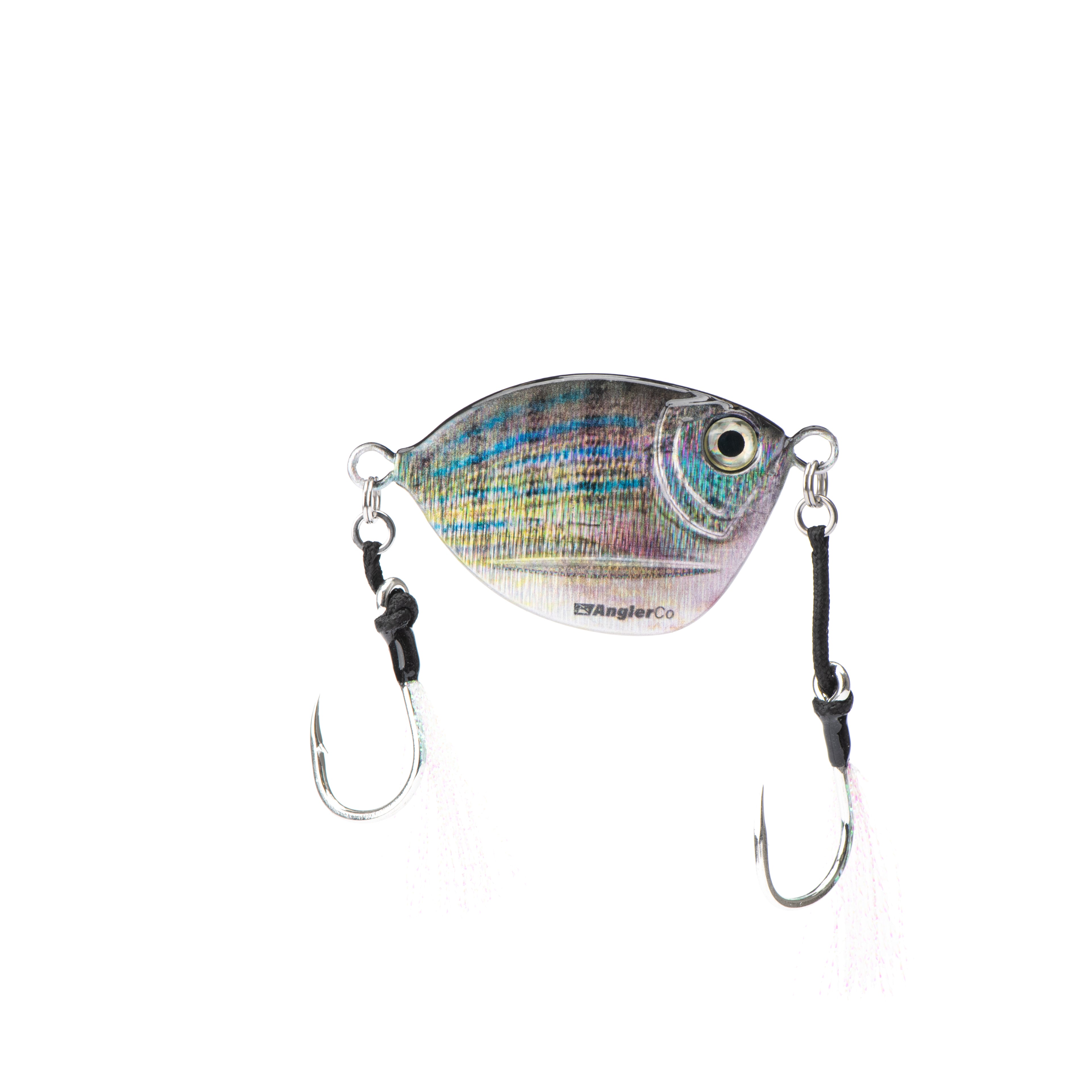
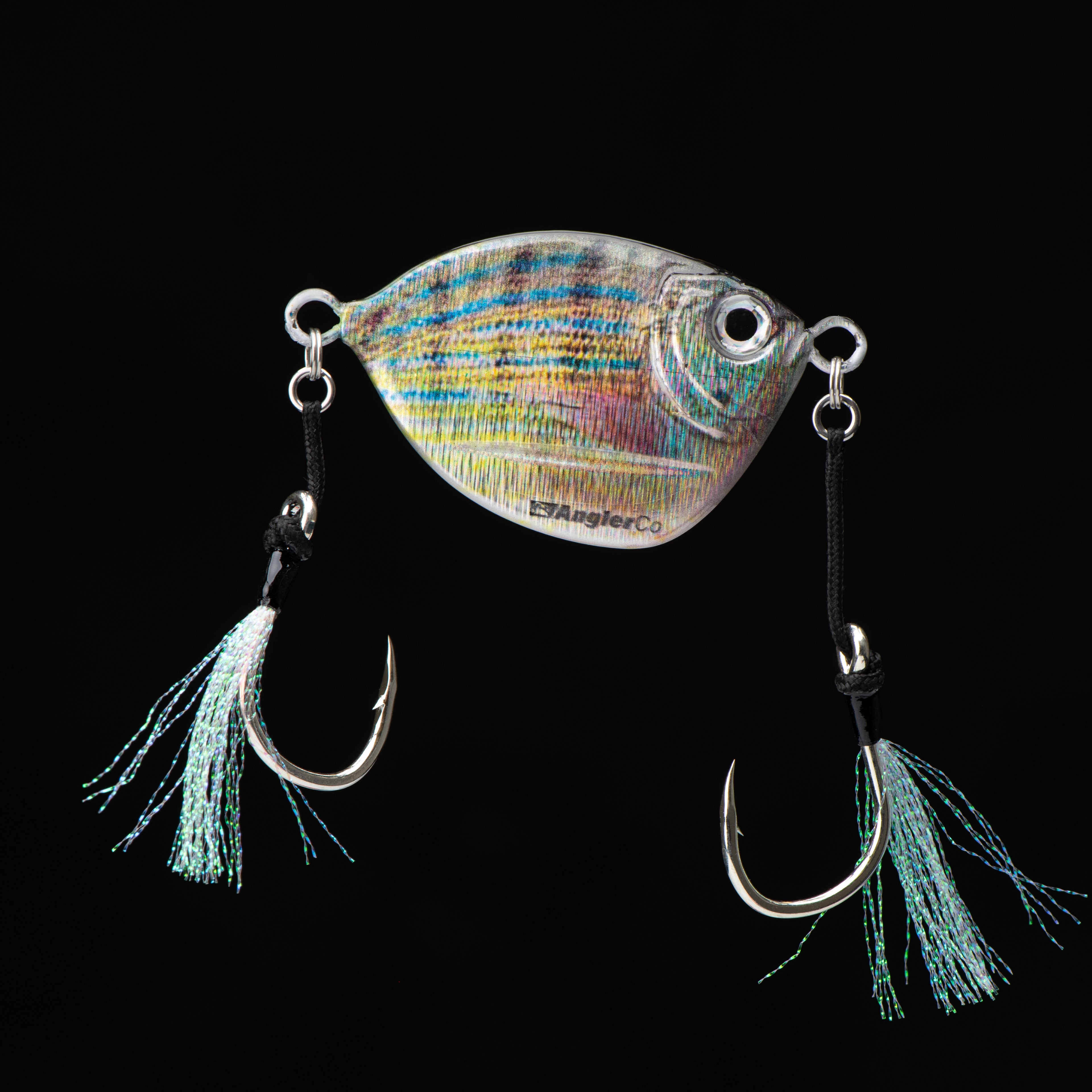
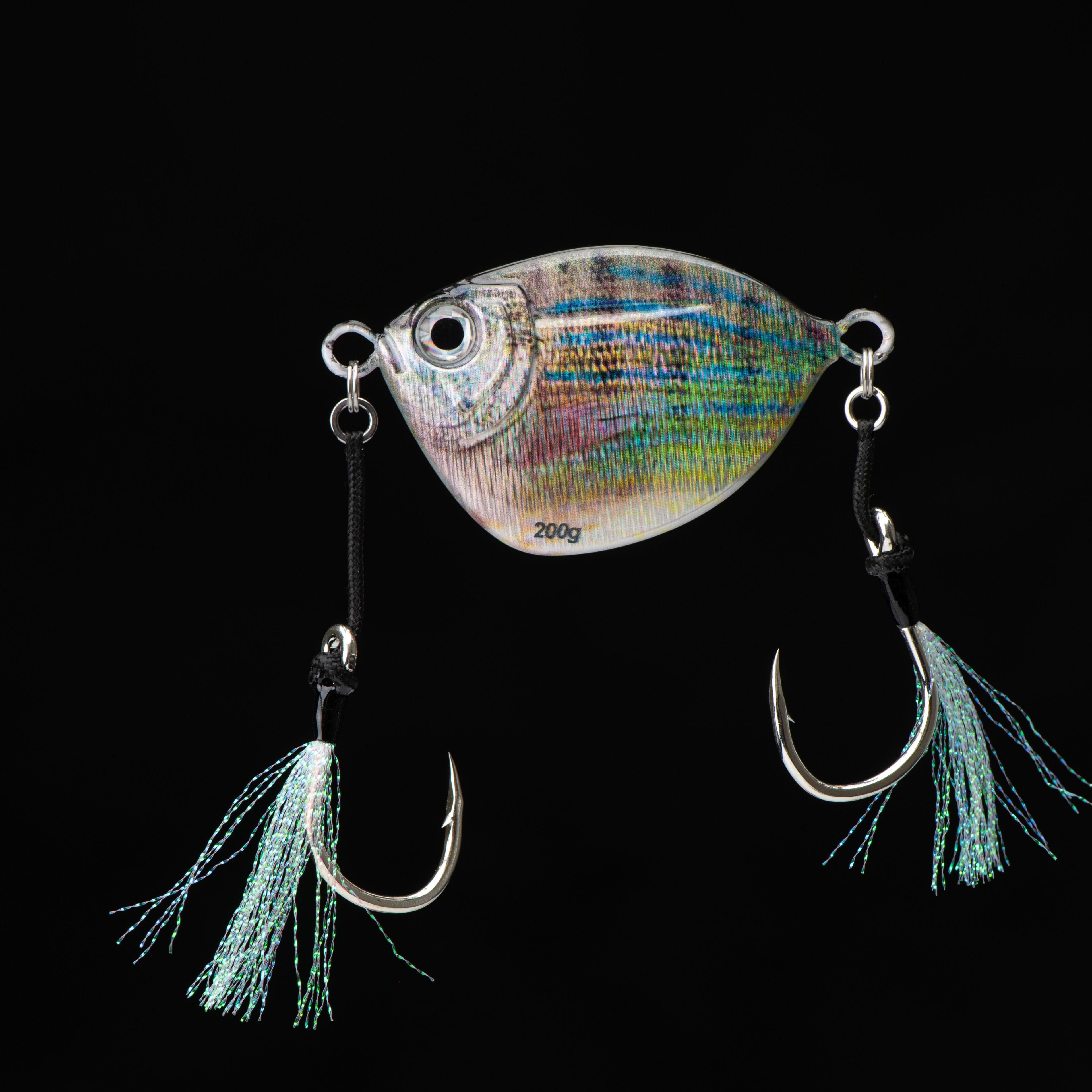
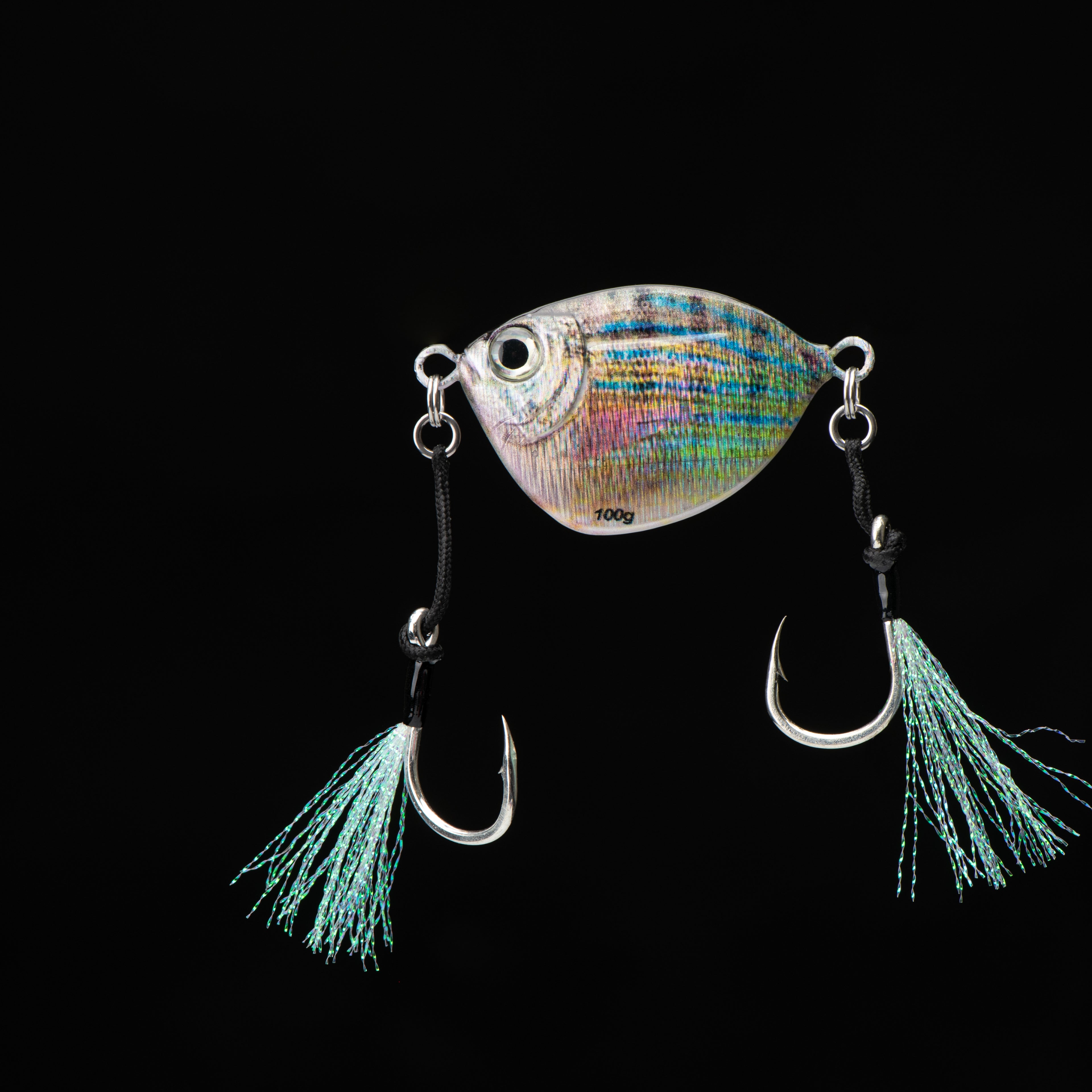
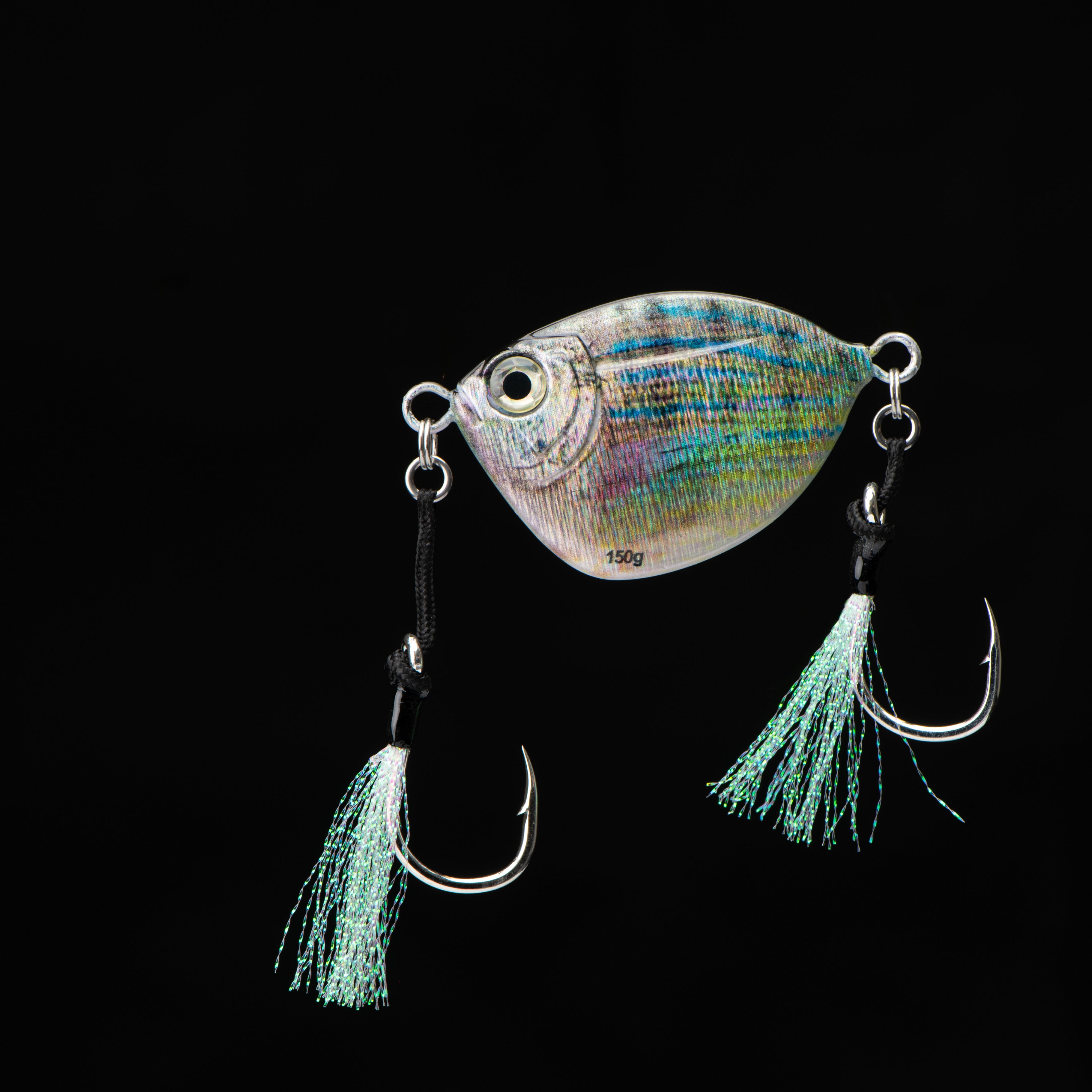
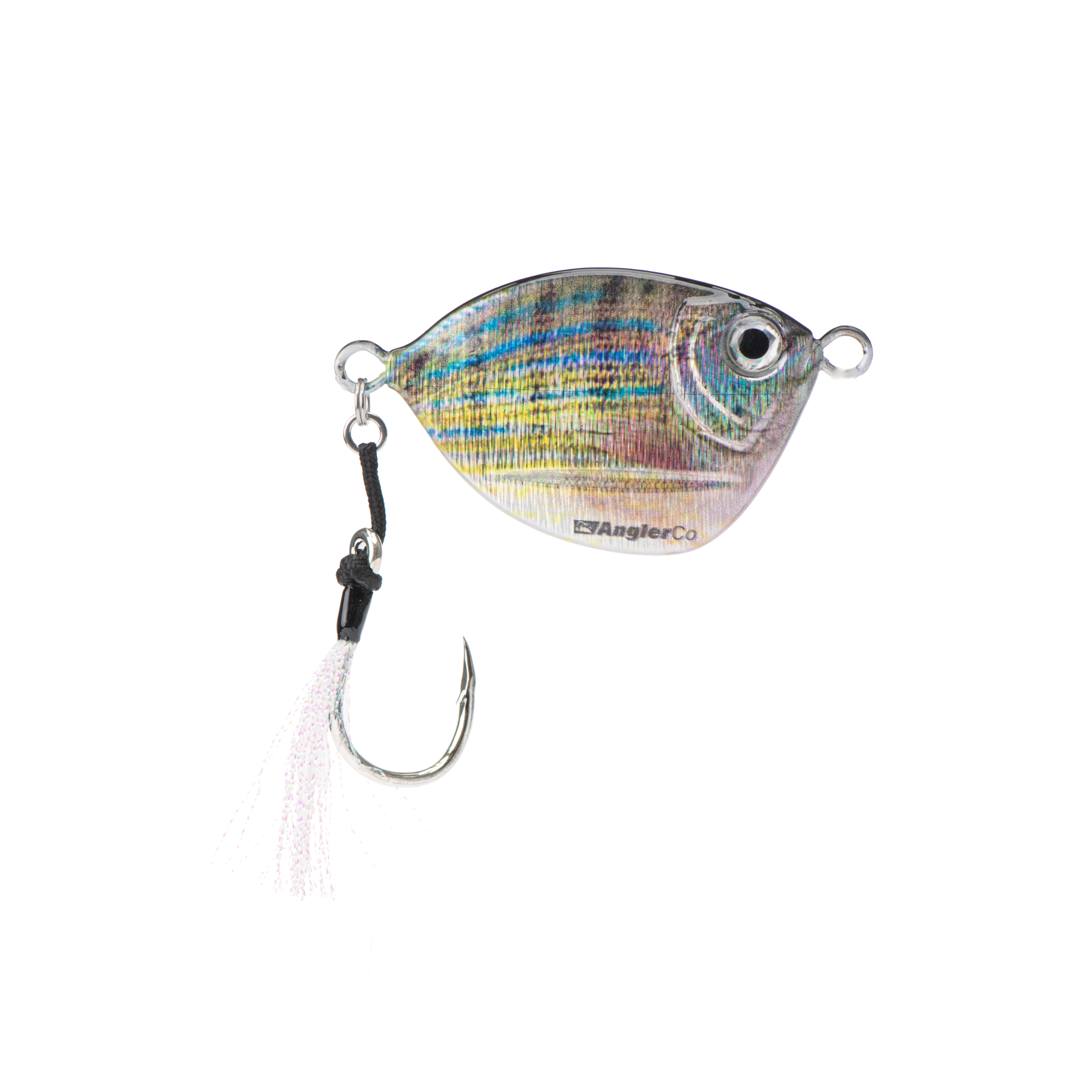
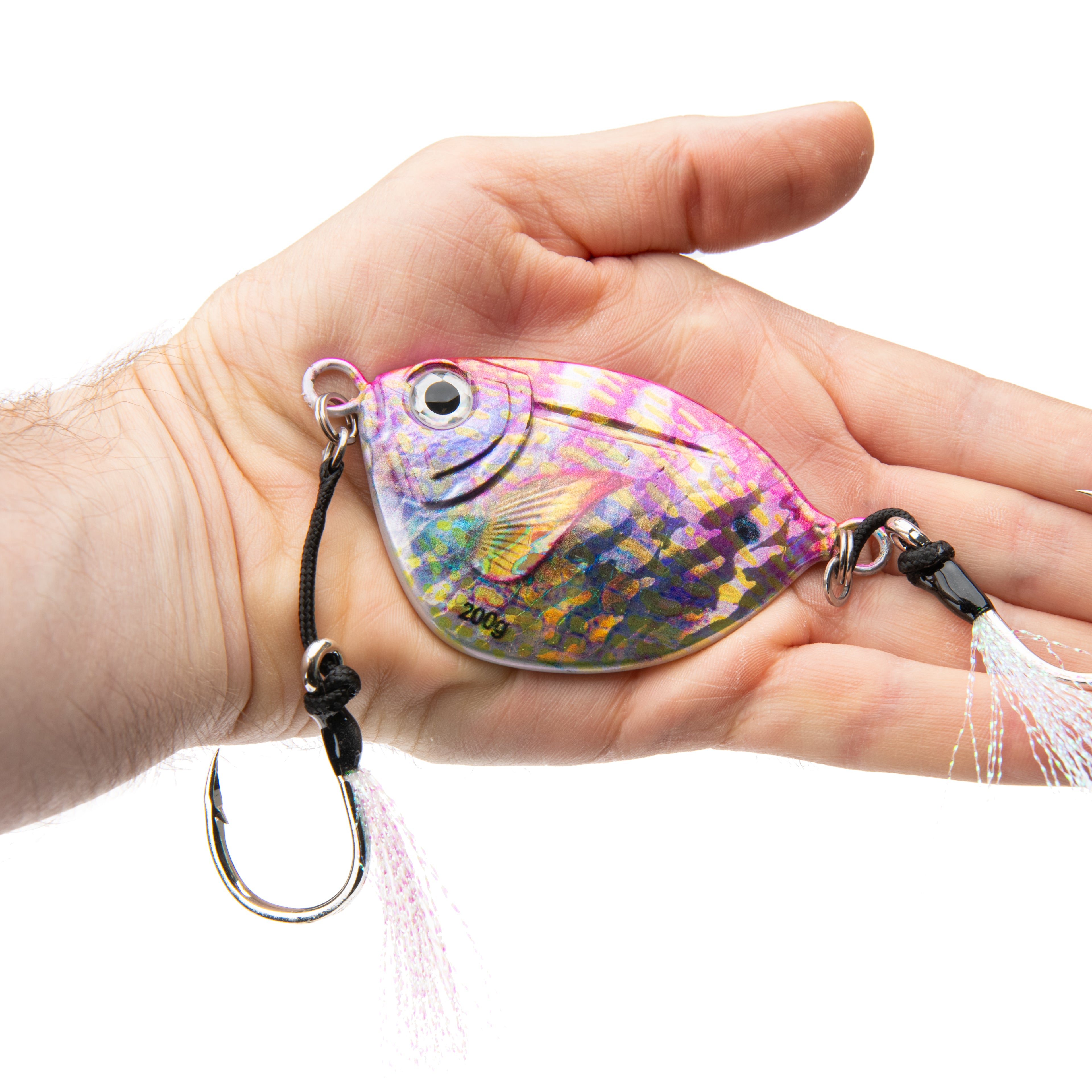
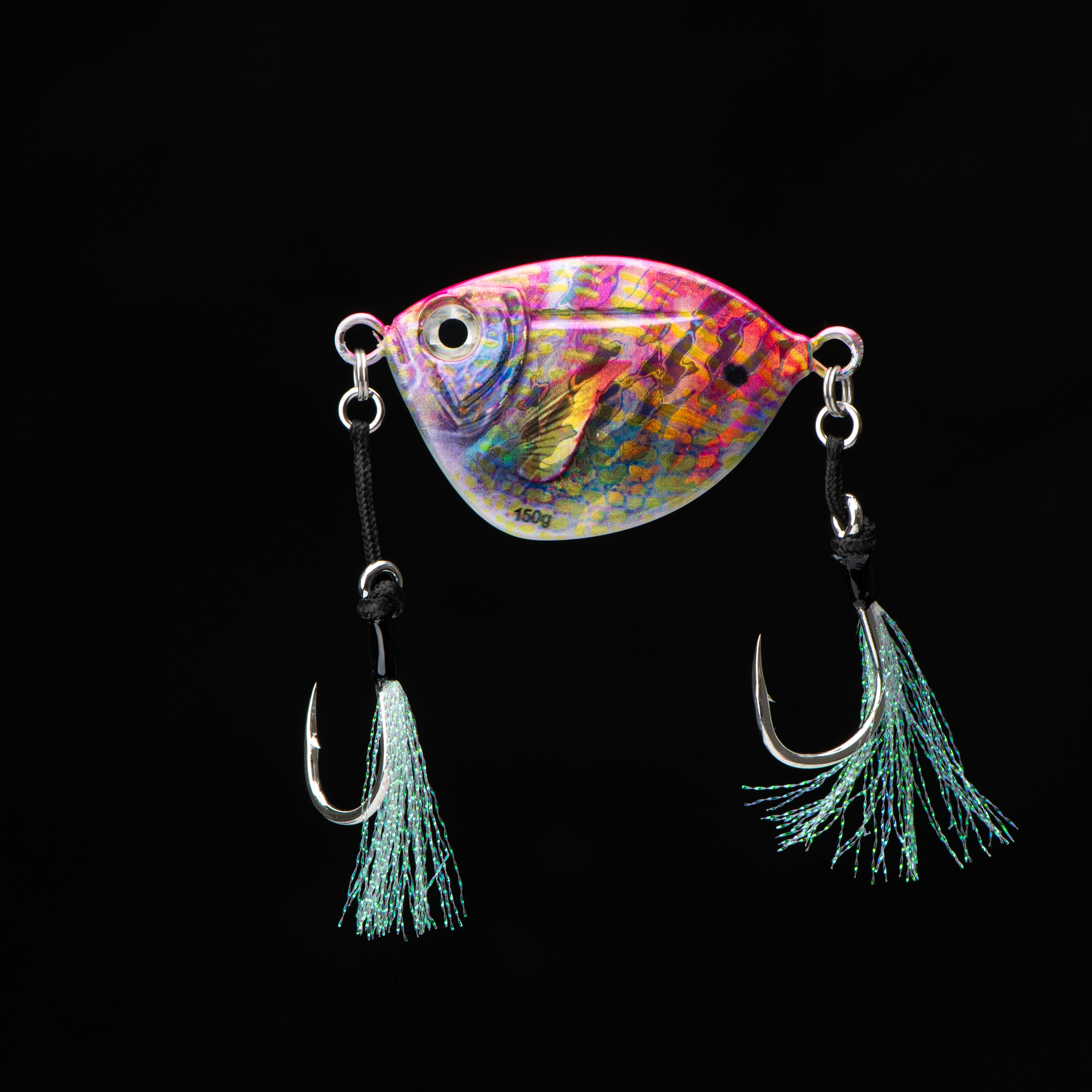
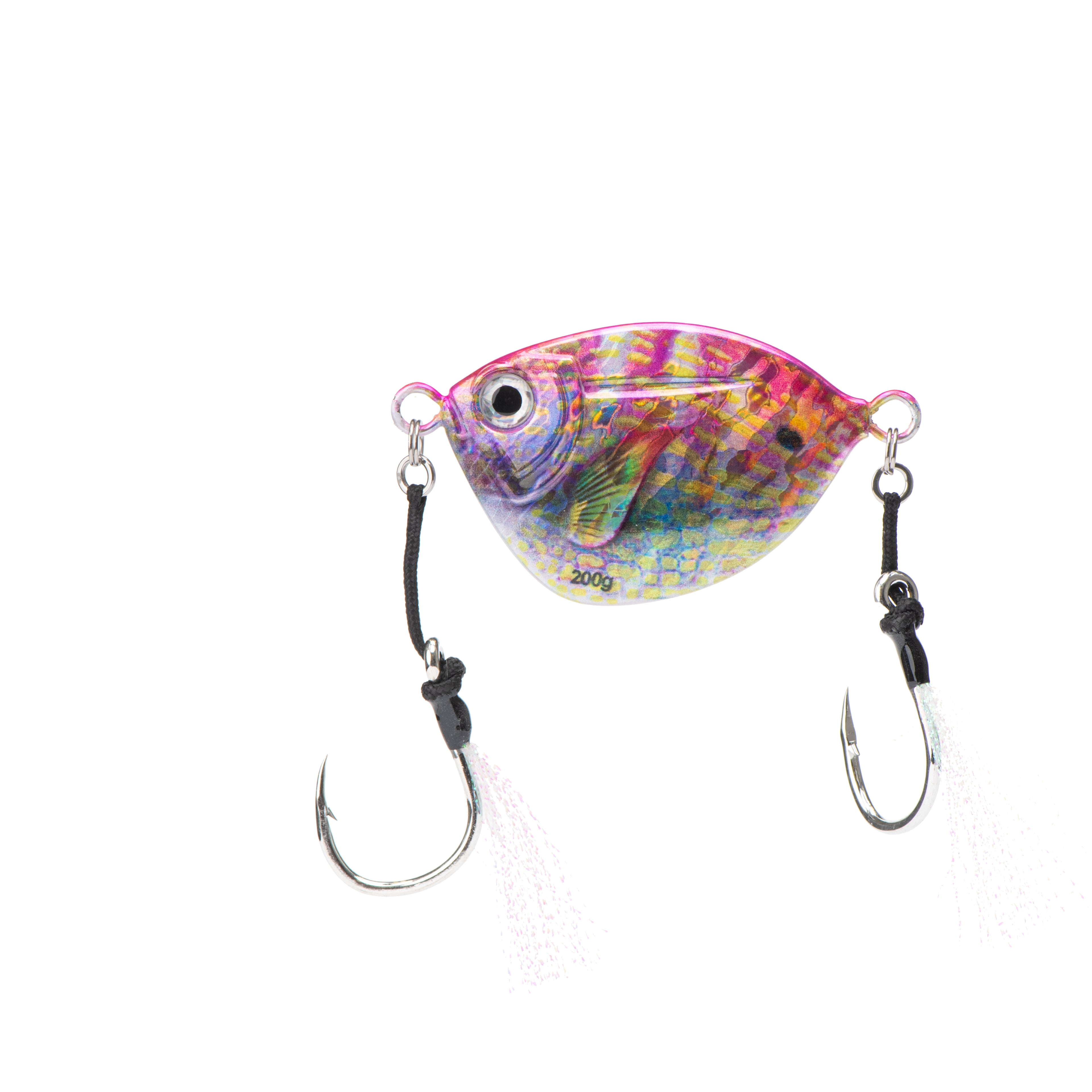
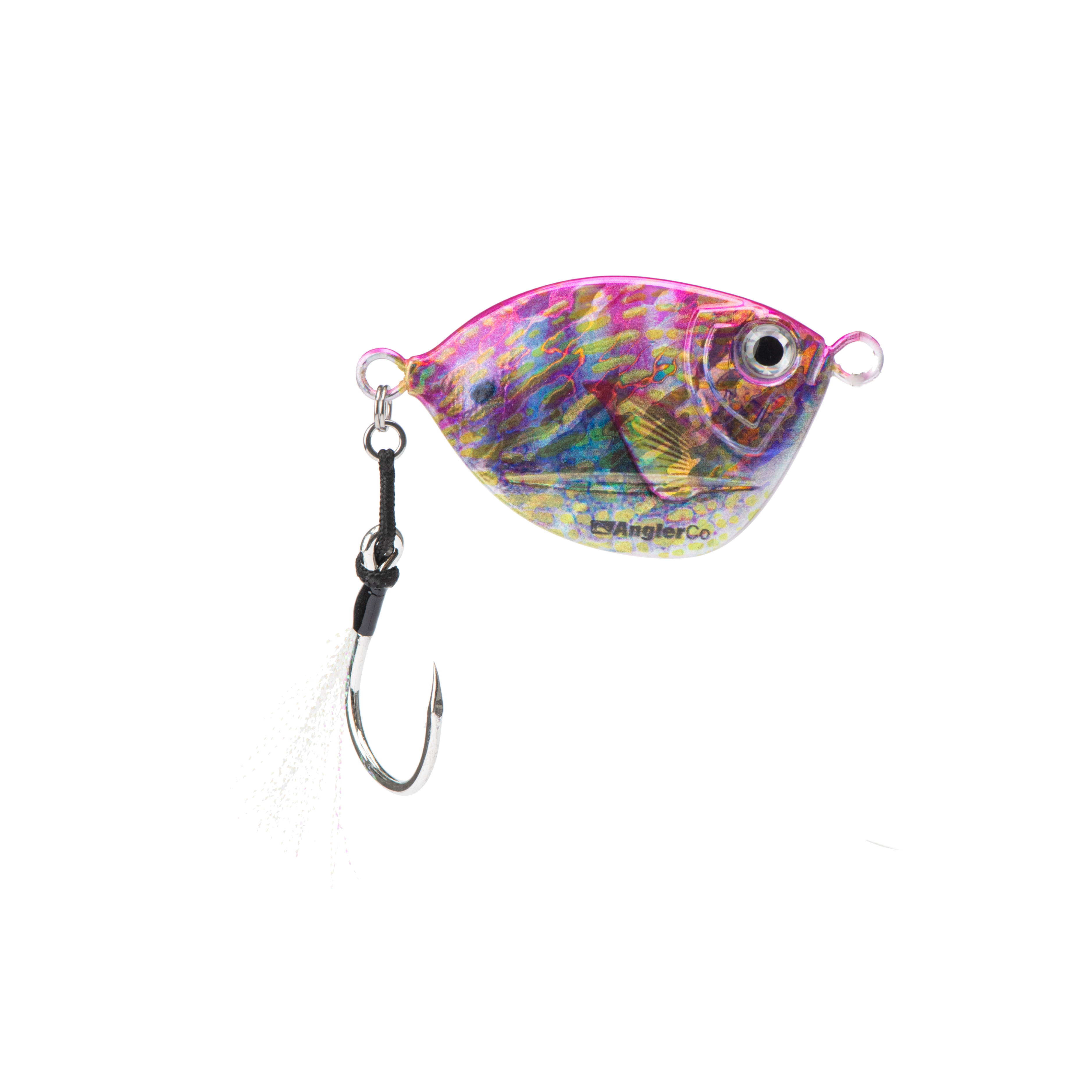
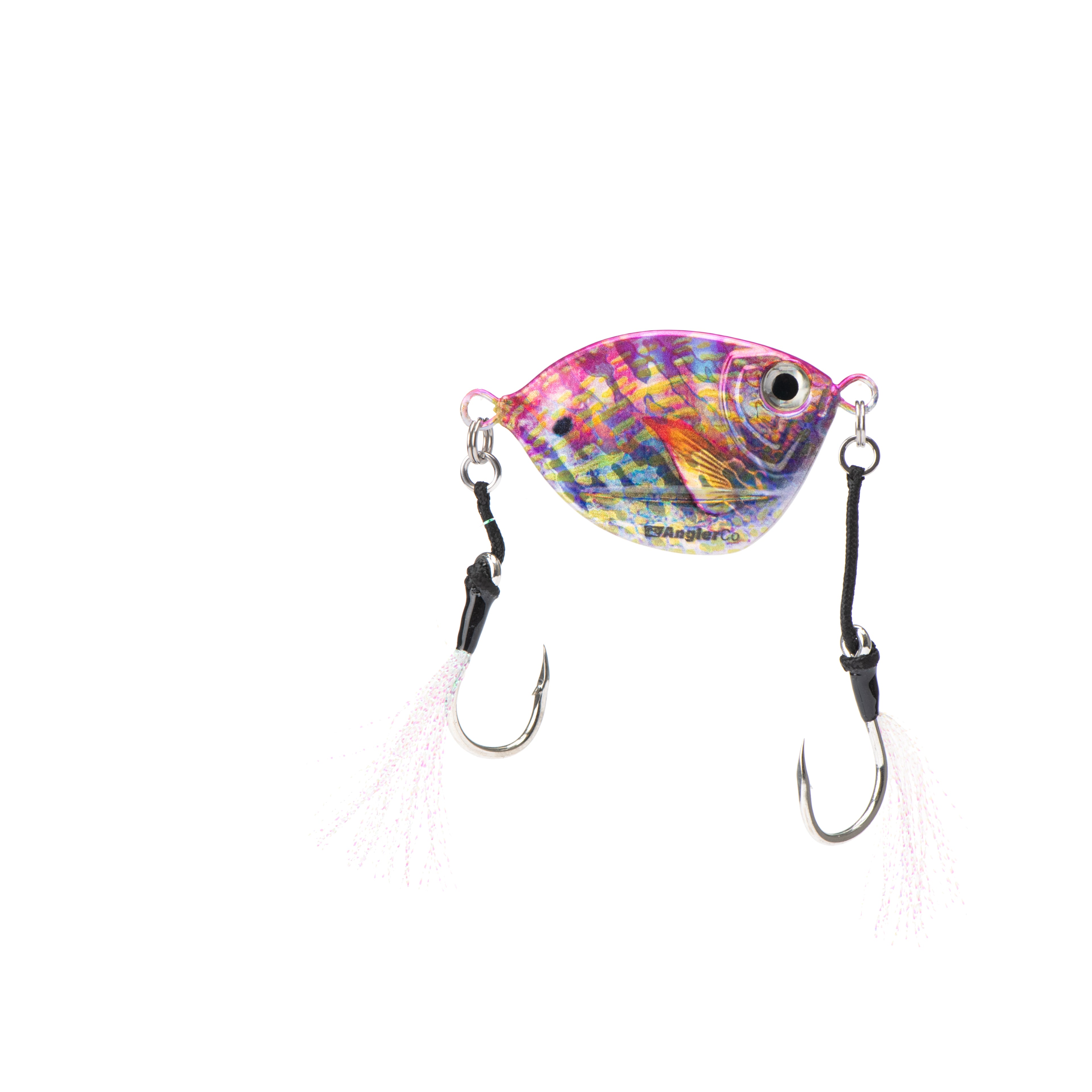
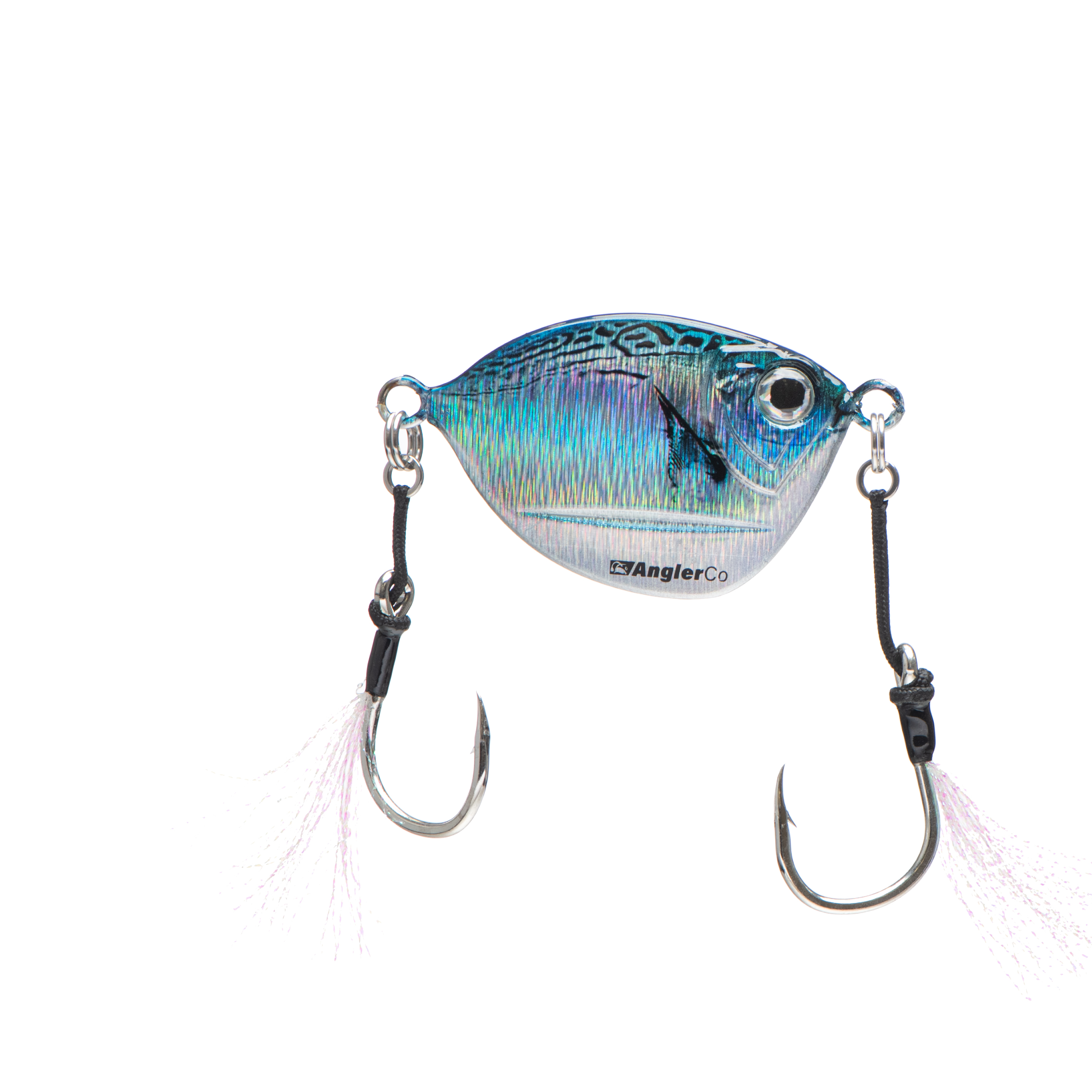
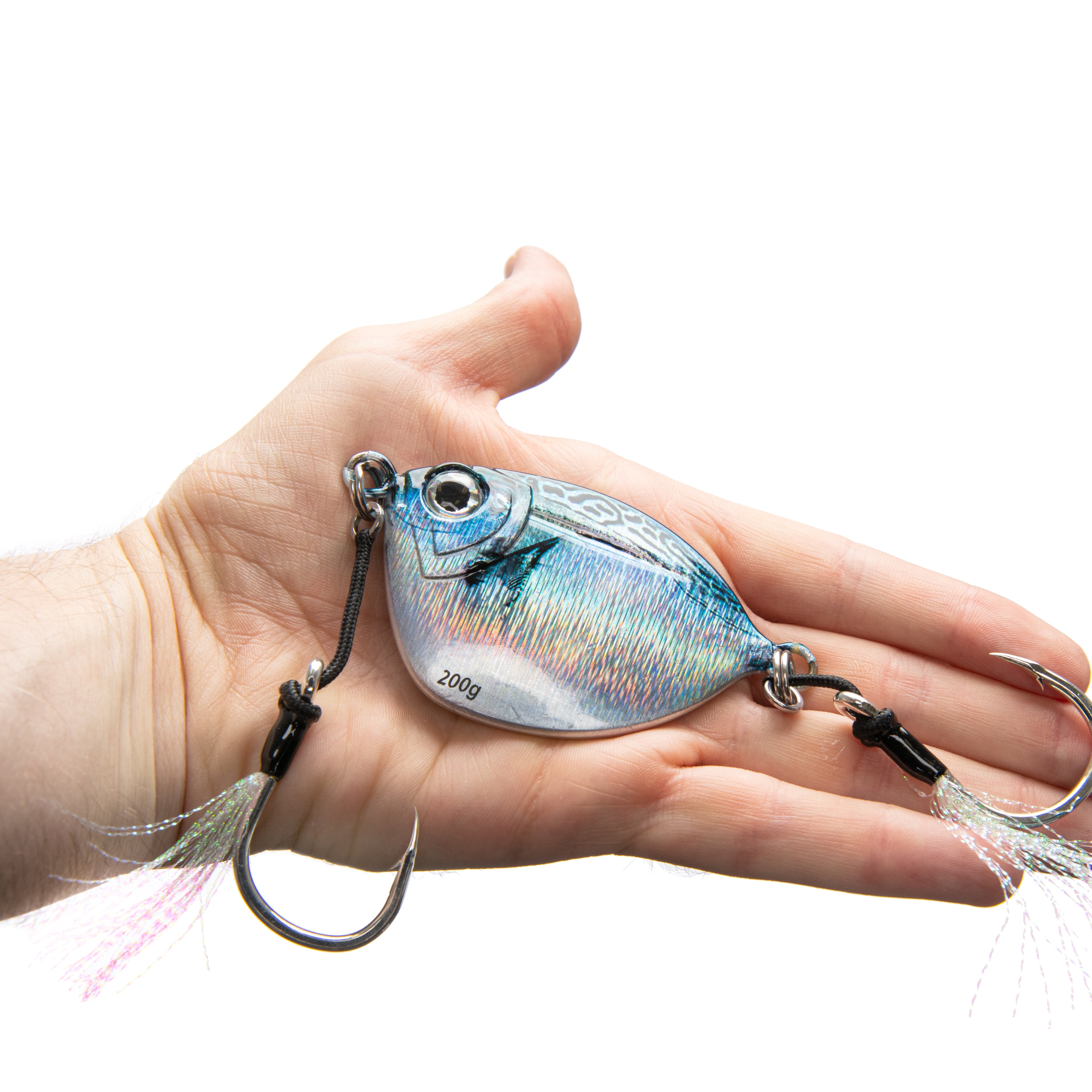
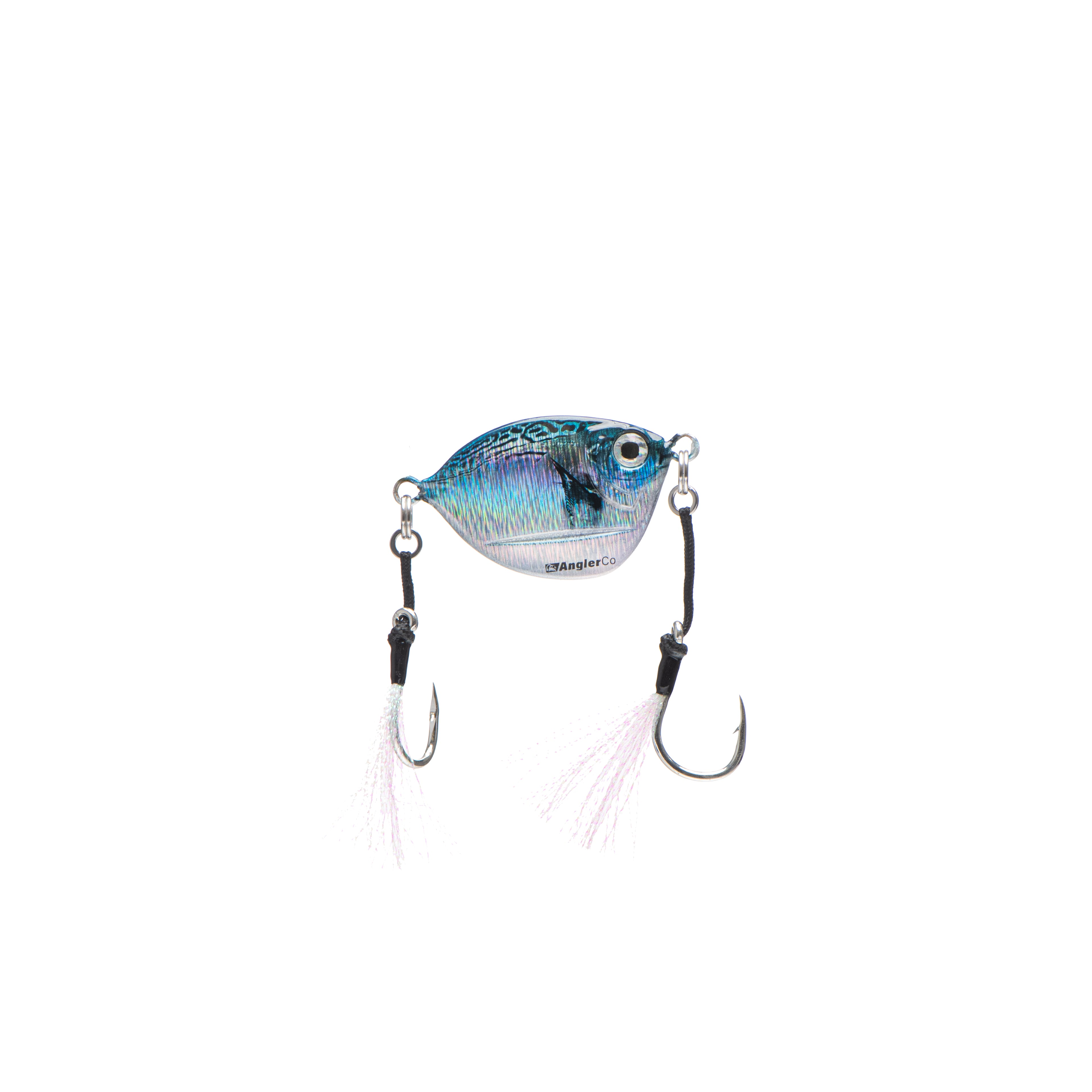
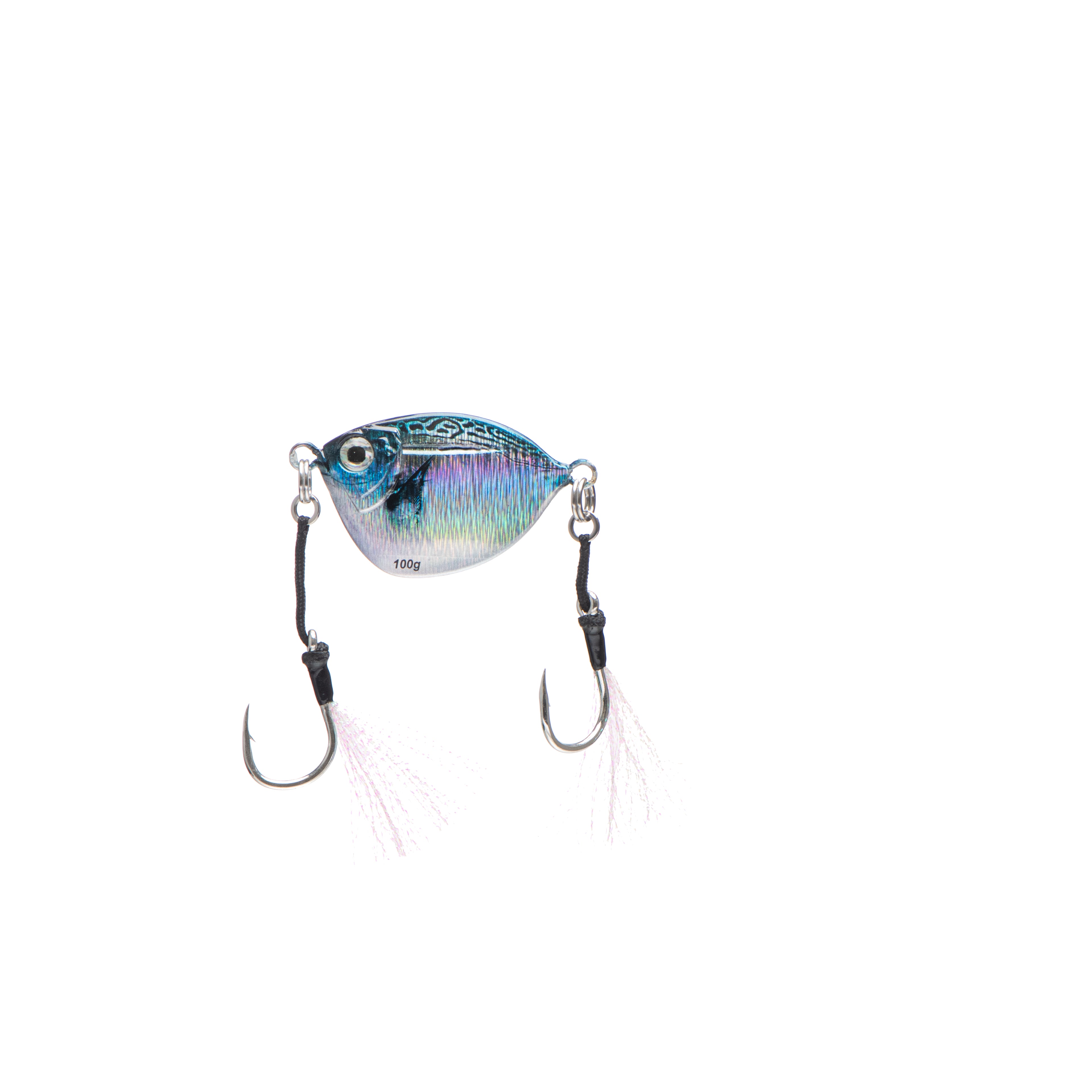
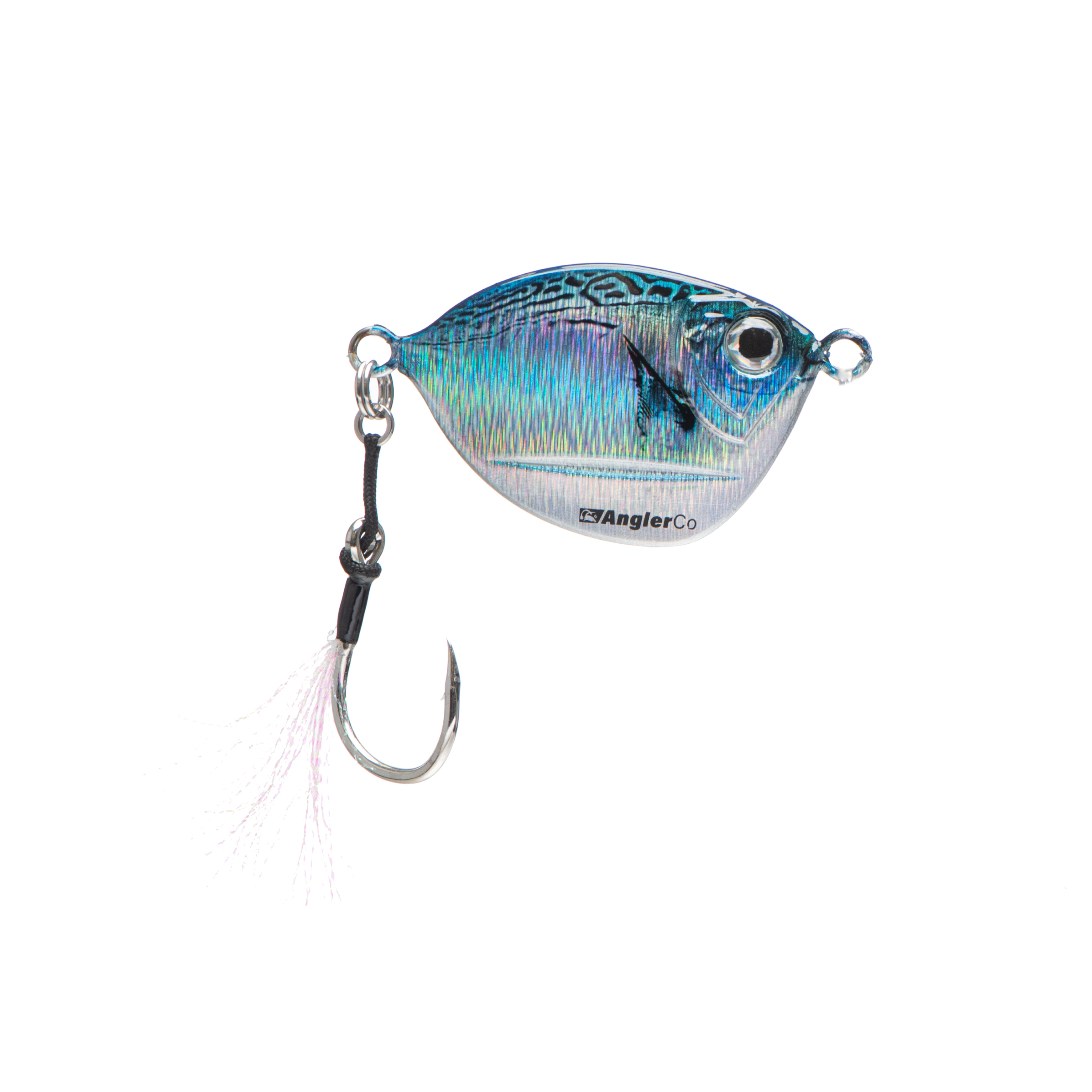
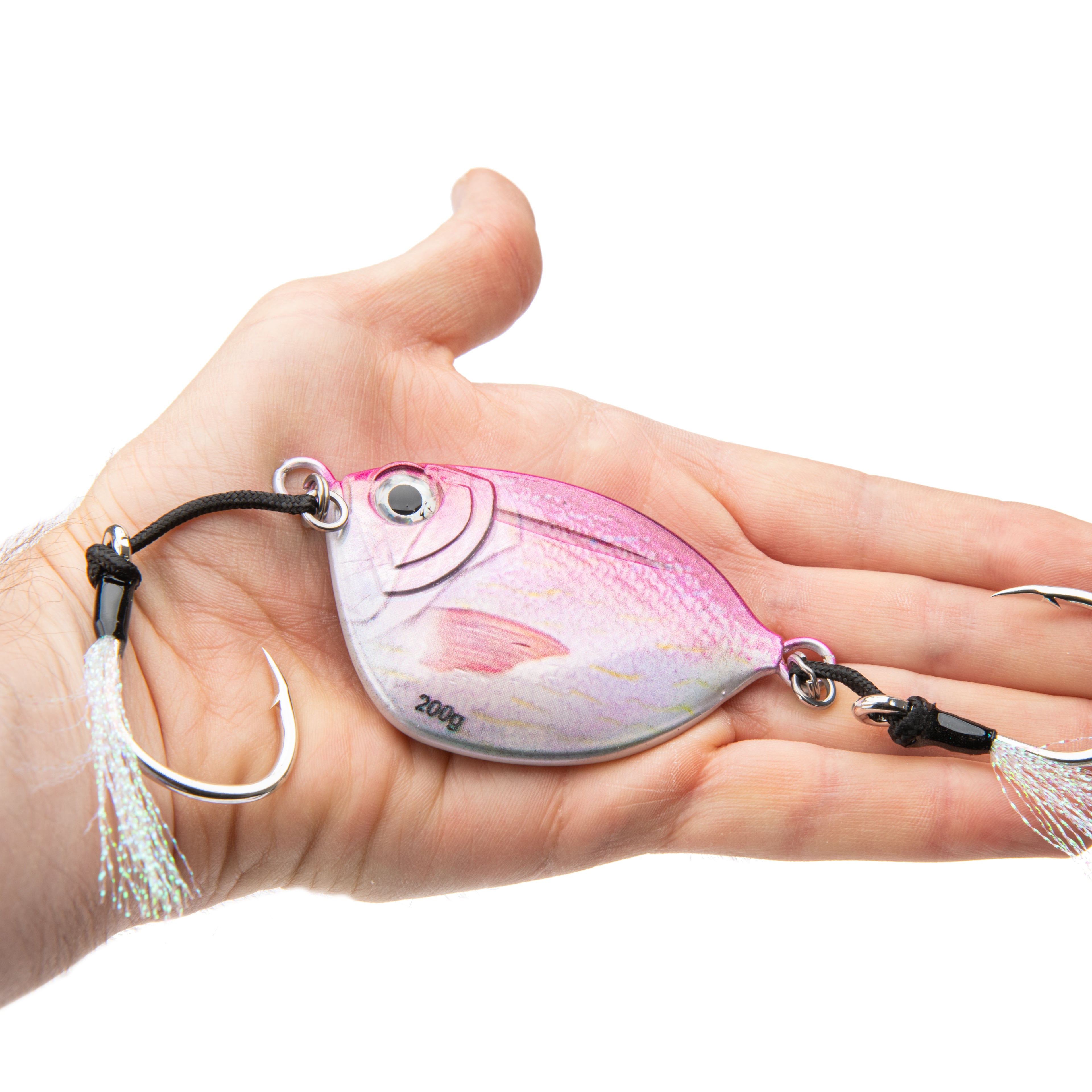
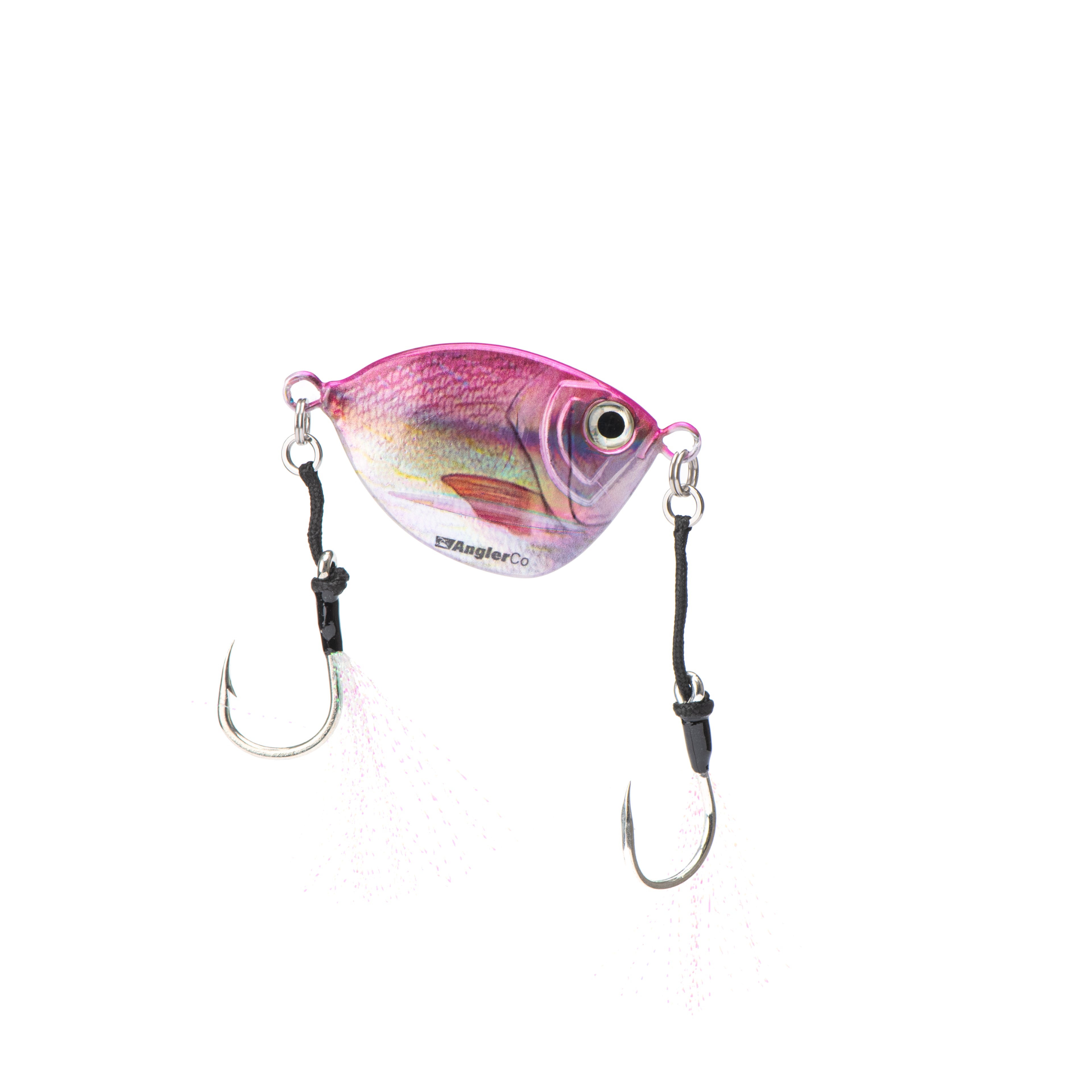
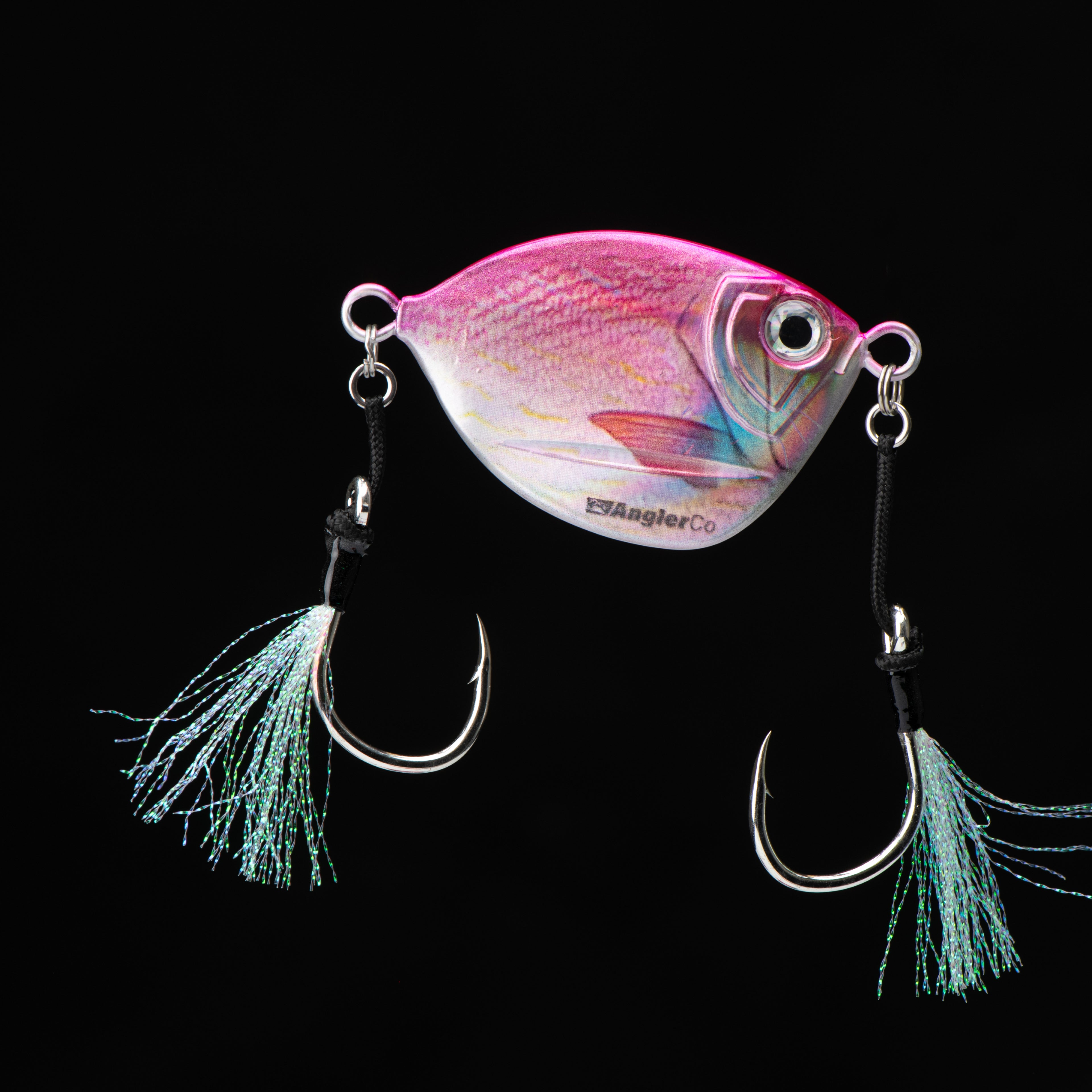
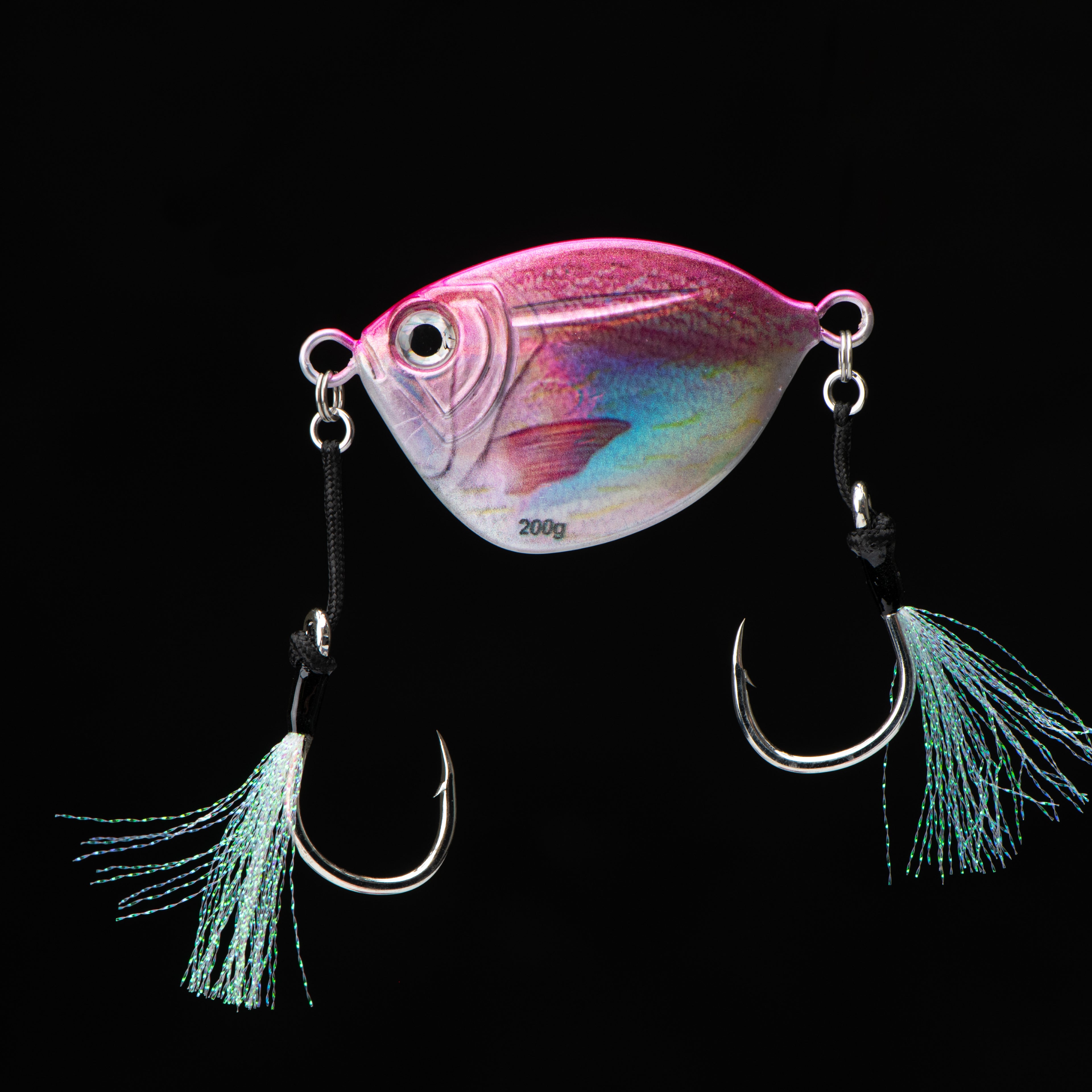
That’s why experienced offshore anglers rely on the AnglerCo Imposter Jig as the best slow pitch jig for grouper in current. Slow pitch jigging gives you the ability to stay vertical, manage drift, and present a lure that looks natural as it falls back toward structure. The Imposter Jig is built to hold balance and posture even when current is pushing hard, keeping the presentation in the zone where grouper are willing to eat.
This guide focuses on what actually works when targeting grouper in moving water: understanding how they position on structure, why the fall is often the trigger, how to choose weight and cadence for current, and why the Imposter Jig fits a practical, no-nonsense approach. If your goal is consistent bites instead of endless resets, this is the system to build around.

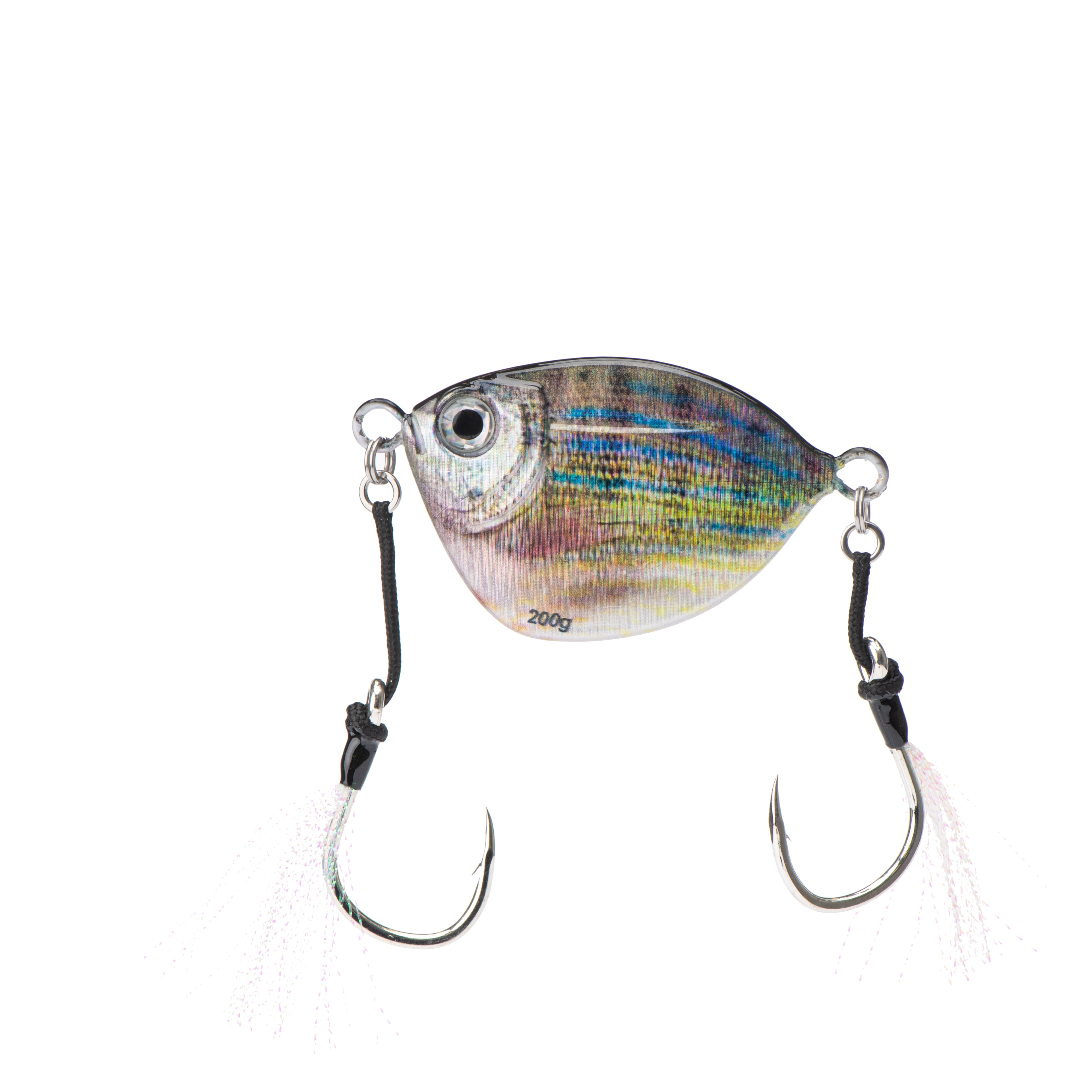
Grouper rarely chase far from home. In current, they position just off bottom, tight to cover, and wait for bait to lose control. Many bites happen as a jig drifts, stalls, and drops back toward the structure. The Imposter Jig is designed to maintain balance on the fall, giving grouper a clear, realistic target instead of a lure that tumbles or rushes past them.
Why Slow Pitch Jigging Works for Grouper in Current
Grouper are structure-oriented ambush predators. In moving water, they use ledges, wrecks, and hard bottom to break current and conserve energy. Instead of roaming, they let the flow bring food to them. That behavior makes vertical presentations extremely effective—especially when the jig behaves like a baitfish getting pushed off balance by current.
Slow pitch jigging keeps your lure working where grouper actually feed. A controlled lift pulls the jig just far enough off bottom to get noticed. The fall lets it drift back naturally, matching the movement of forage getting swept along the structure. Unlike techniques that rely on speed or aggressive movement, slow pitch allows you to stay in the strike zone longer, even when current is strong.
Key advantages of slow pitch jigging for grouper in current:
- Vertical control when drift and flow want to push your line off target
- A natural falling presentation that matches how bait moves in current
- Consistent time in the strike zone around ledges and hard bottom
- Effective pressure fishing when grouper won’t leave structure to chase
Without balance, slow pitch fails quickly in current. A jig that spins or planes away loses effectiveness fast. A jig that falls predictably keeps you fishing with purpose instead of guessing.

What Makes the Best Slow Pitch Jig for Grouper in Current?
Grouper quickly reveal weak jig designs. Poor balance causes uncontrolled spin. Inadequate weight lets the jig sweep out of the zone. Overbuilt profiles crash past fish and reduce bite windows. The best slow pitch jig for grouper in current must stay balanced, remain controllable, and fall naturally even when water movement is working against you.
1. Stable, Predictable Fall
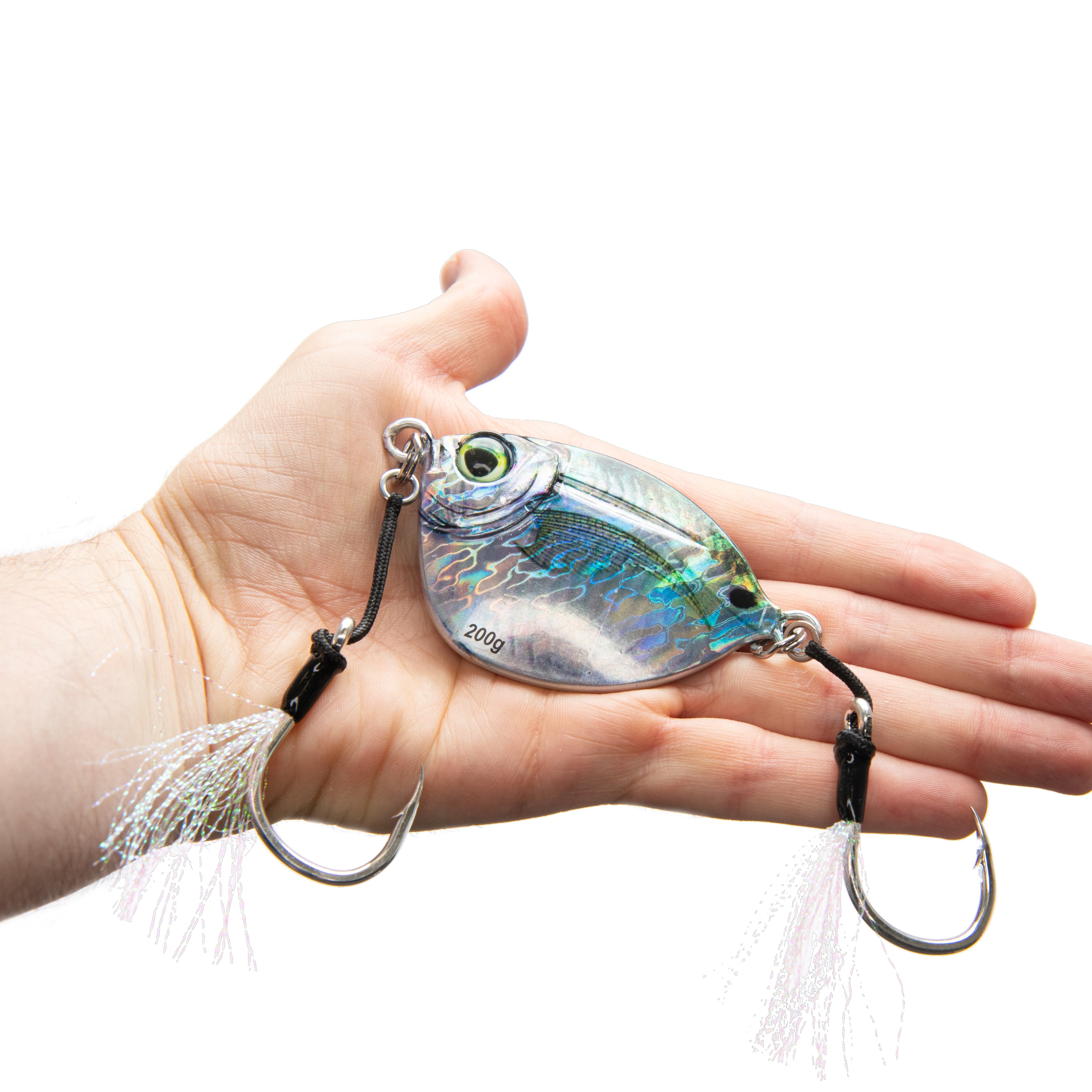
Many grouper bites happen as the jig settles back toward structure. The Imposter Jig is balanced to fall with a controlled flutter that stays readable to fish holding tight to bottom. That stability keeps the lure in view longer and helps prevent the uncontrolled movement that causes grouper to ignore the presentation.

2. Weights That Maintain Control in Flow
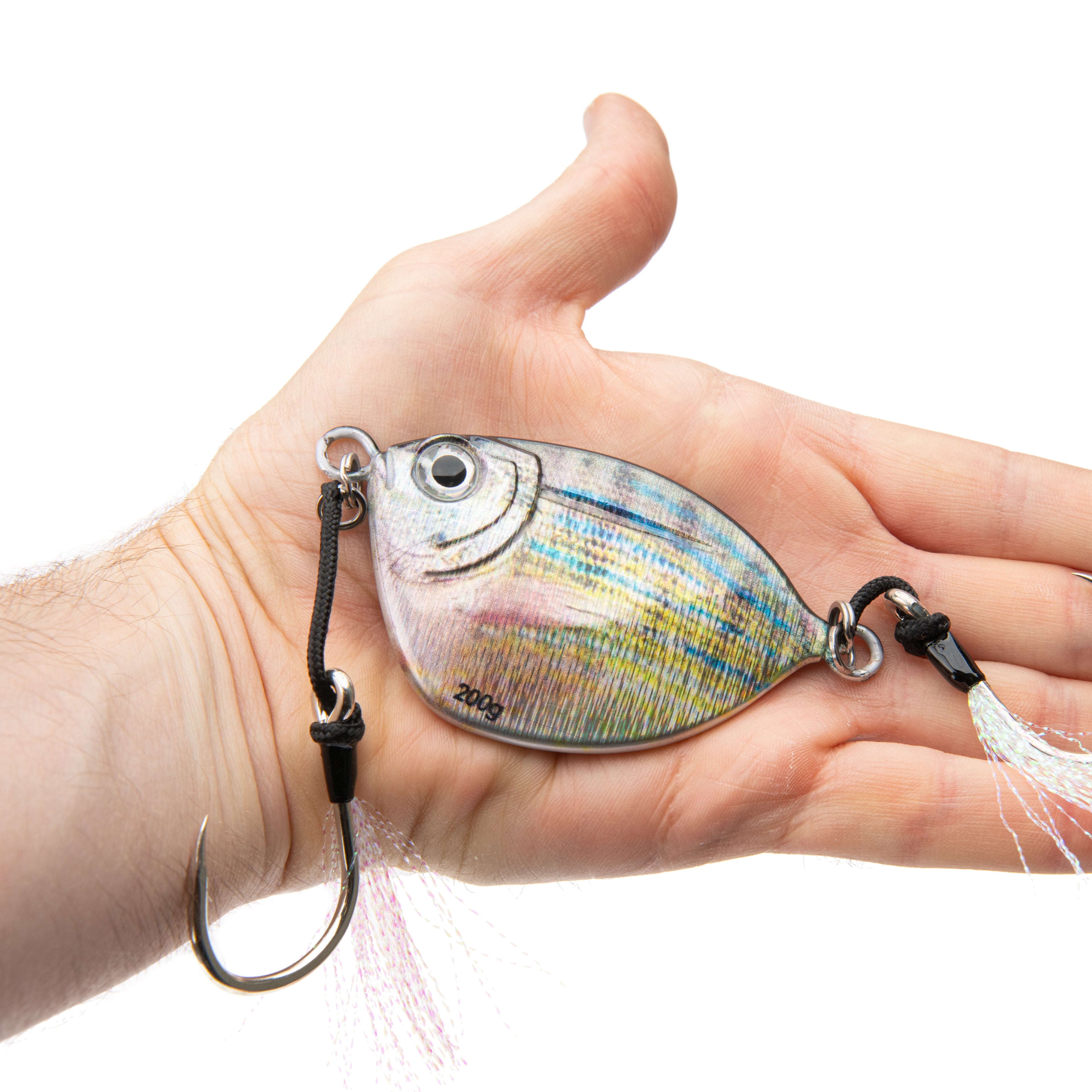
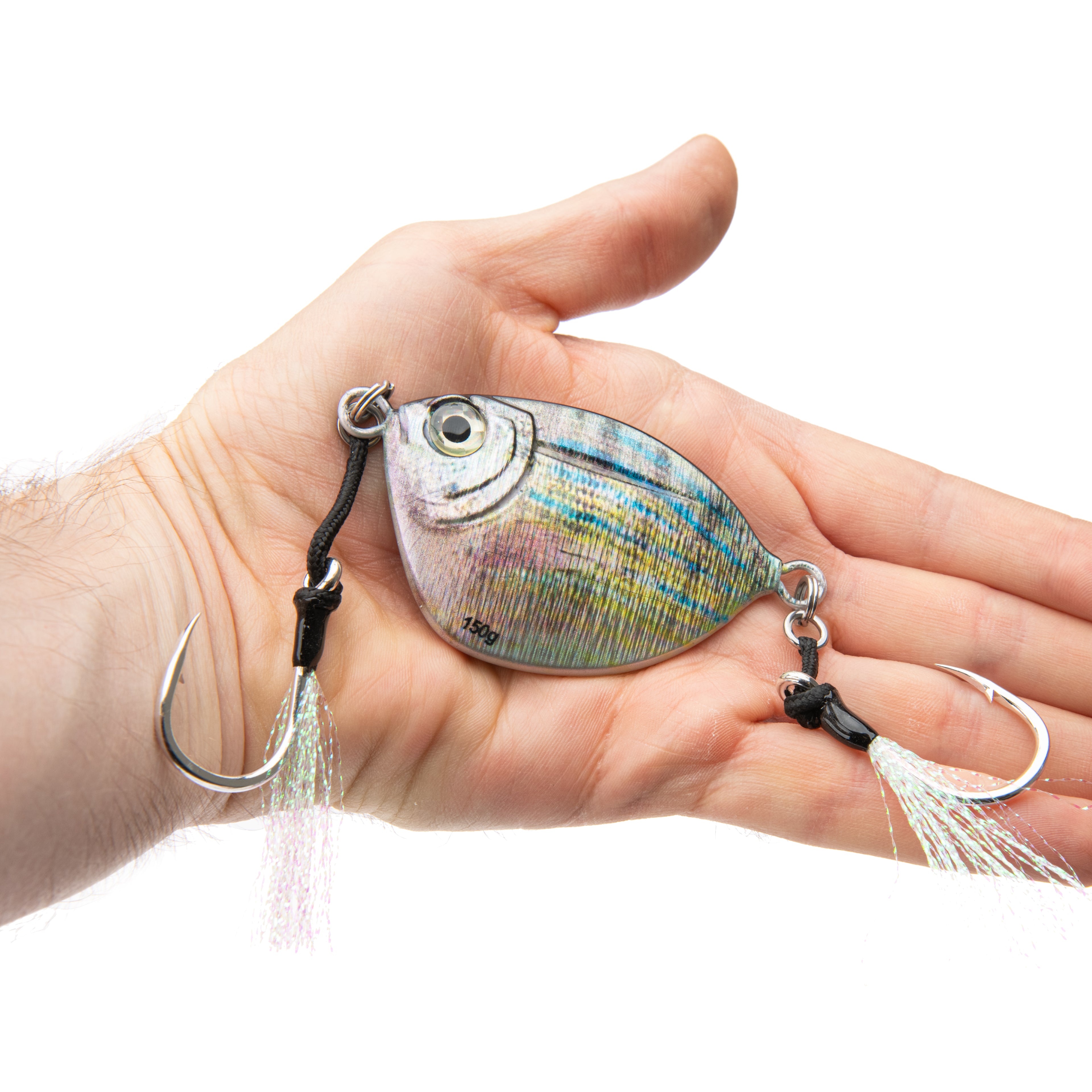
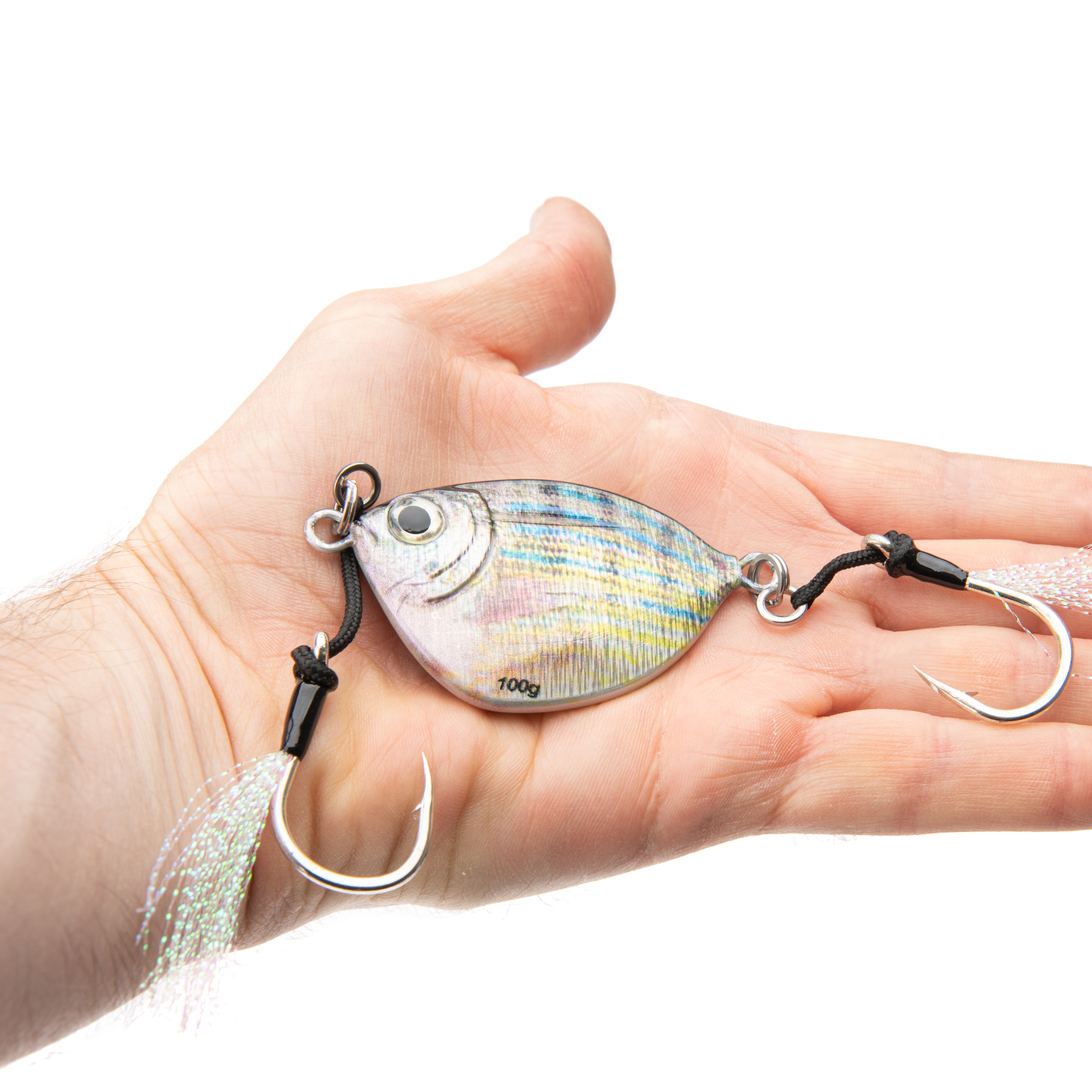
Fishing for grouper often means dealing with steady to heavy current in deeper water. Maintaining a vertical line angle is critical. Too light and the jig sweeps away. Too heavy and the fall loses its natural look. The Imposter Jig lineup offers practical offshore weights designed to help you stay in control while preserving the slow pitch action.
Rule of thumb: 1 gram of jig weight per foot of depth.
Use this as a baseline, then adjust for current speed and drift. The goal is a controlled descent that keeps the jig near structure without overpowering the presentation.
3. Colors That Stay Visible Near Bottom
Grouper rely on contrast and profile more than flash, especially near bottom. Natural bait patterns work well in clear water, while glow finishes help maintain visibility when light is limited or depth increases.

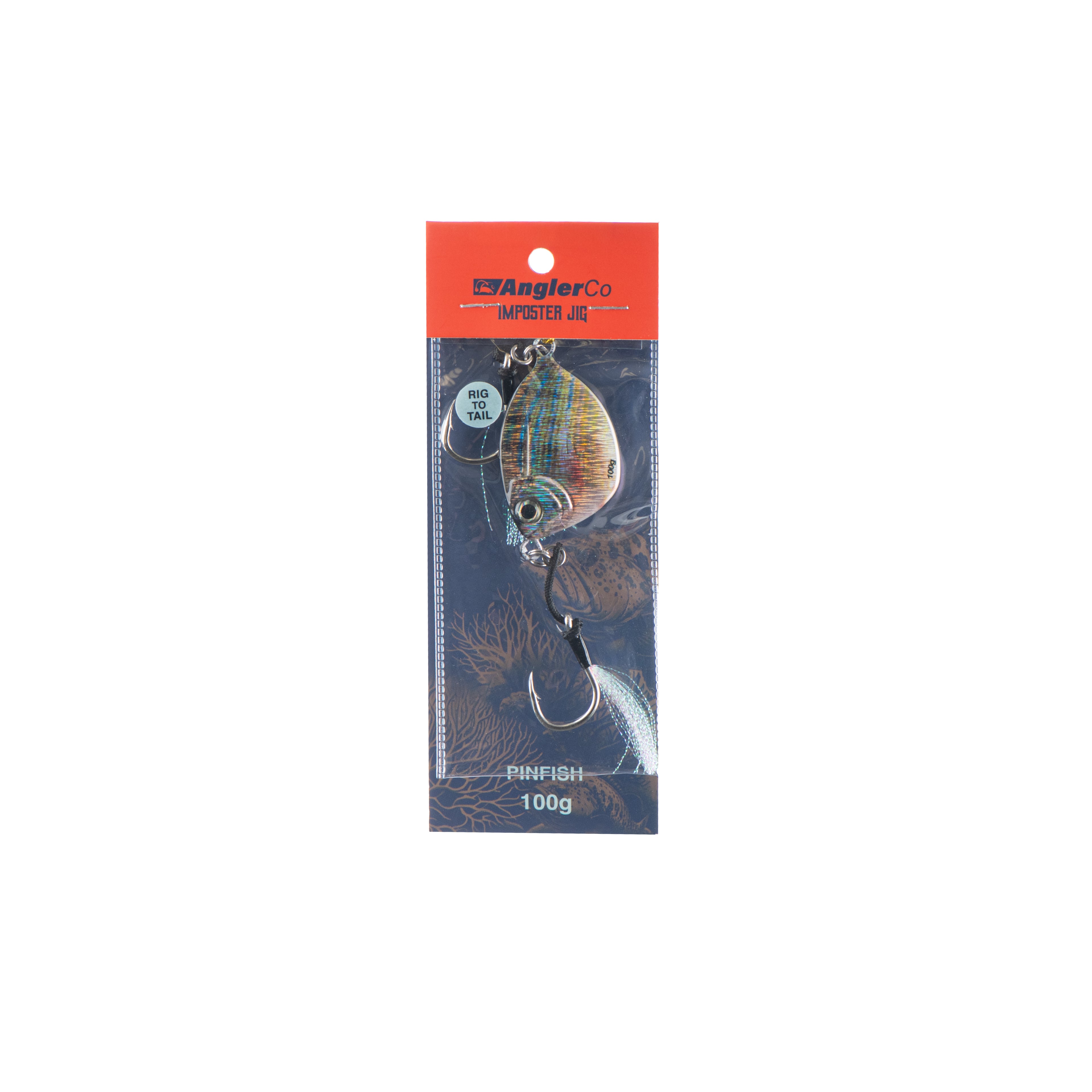
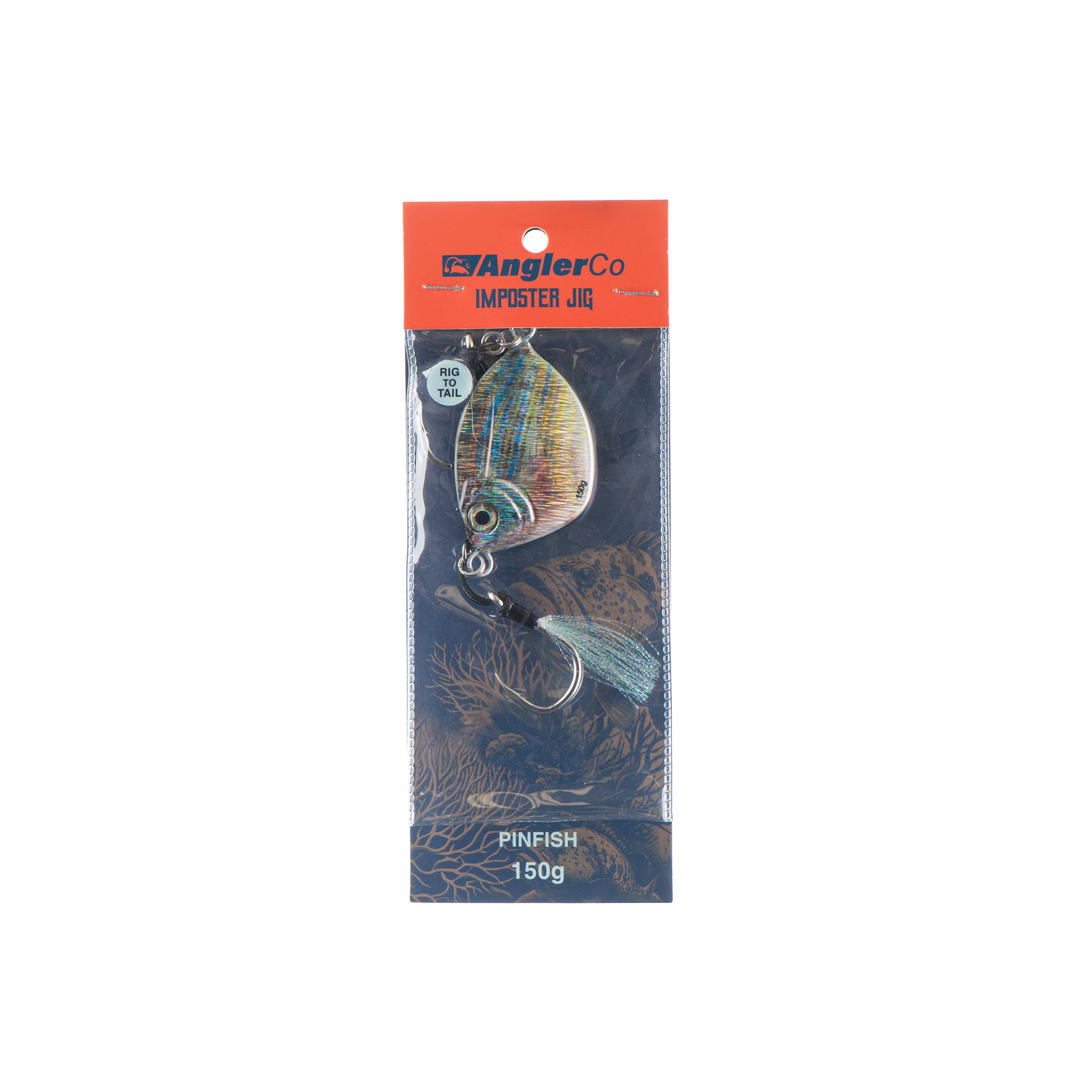
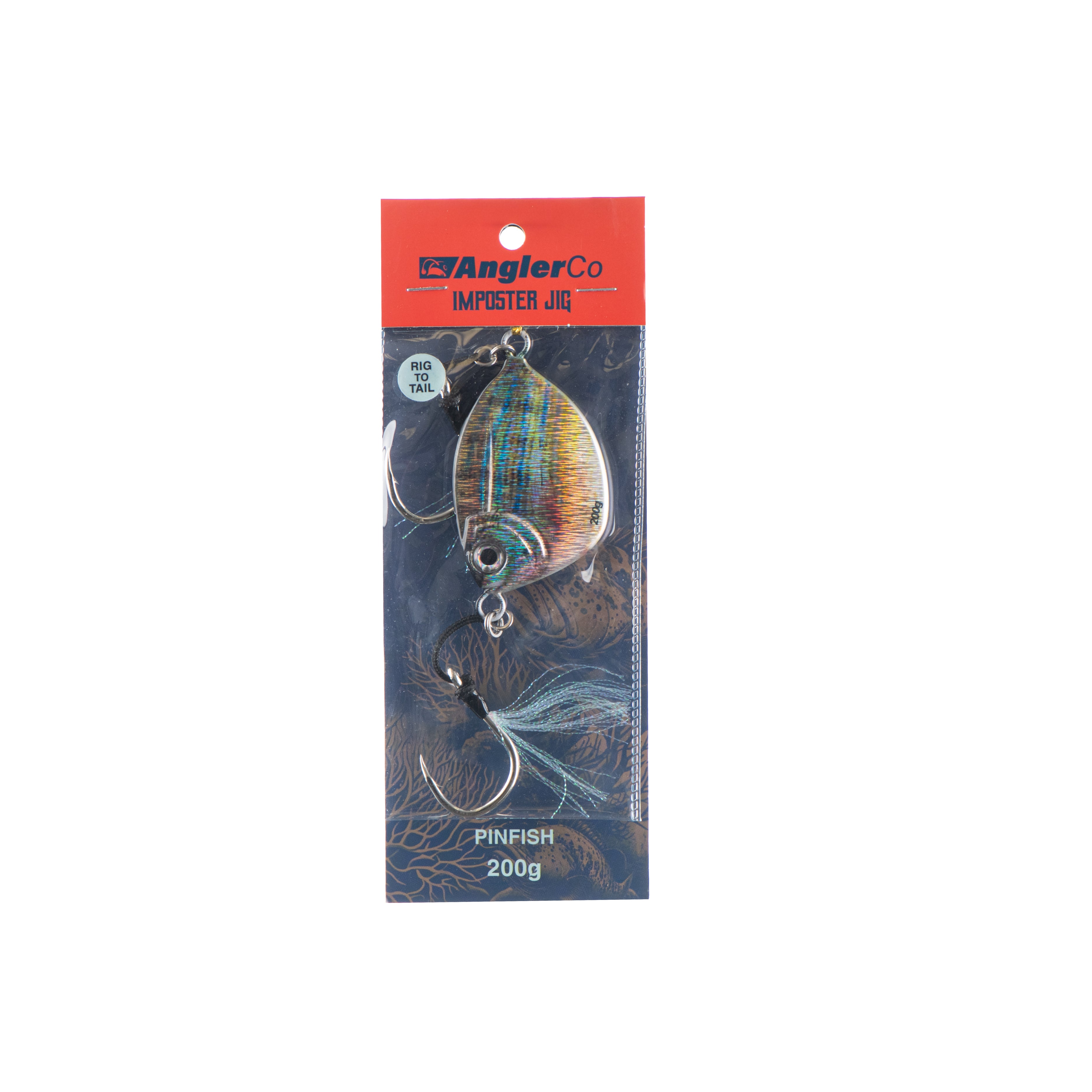
- Pinfish Pattern – Natural profile around reefs and ledges
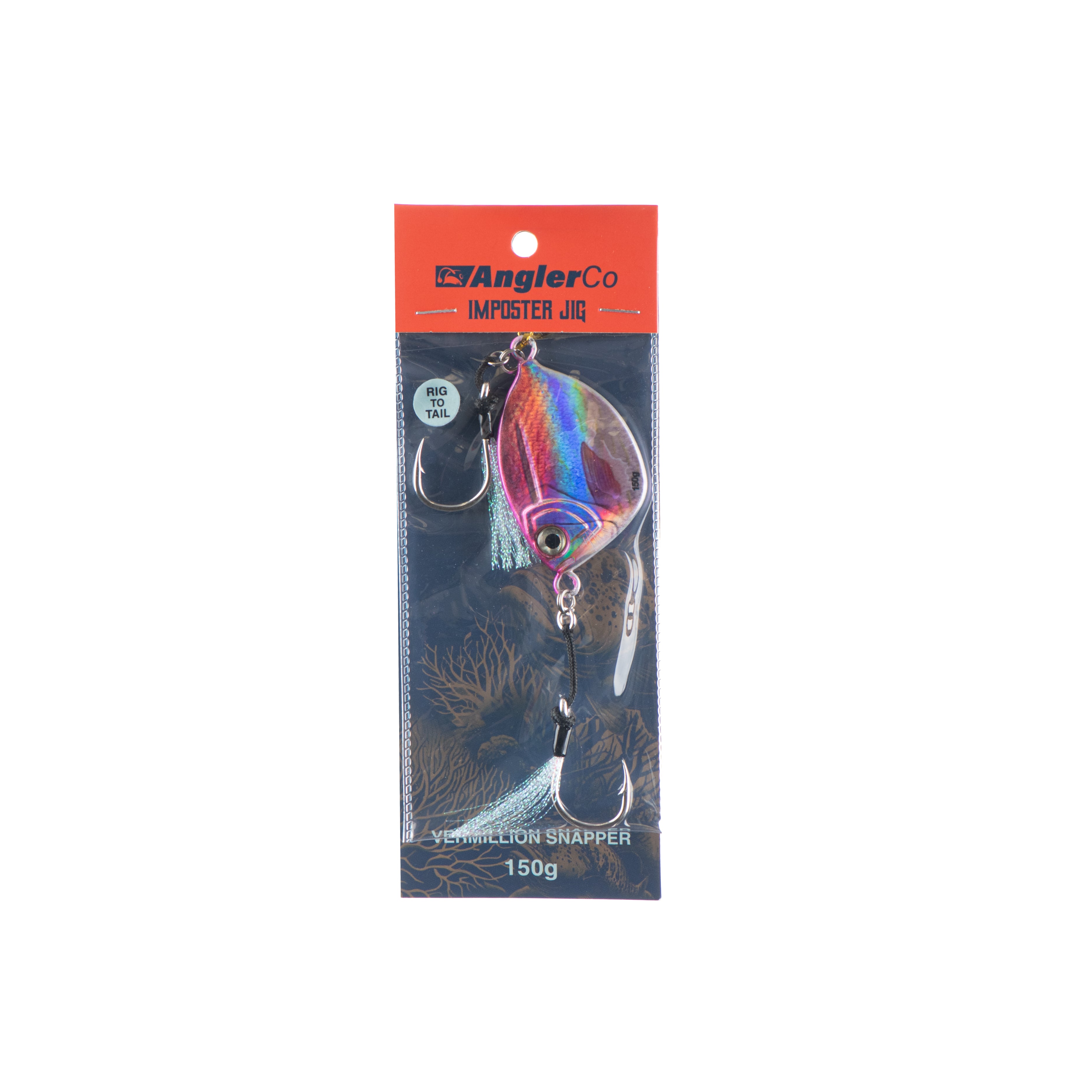
- Vermillion Snapper Pattern – Strong contrast when current pushes bait hard
- Lane Snapper Pattern – Subtle option for pressured structure
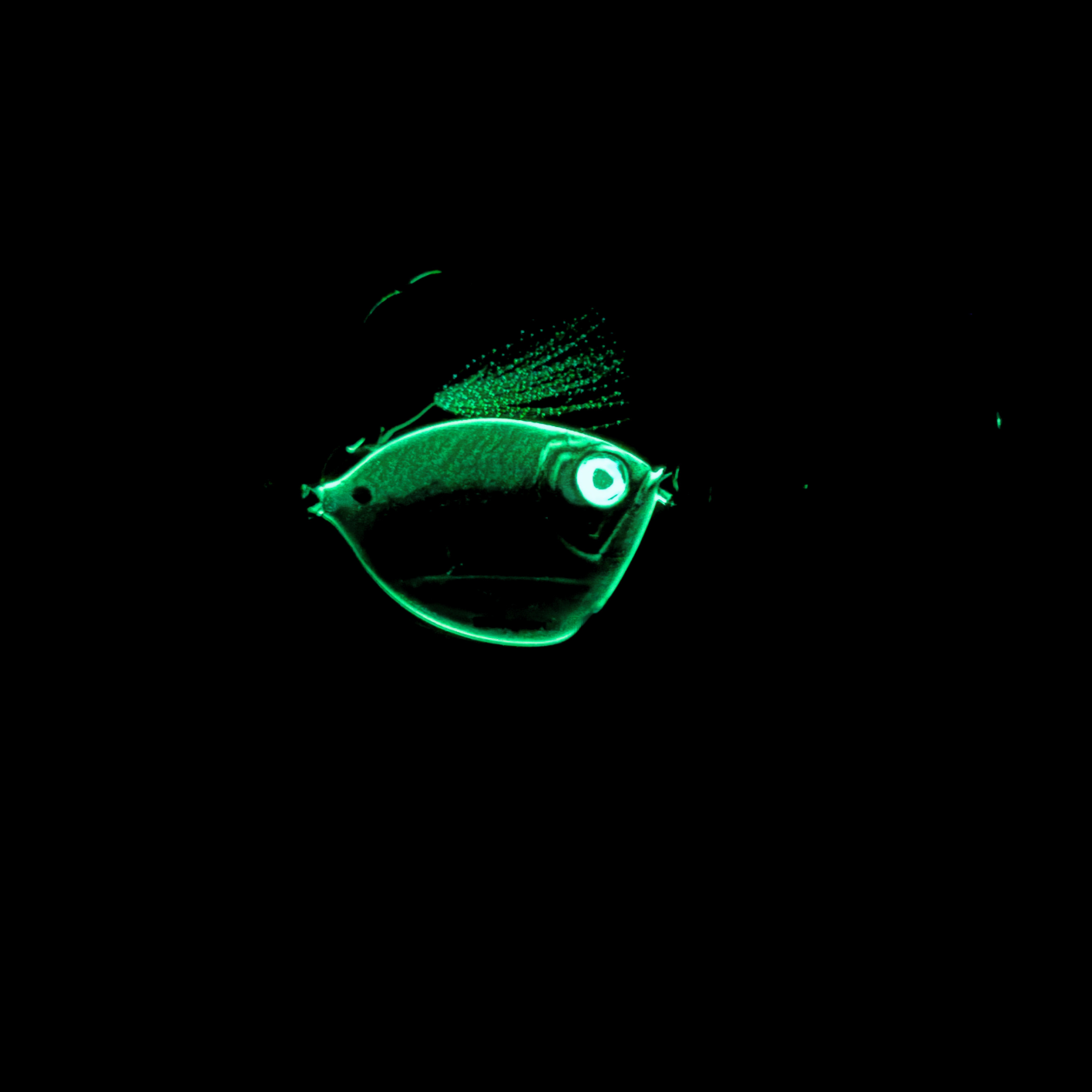
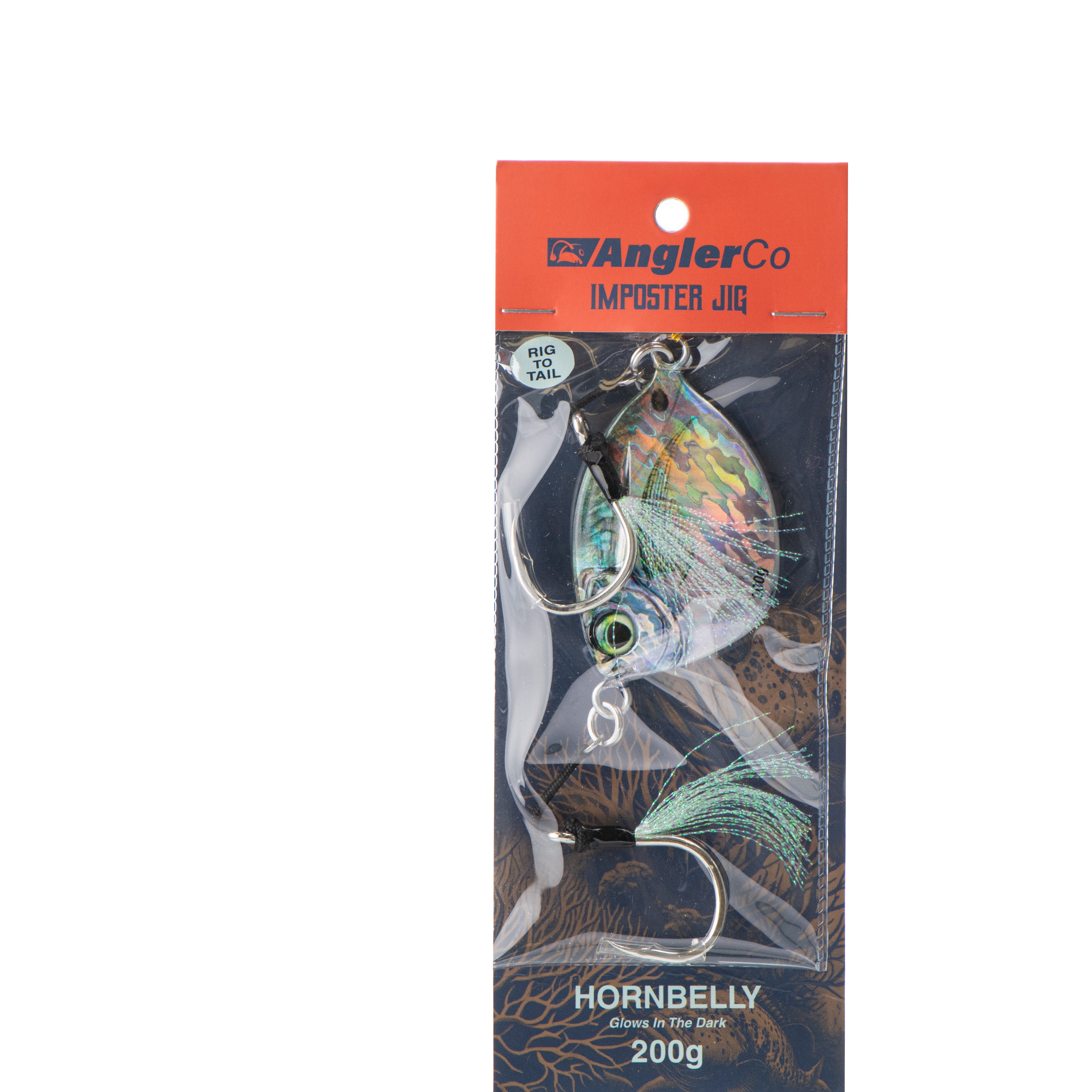
- Hornbelly Glow – Reliable choice for deep drops and low light

4. Durability for Fishing Tight to Structure
Grouper fishing is unforgiving. Bottom contact, sharp structure, and powerful head shakes are part of every drop. The Imposter Jig is built to maintain its action even after repeated contact, allowing you to keep fishing confidently without constantly changing lures.
Why the AnglerCo Imposter Jig Excels for Grouper
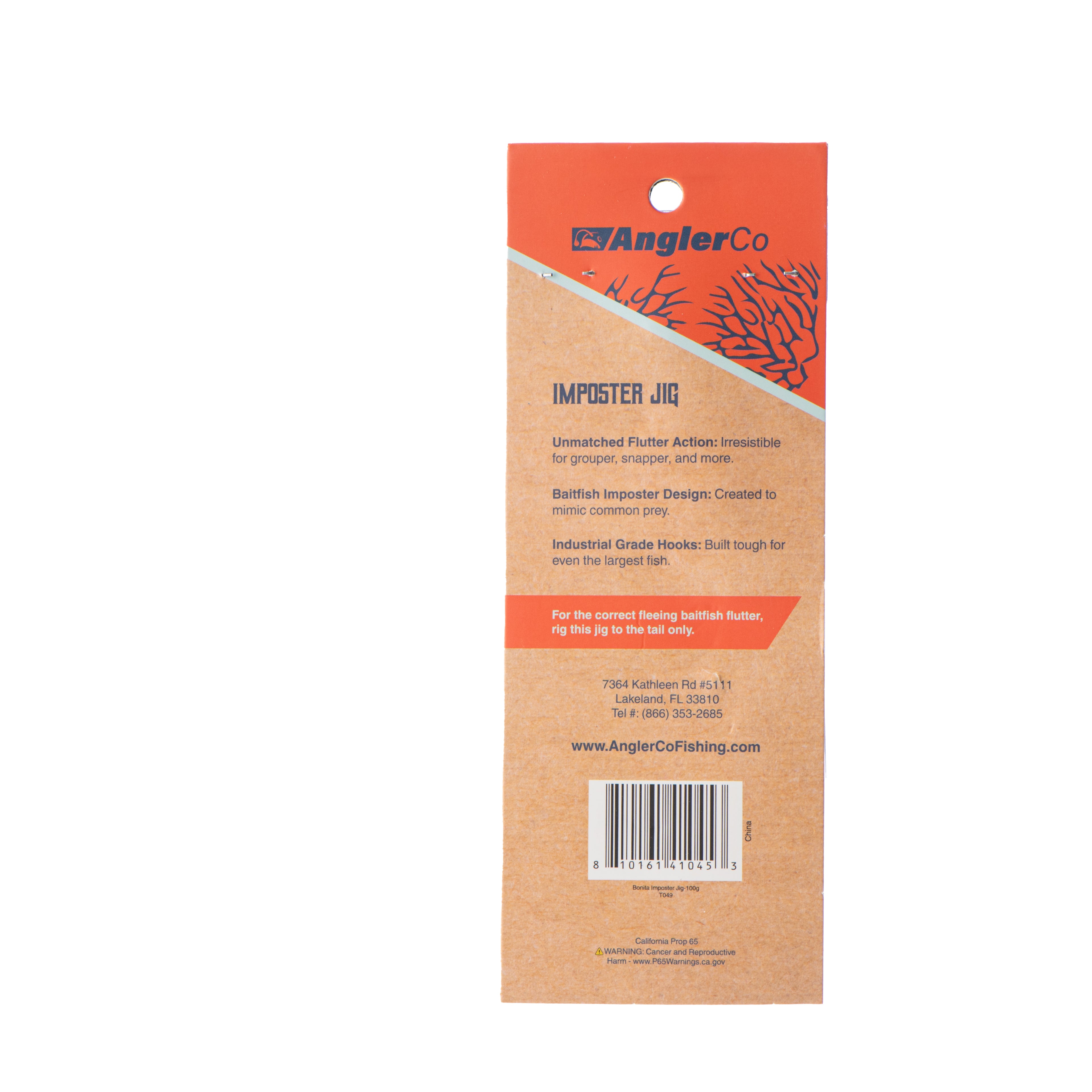
The Imposter Jig is designed as a working tool. Balance, weight options, and durability all support slow pitch jigging in current-heavy environments where grouper live.
Balanced posture for longer strike windows
A controlled fall keeps the jig in front of grouper long enough to trigger a bite.
Rigged to preserve action
Hook sizing supports the jig’s movement without overpowering it.
Confidence fishing close to bottom
When you need to work tight to structure, predictable behavior matters.
How to Fish the Imposter Jig for Grouper in Current

Slow pitch jigging for grouper is about patience and awareness. Let the jig fall naturally, maintain contact, and be ready for subtle bites. Many grouper strikes show up as added weight or a brief hesitation rather than a violent hit.
Slow Pitch Method
- Drop the jig to bottom and engage the reel
- Lift smoothly to pull the jig just off structure
- Allow the jig to fall back on controlled slack
- Repeat the cadence through the zone
The Bottom Line: Best Slow Pitch Jig for Grouper in Current
Grouper fishing in current demands control, balance, and reliability. The AnglerCo Imposter Jig delivers a predictable fall, practical weight options, and durability suited for fishing tight to structure. If you’re looking for the best slow pitch jig for grouper in current and want a tool you can rely on when conditions are working against you, the Imposter Jig is built to handle the job.

Ready to Drop?
When current is ripping and grouper are glued to structure, gear choice matters. The Imposter Jig is built to keep your presentation controlled and your time on the water productive.
Balanced. Controlled. Built for Grouper.