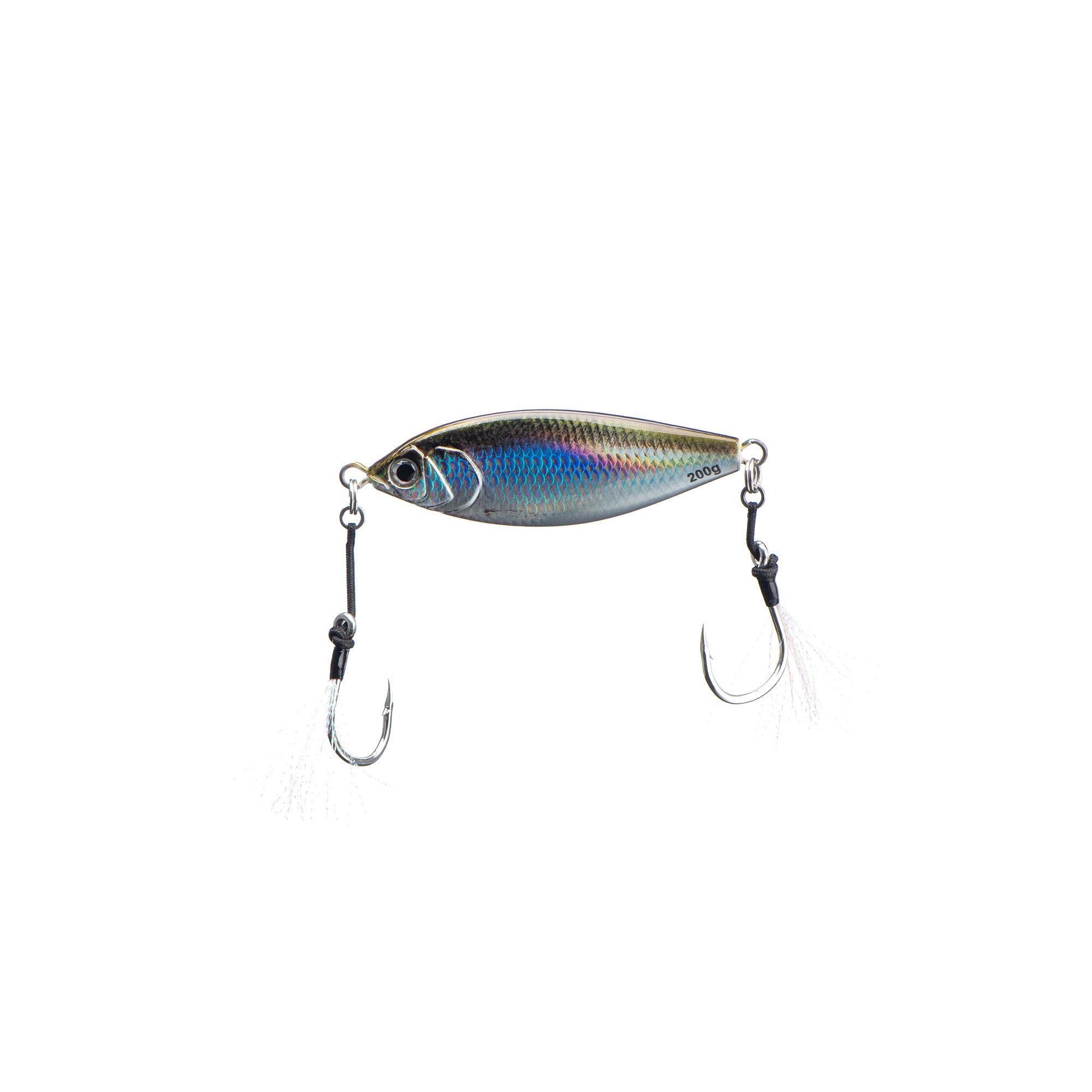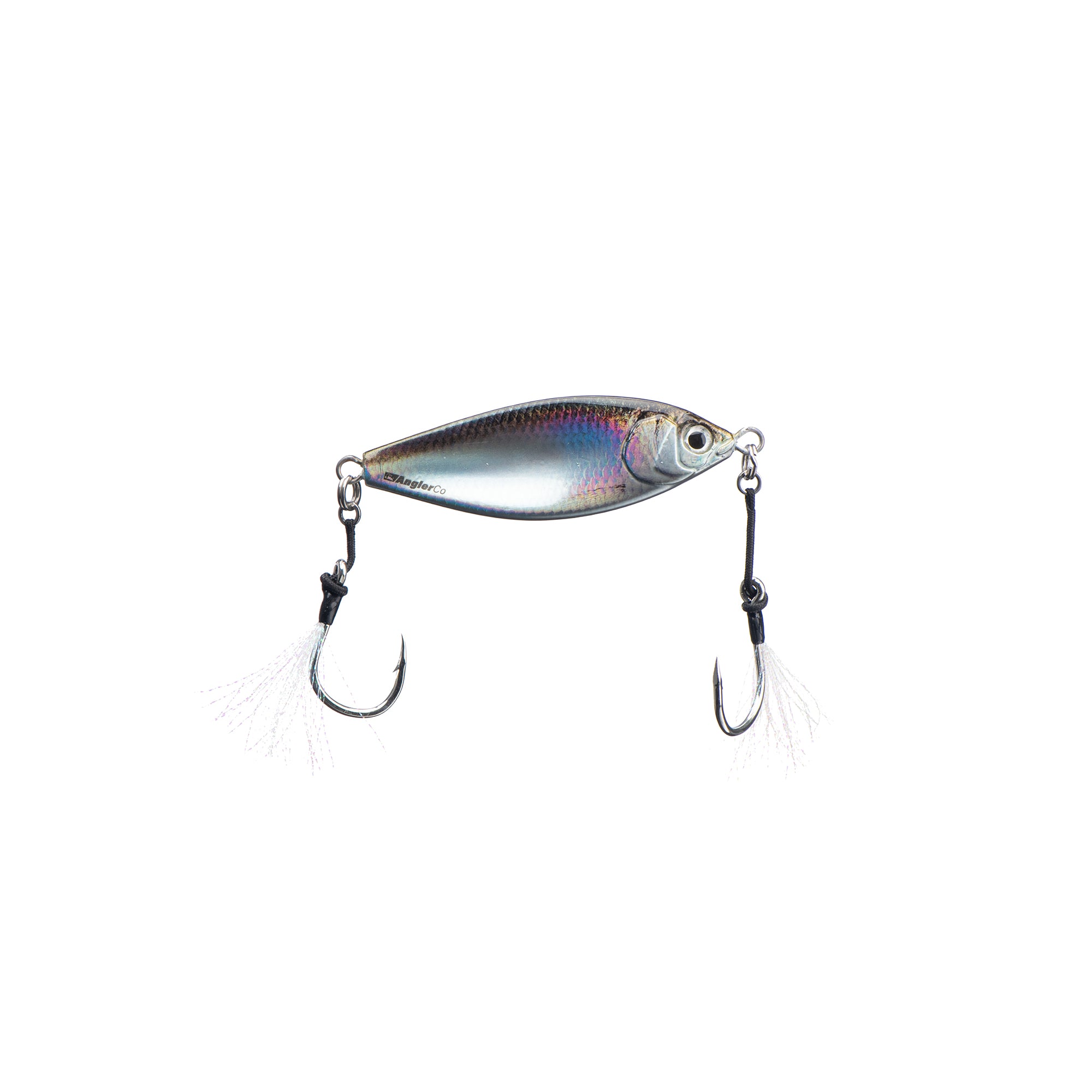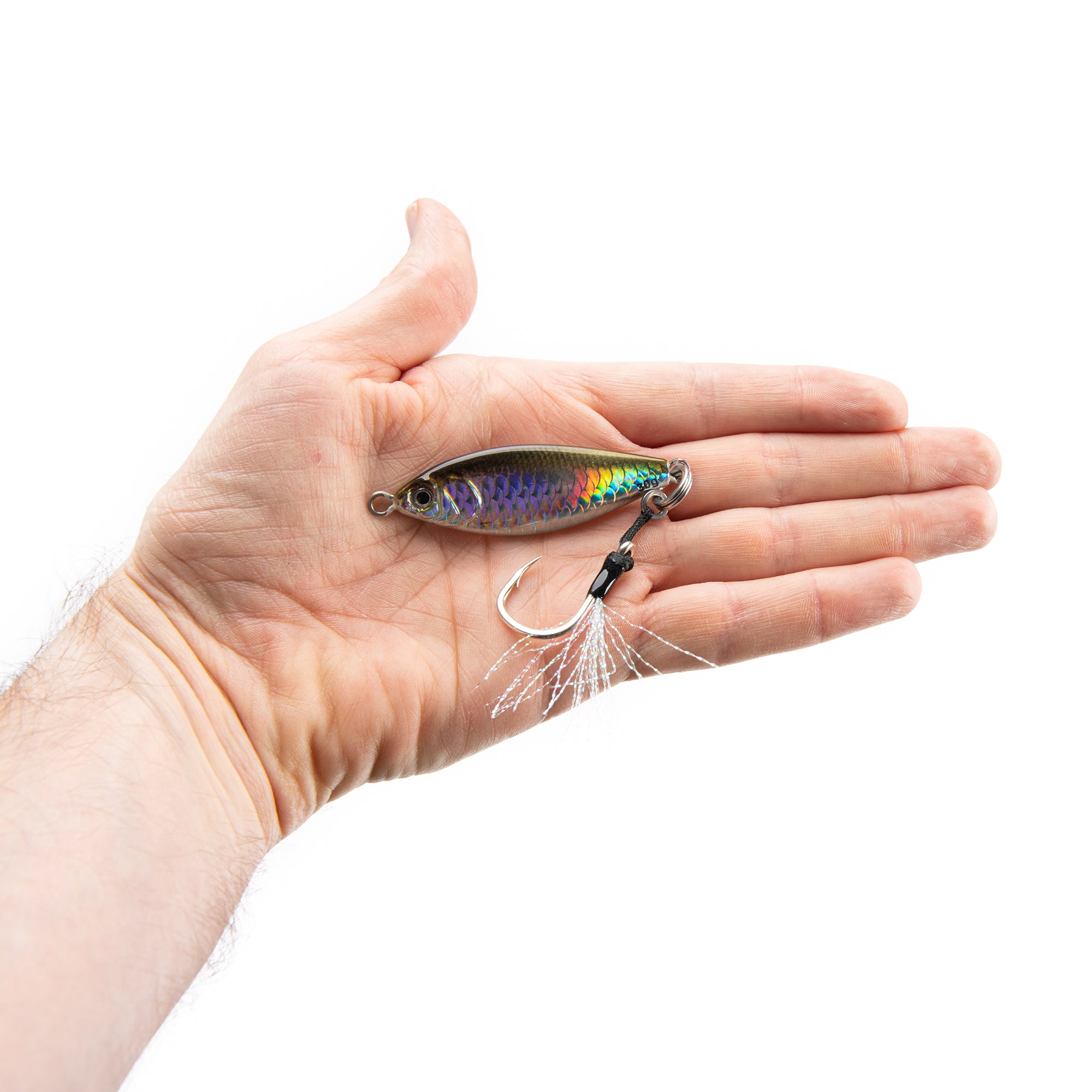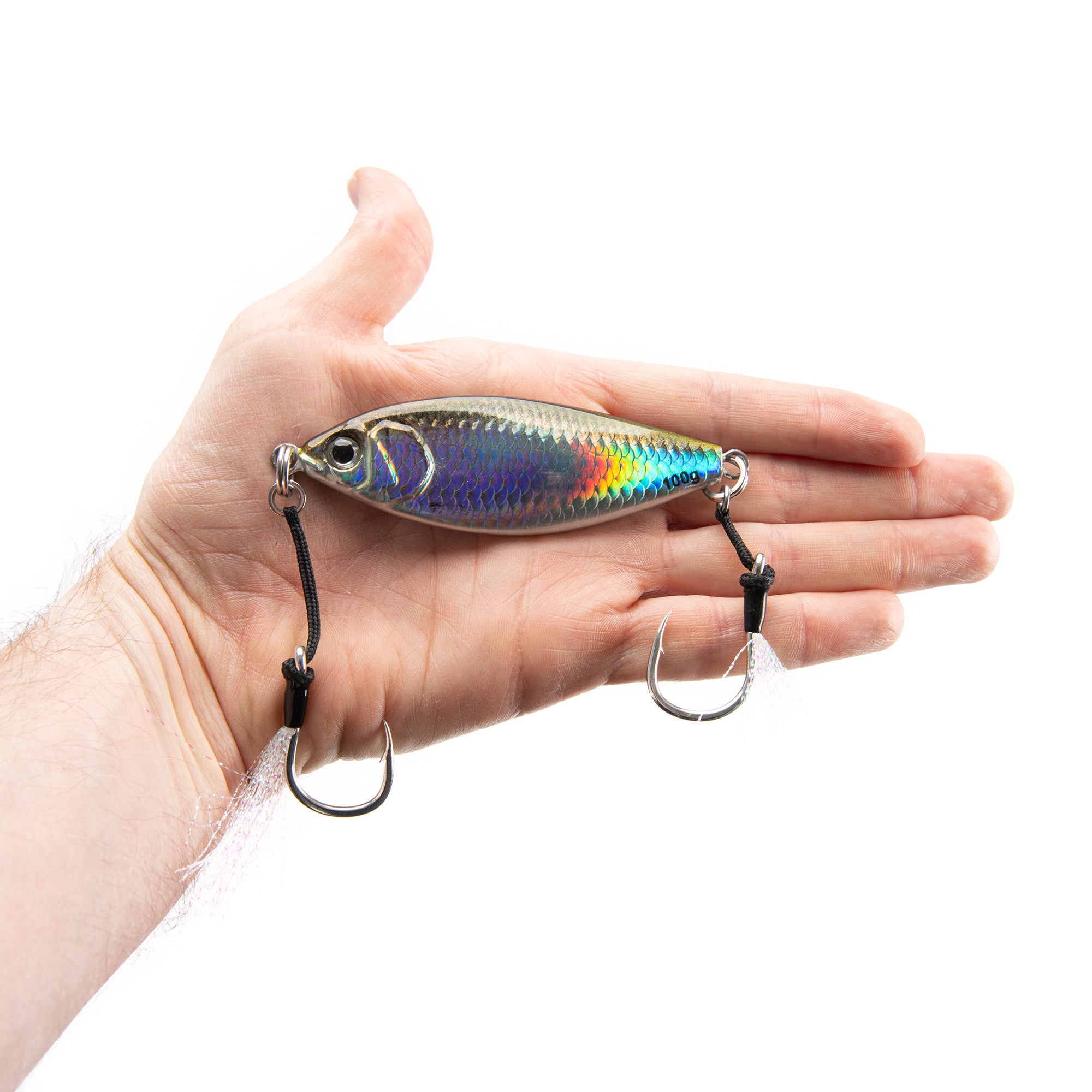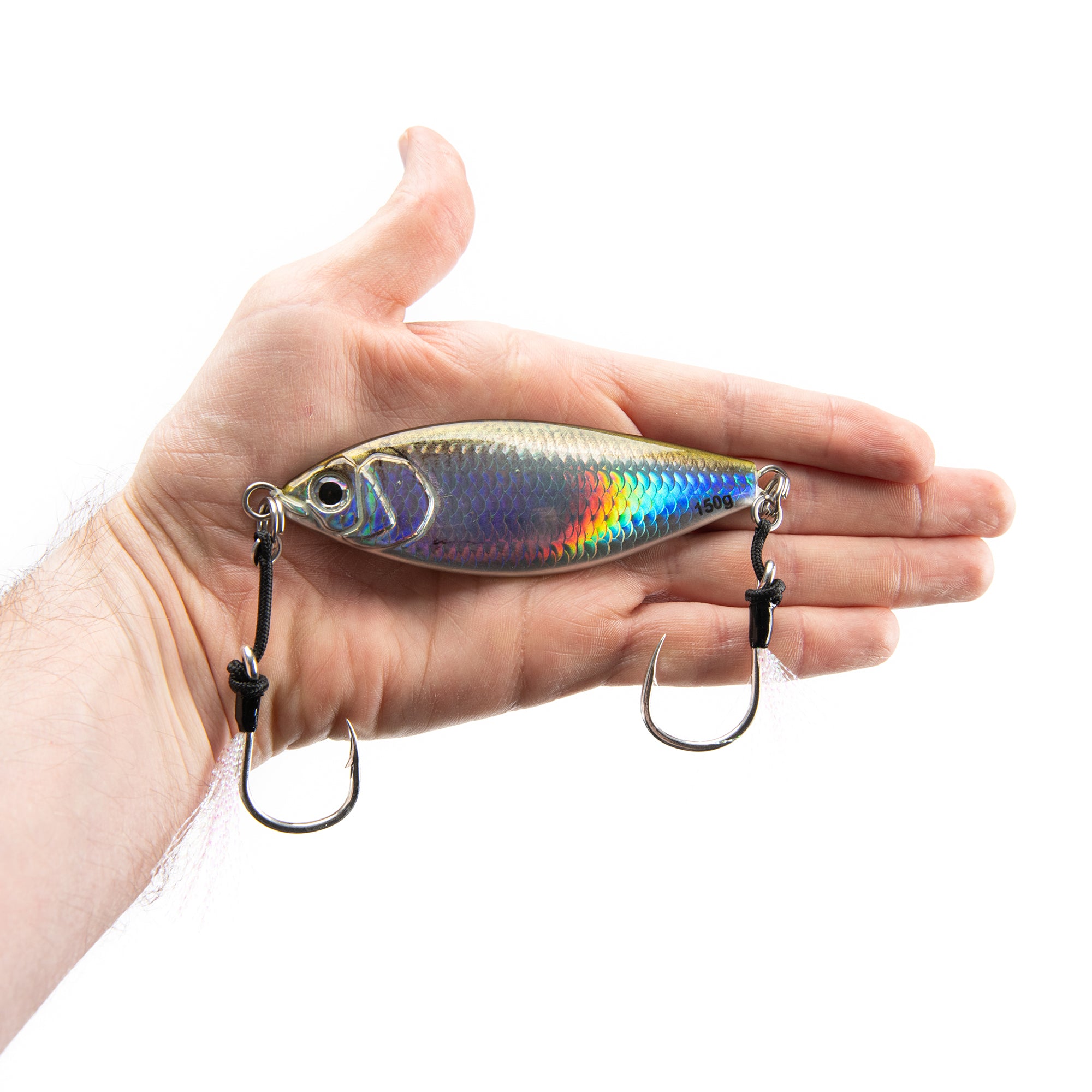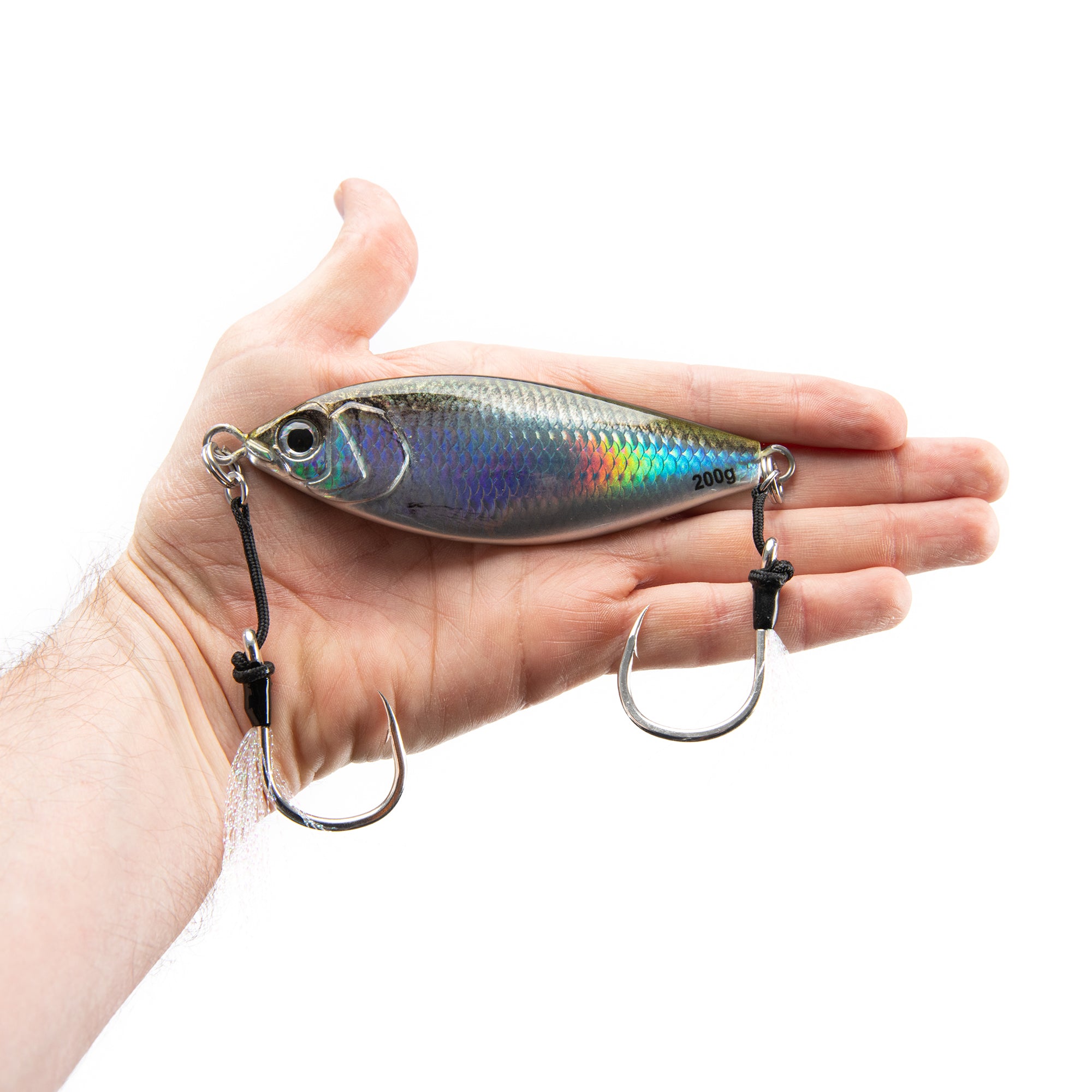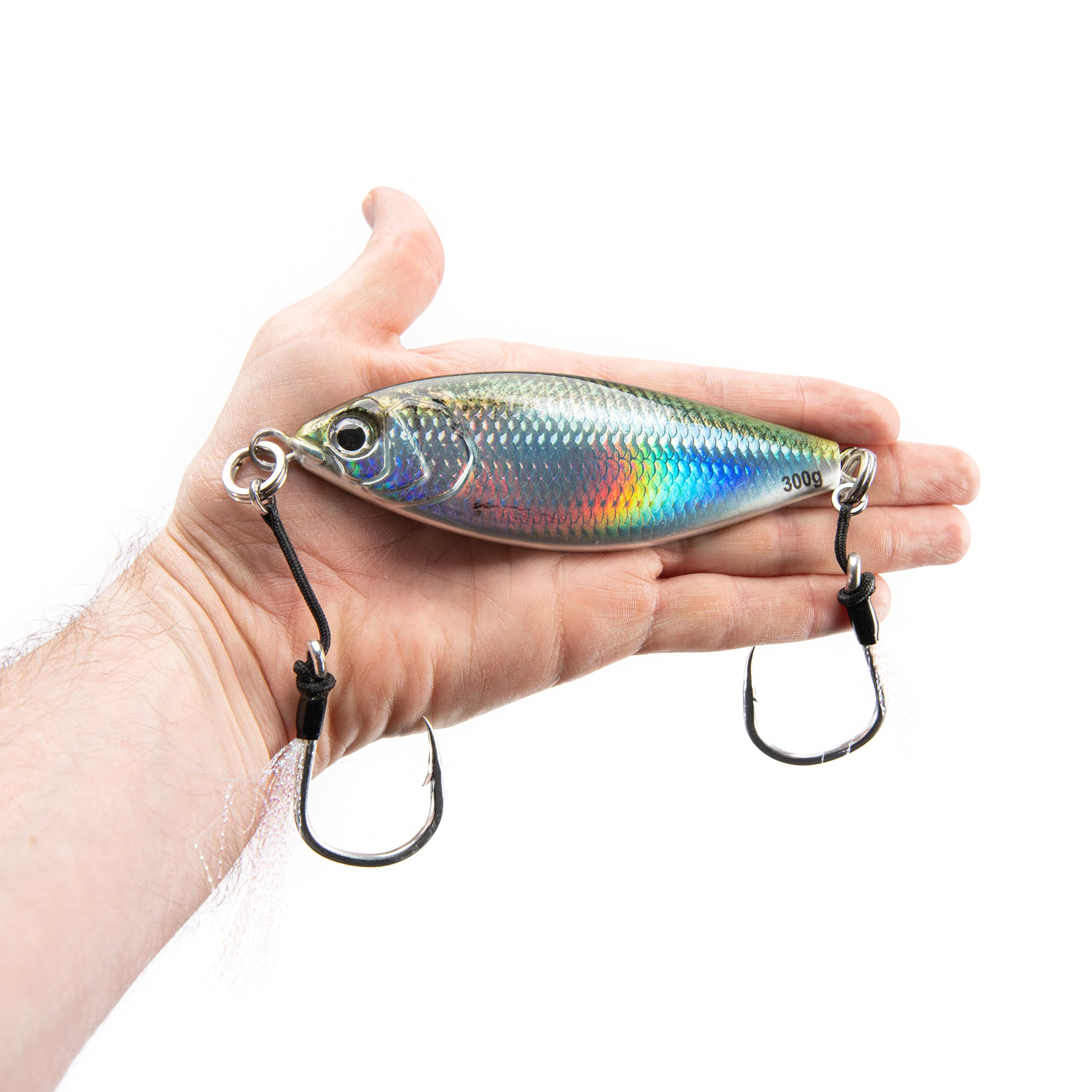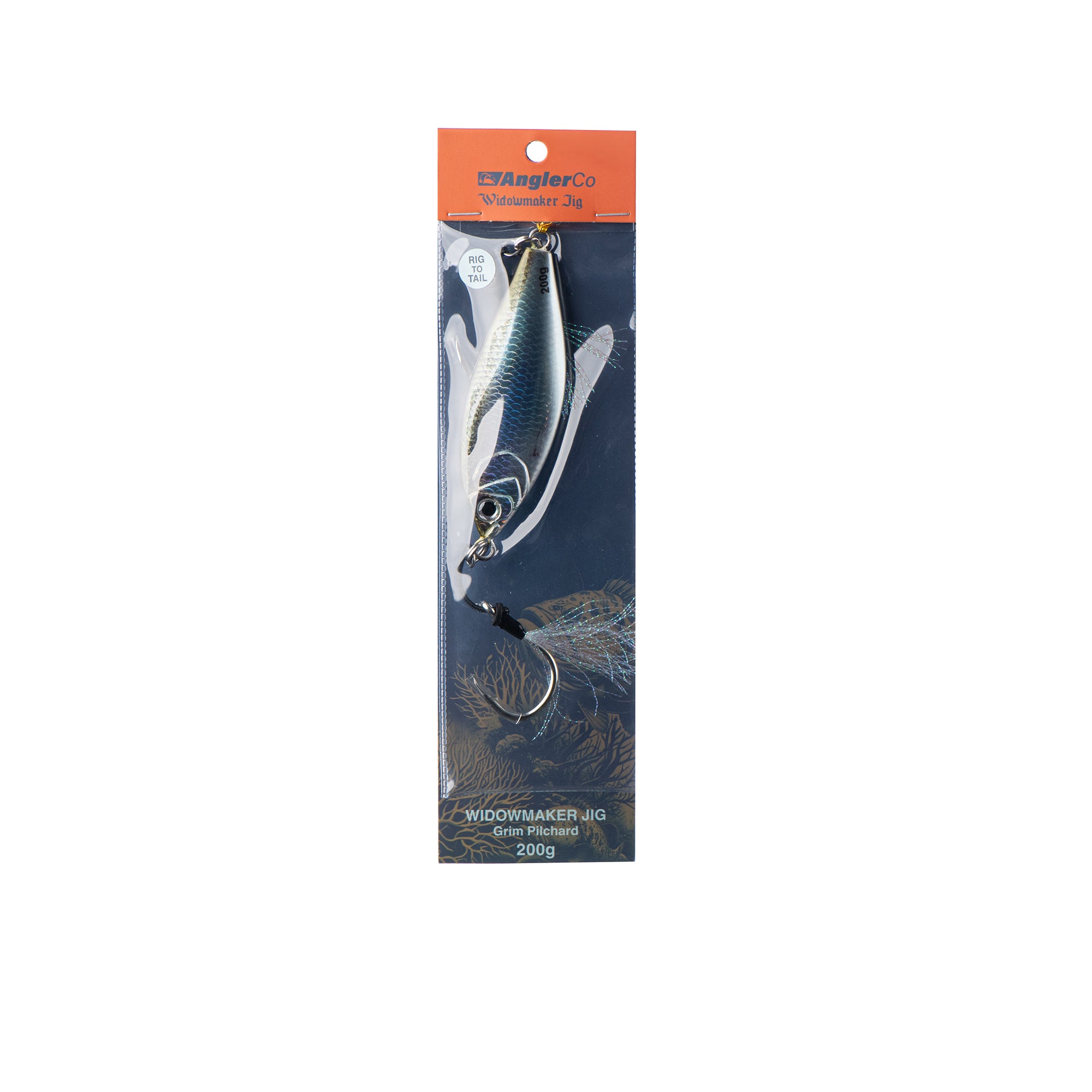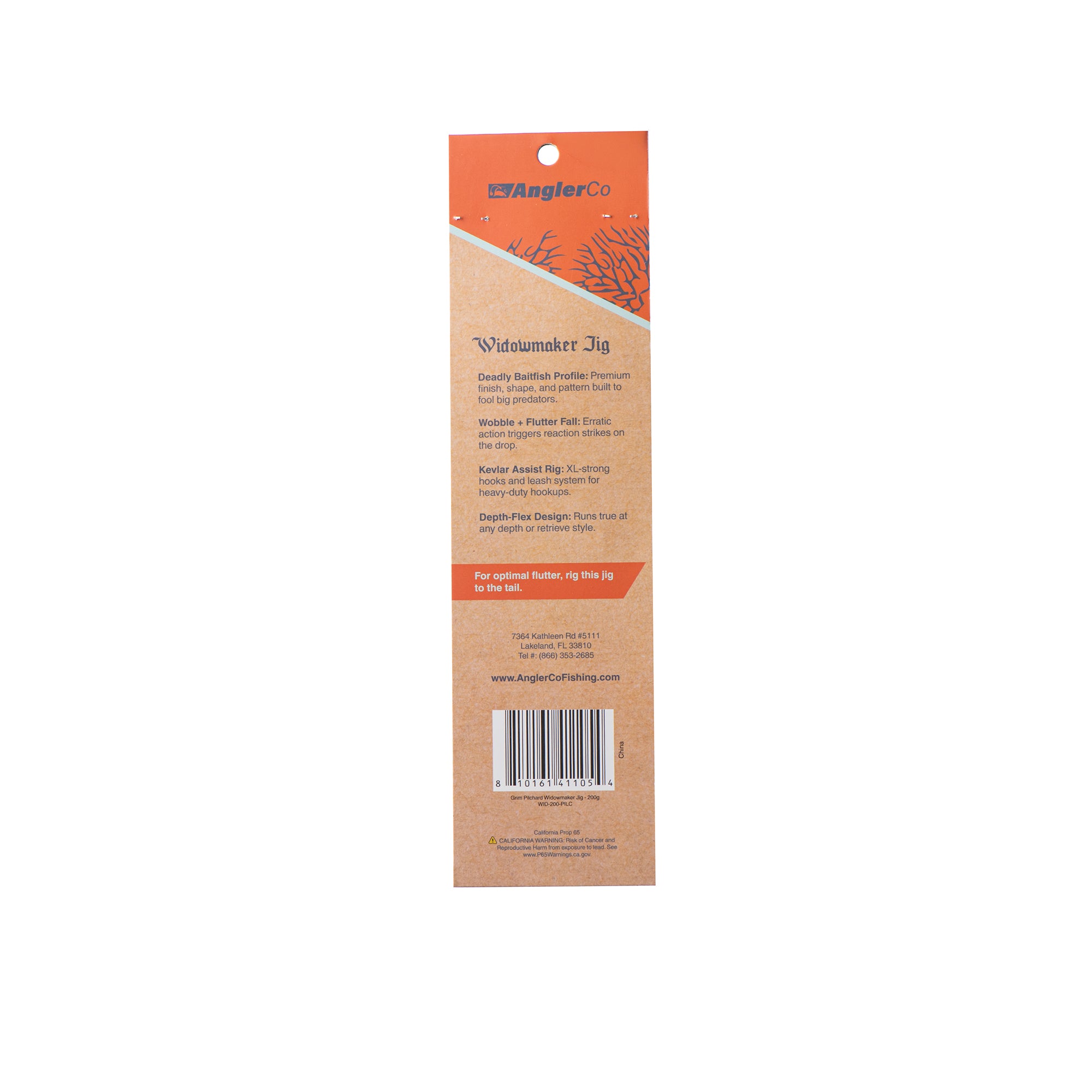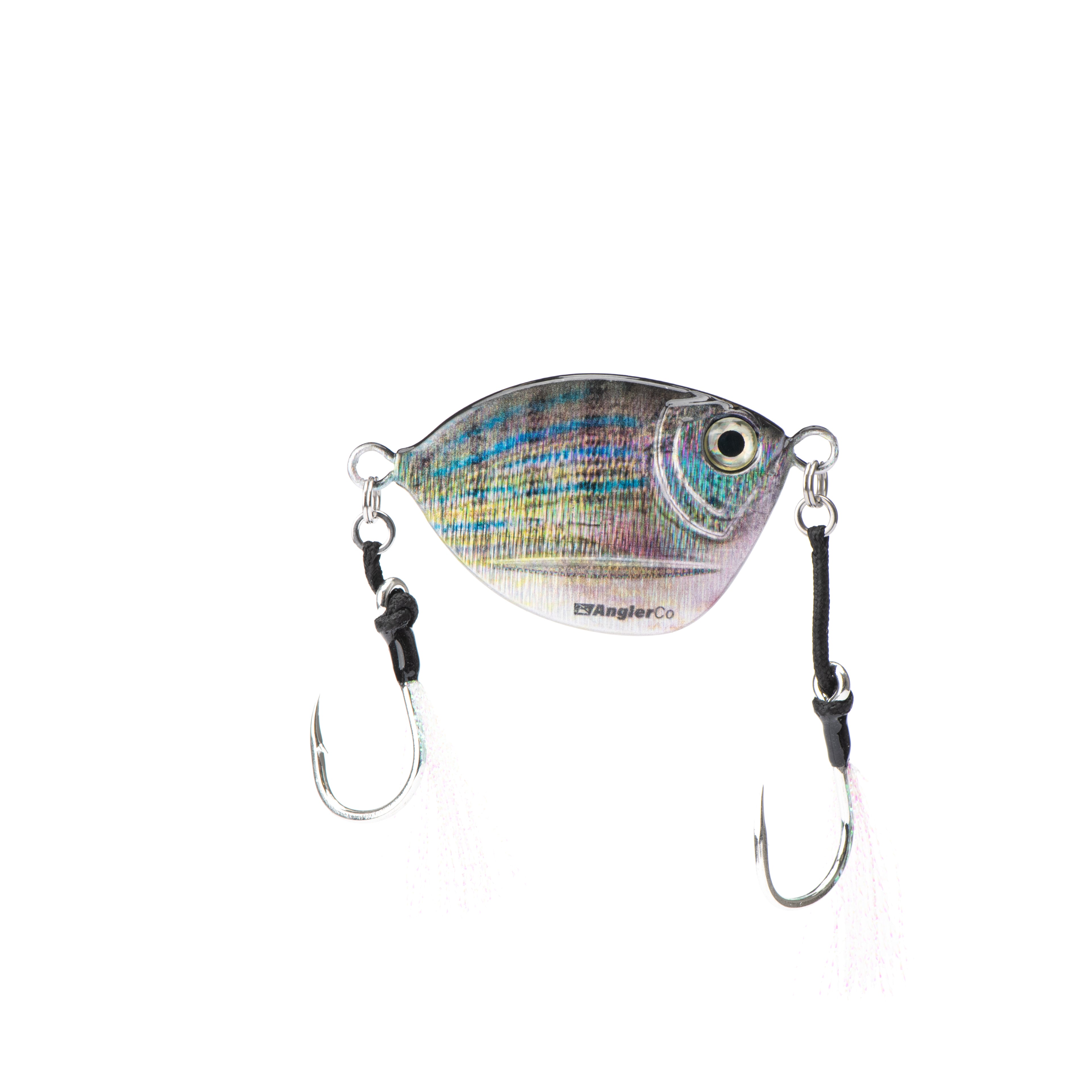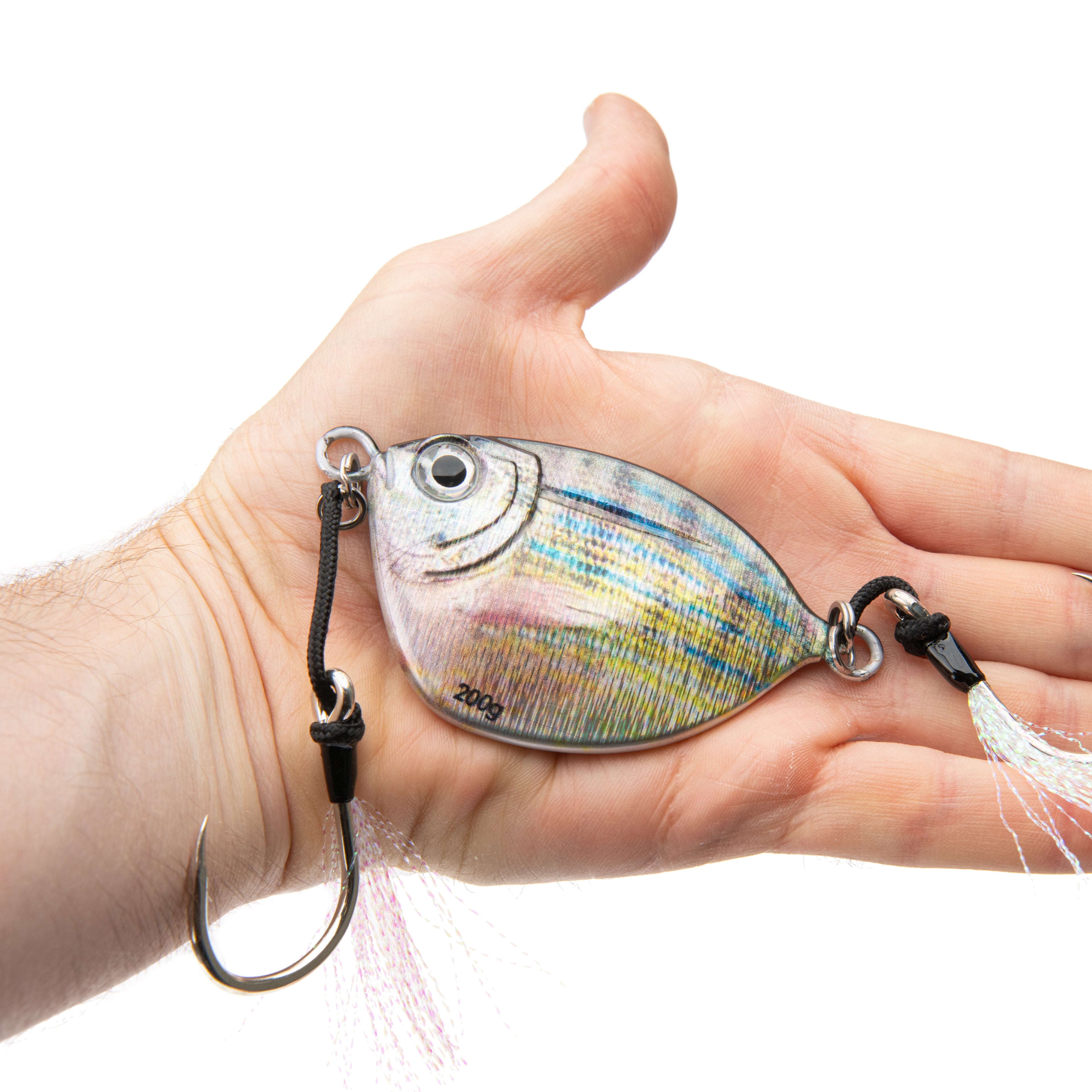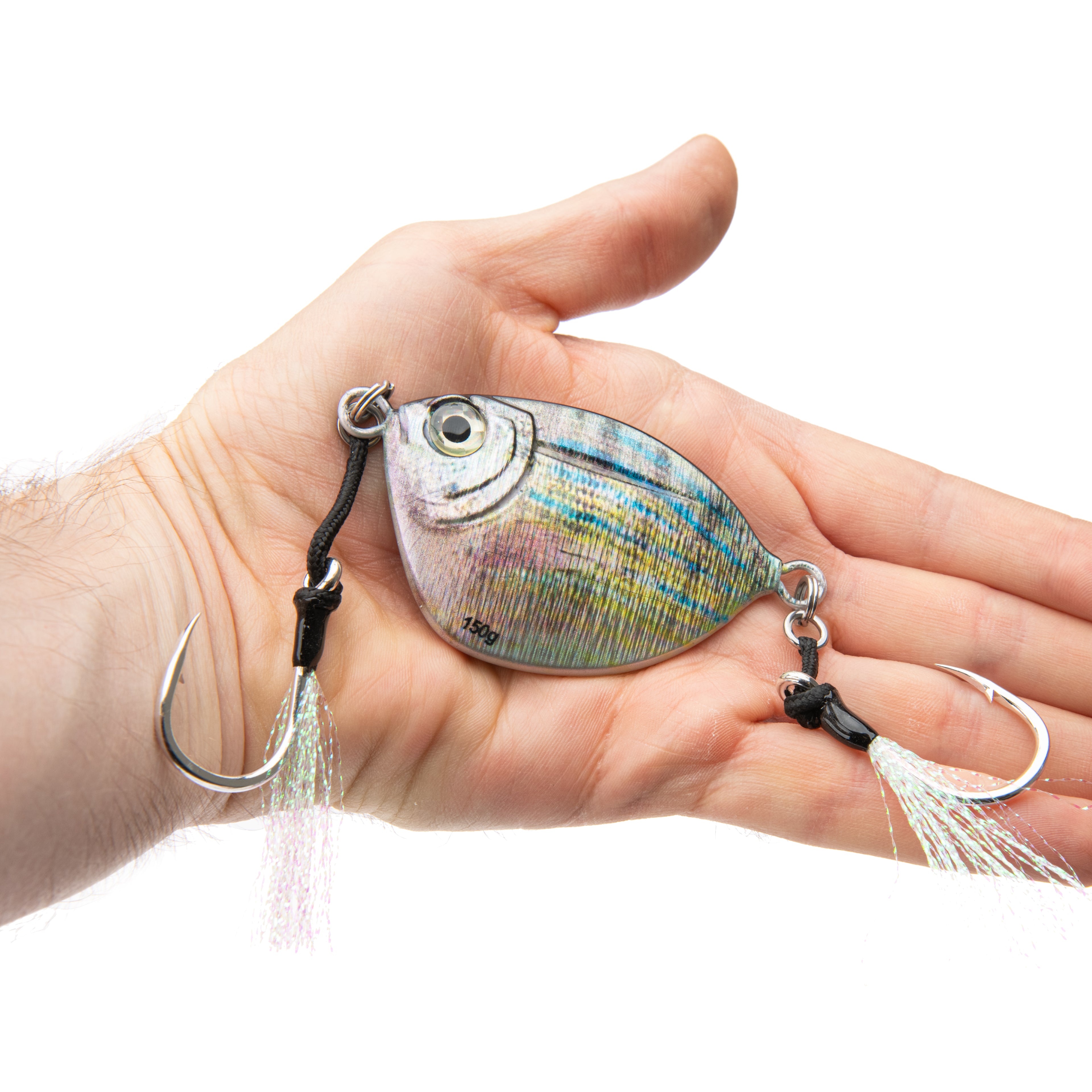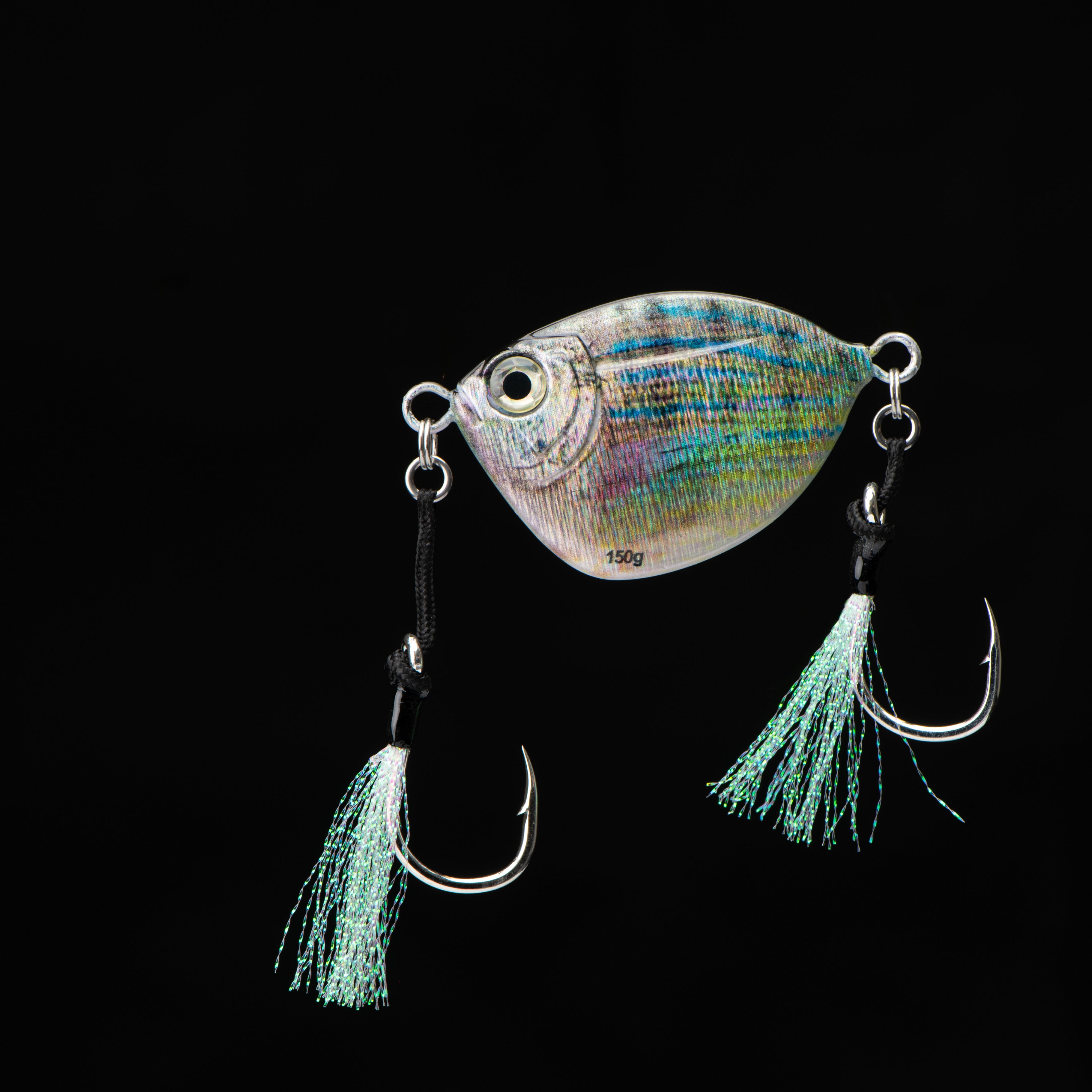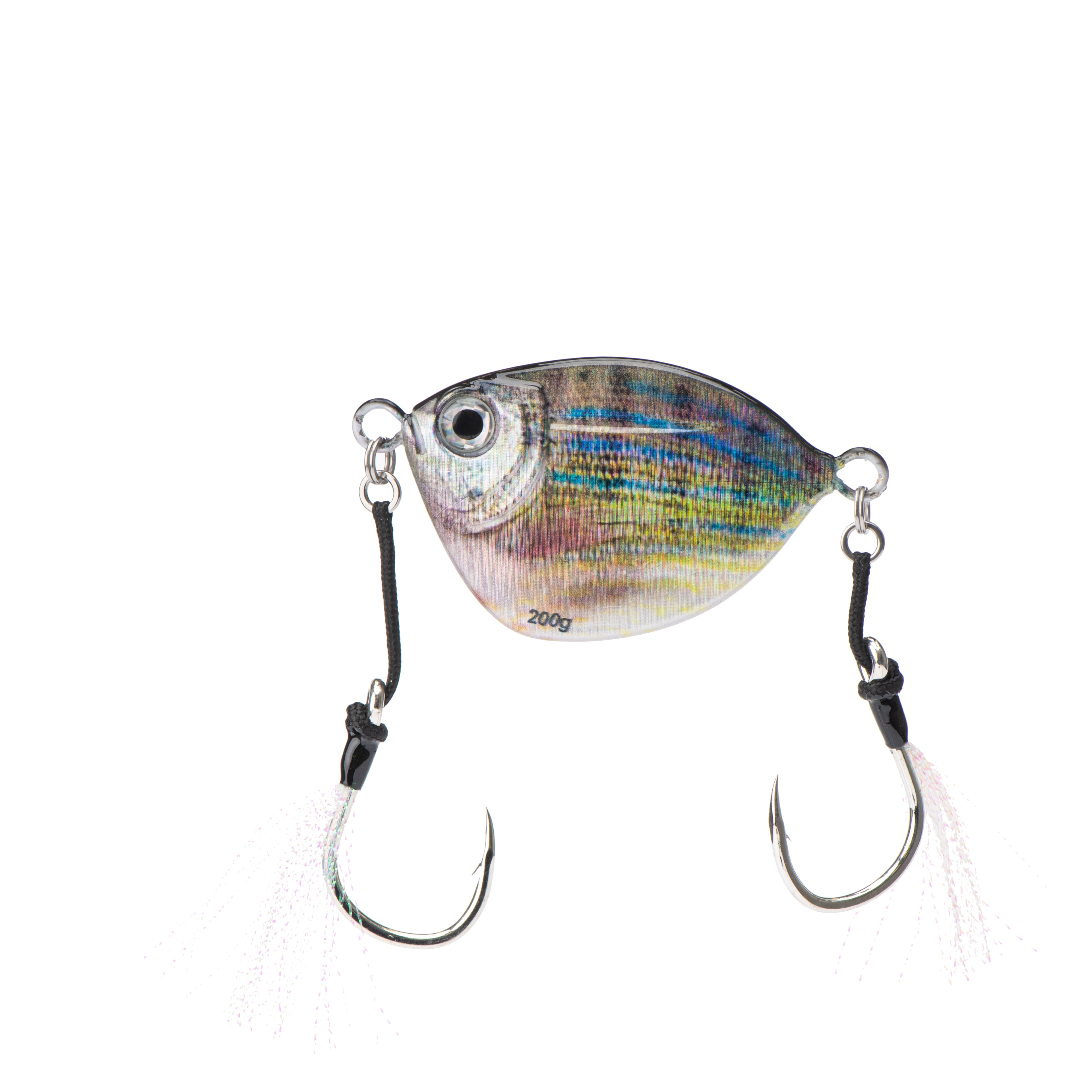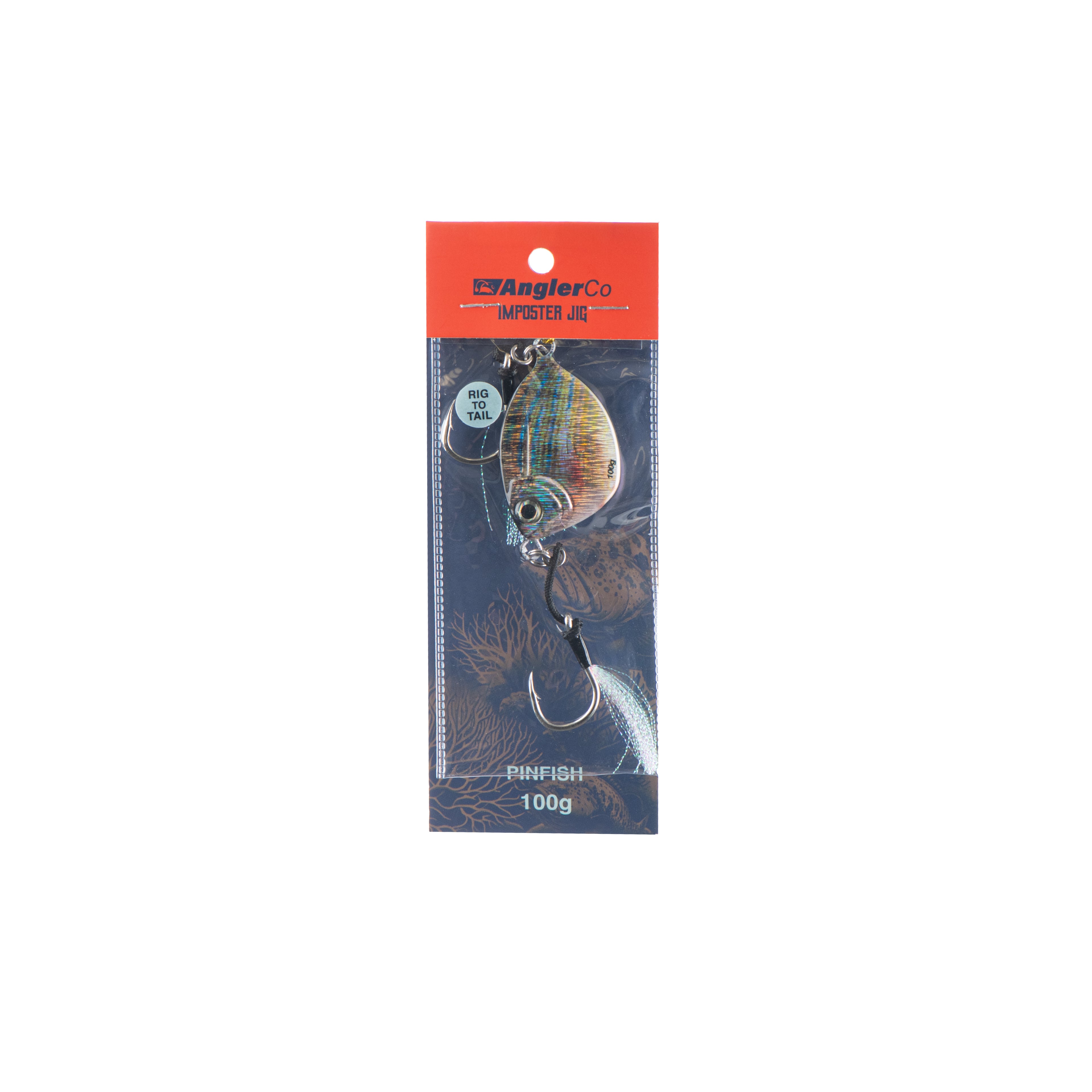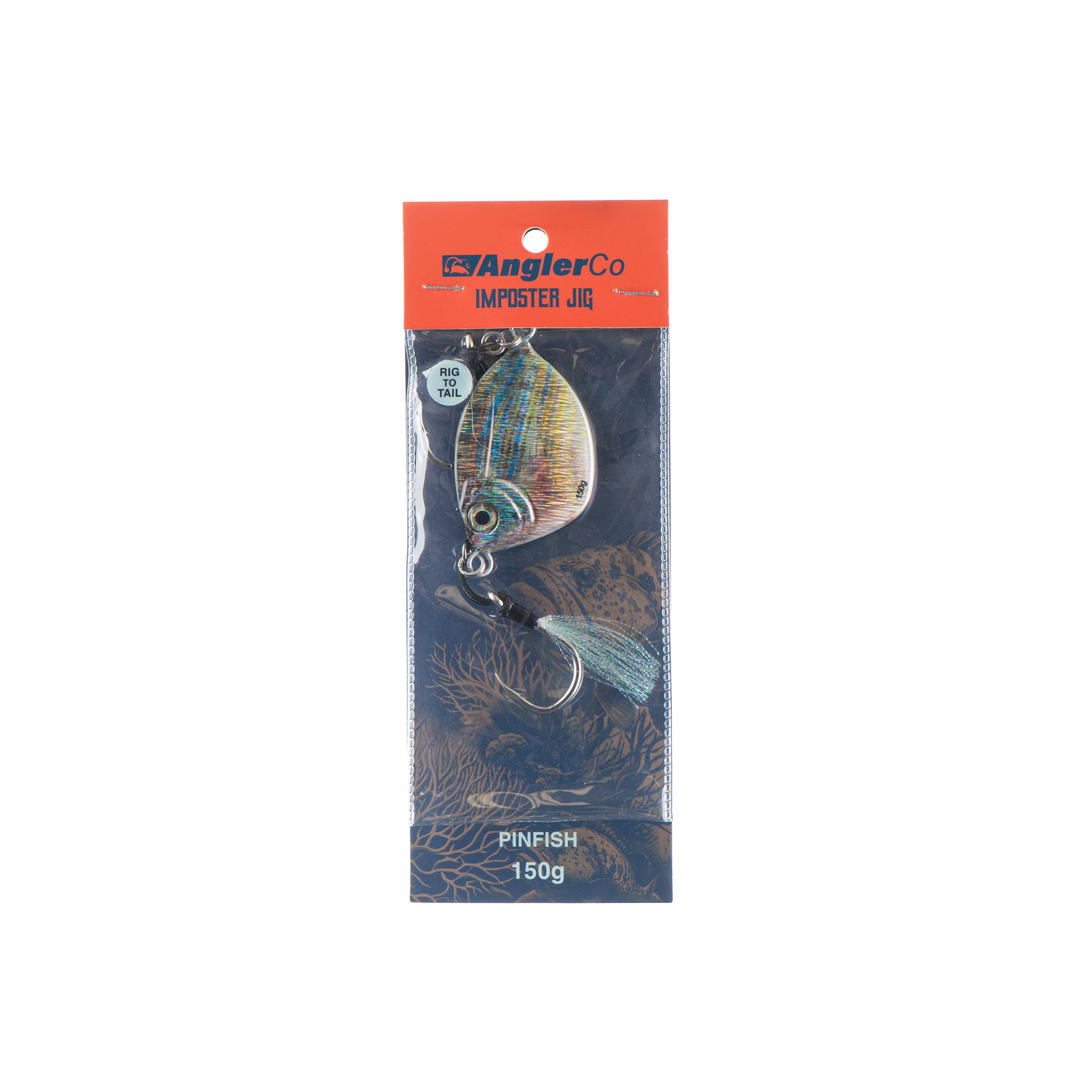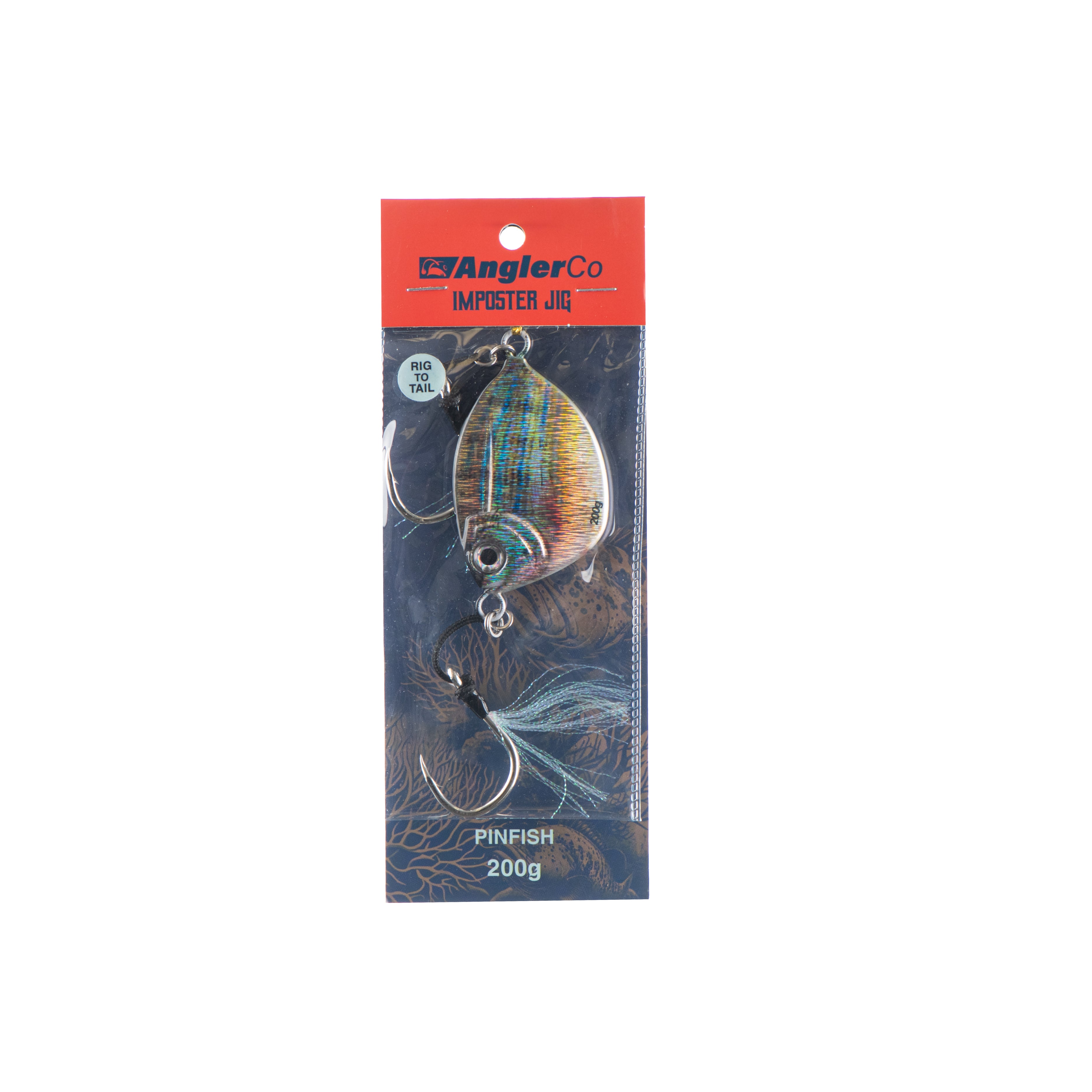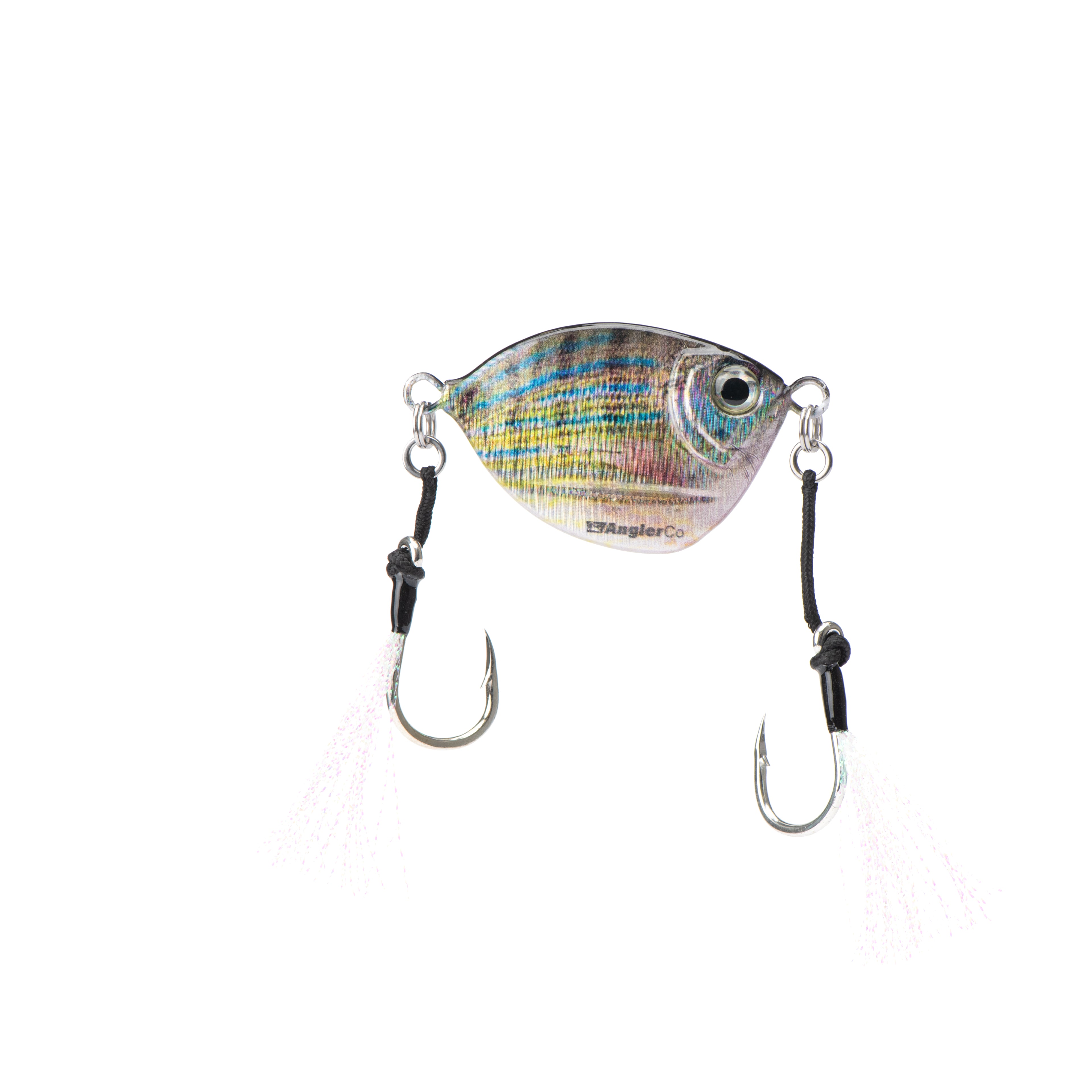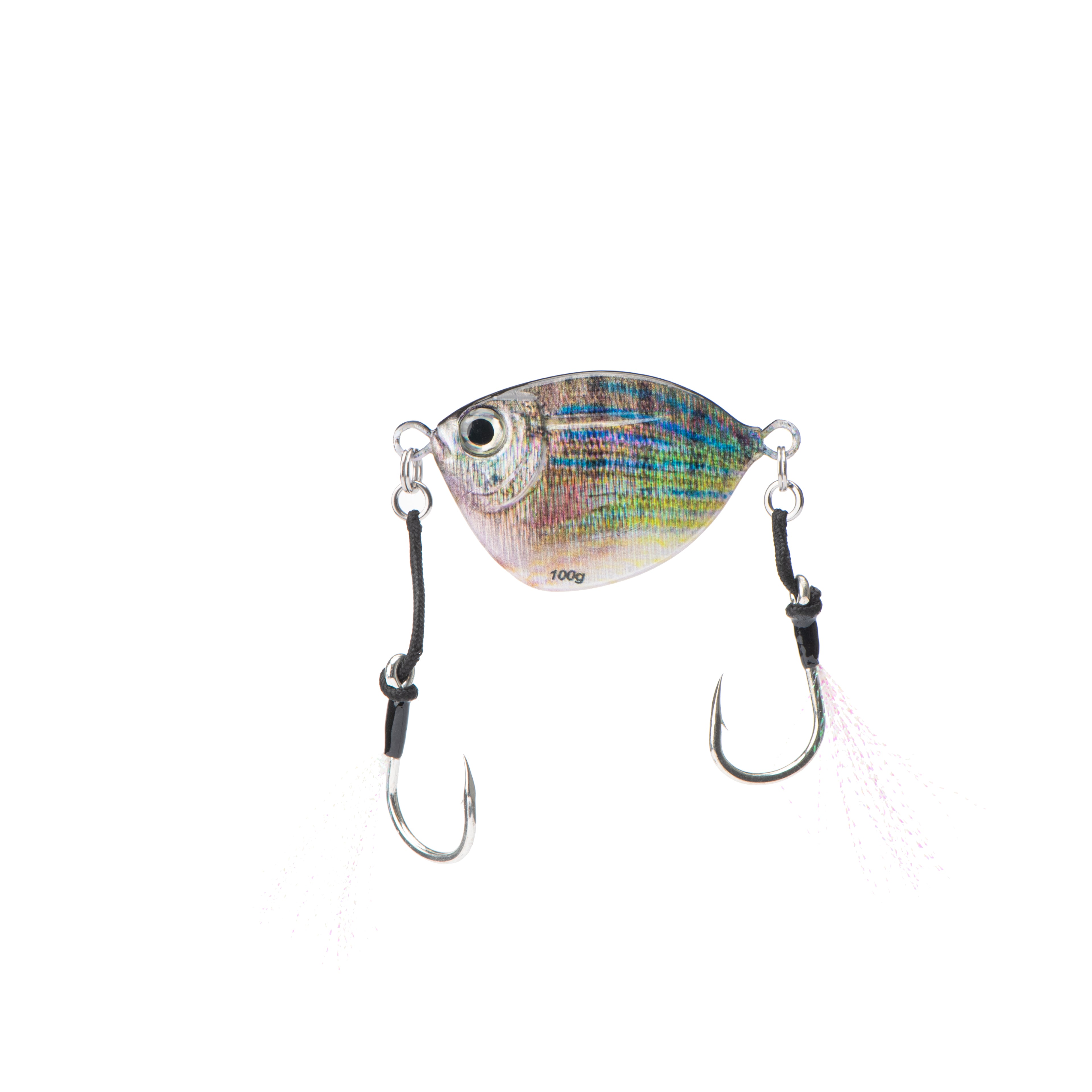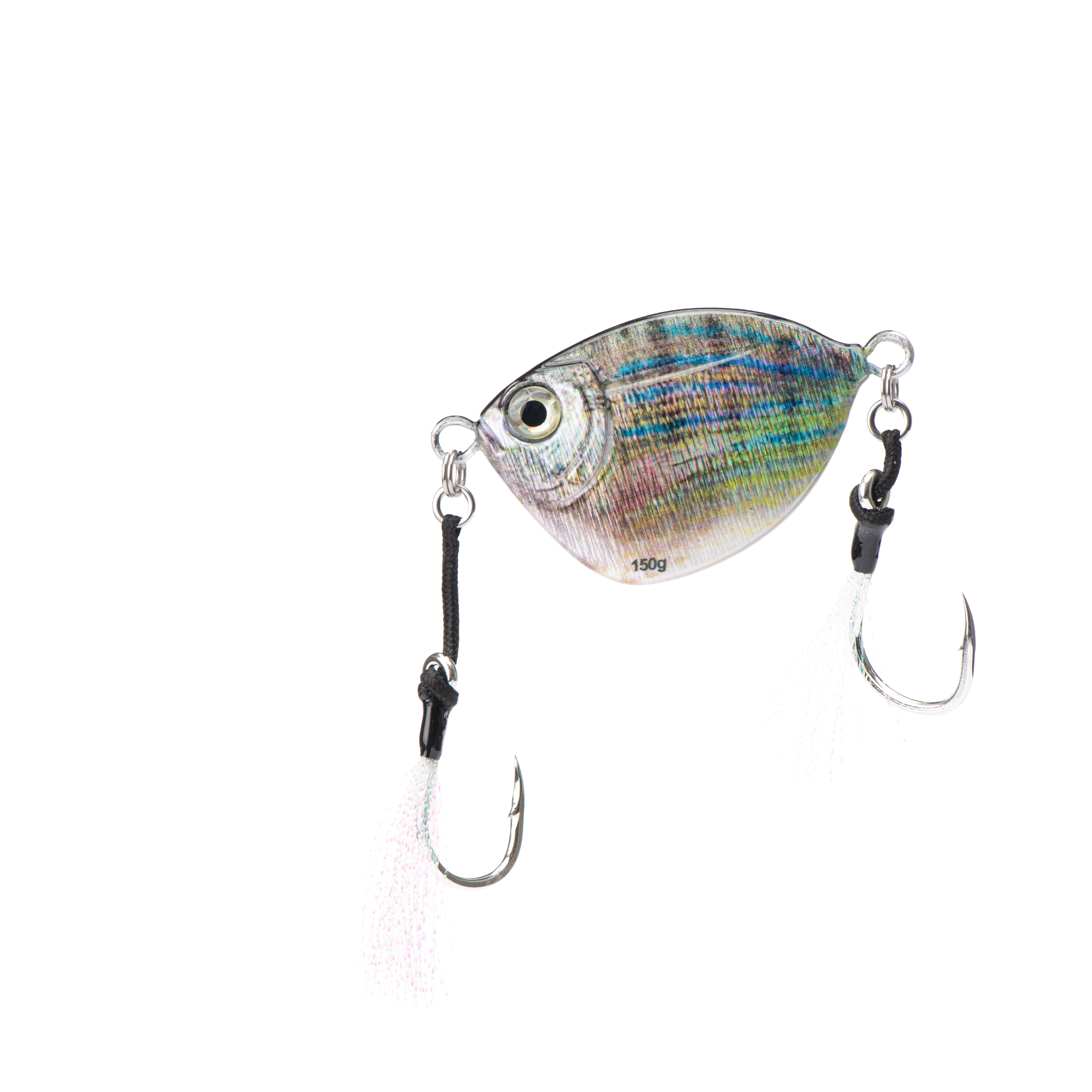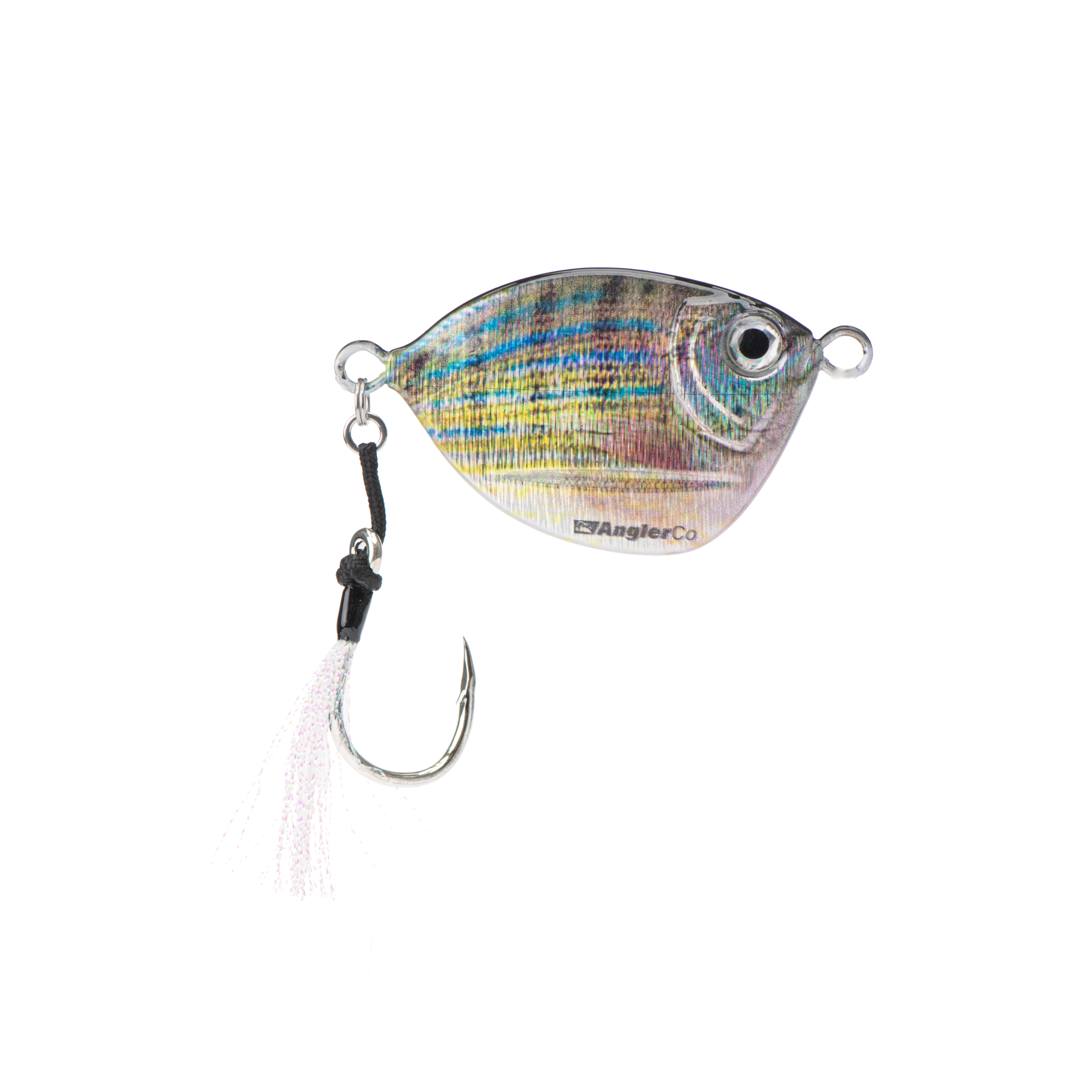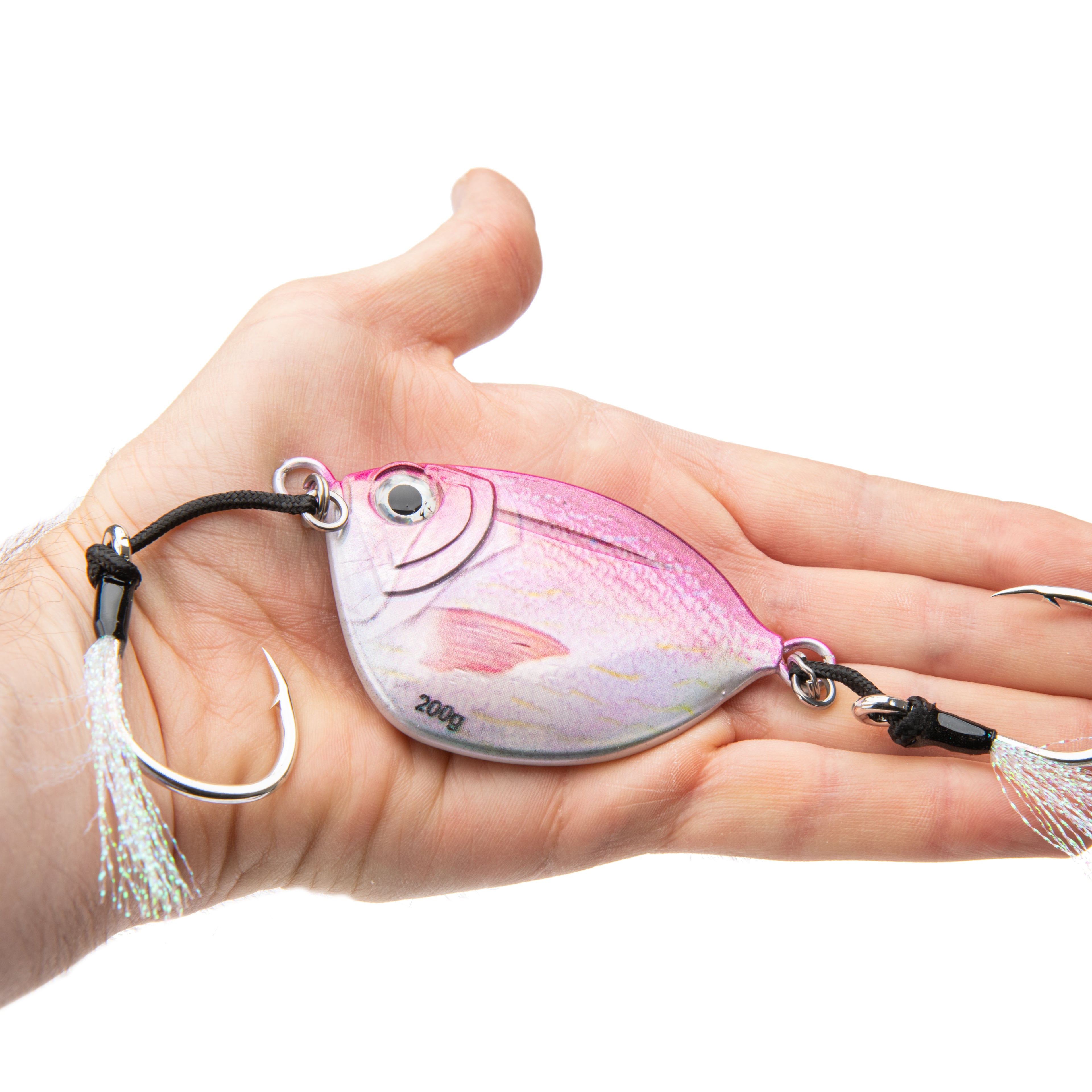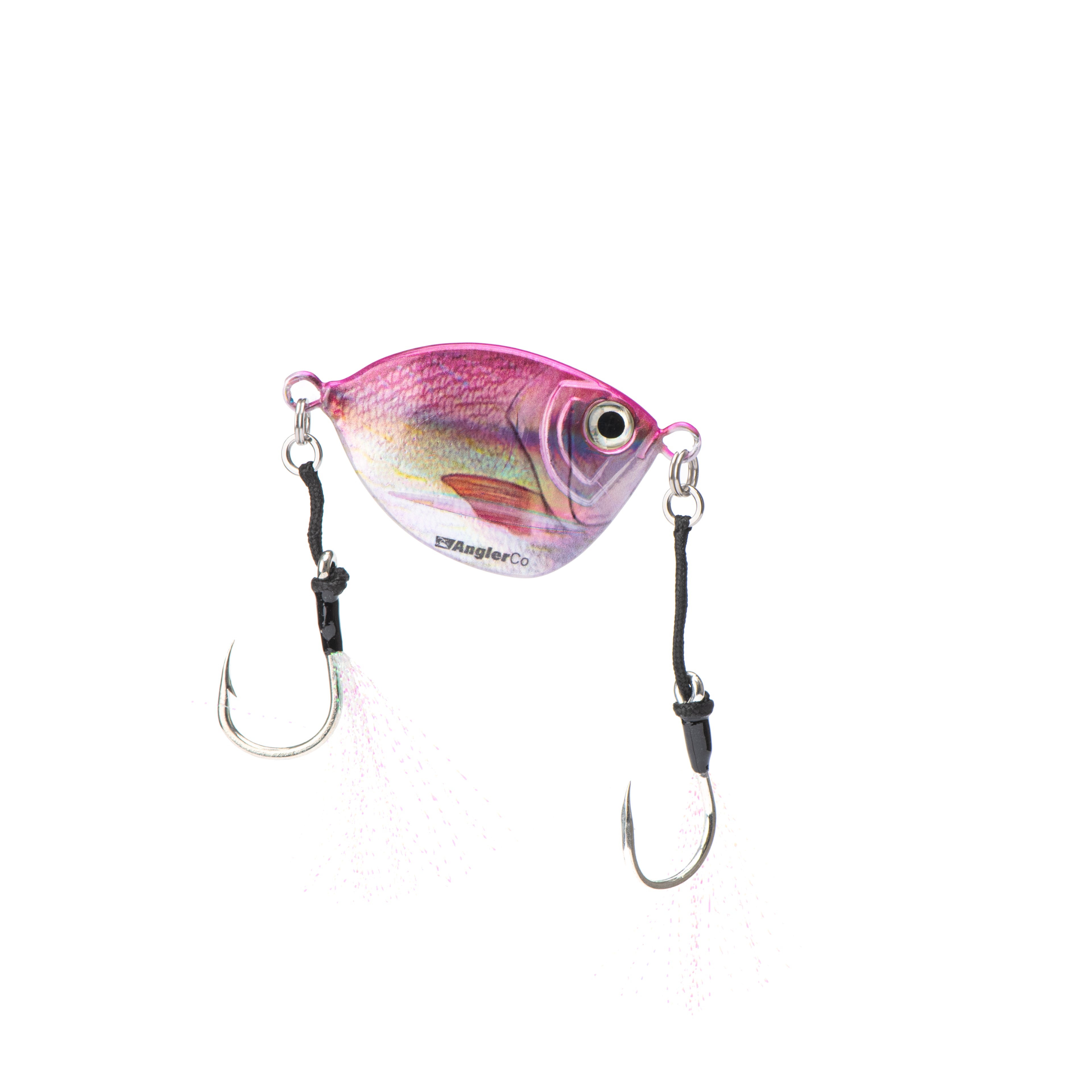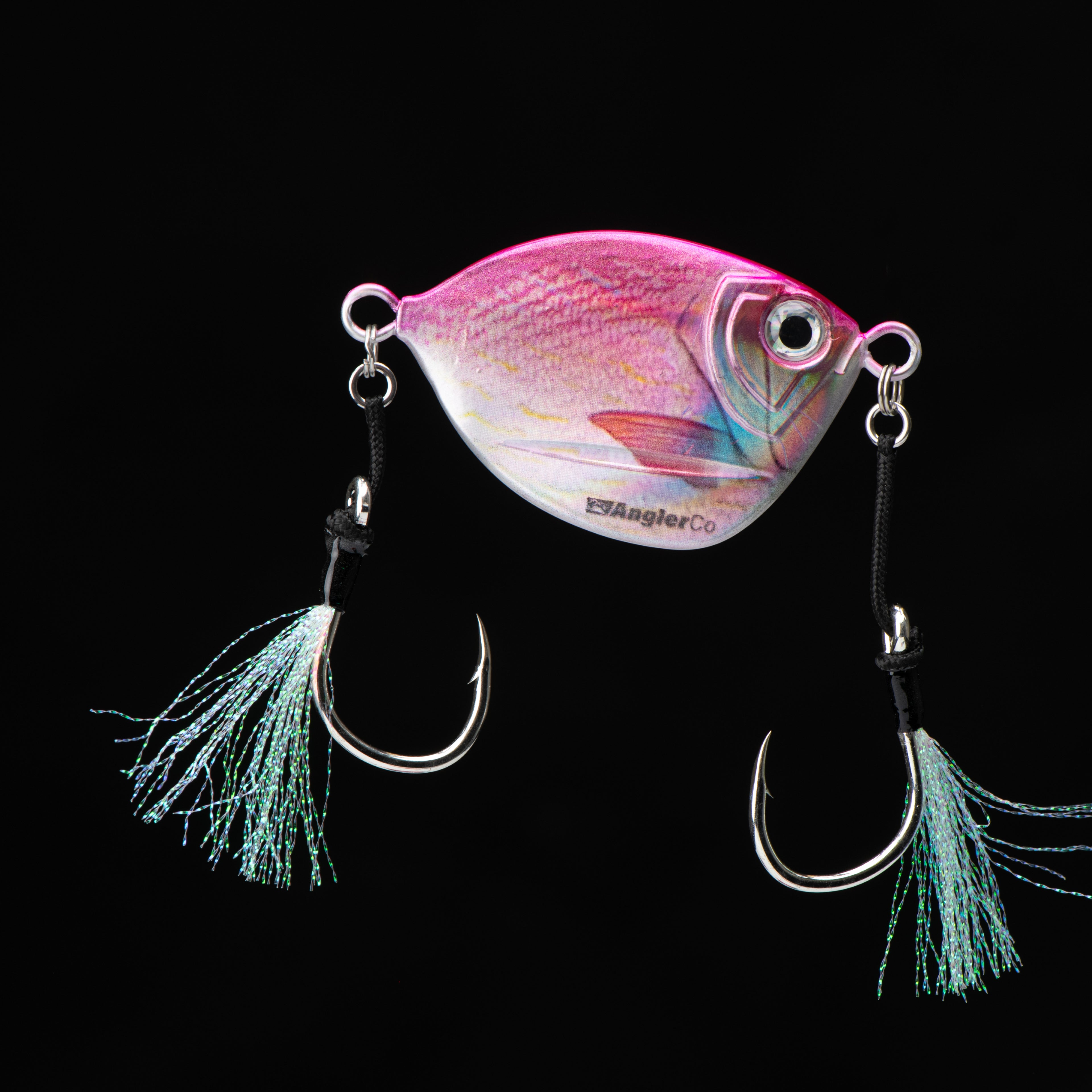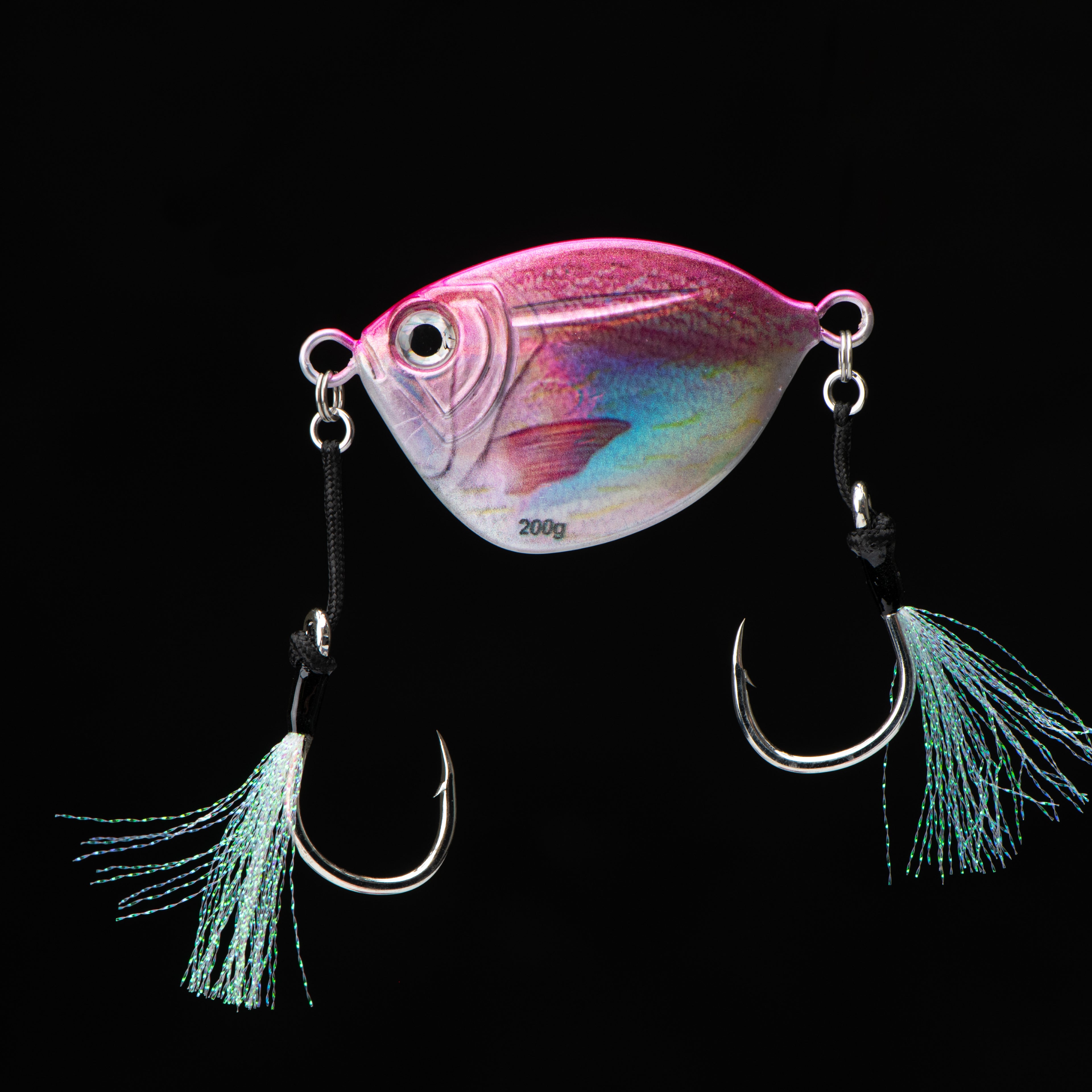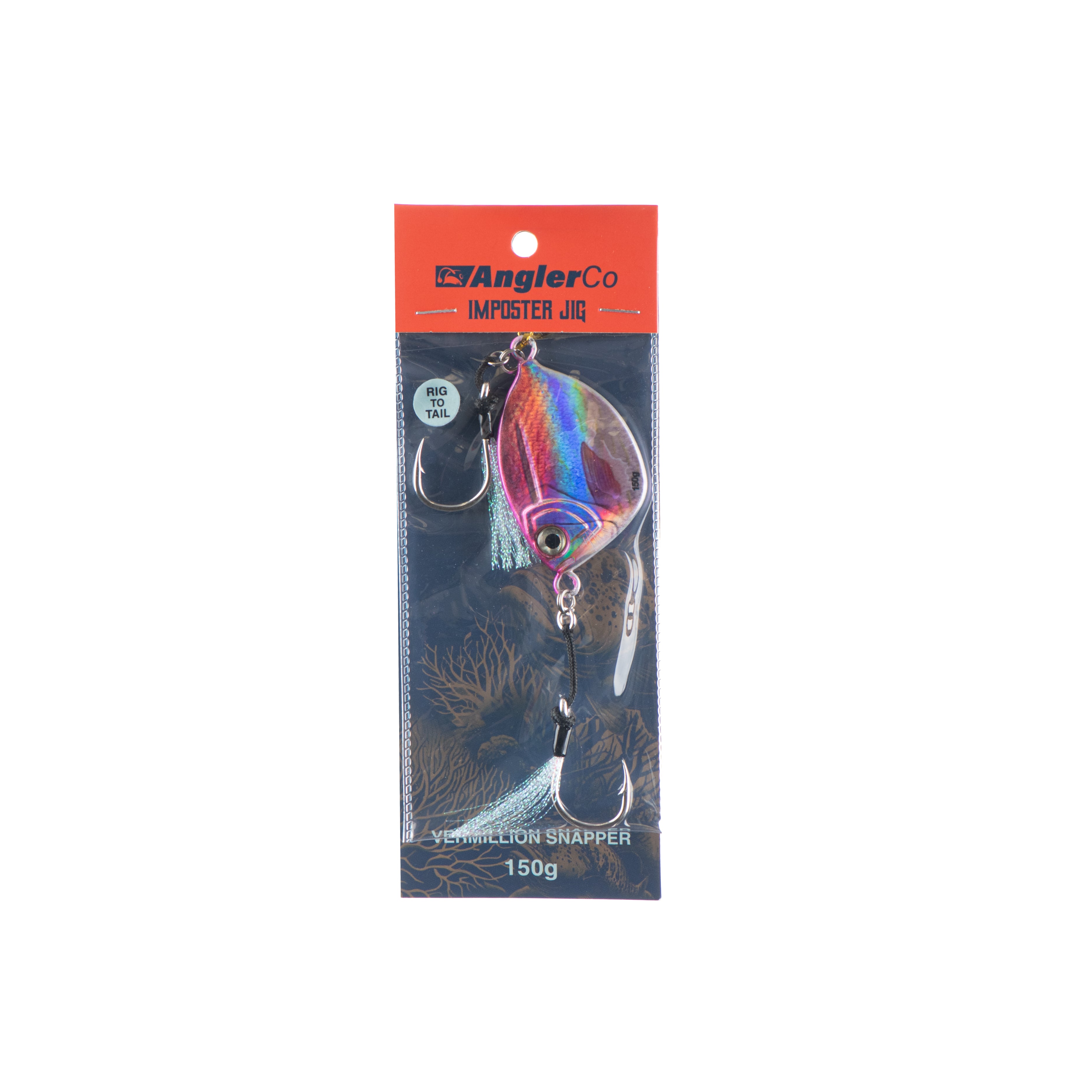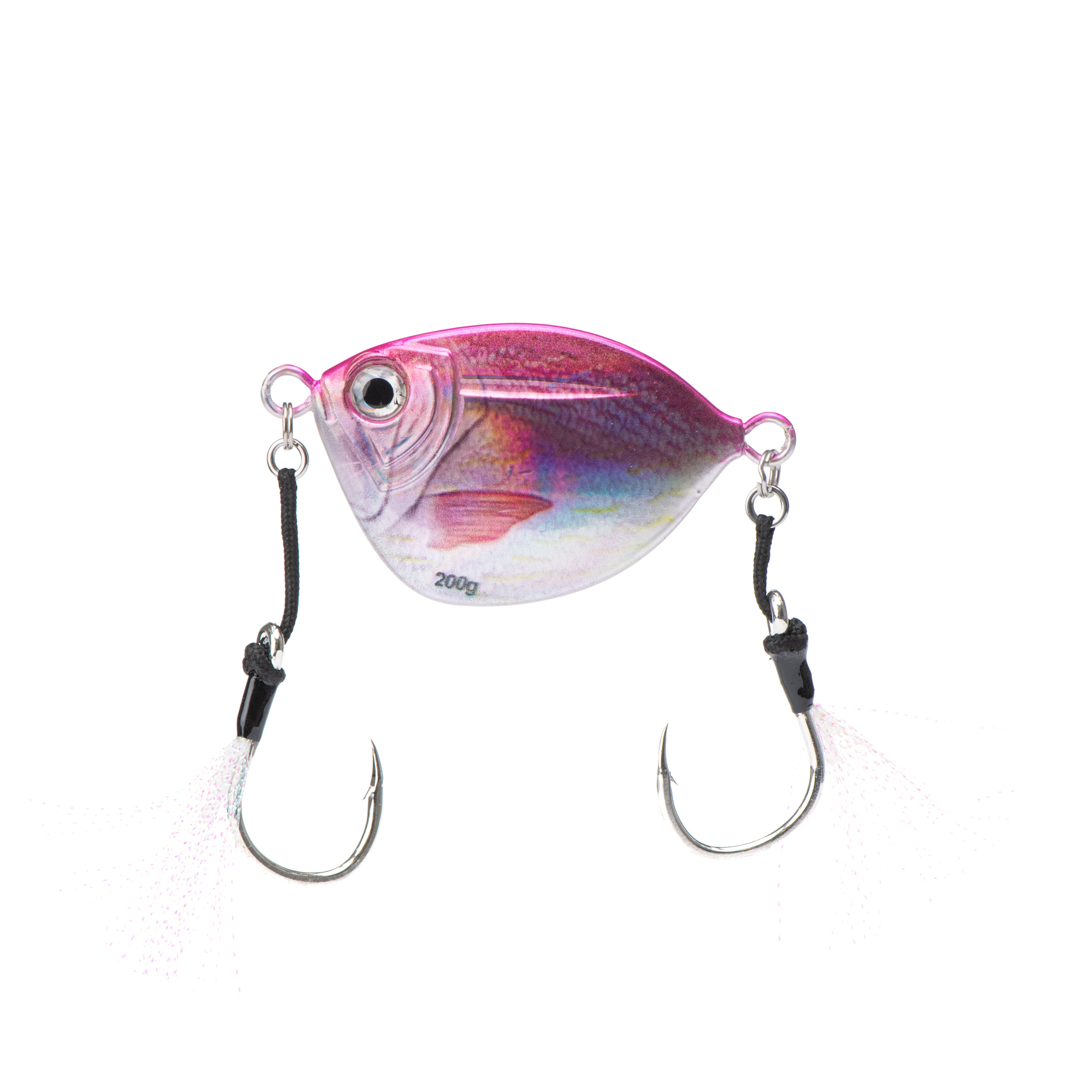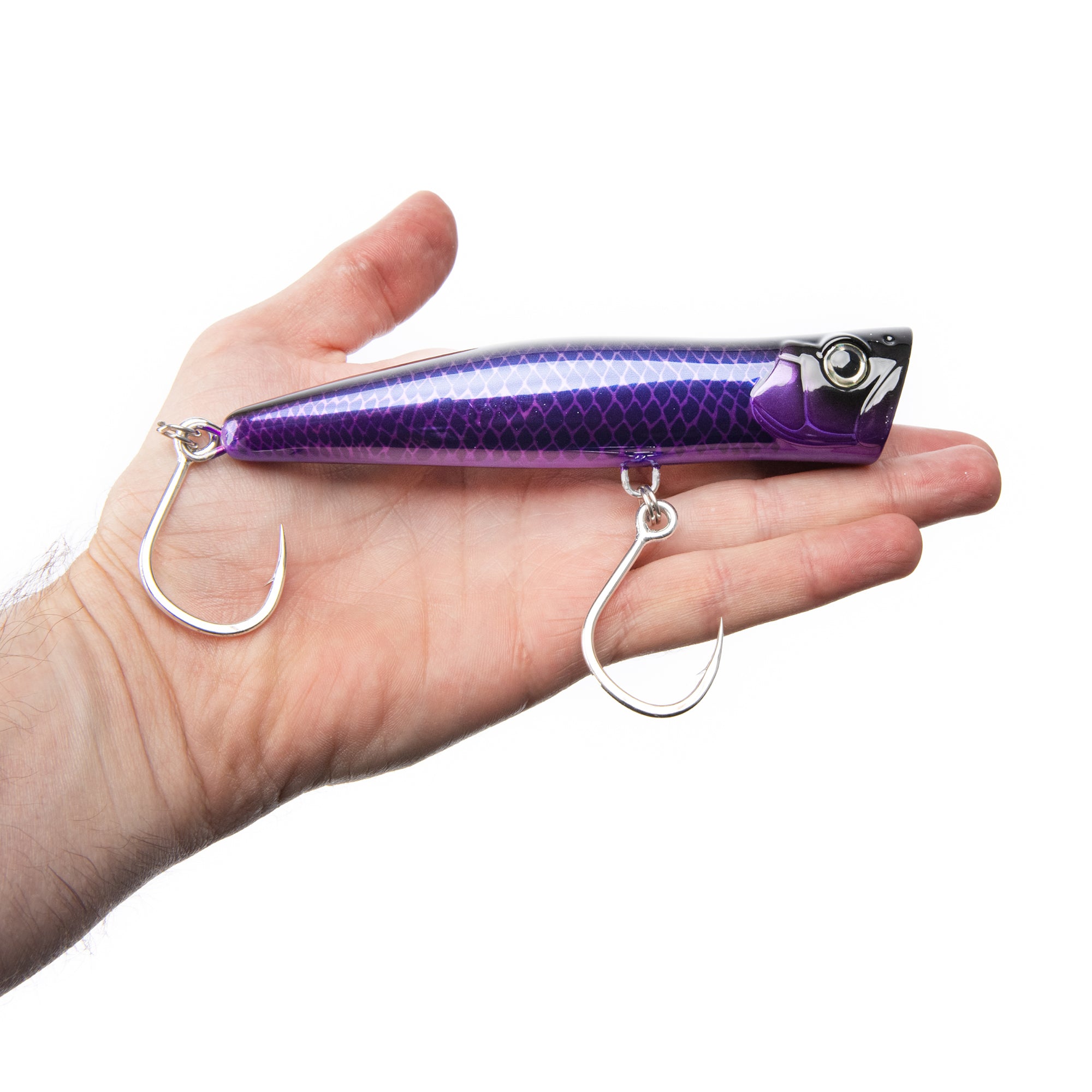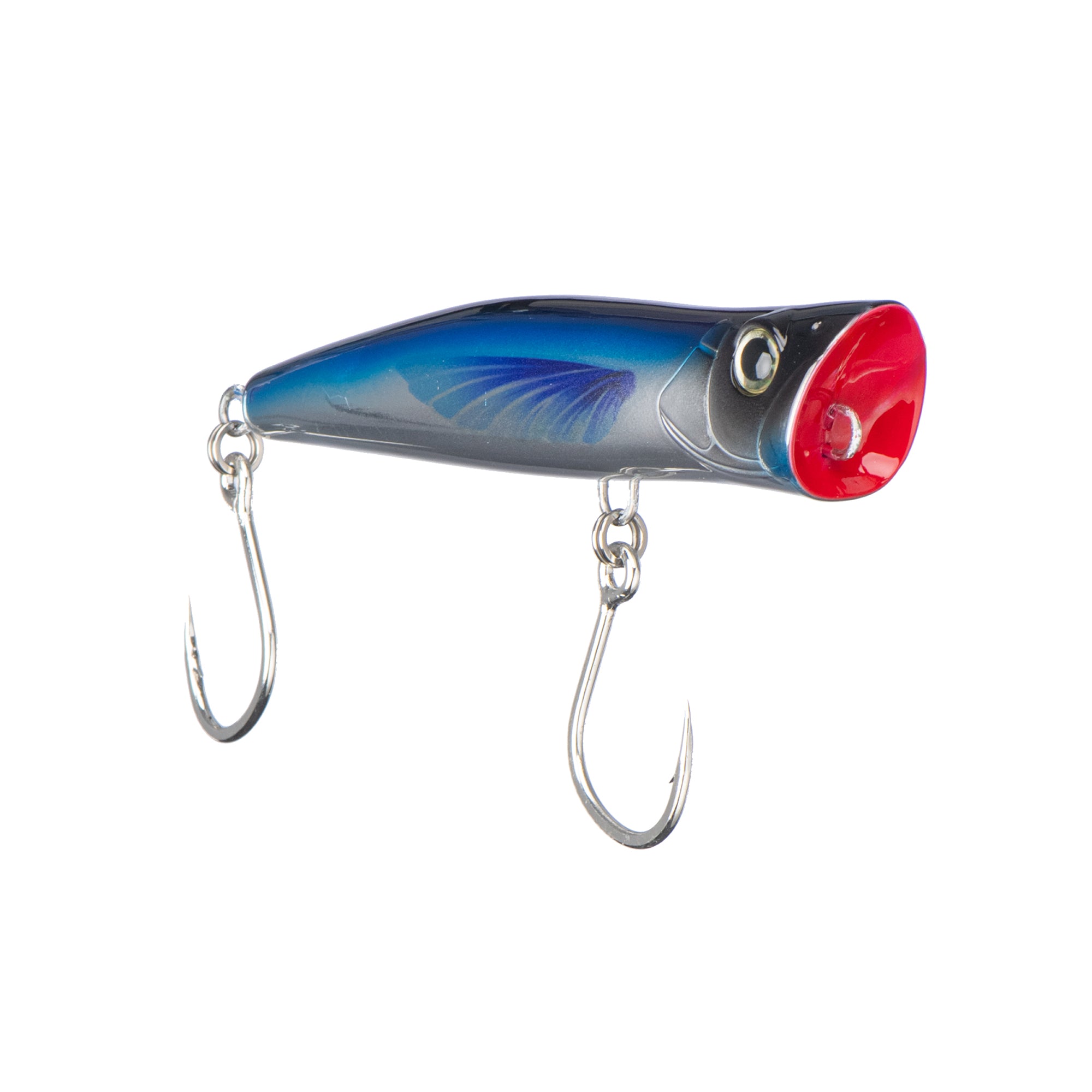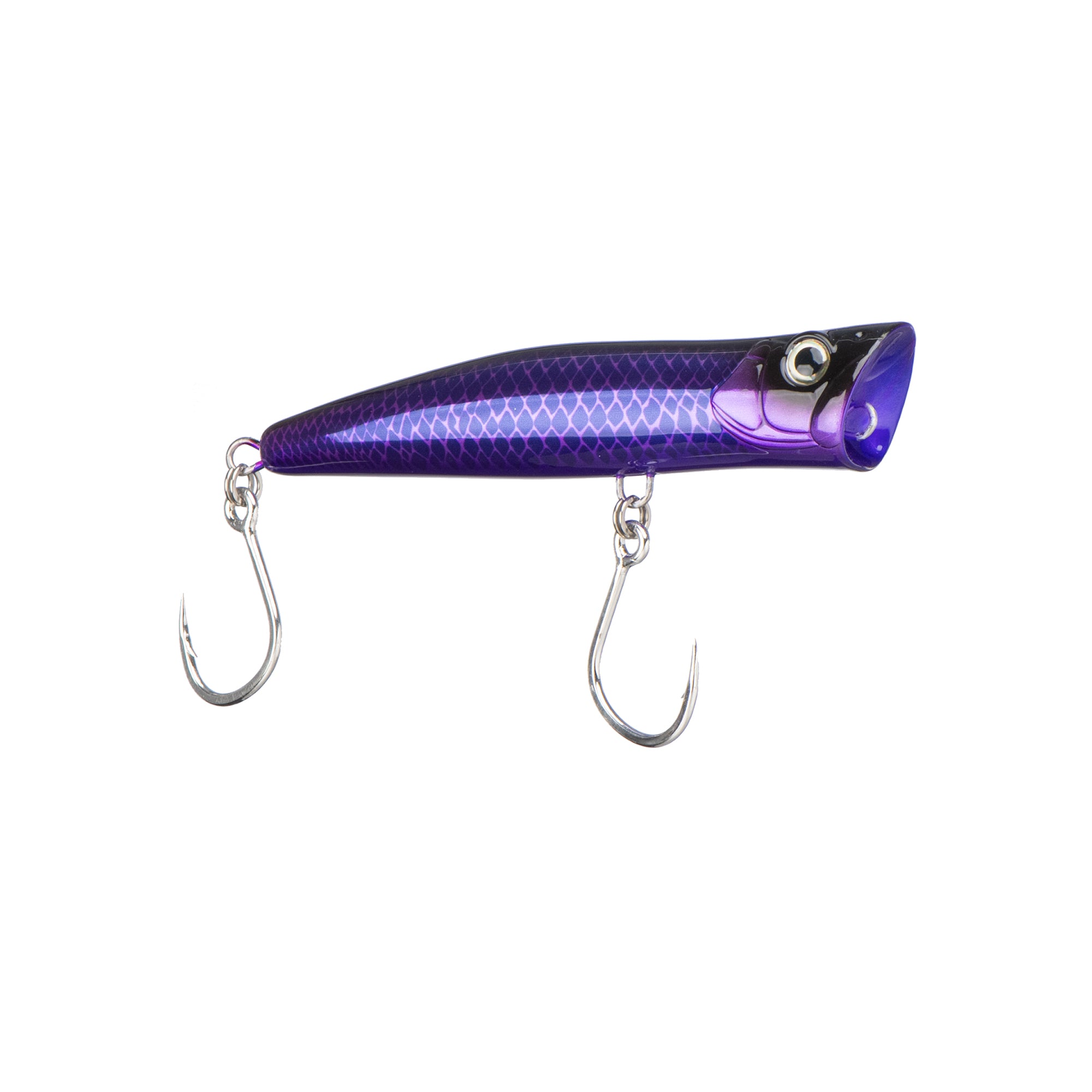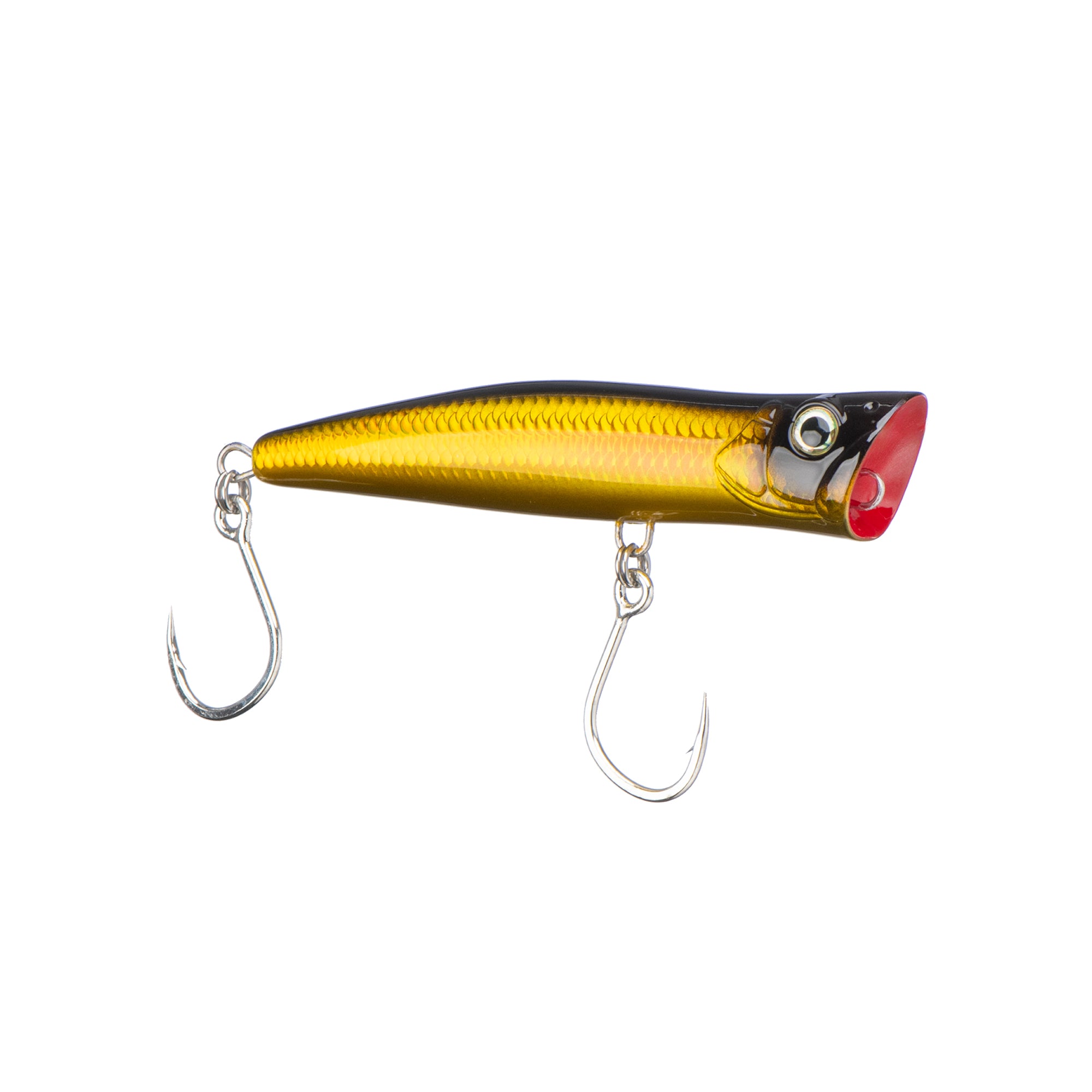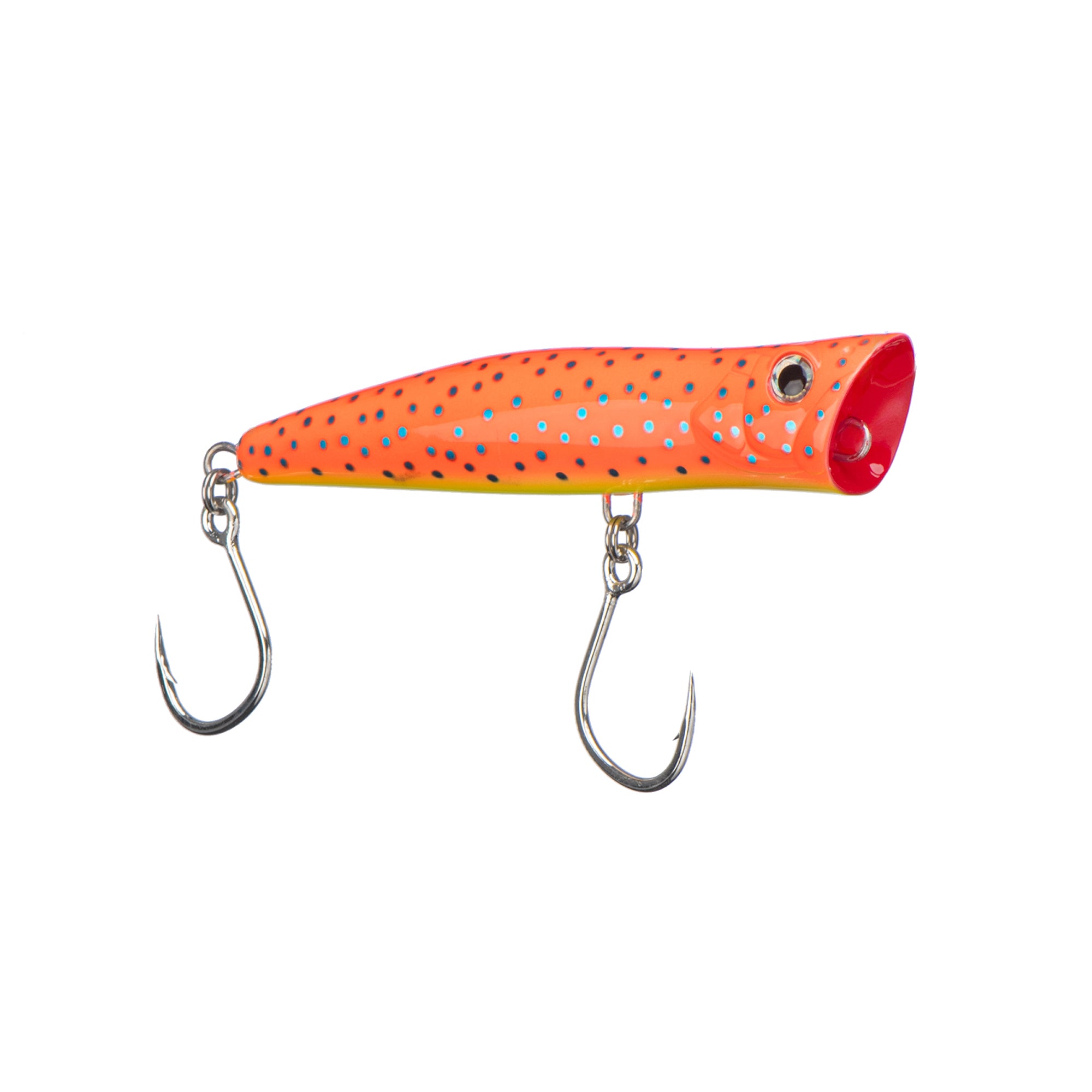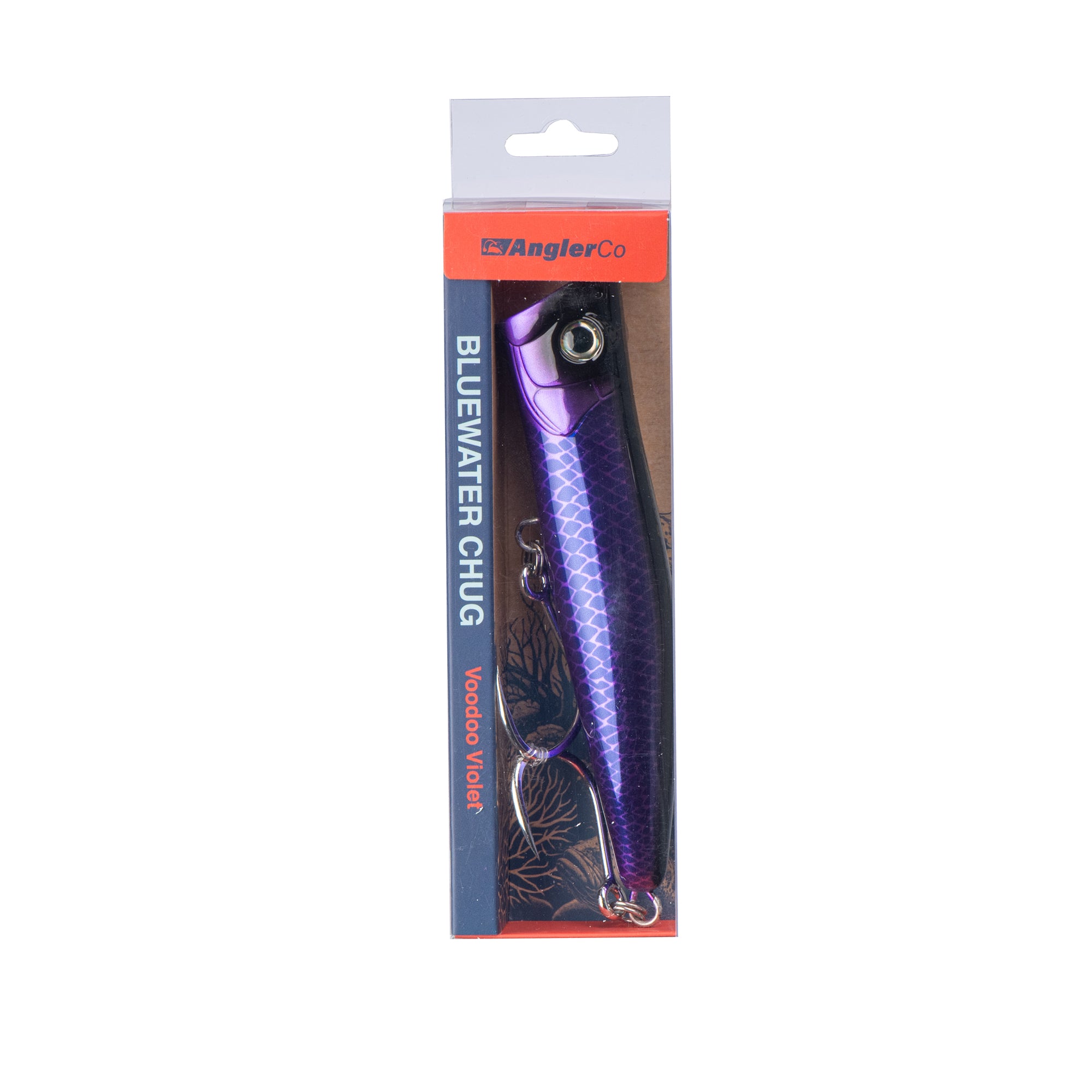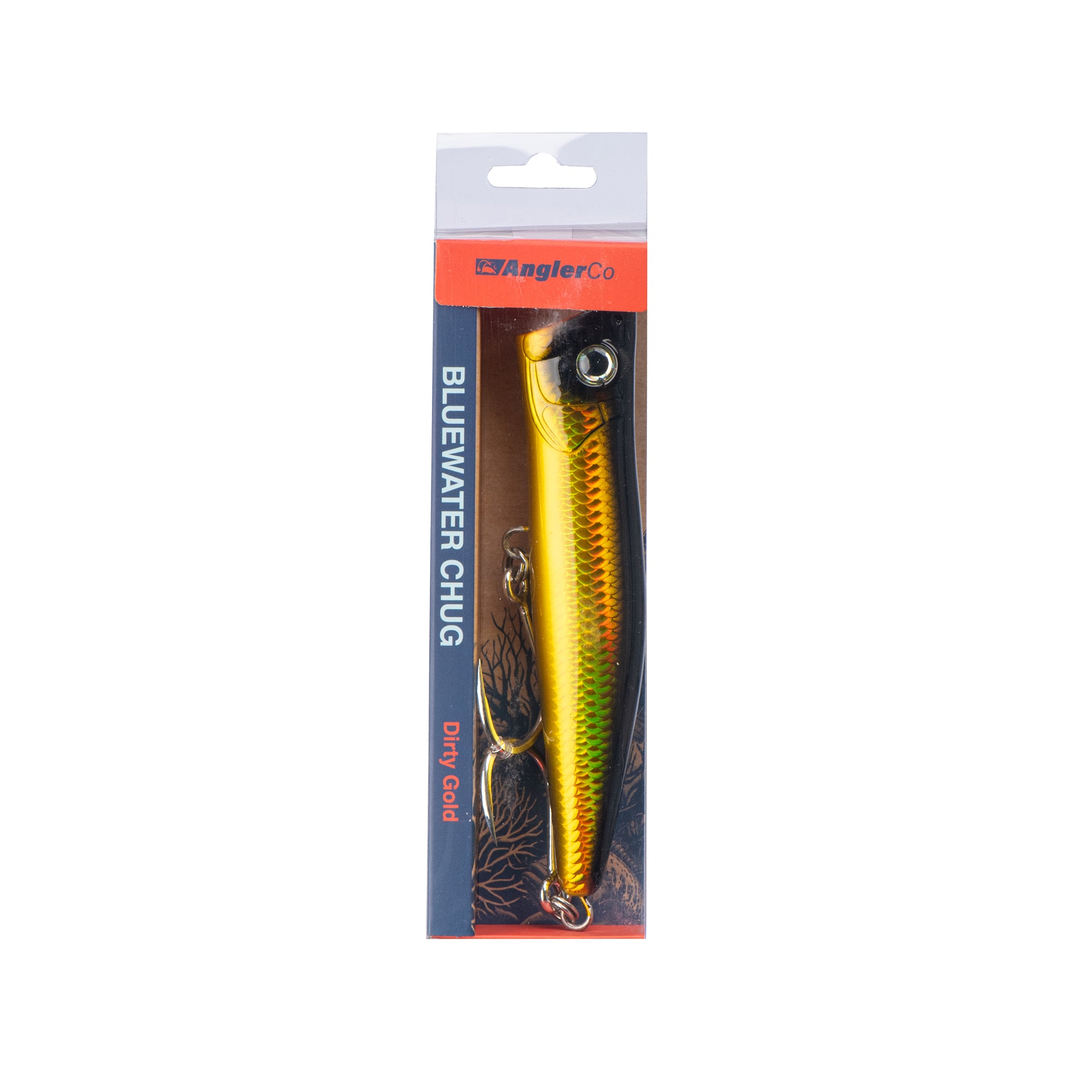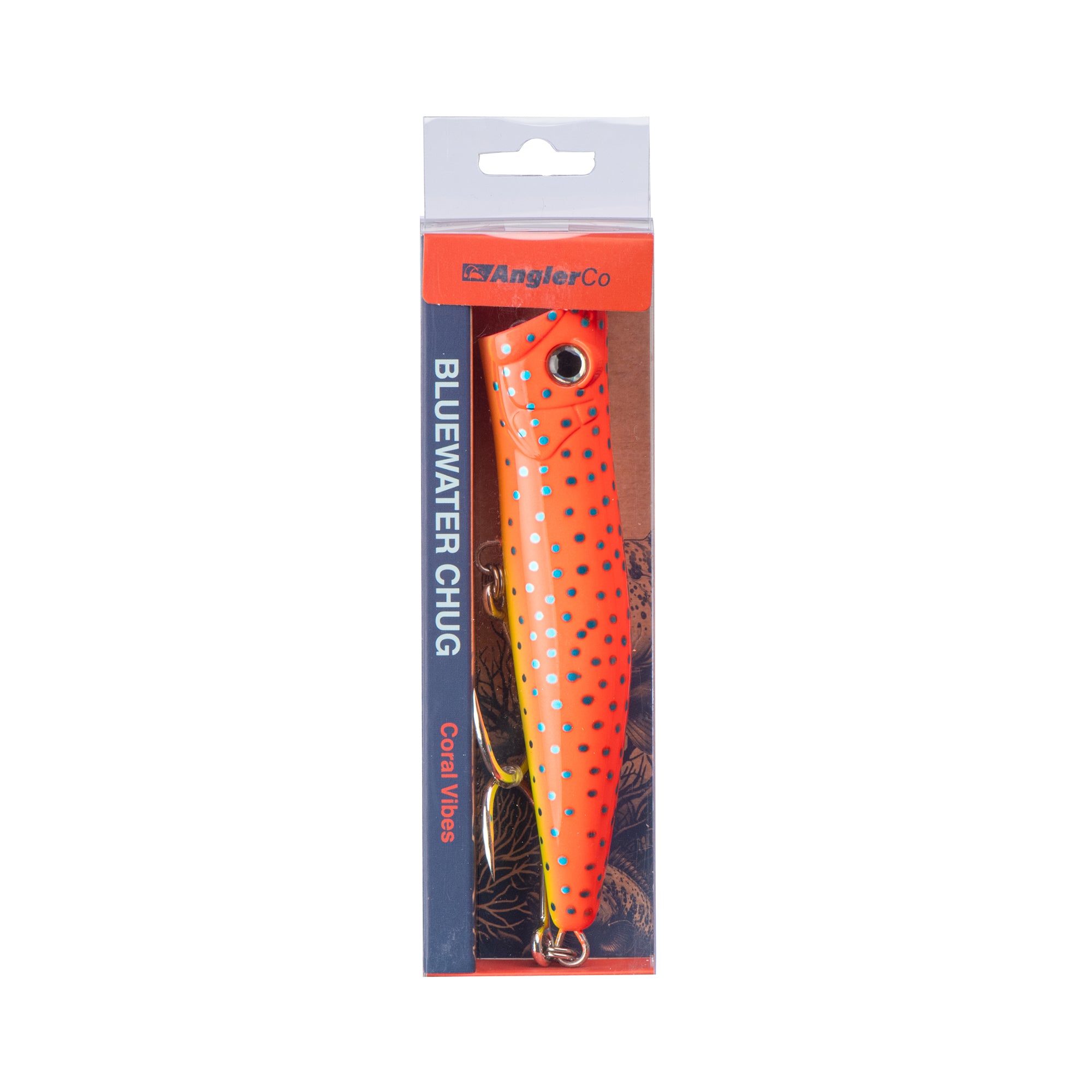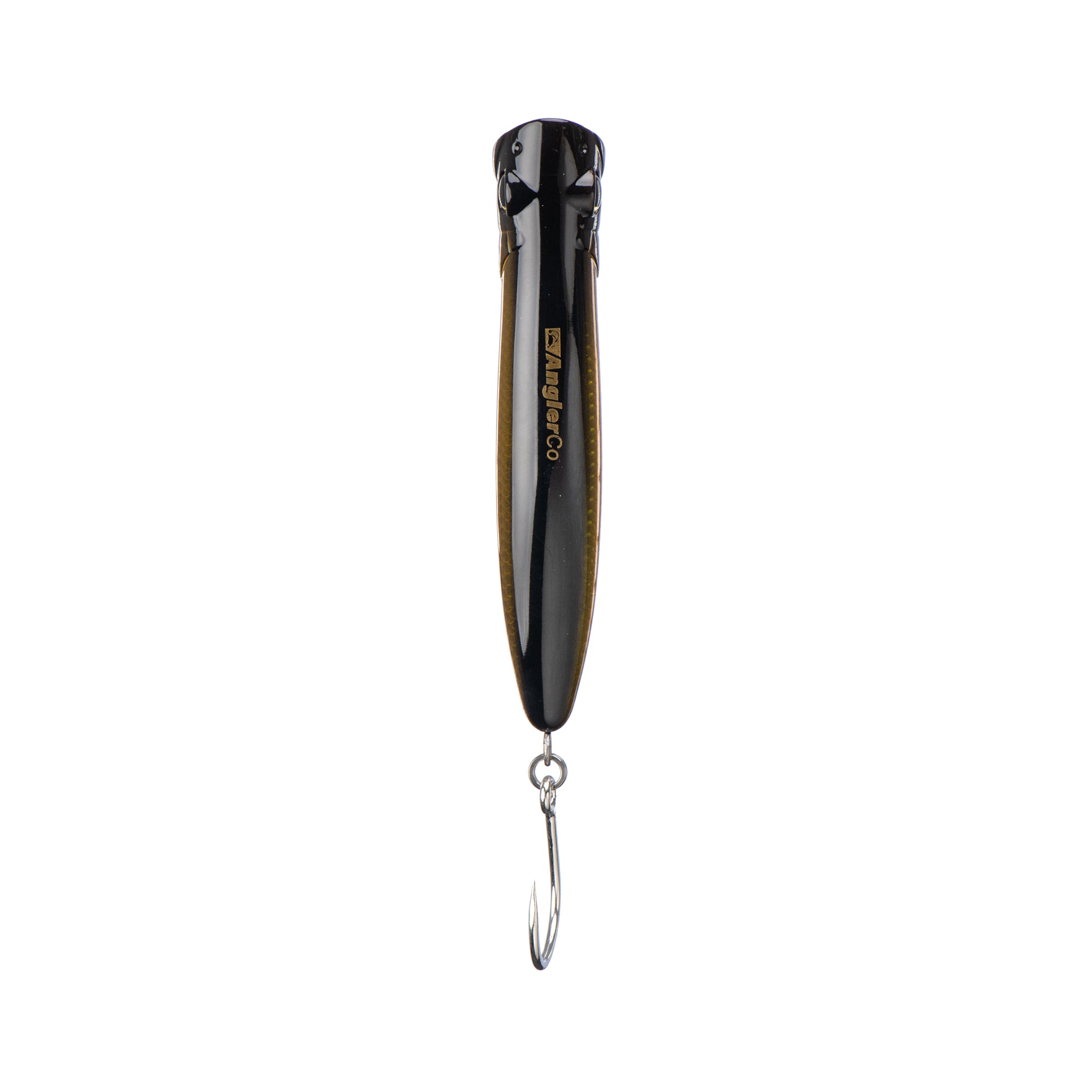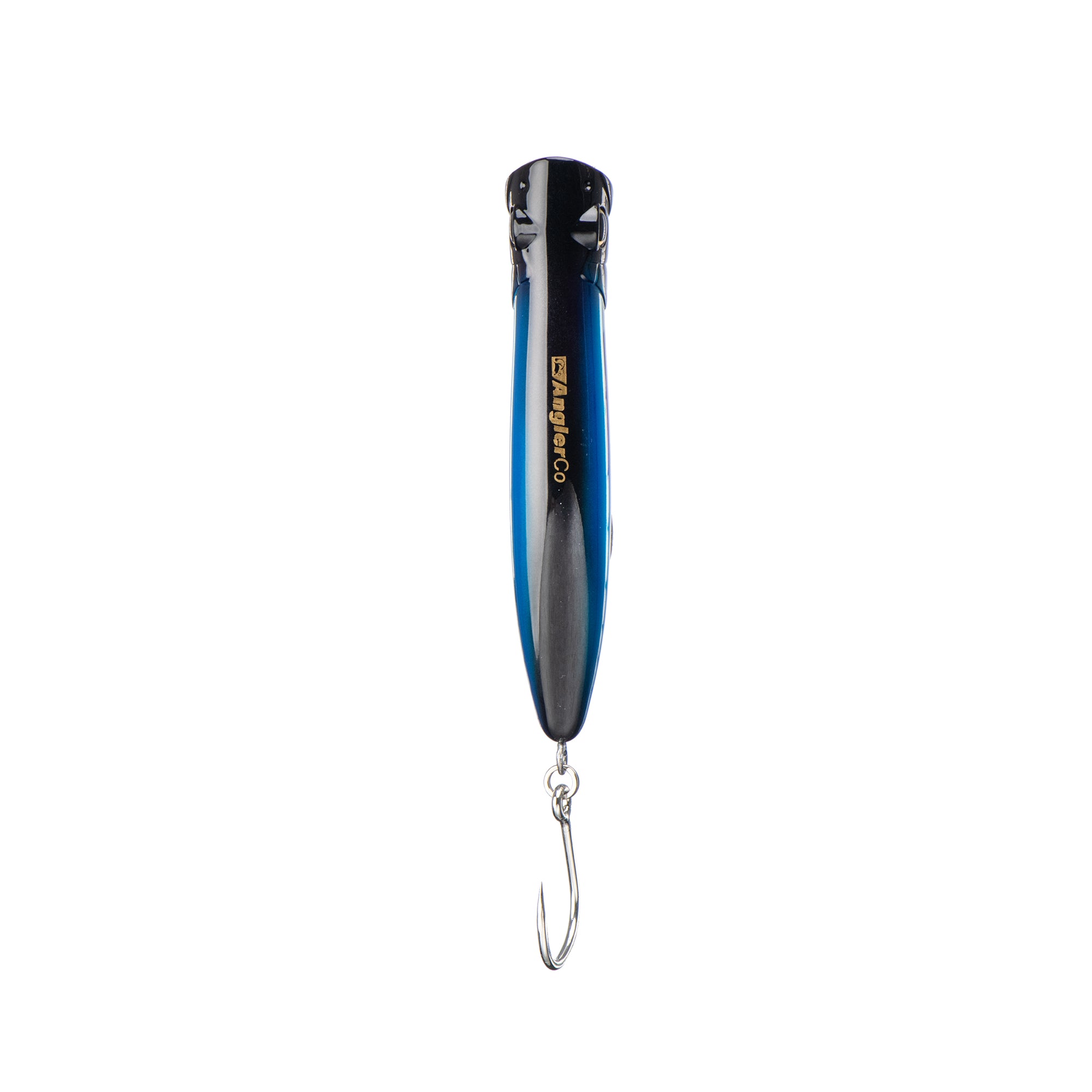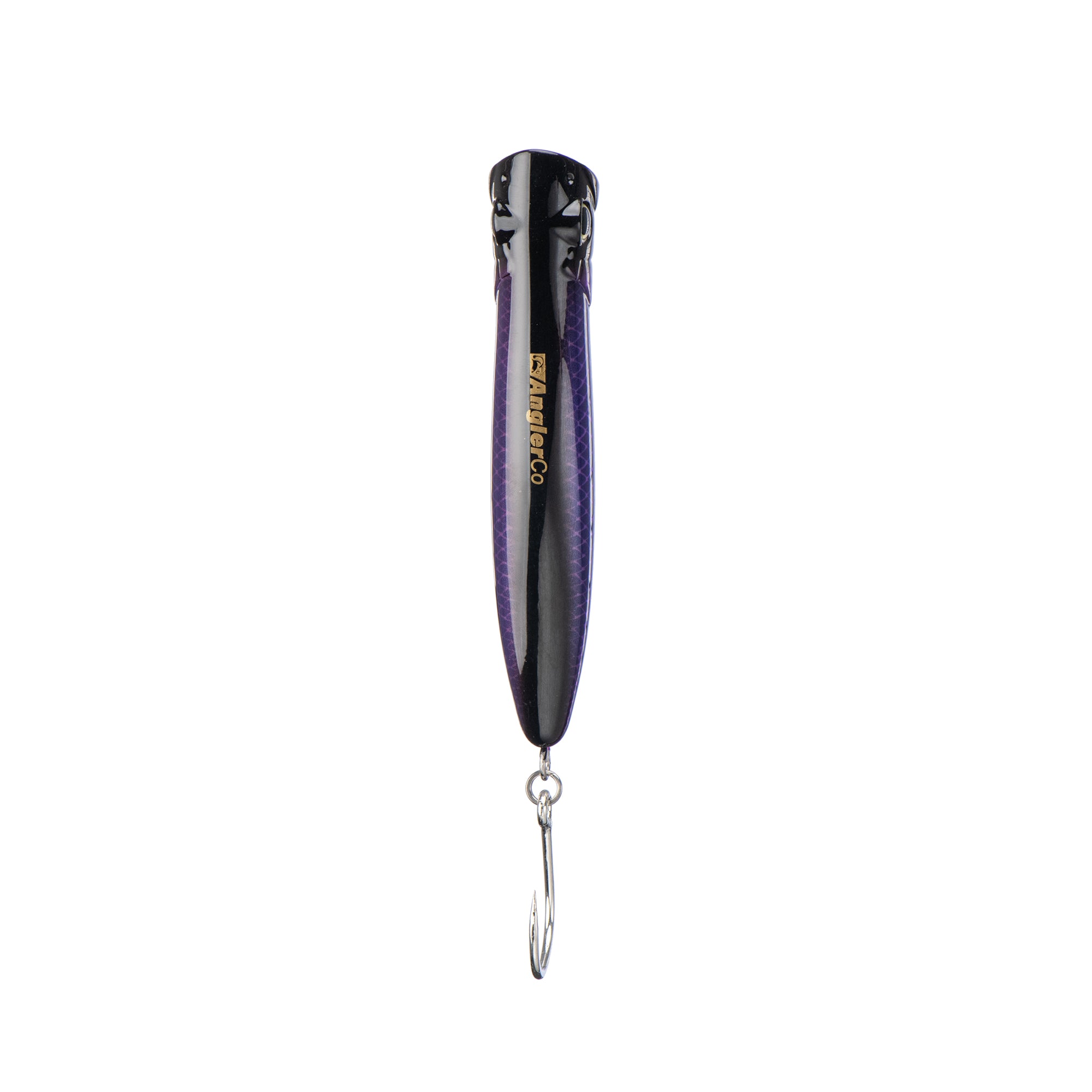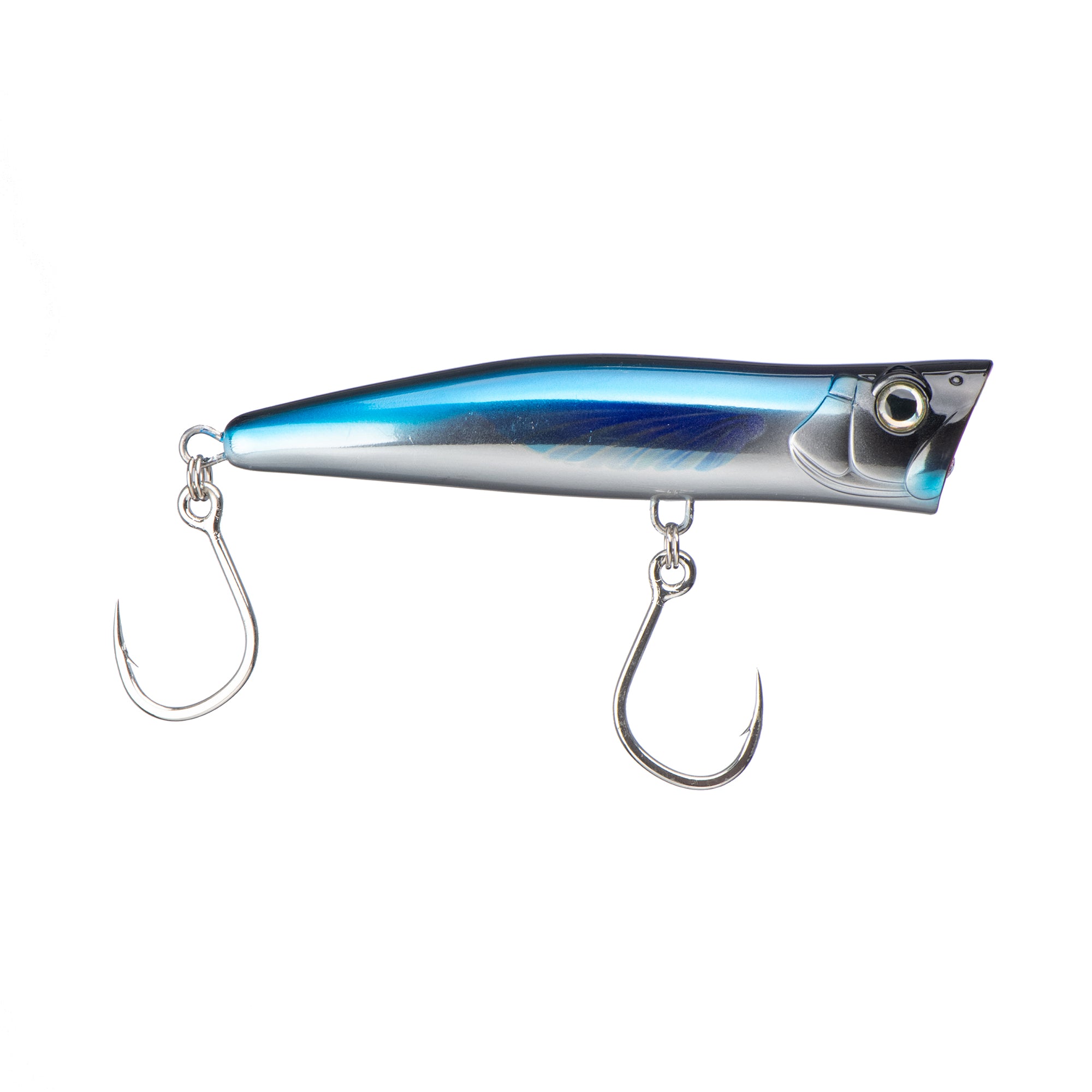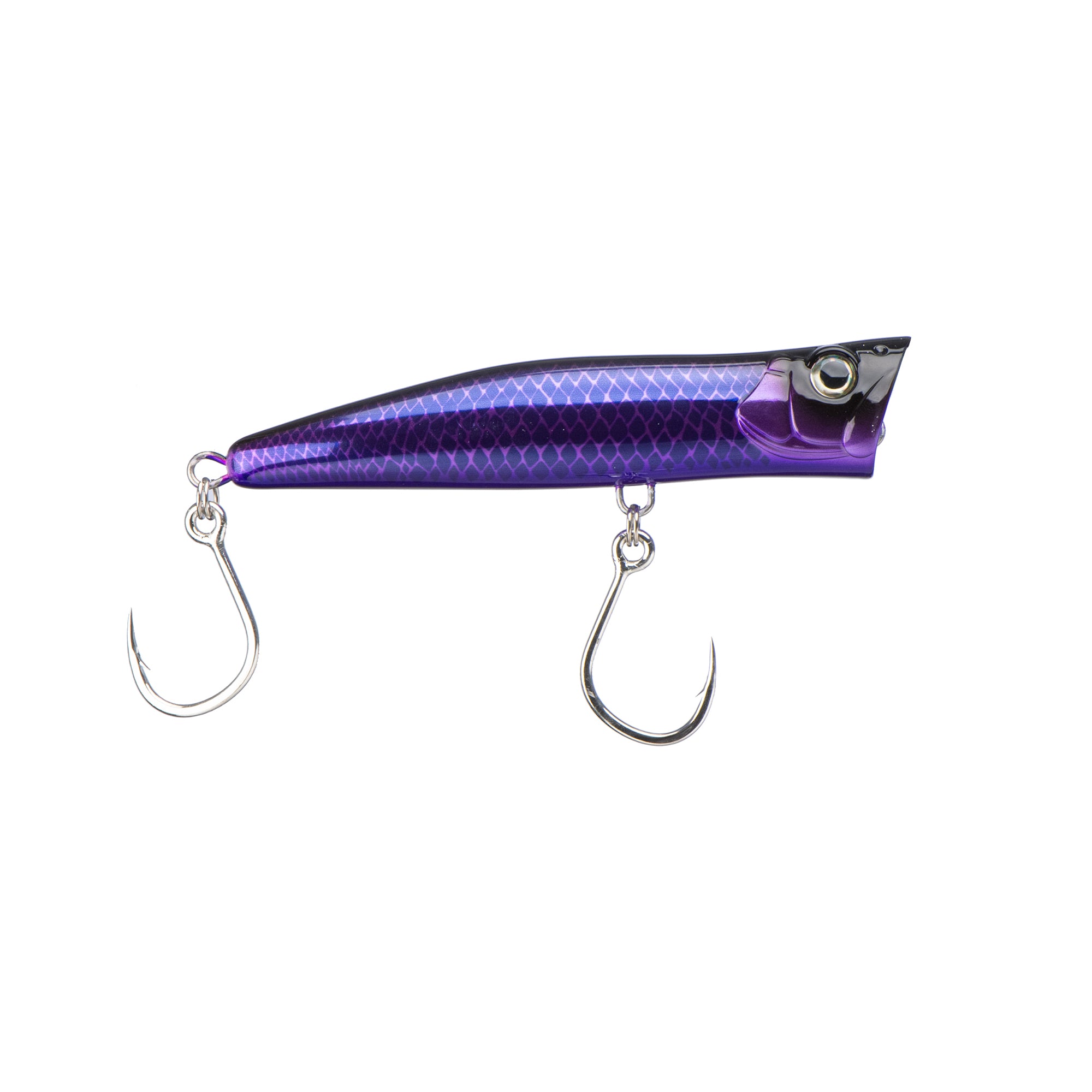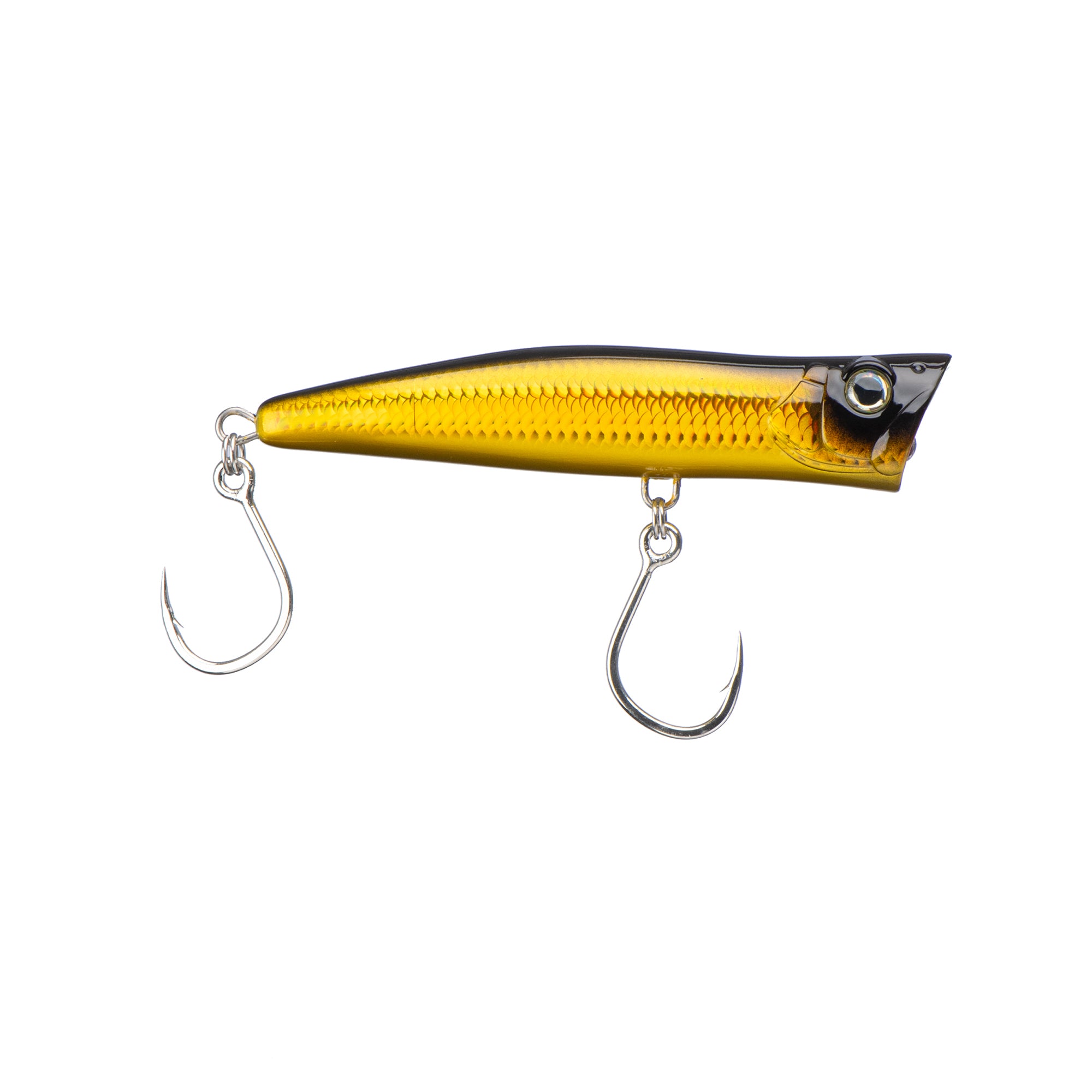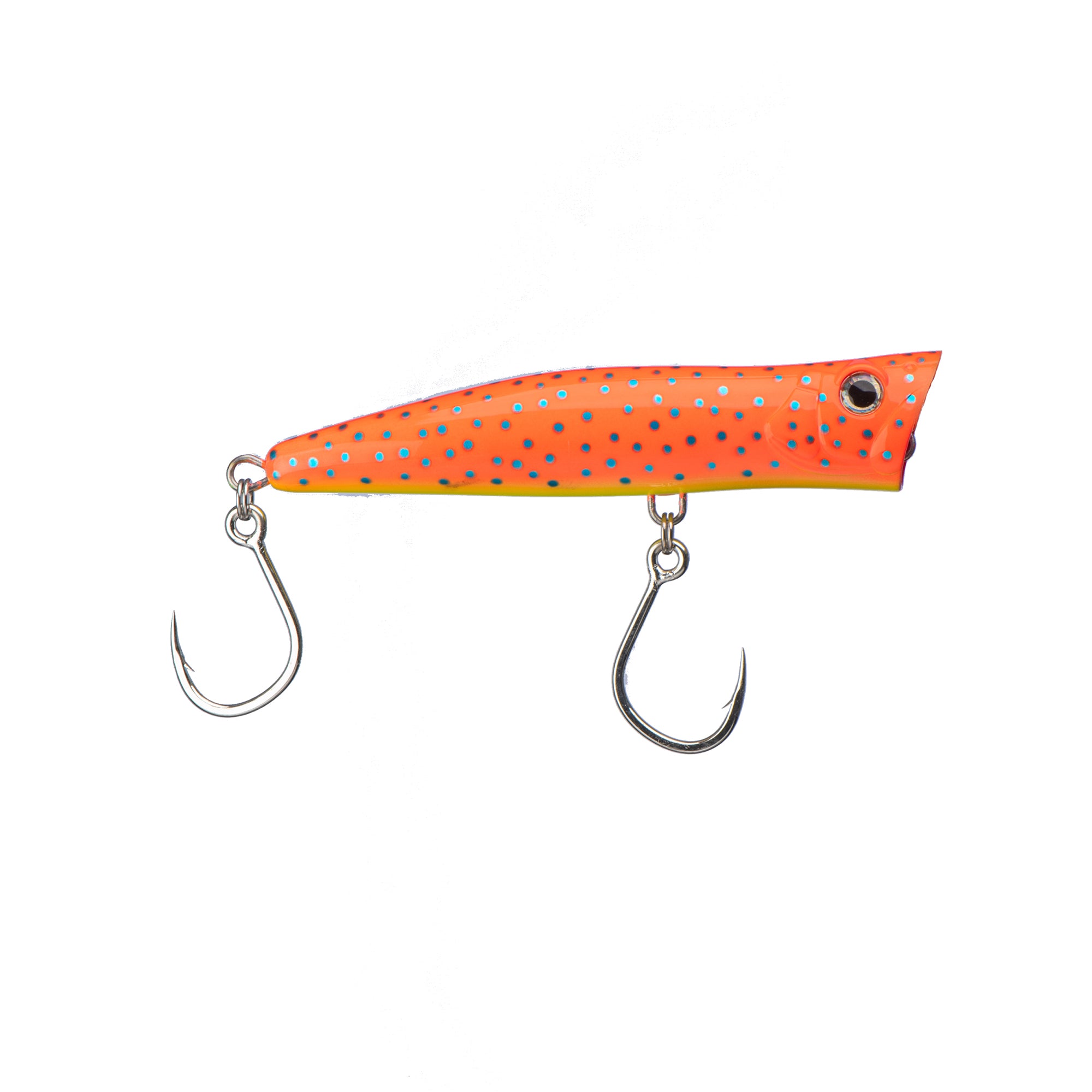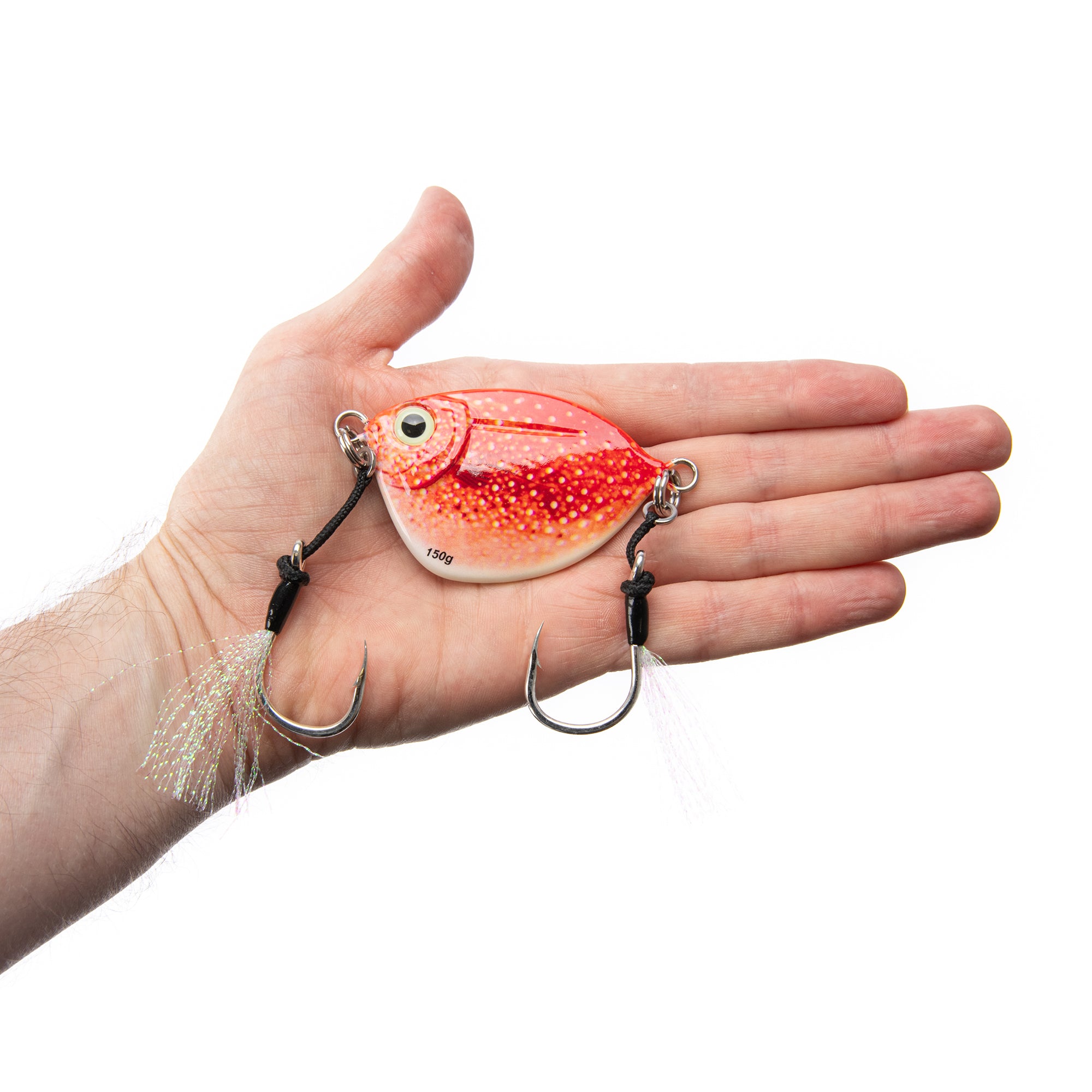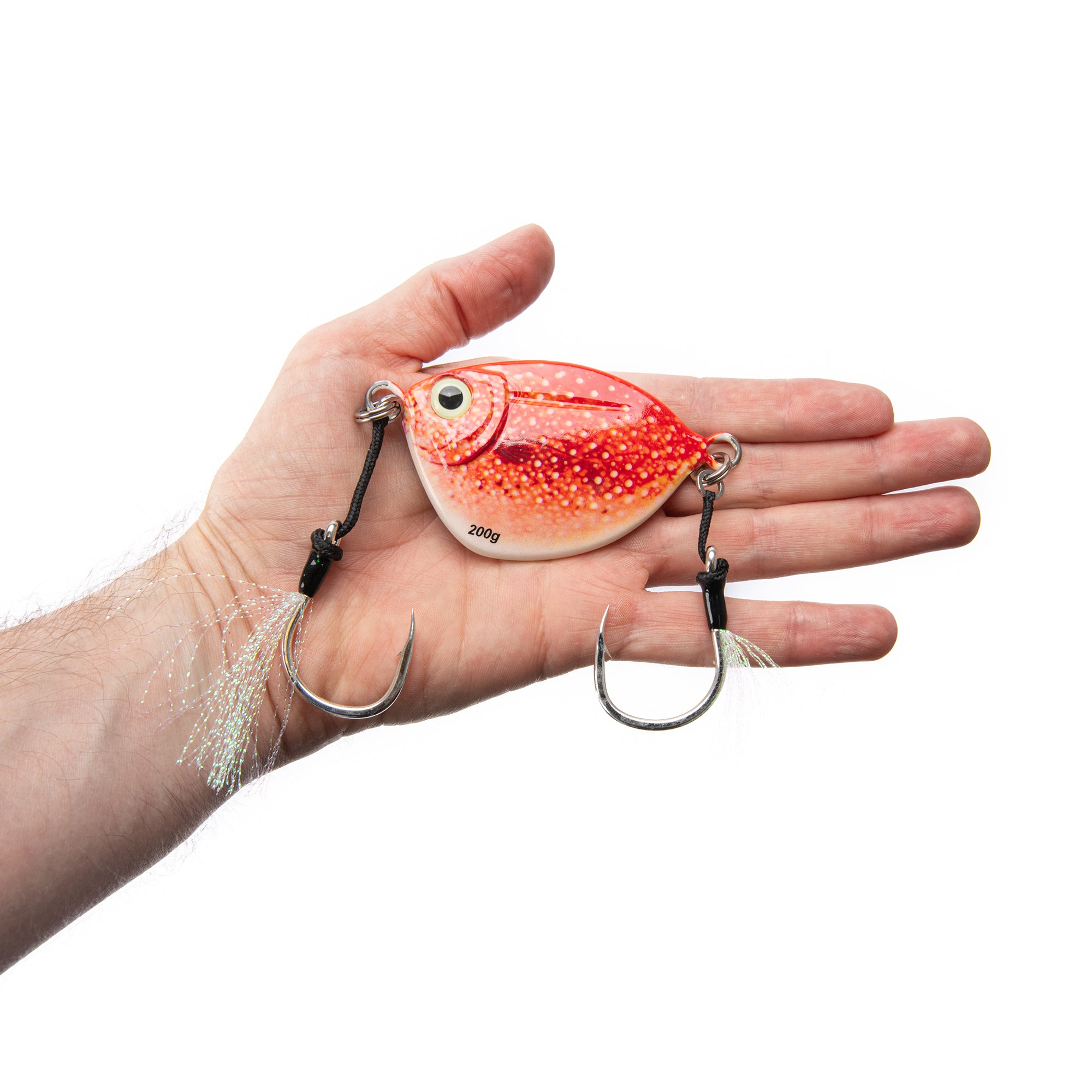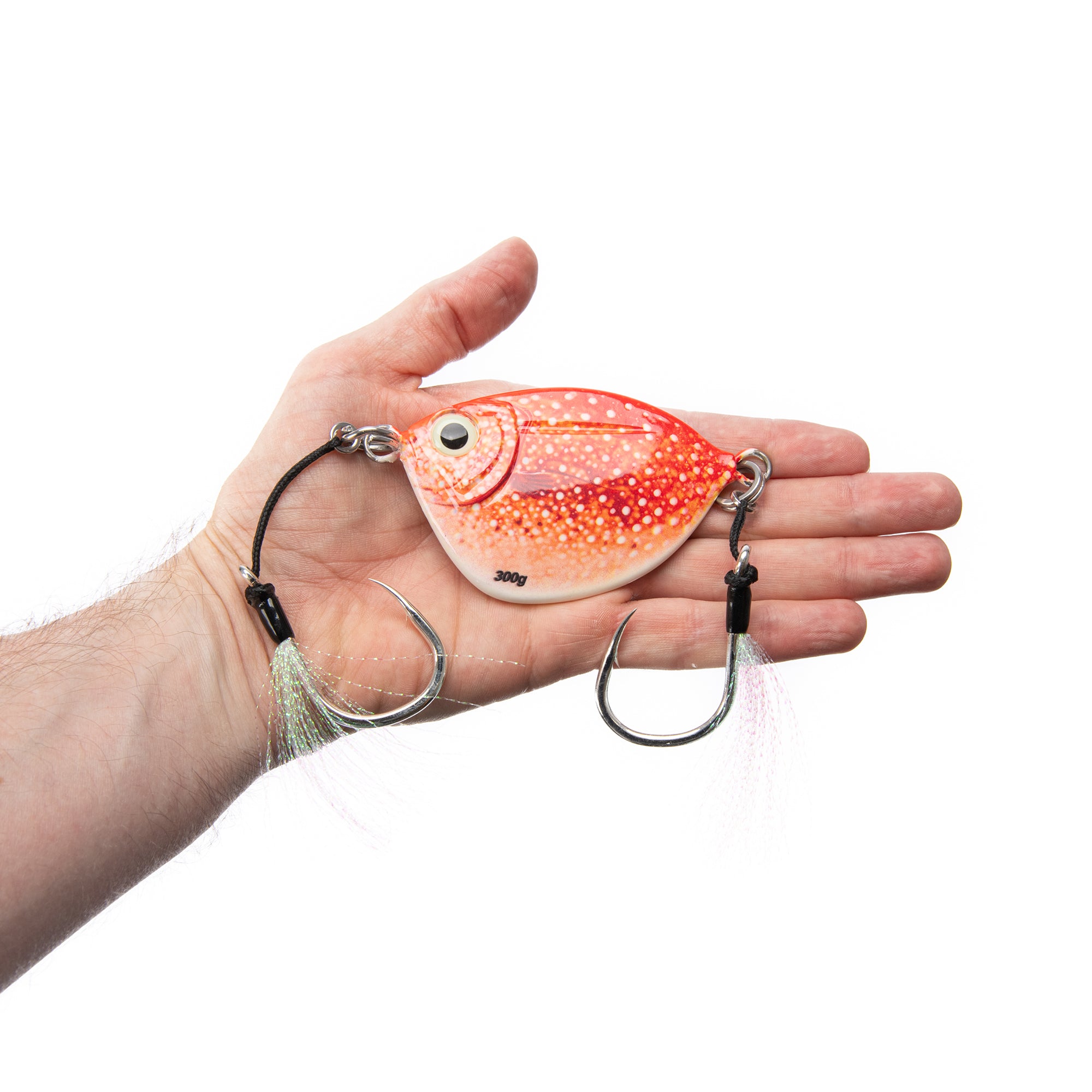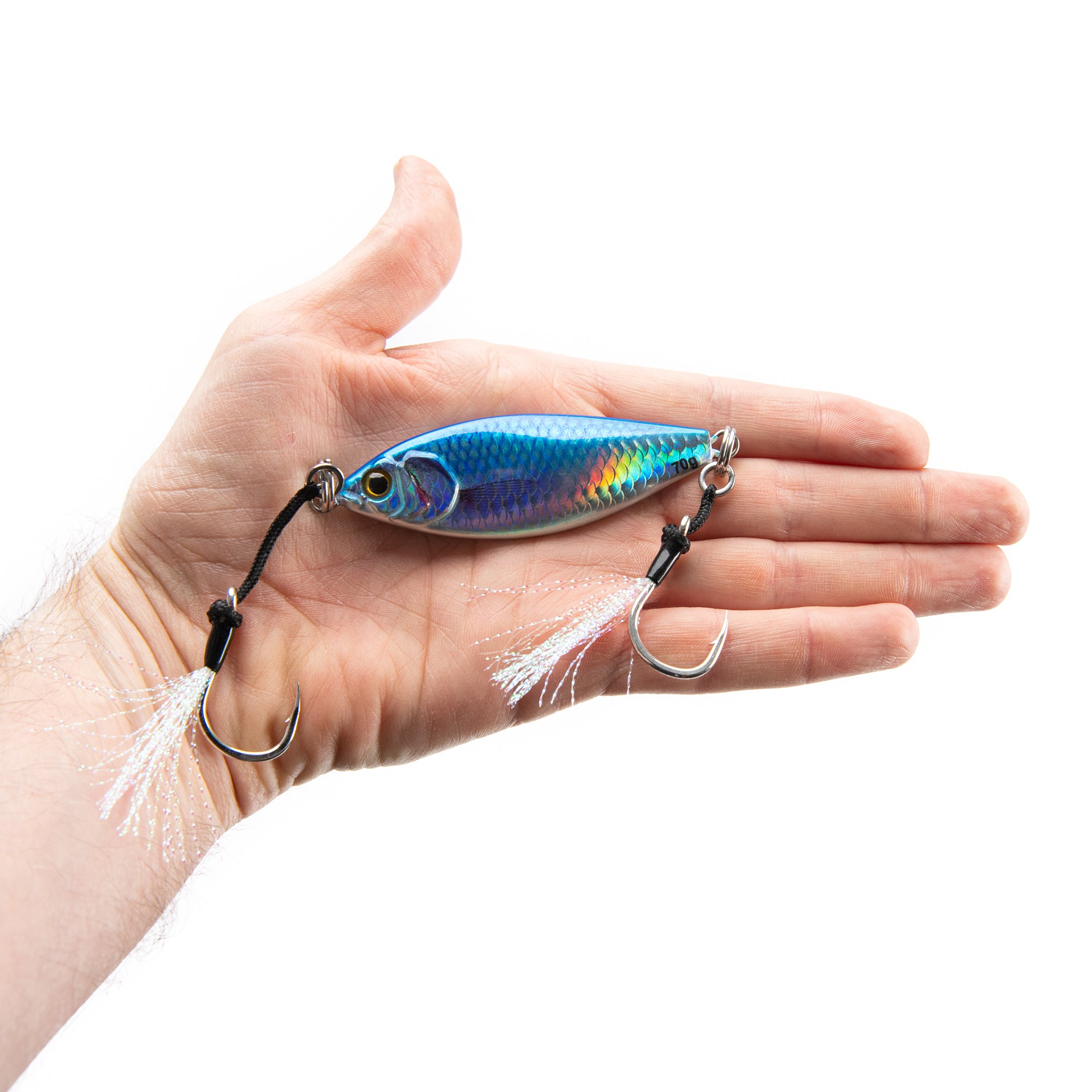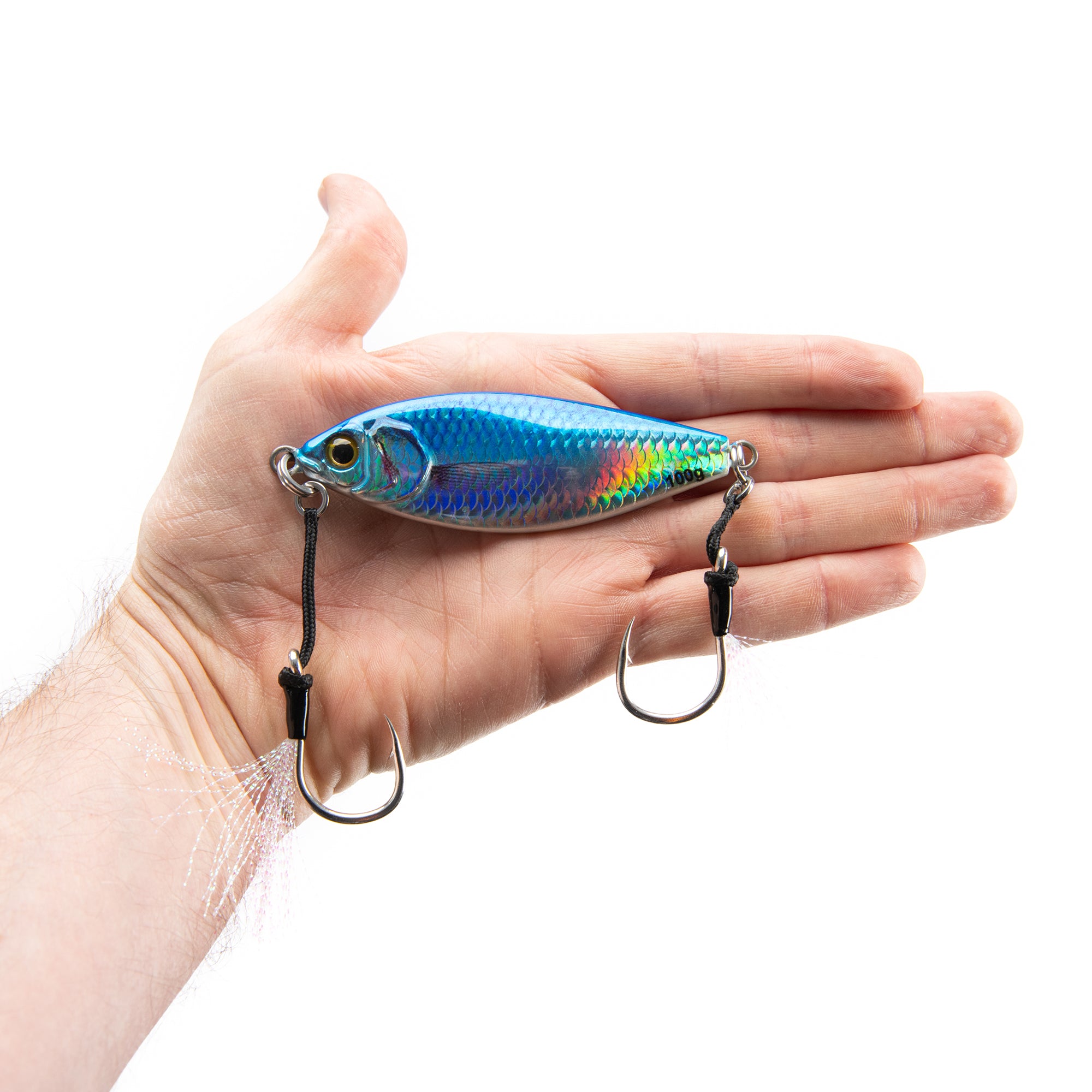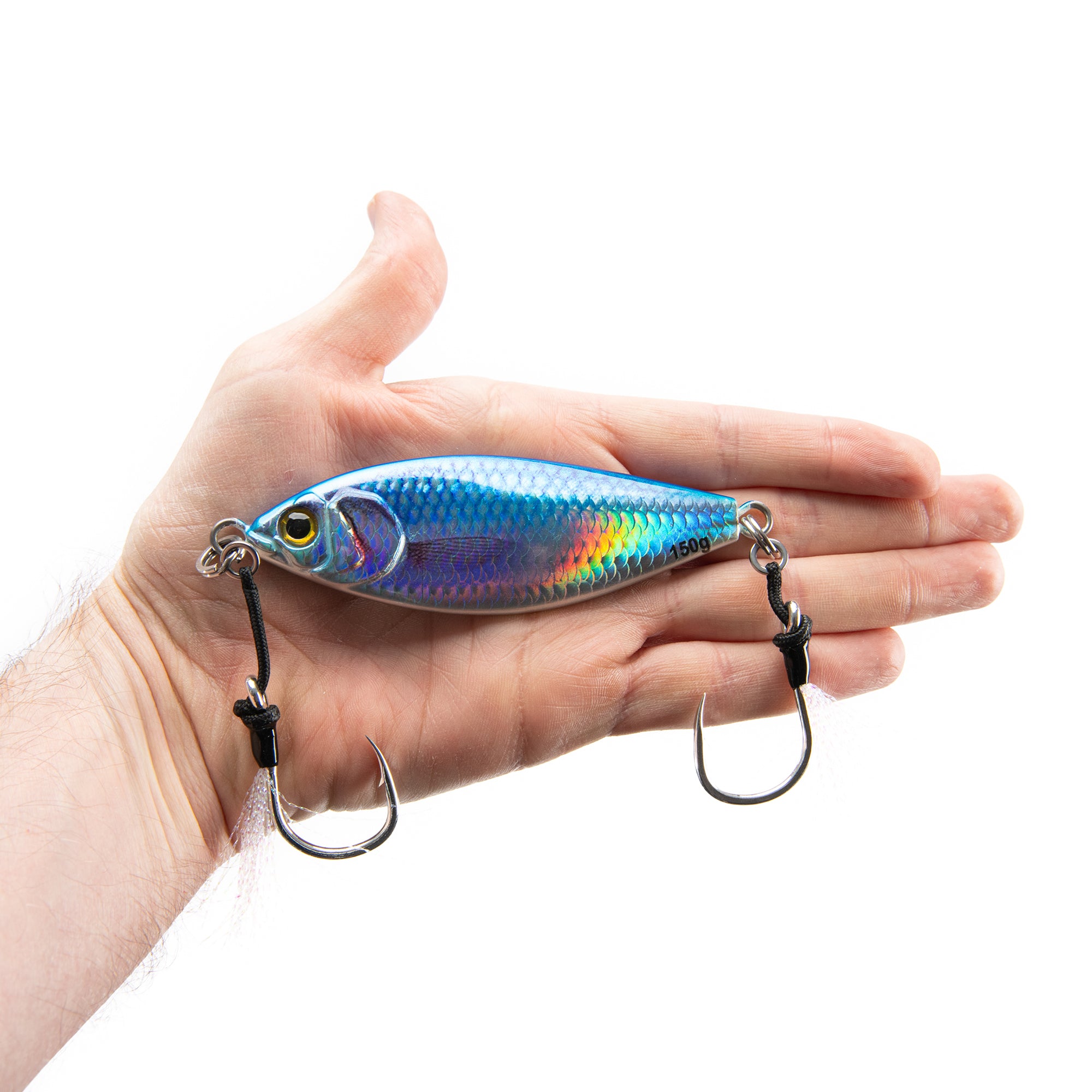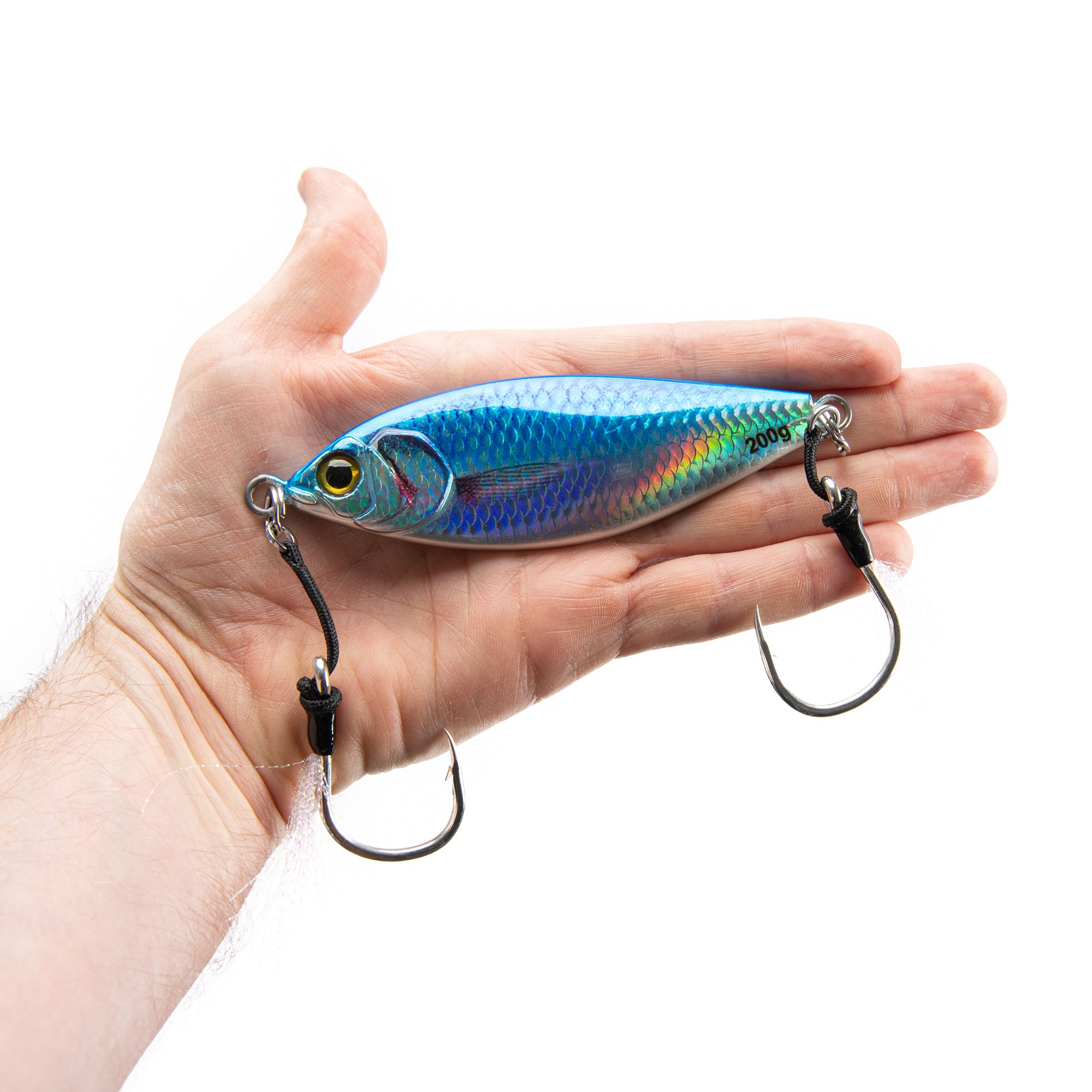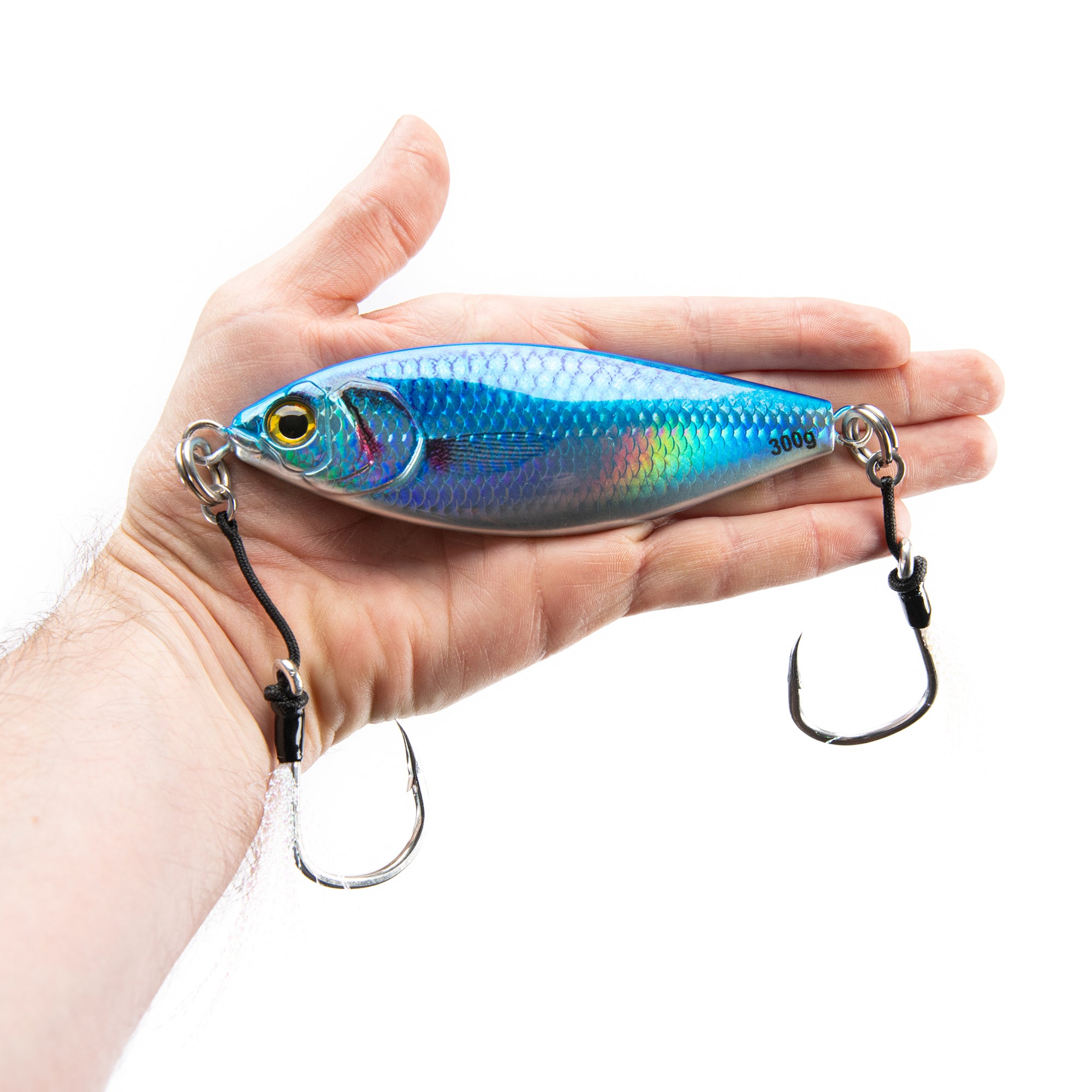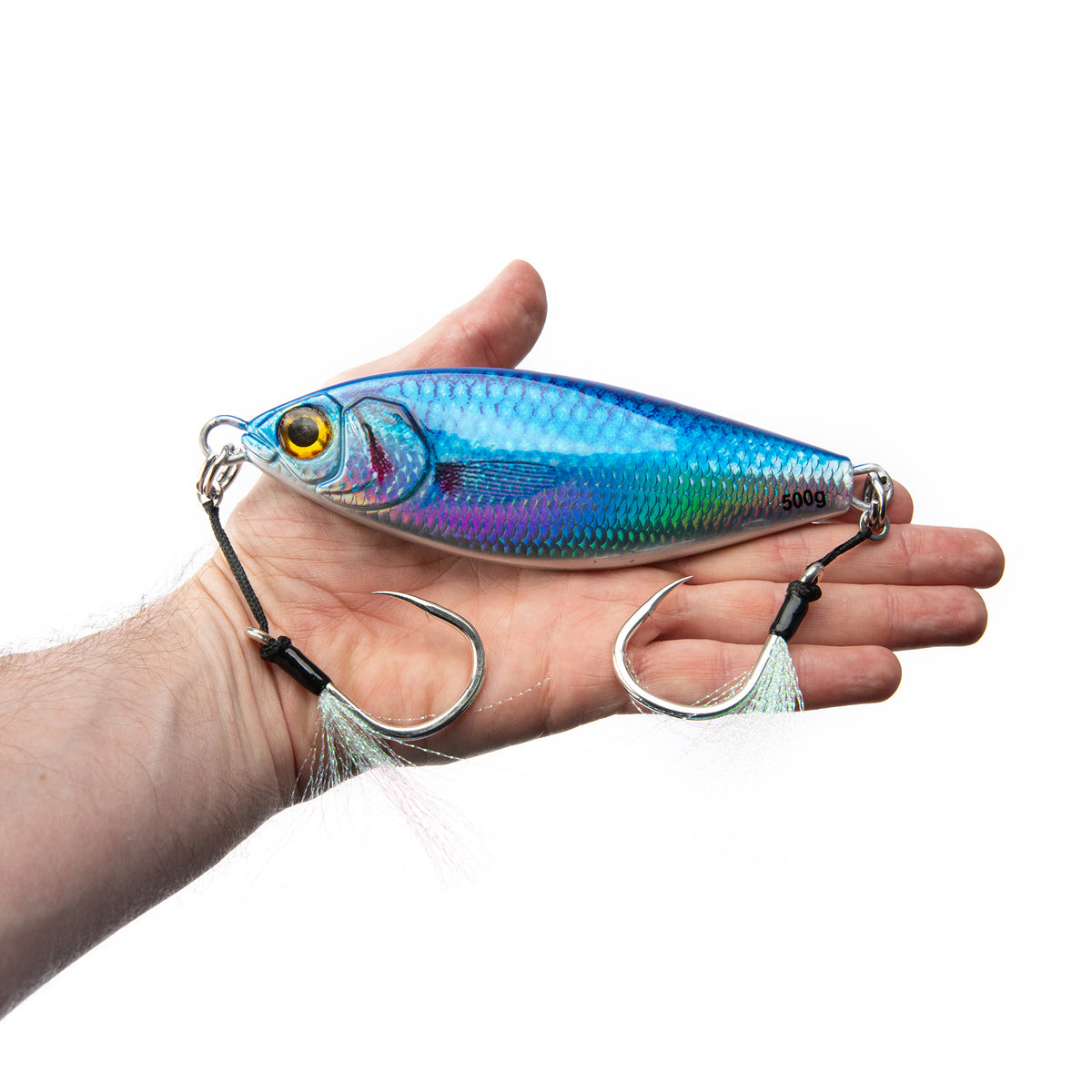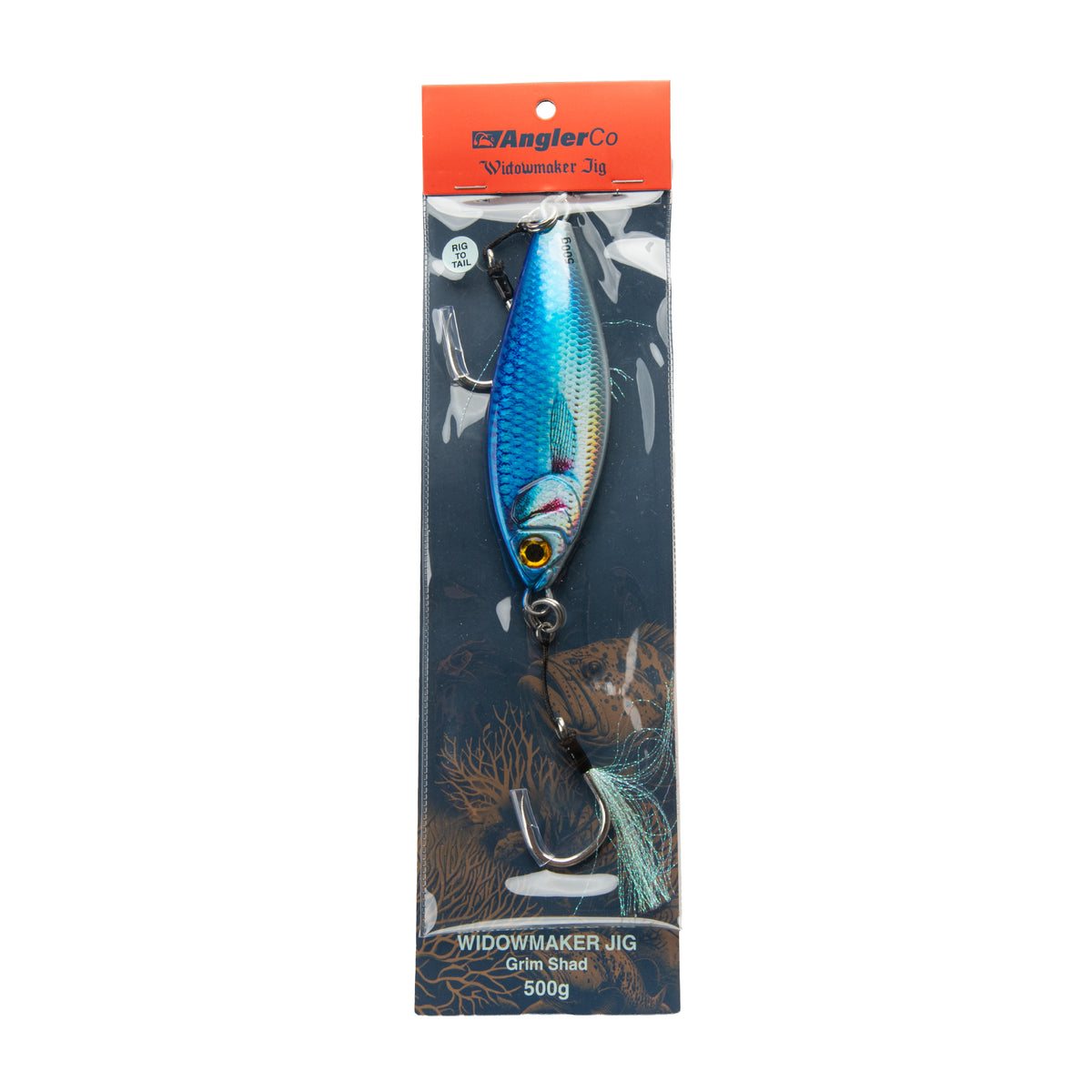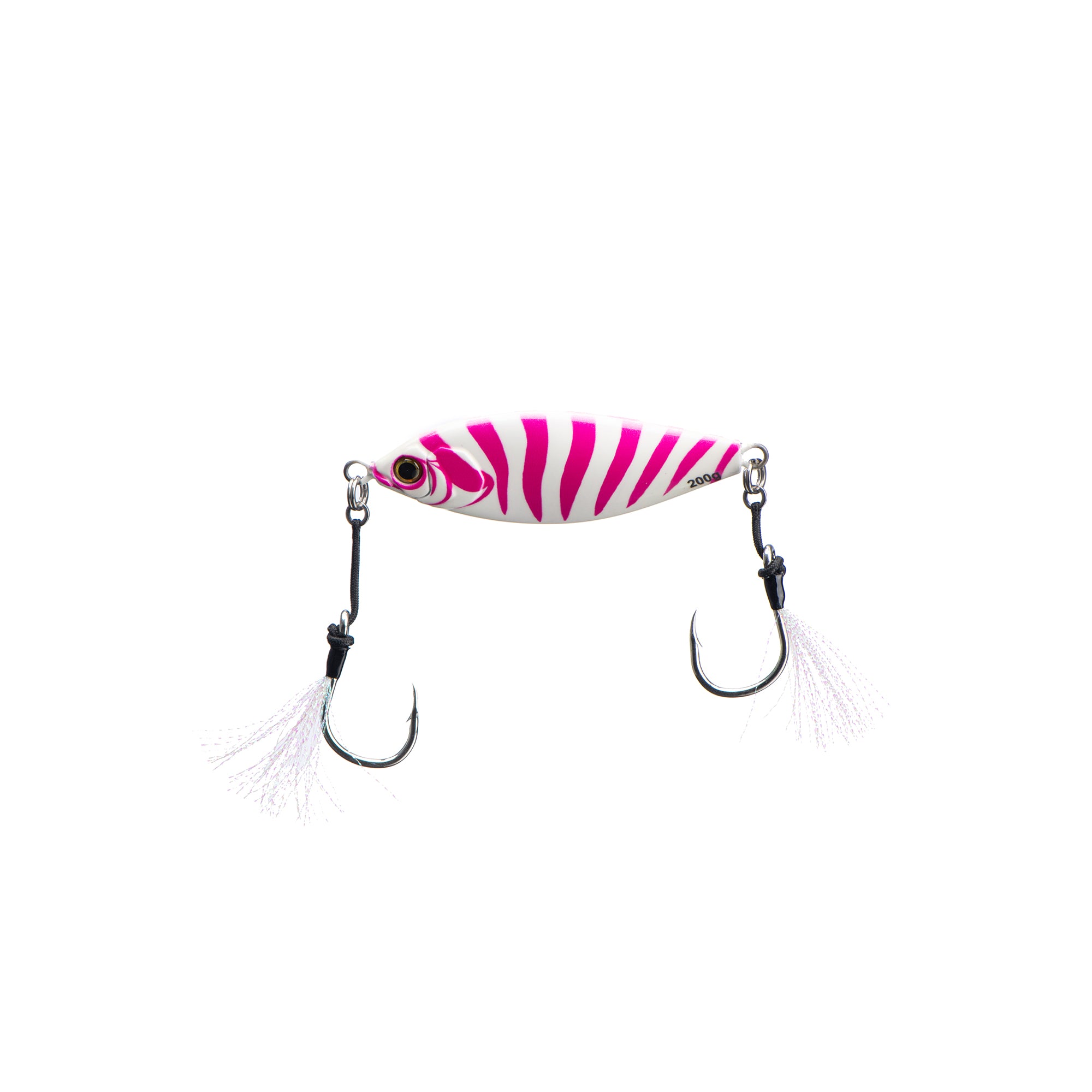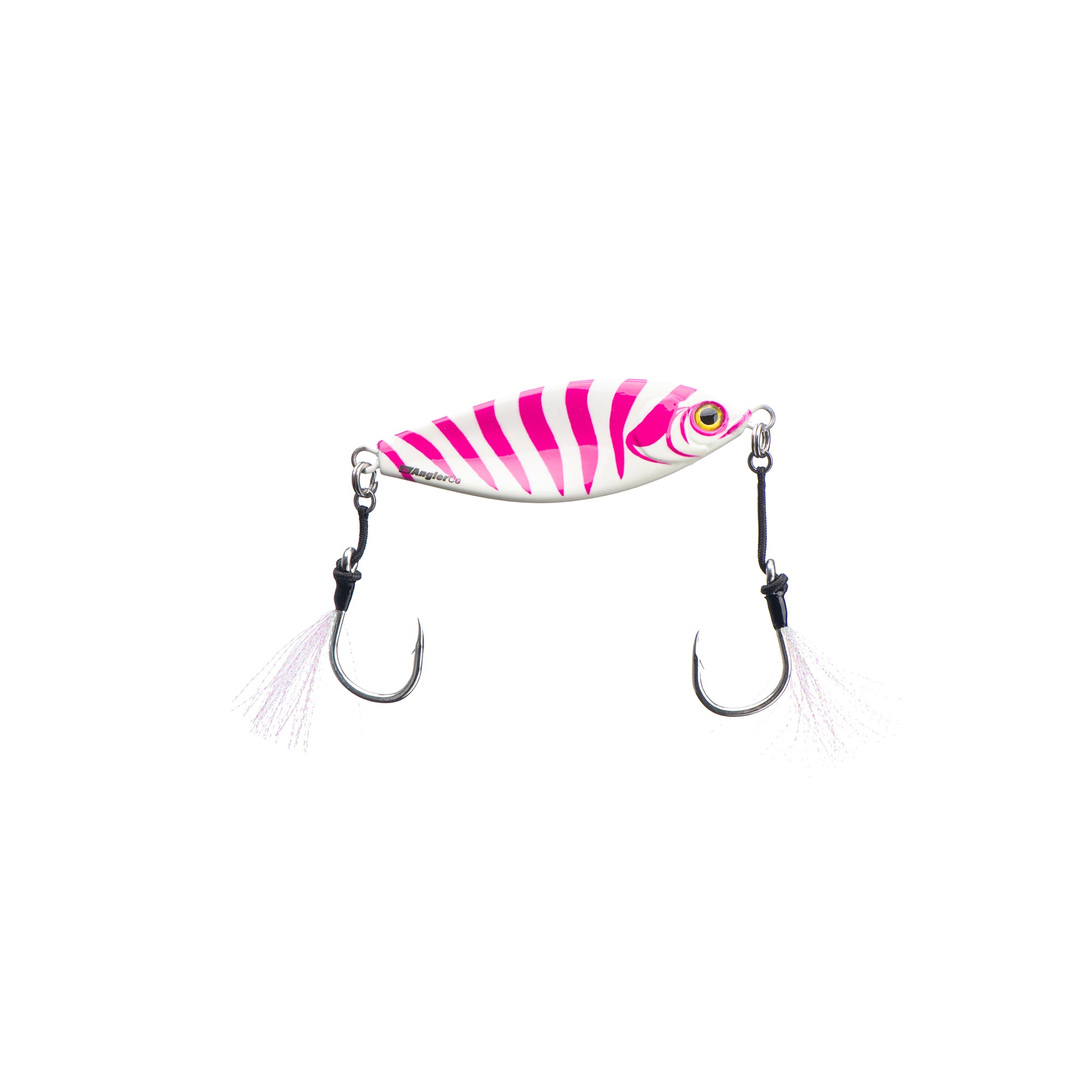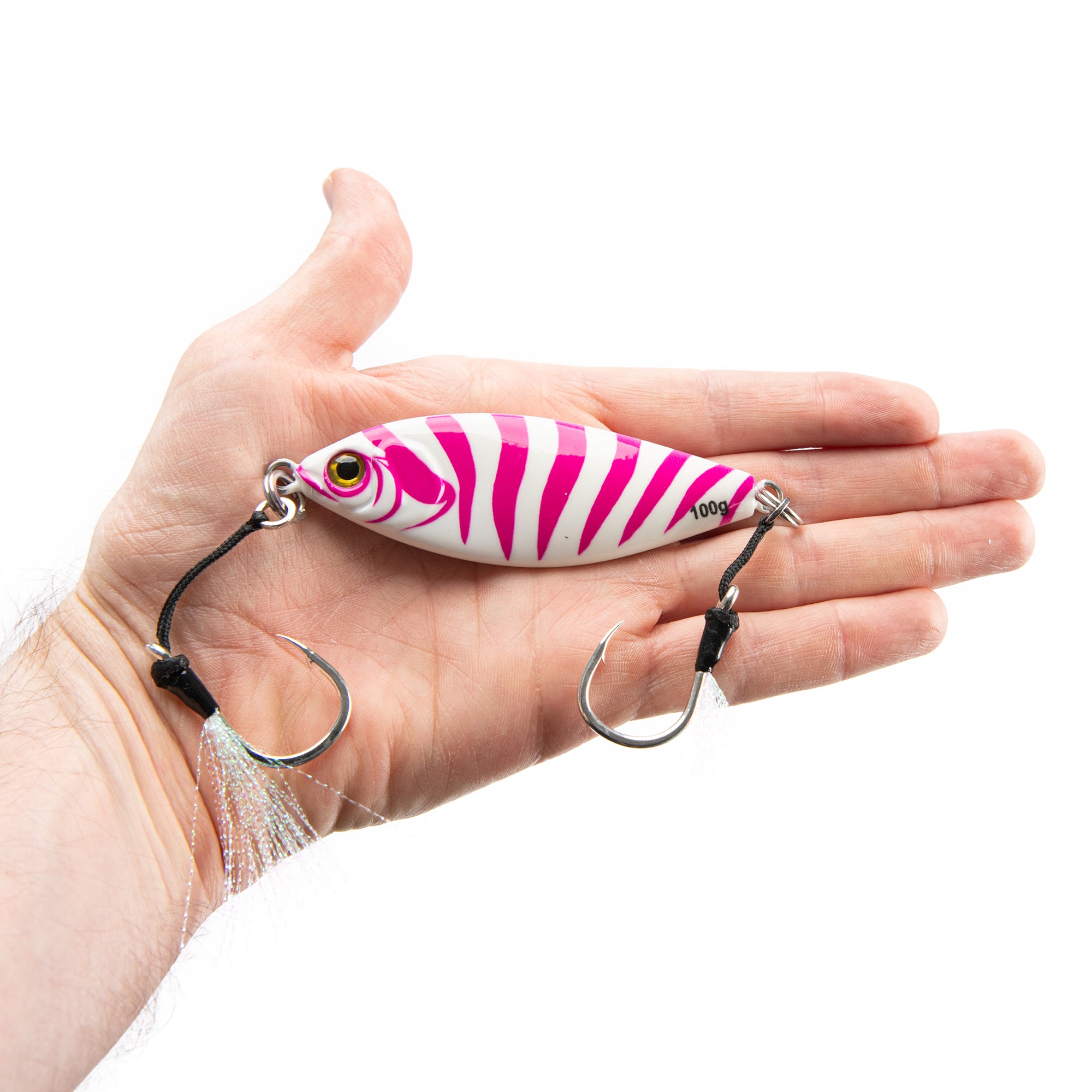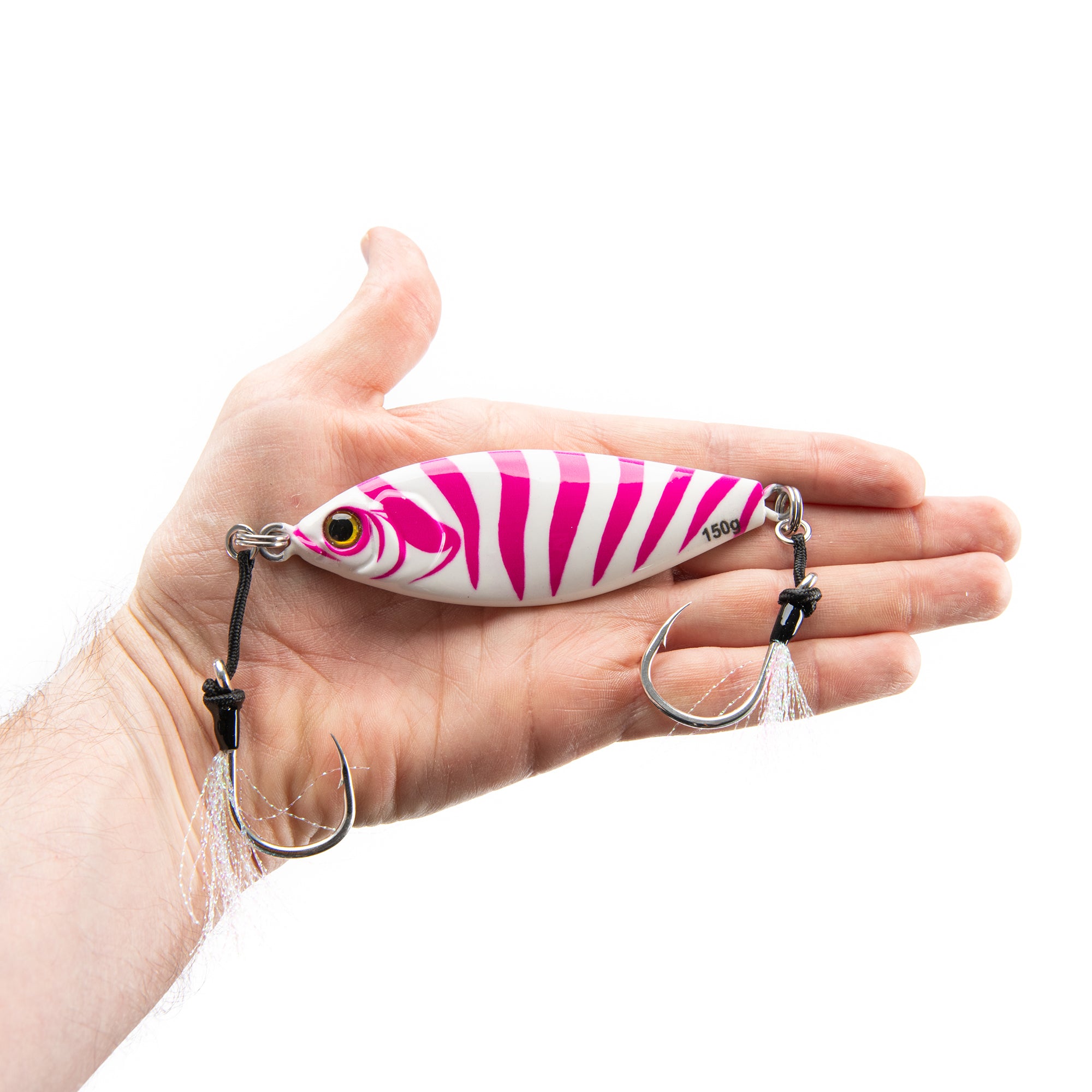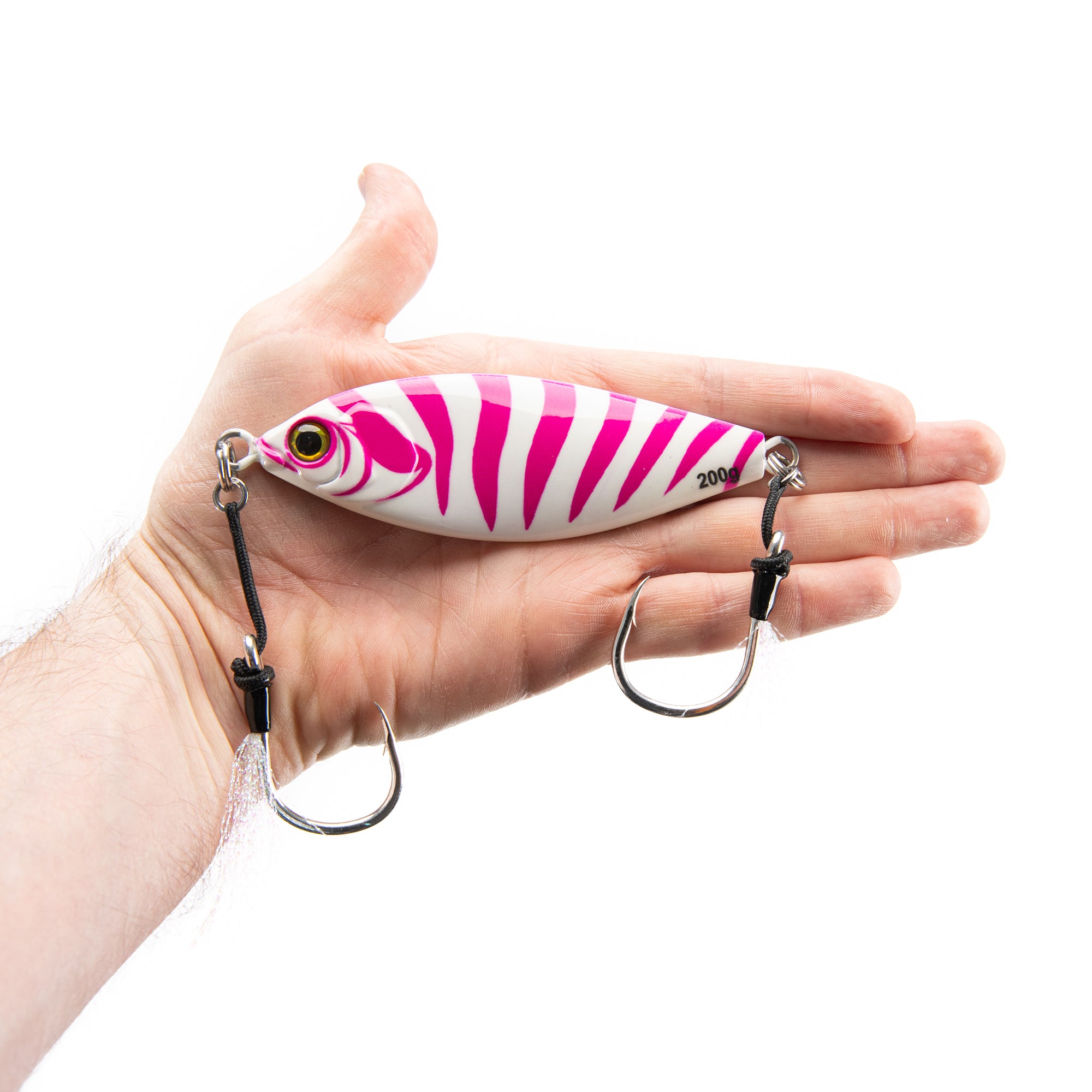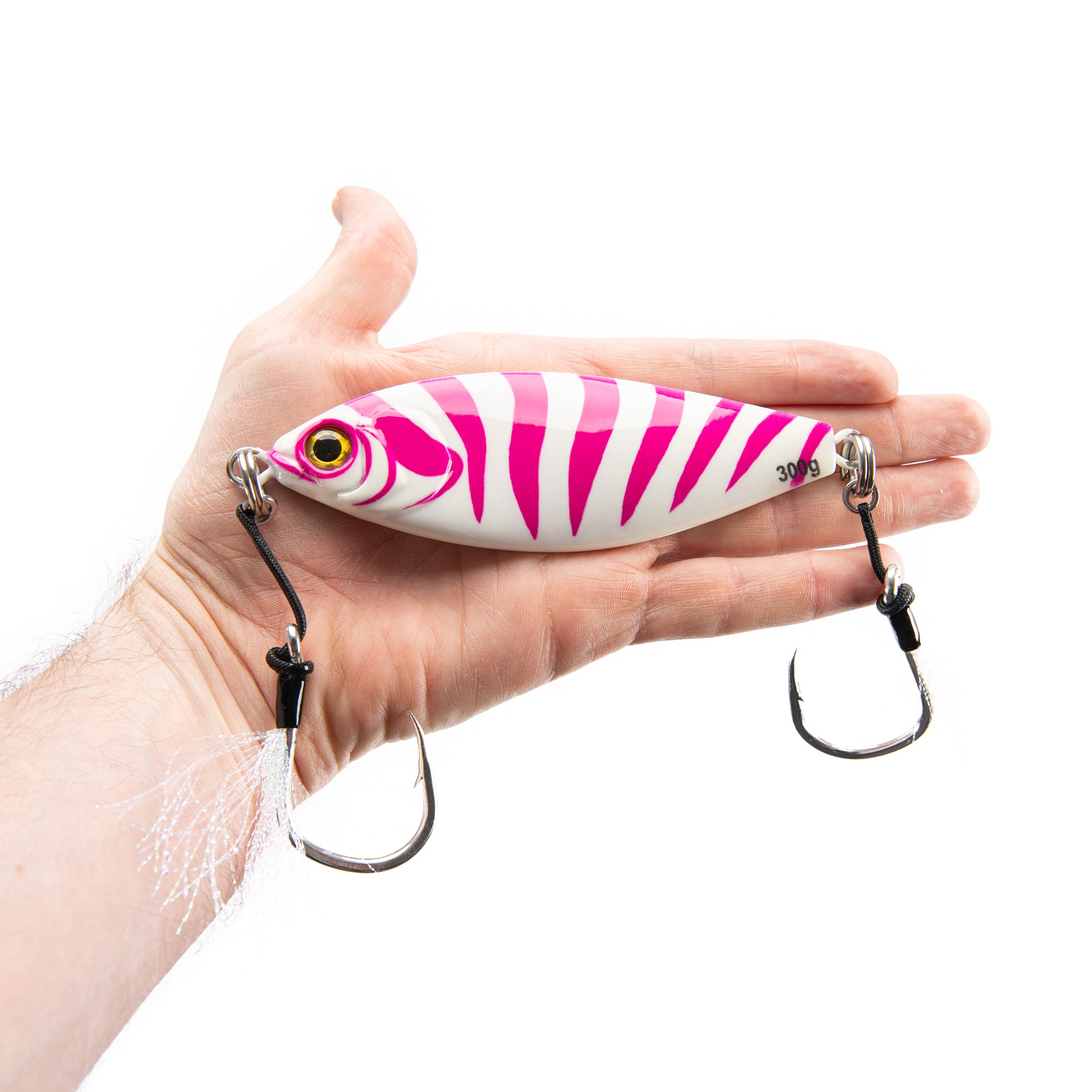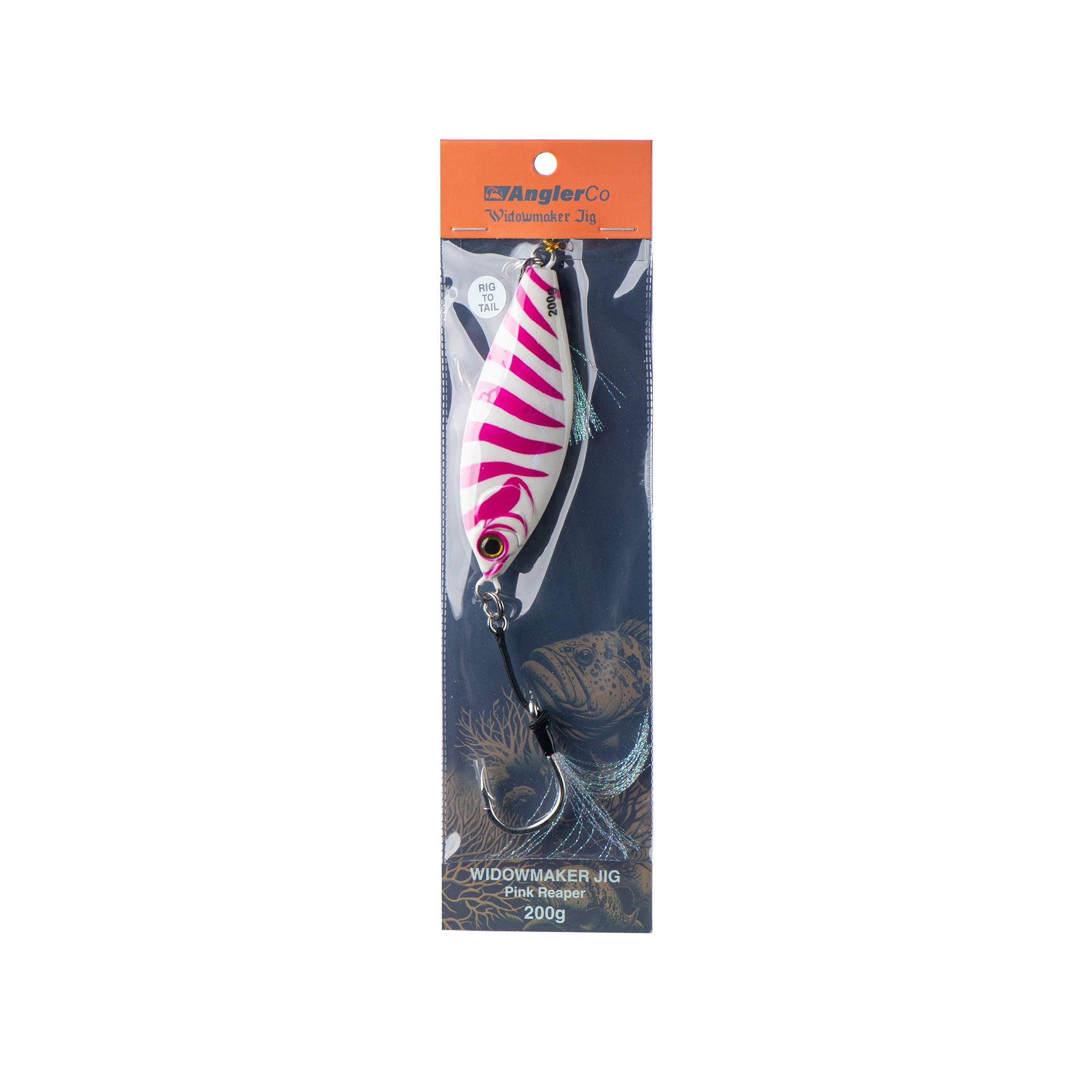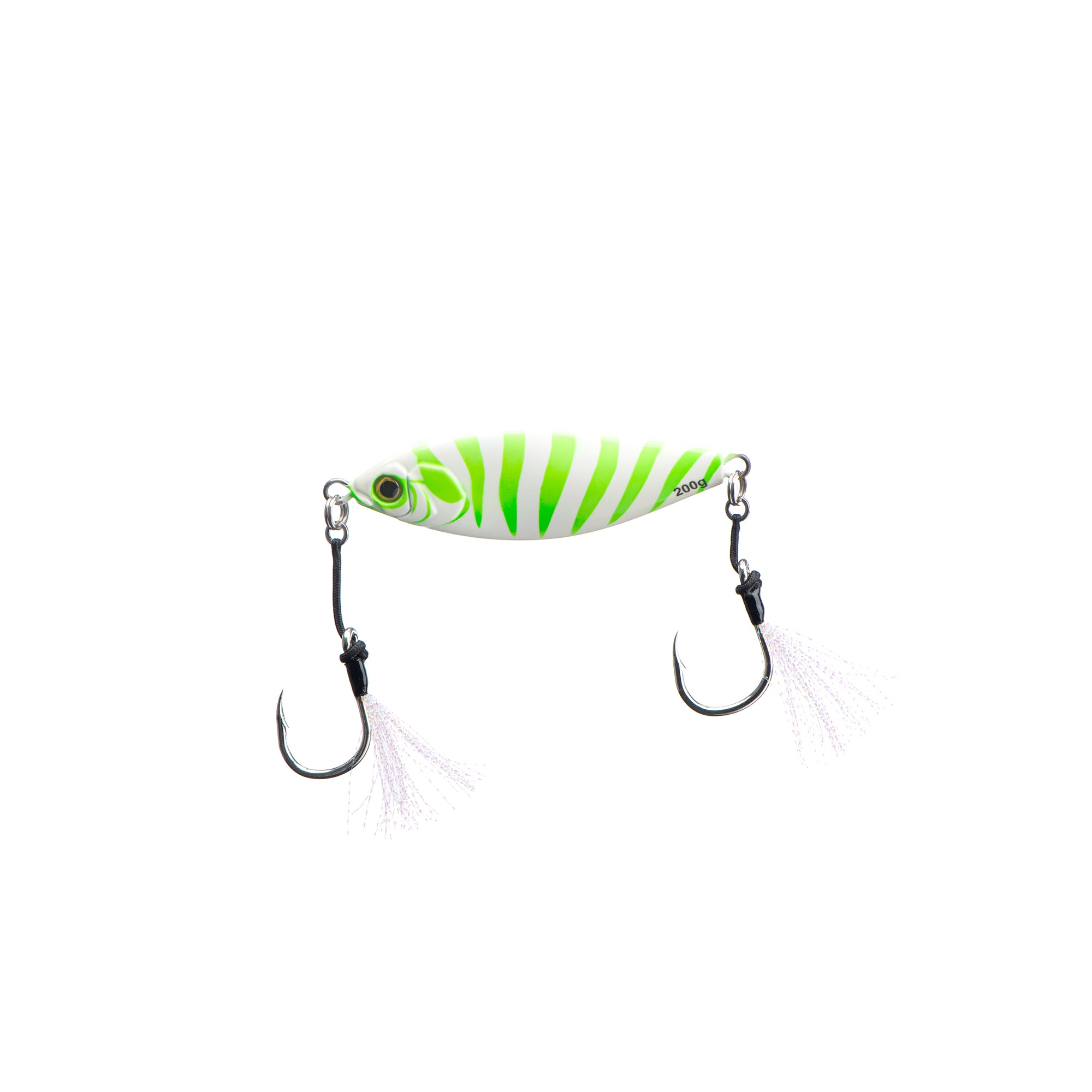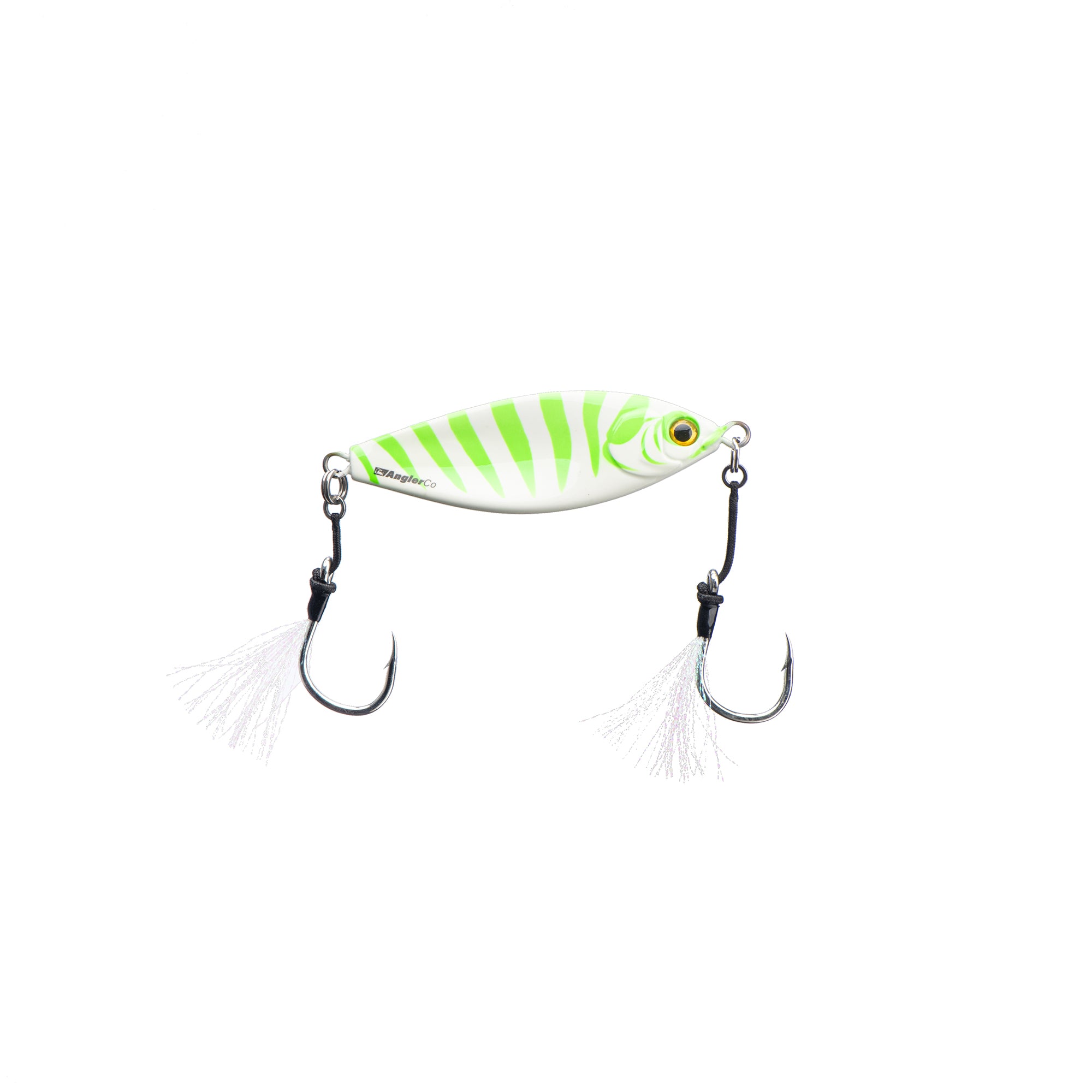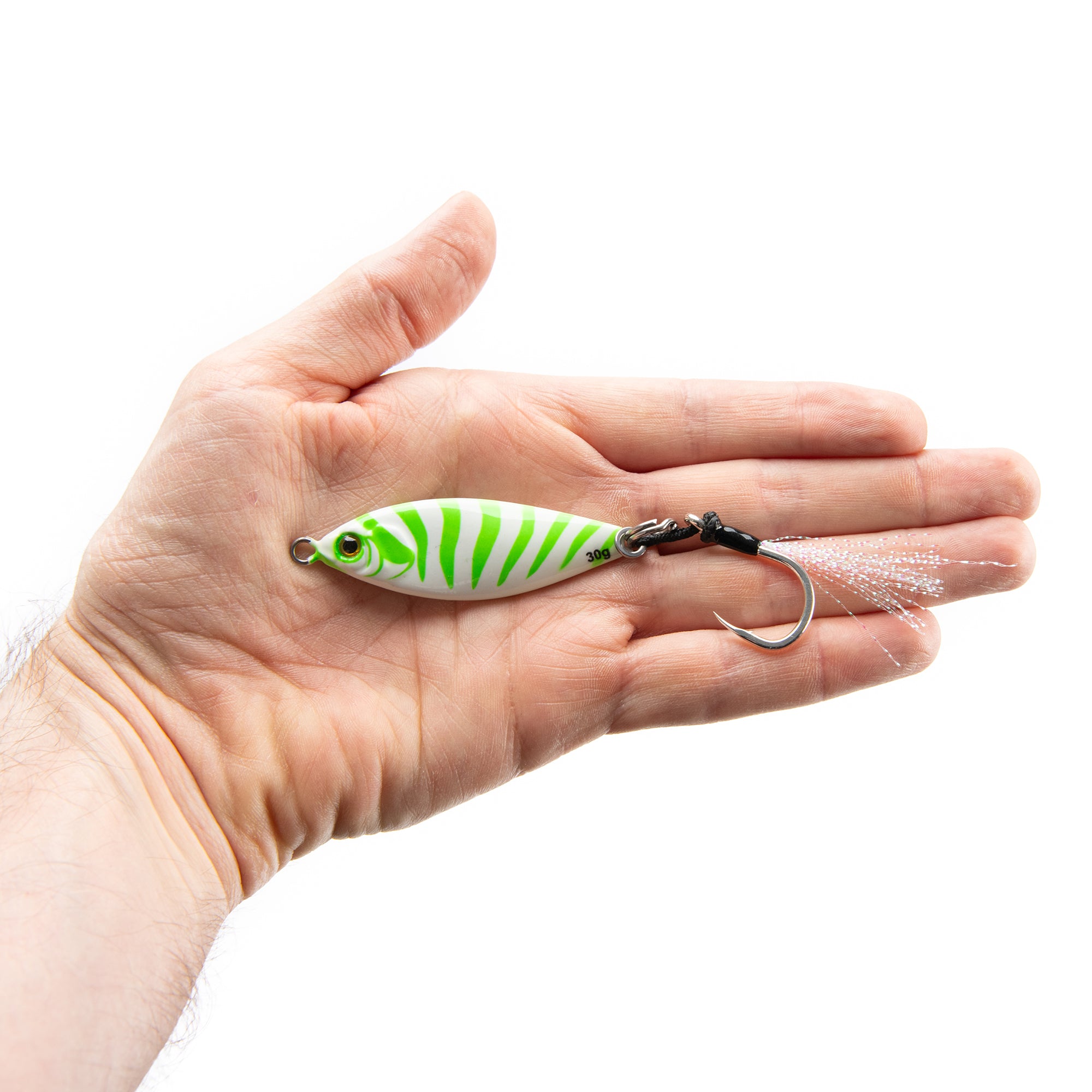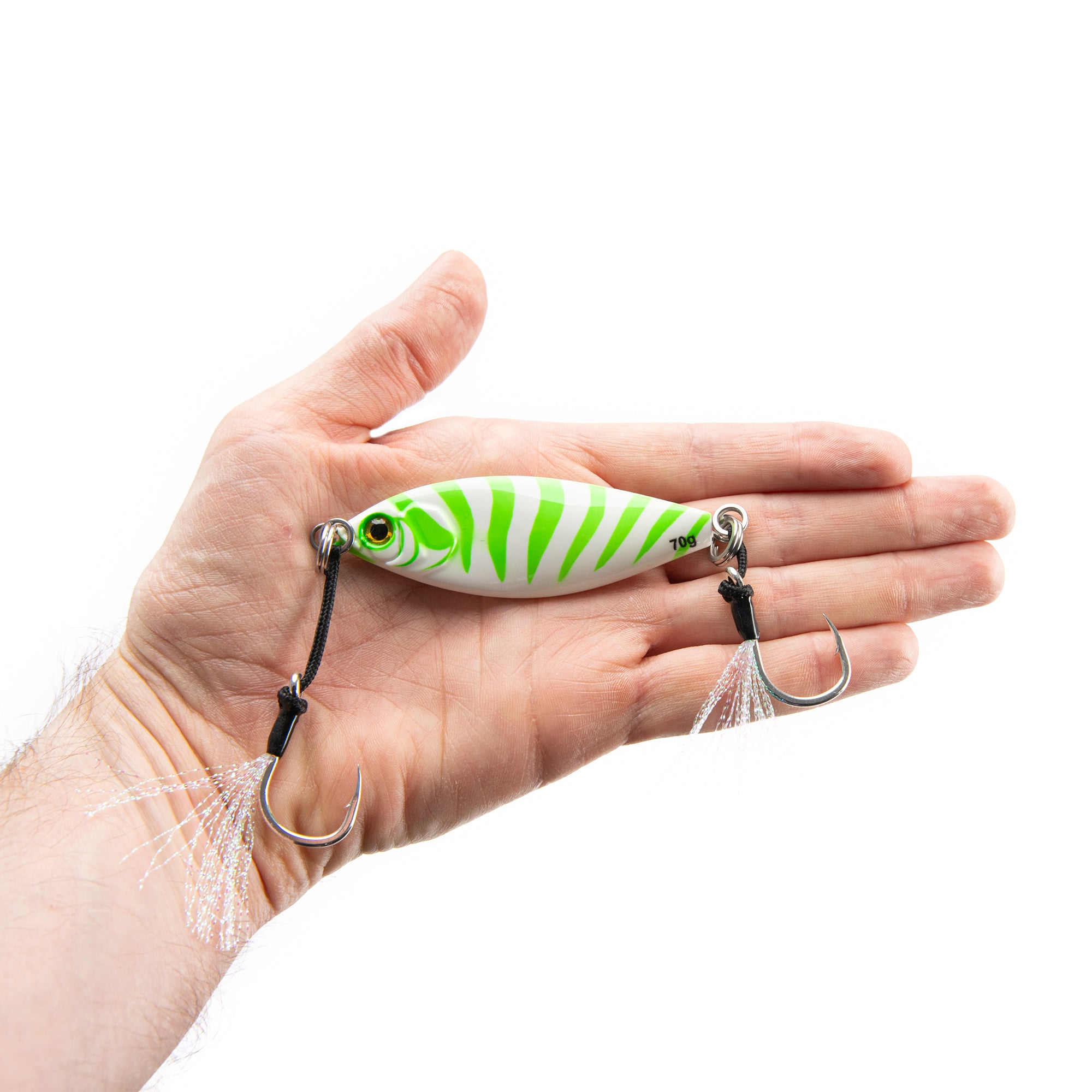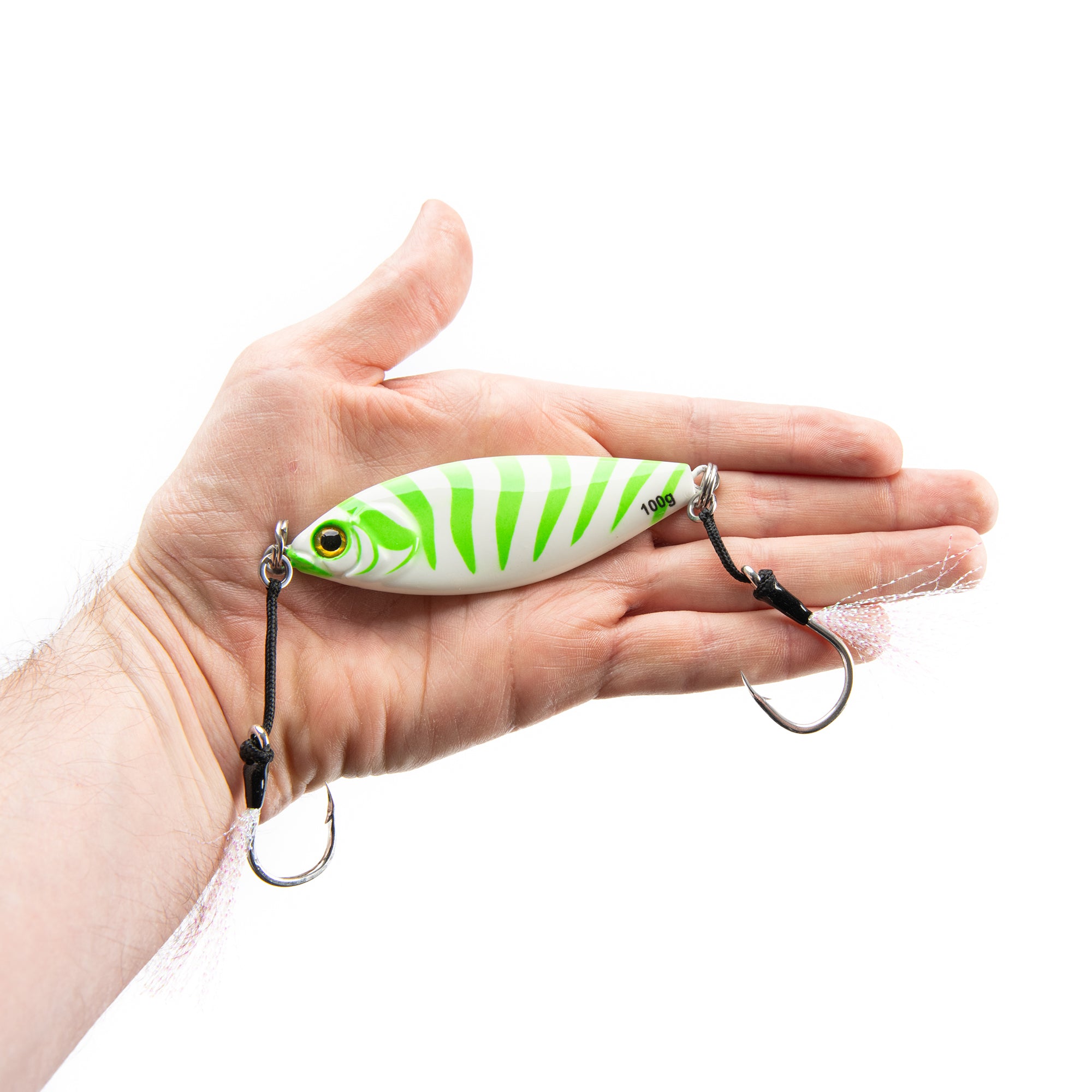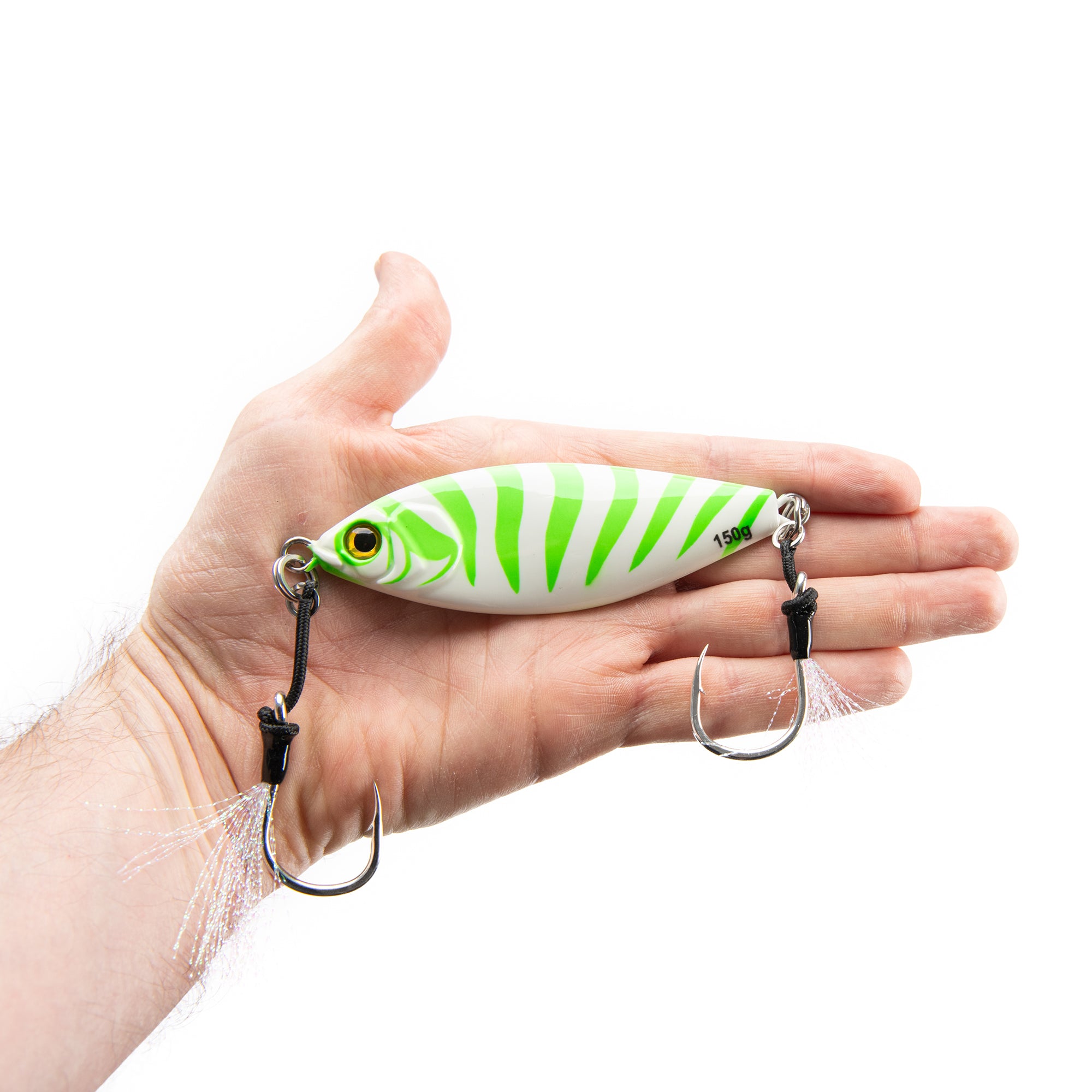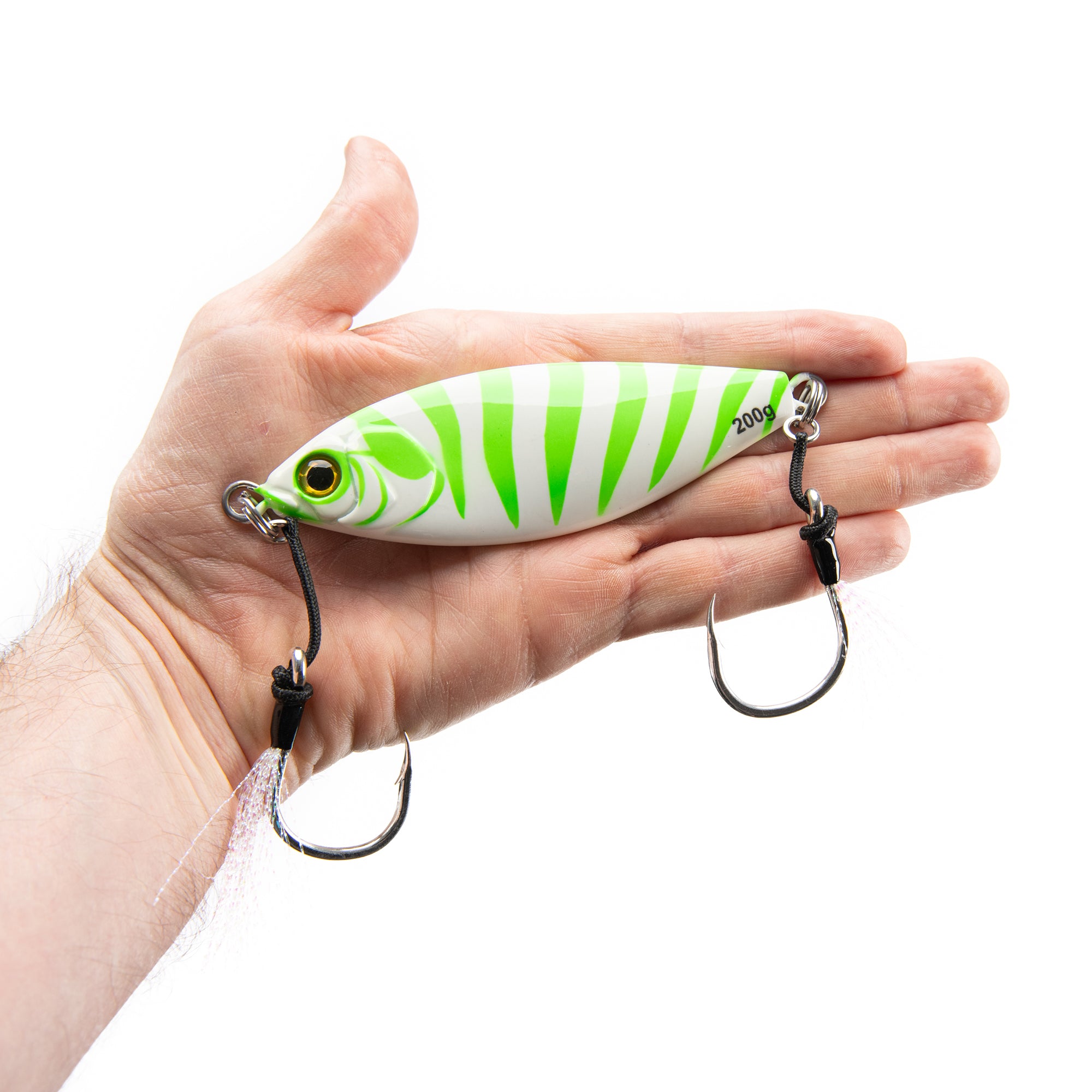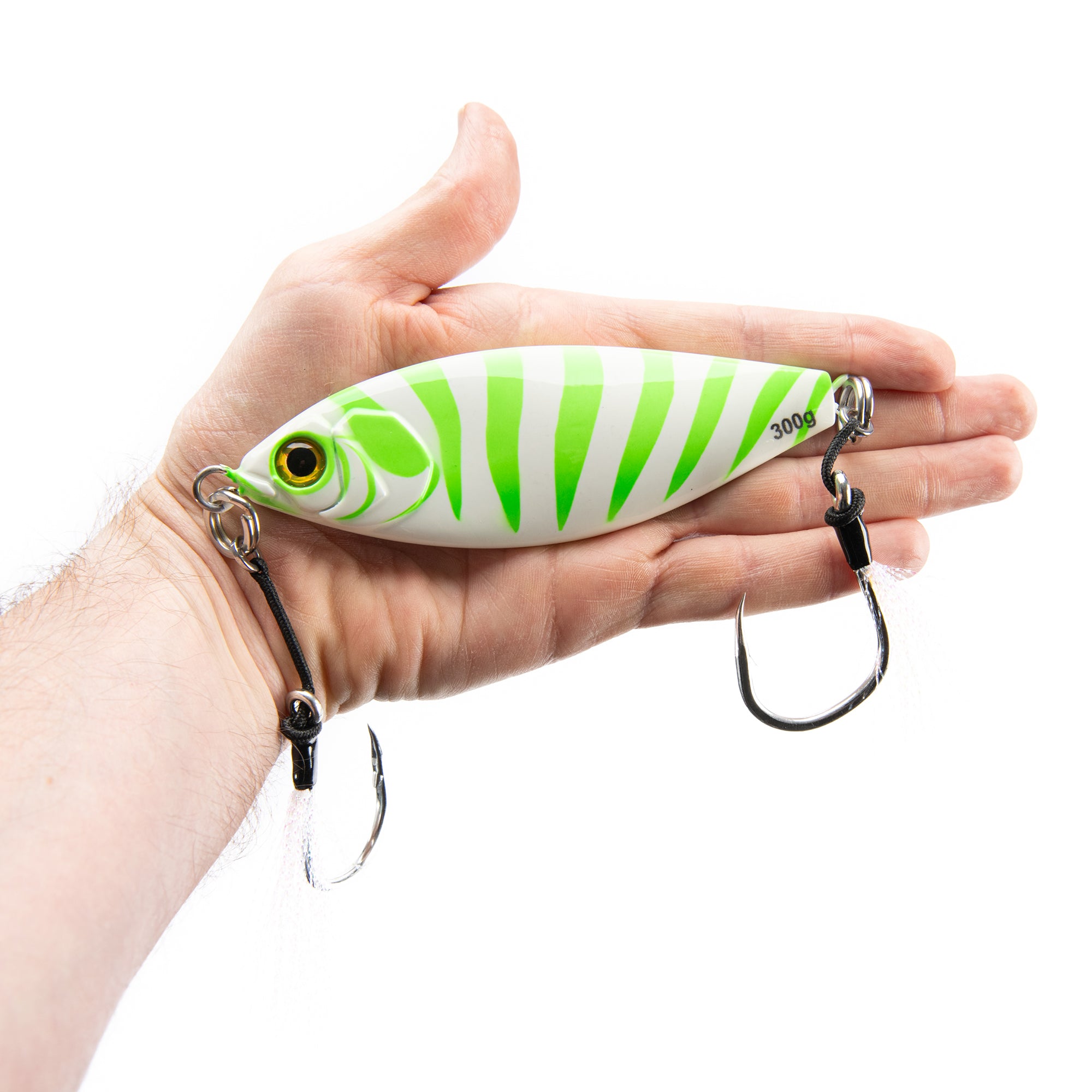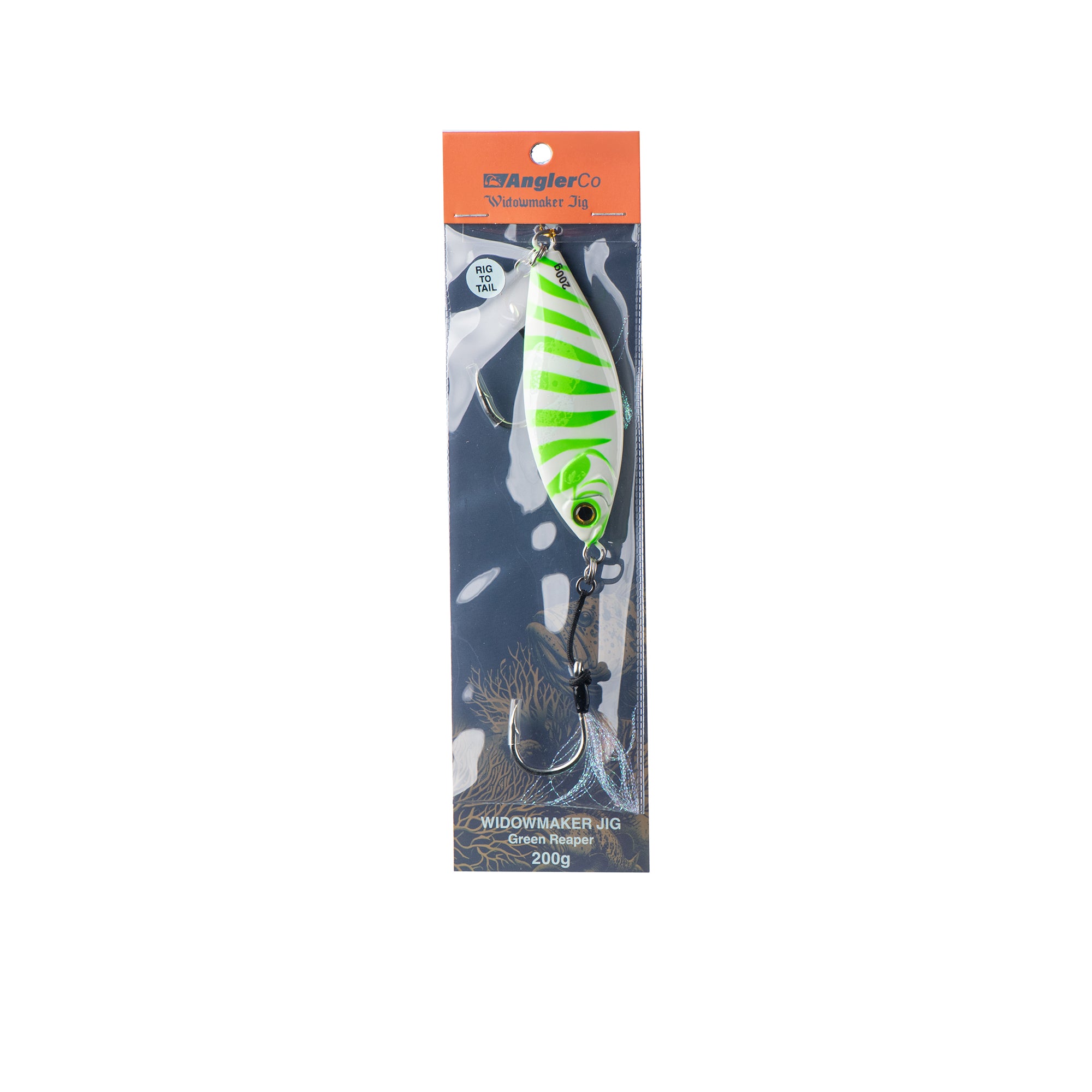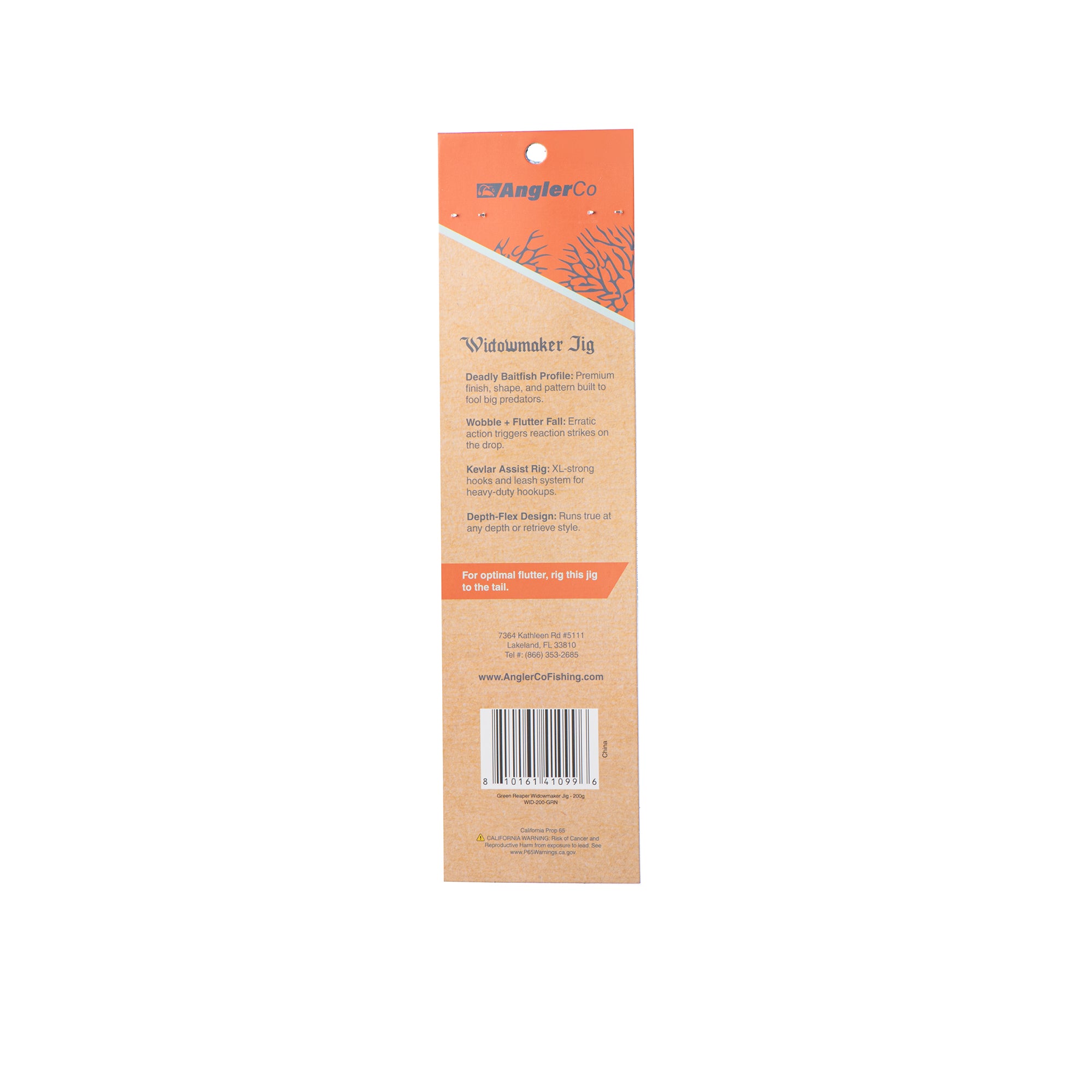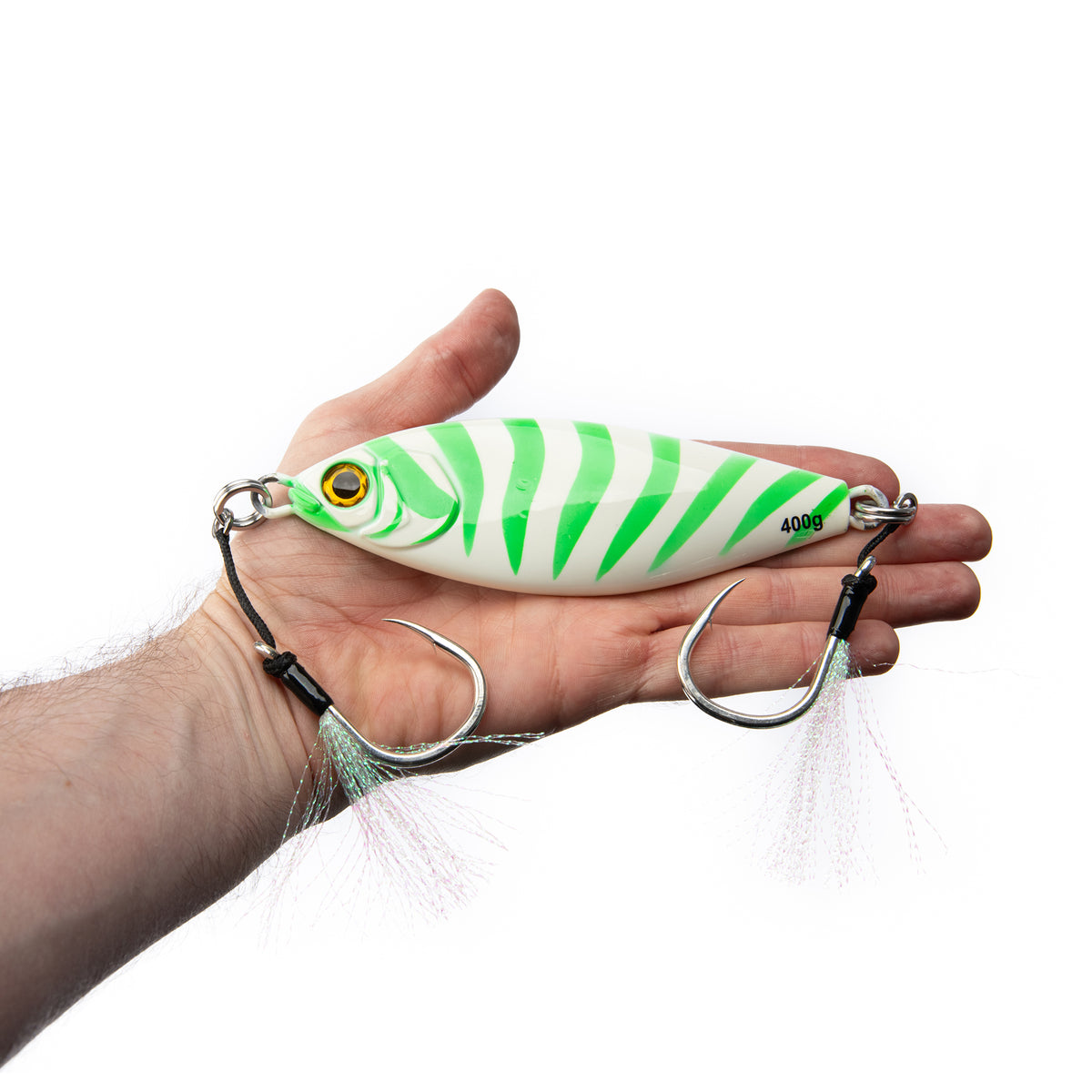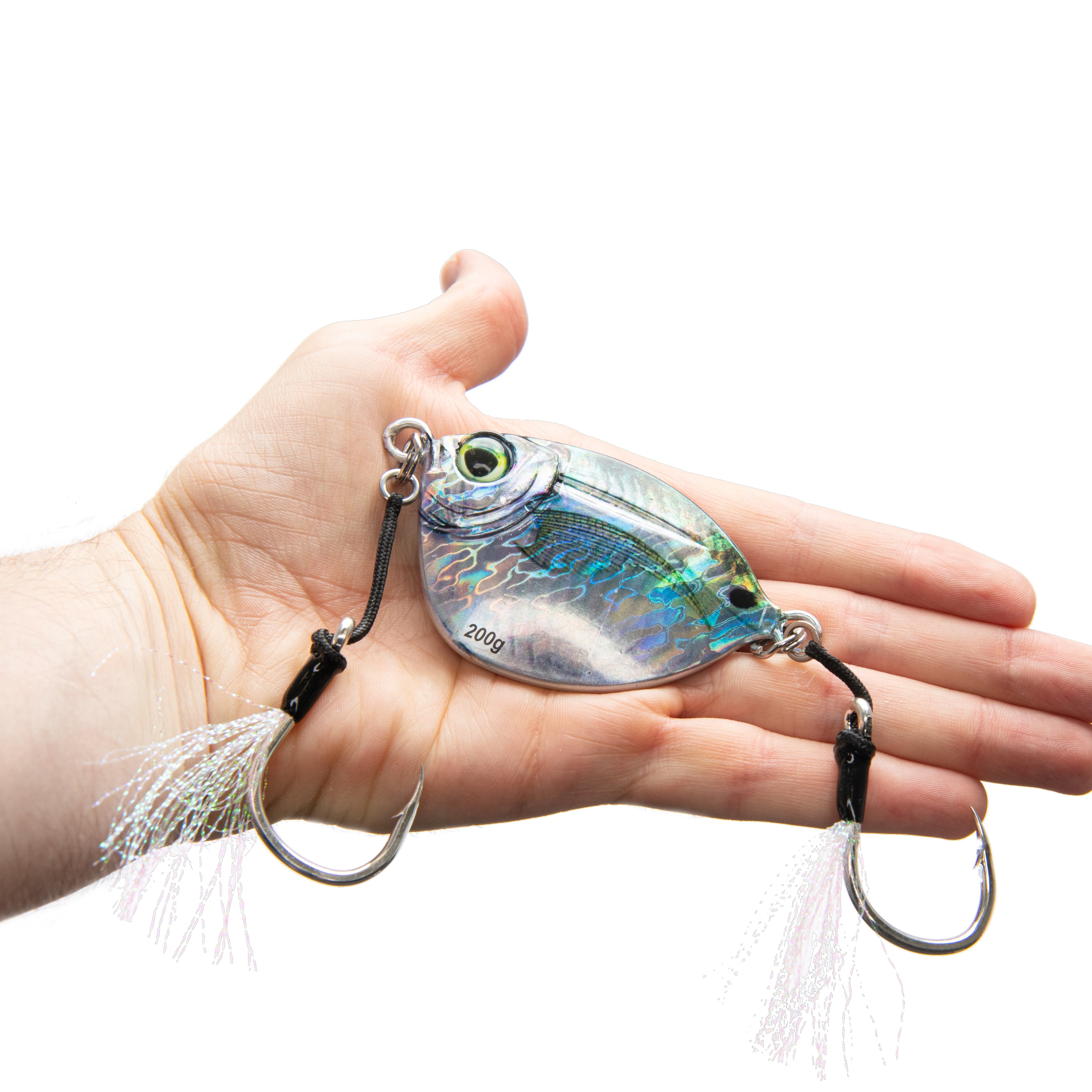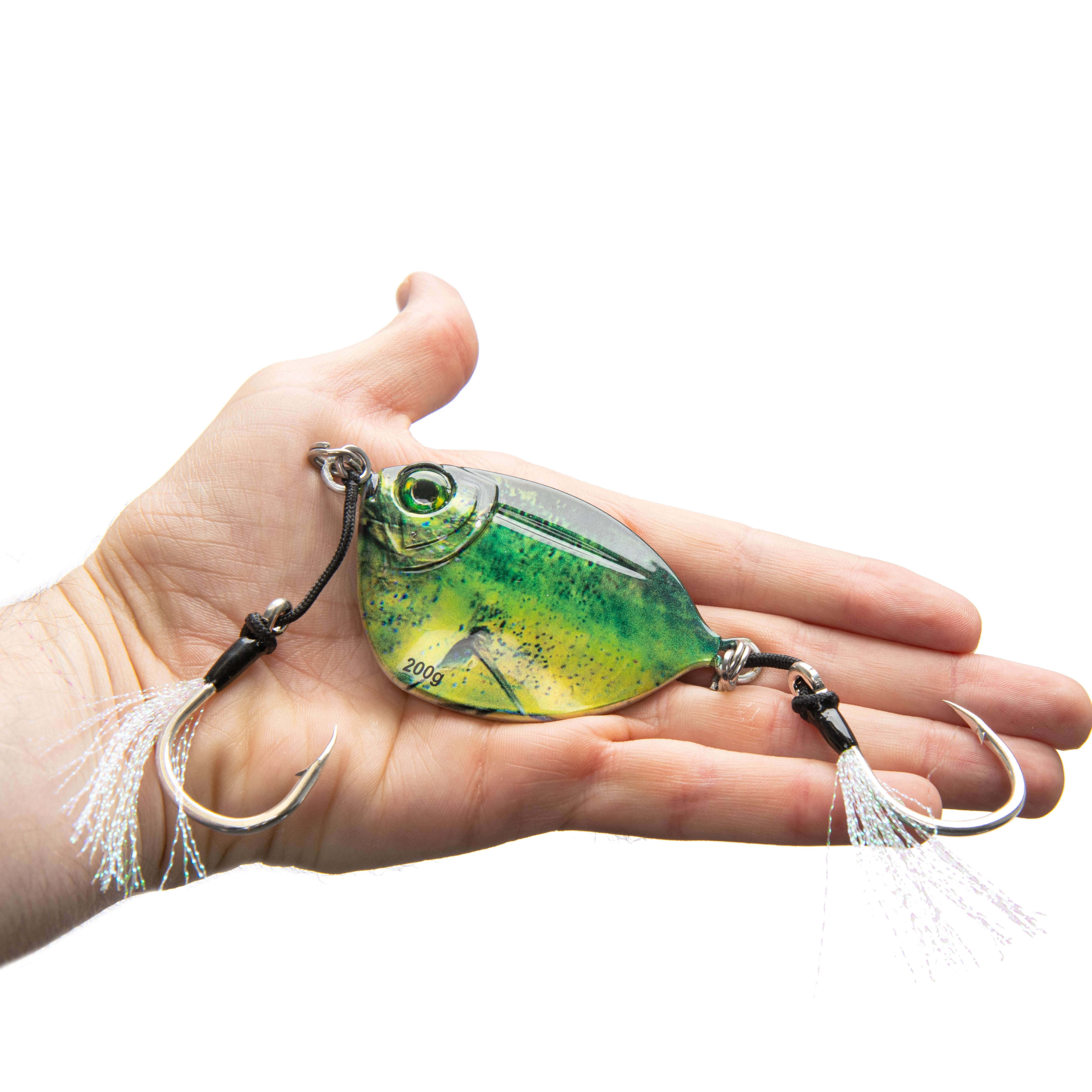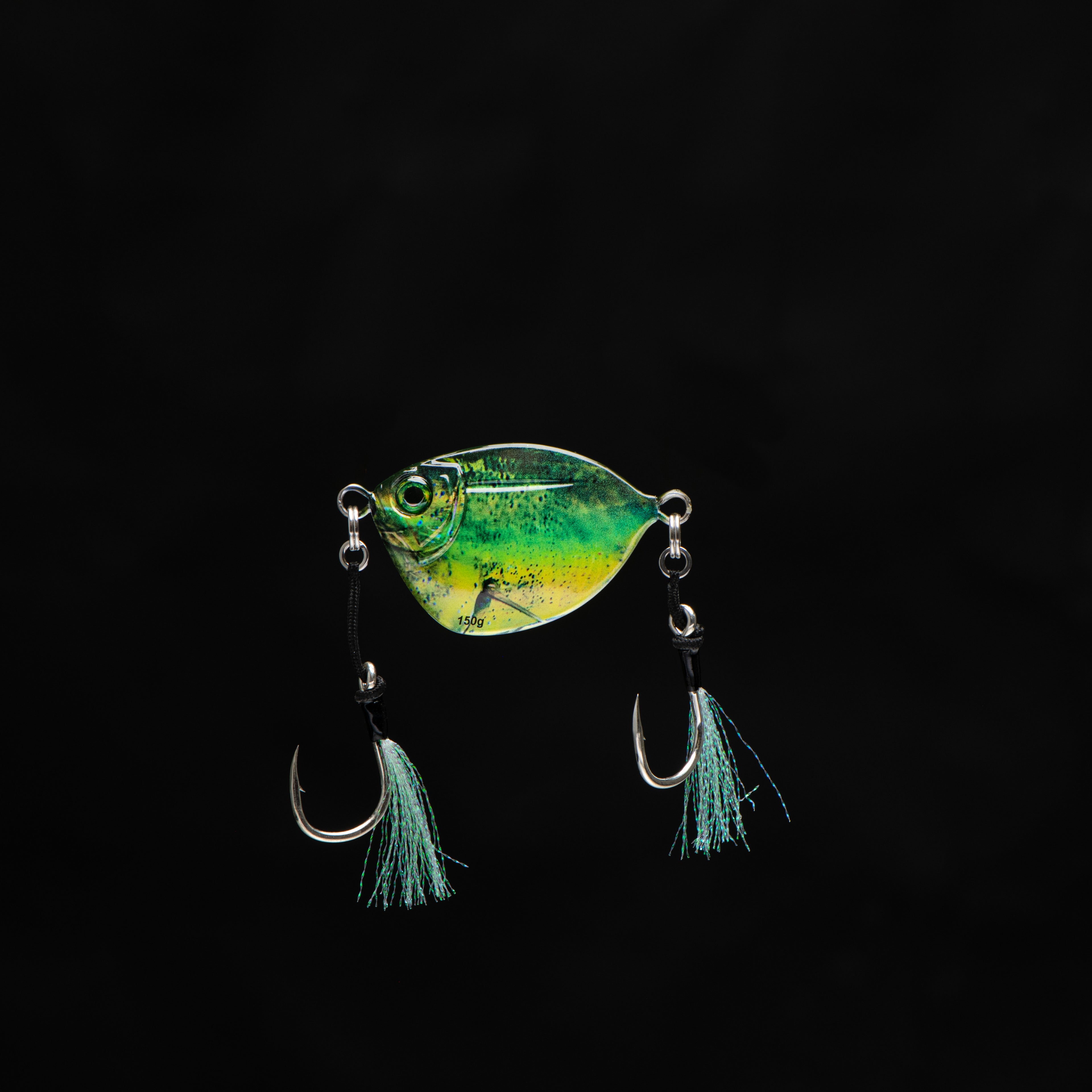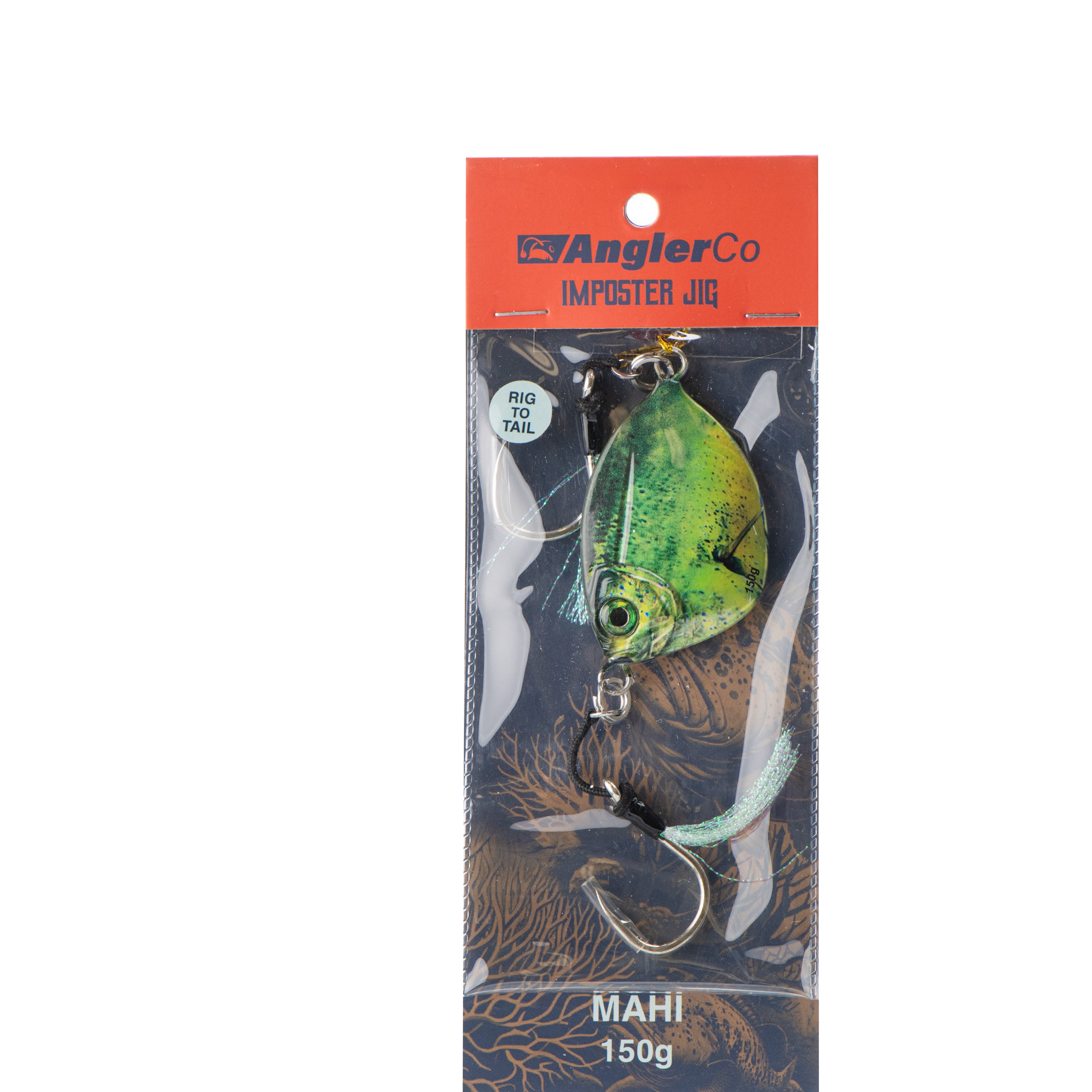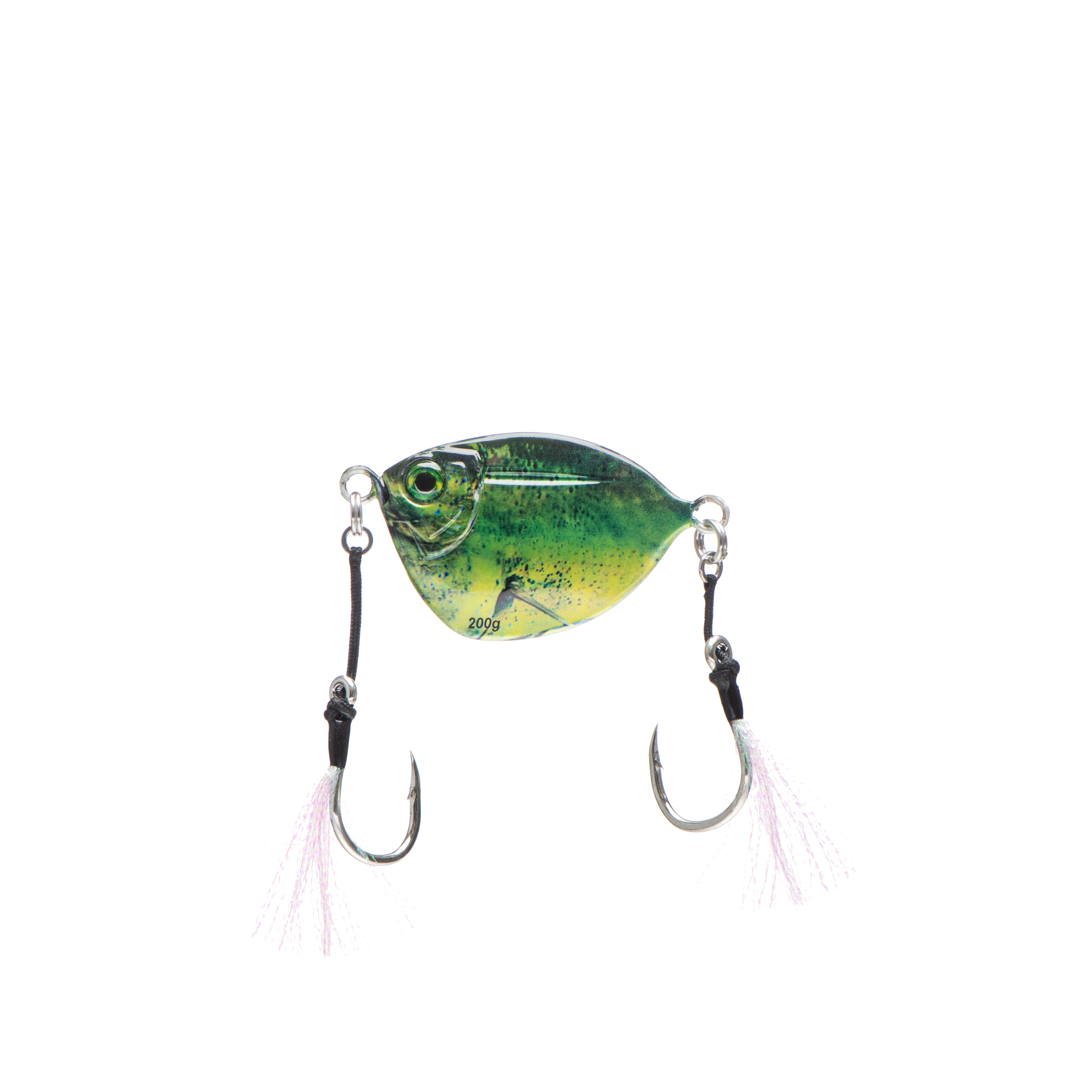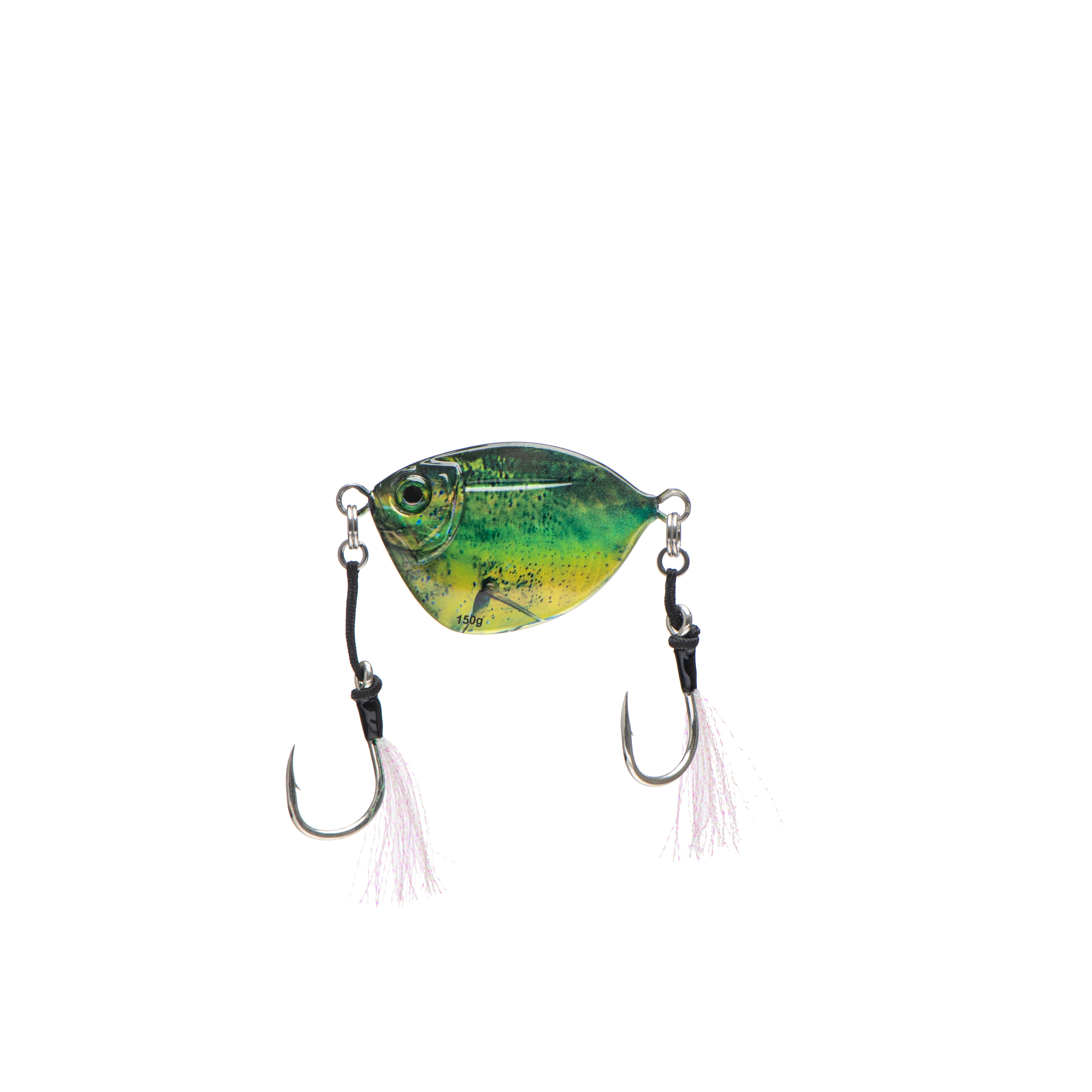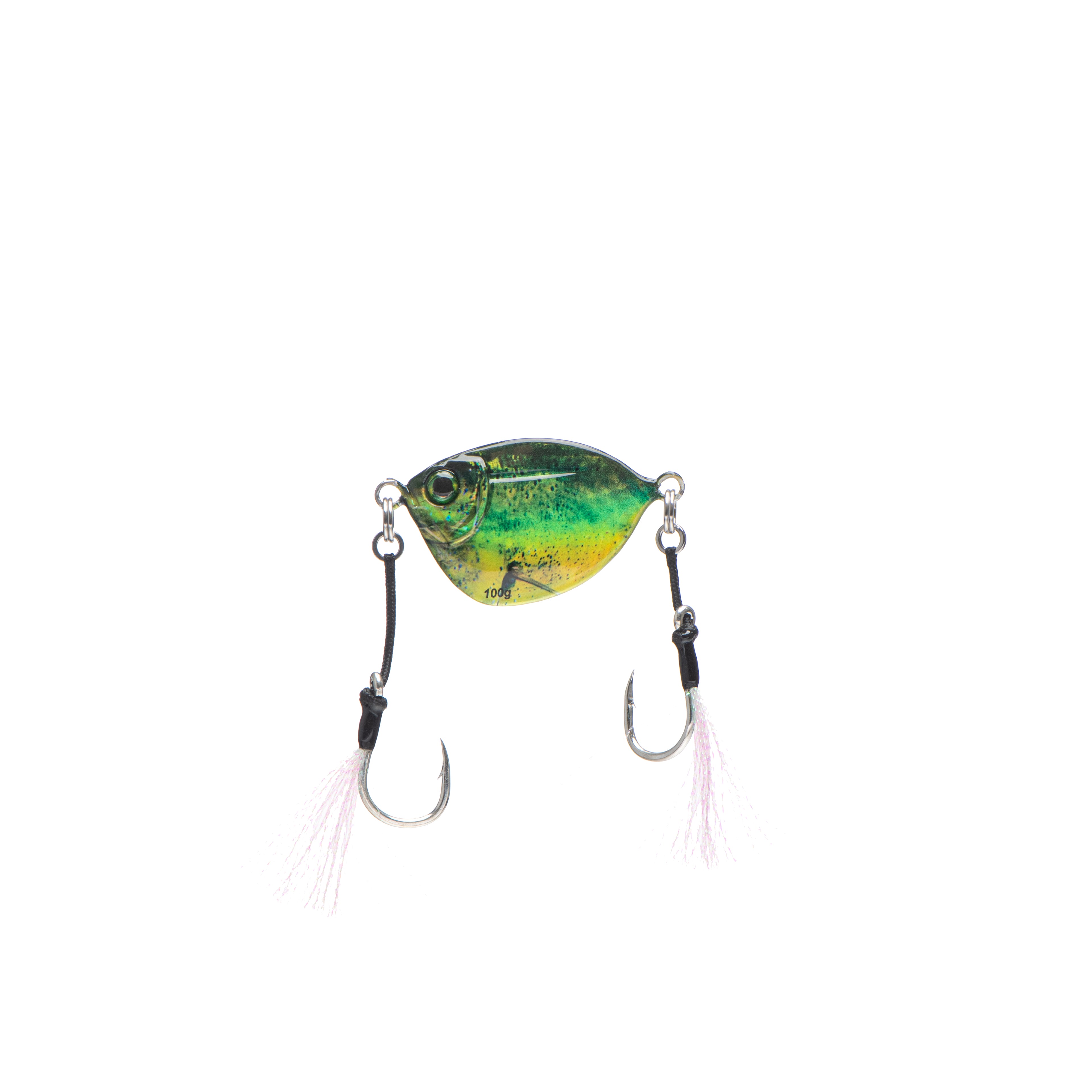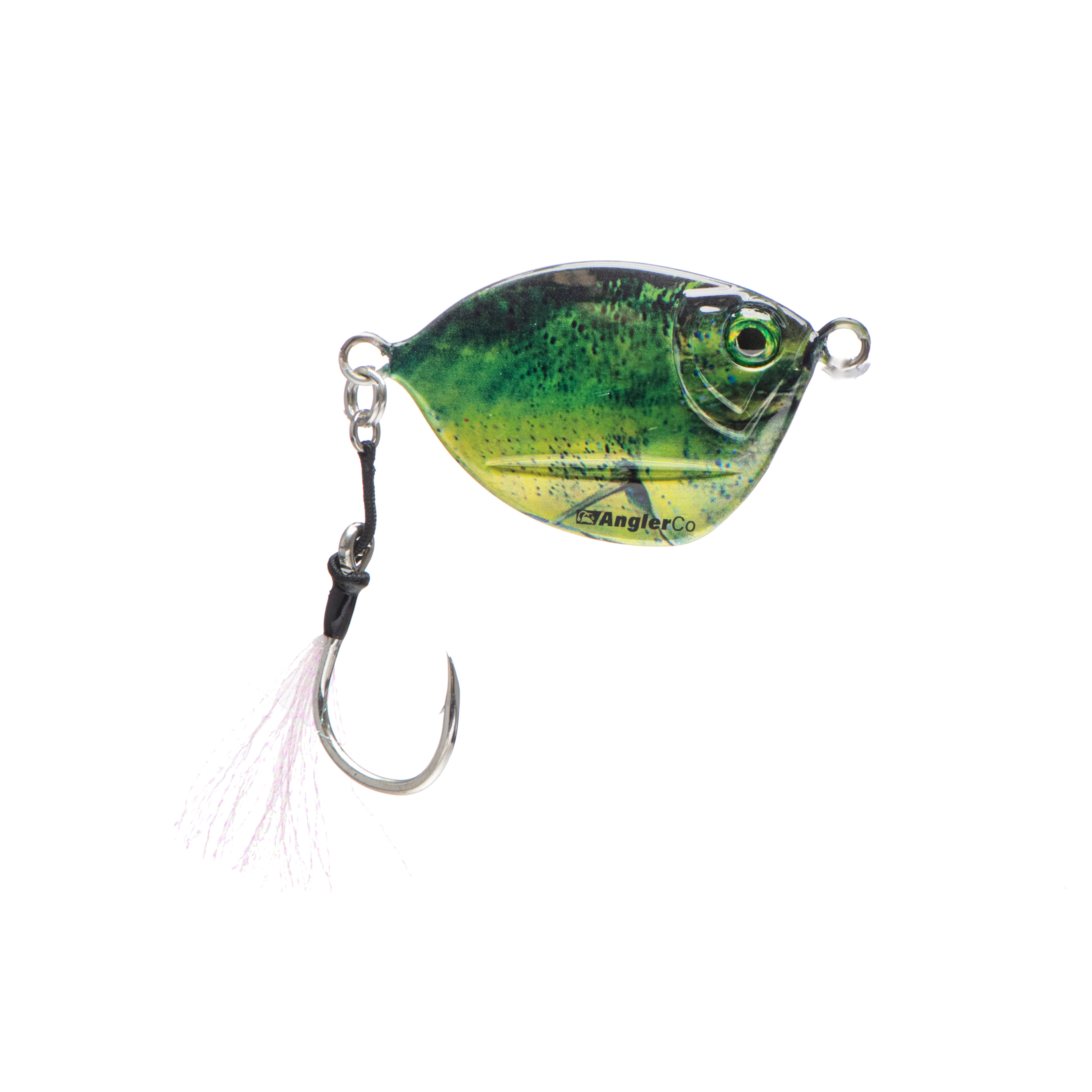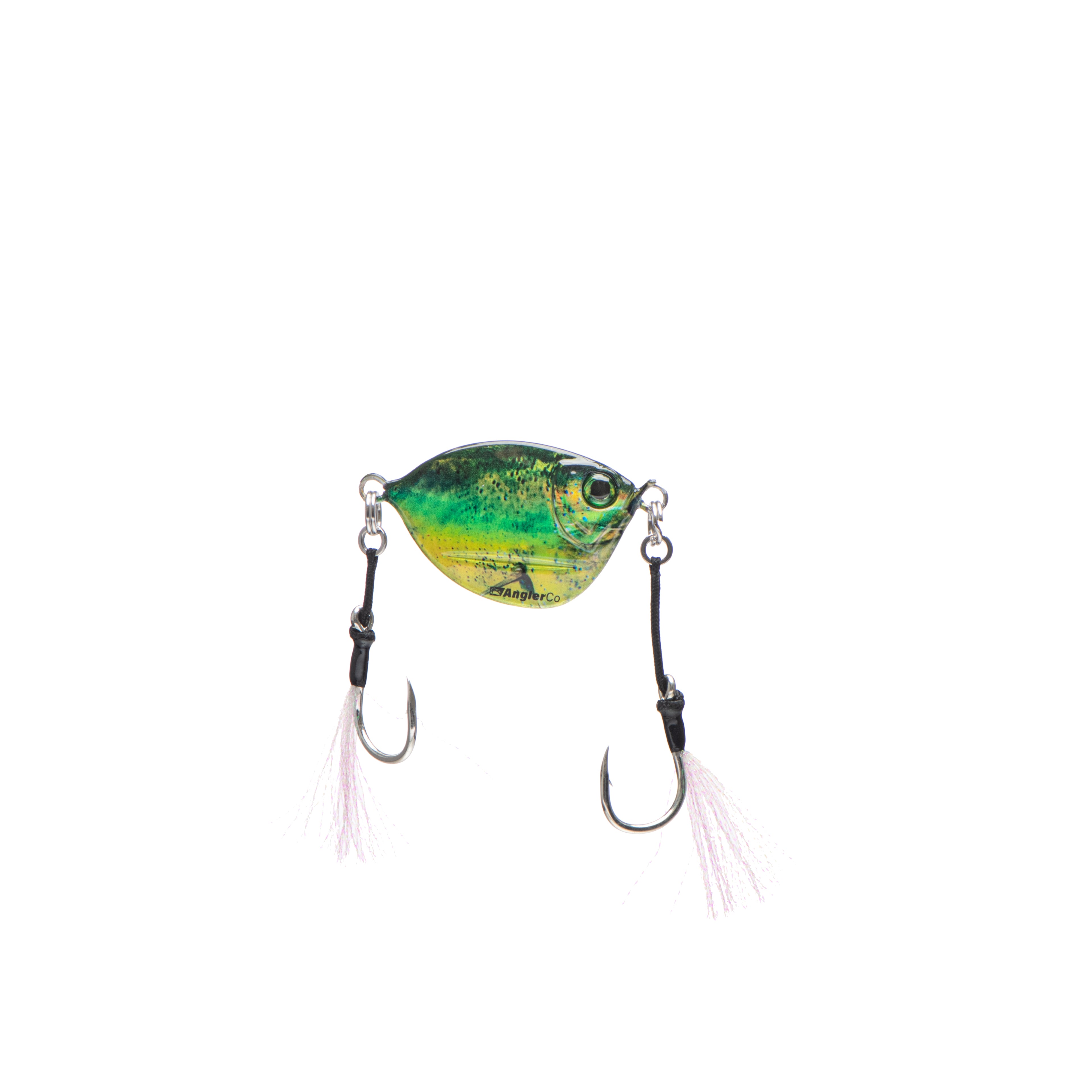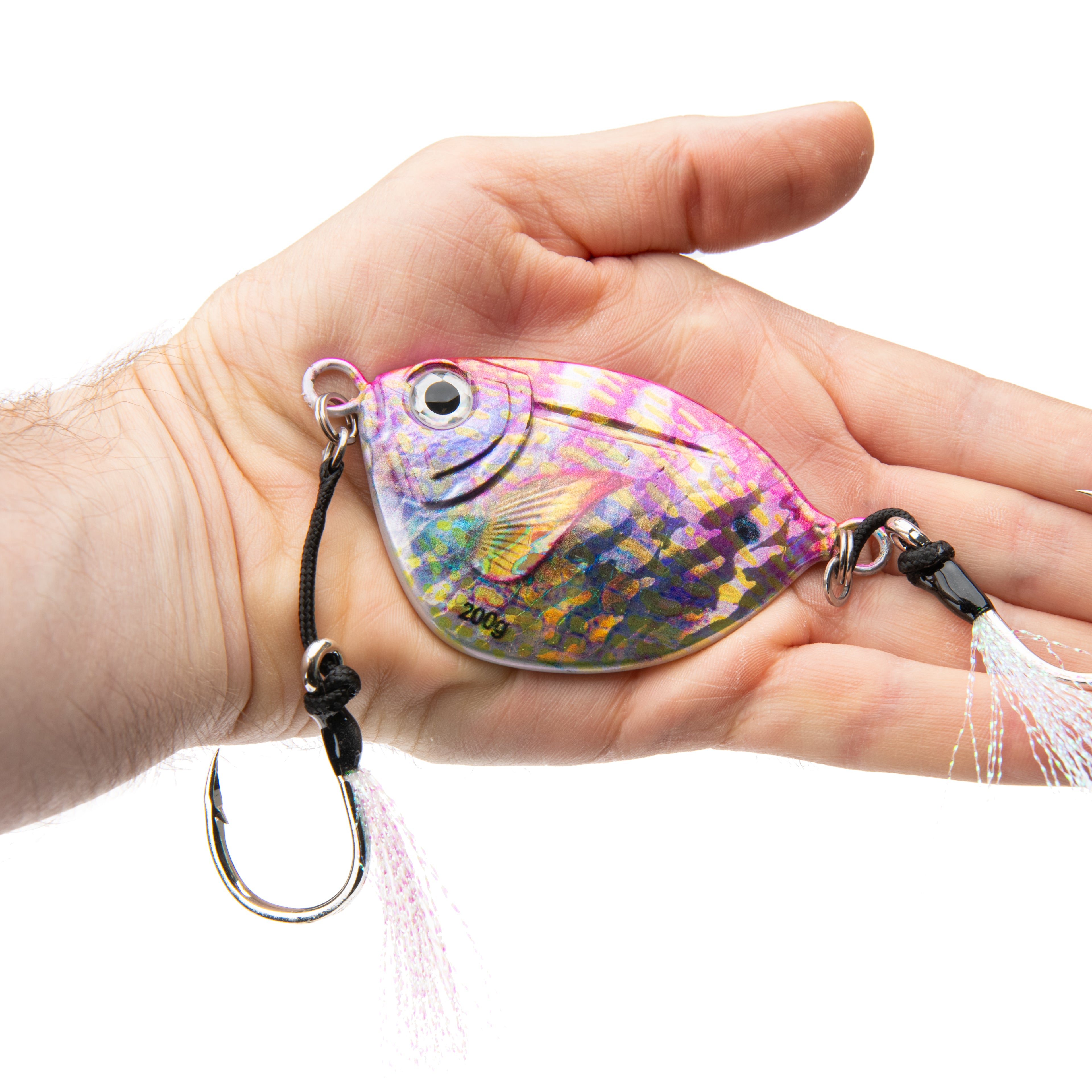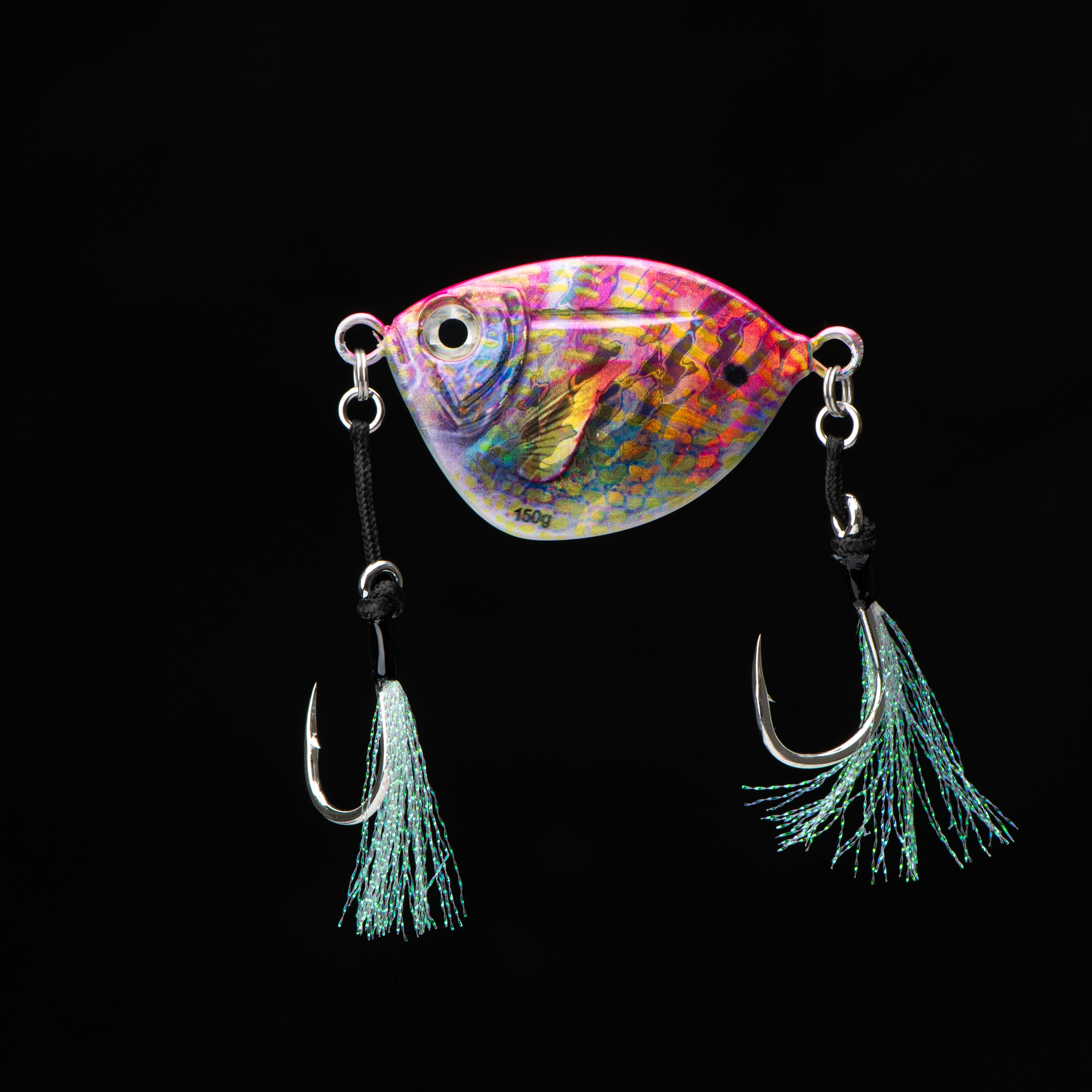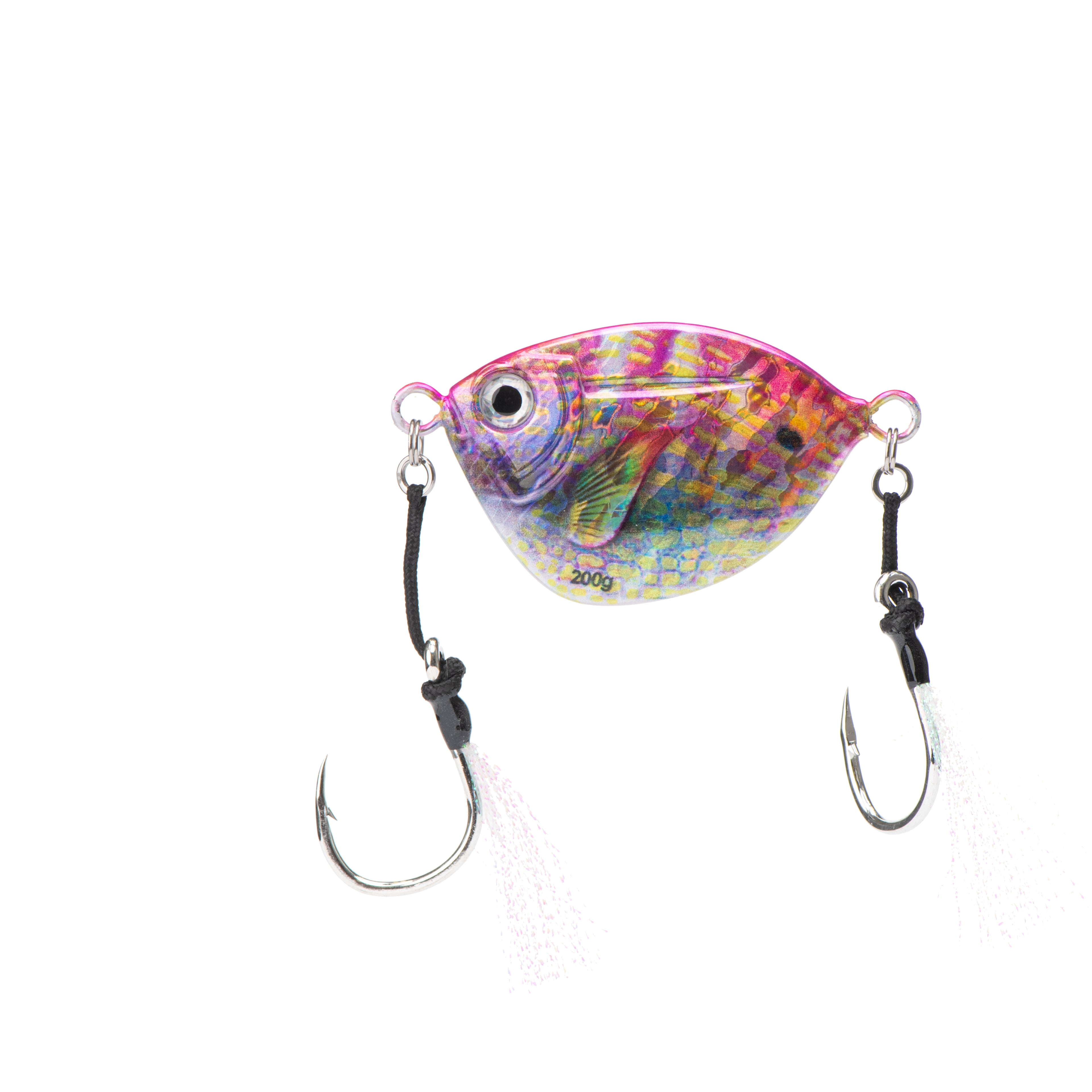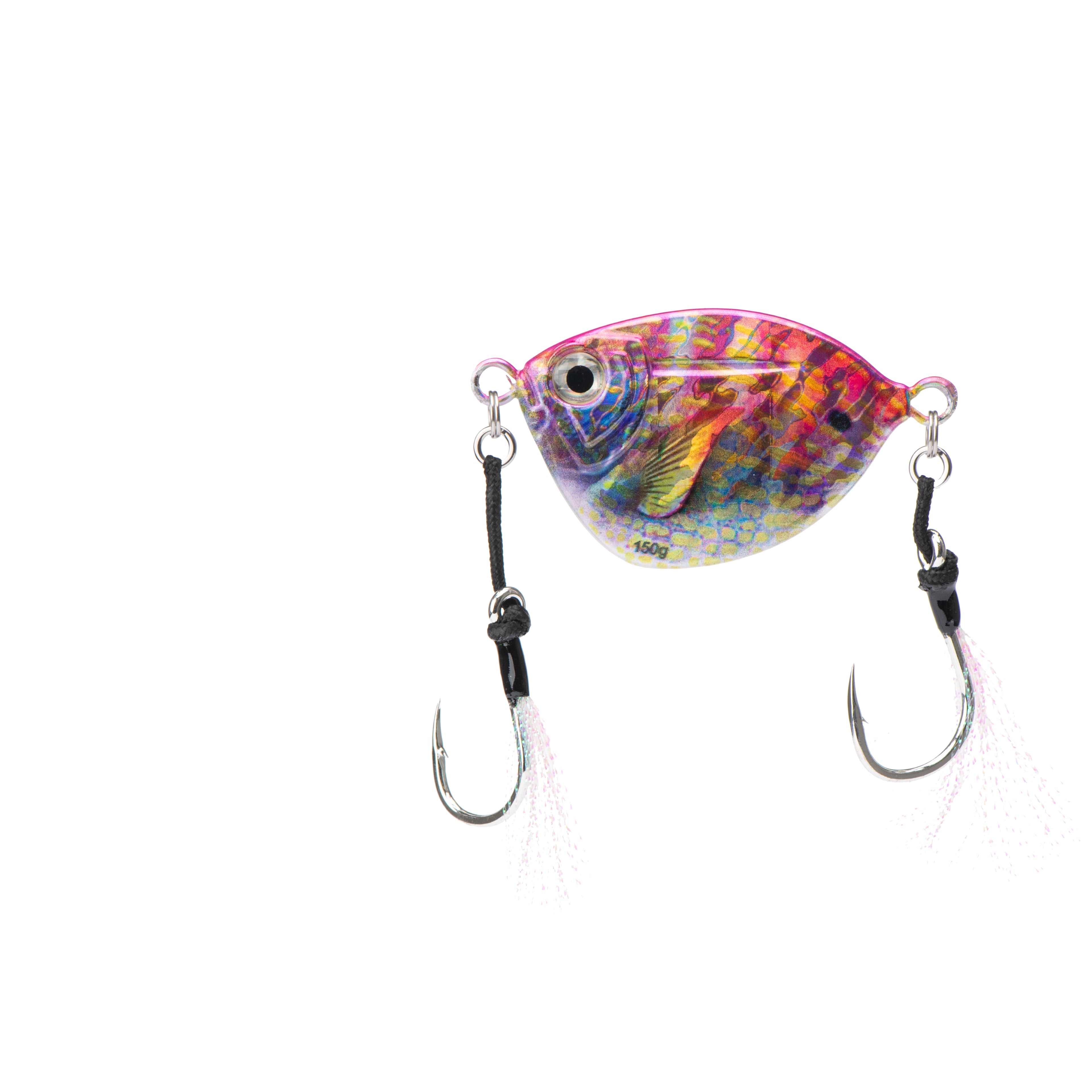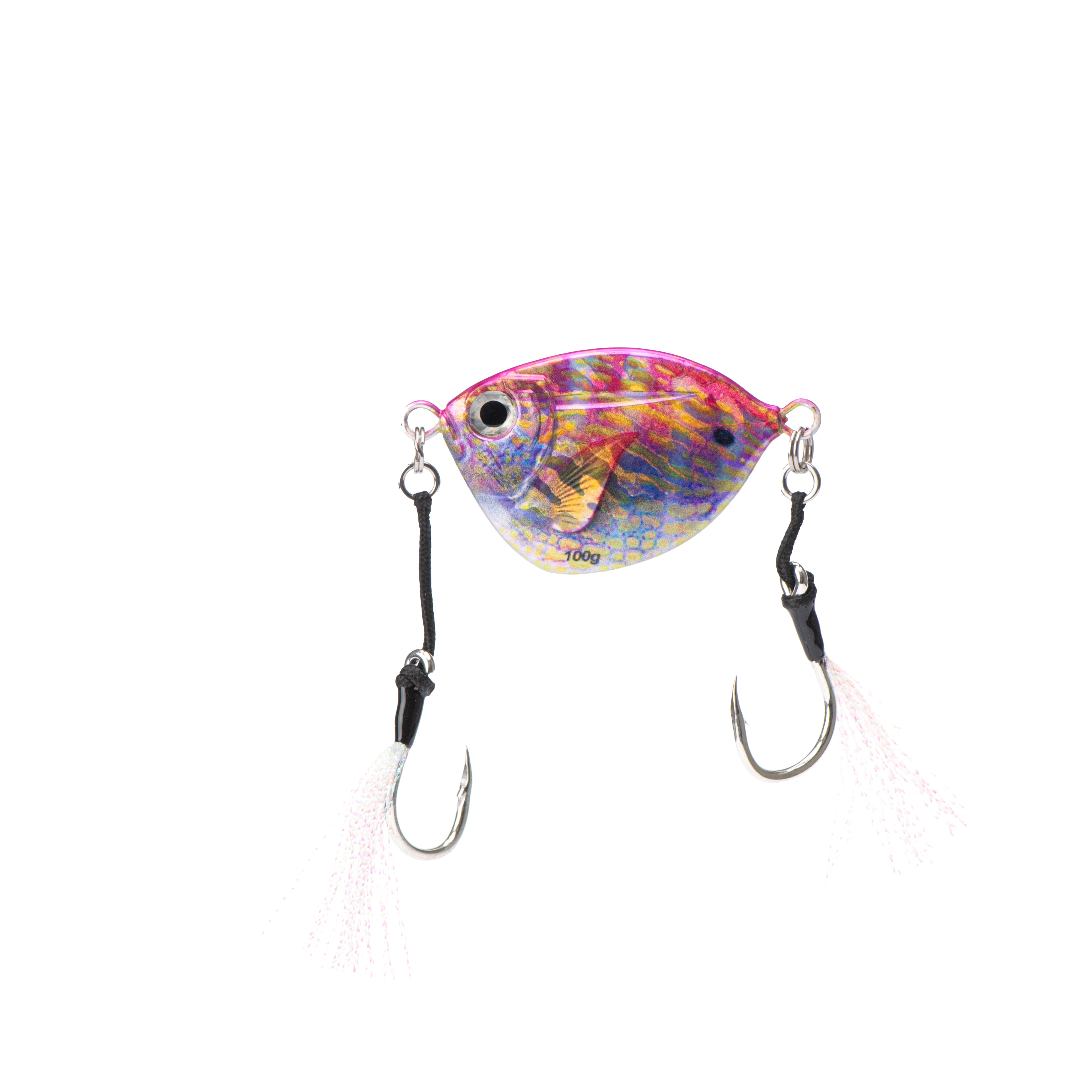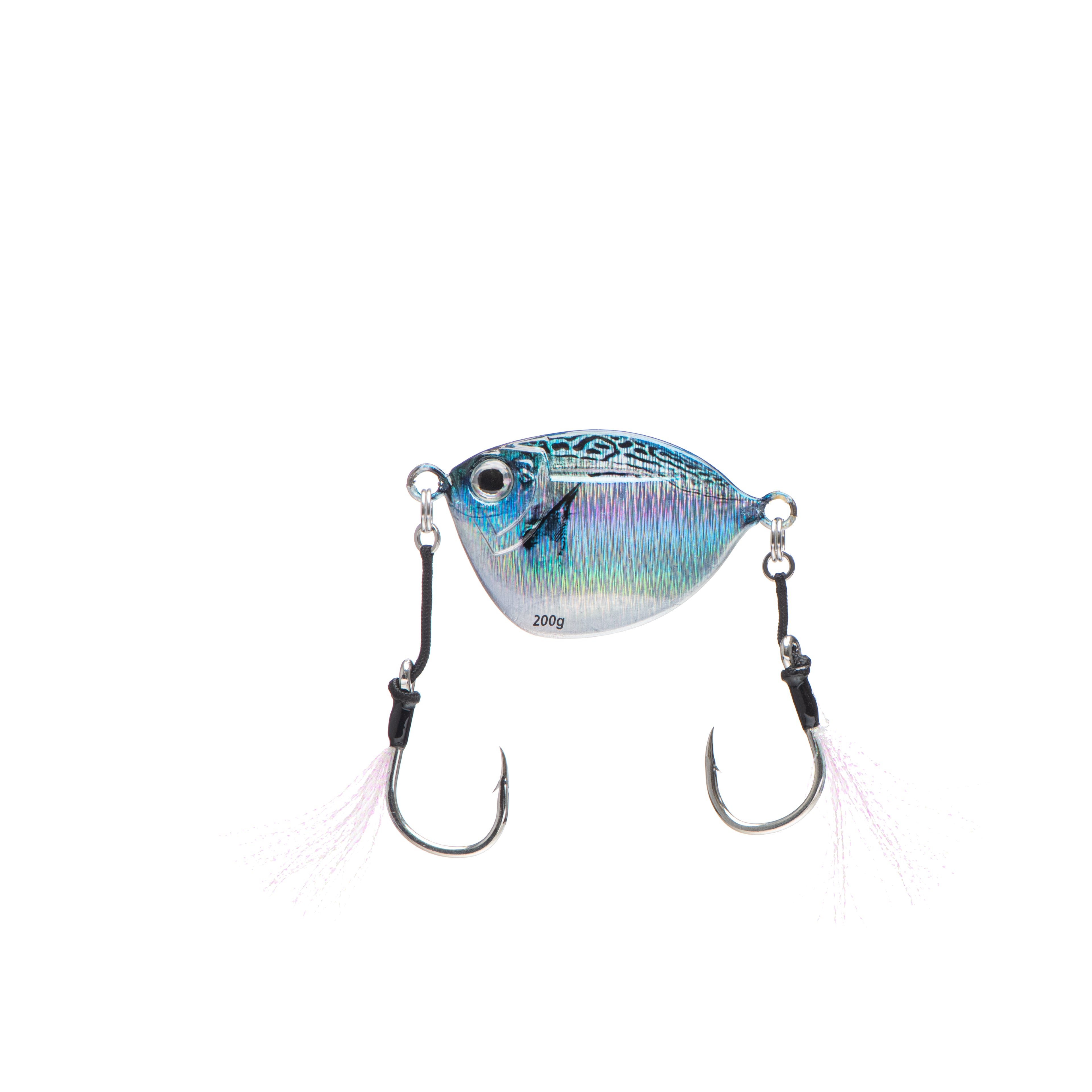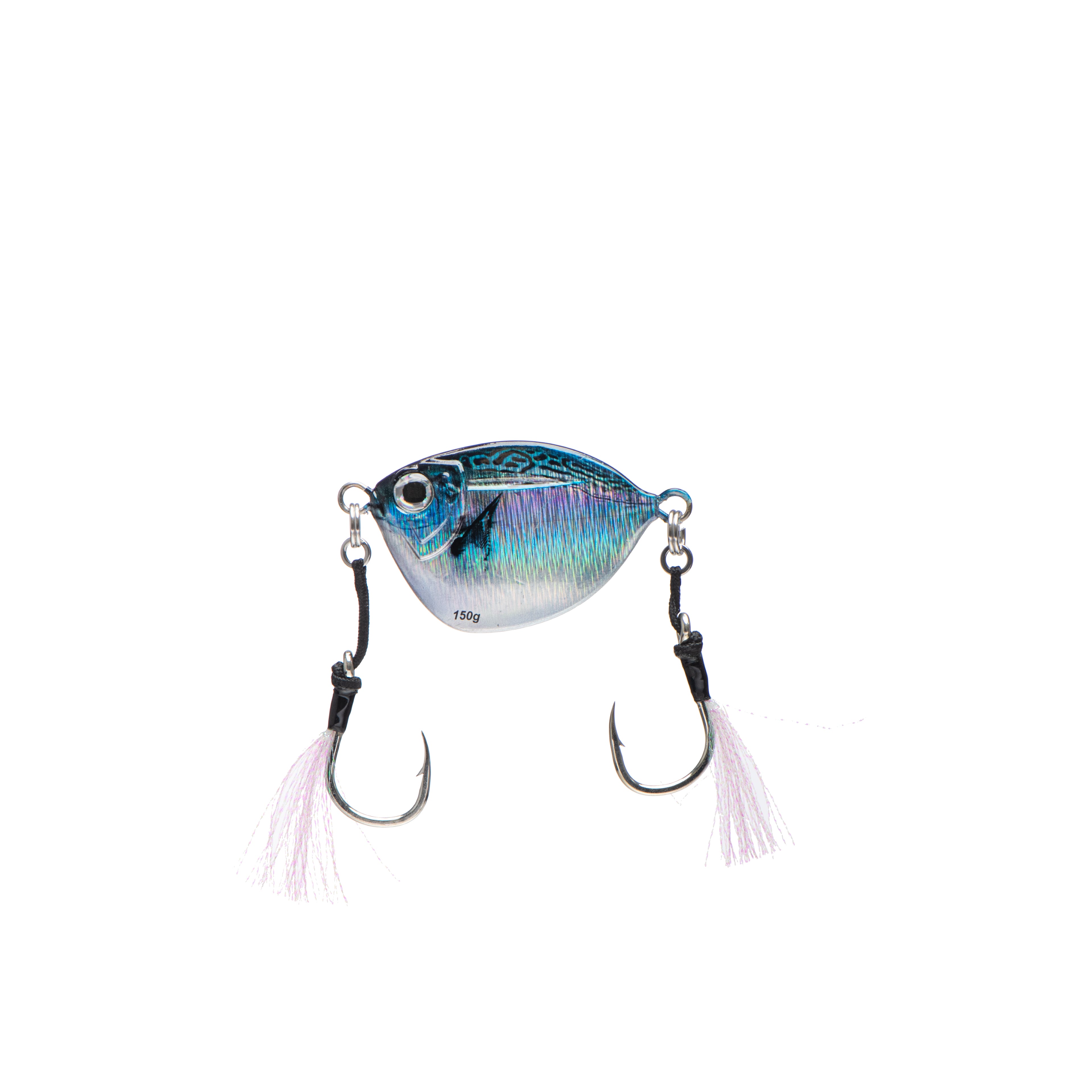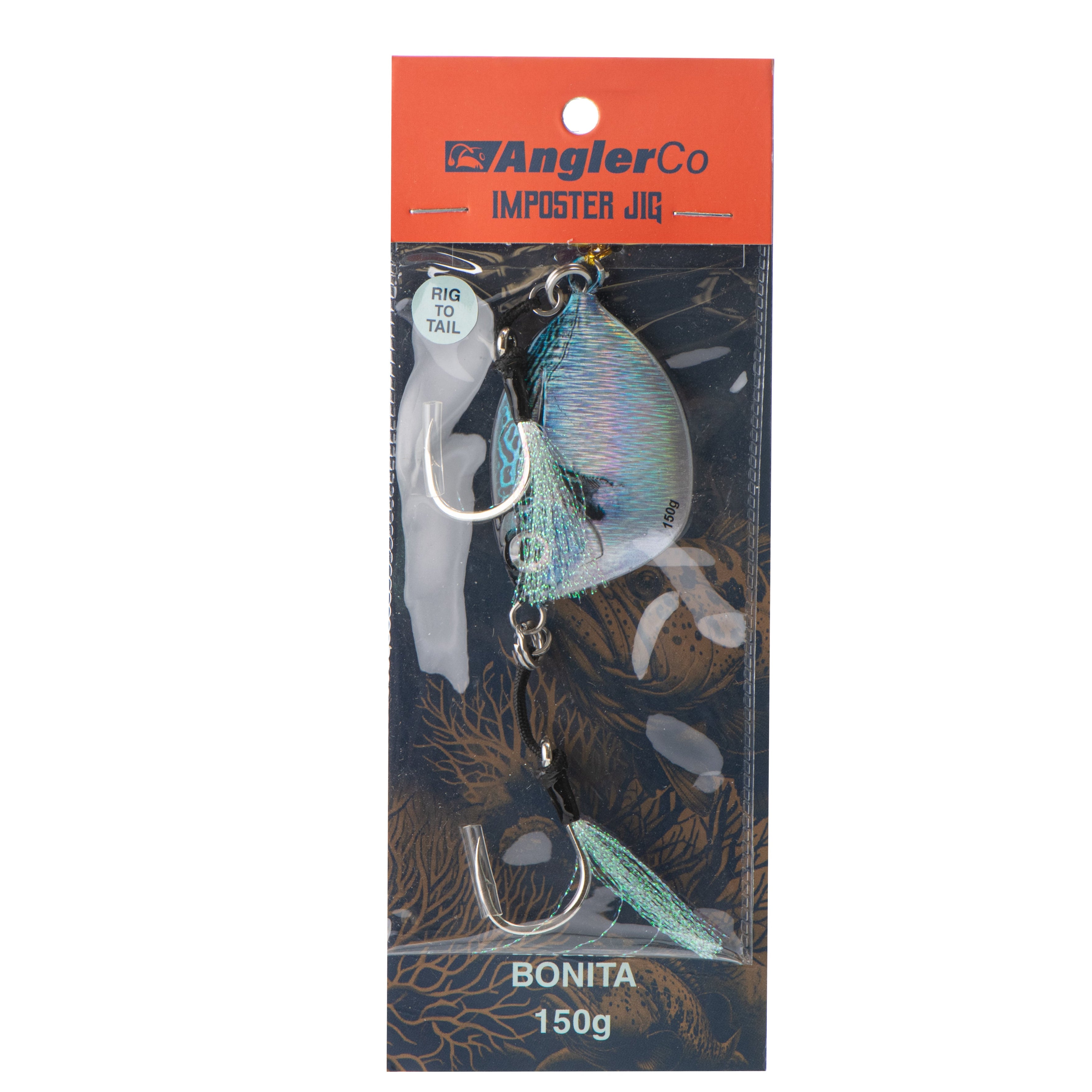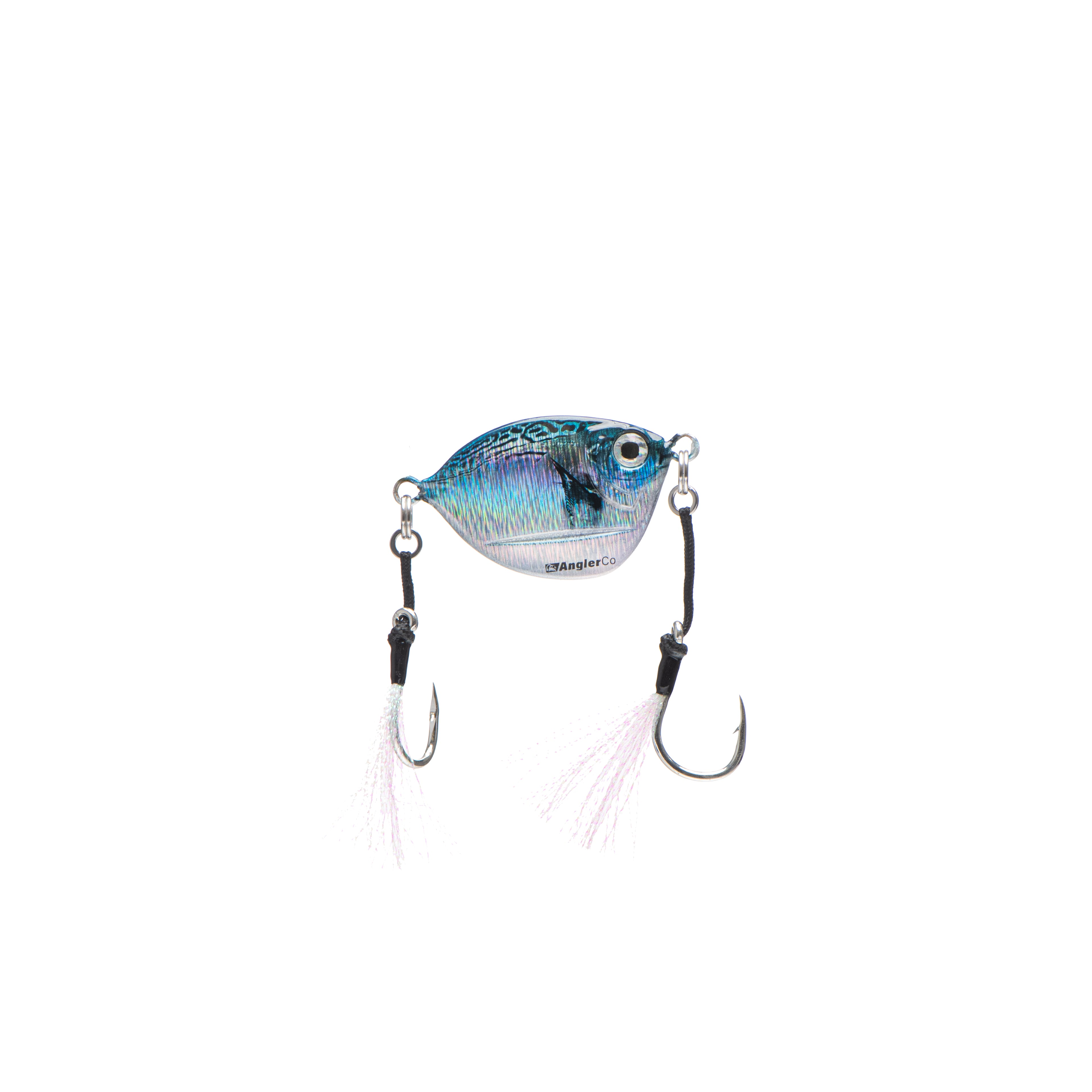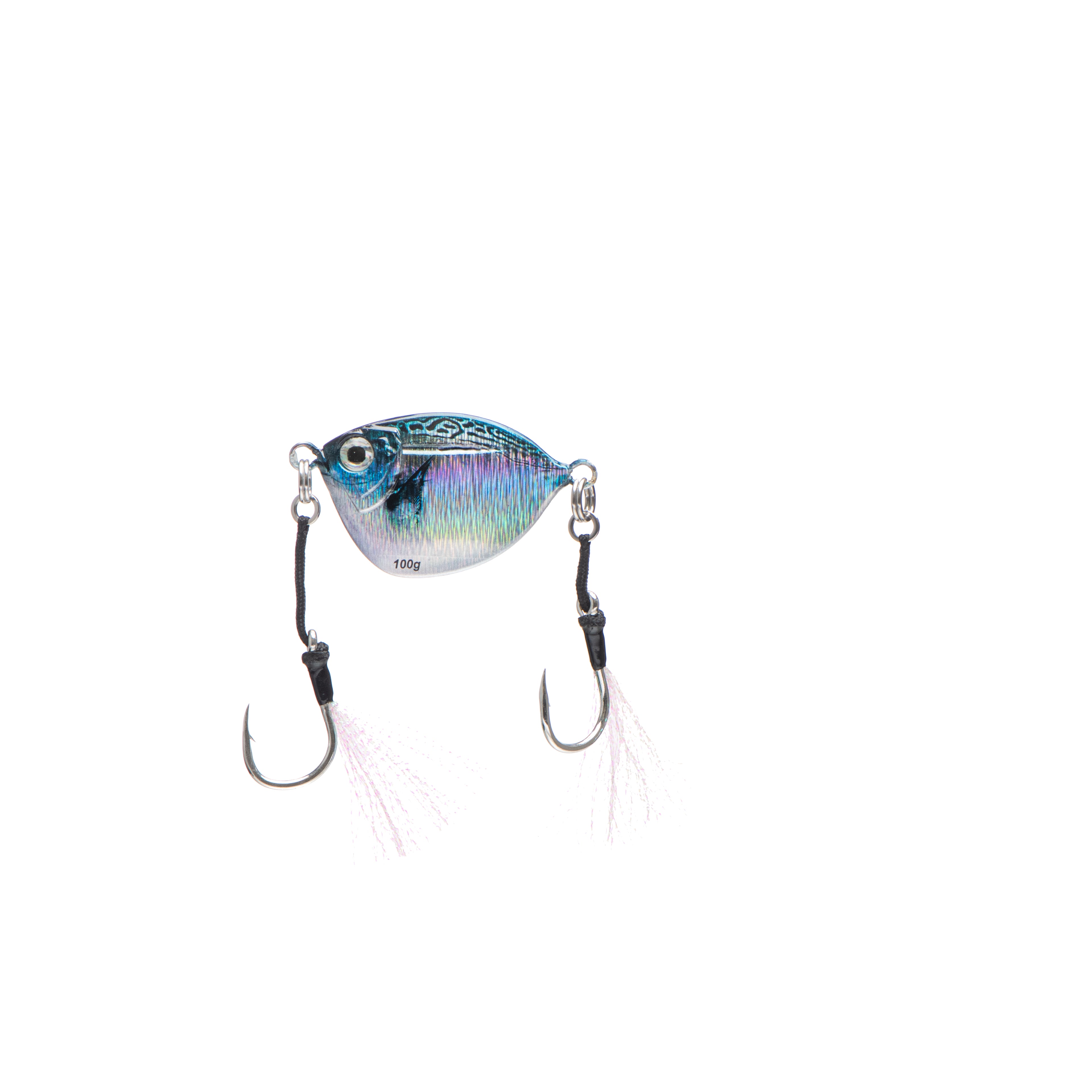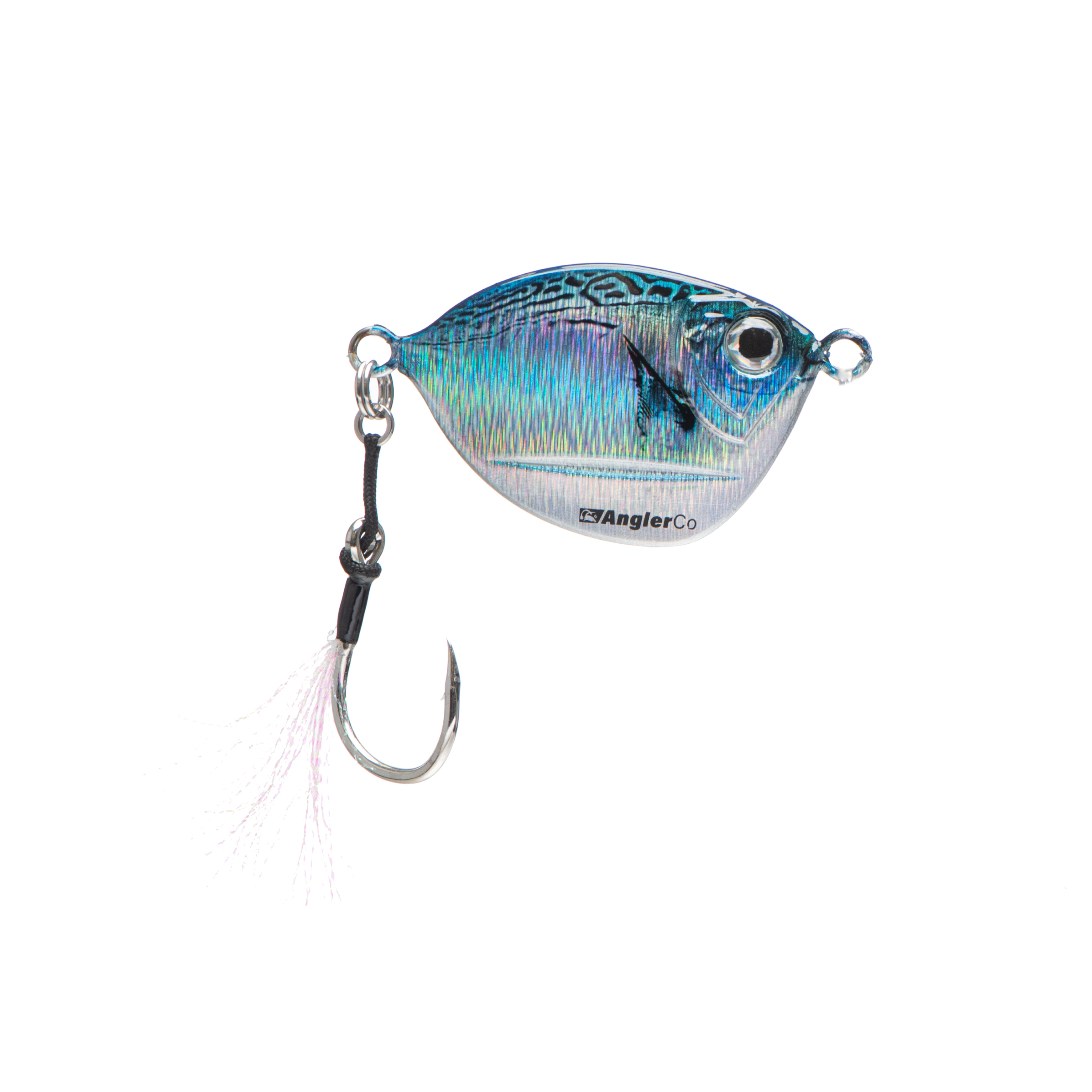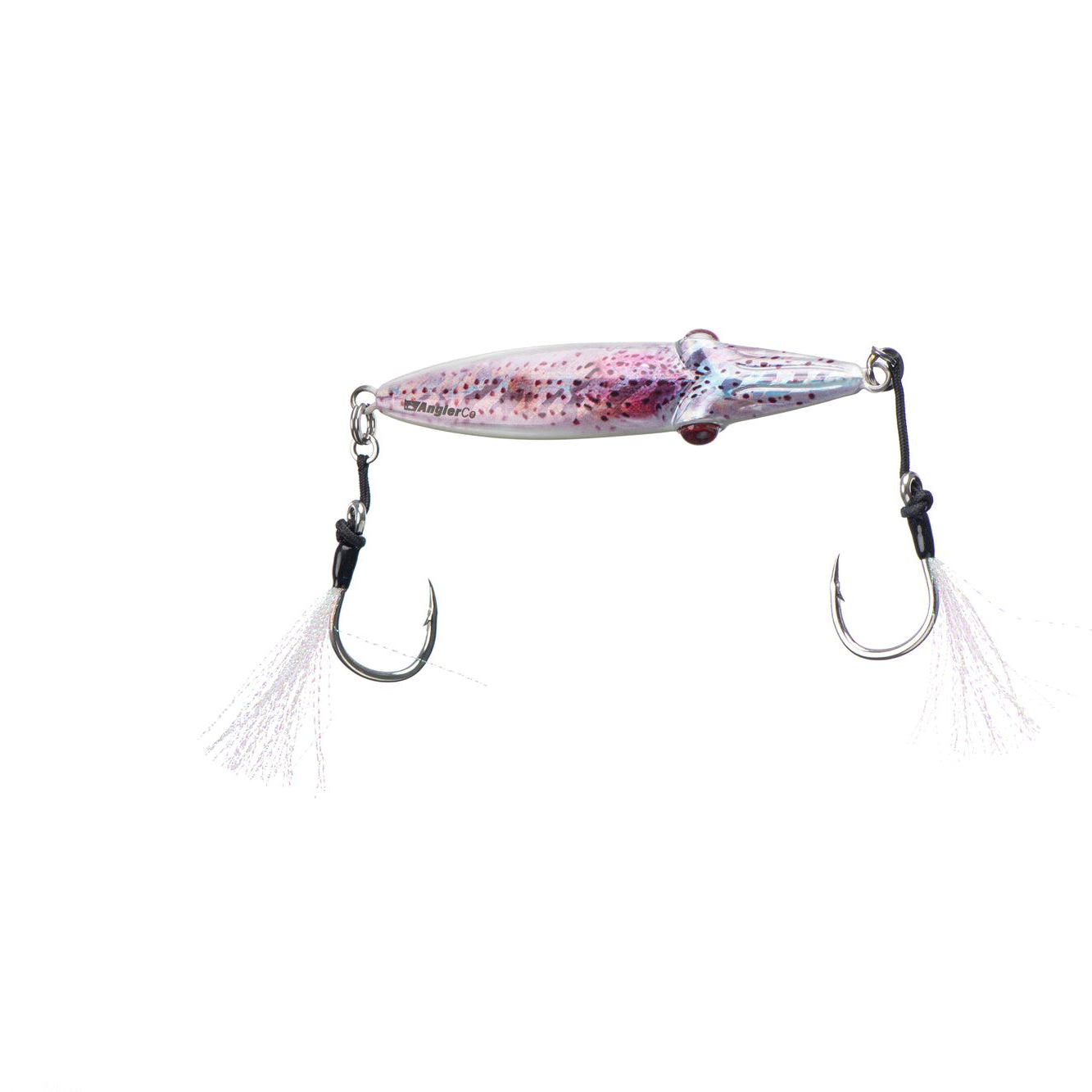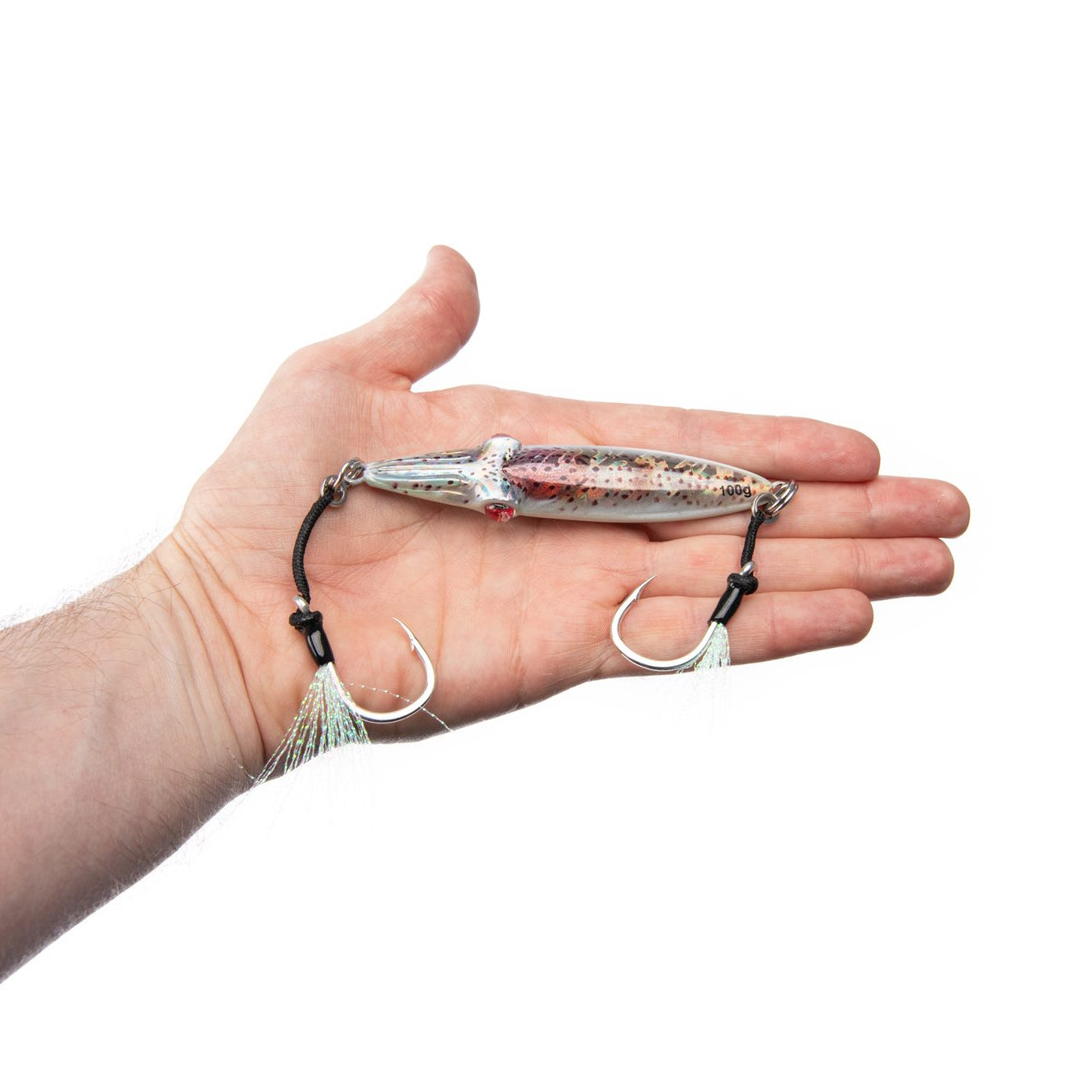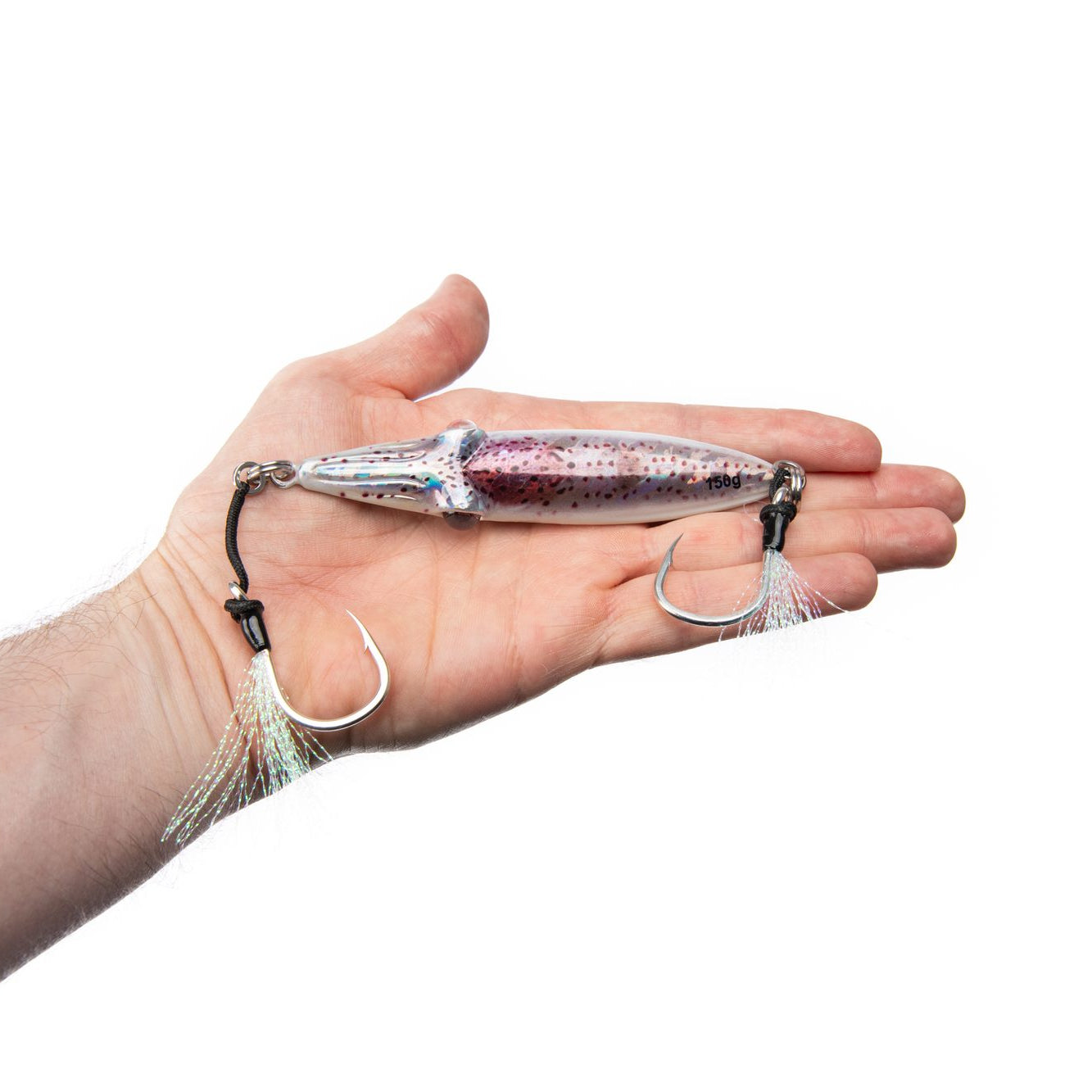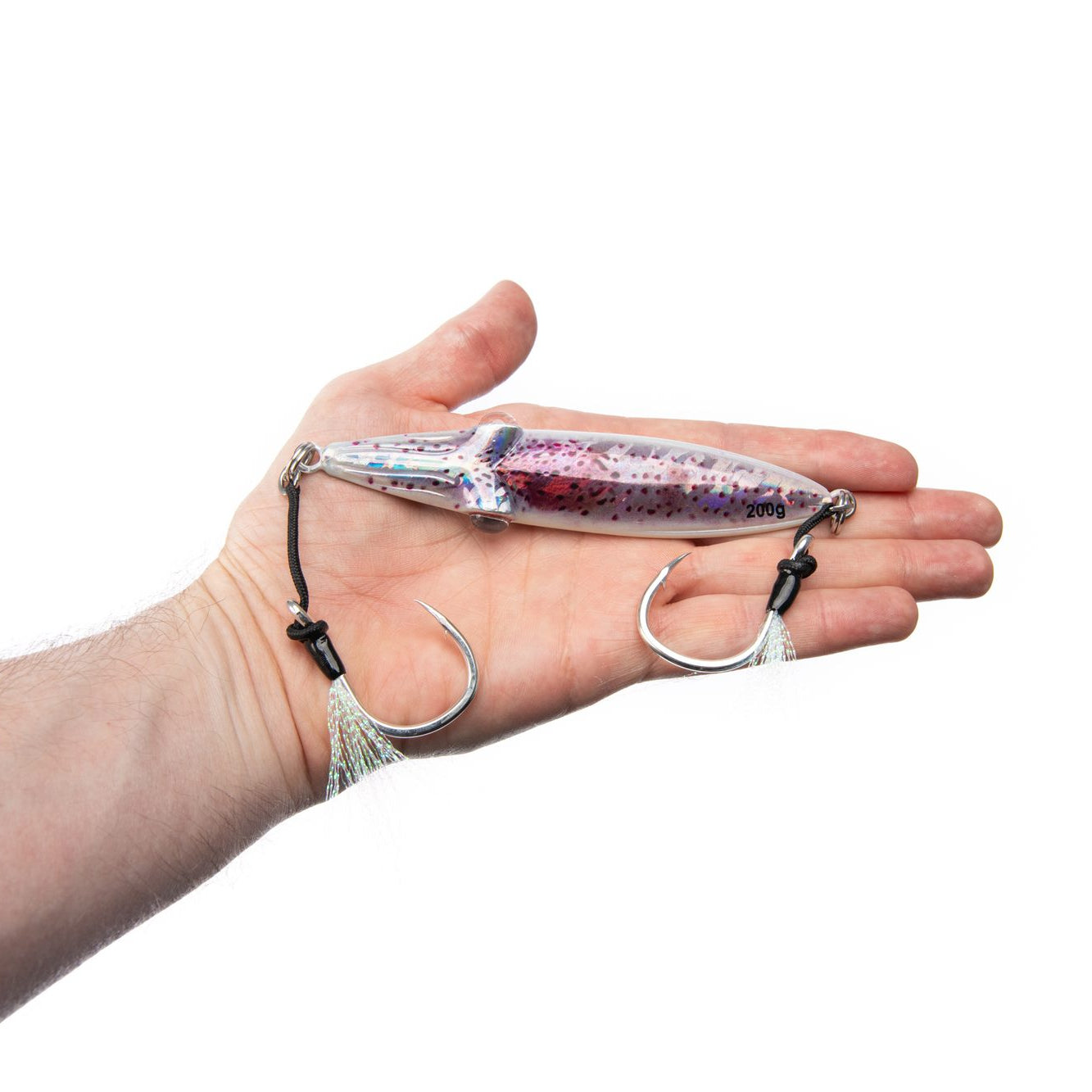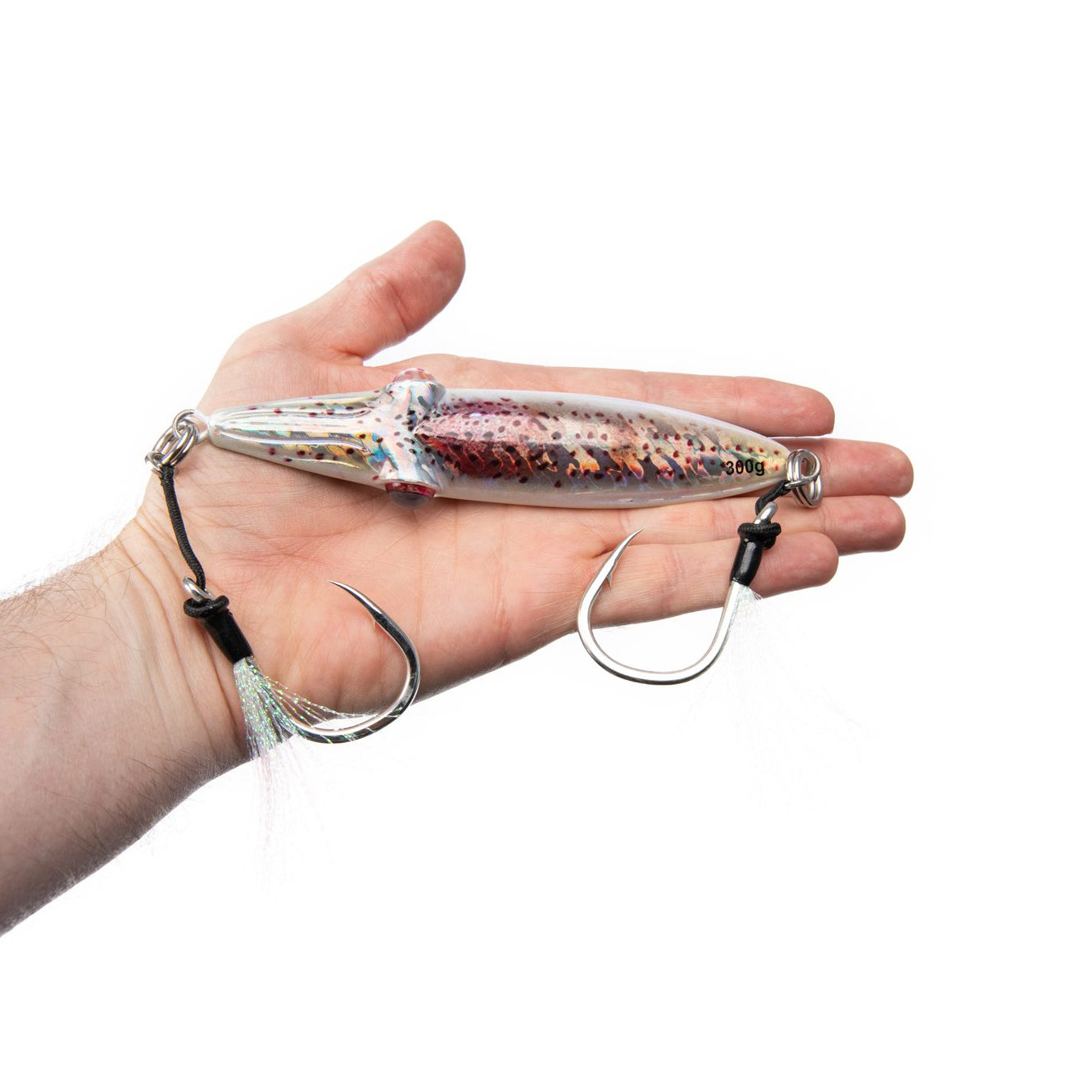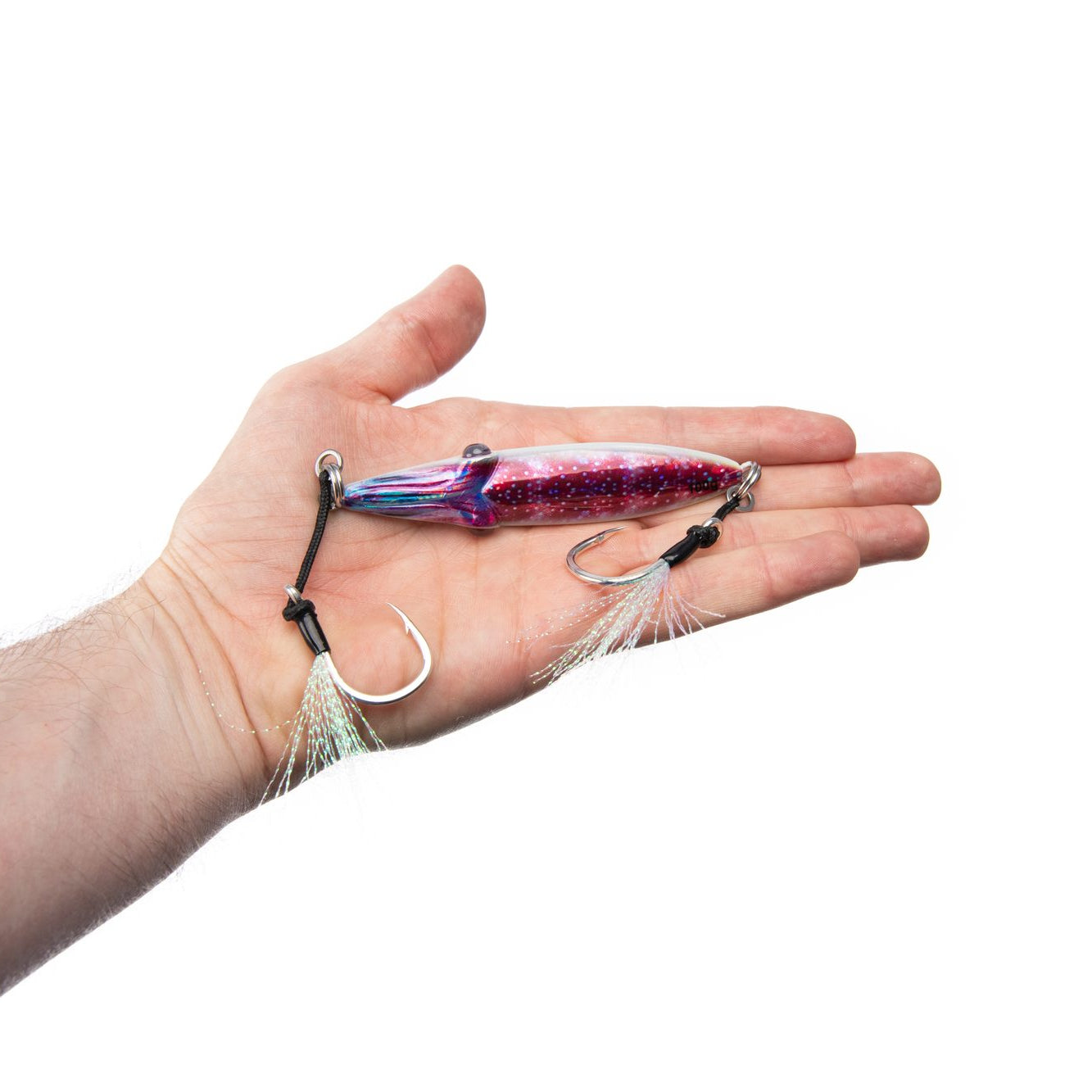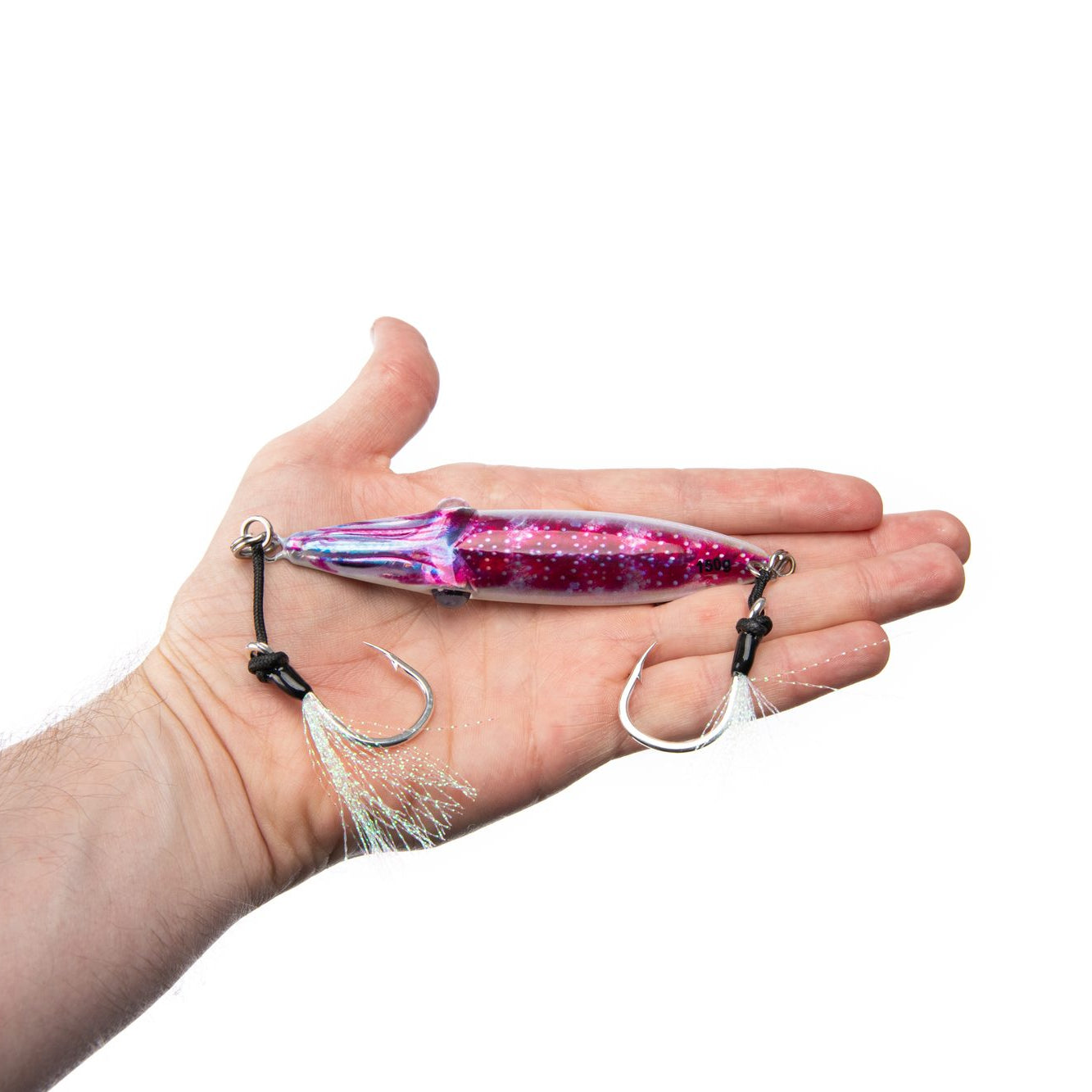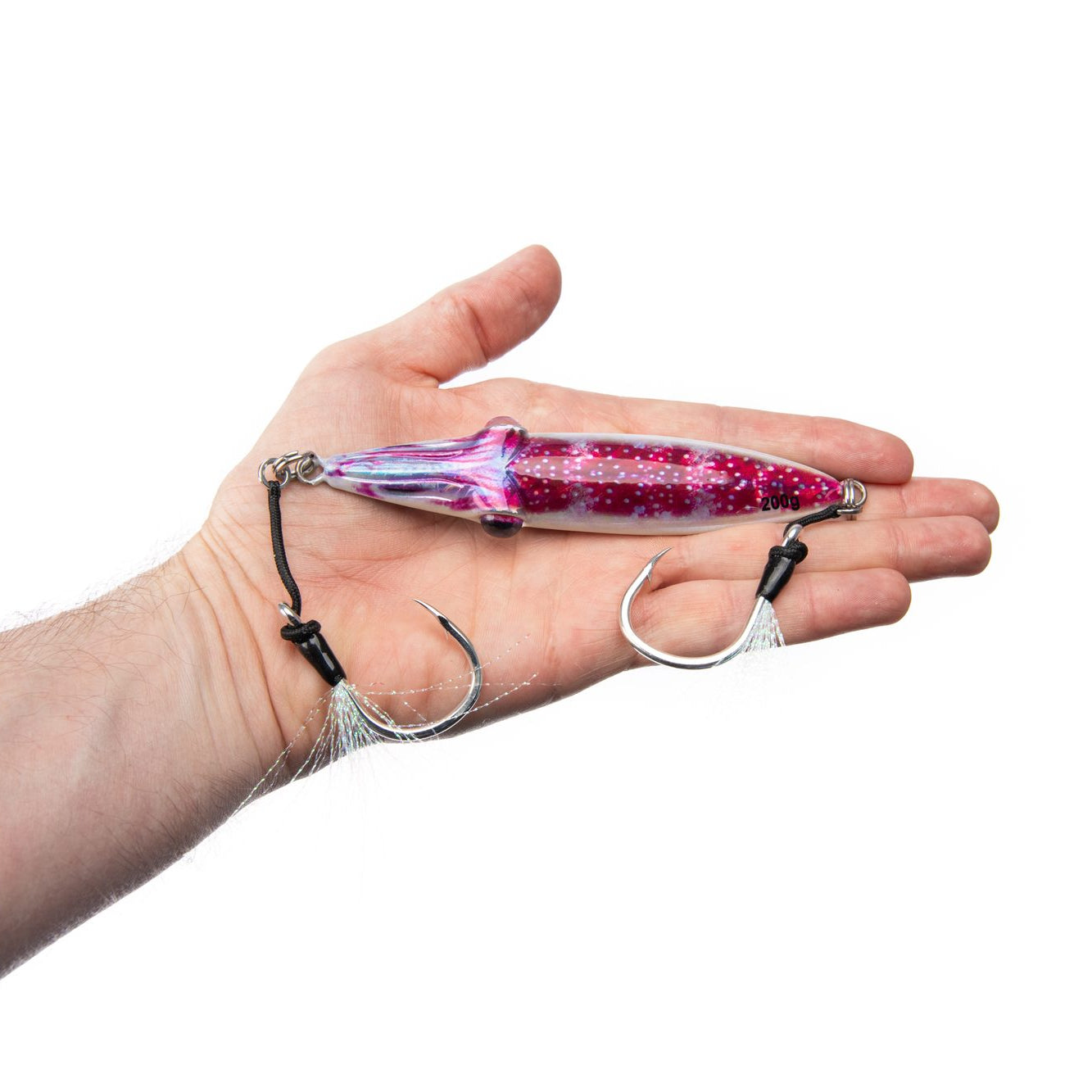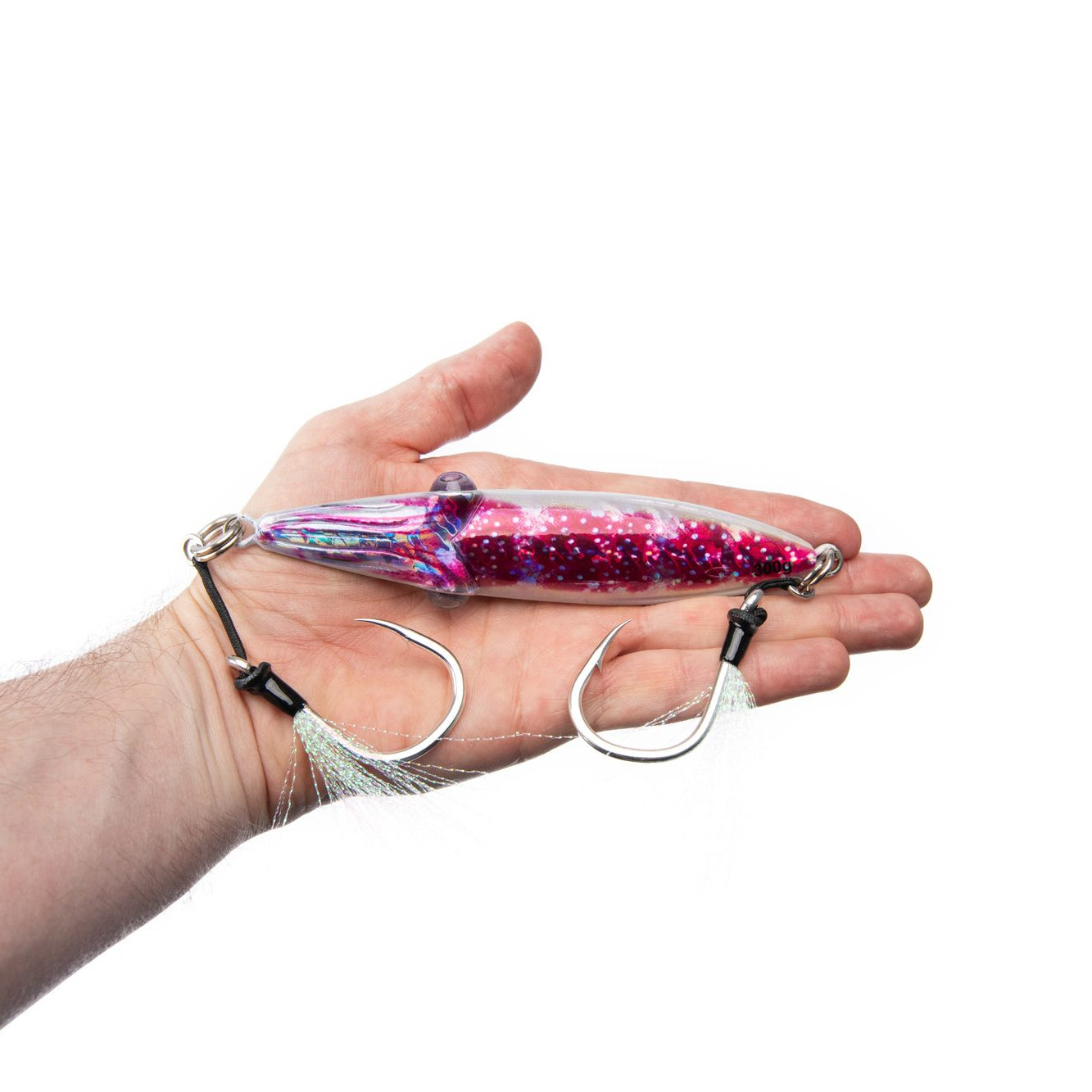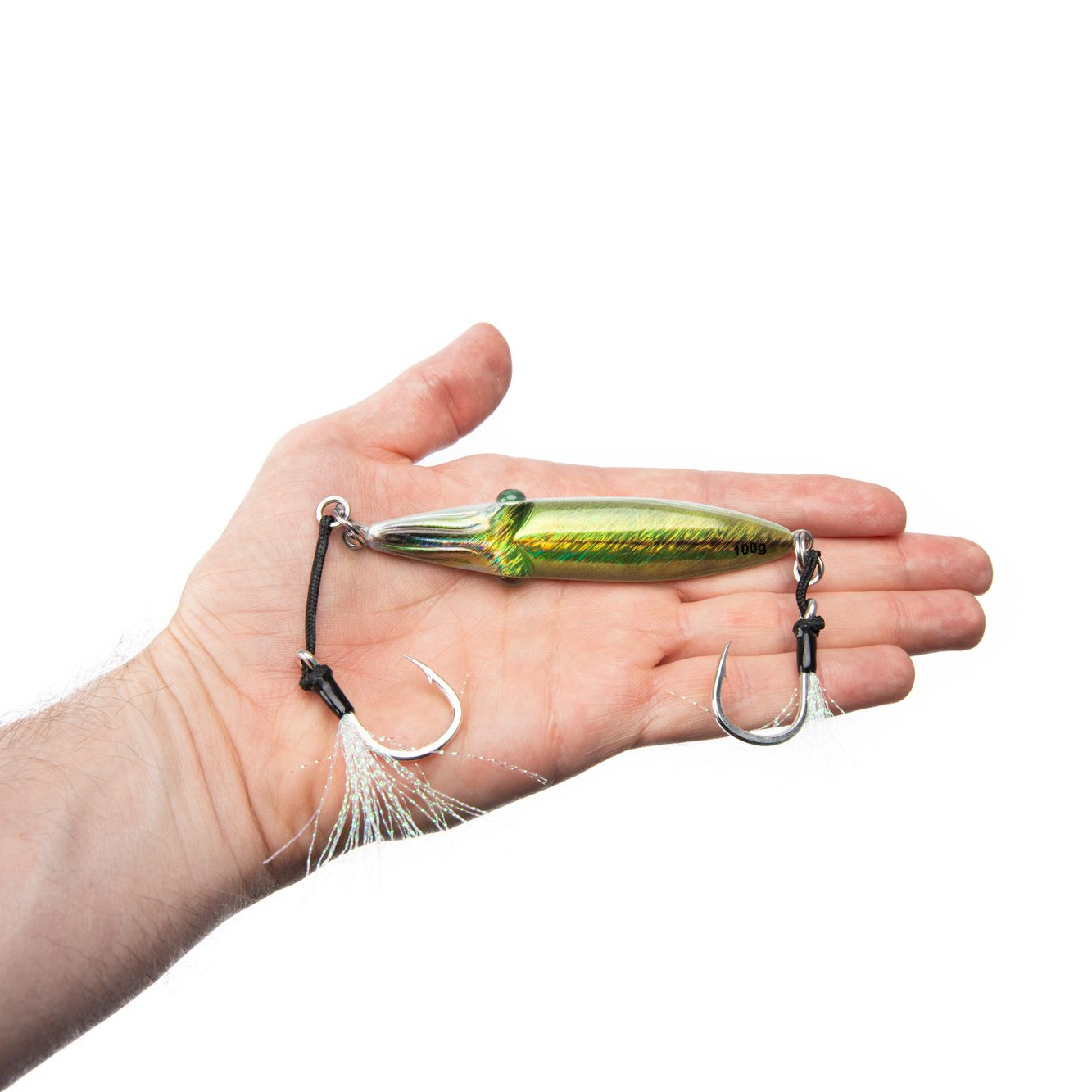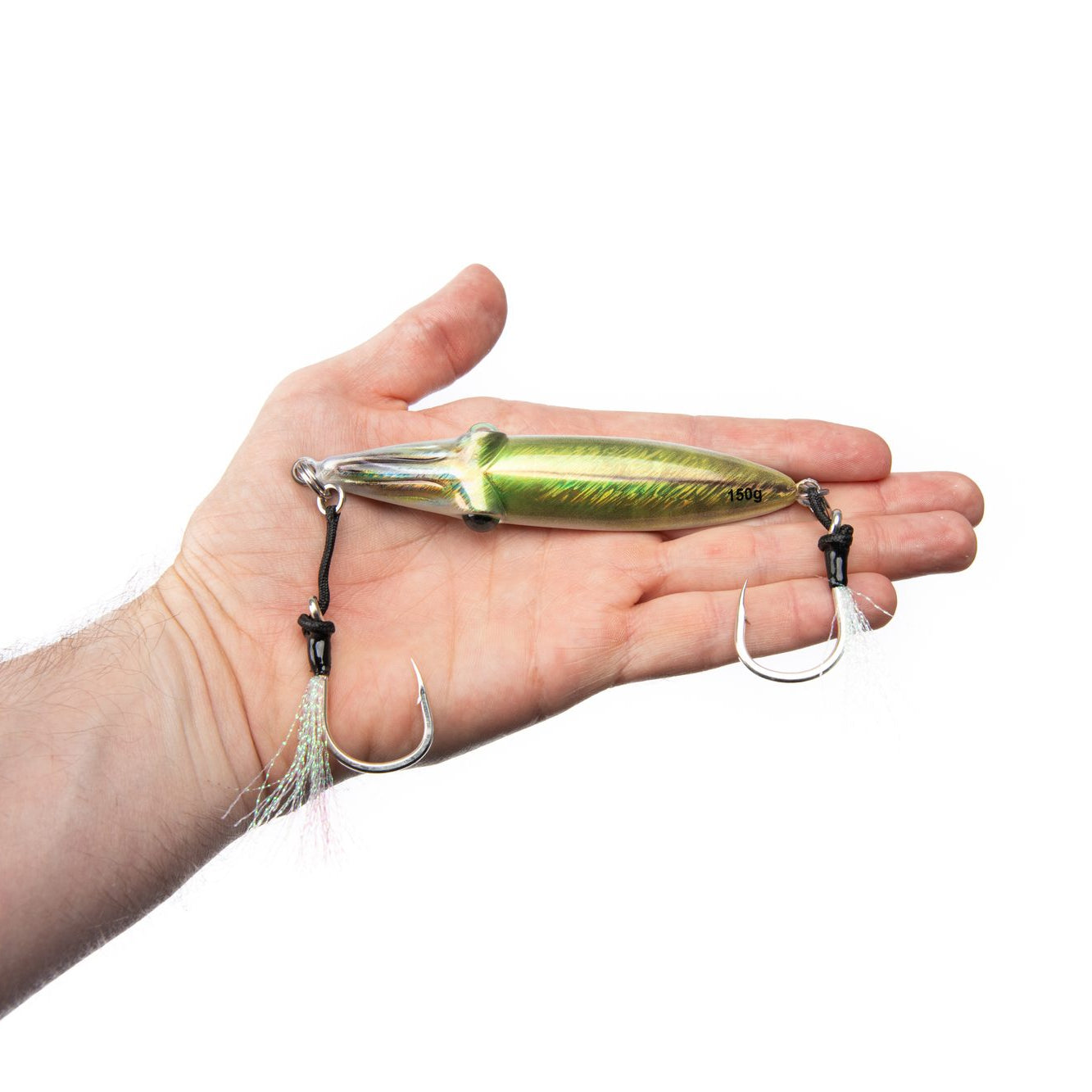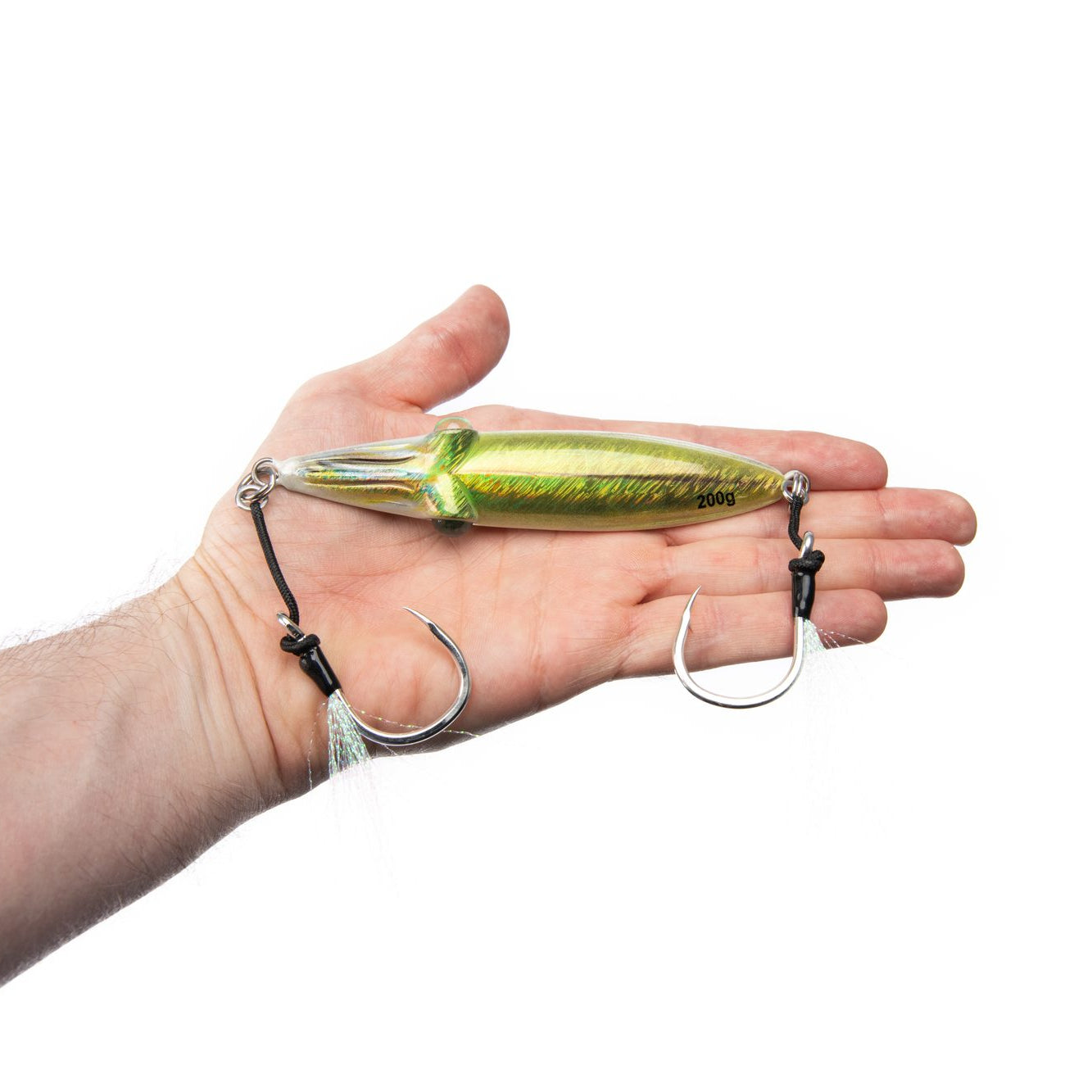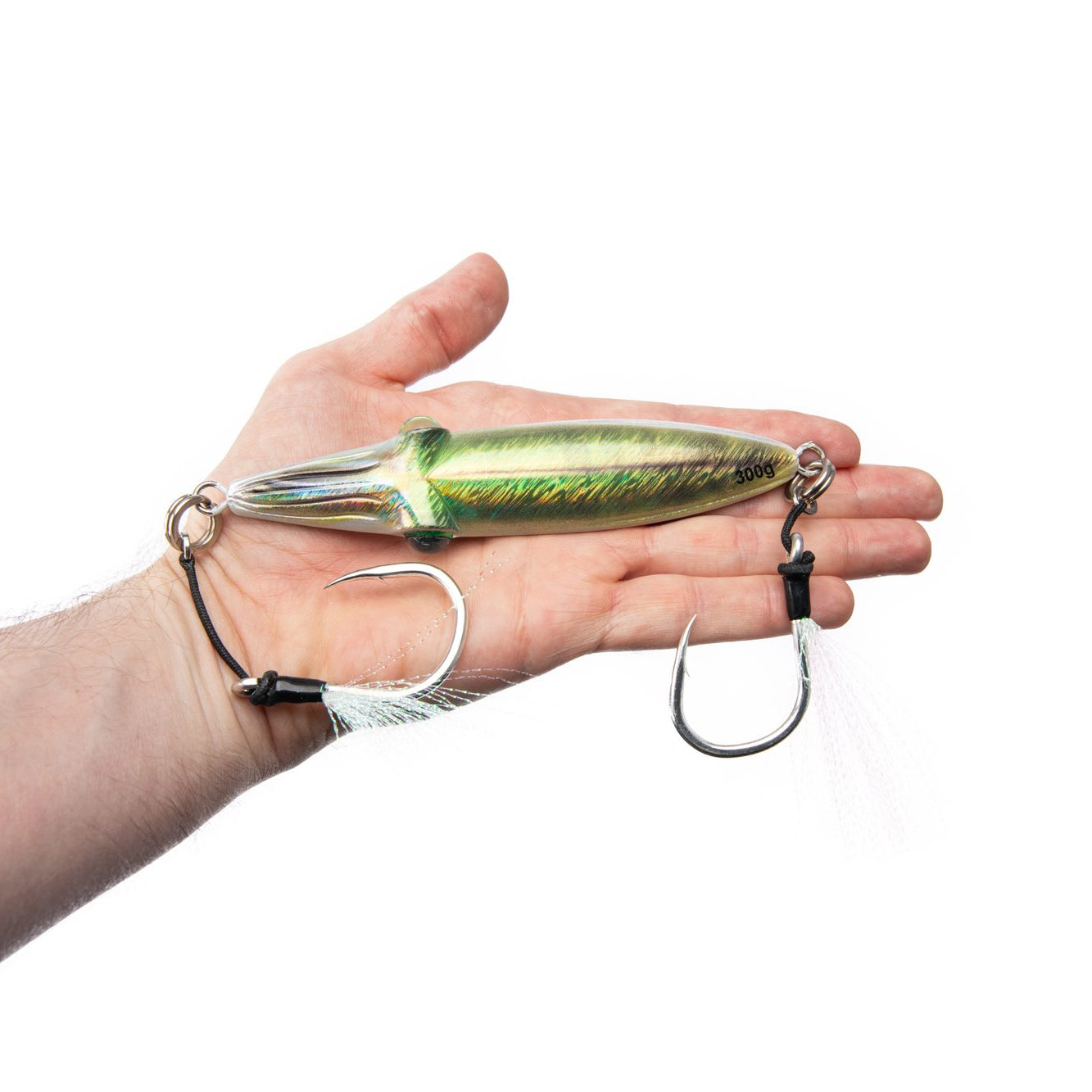
S-Shaped Deep Drop Action.
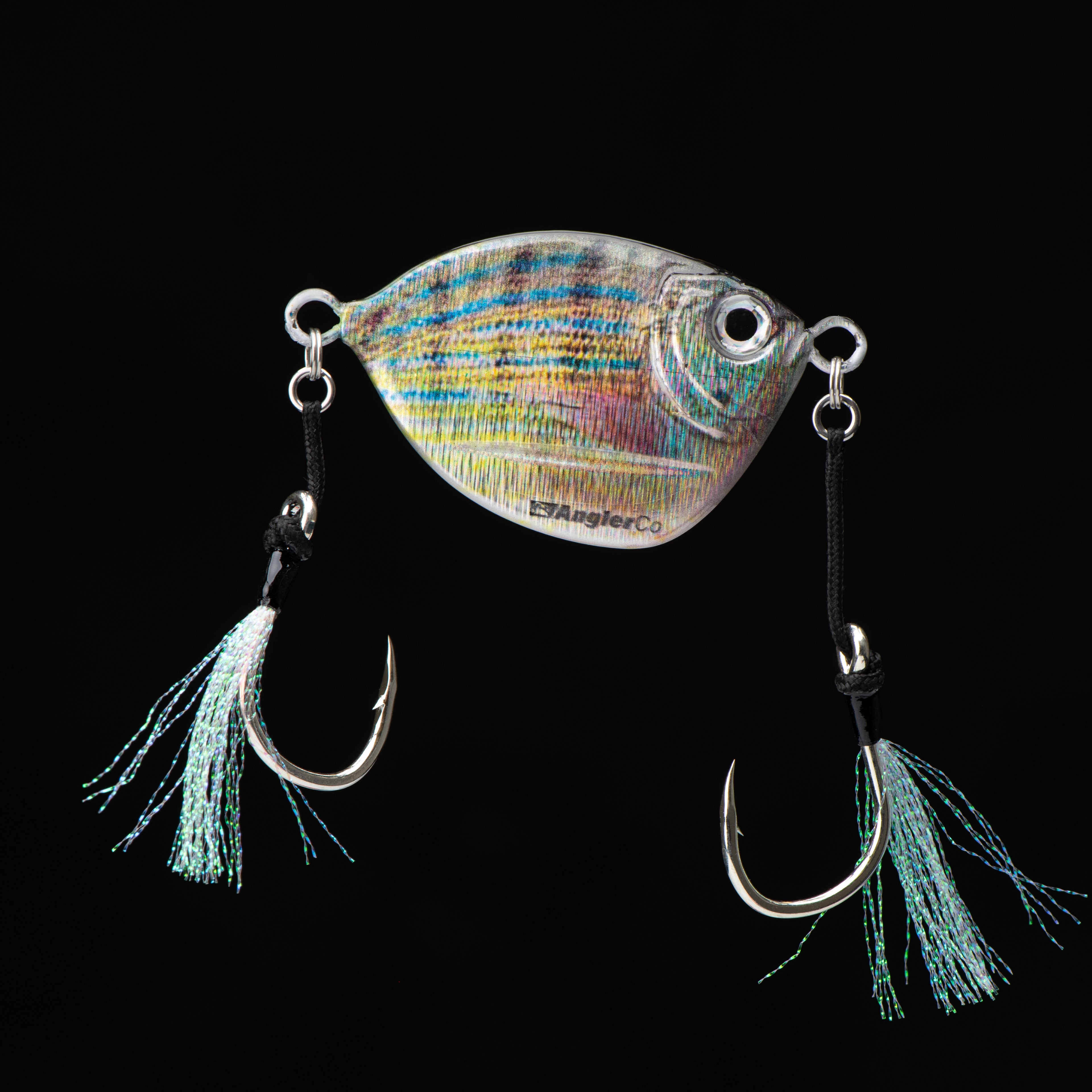
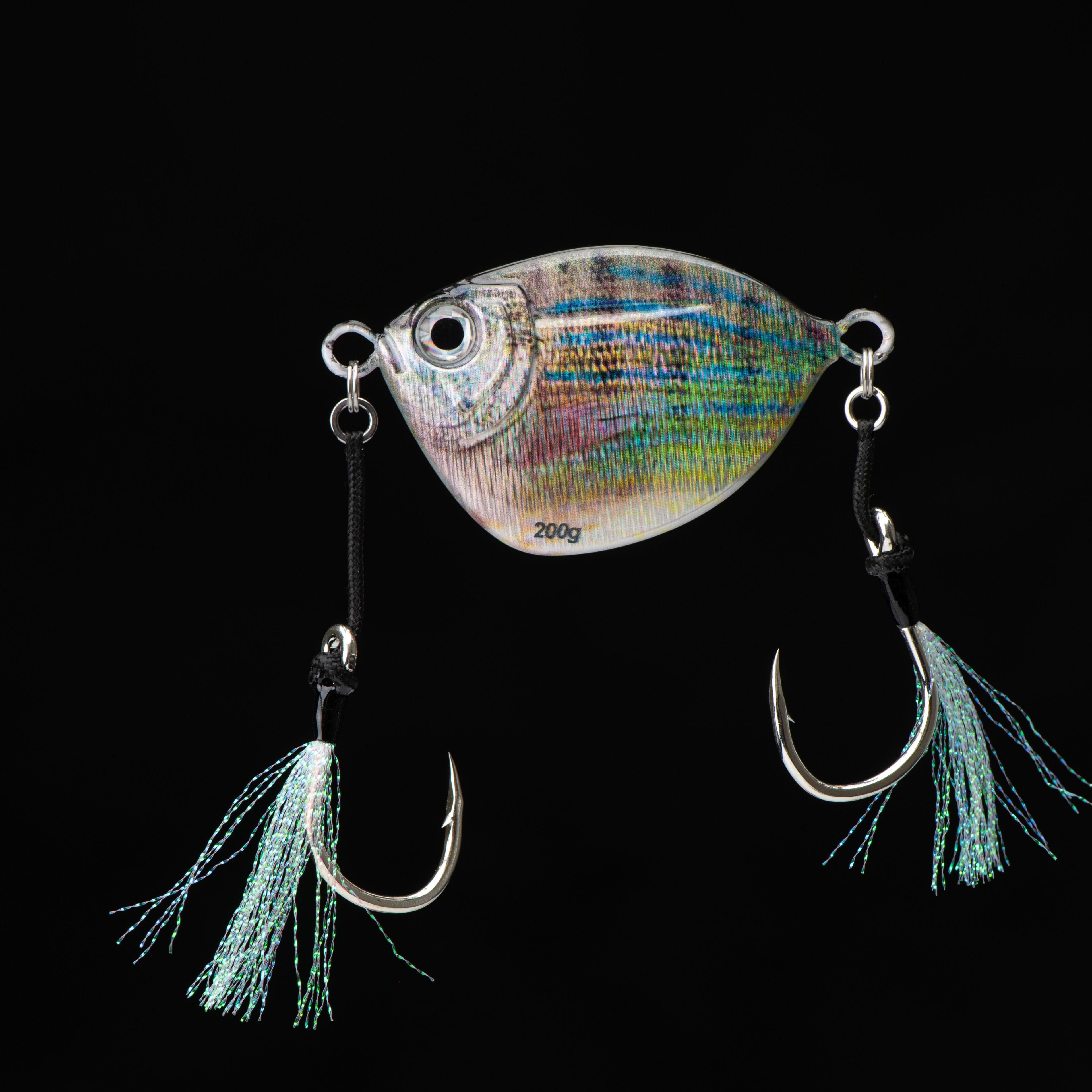
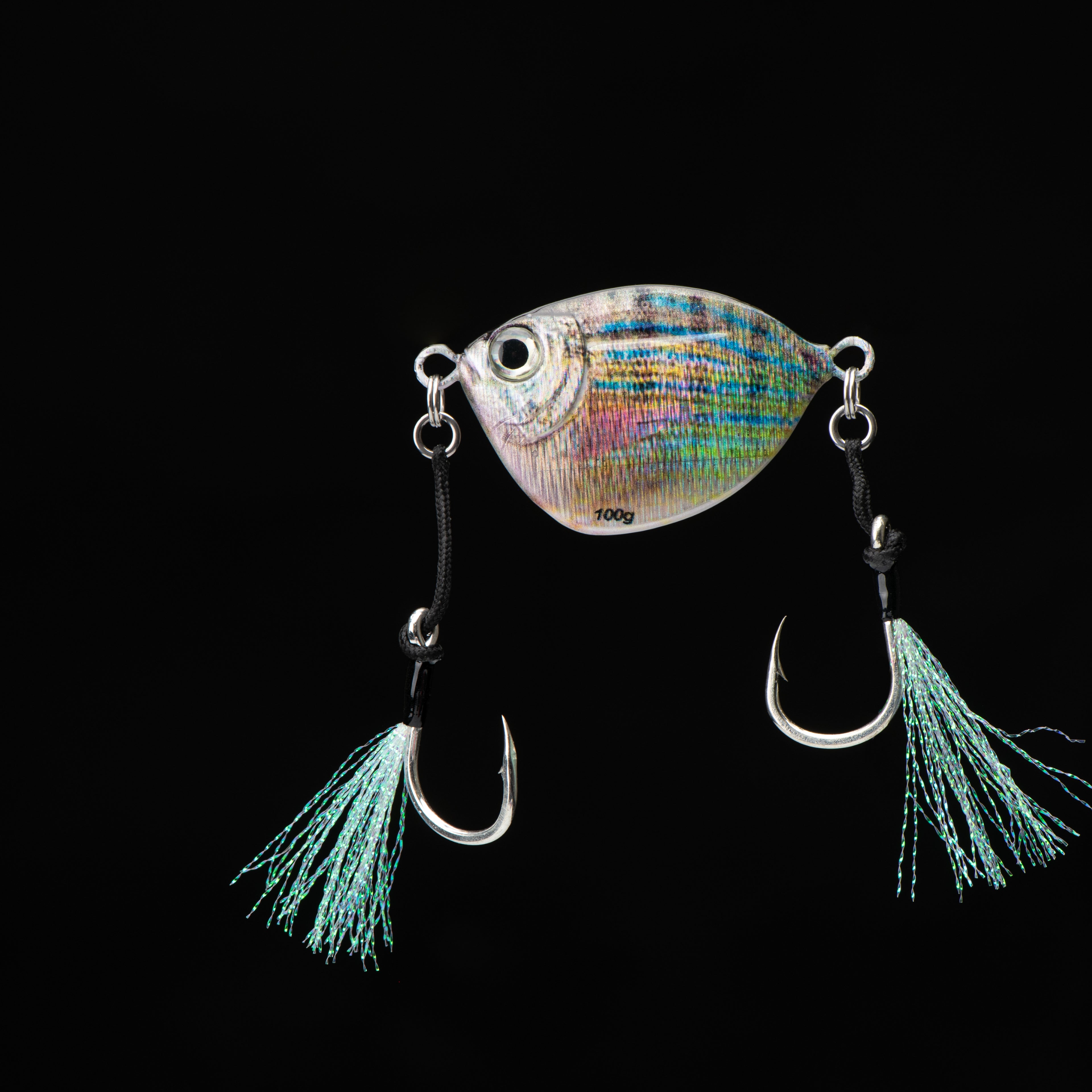
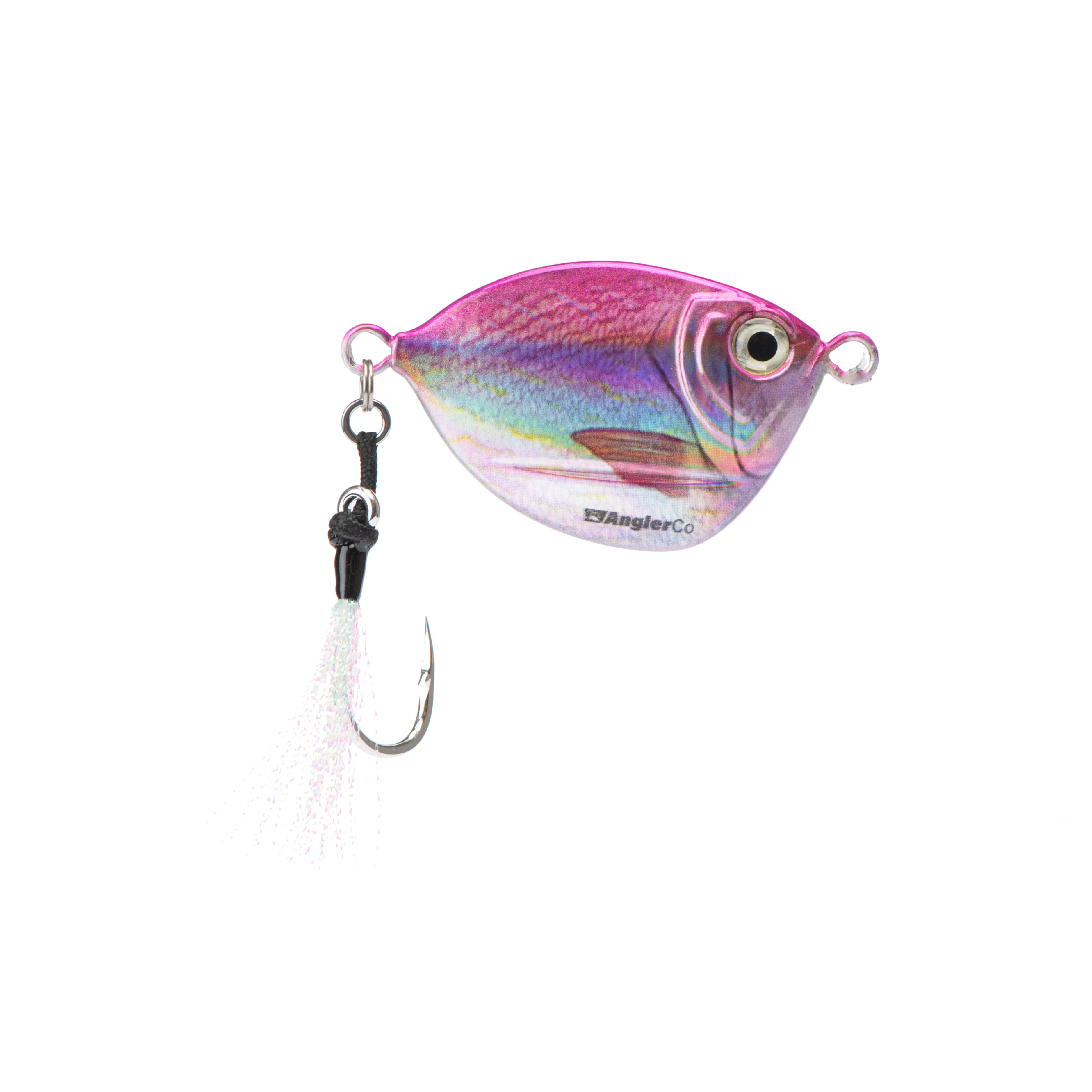
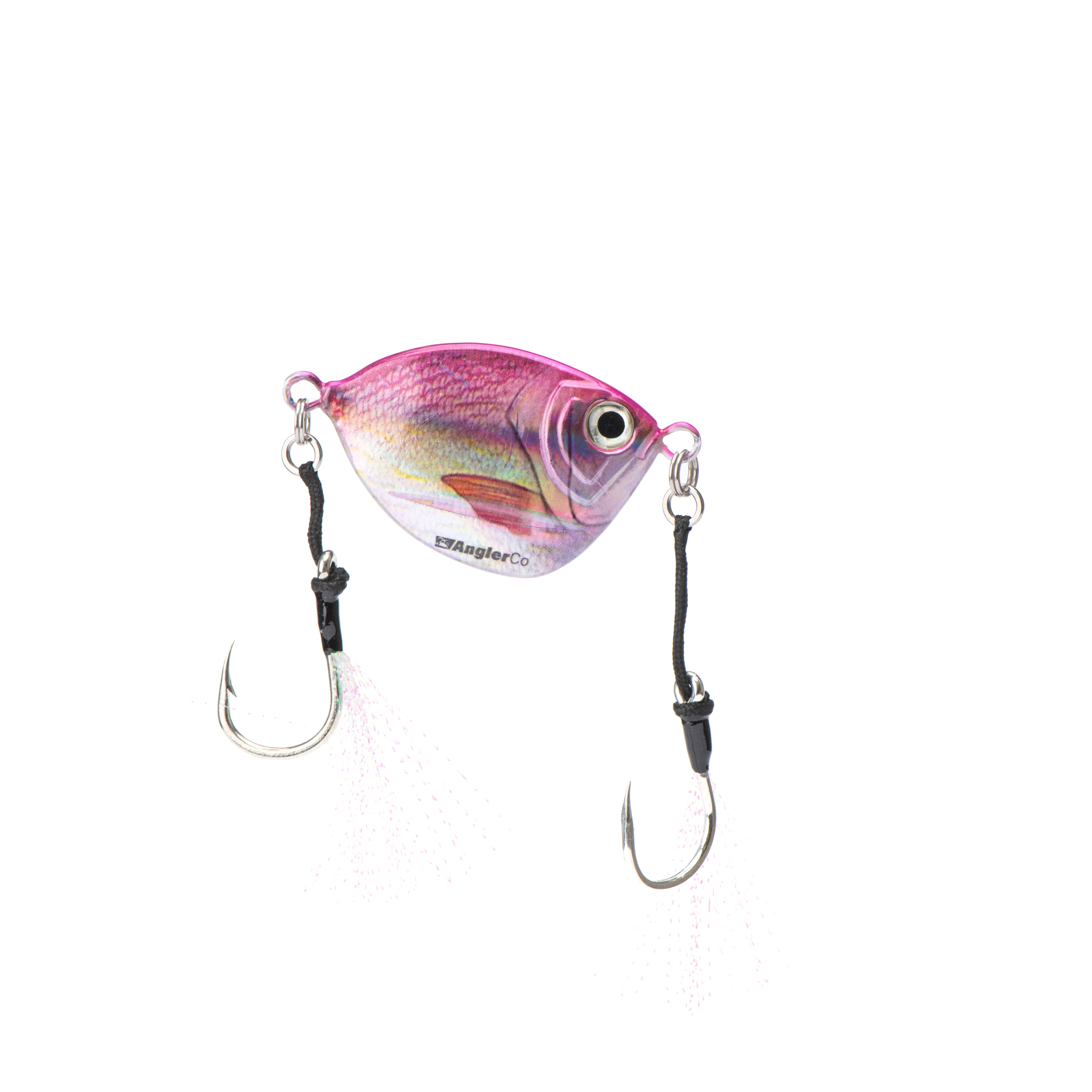
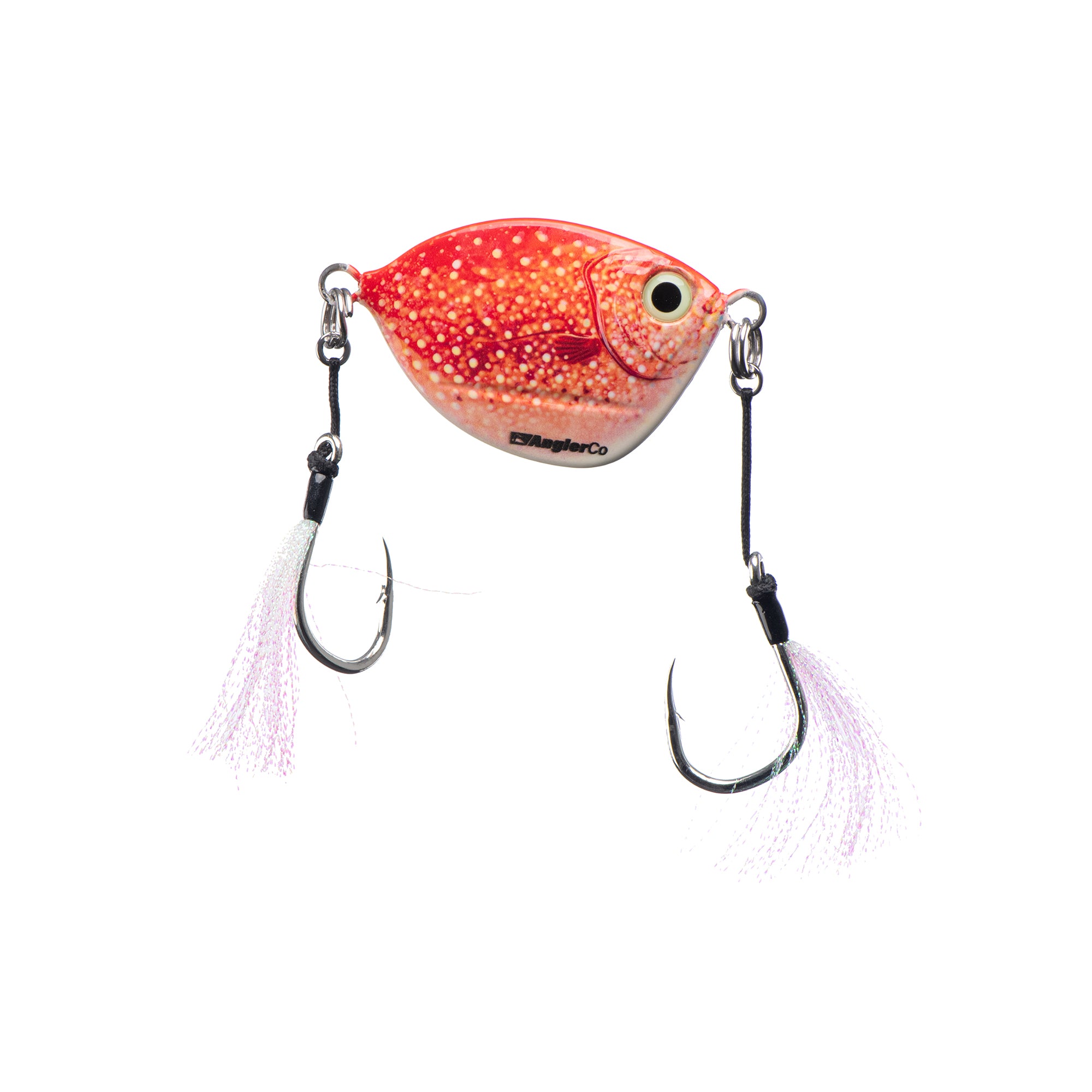
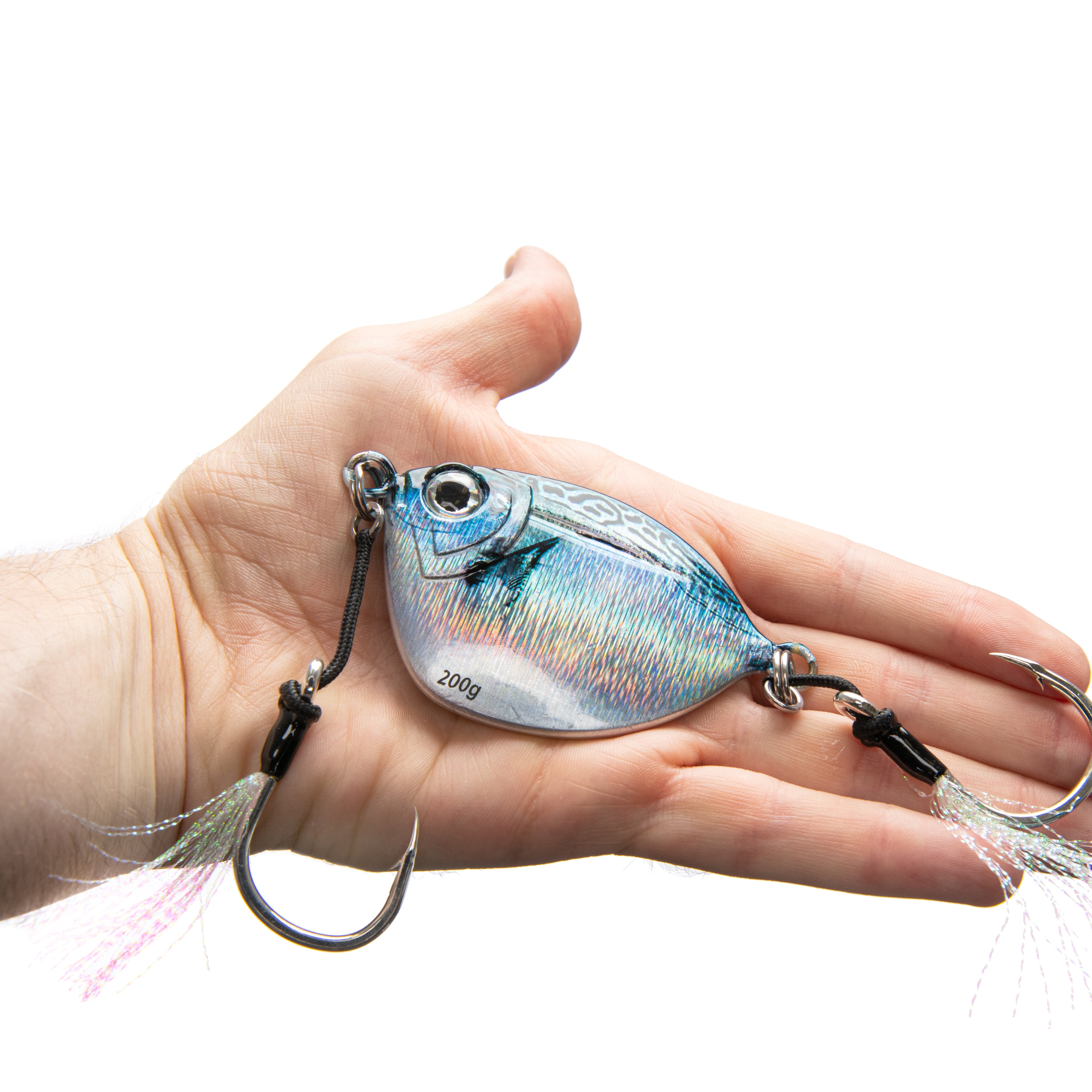
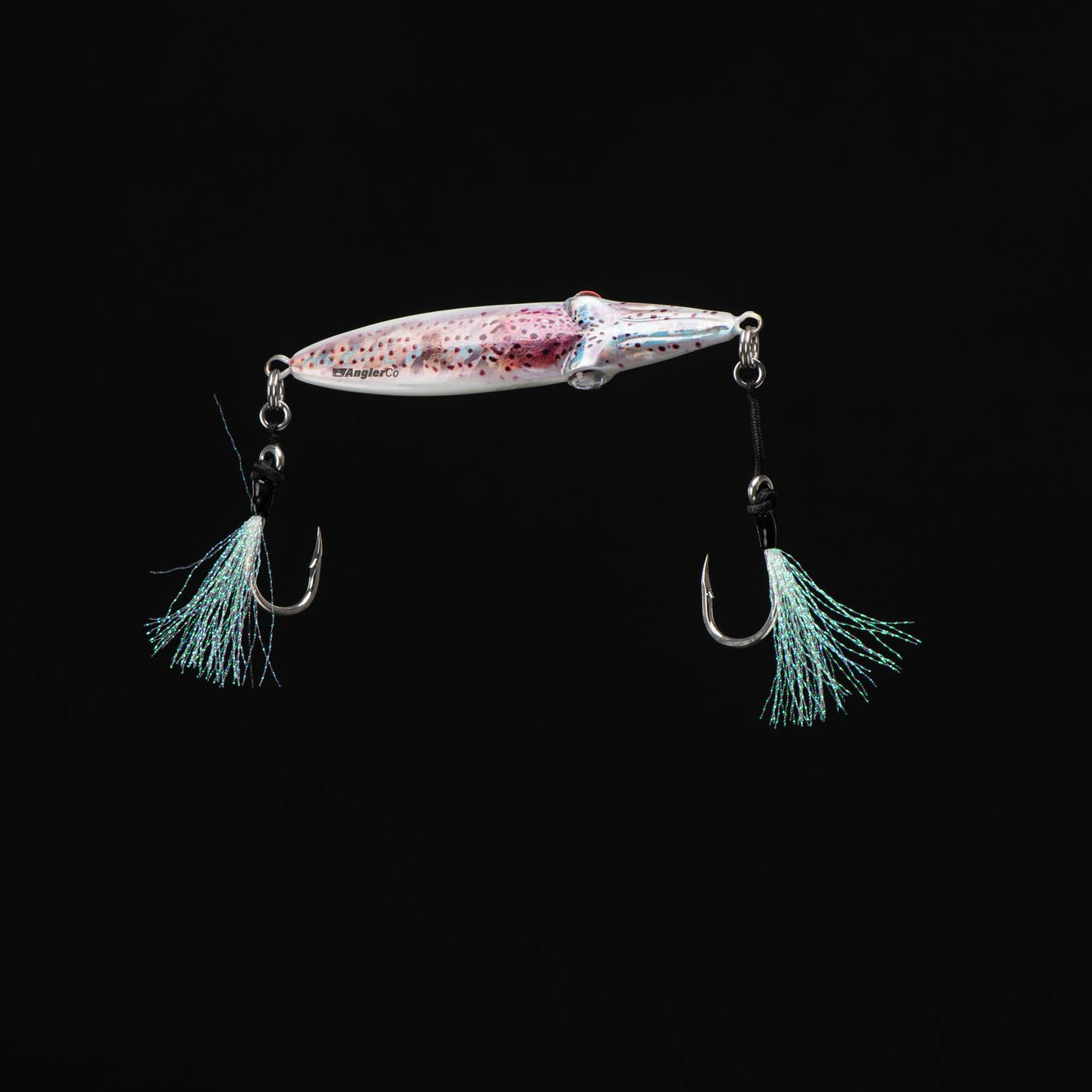
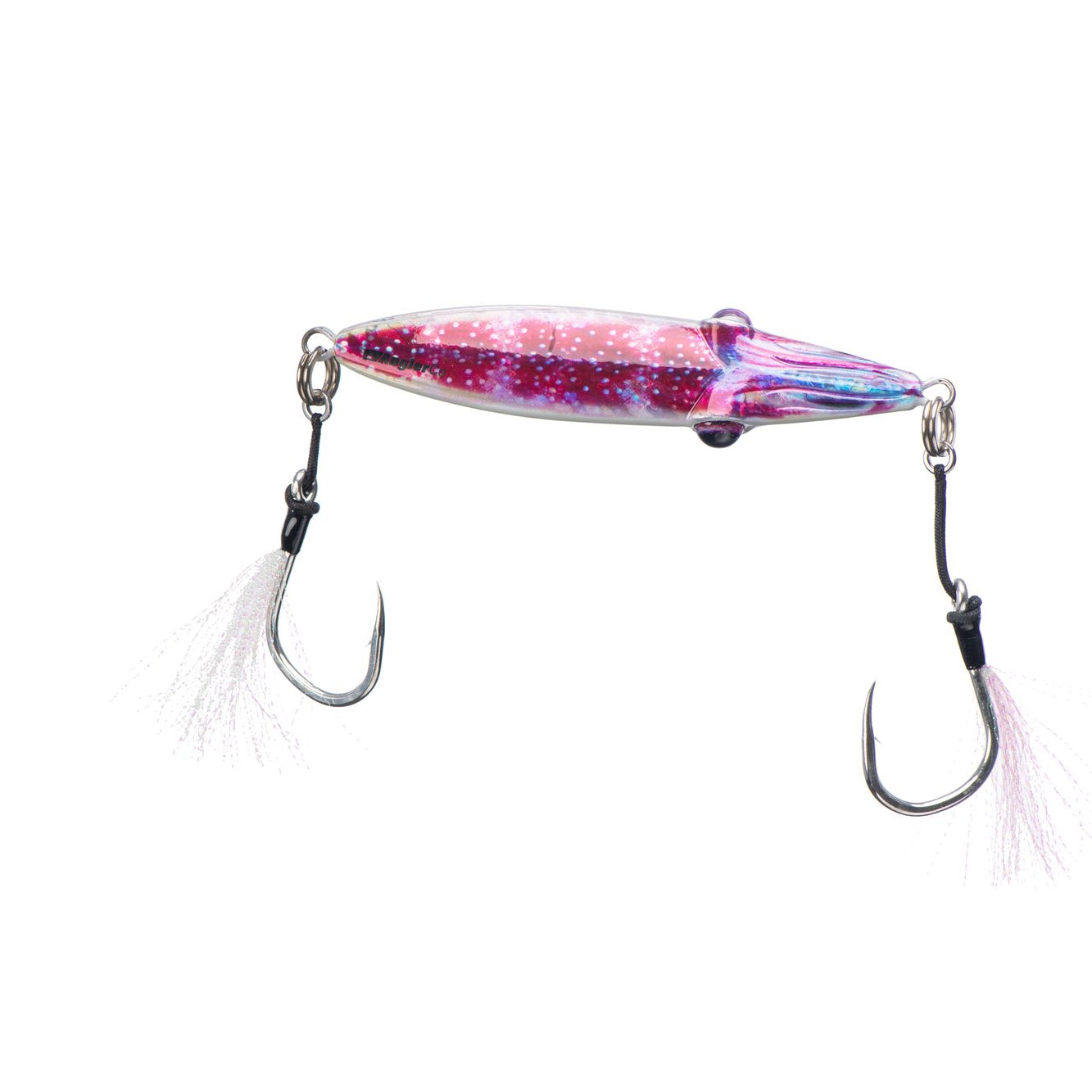
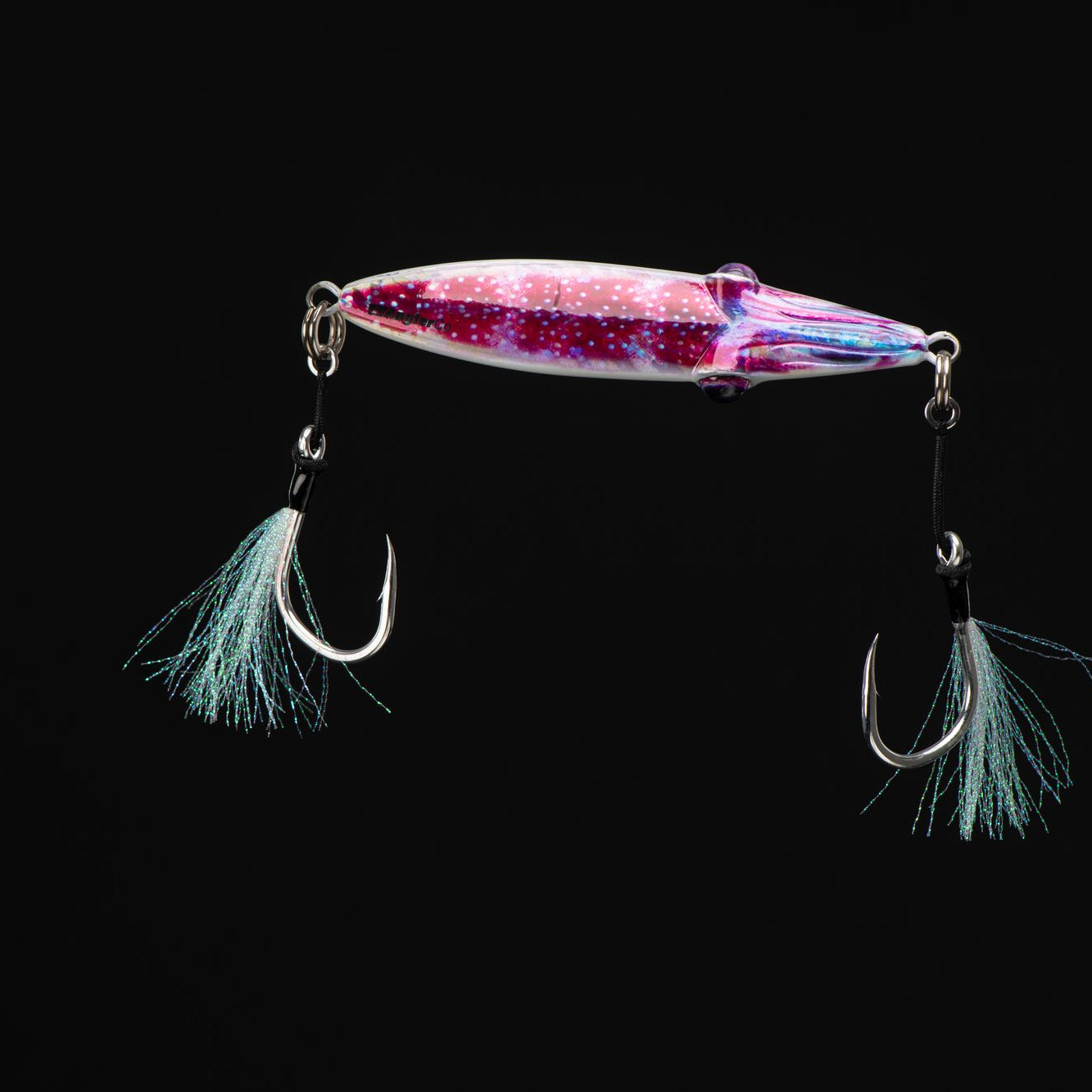
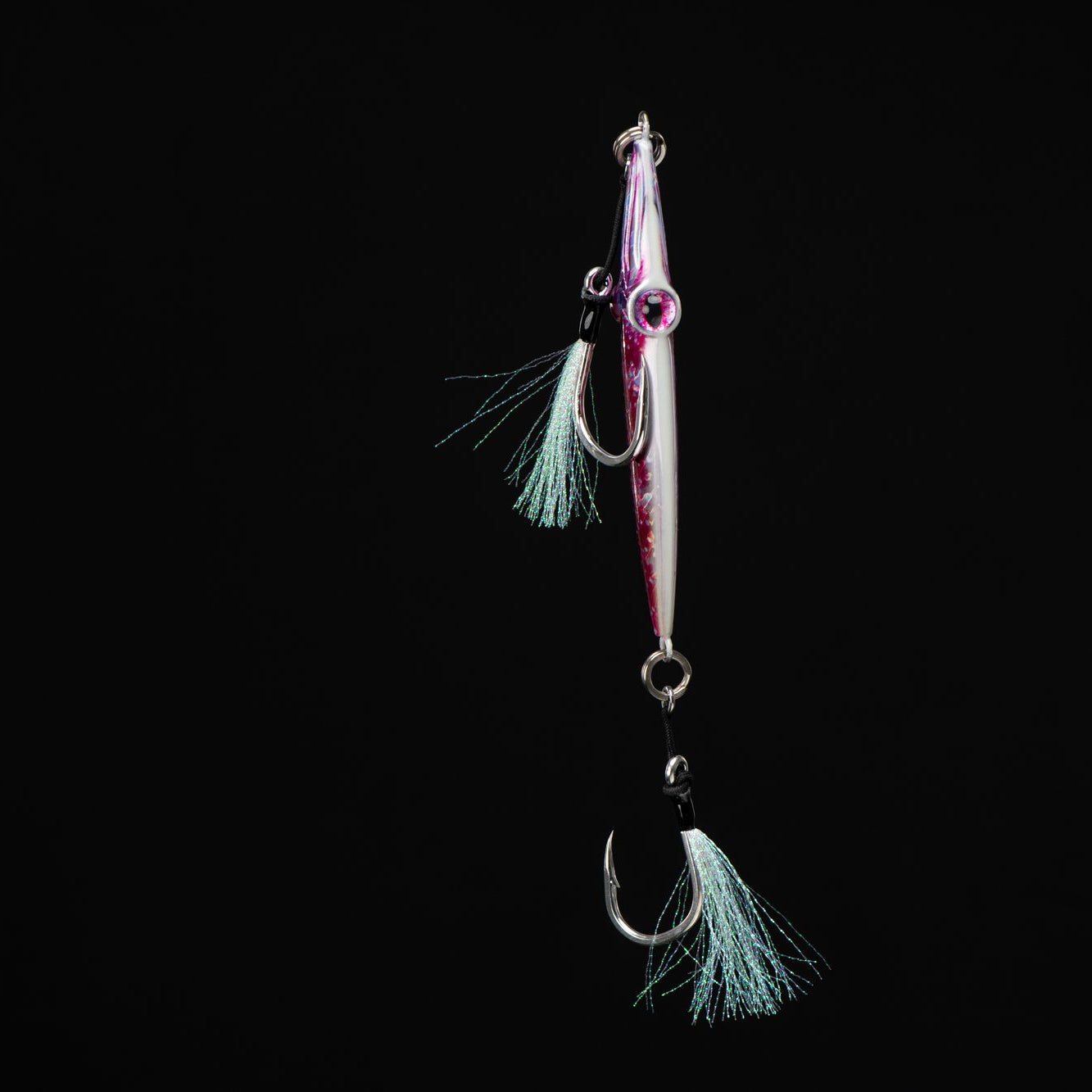
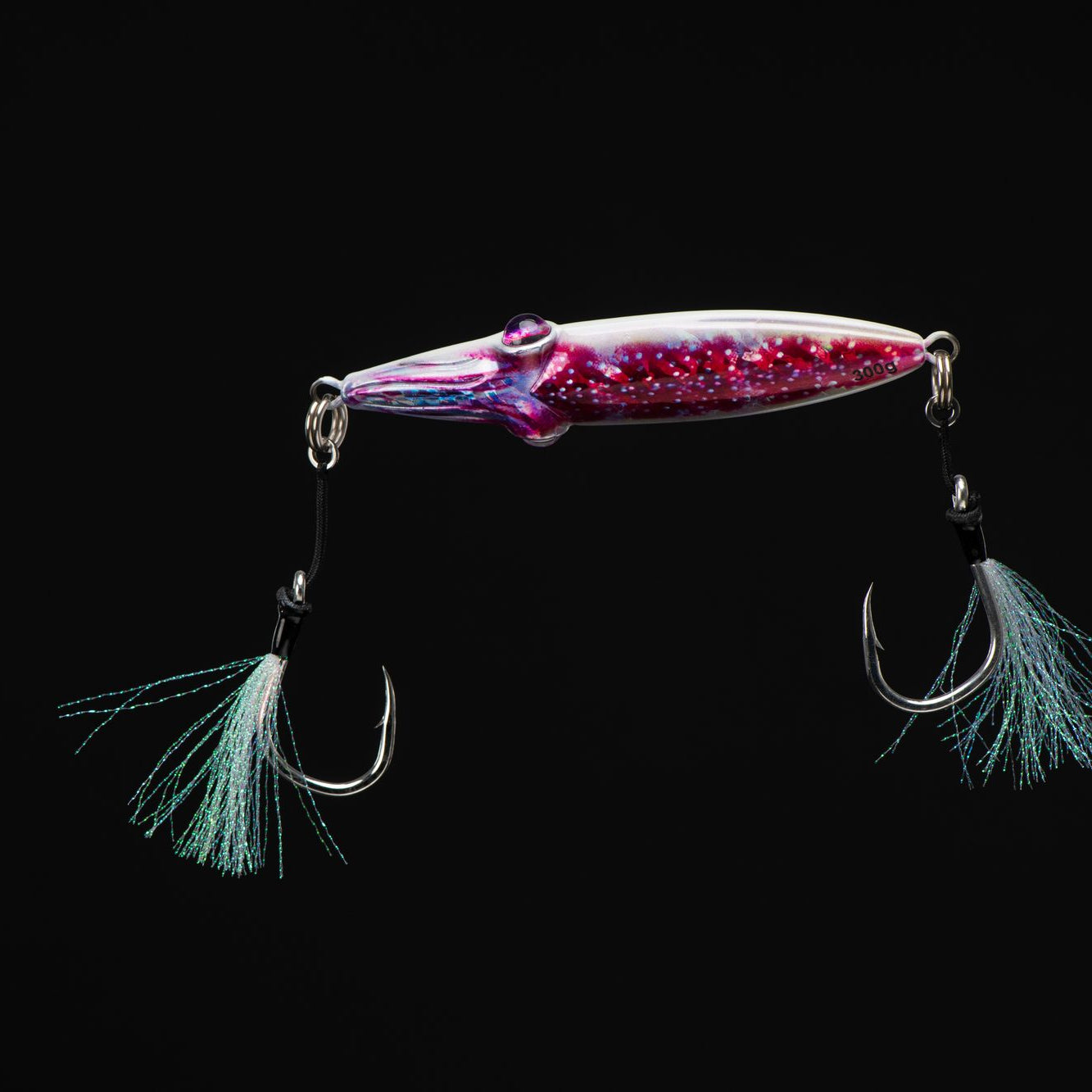
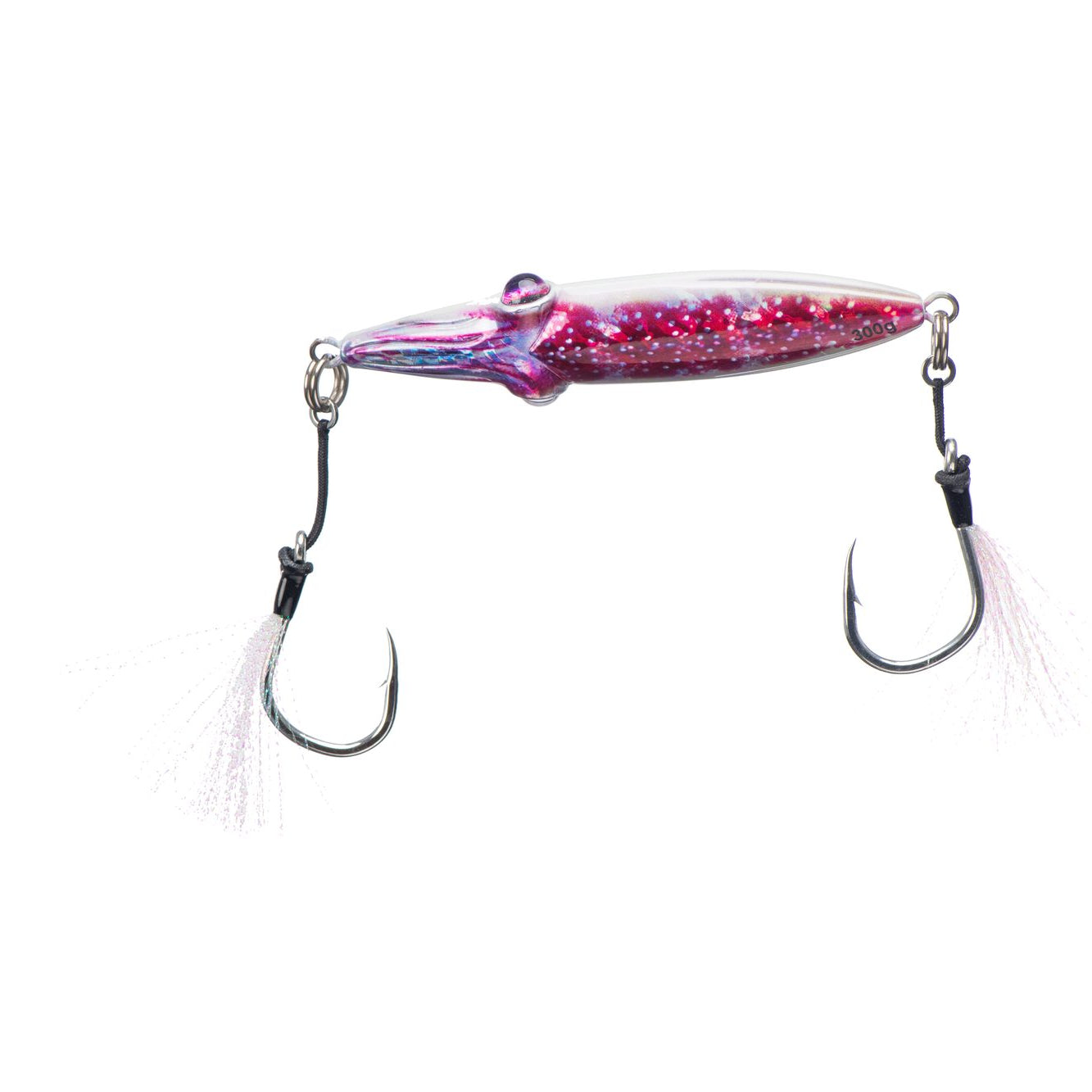
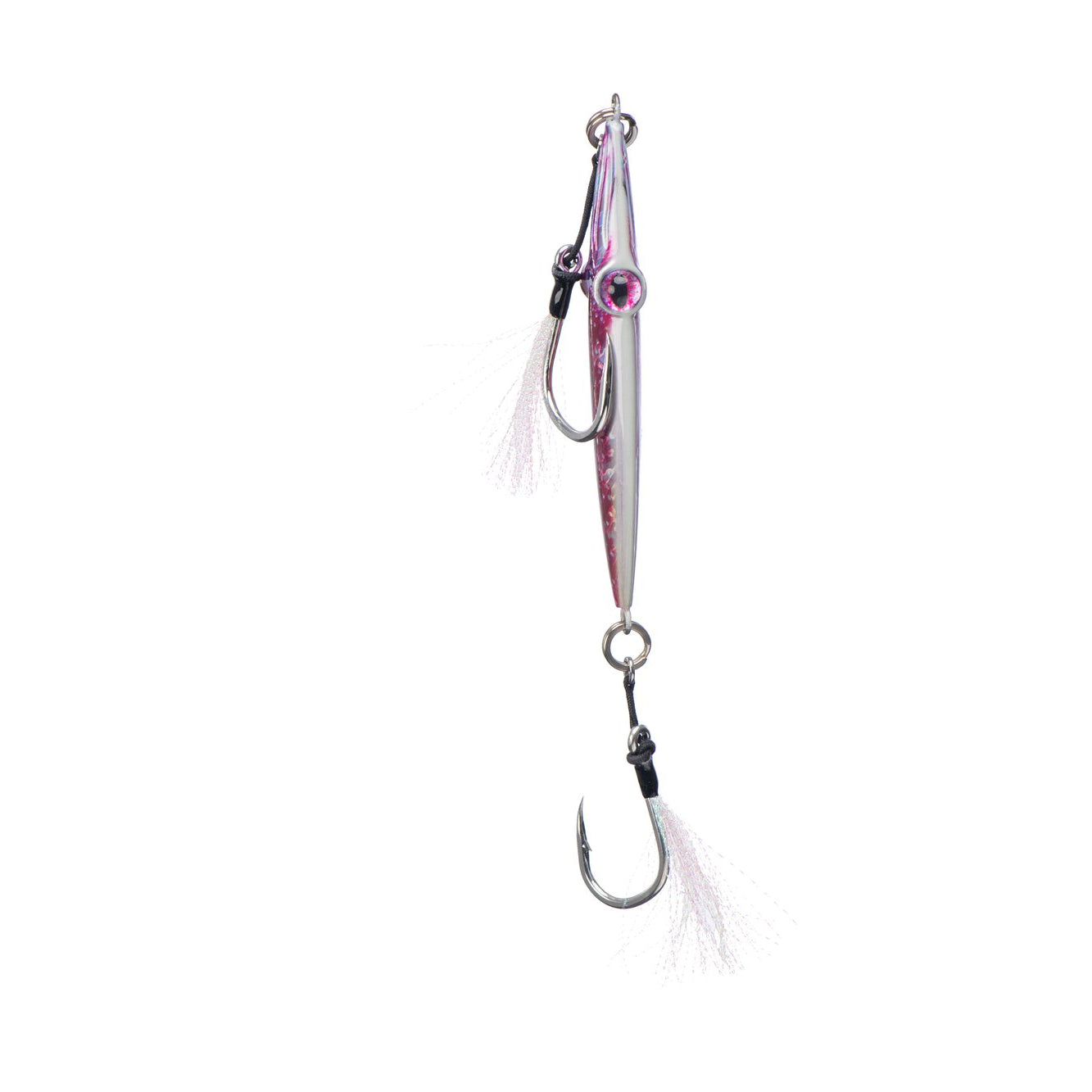
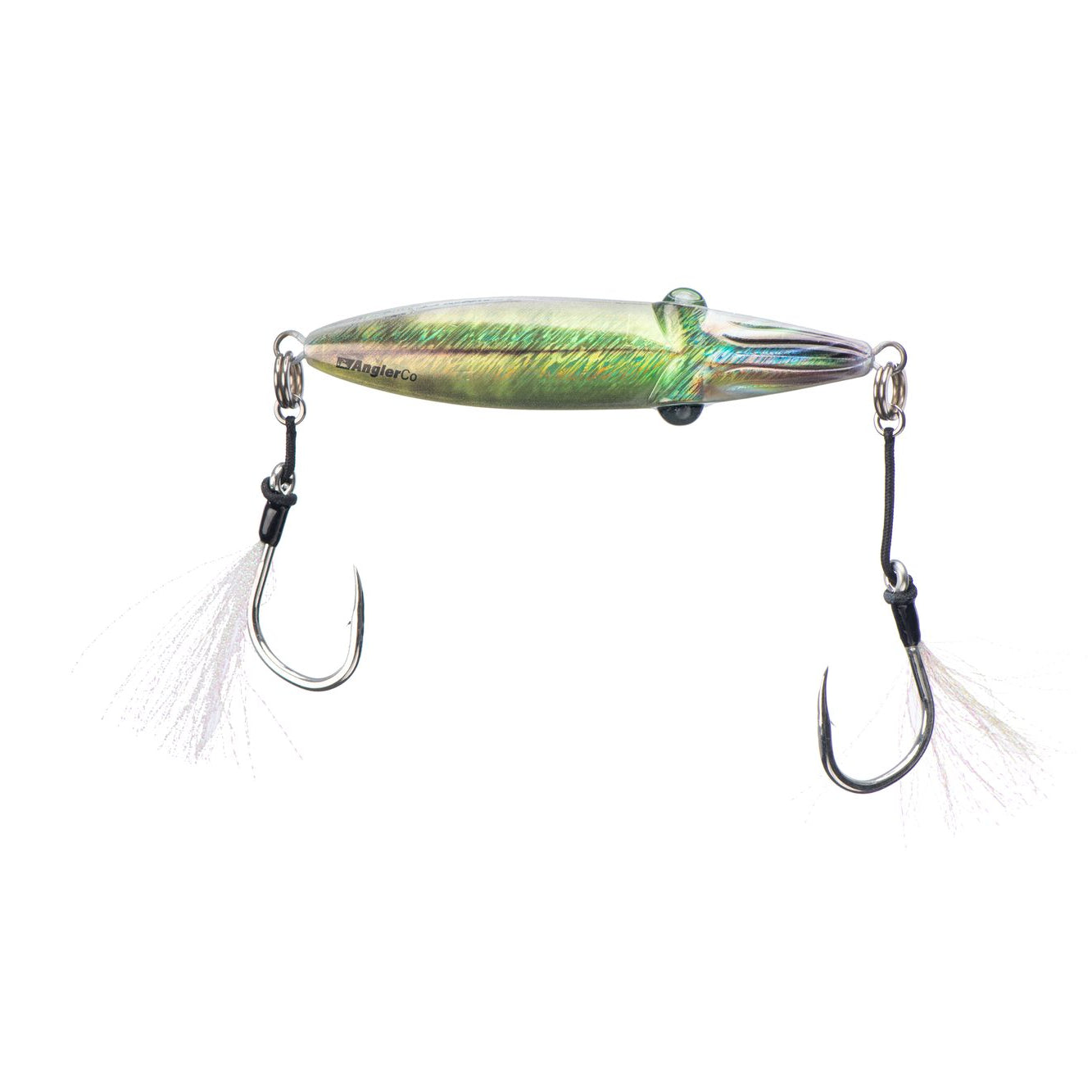
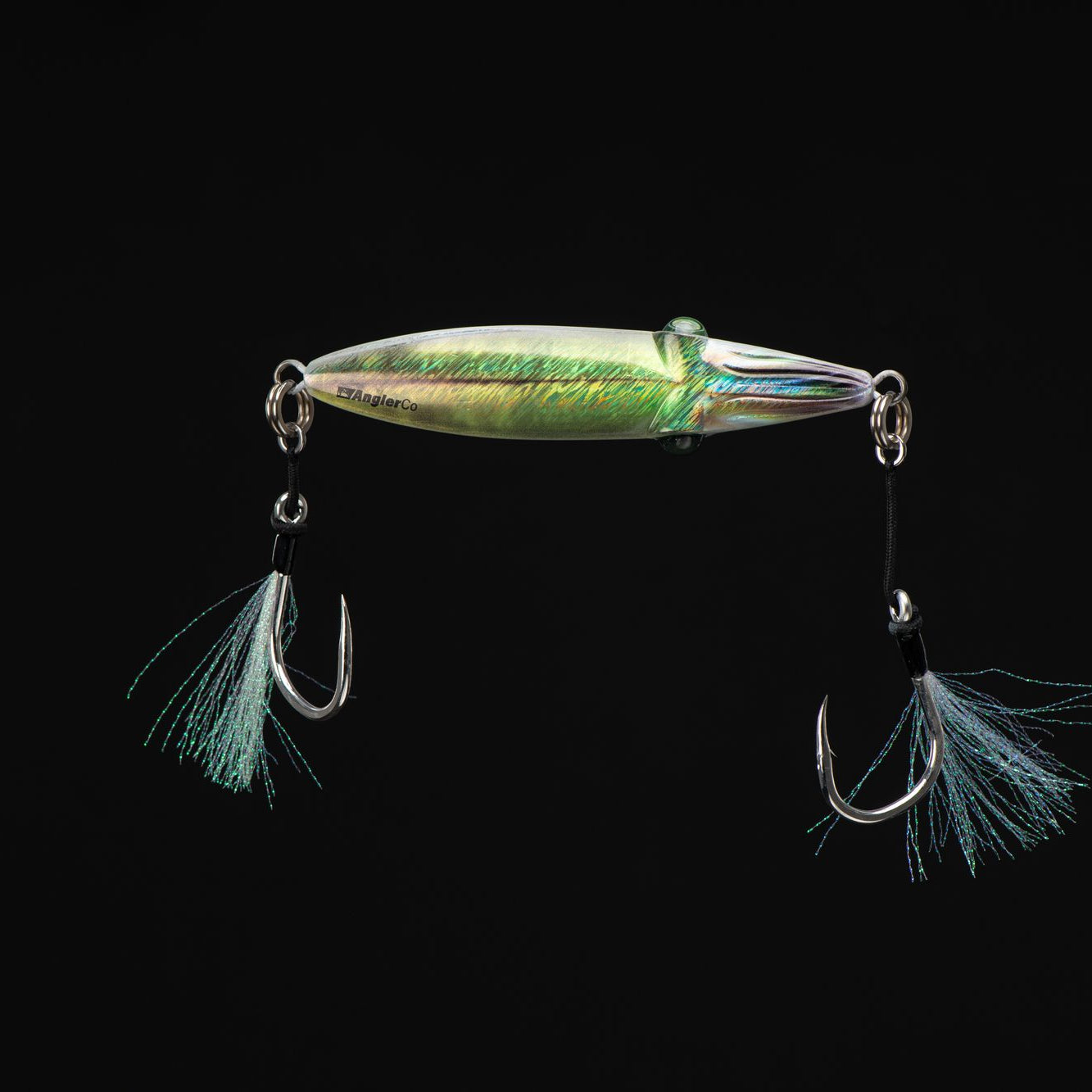
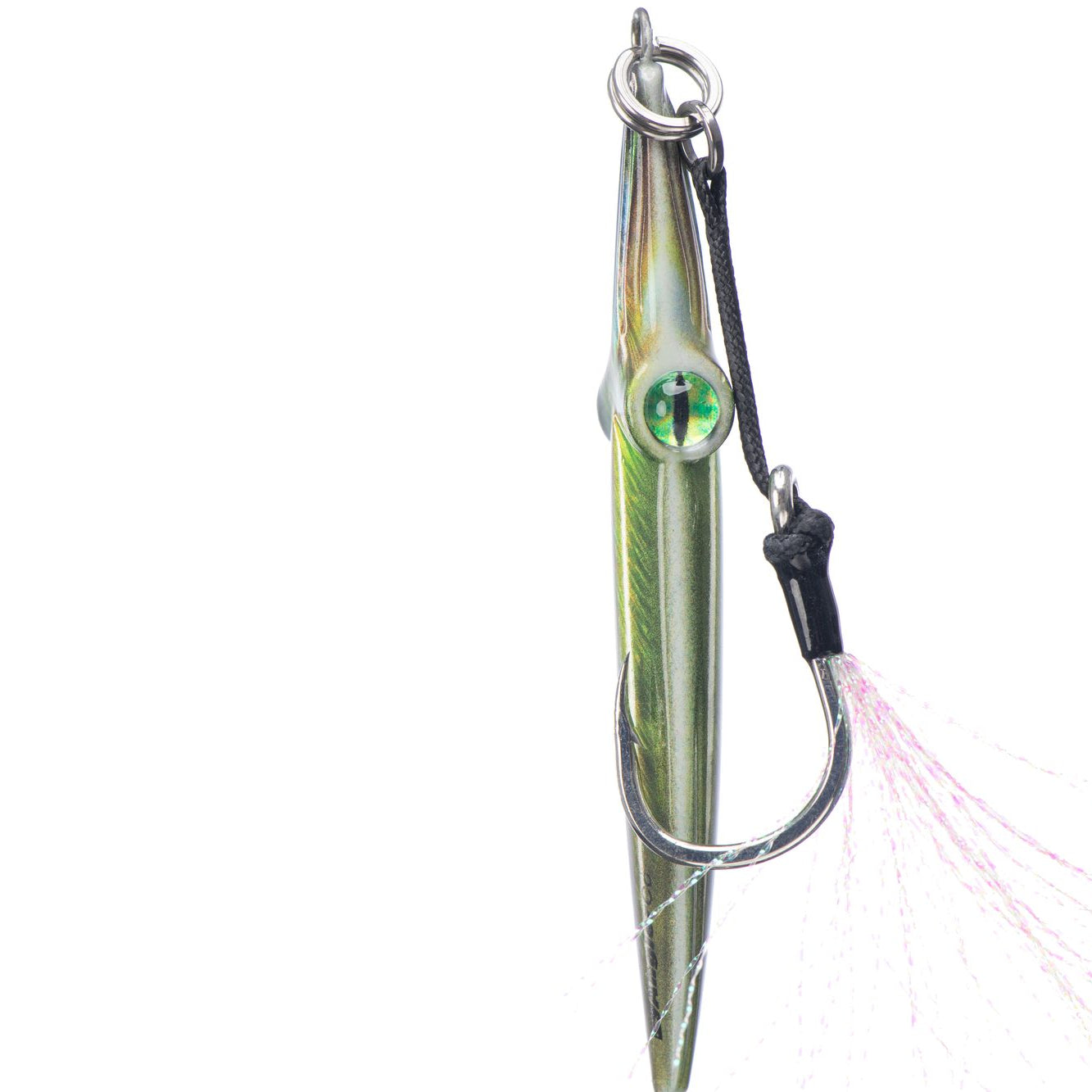
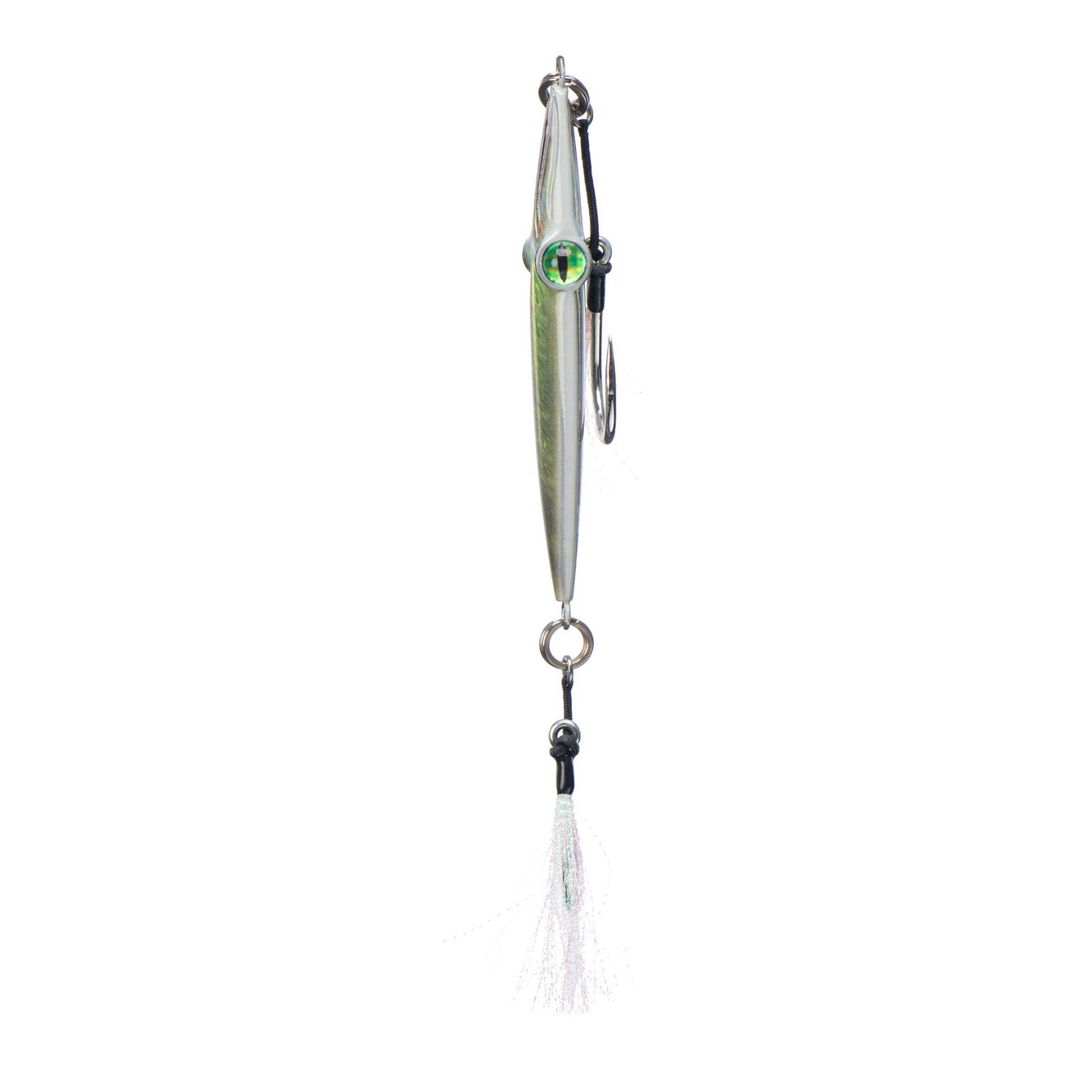
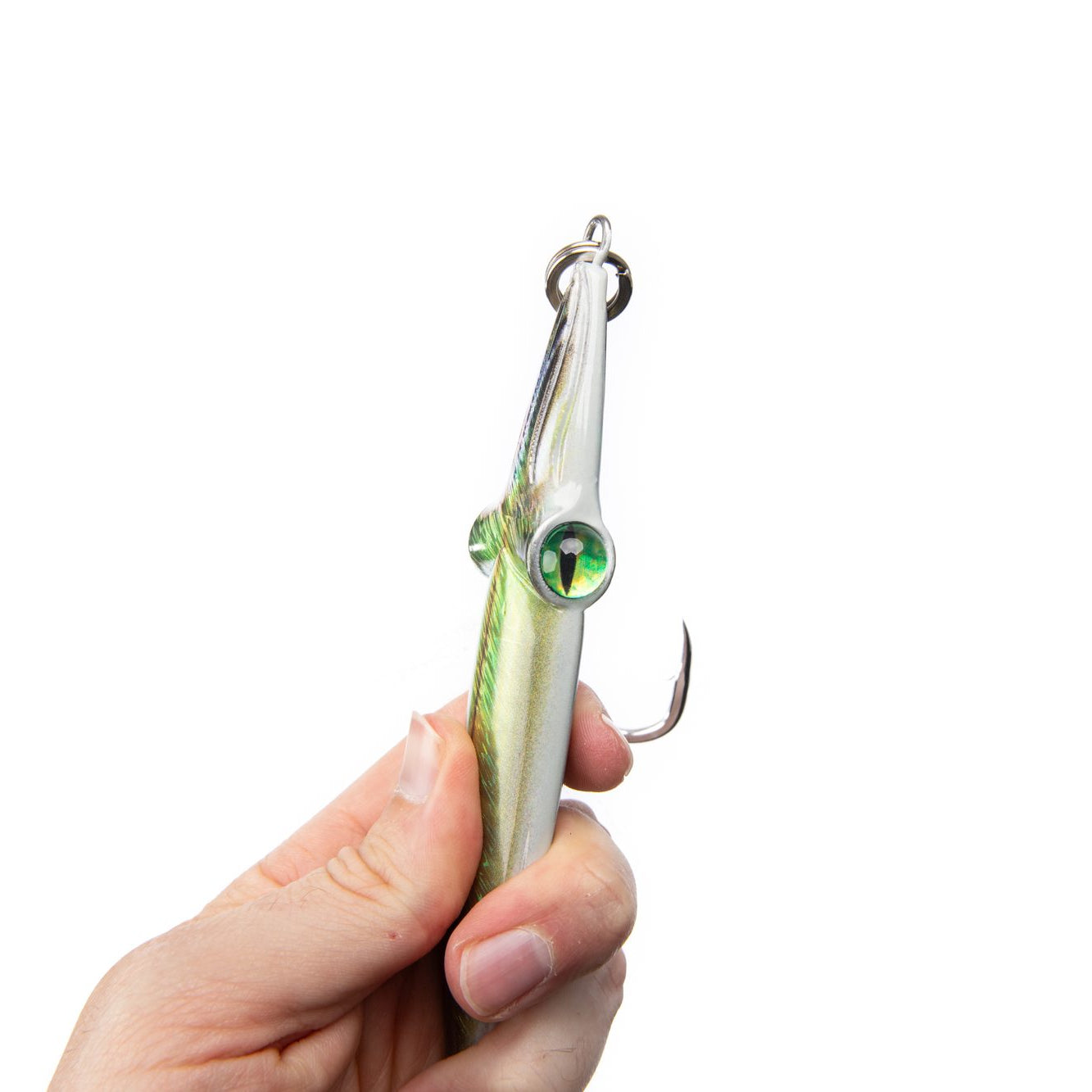
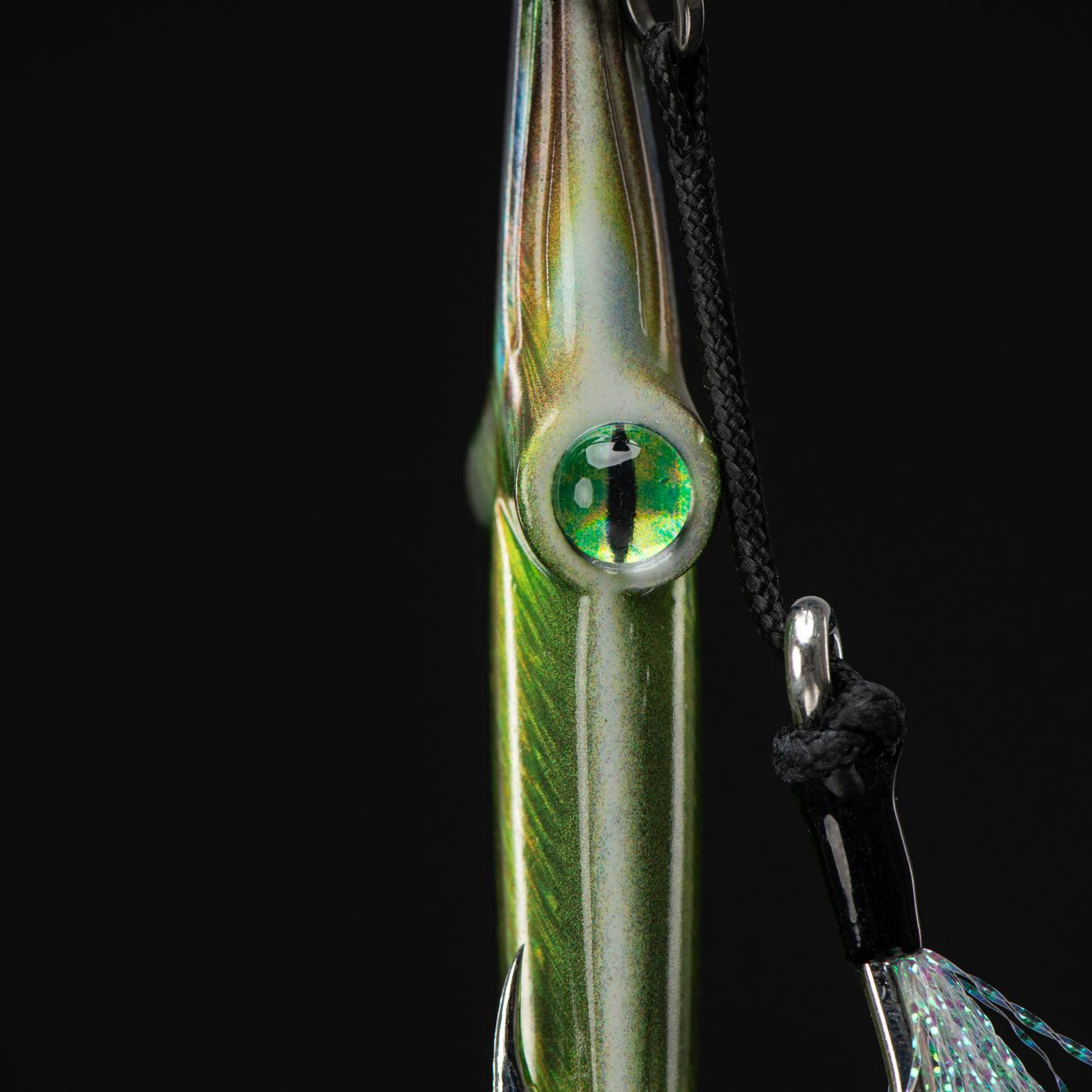
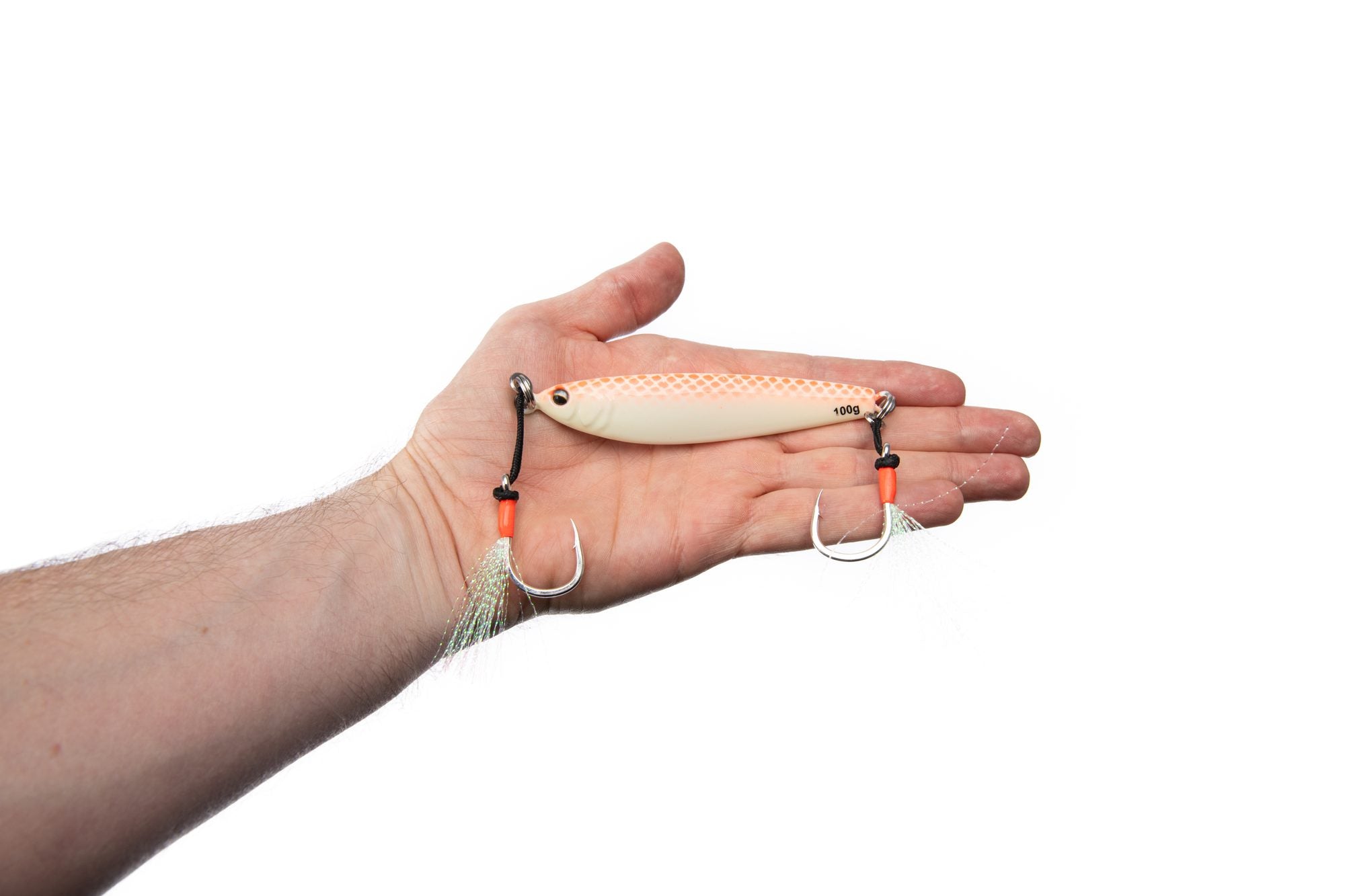
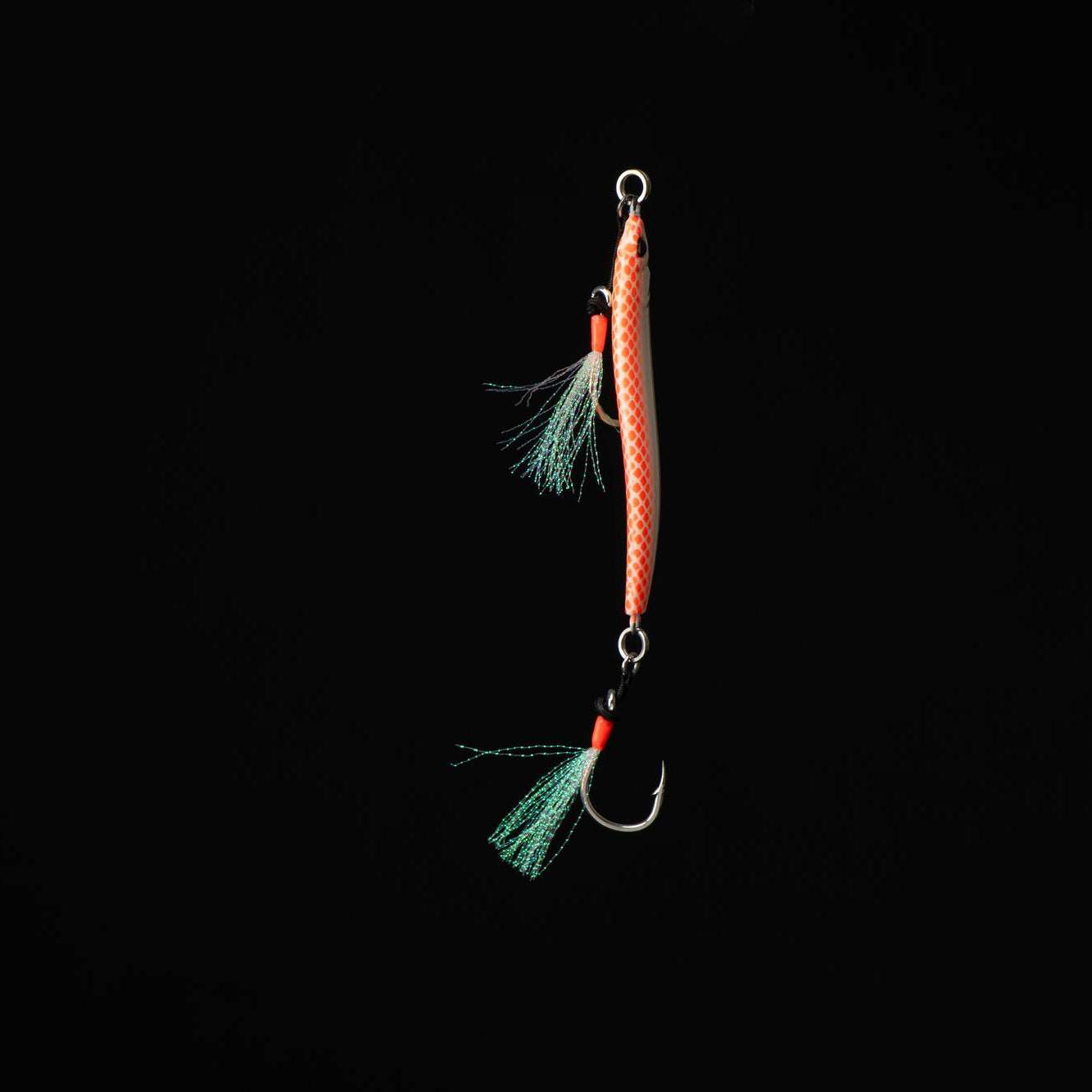
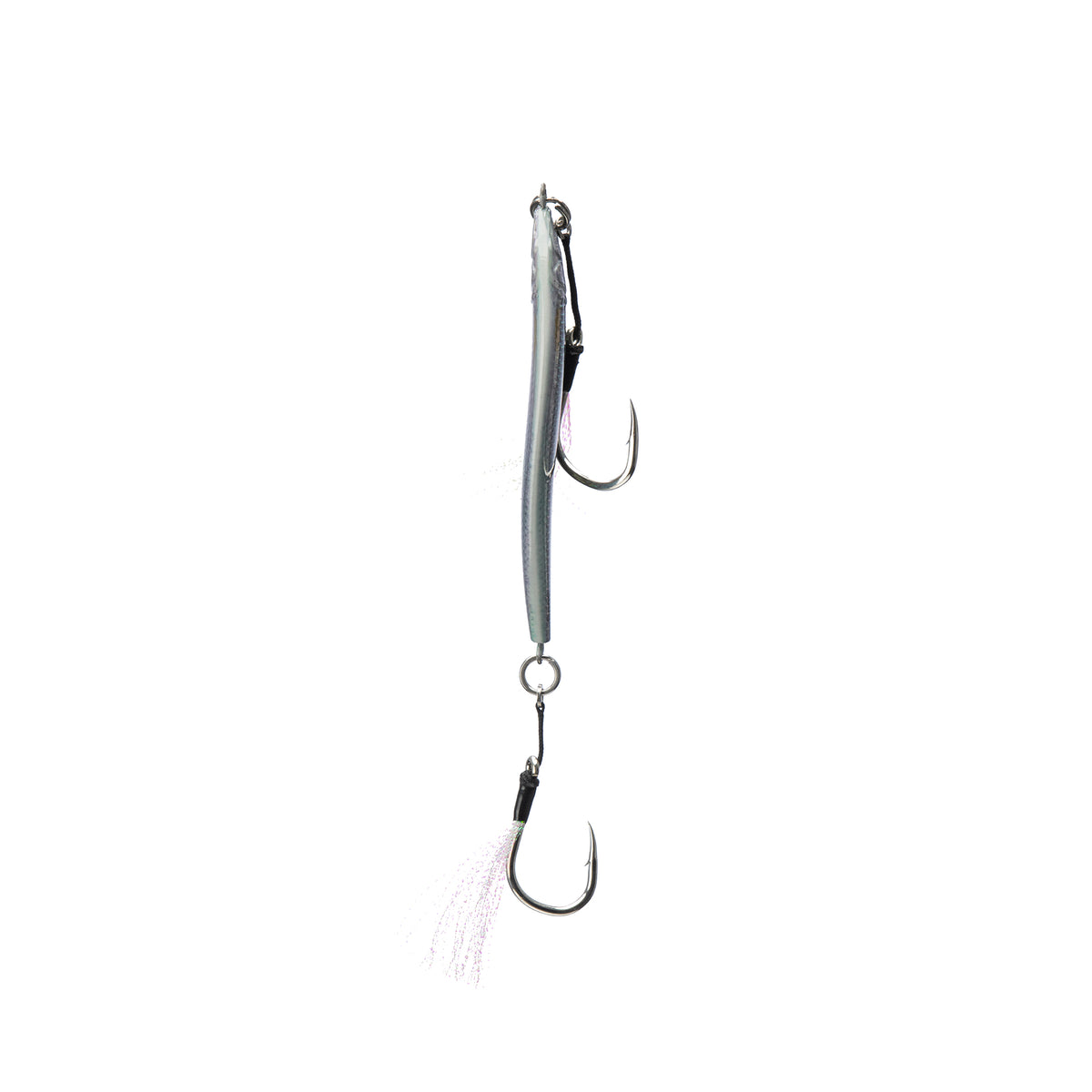
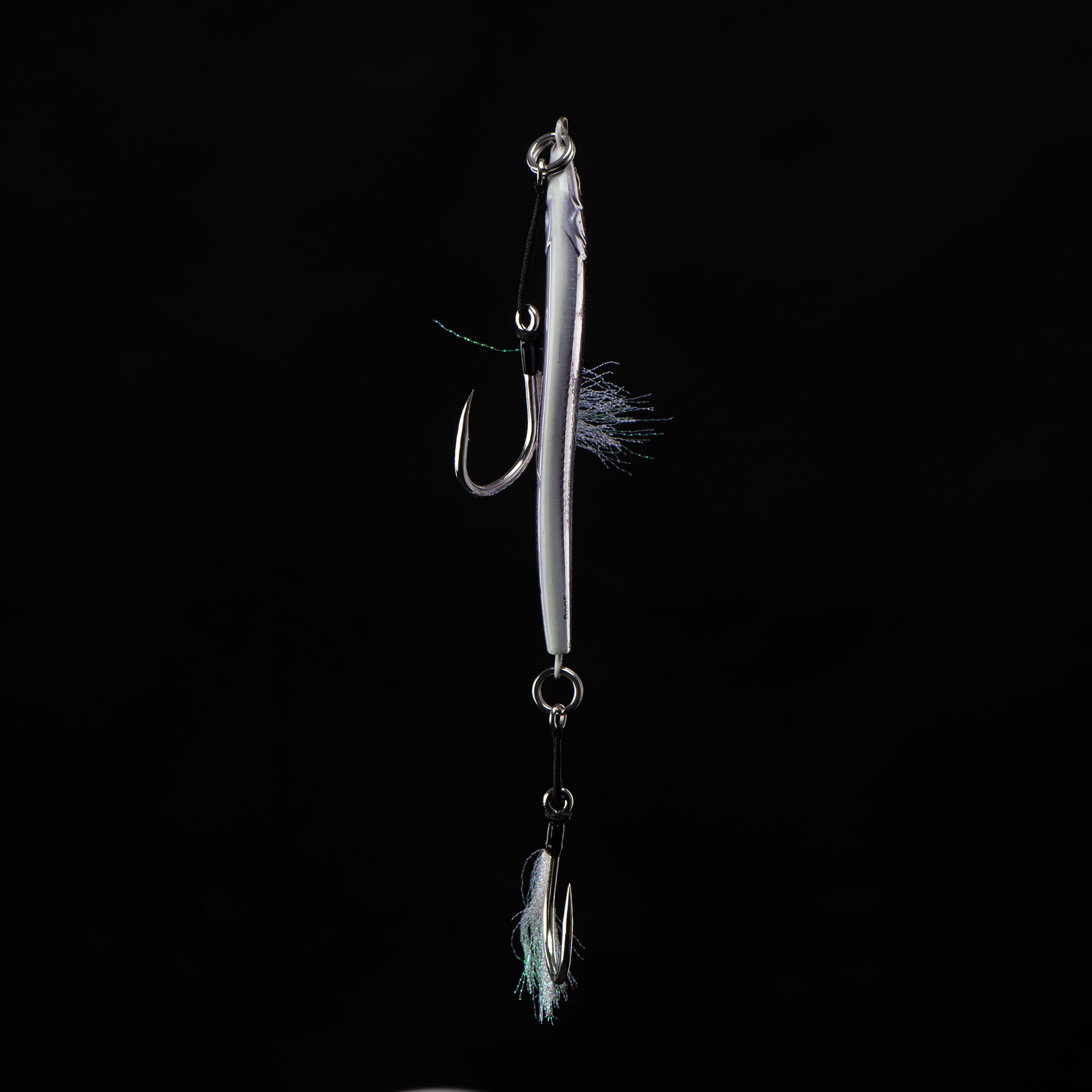
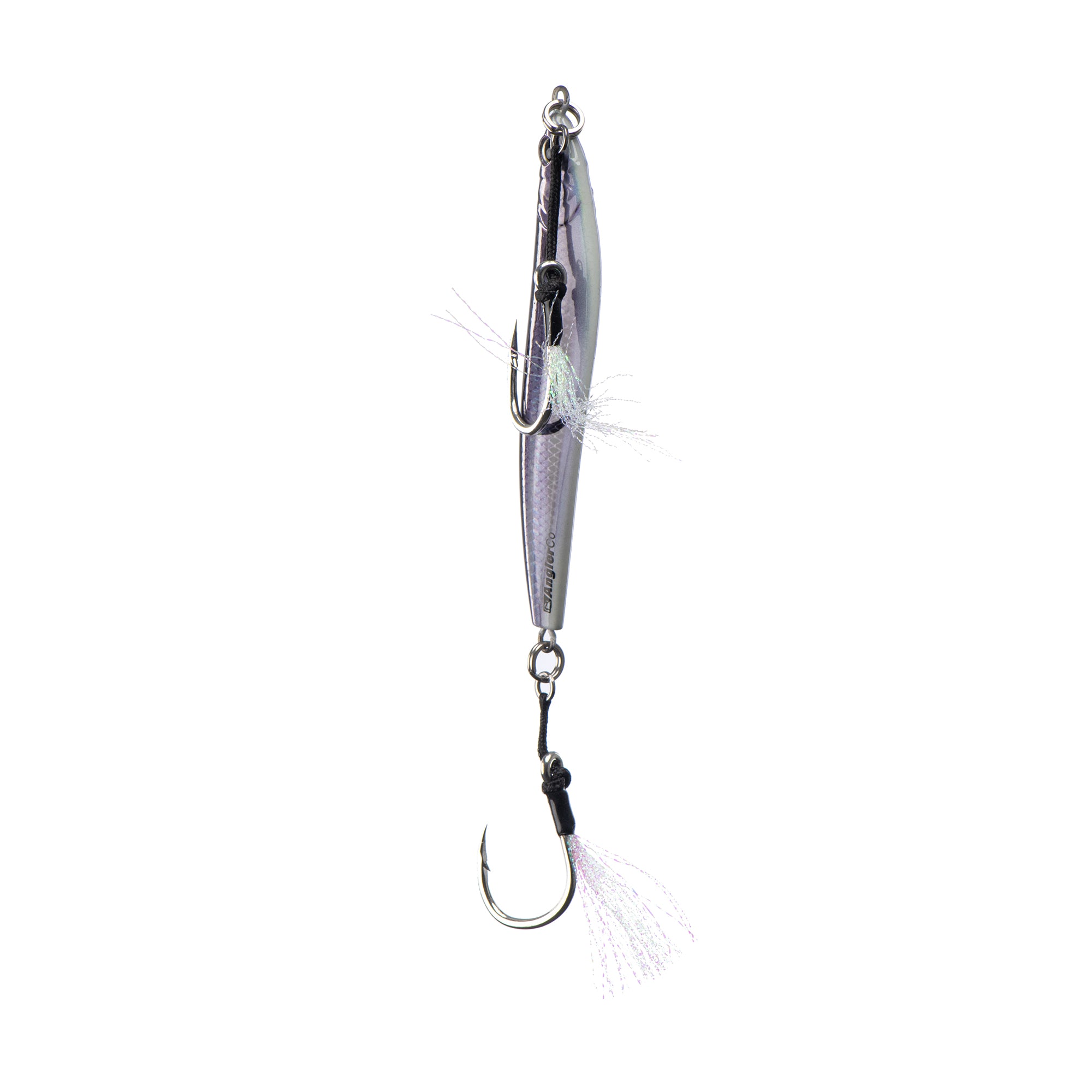
The AnglerCo Rizz Jig Series was engineered to do one thing exceptionally well — trigger violent offshore reaction strikes. At first glance, the Rizz Jig looks like a classic deep drop lure. But the secret is hidden in its S-shaped body design. Instead of falling straight down like a lifeless chunk of metal, the Rizz Jig kicks, slides, hangs, and flutters through the water column like a wounded baitfish losing the fight. That wounded bait action keeps the jig in the strike zone longer and creates the kind of easy target predators instinctively attack.
Send it down, let it work, and stay ready — because most bites won’t be polite.




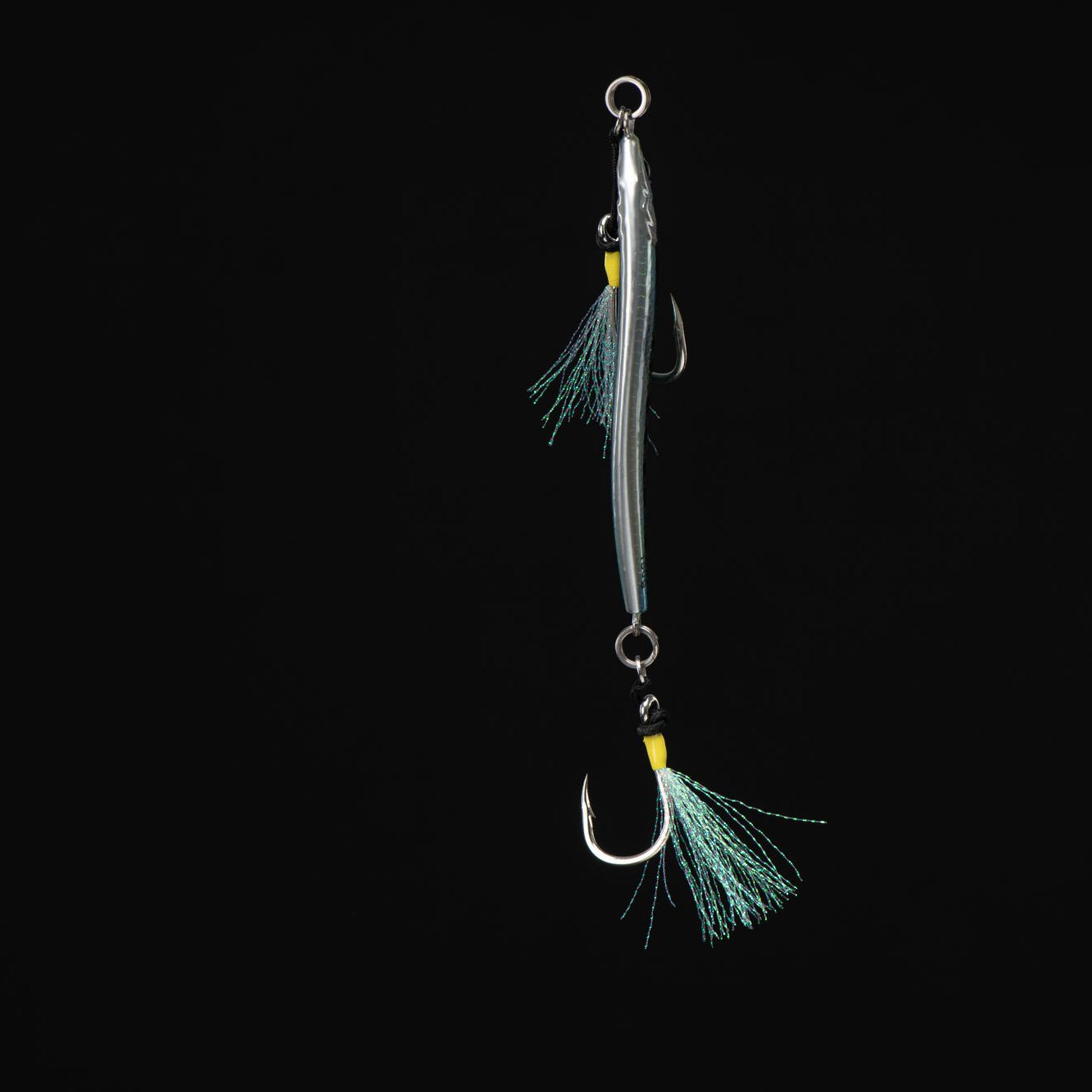
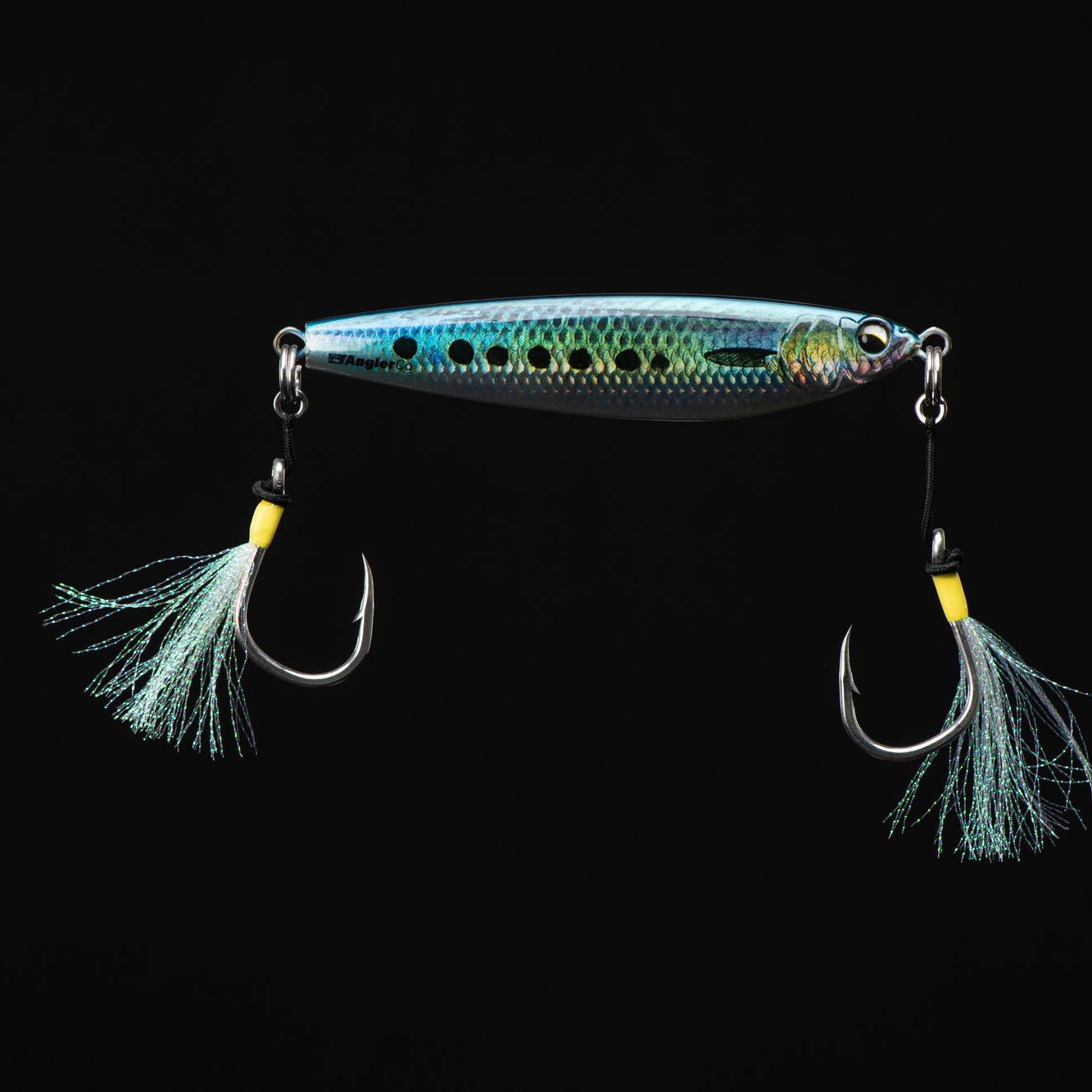
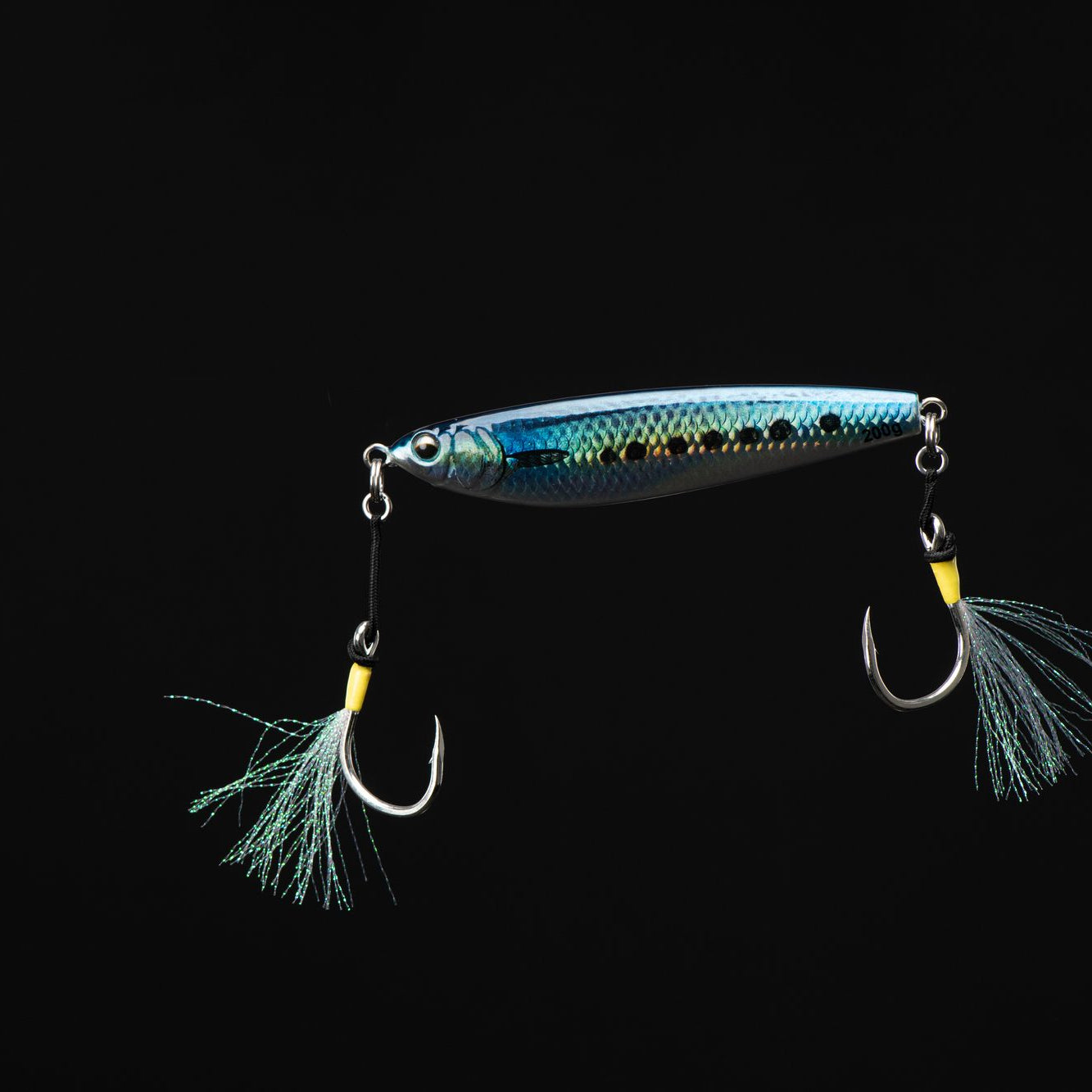
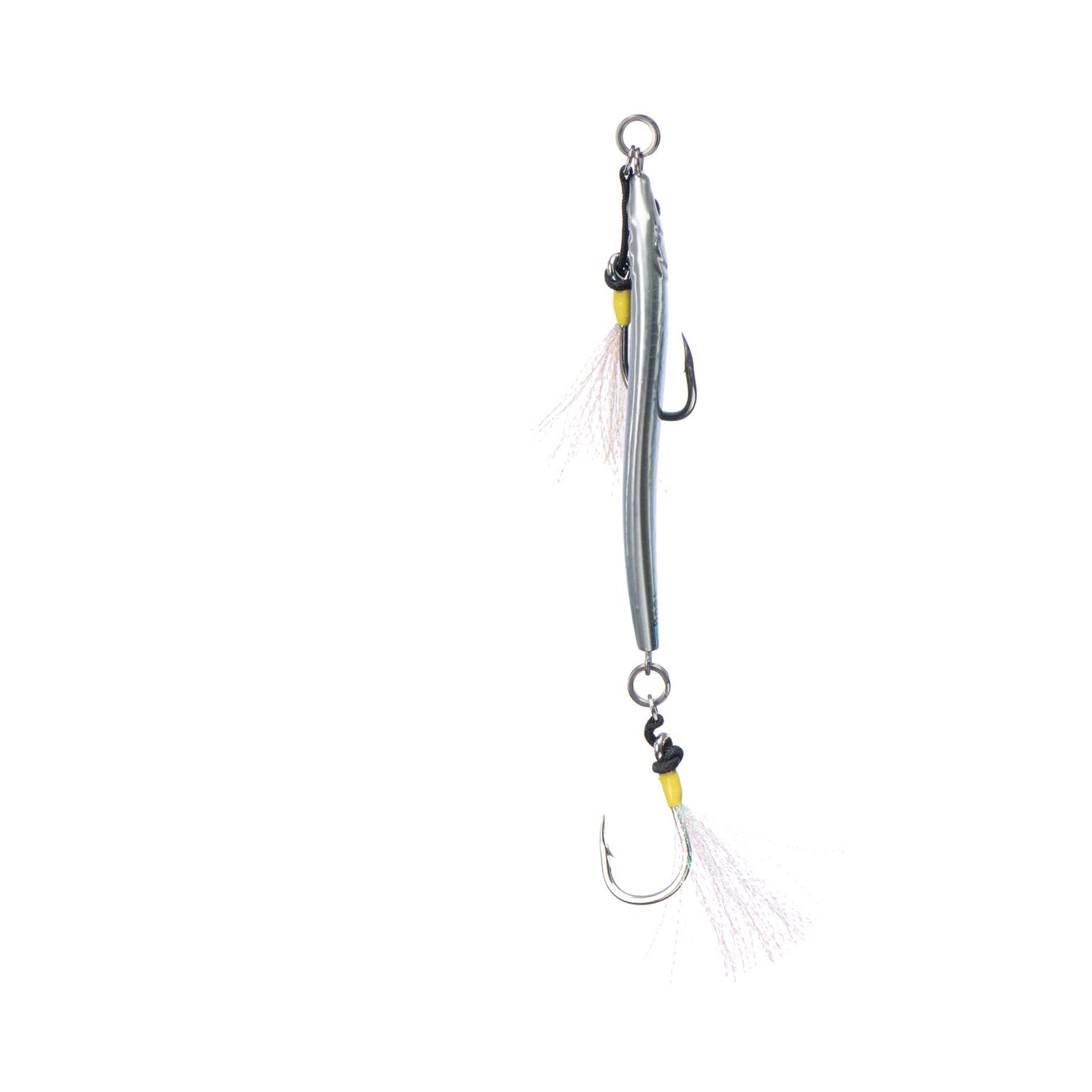
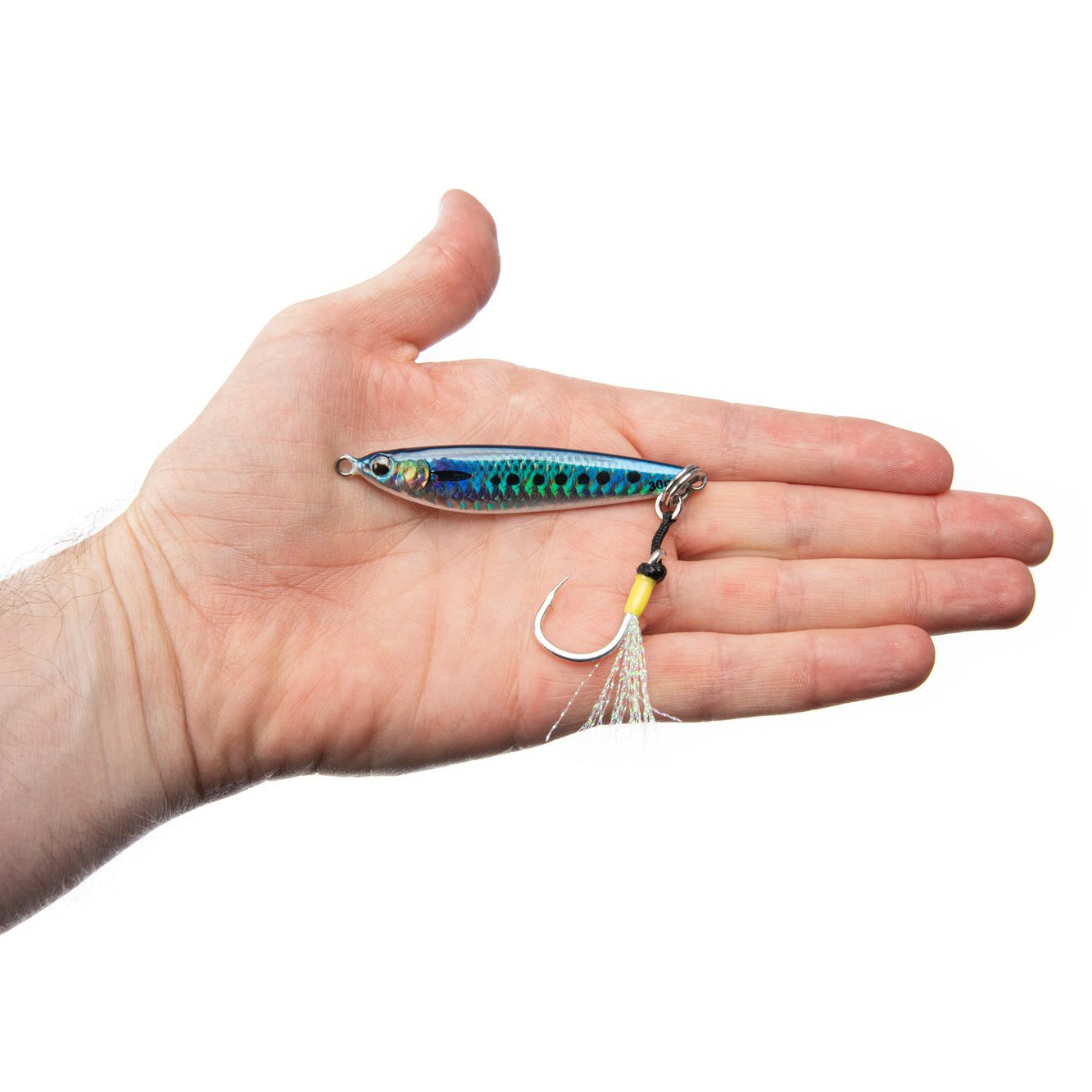
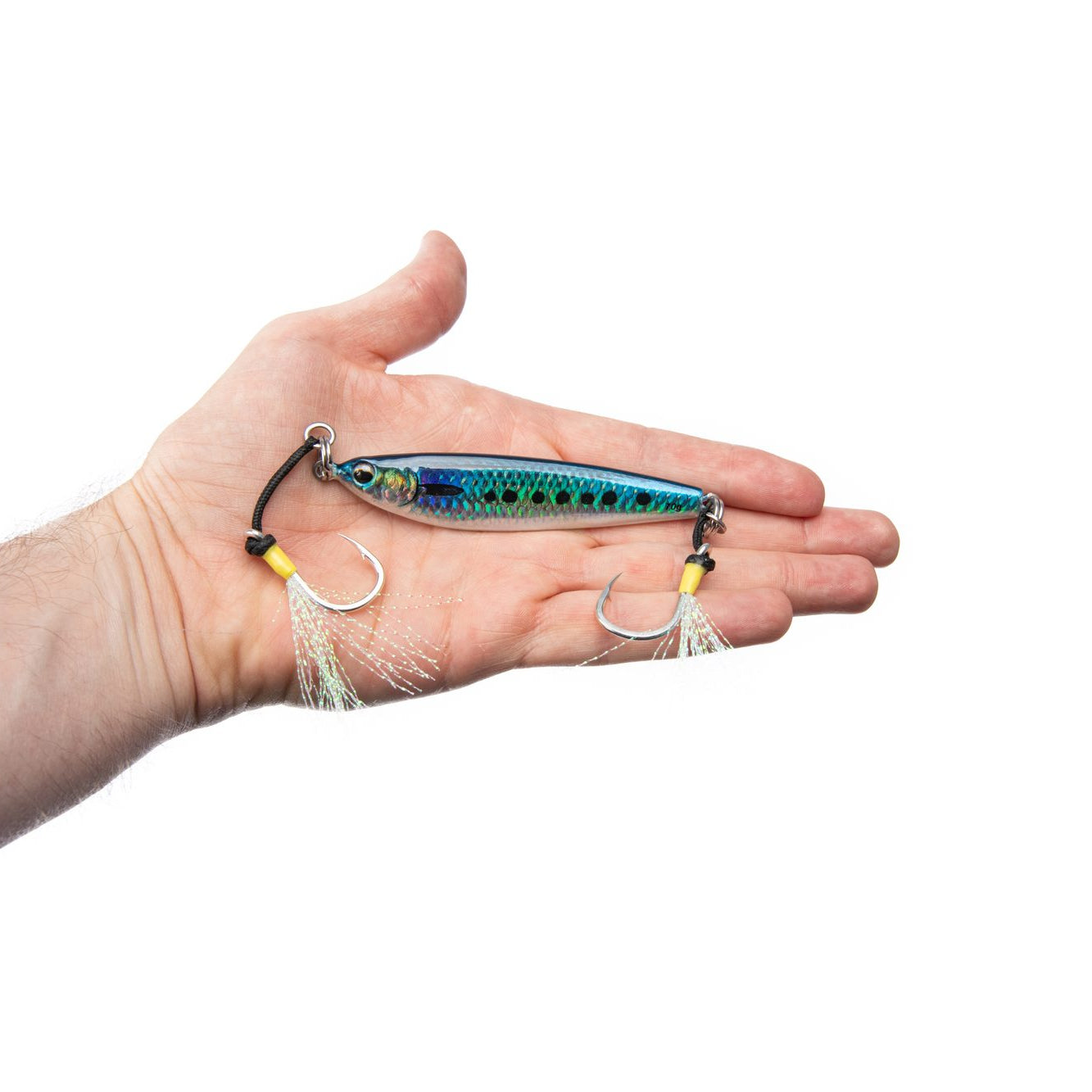
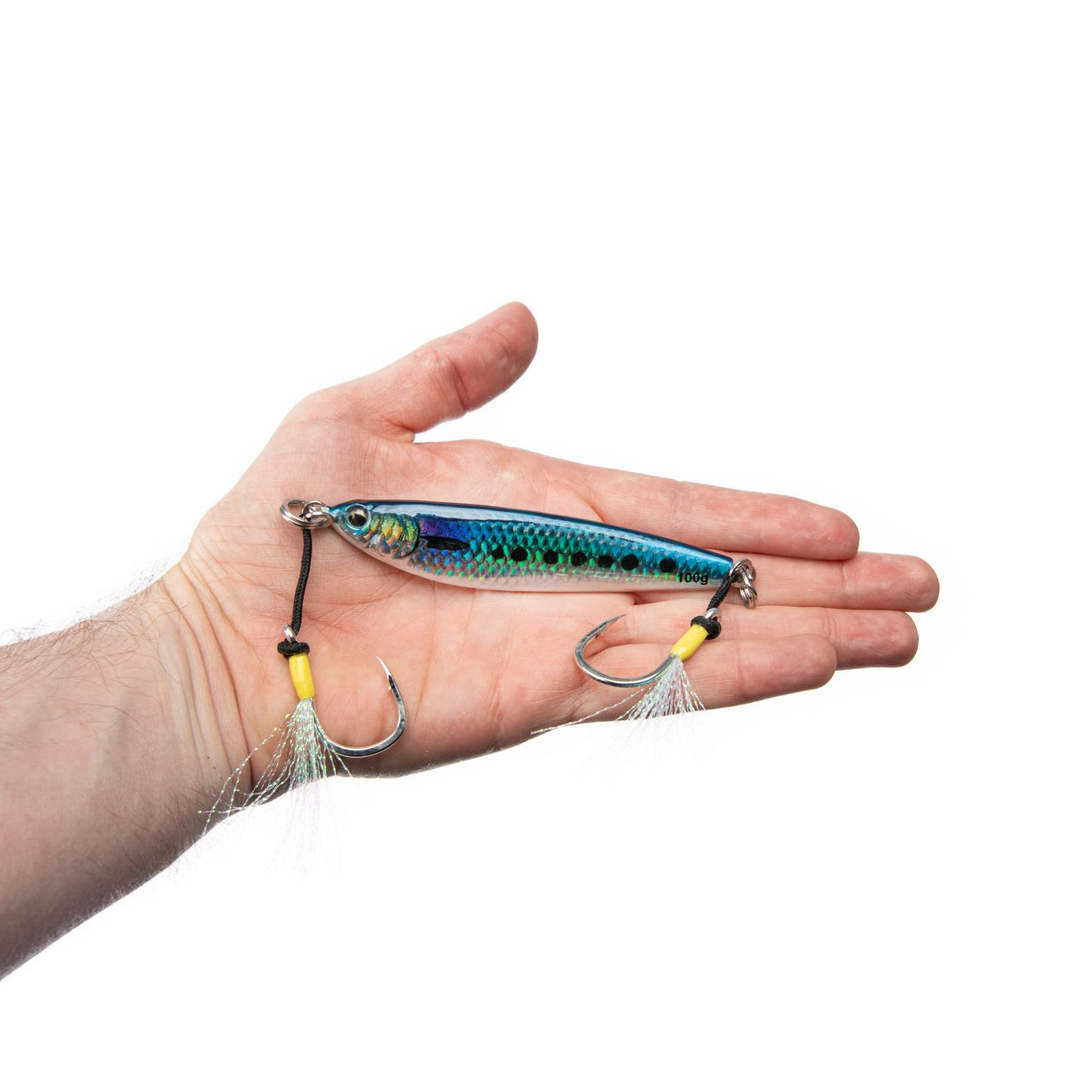
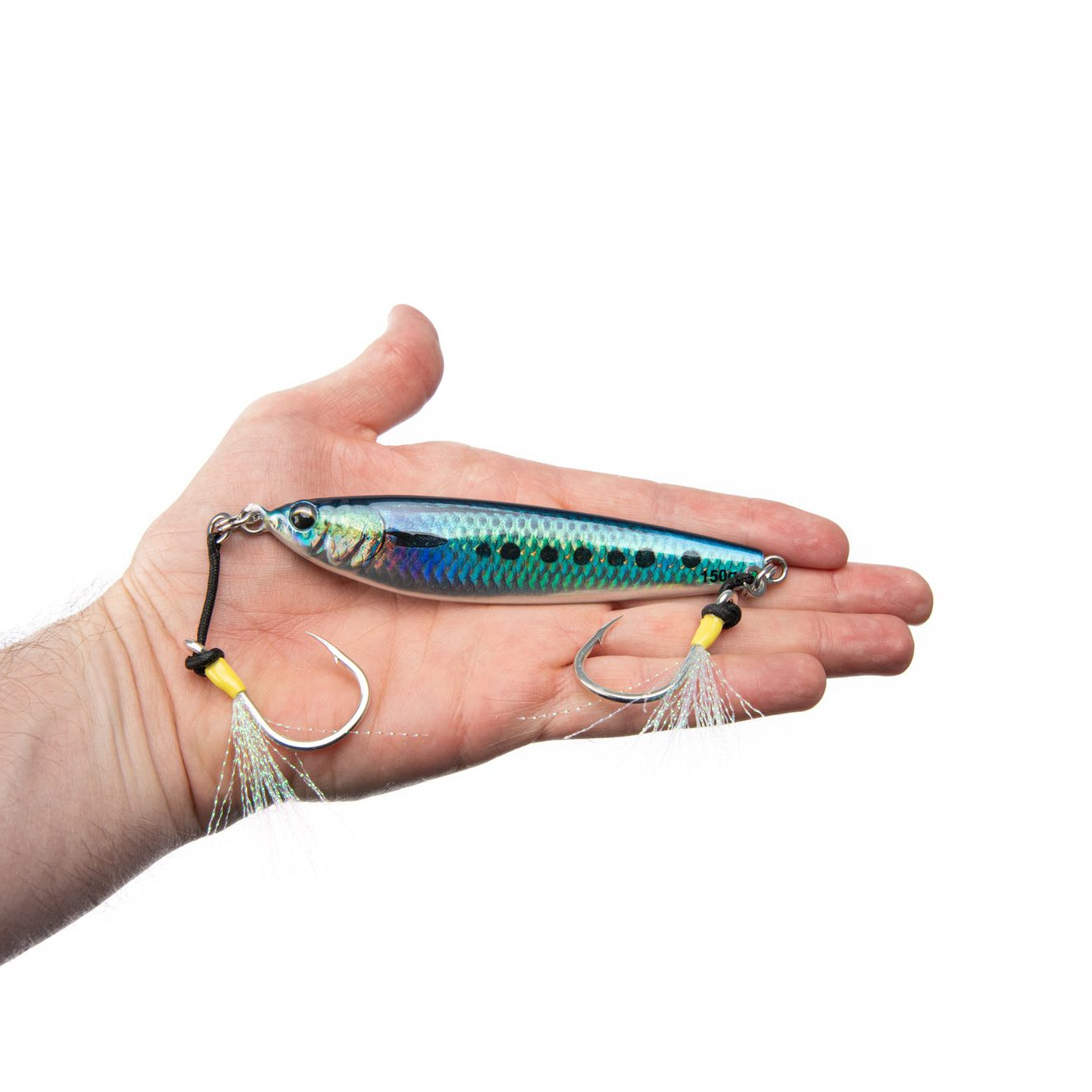


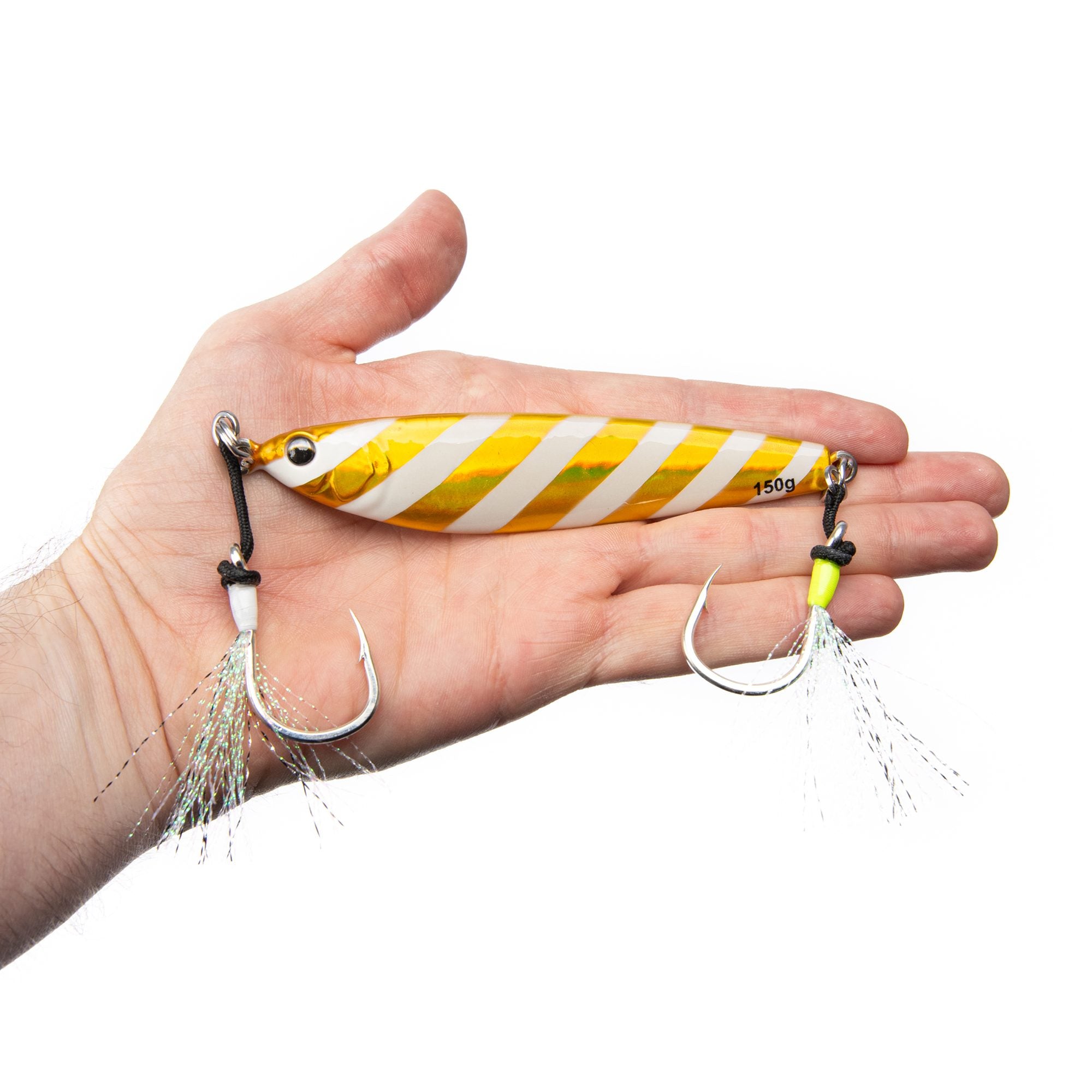
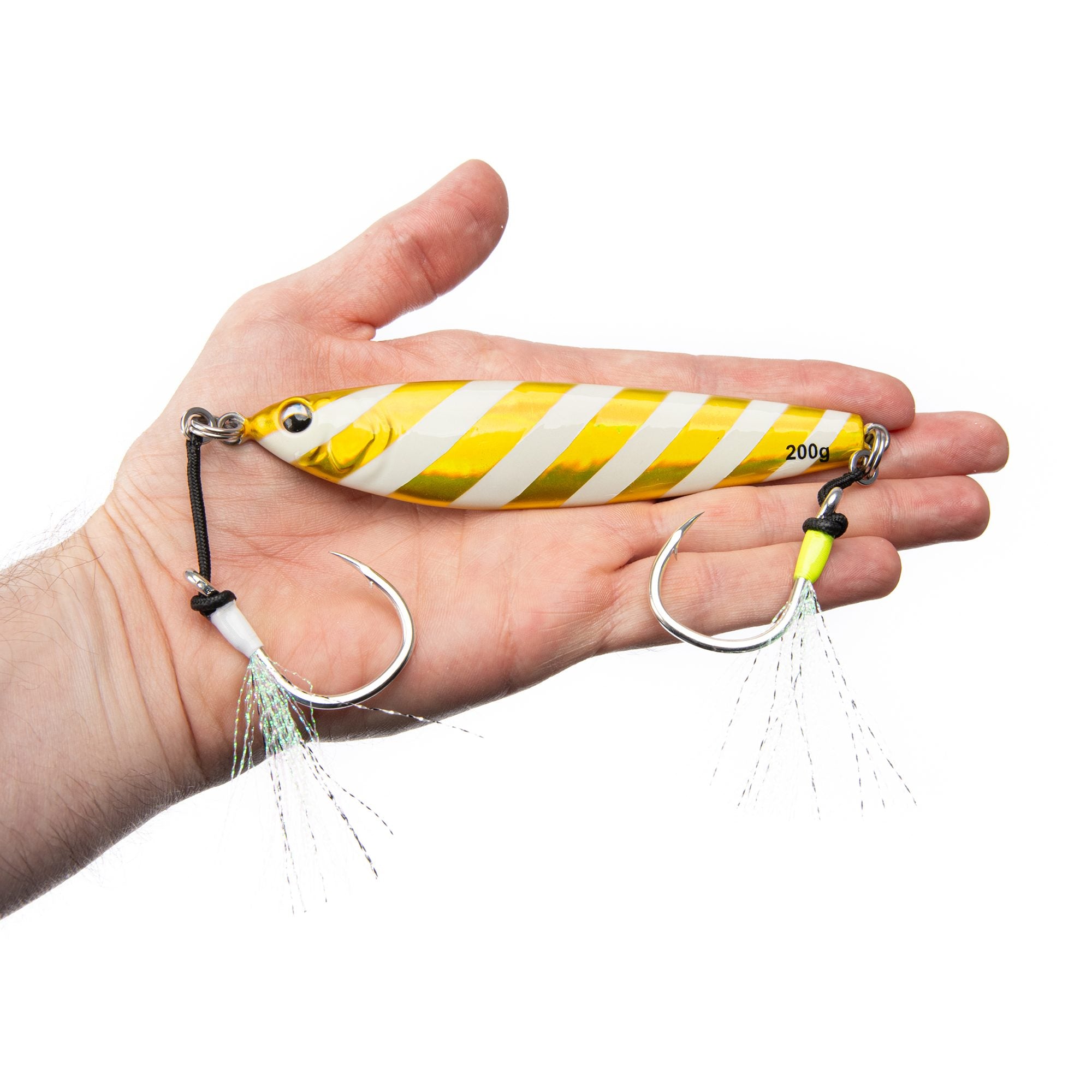
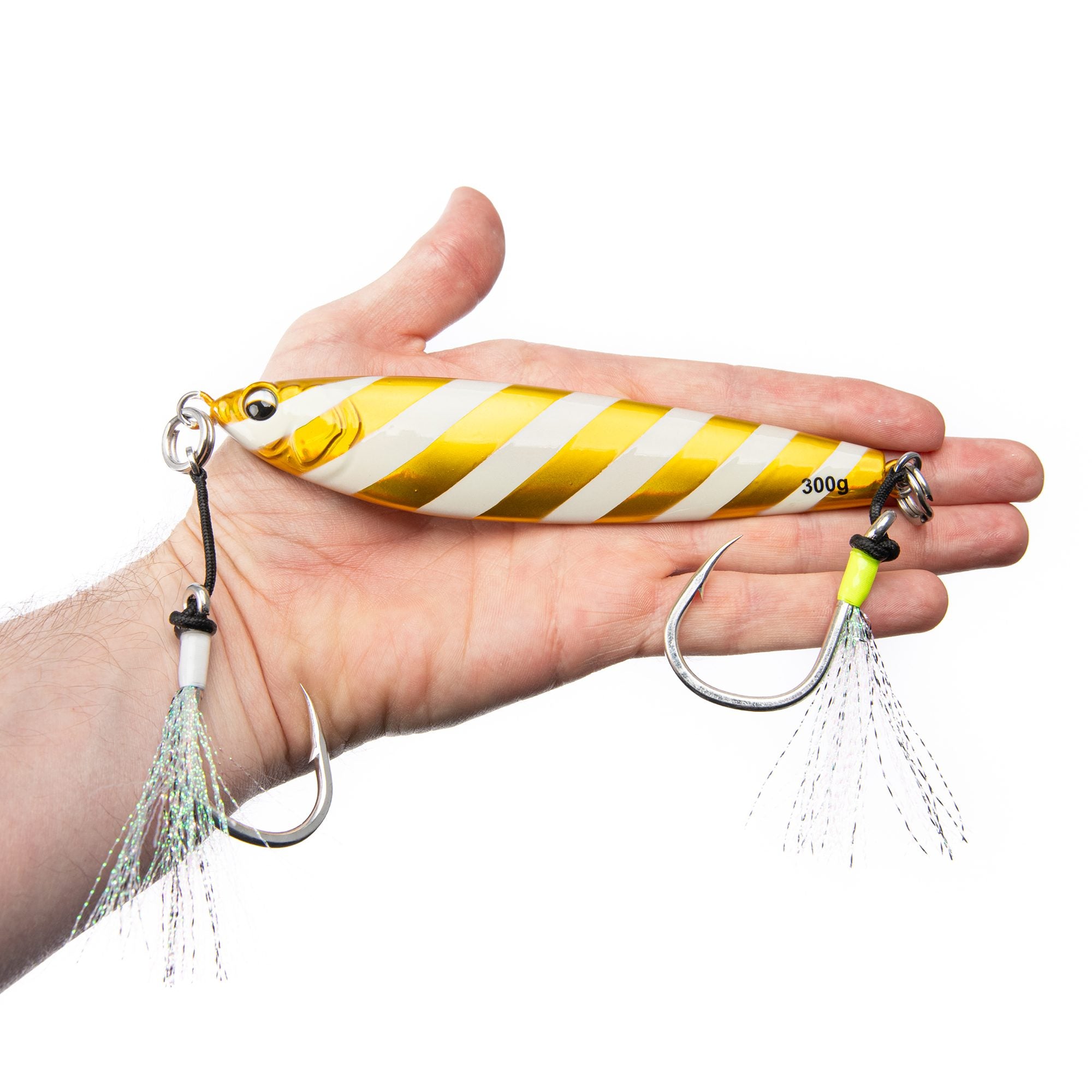
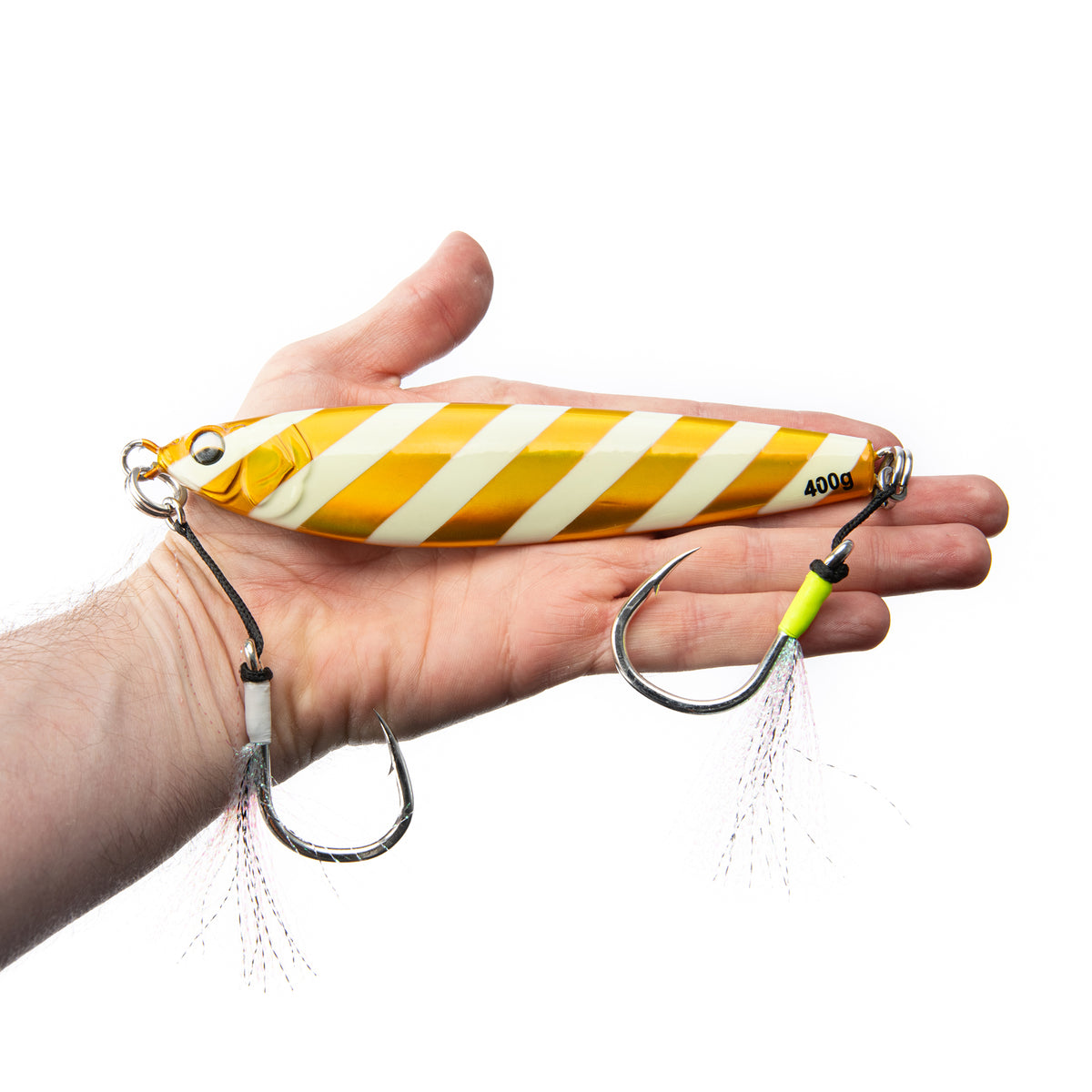
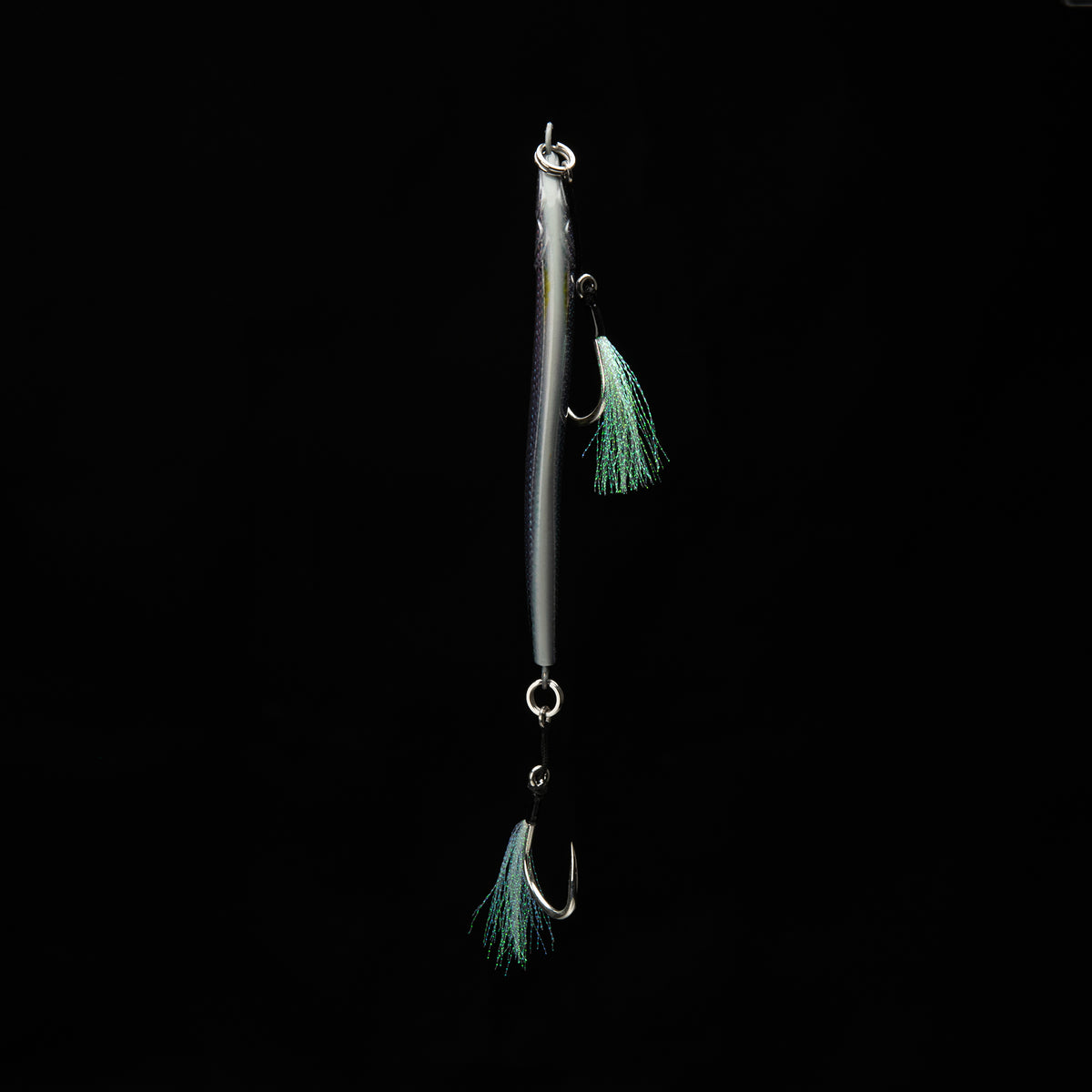
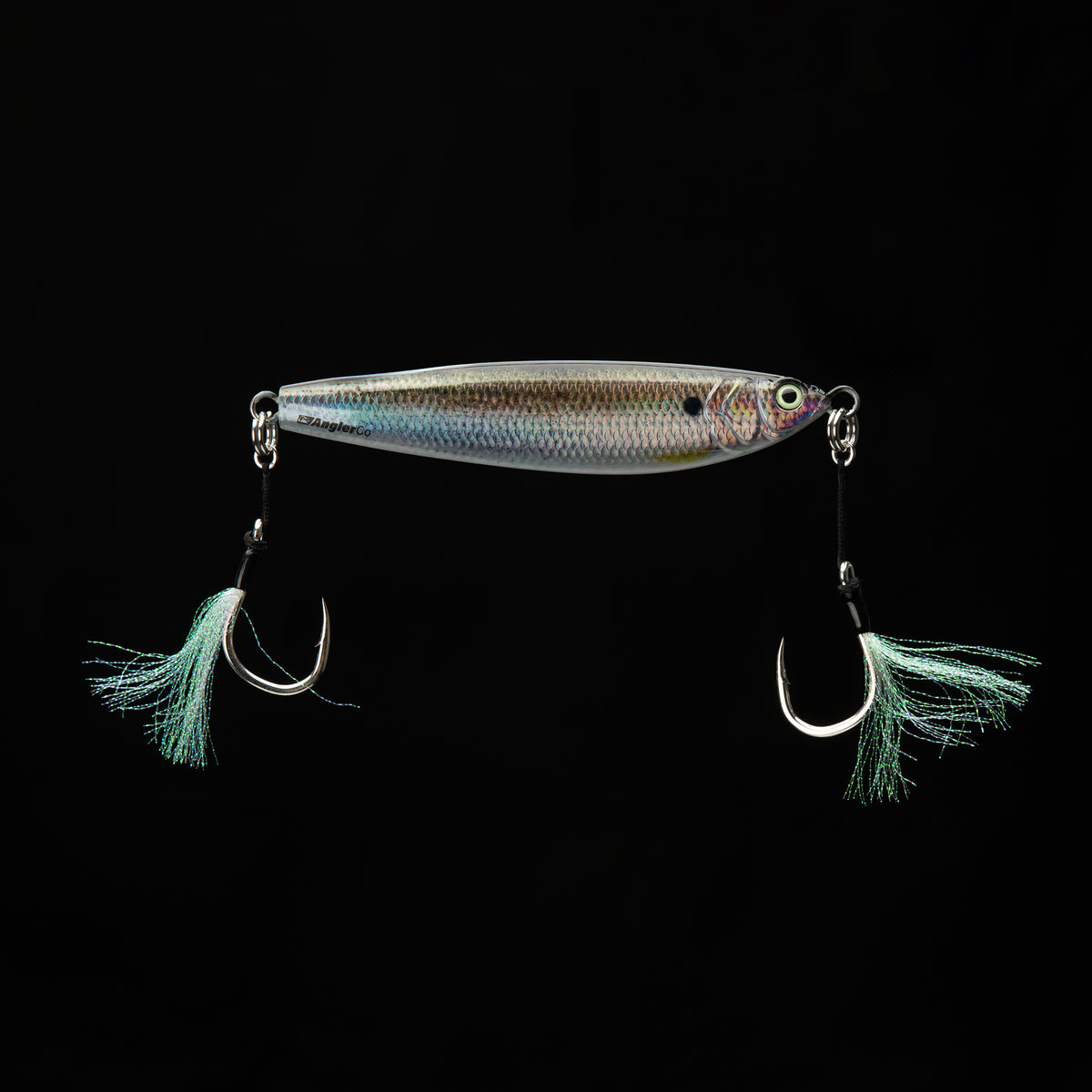
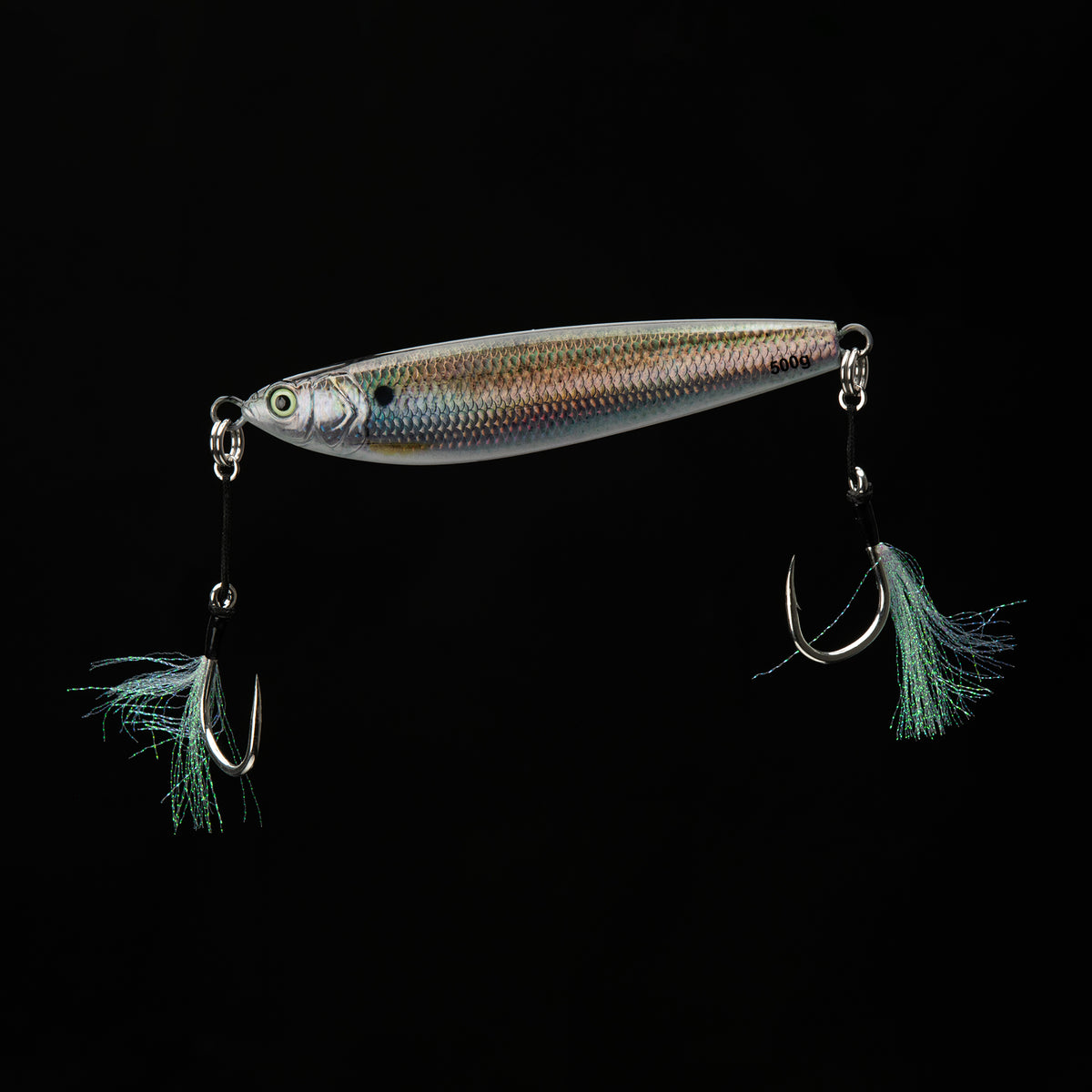
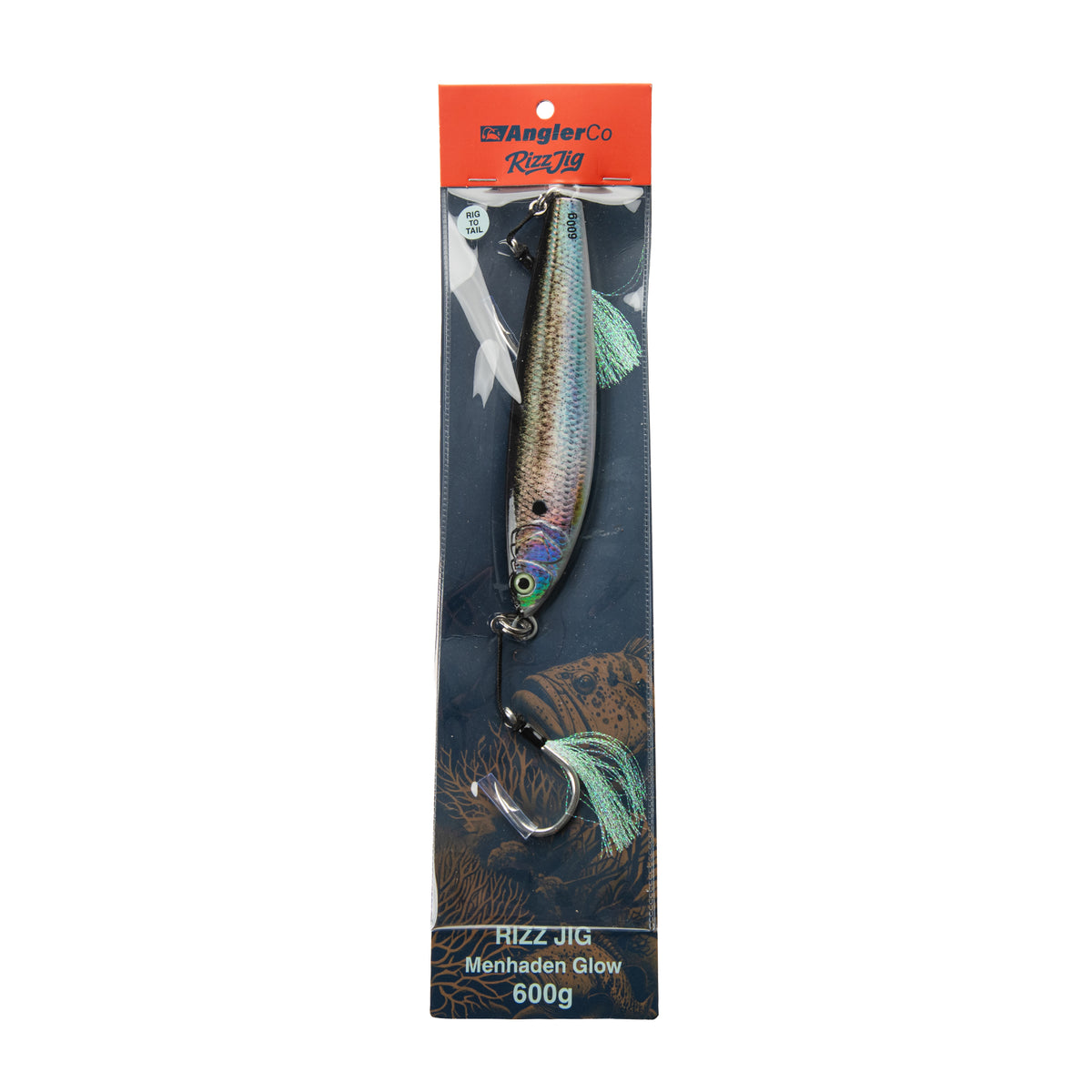
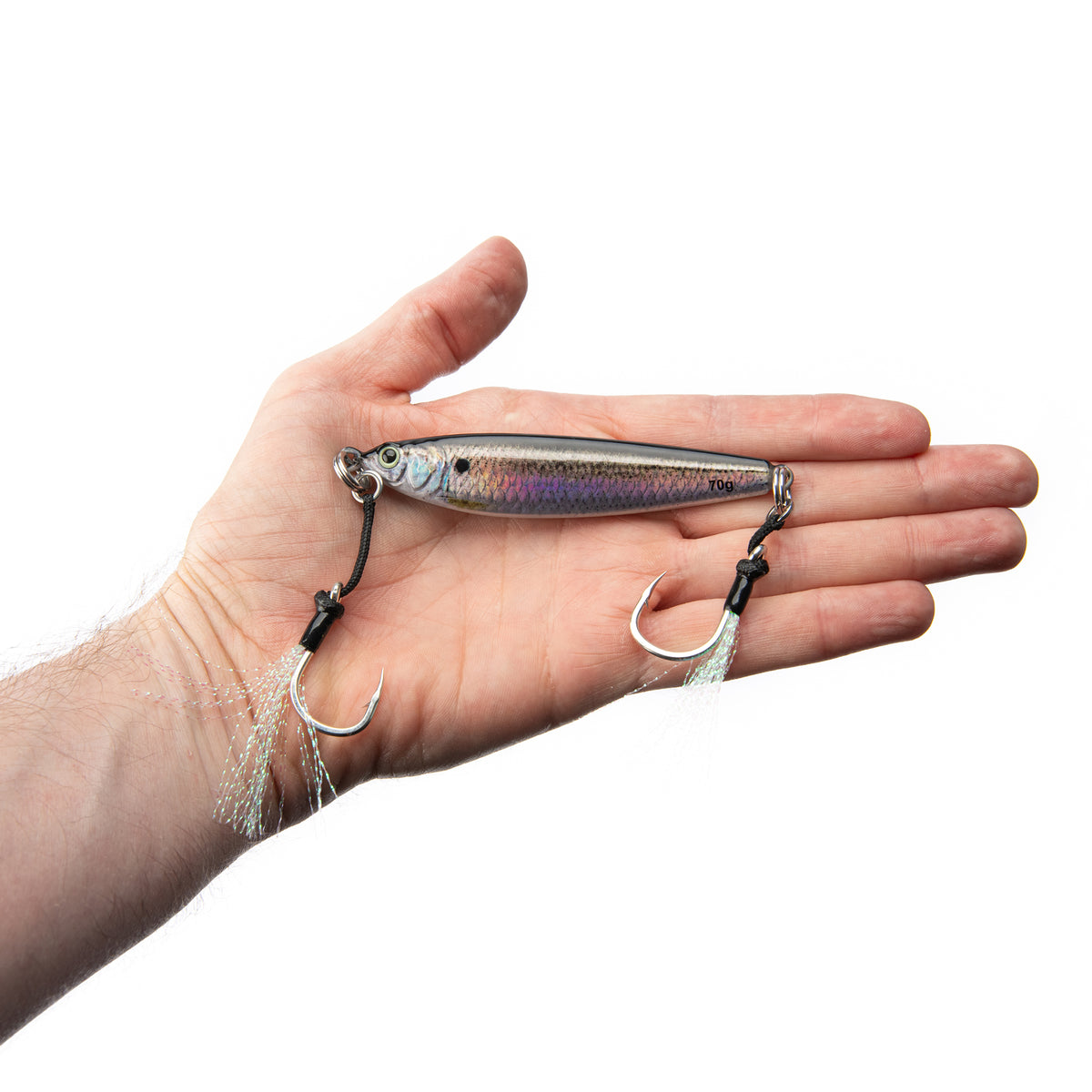
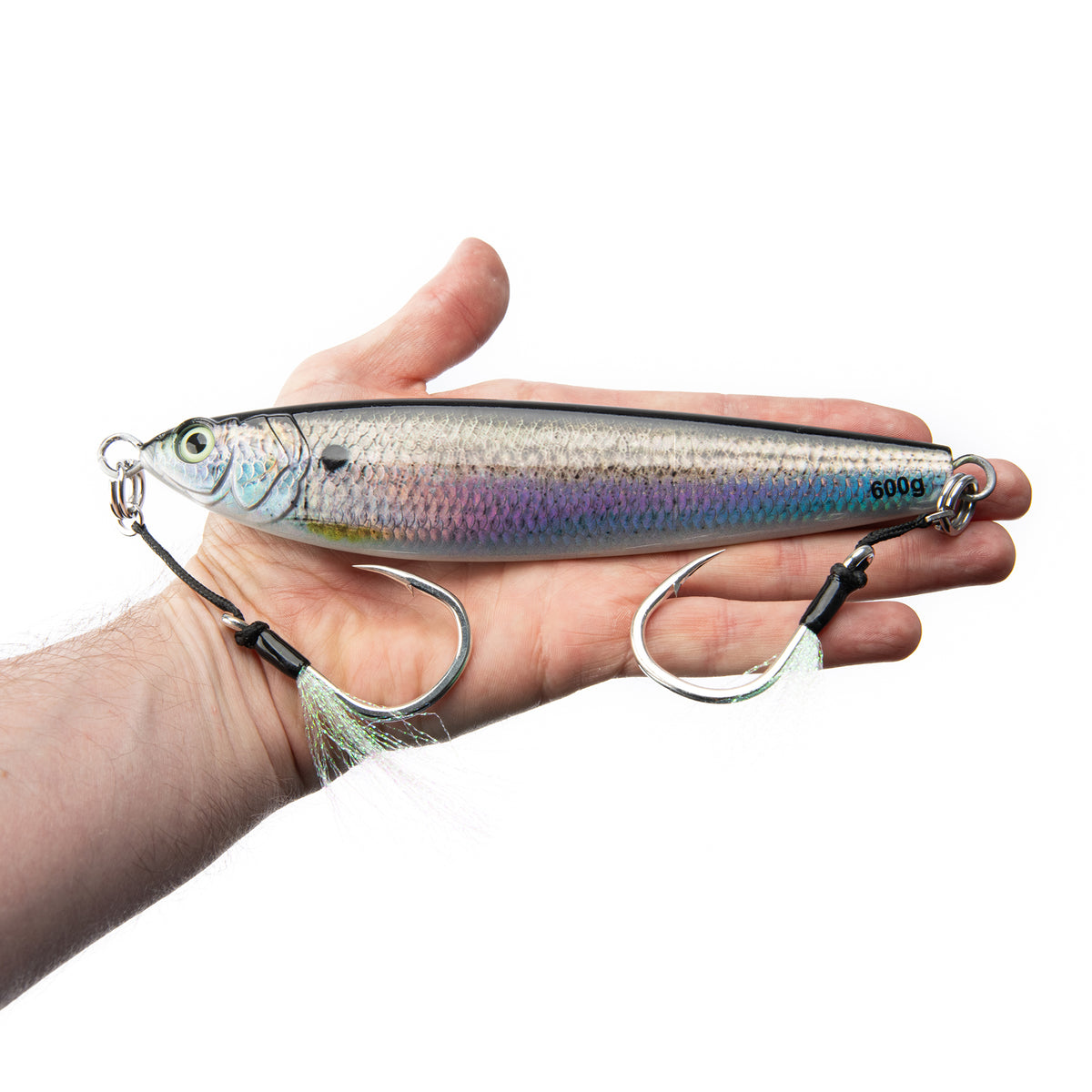
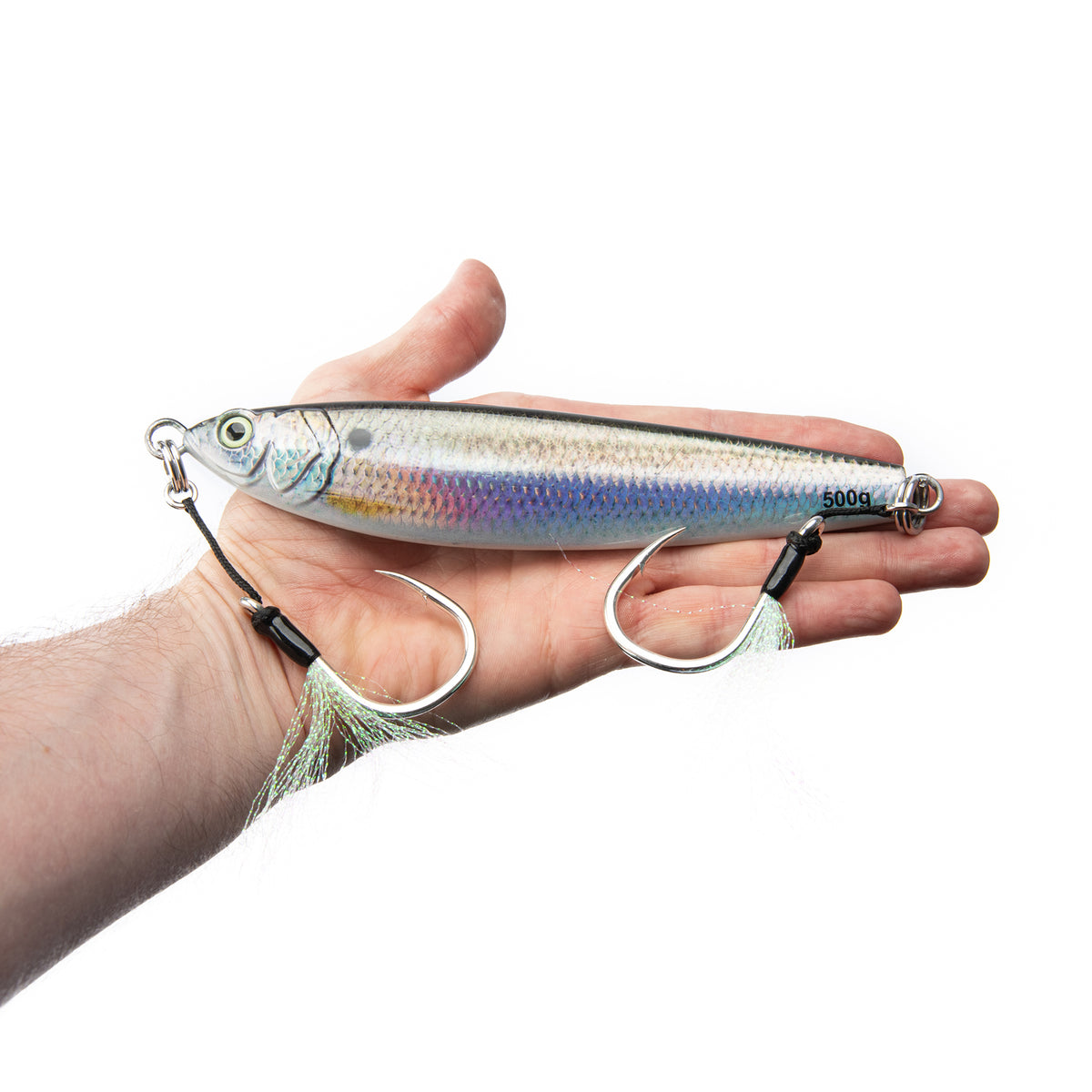
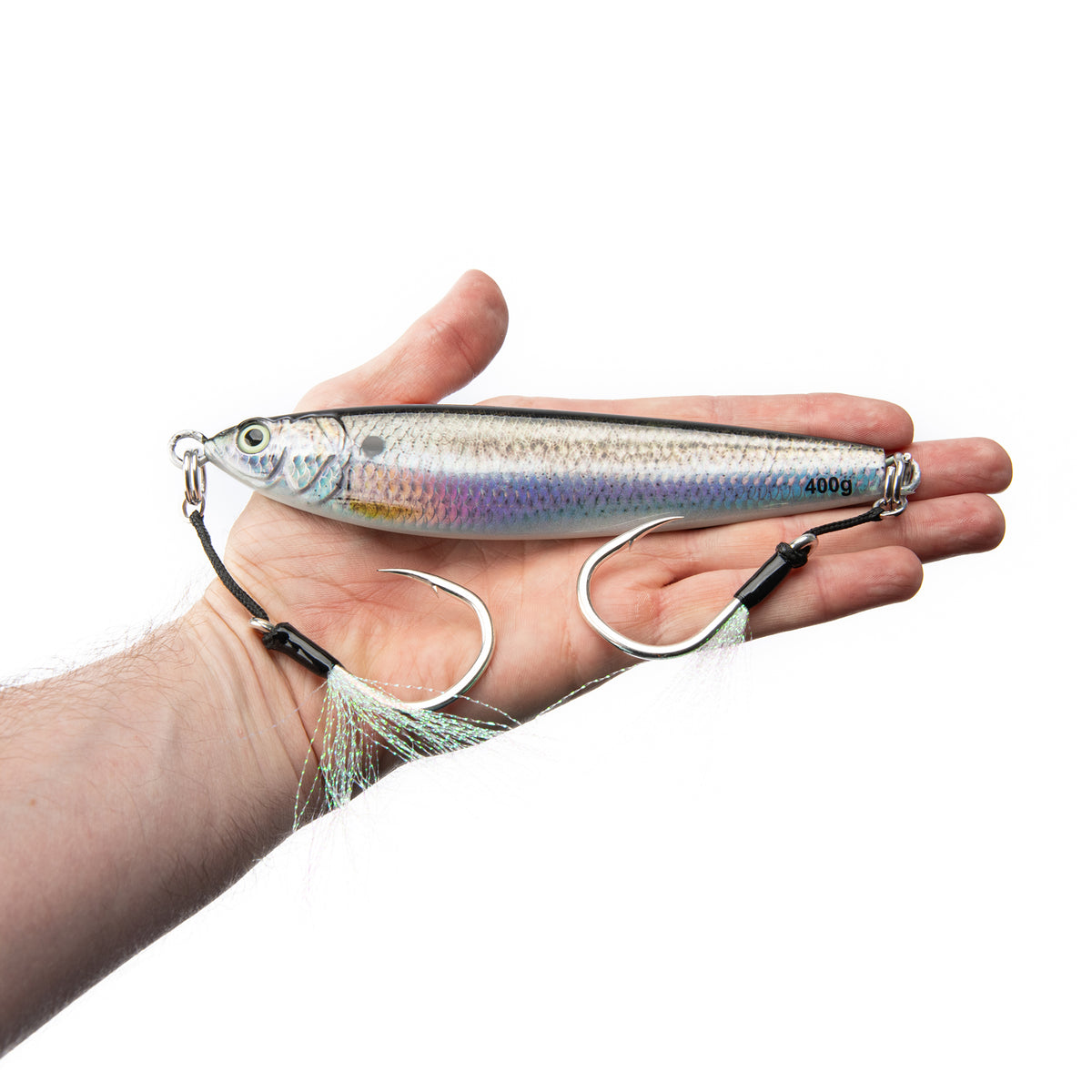
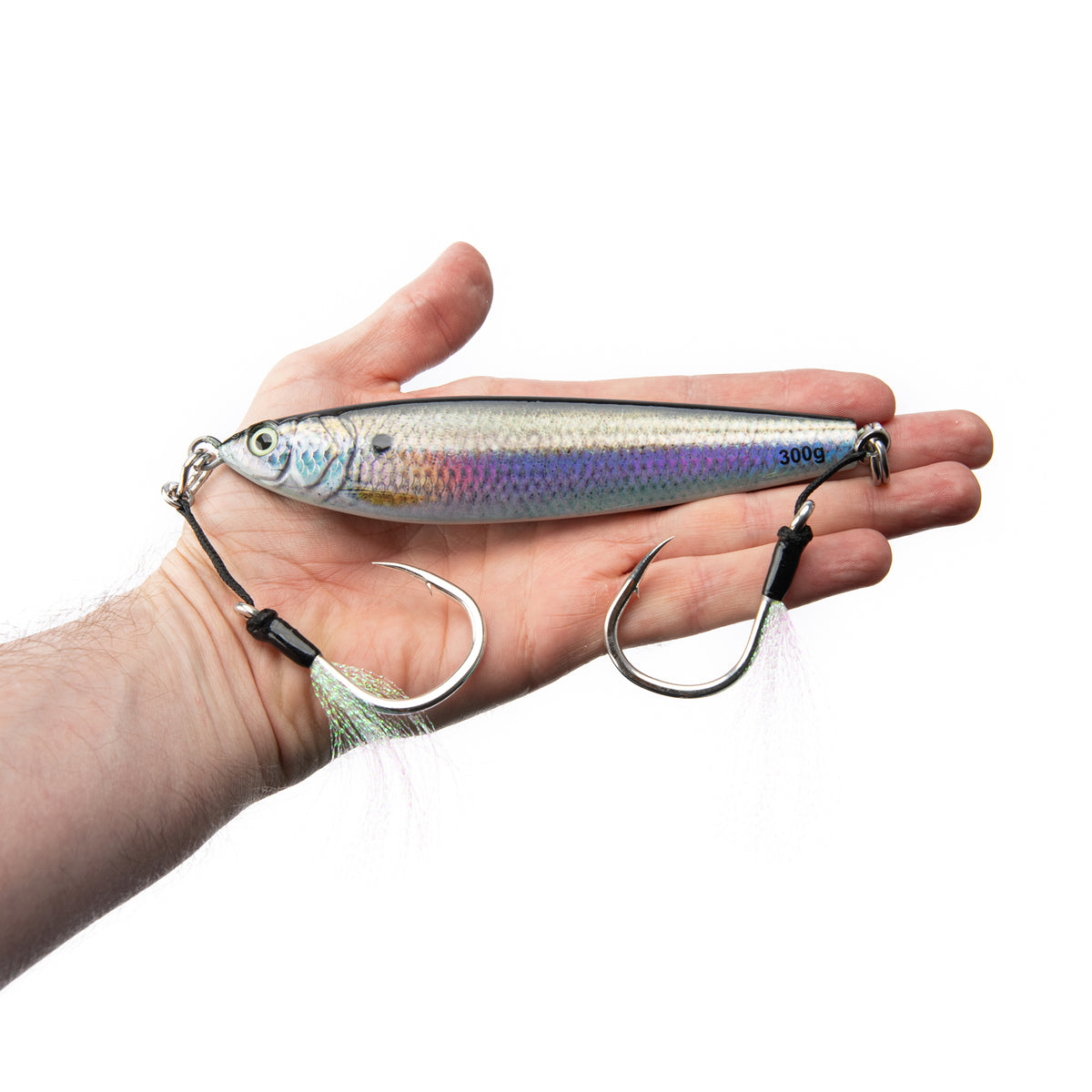
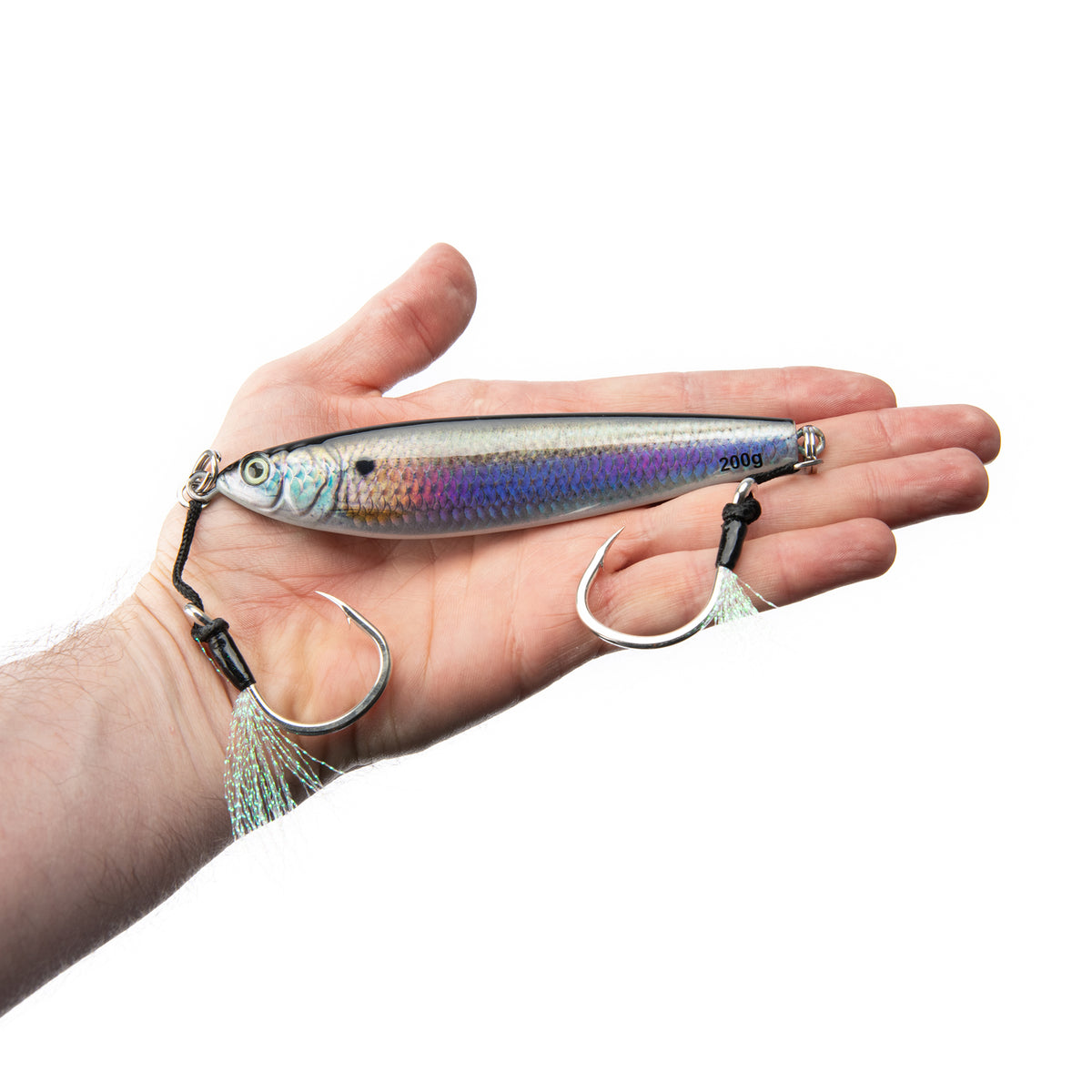
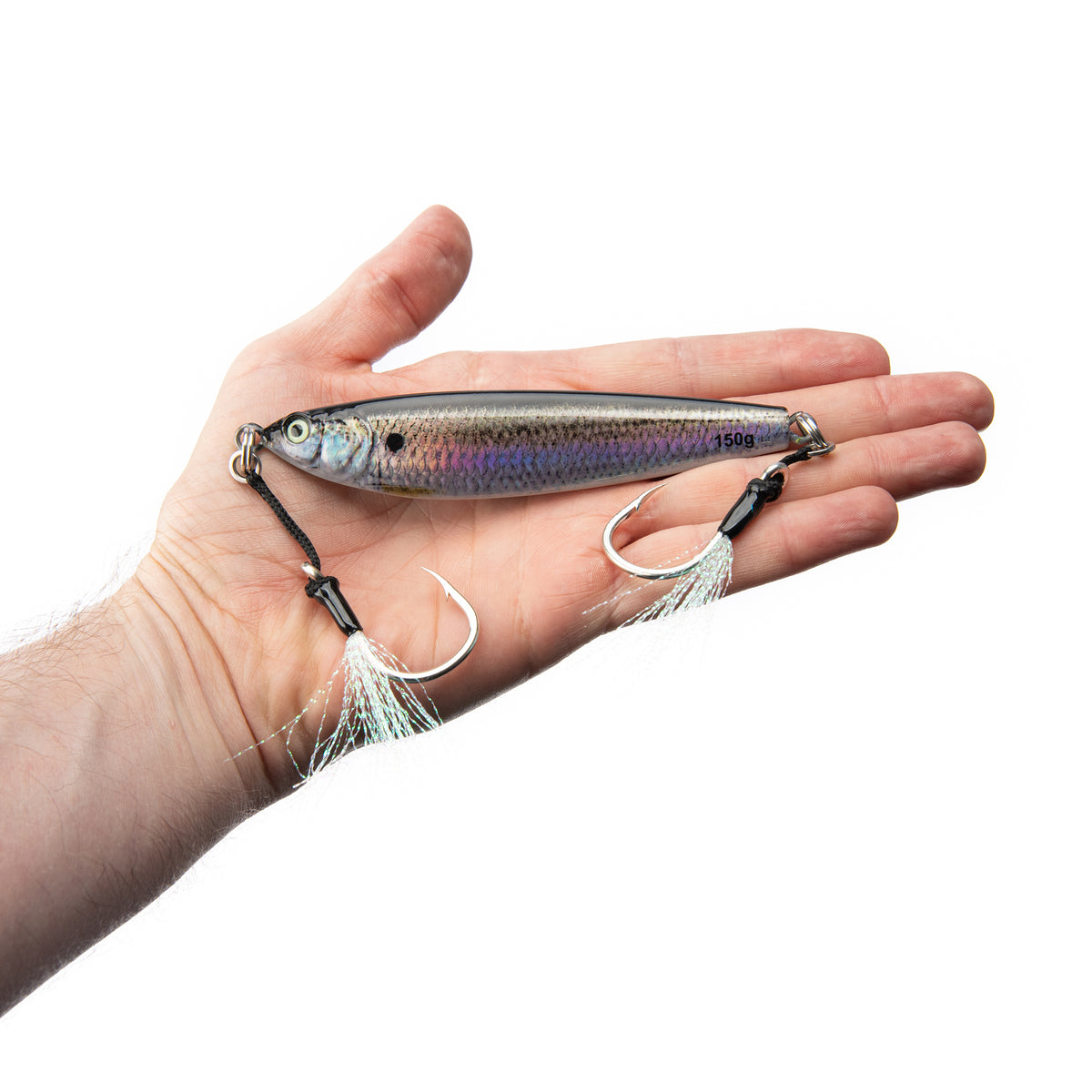
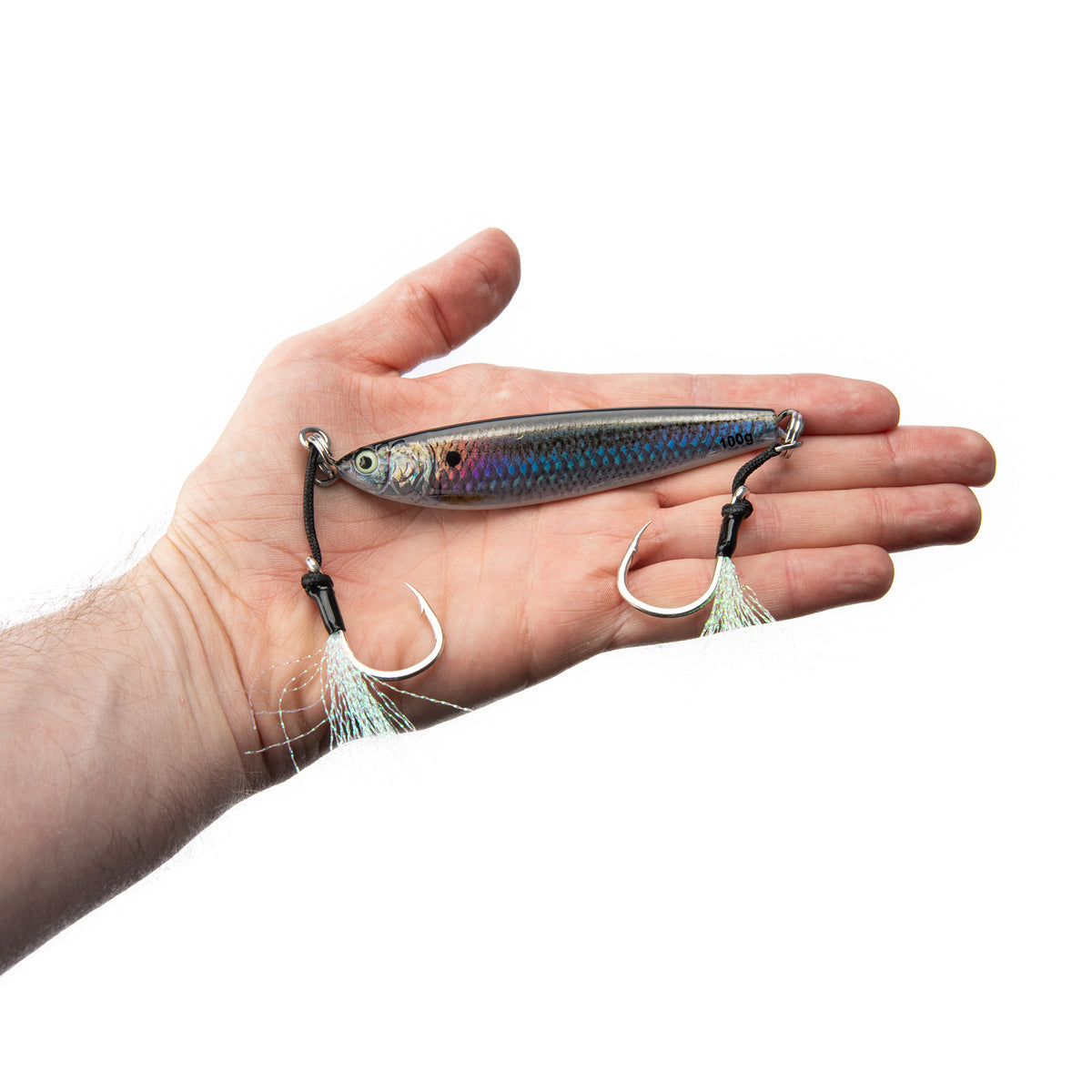



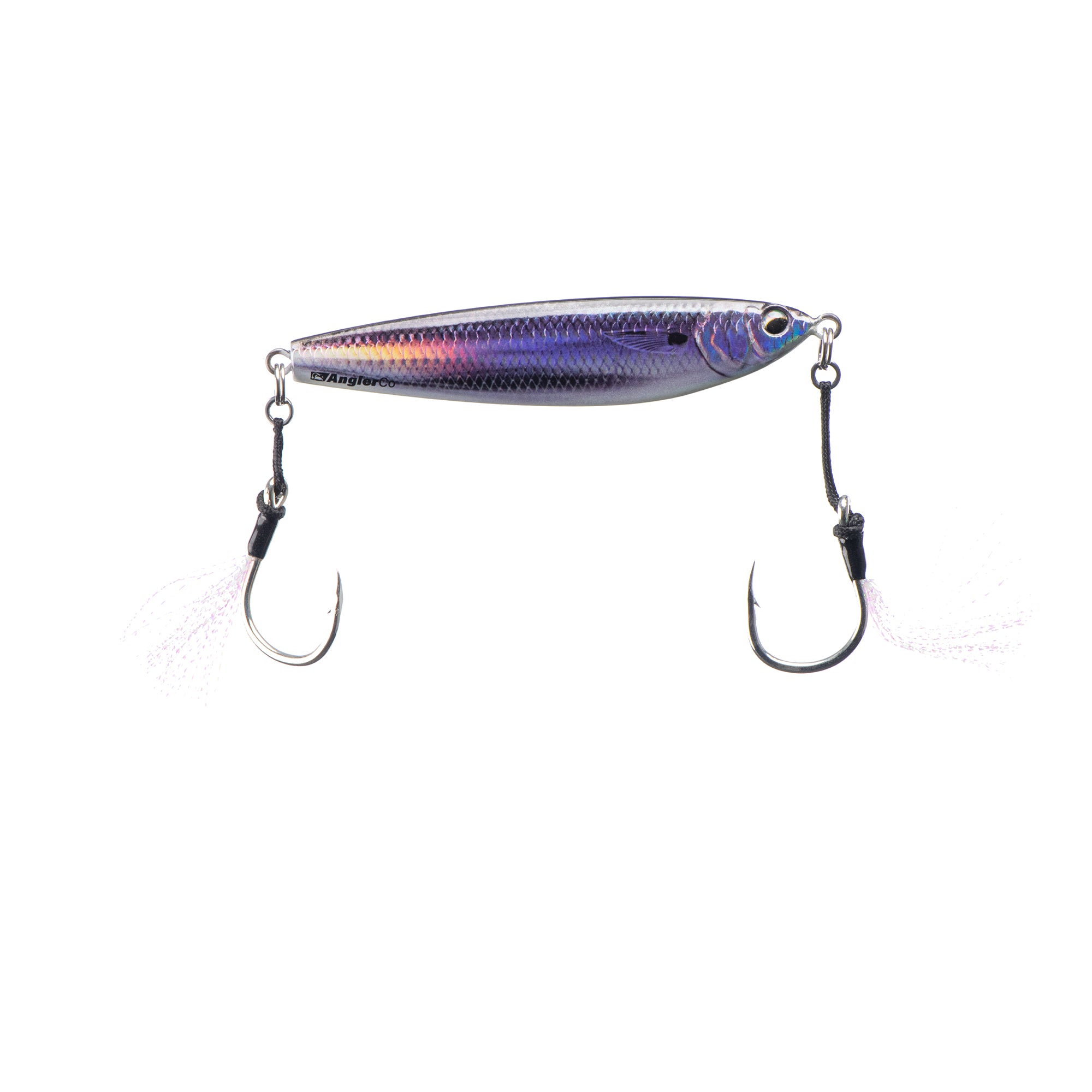

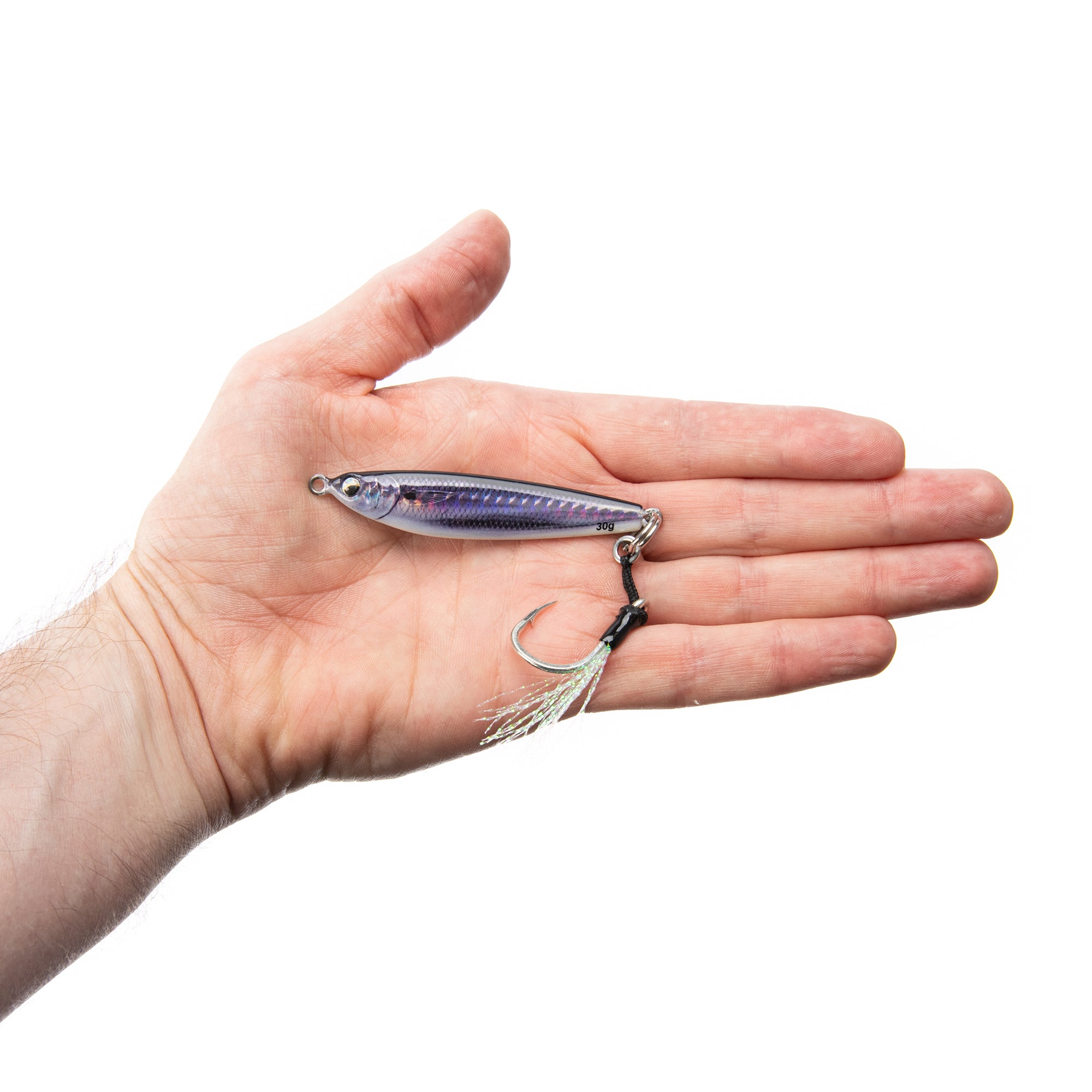
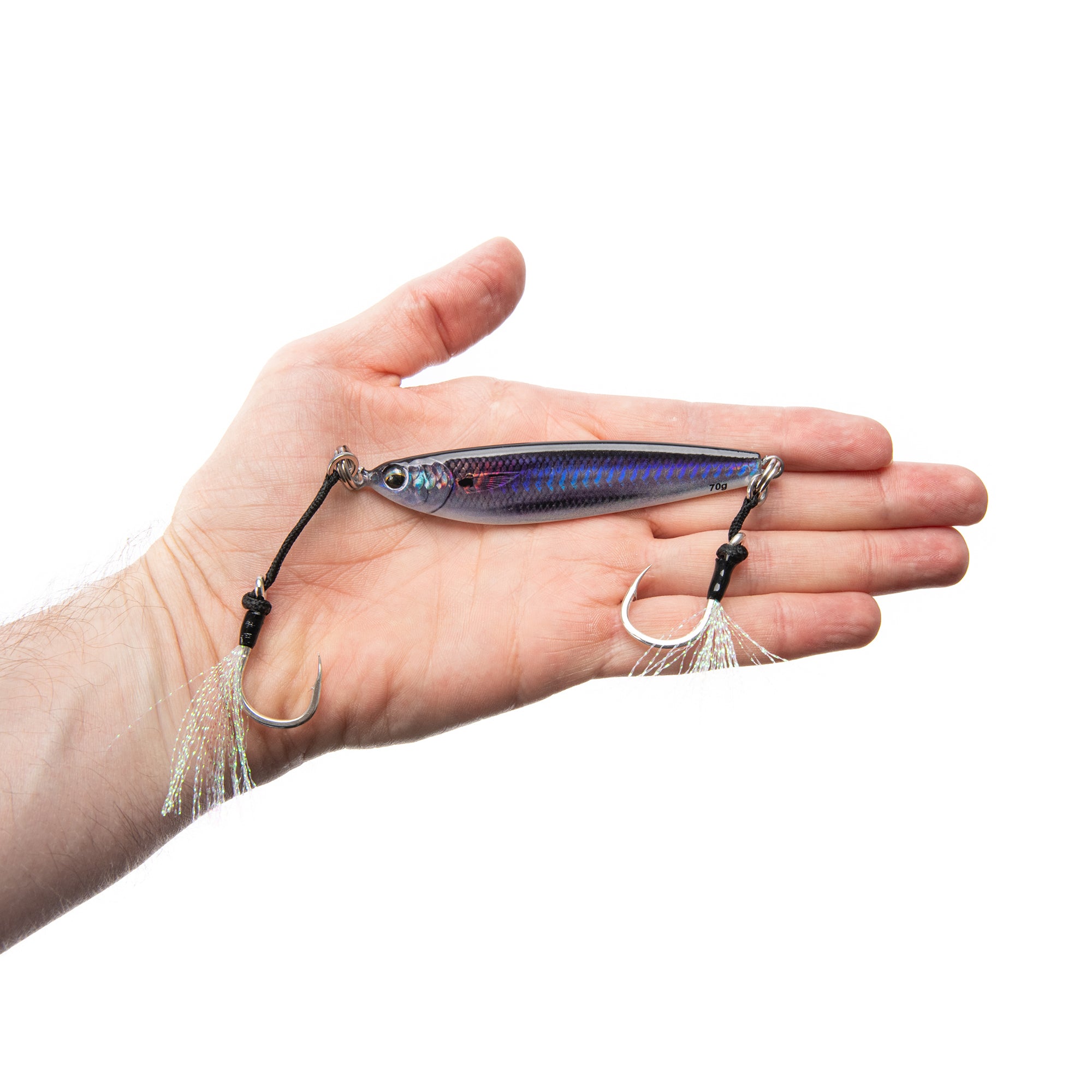
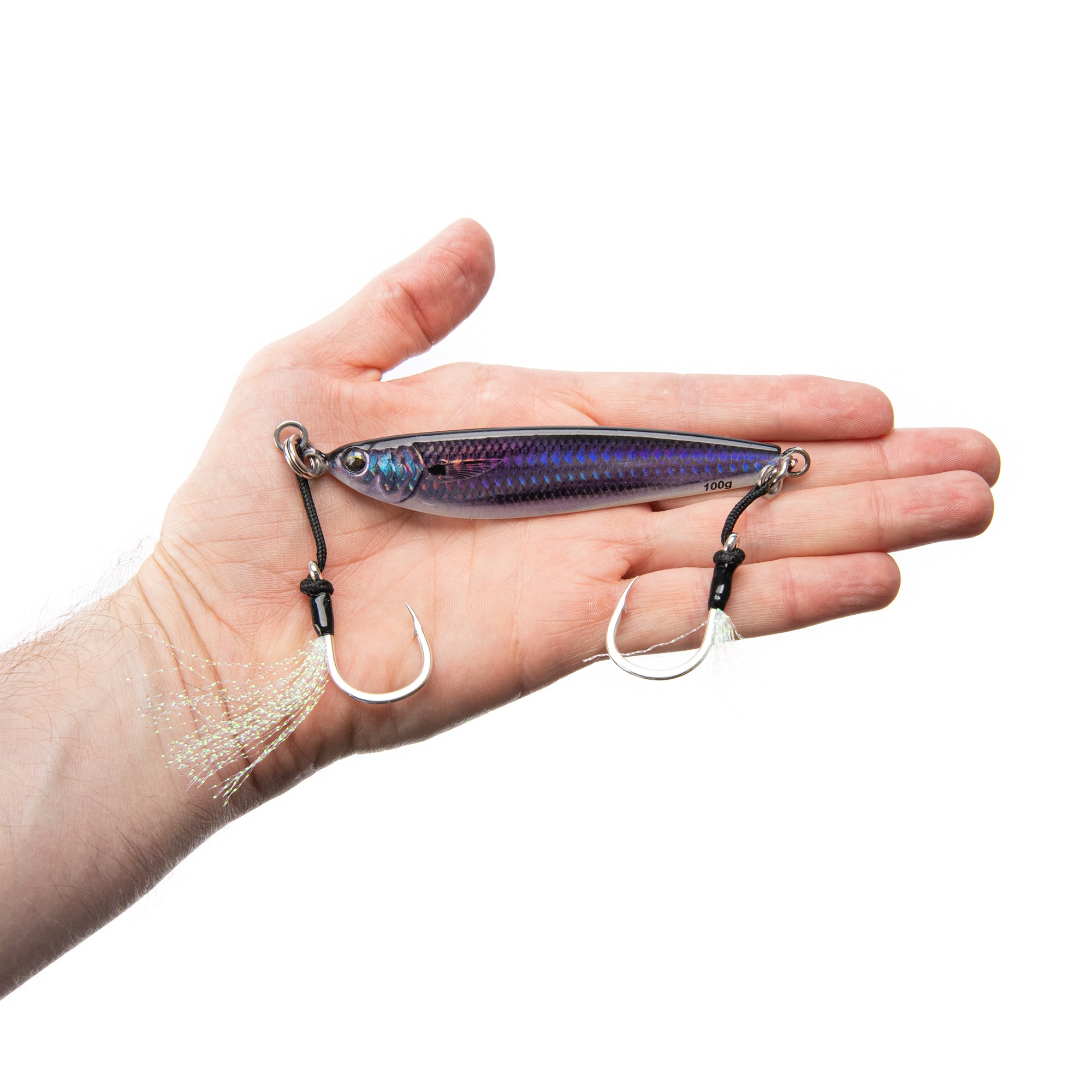
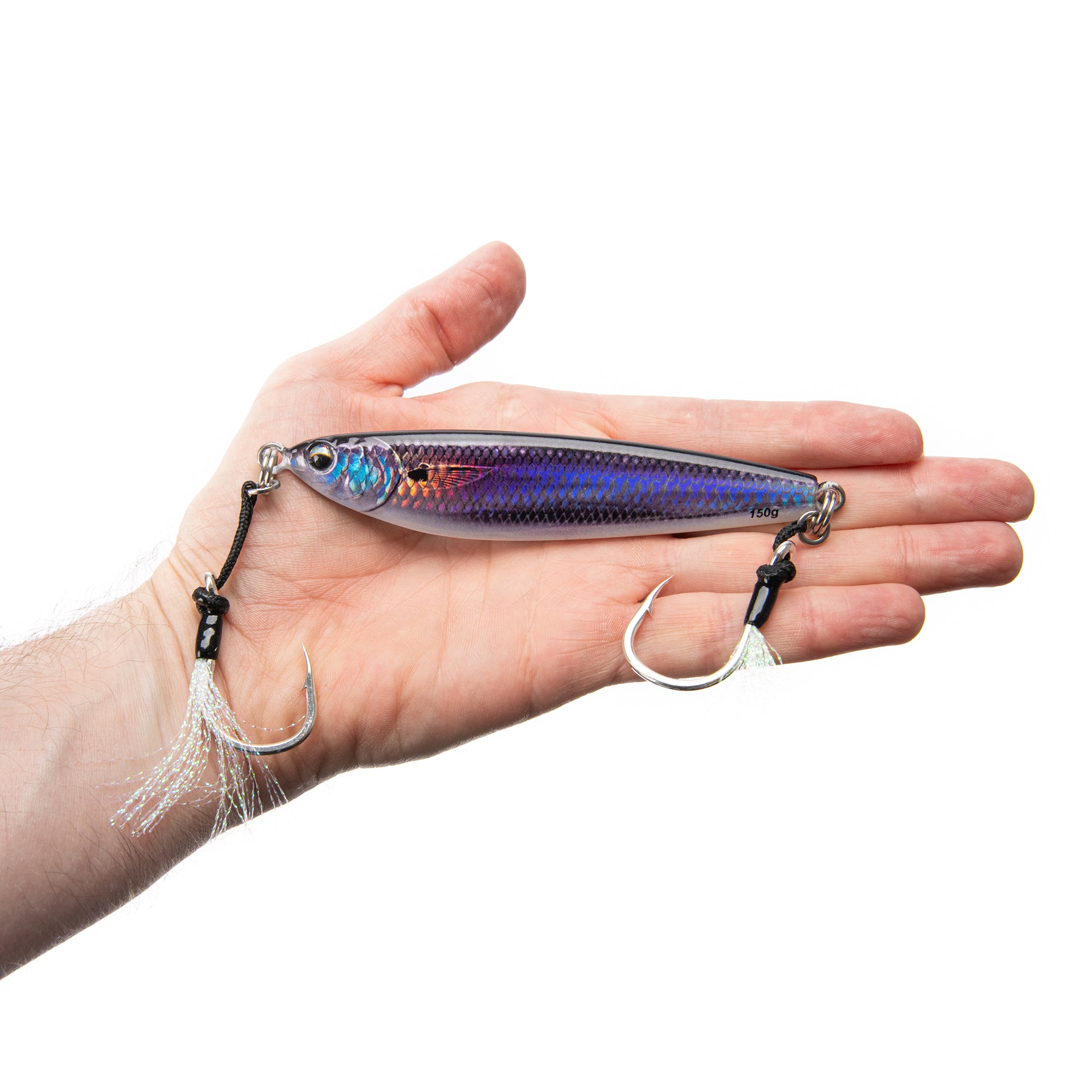
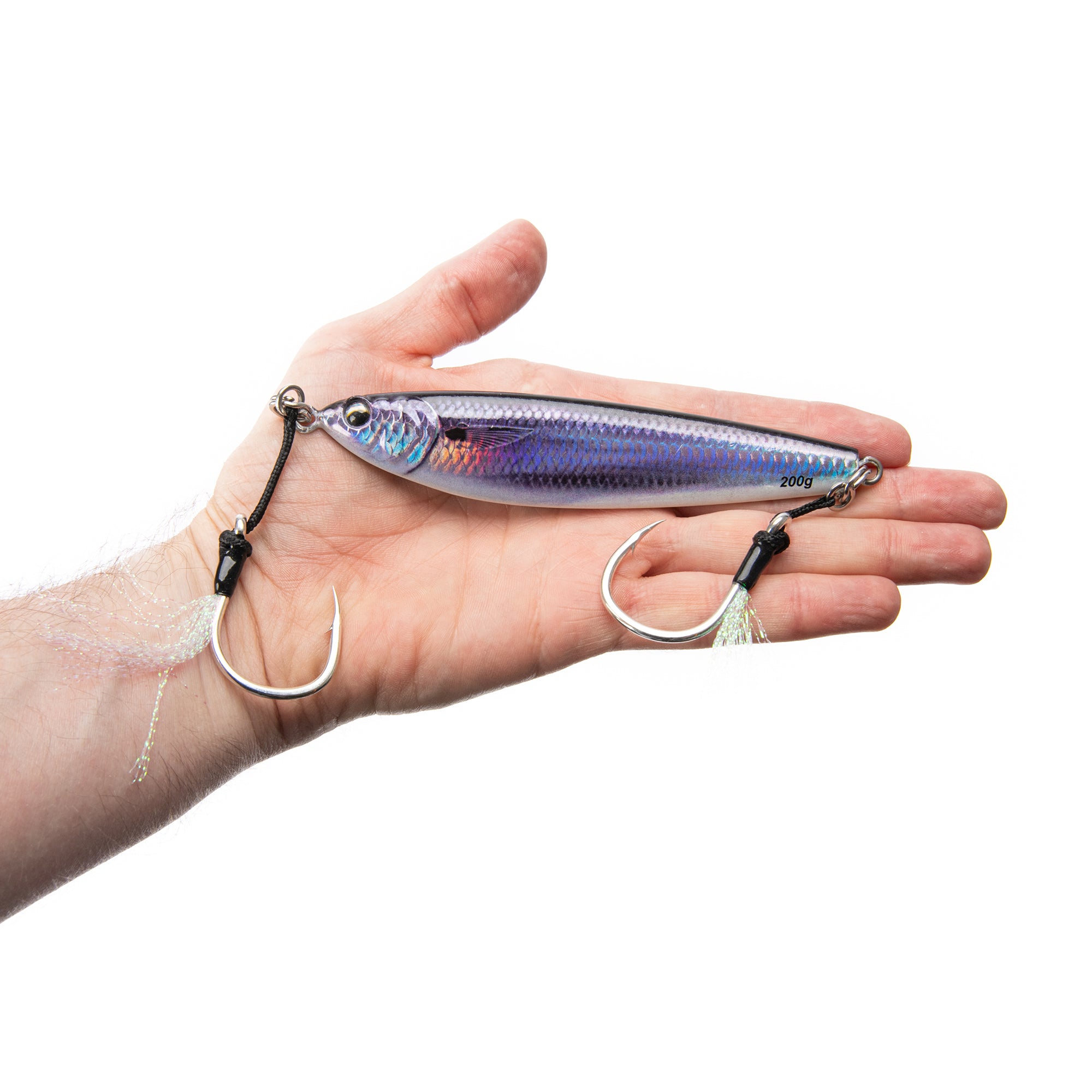

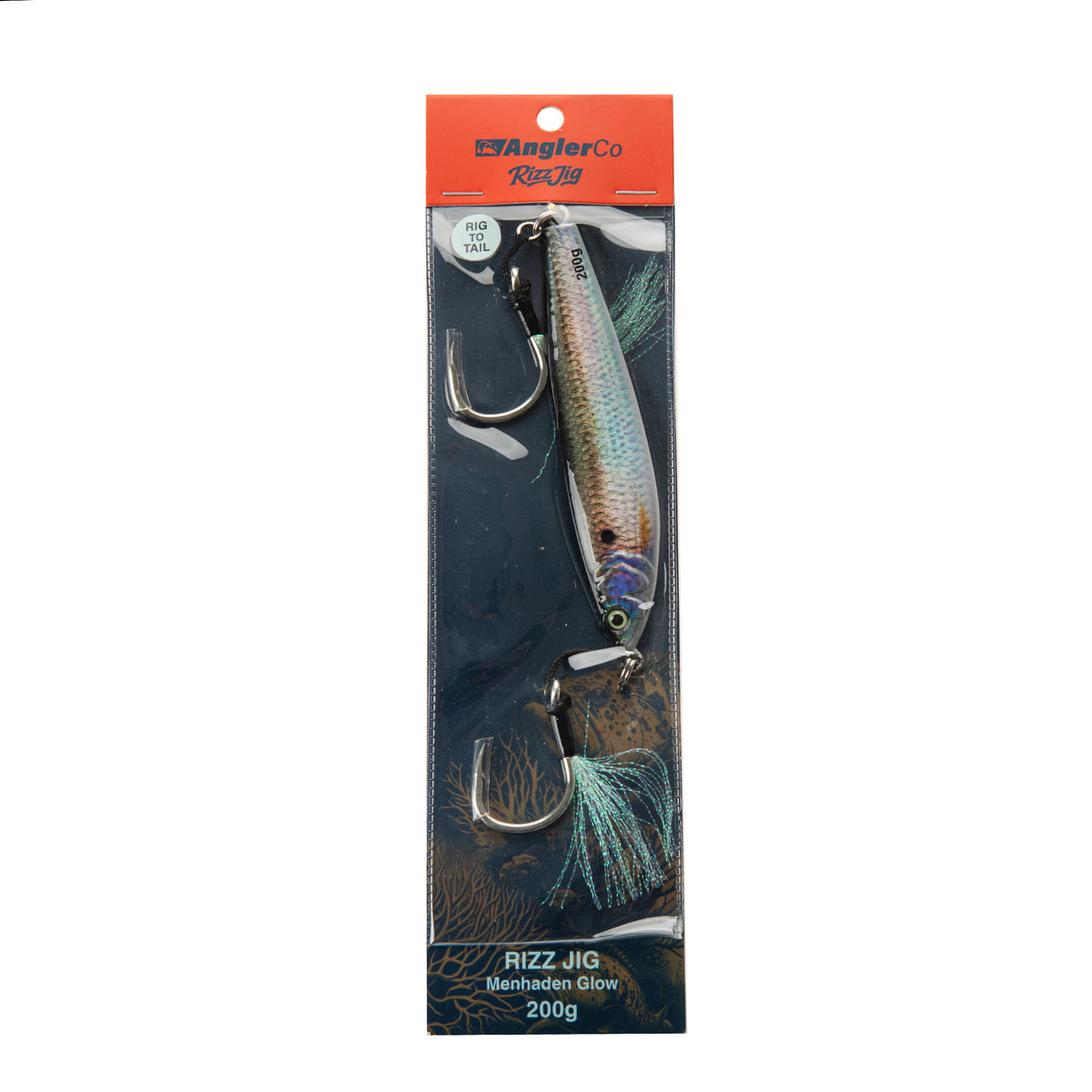
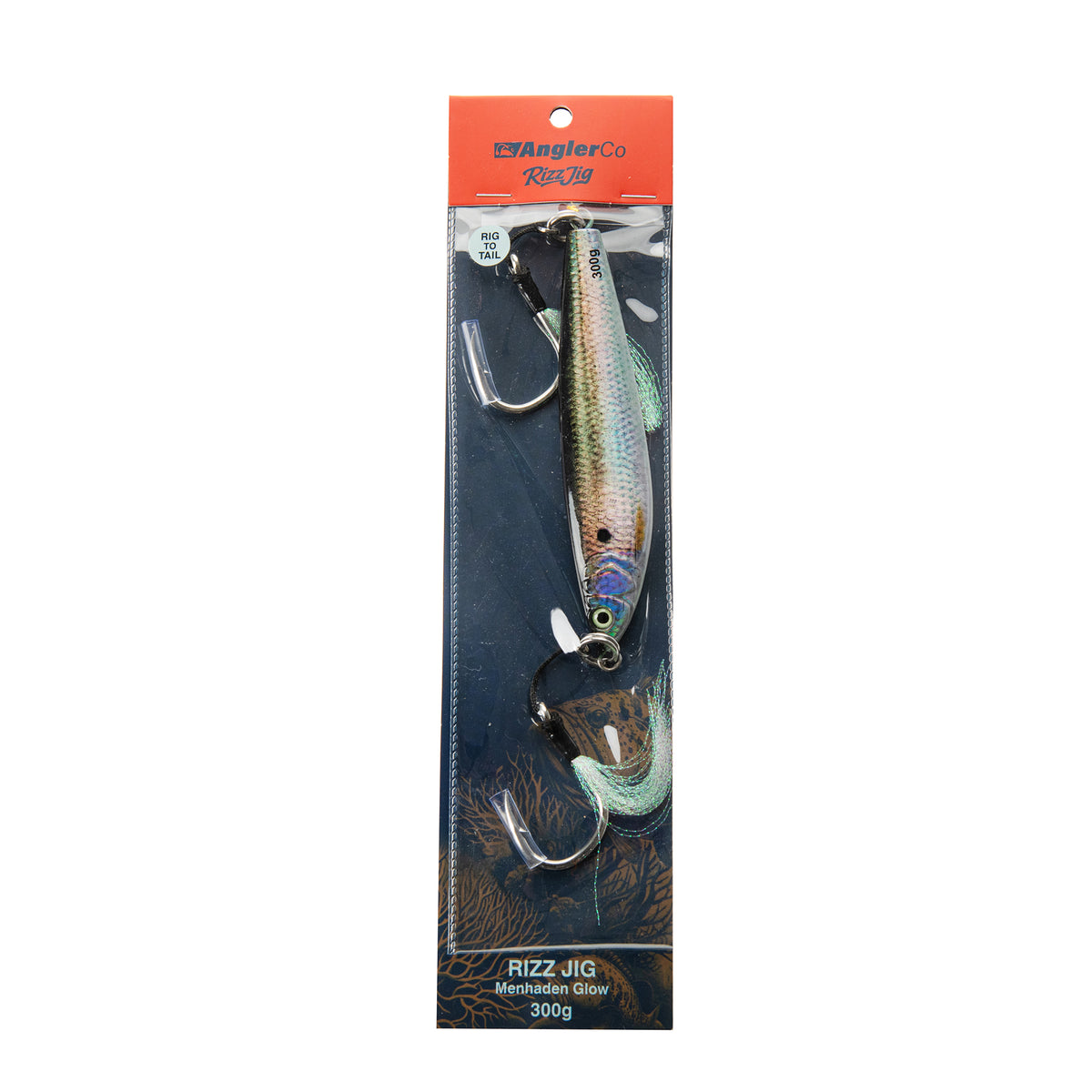
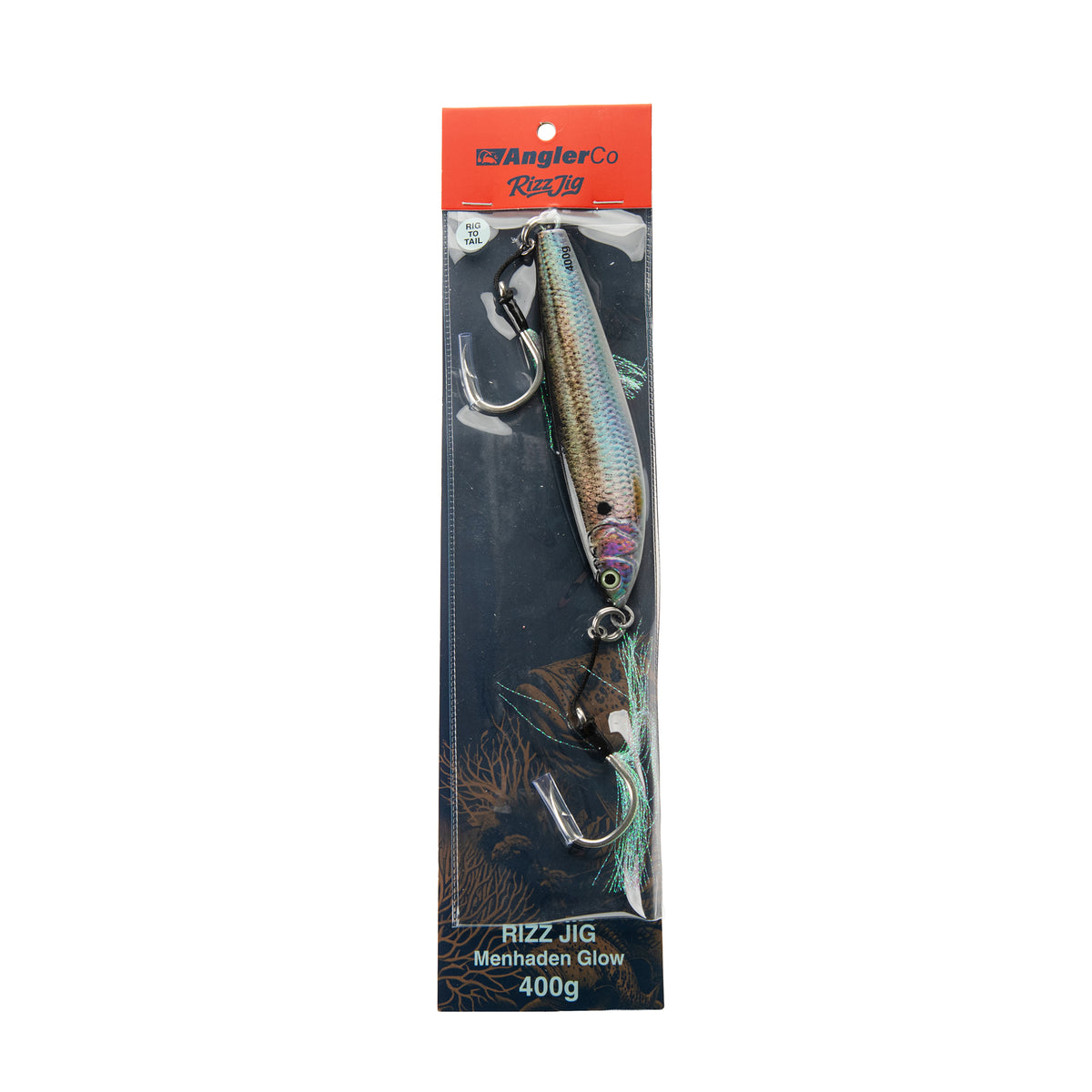
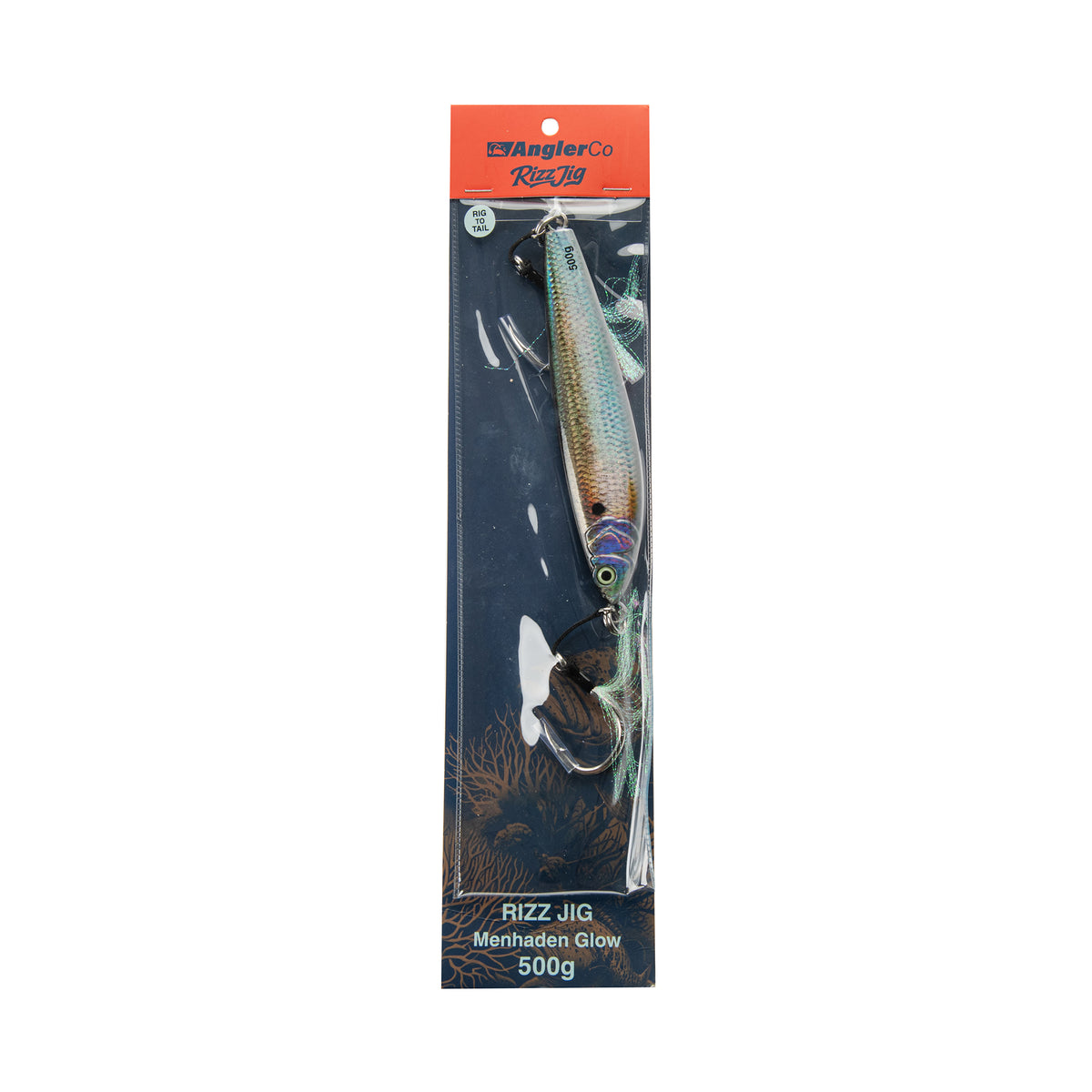
CHOOSE YOUR COLORWAY

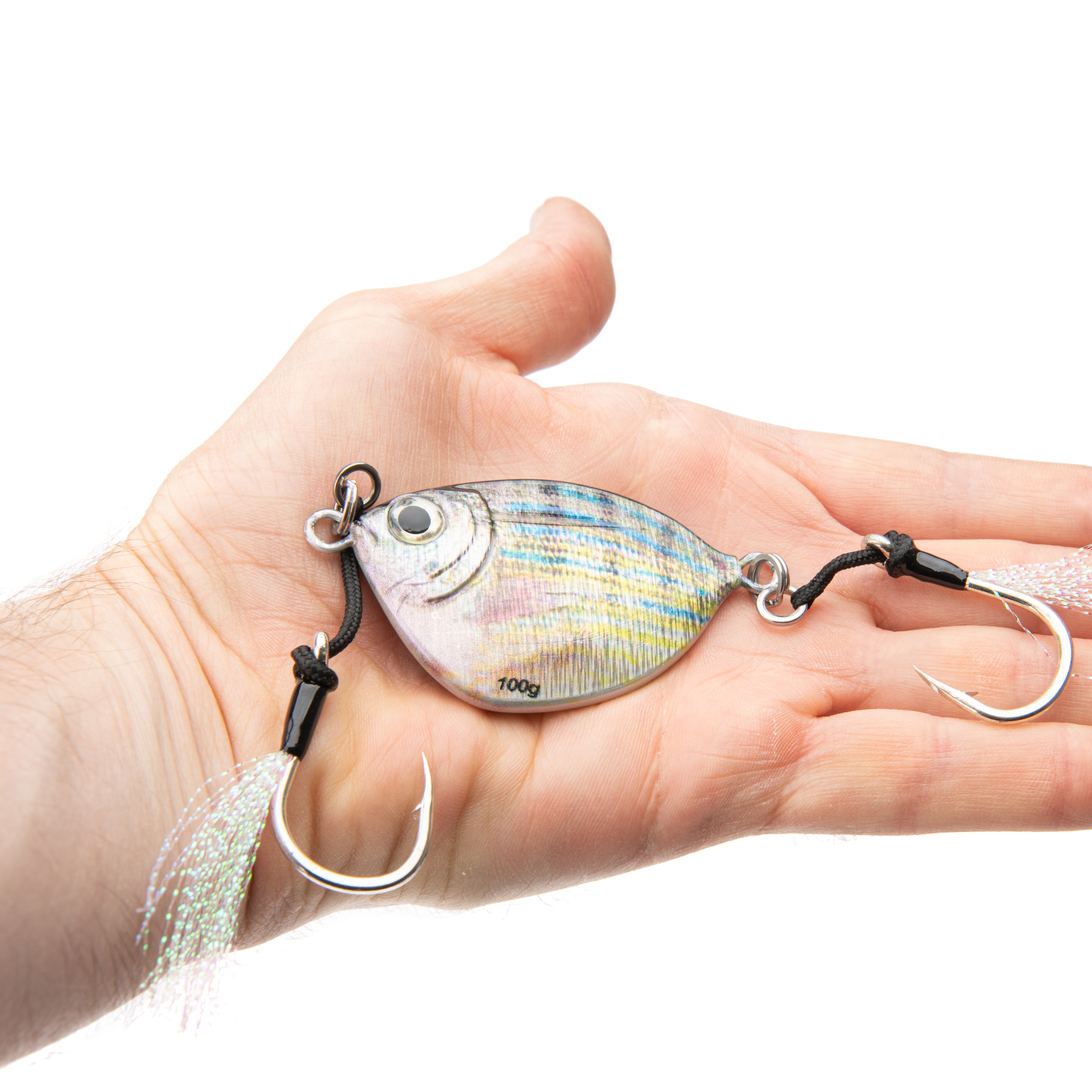
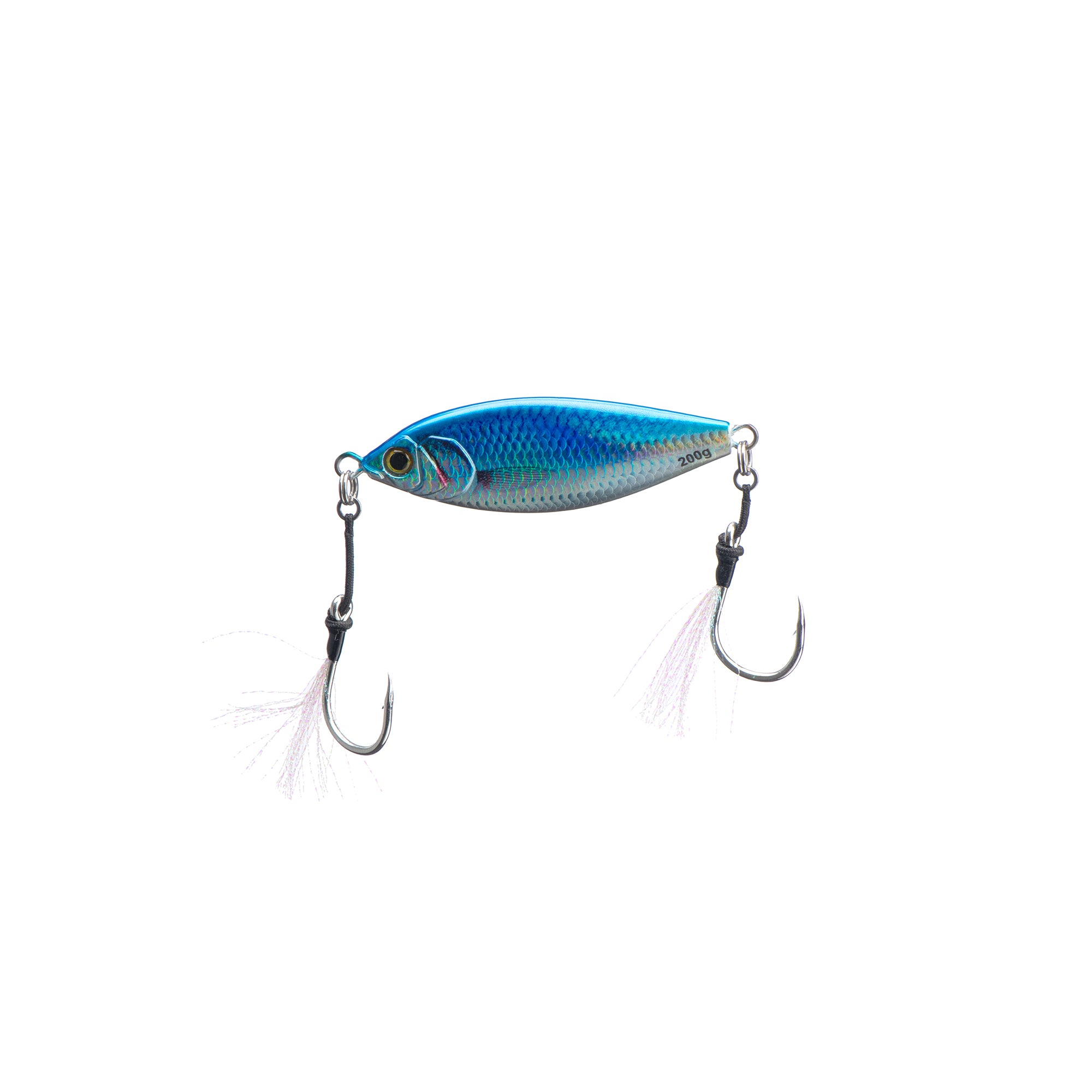
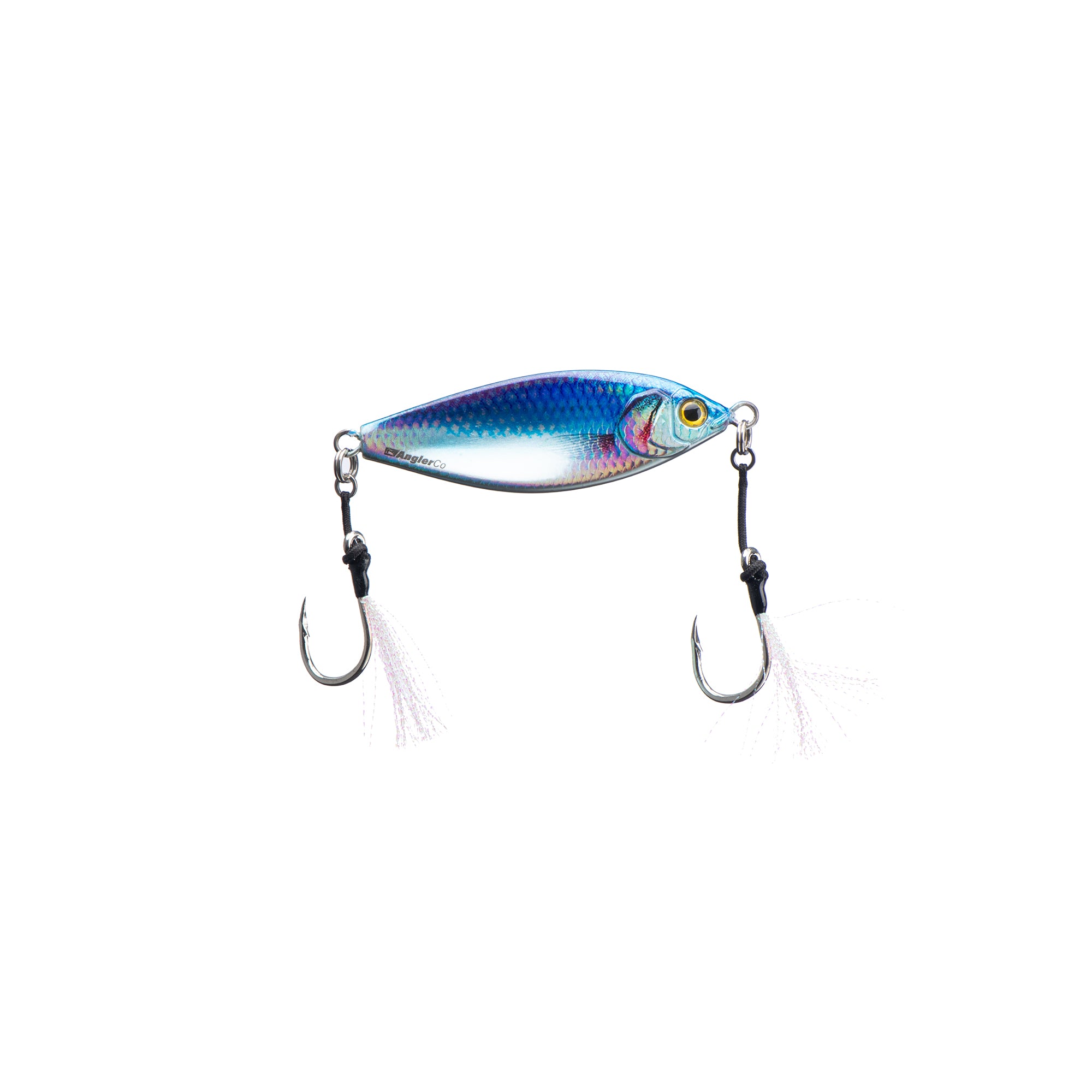
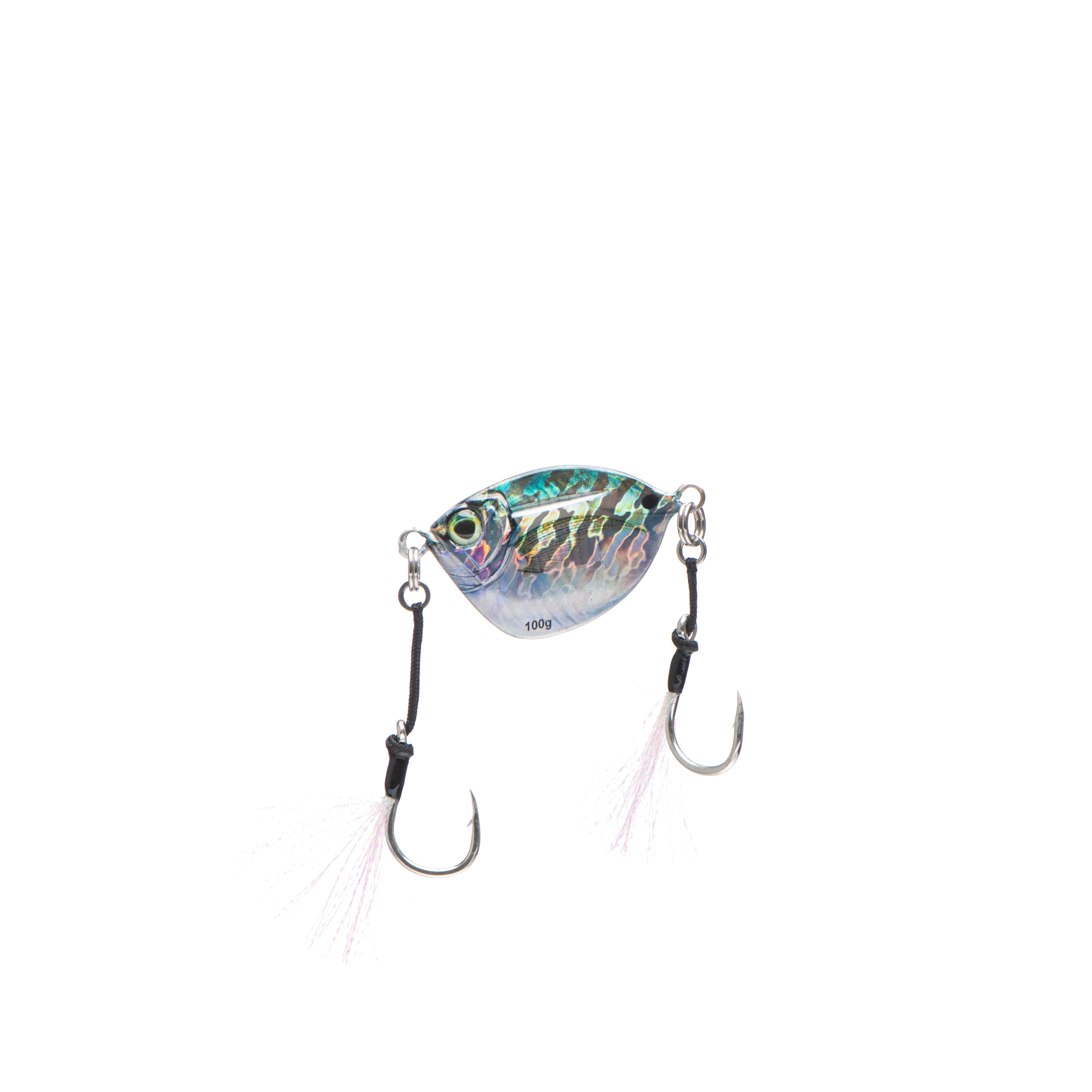
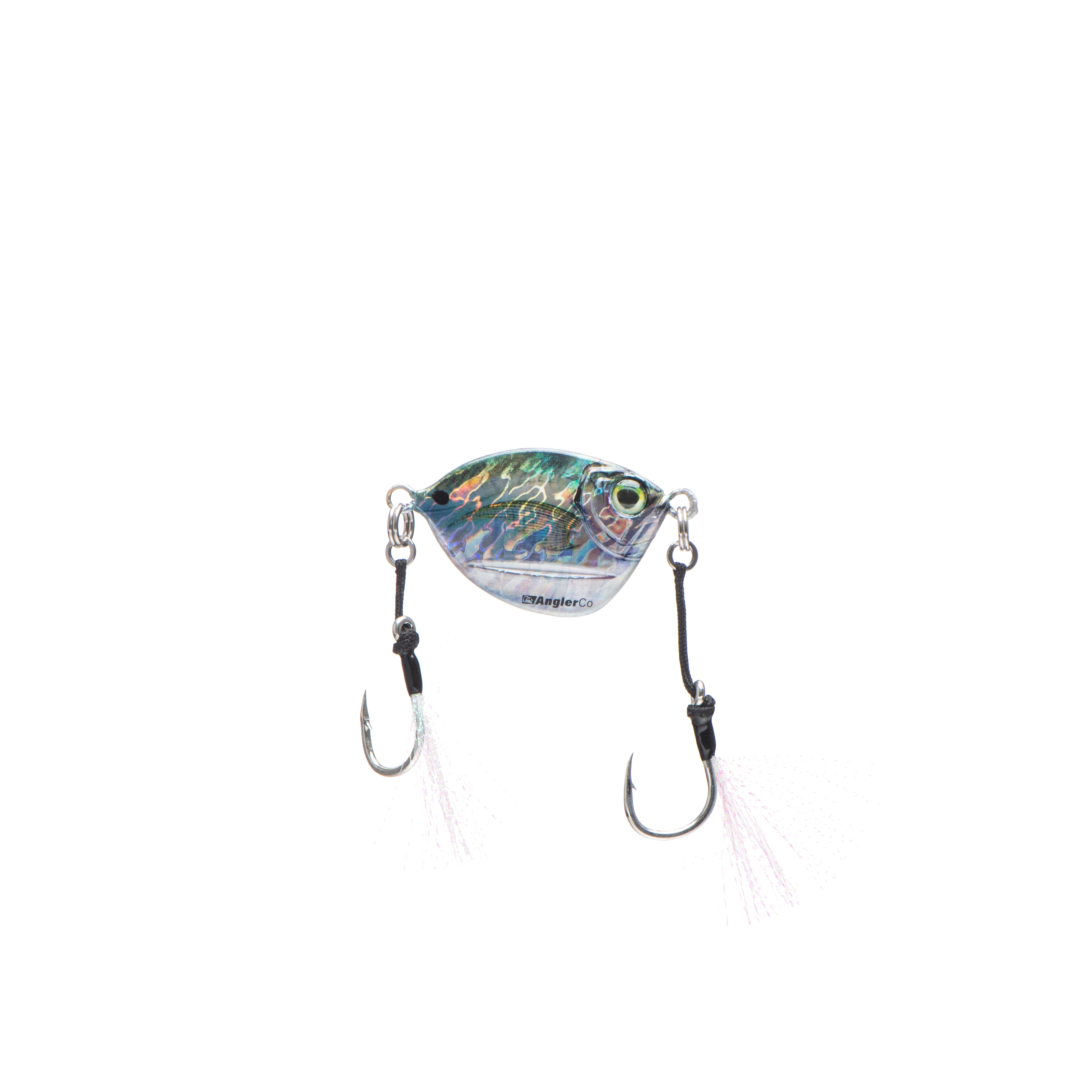
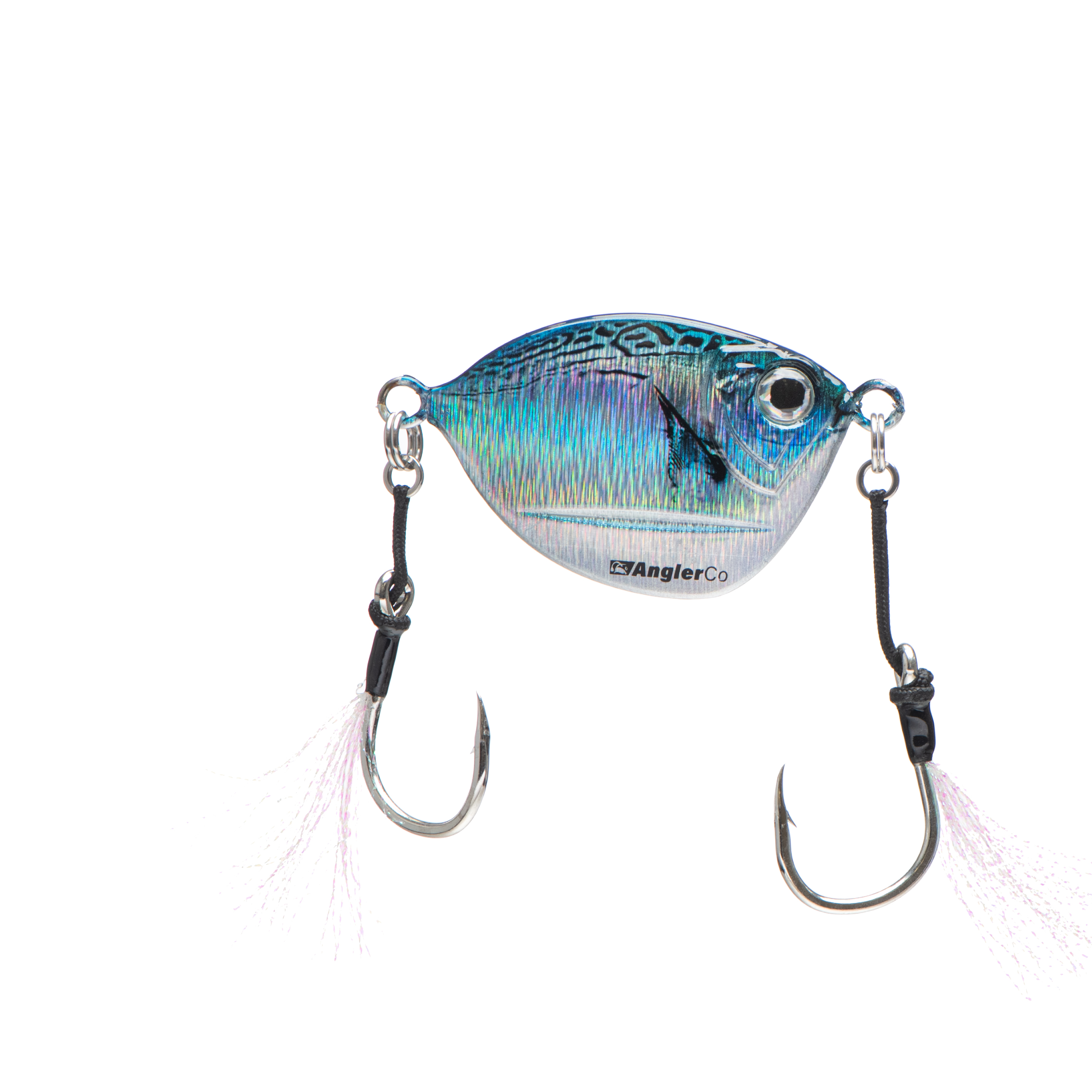
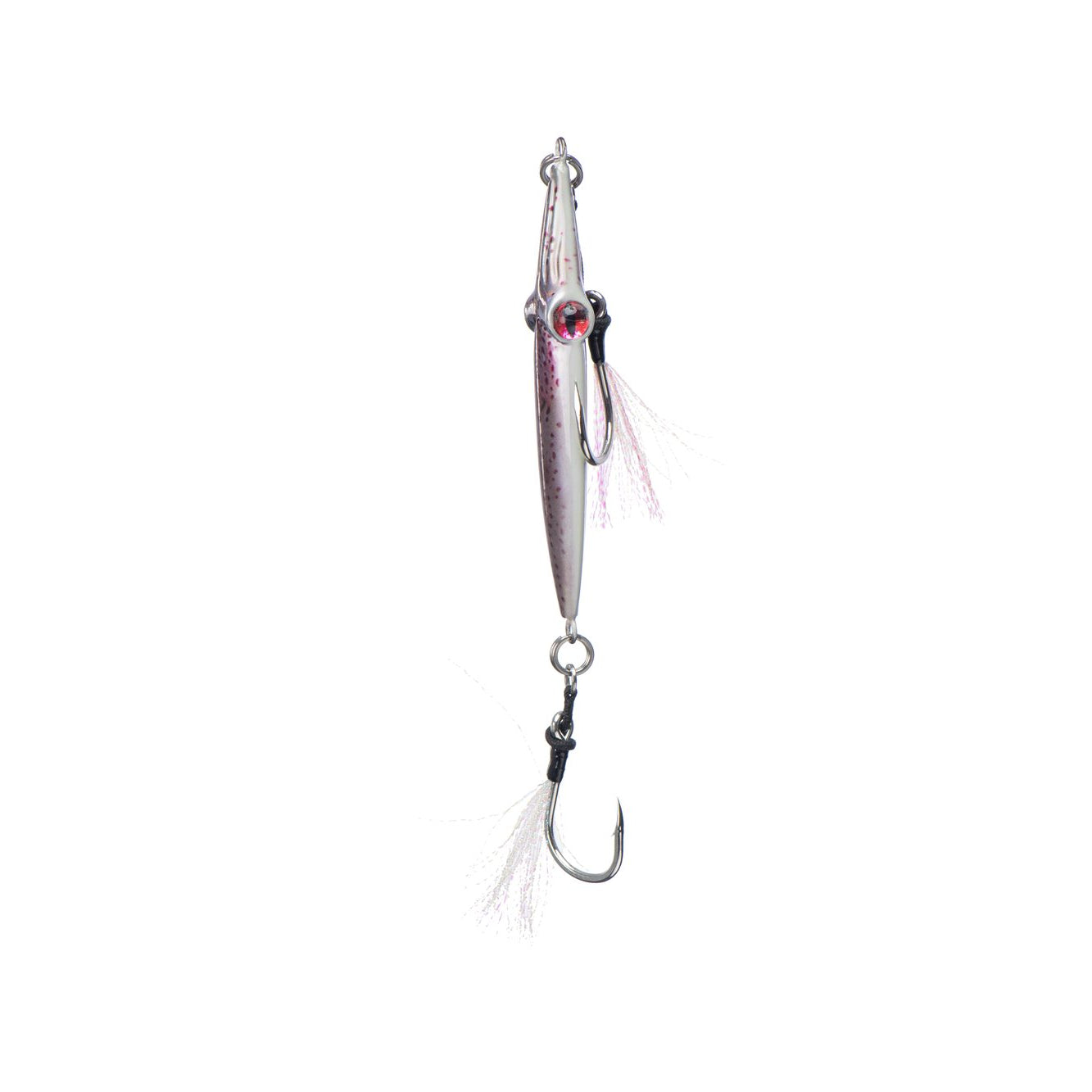
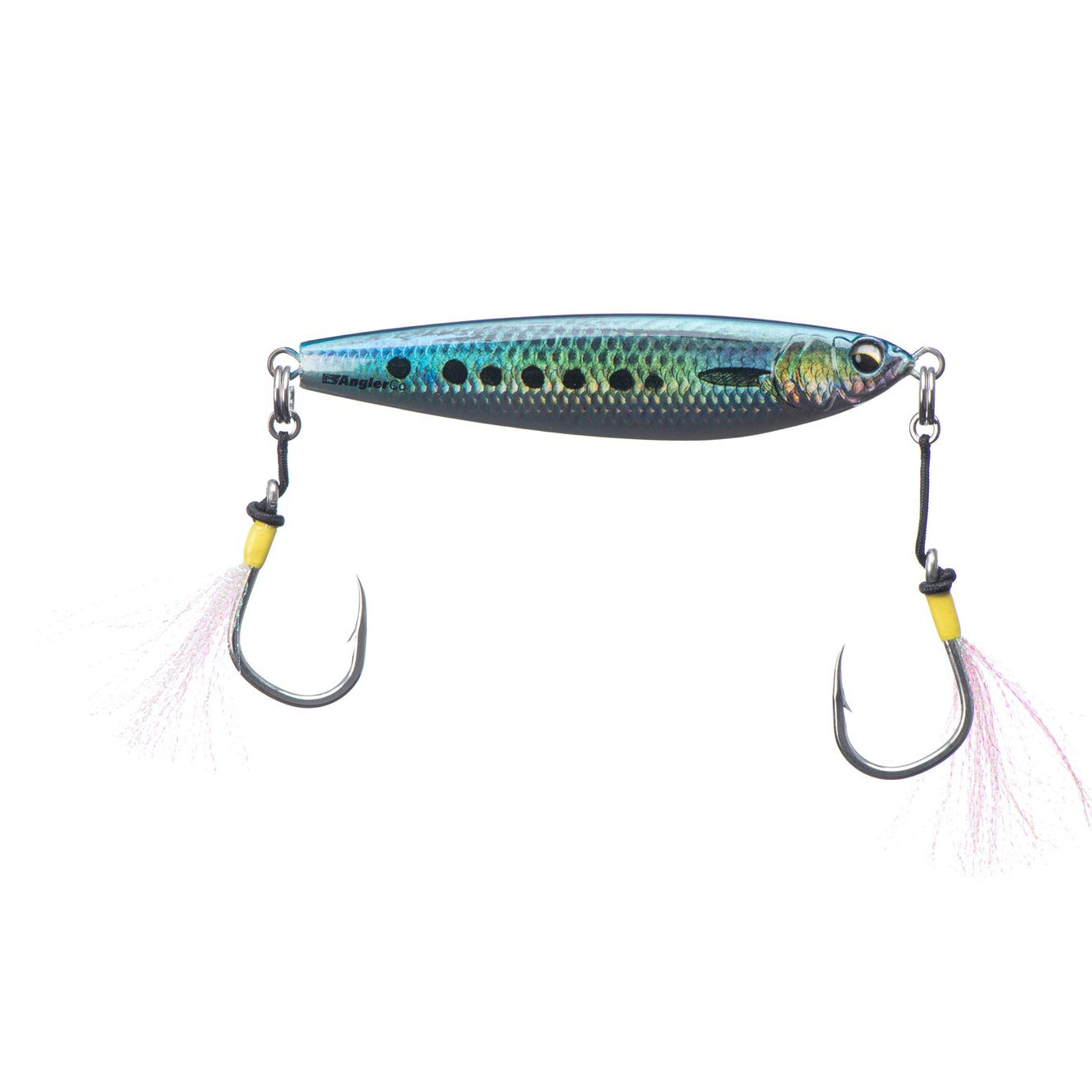
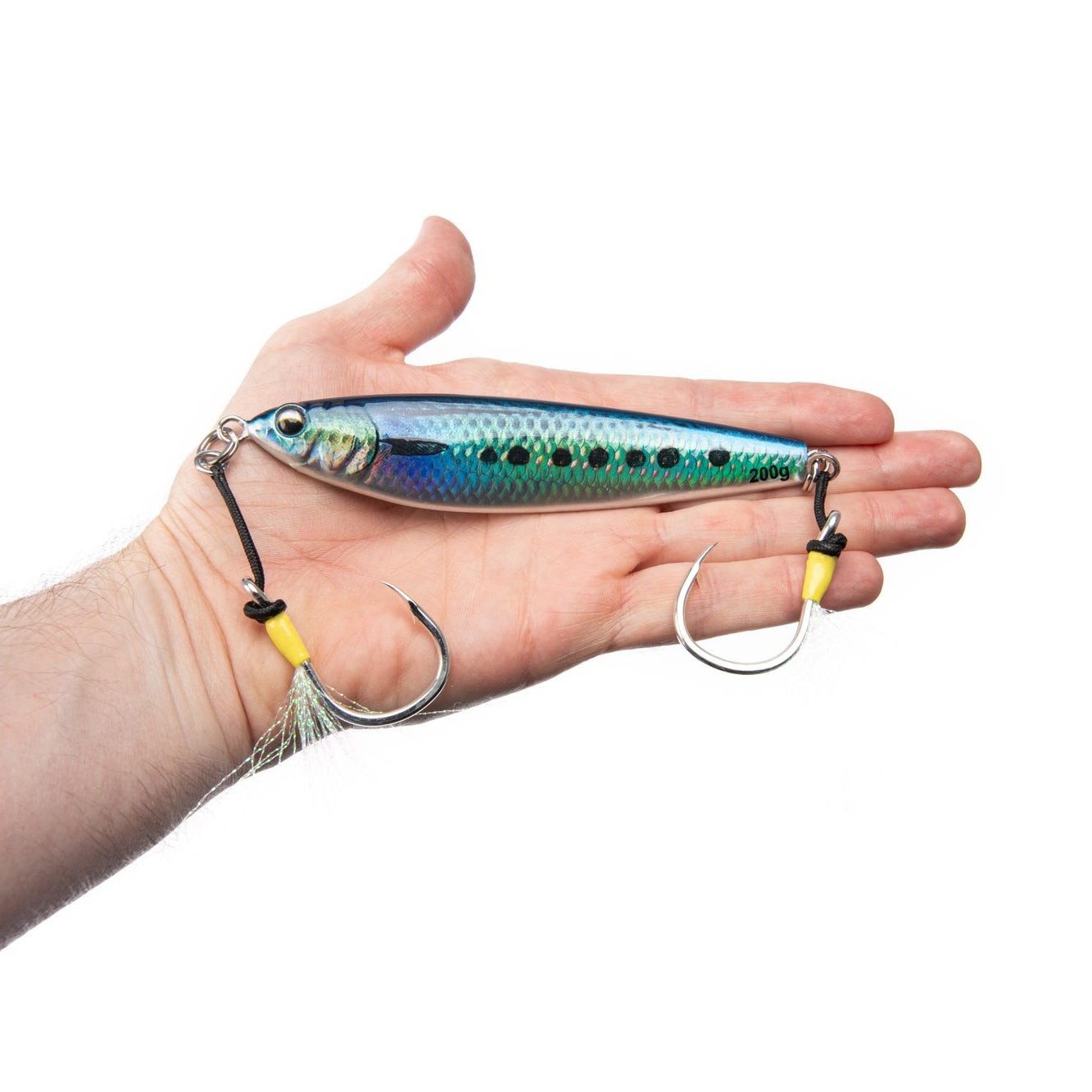
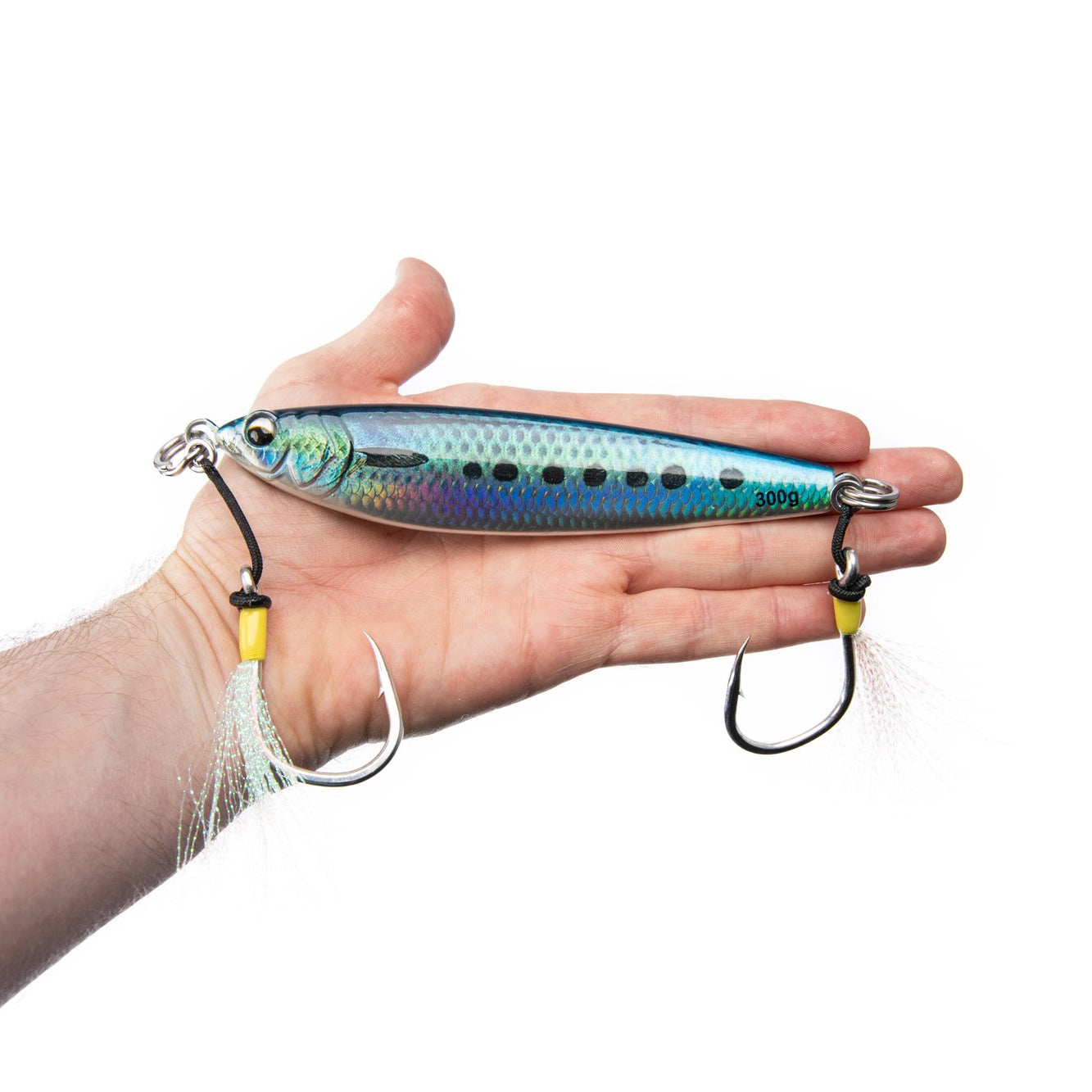
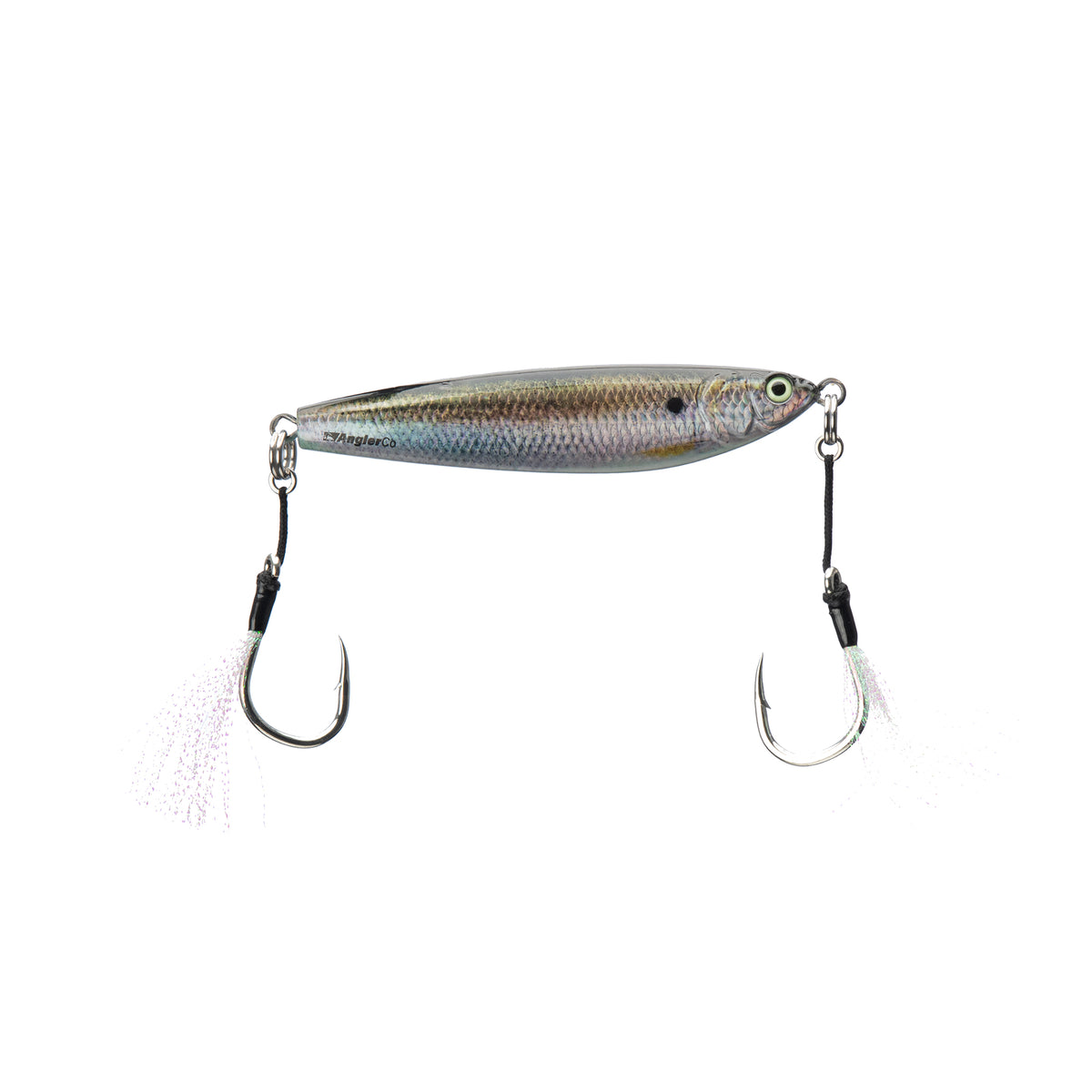
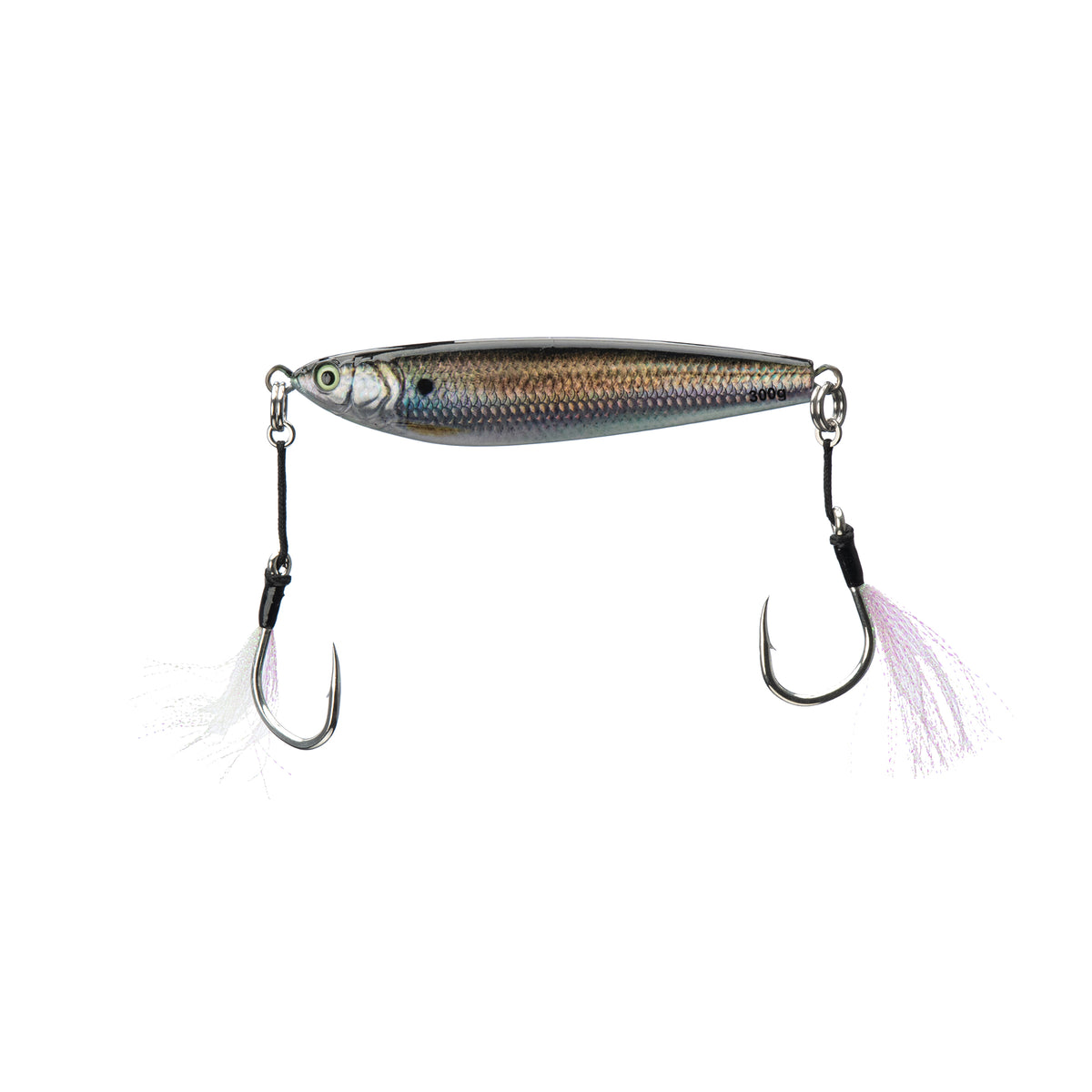
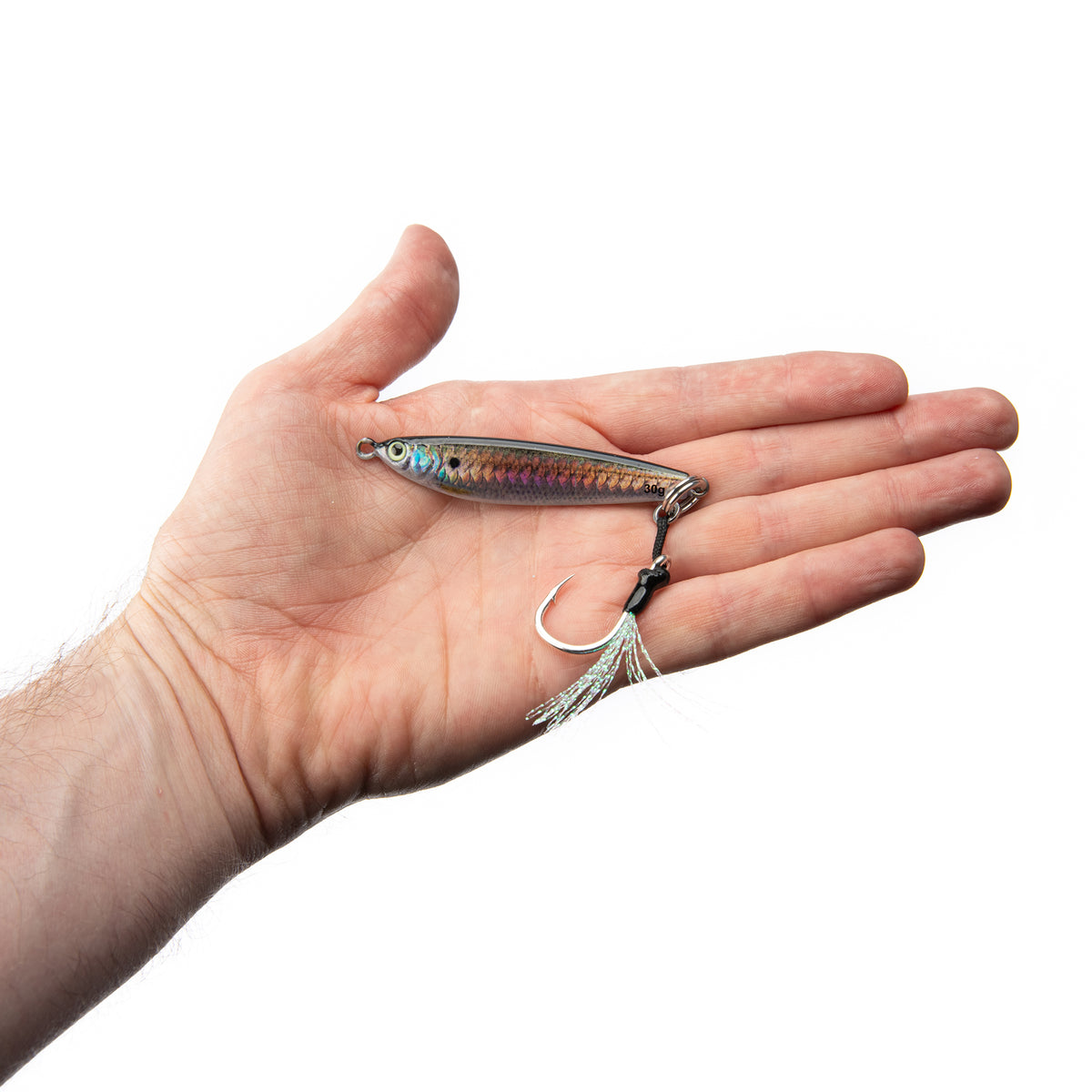
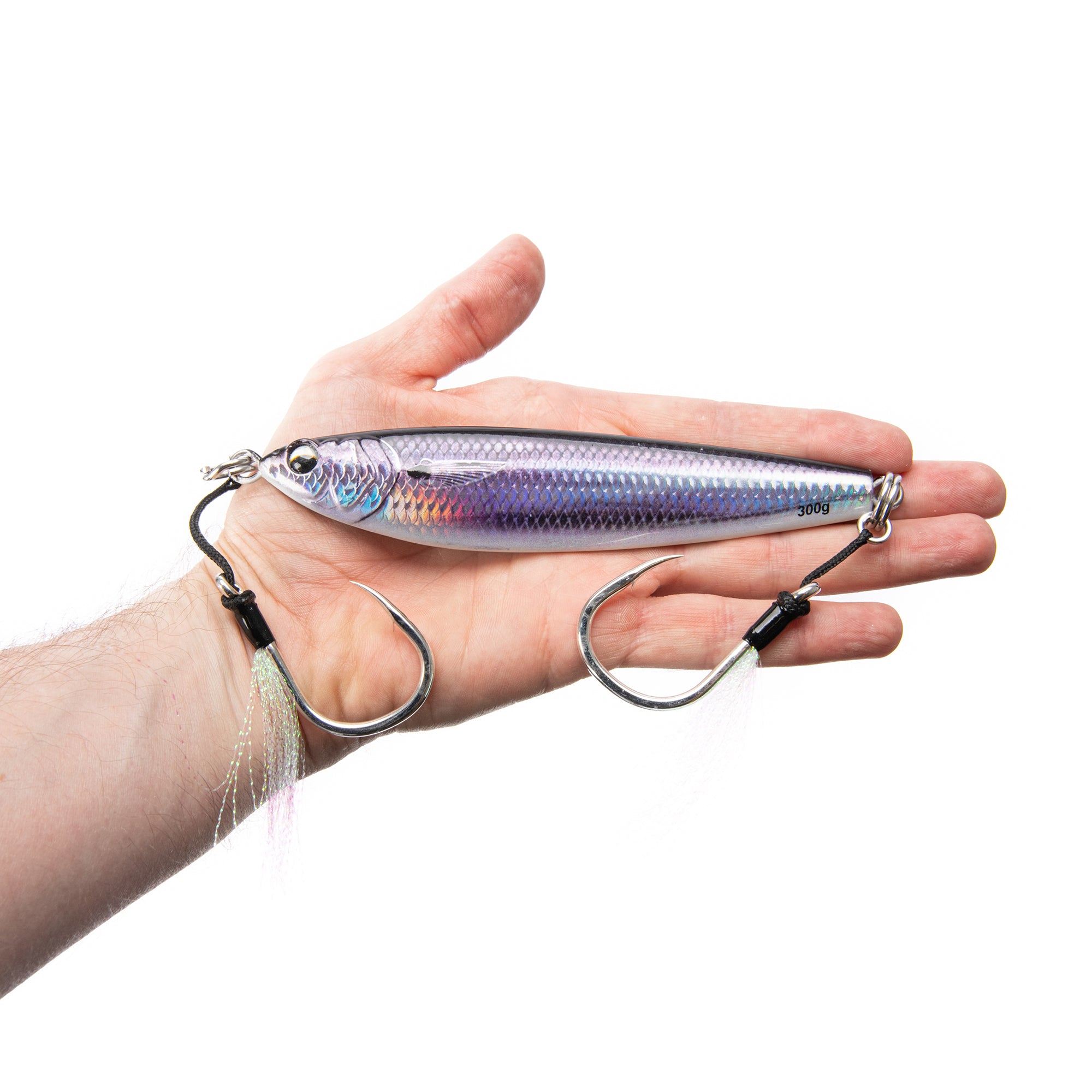
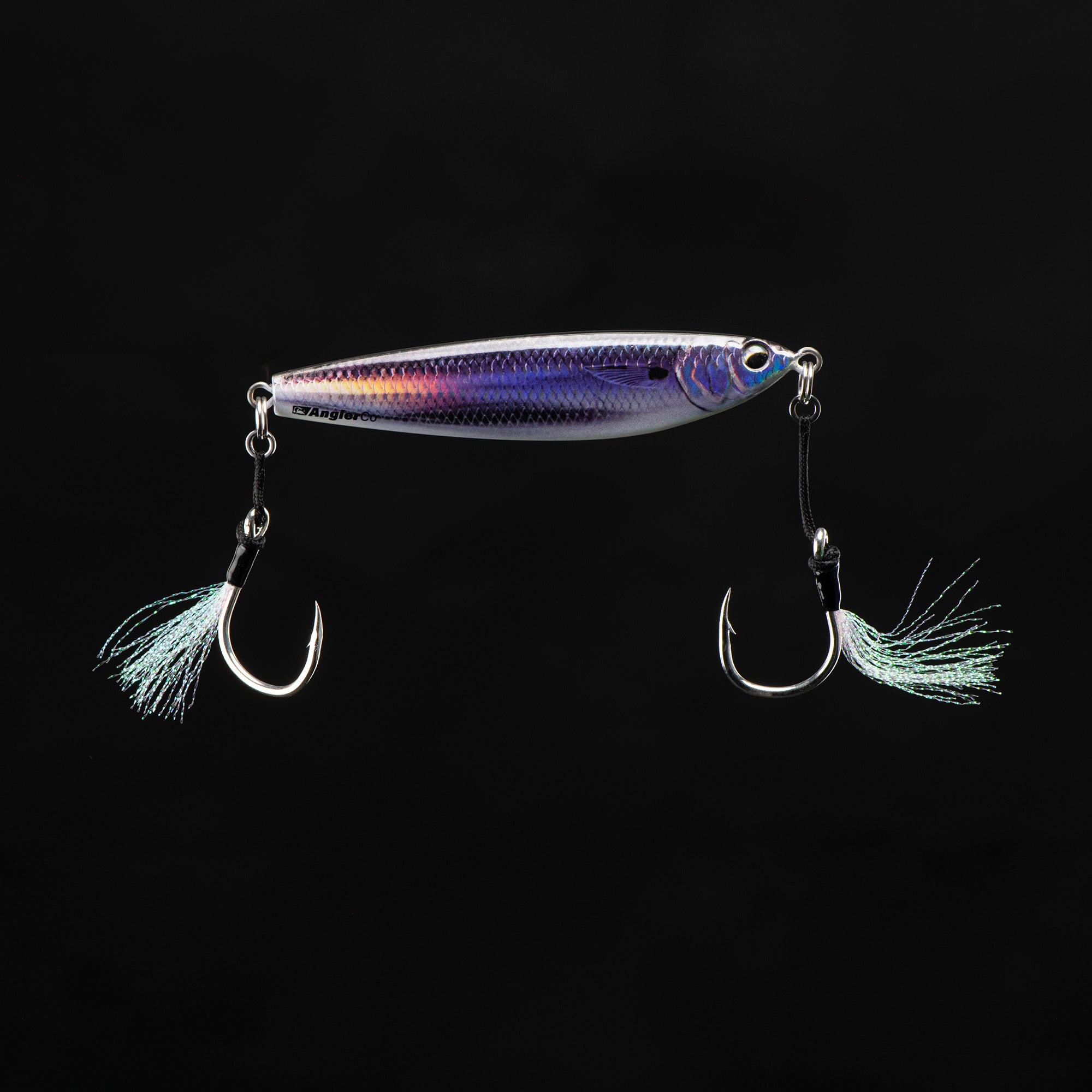
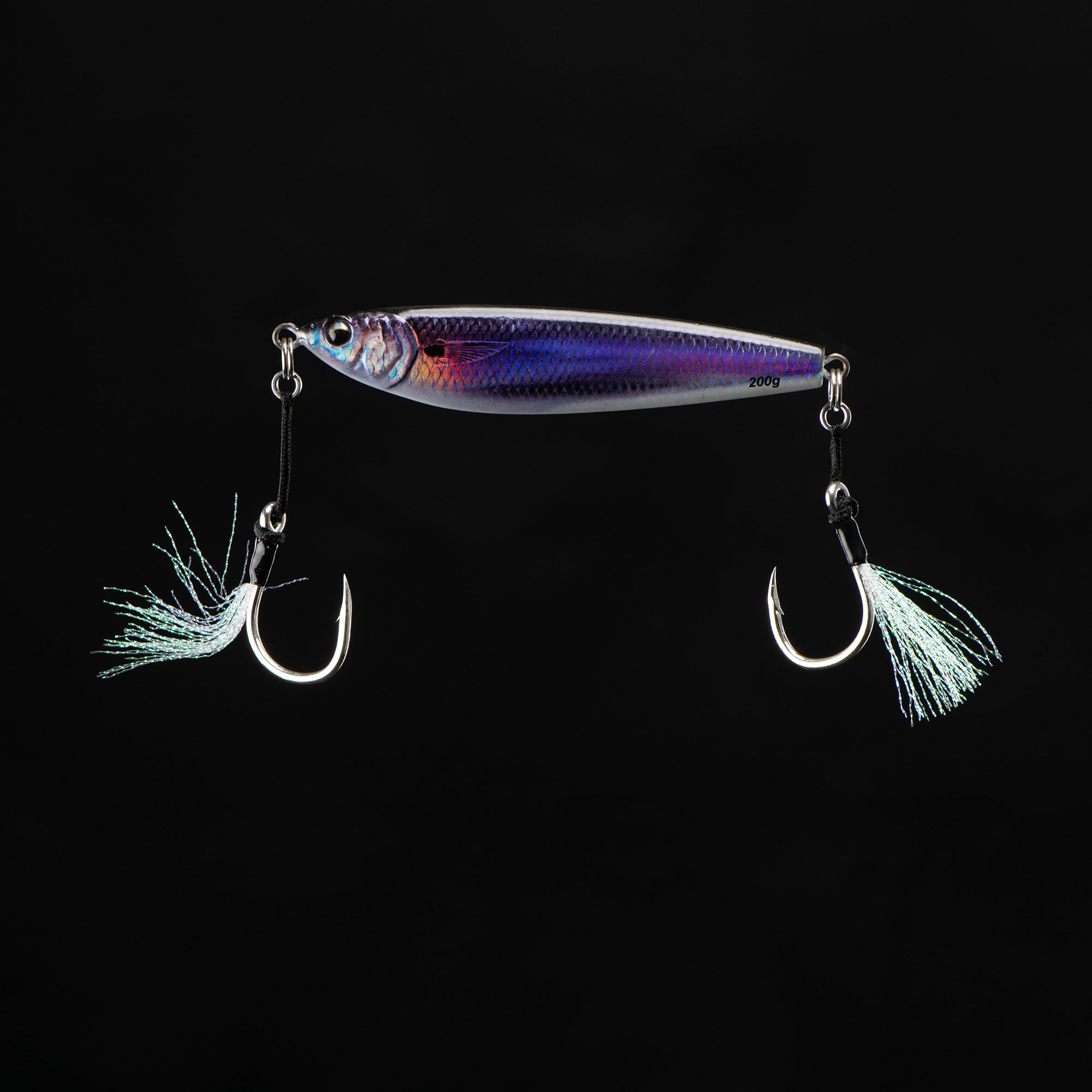
Skibidi Sardine Rizz Jig
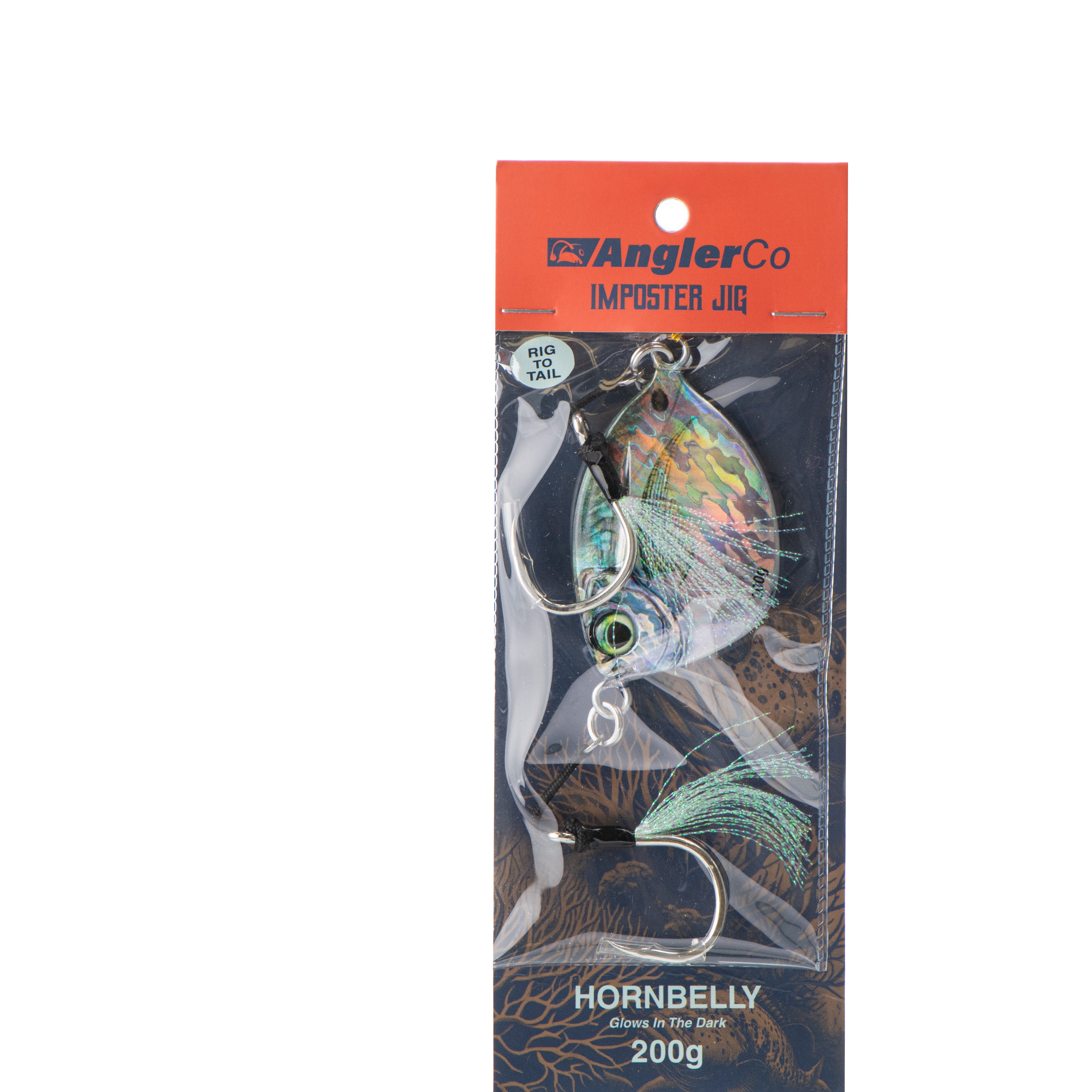
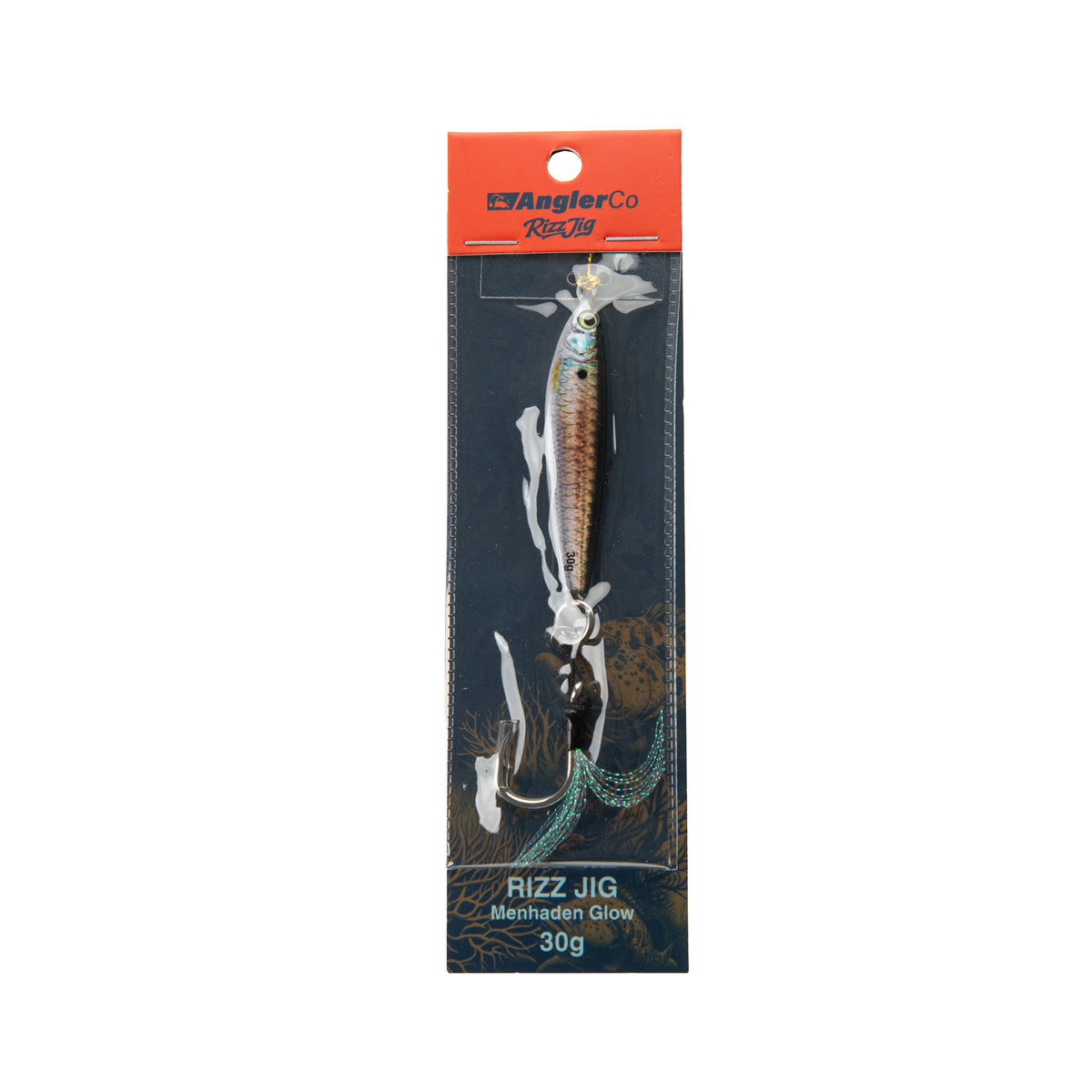
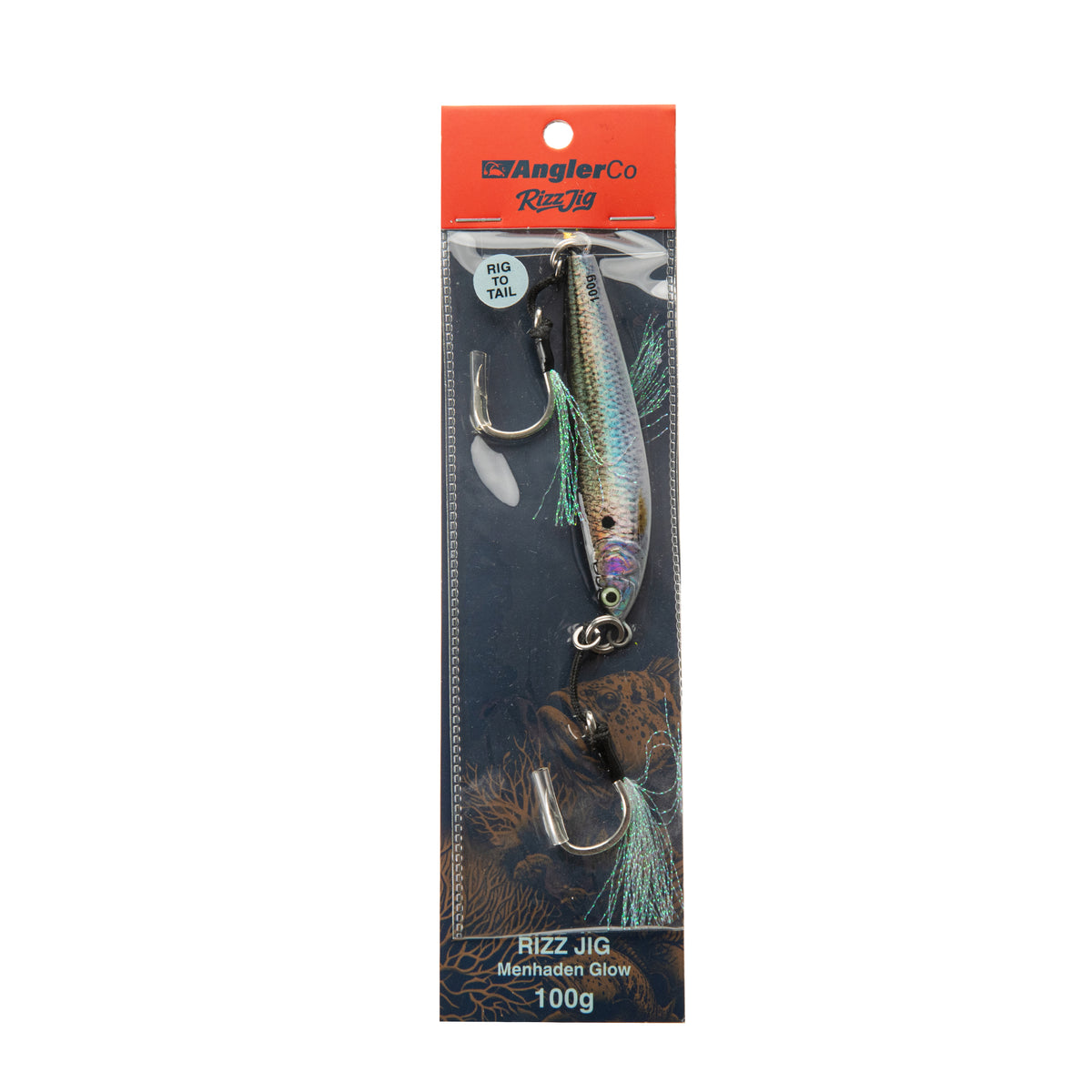
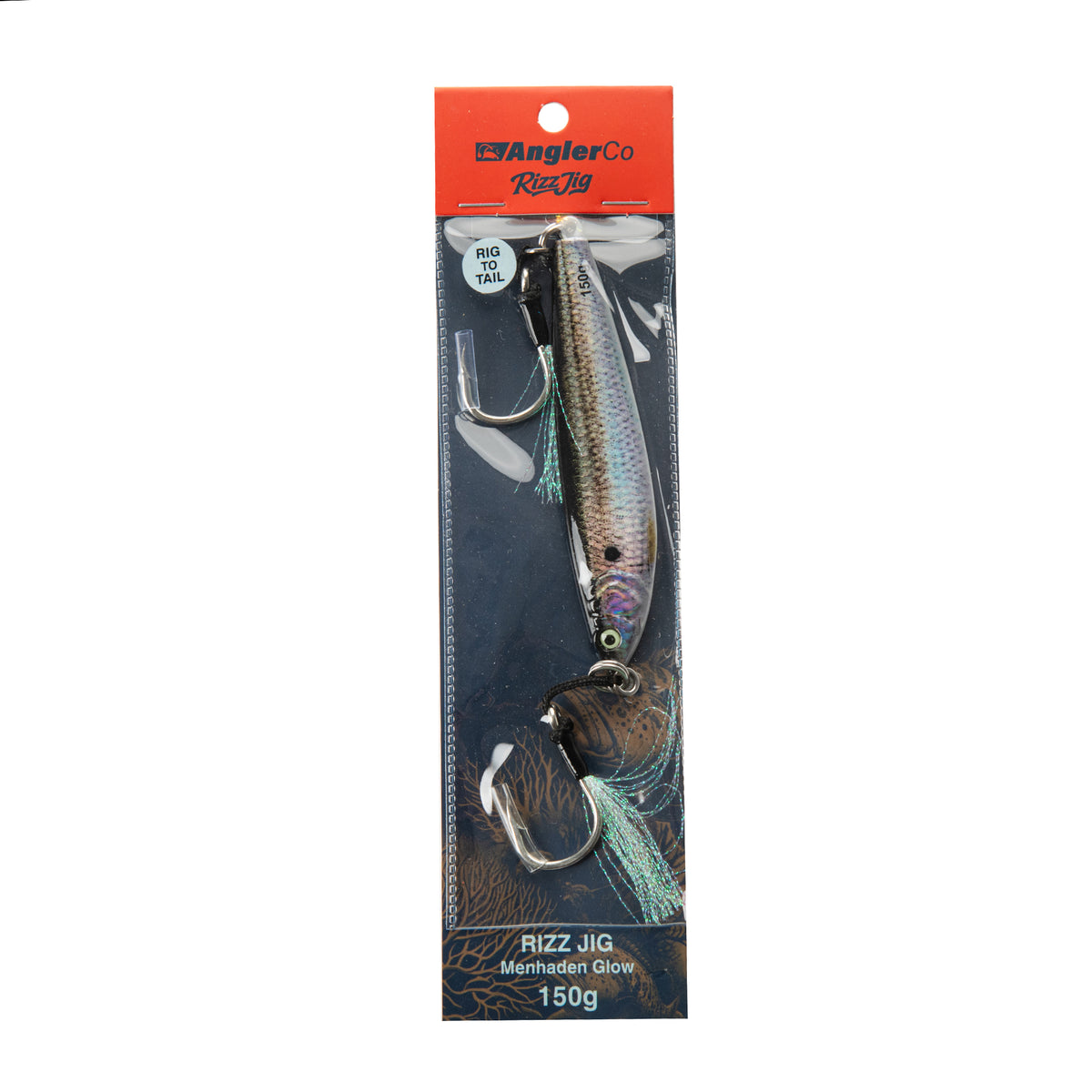
A realistic sardine-inspired colorway designed to perfectly mimic offshore forage species. Natural baitfish tones paired with the Rizz Jig’s wounded bait action create an irresistible presentation predators recognize instantly.
Best For:
- Near bait schools
- Kingfish
- Tuna
- Cobia
Available in: 30g, 70g, 100g, 150g, 200g, 300g

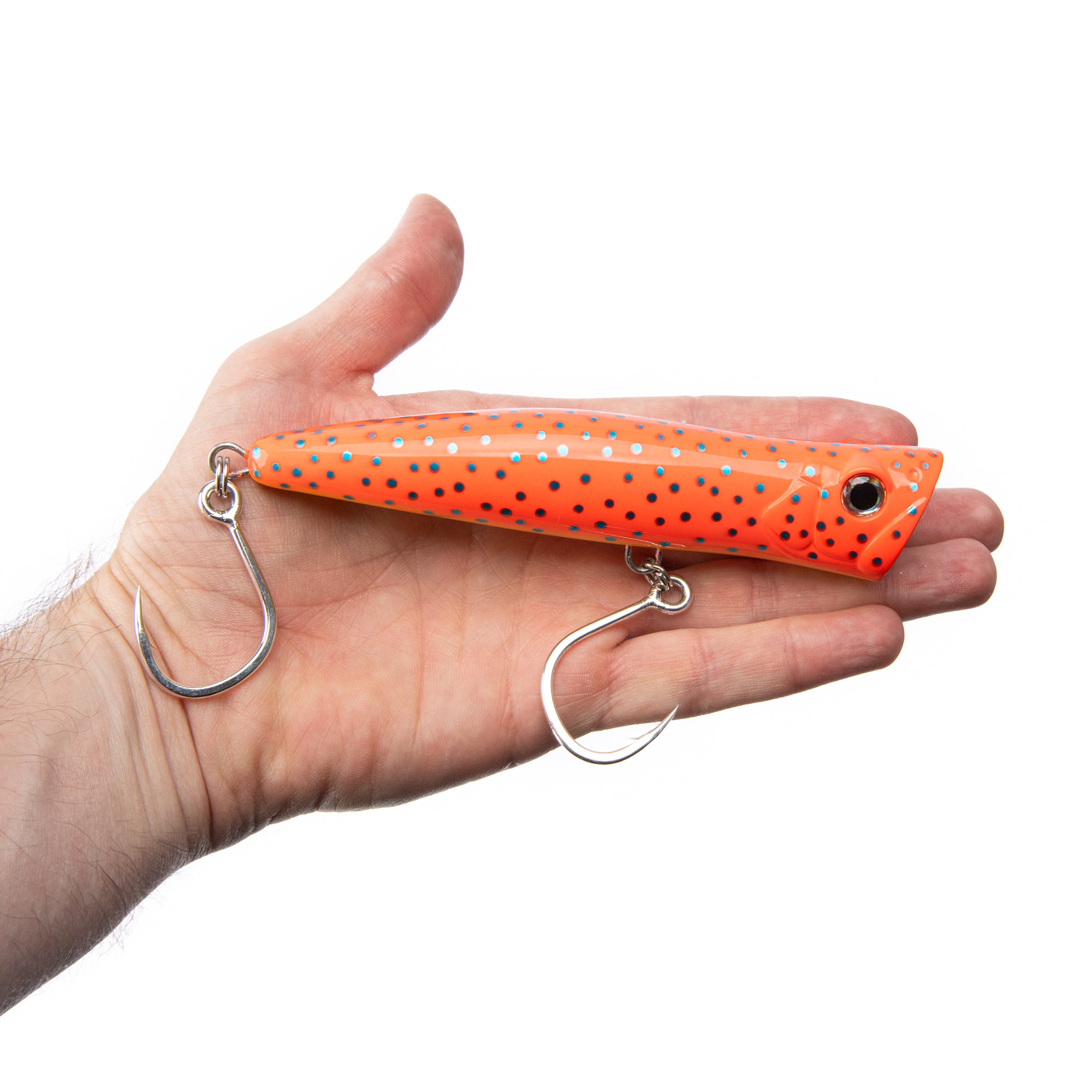
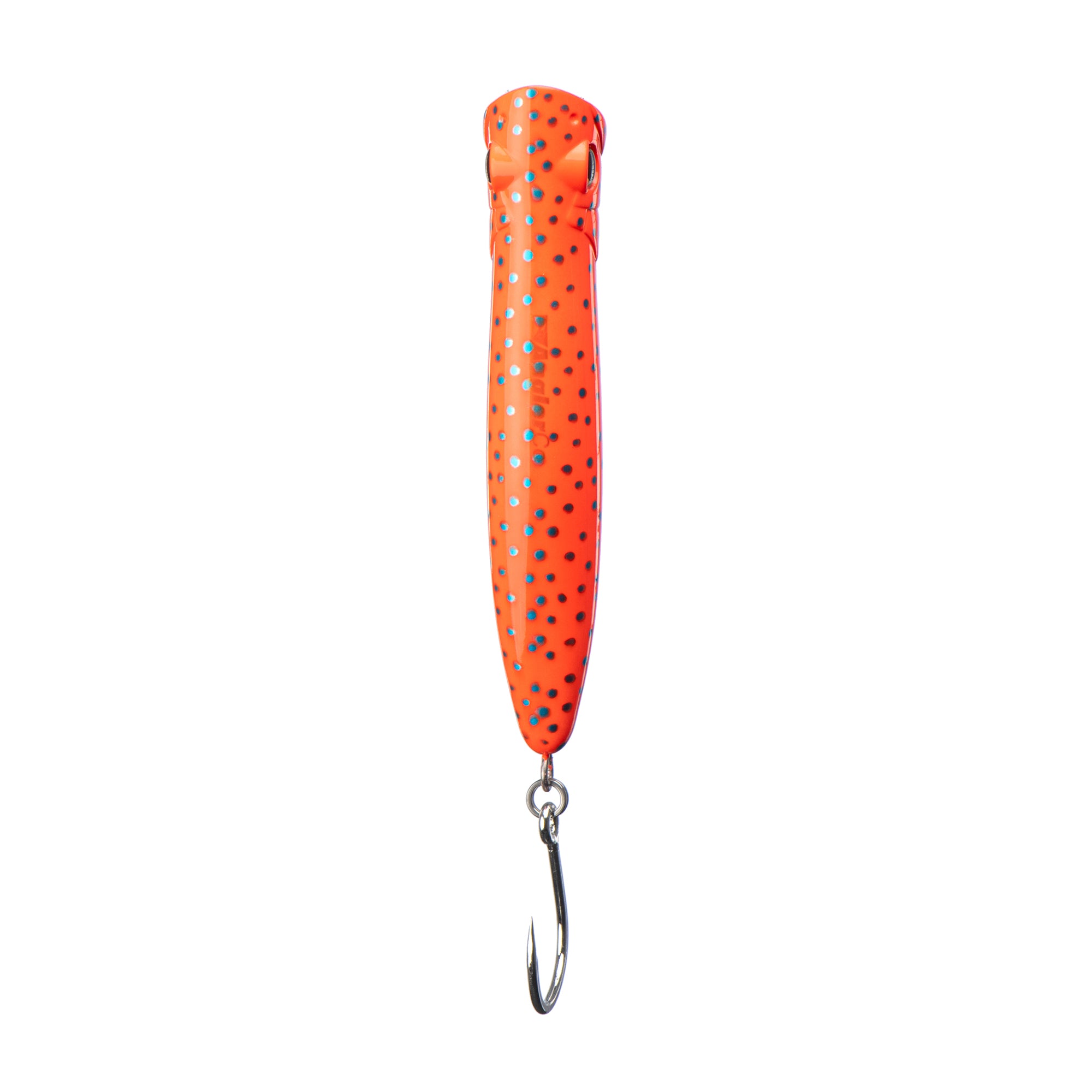
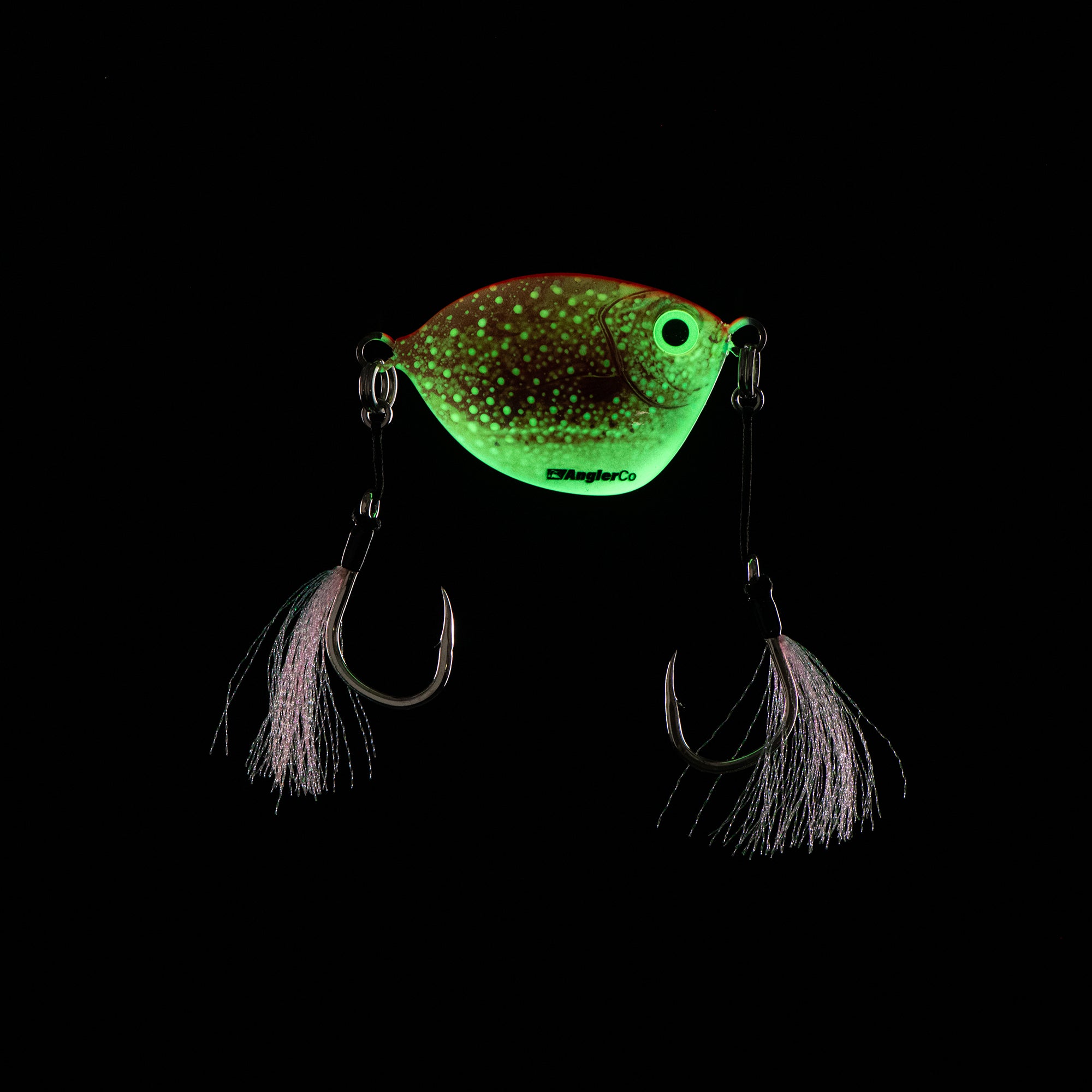
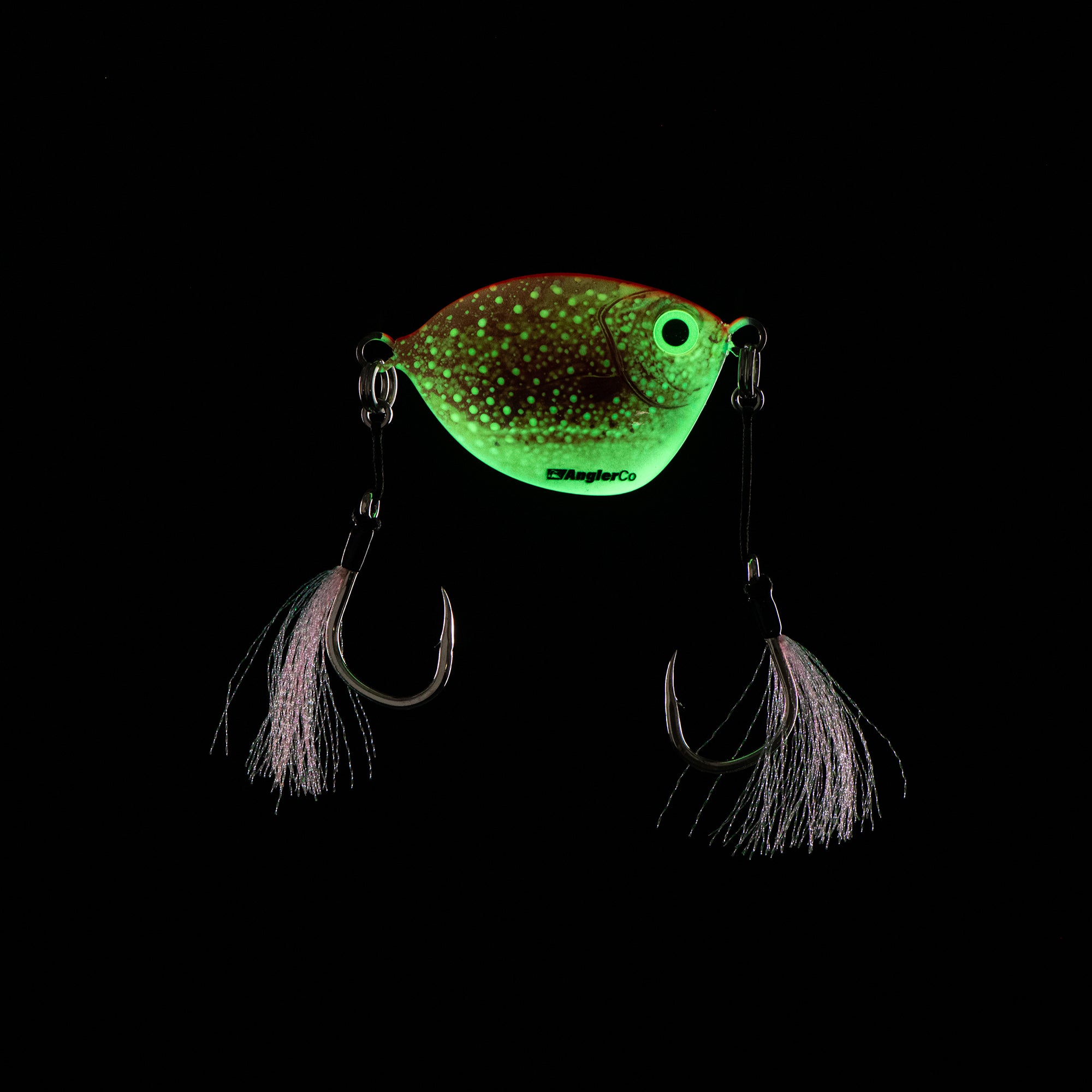
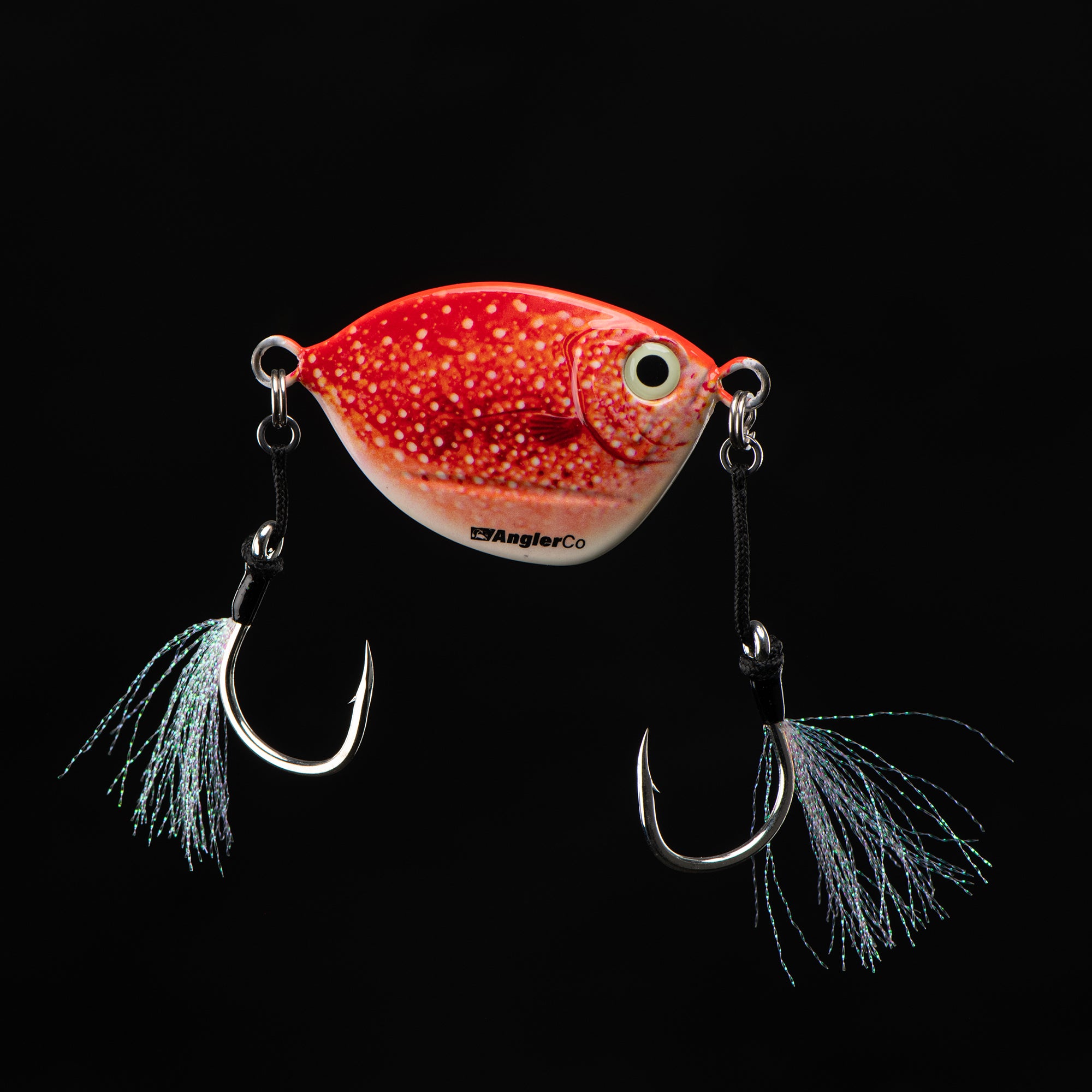
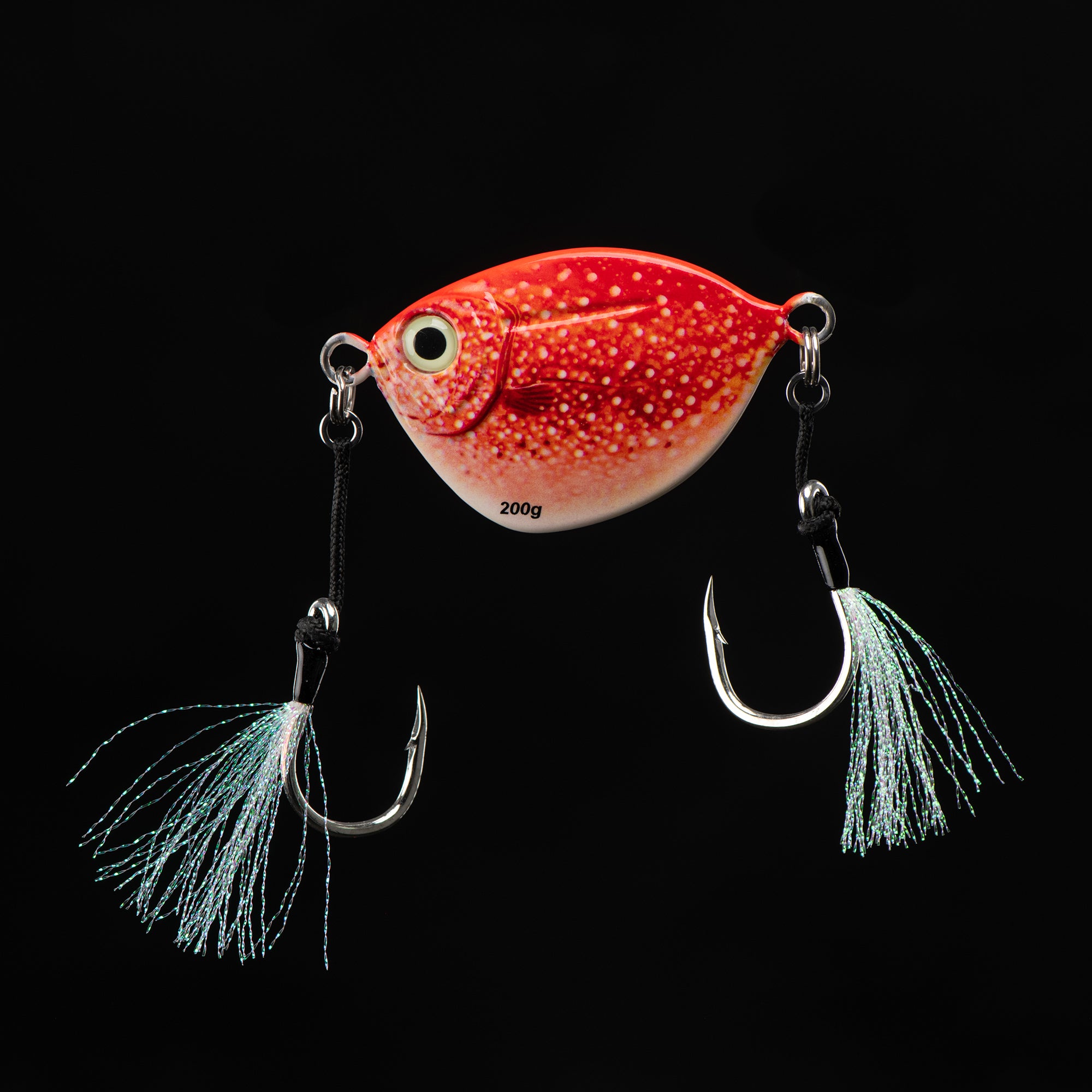
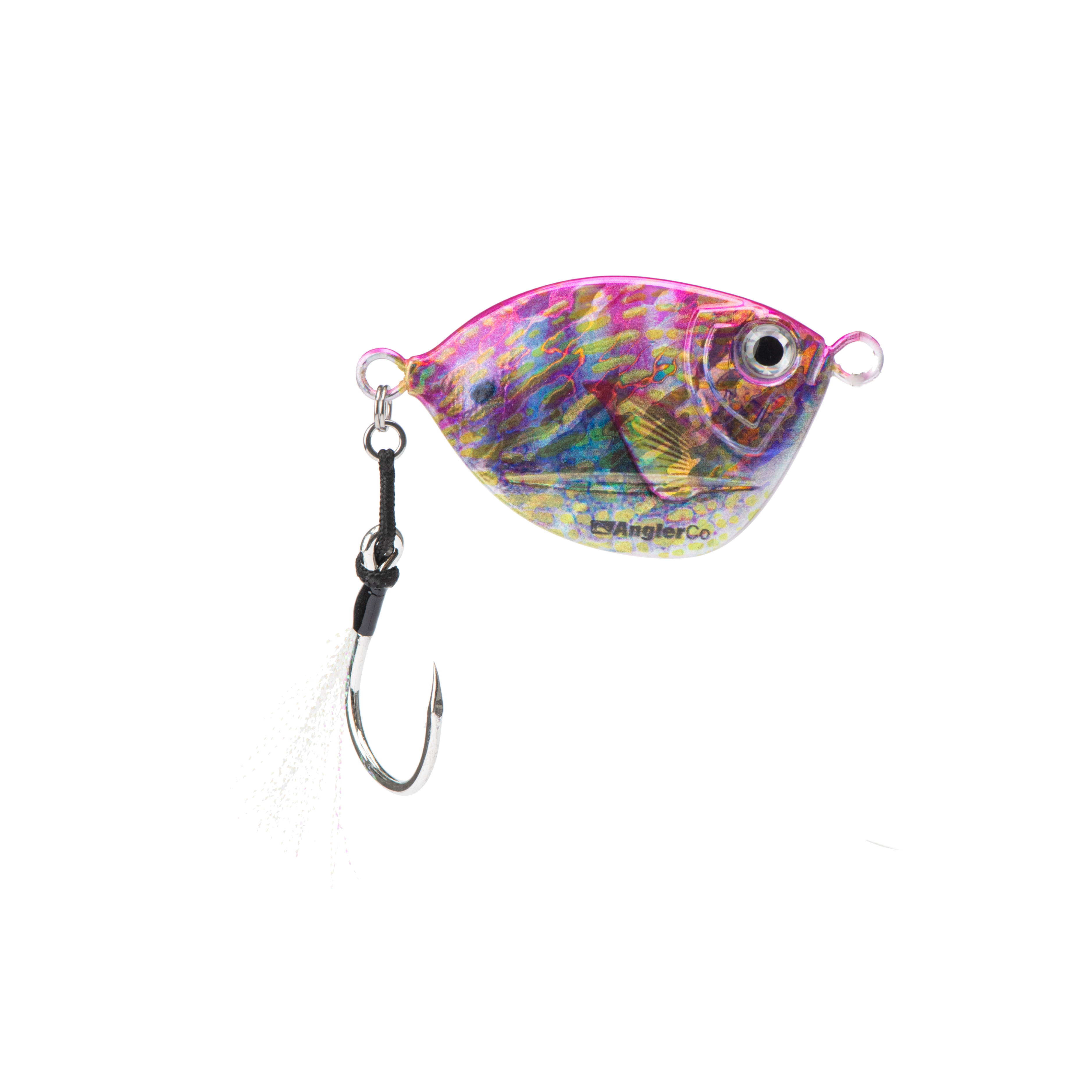
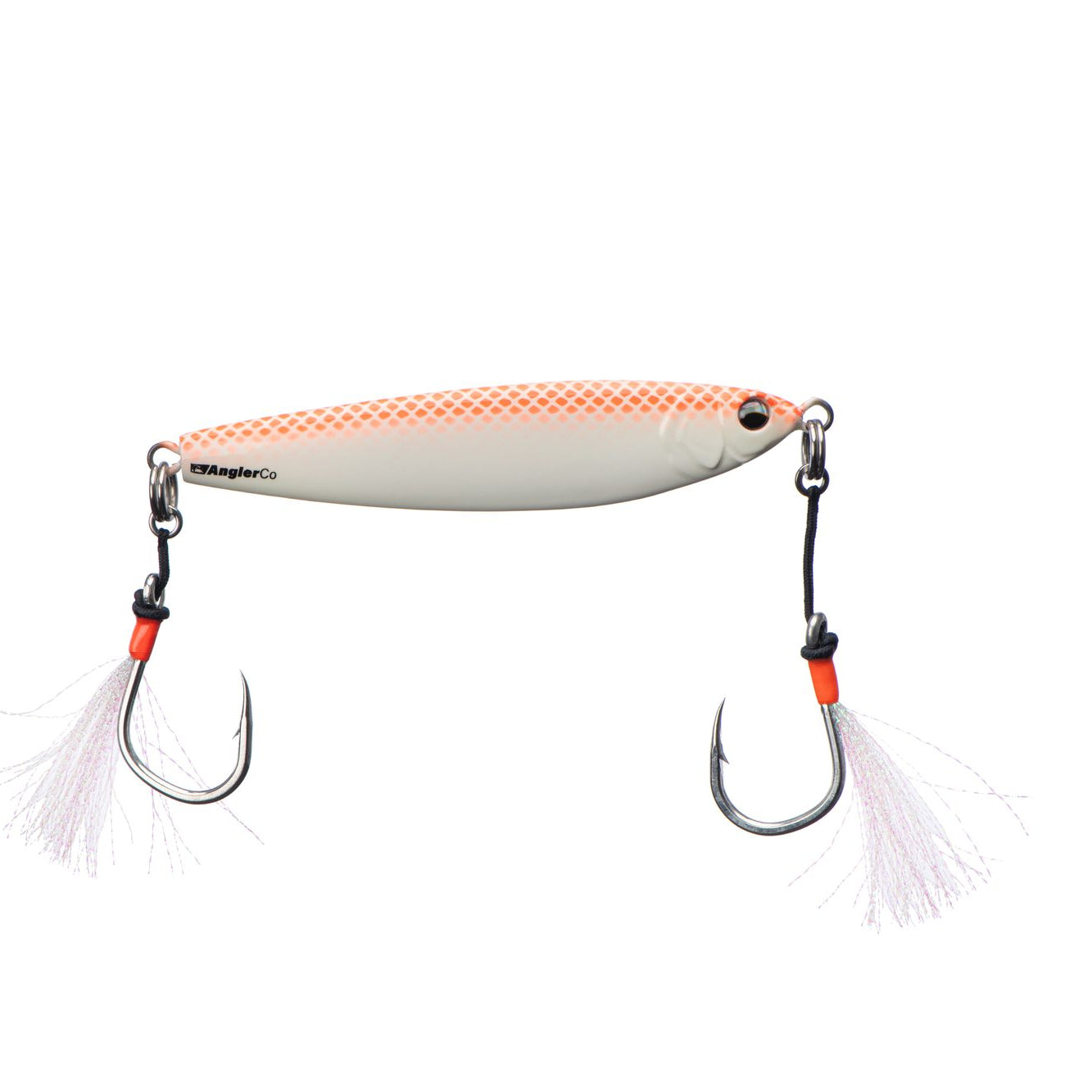
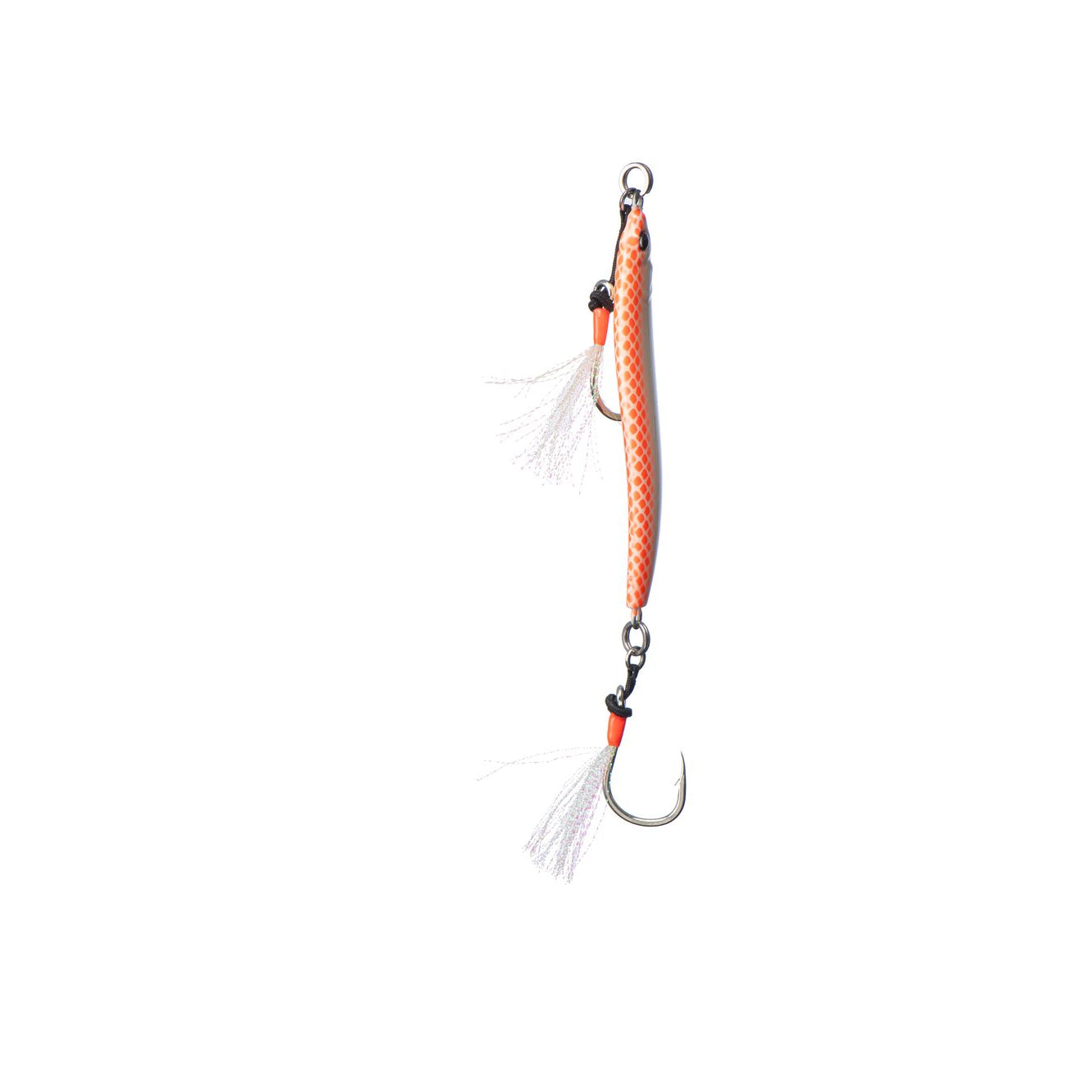
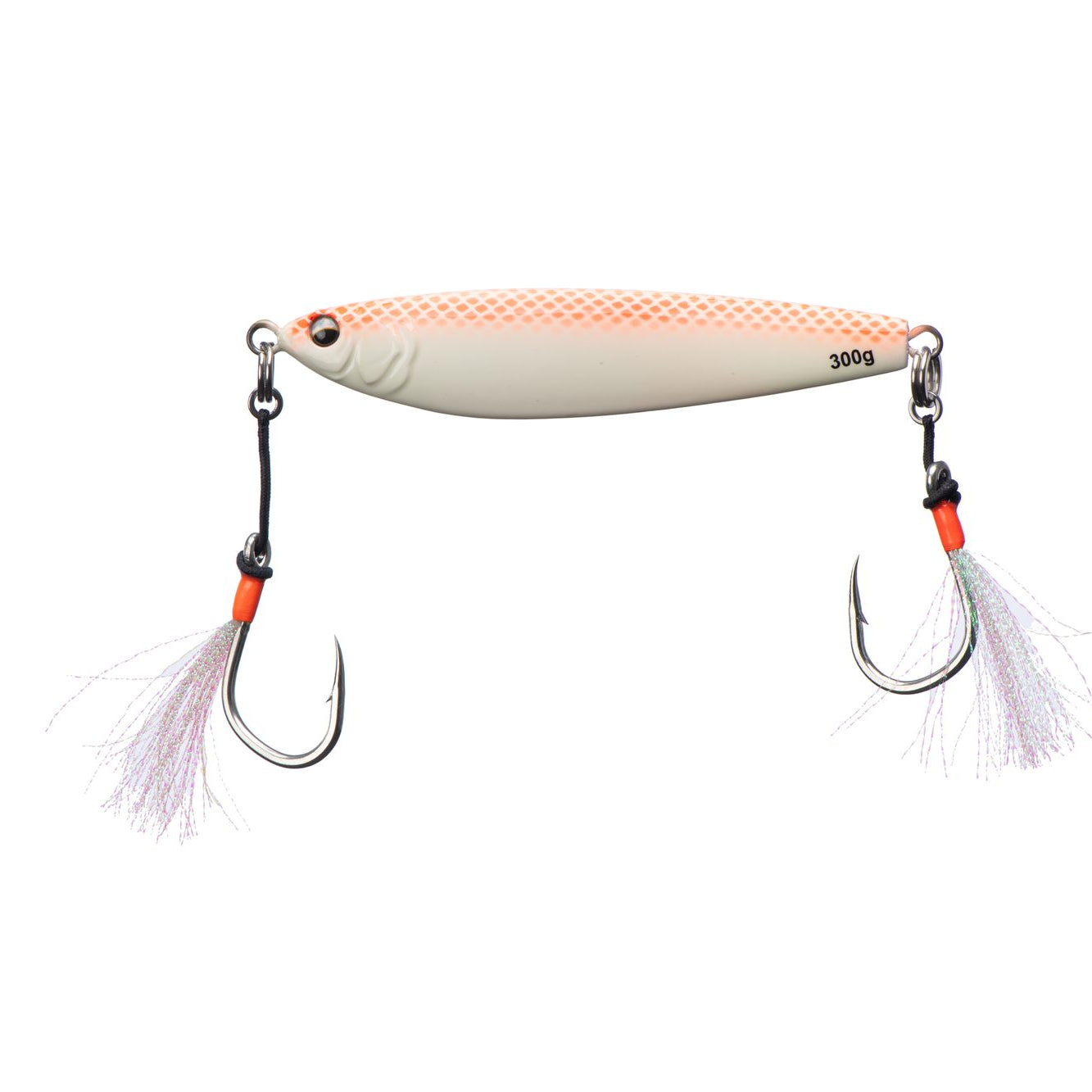
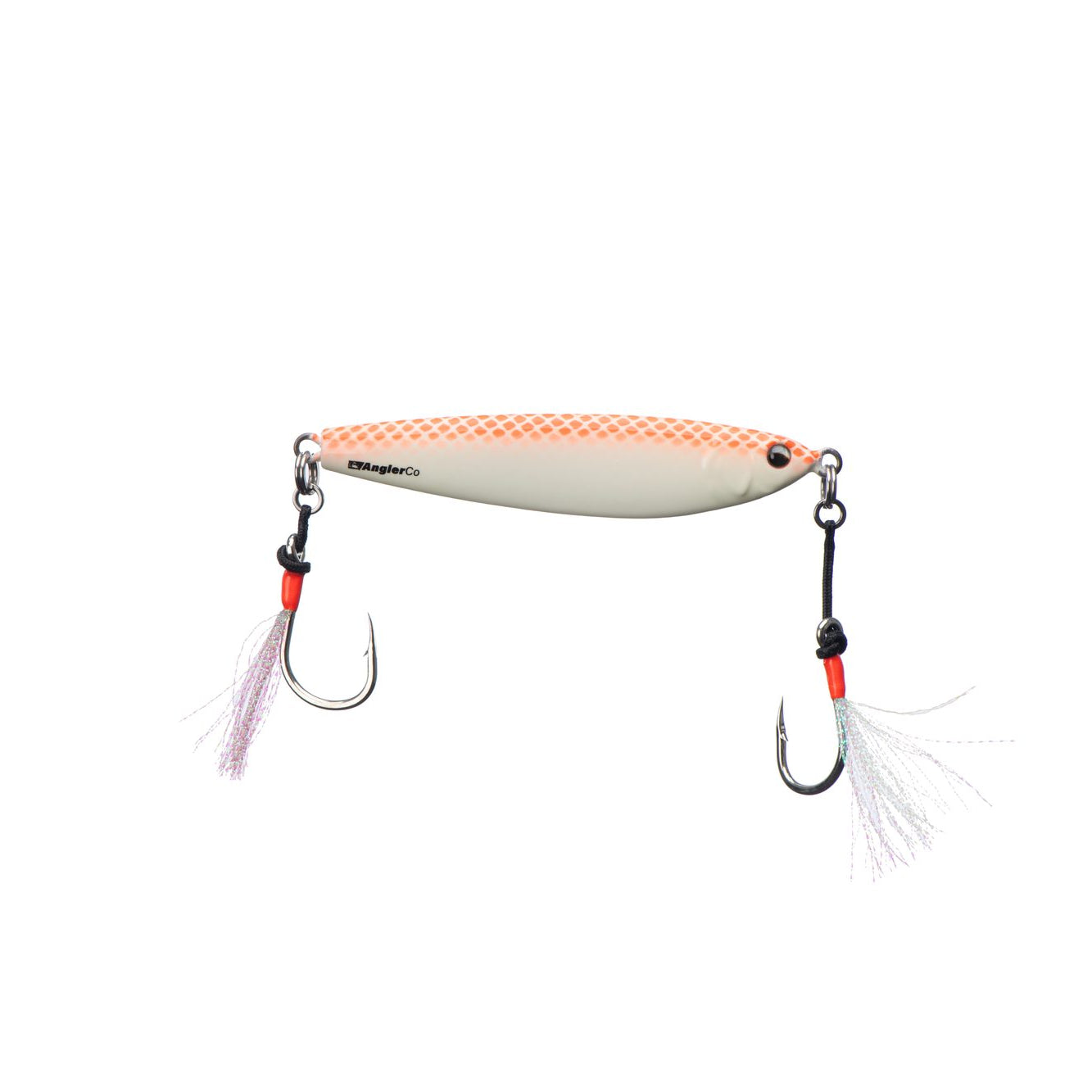
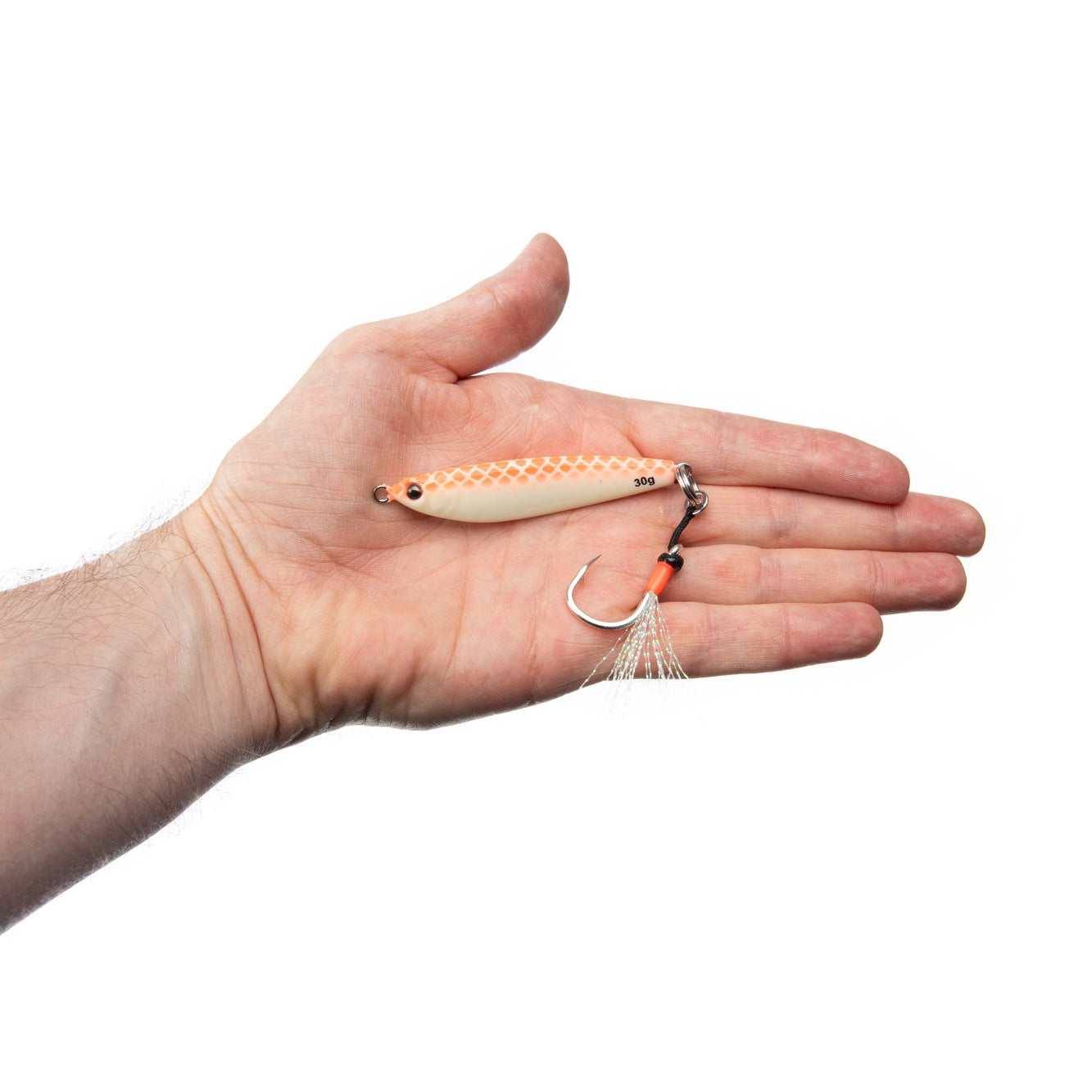
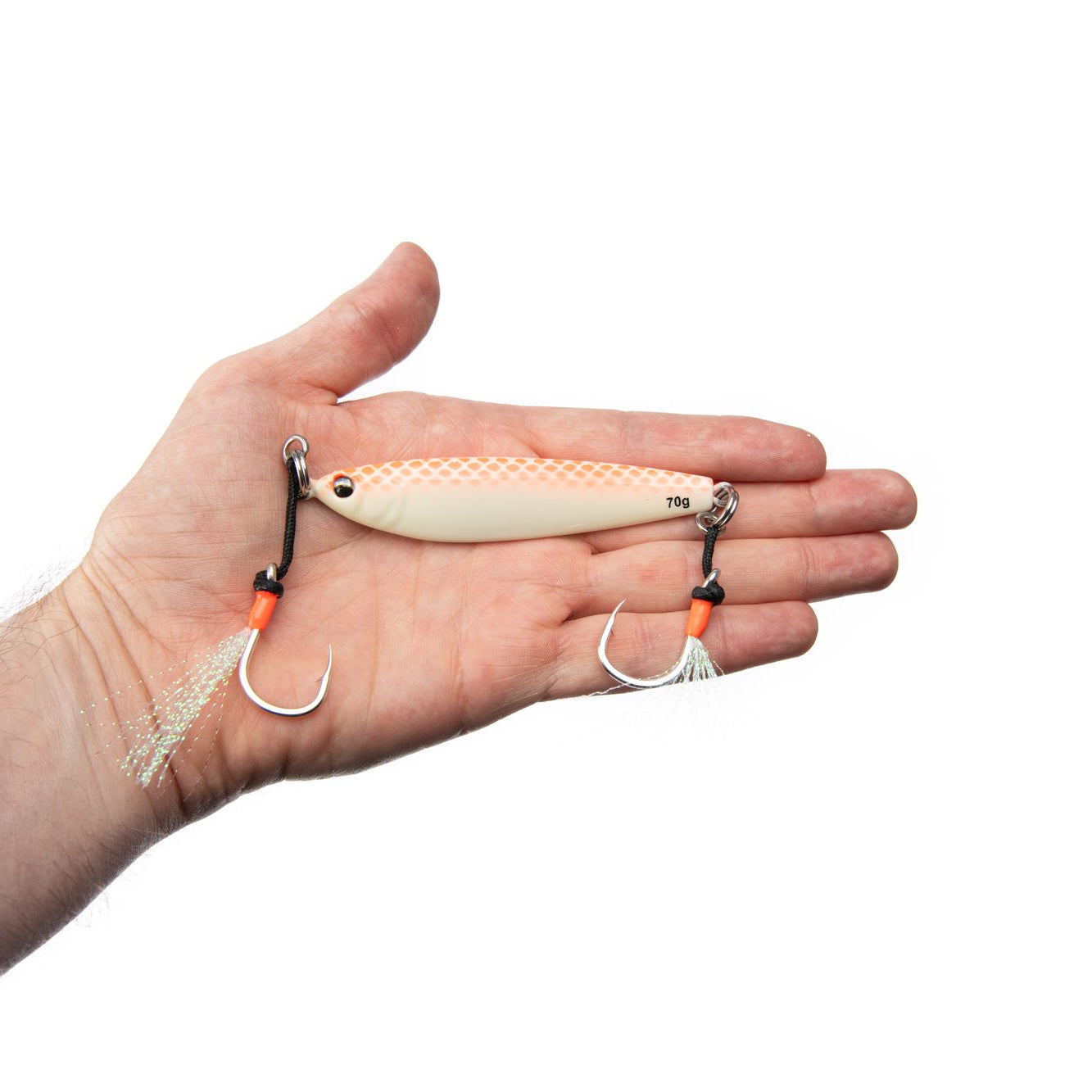
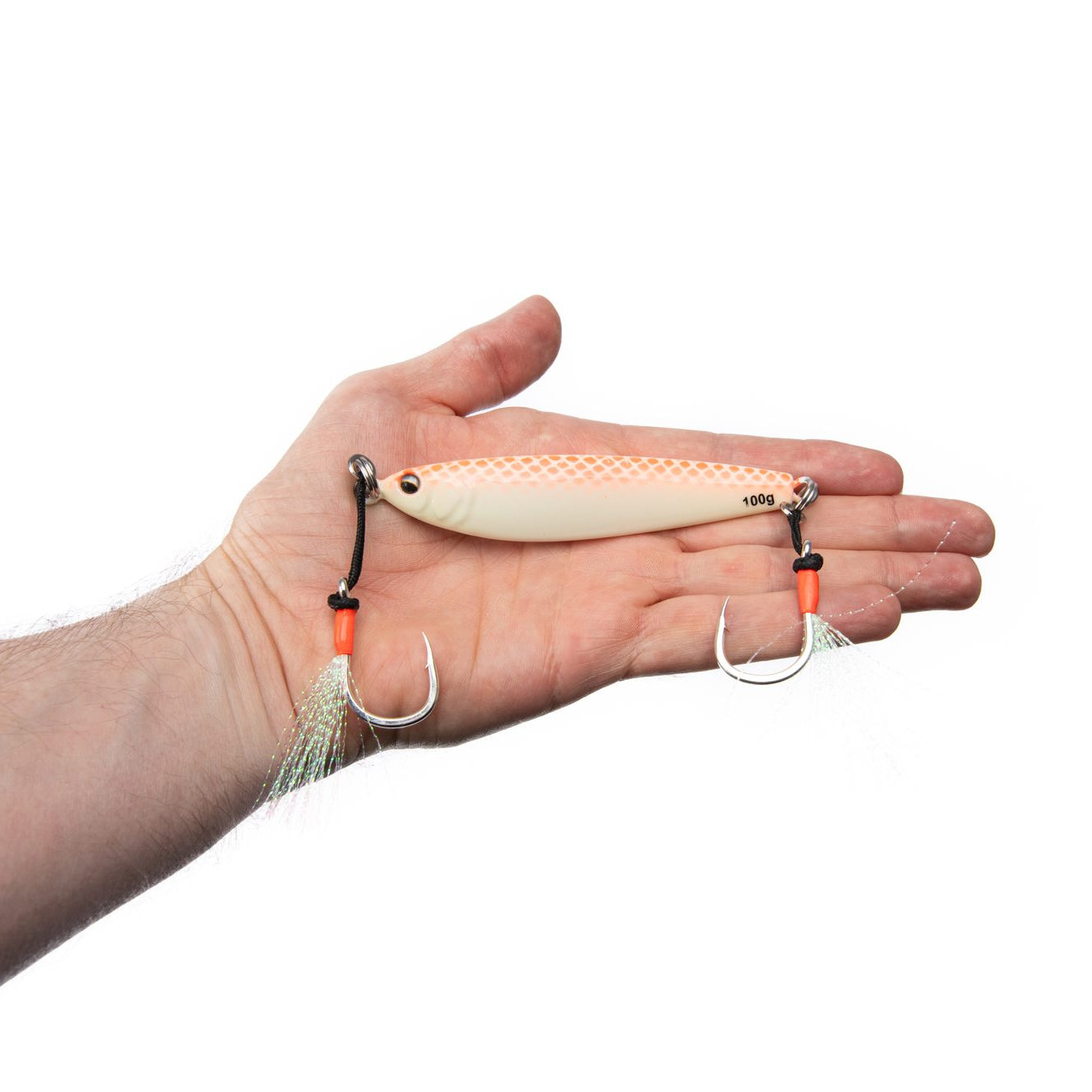
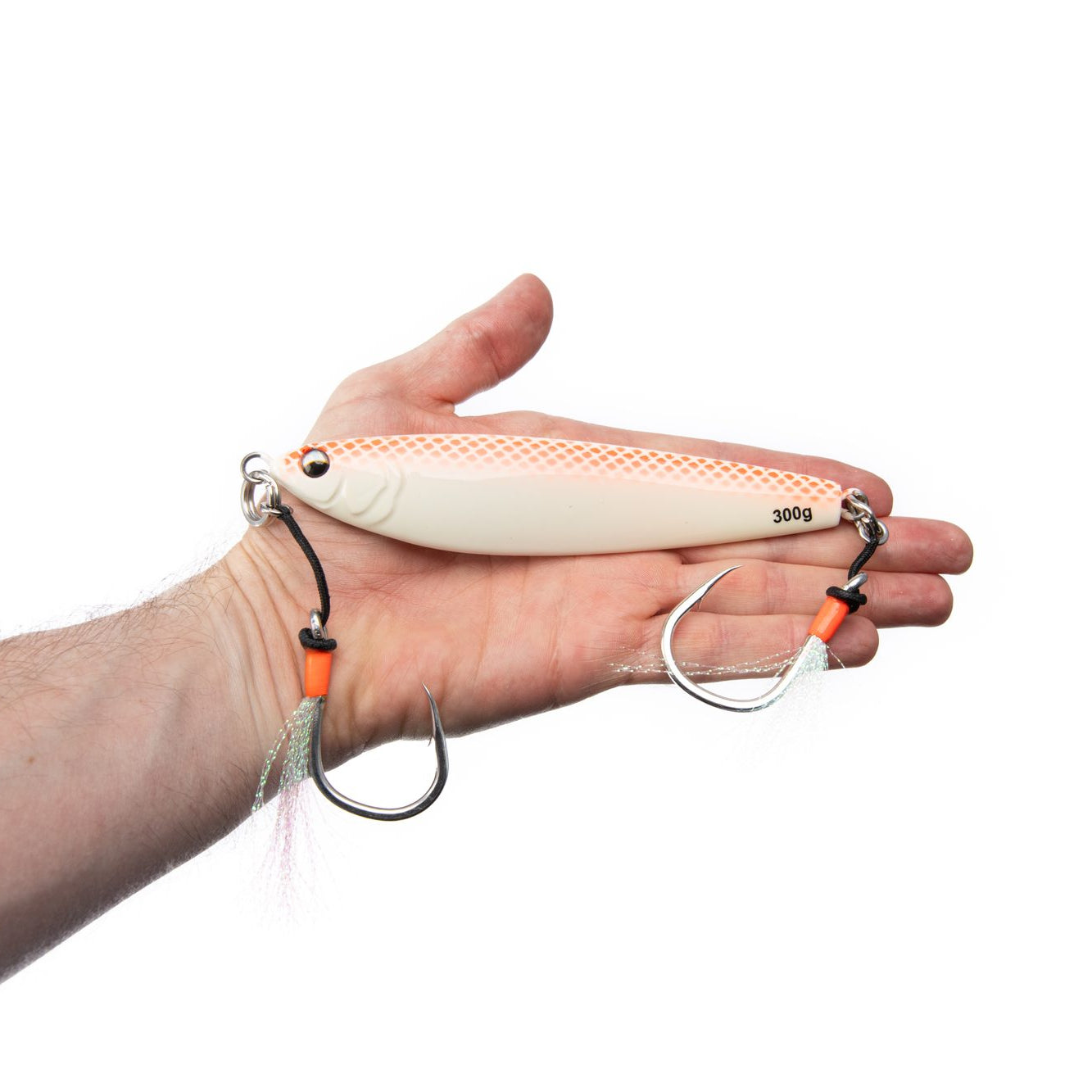
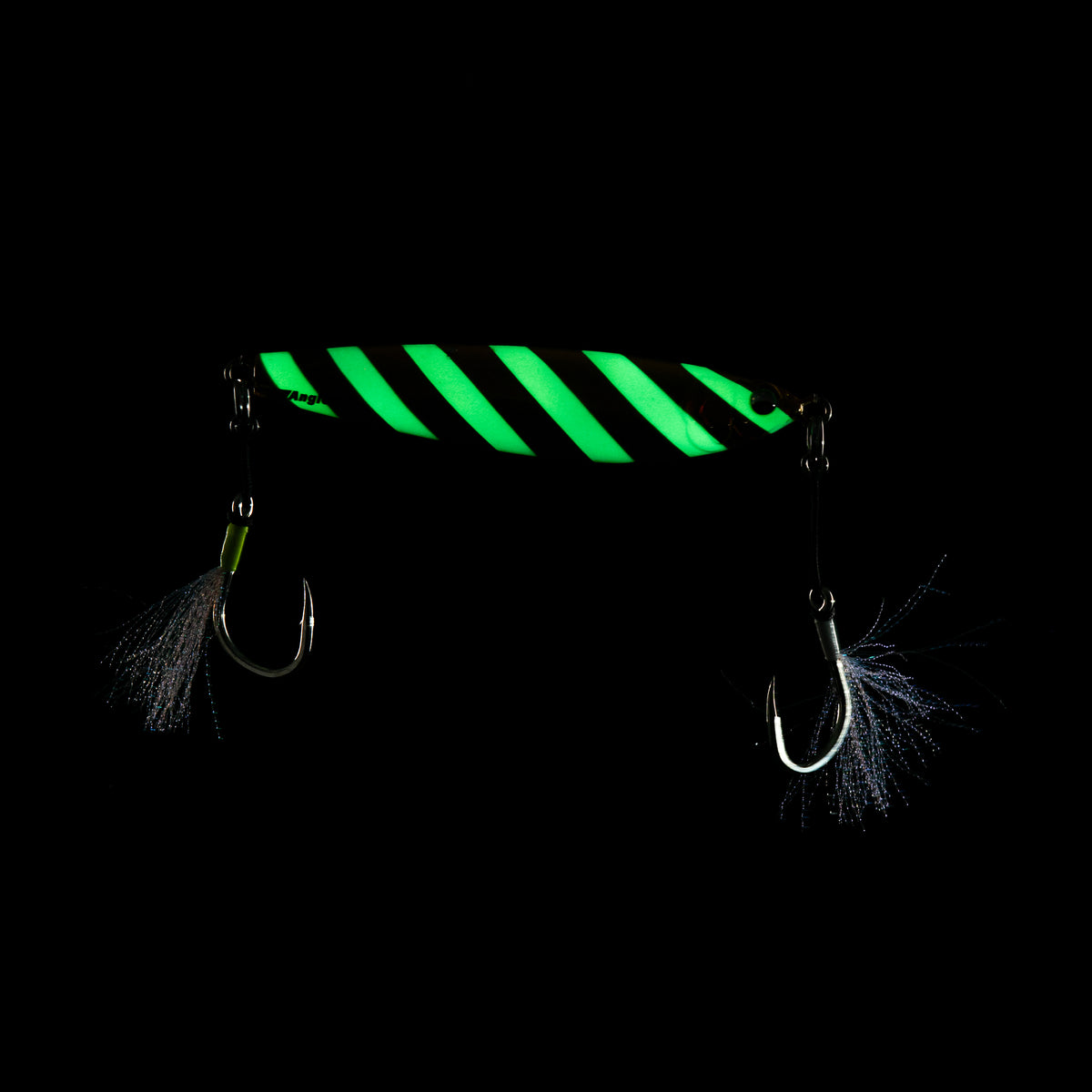
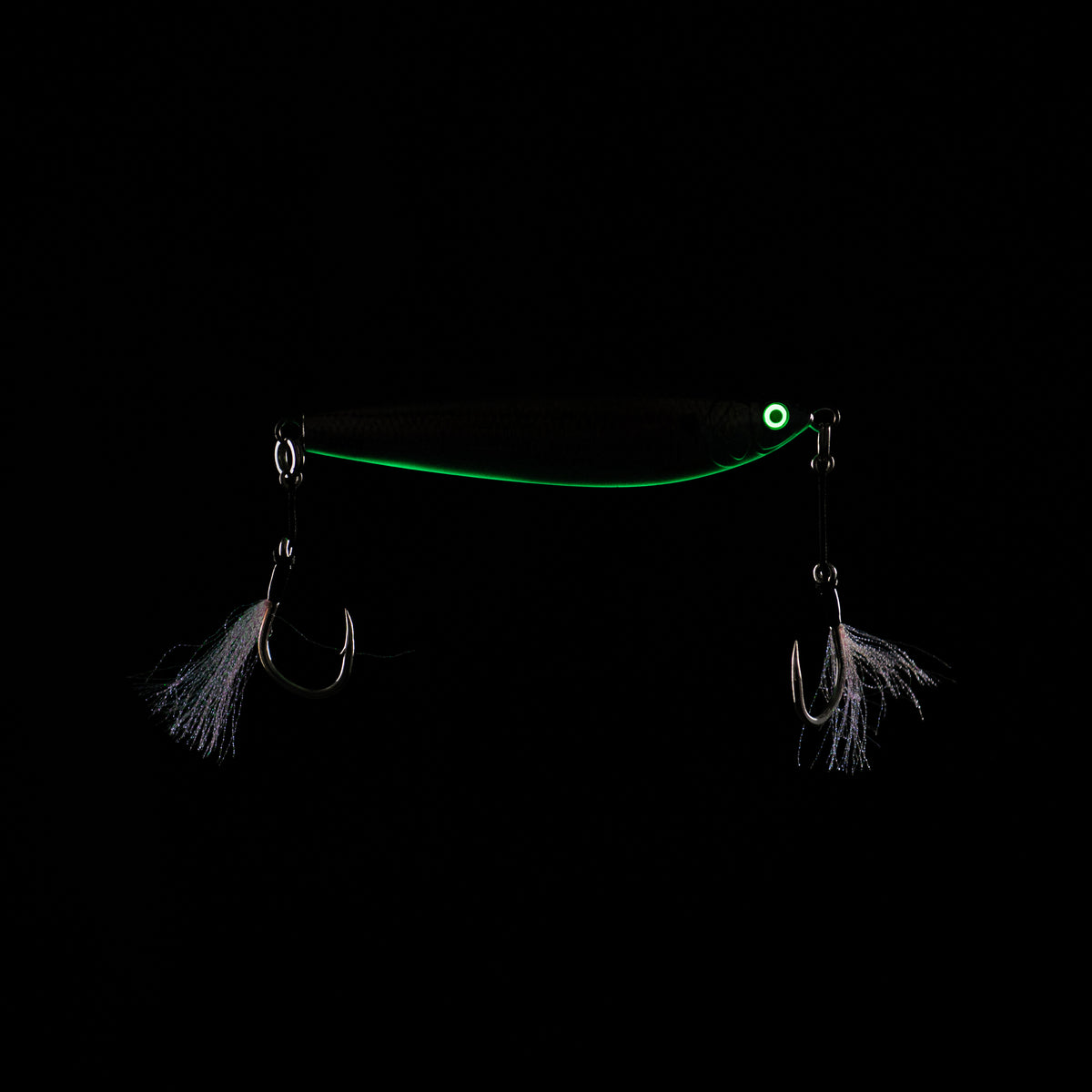
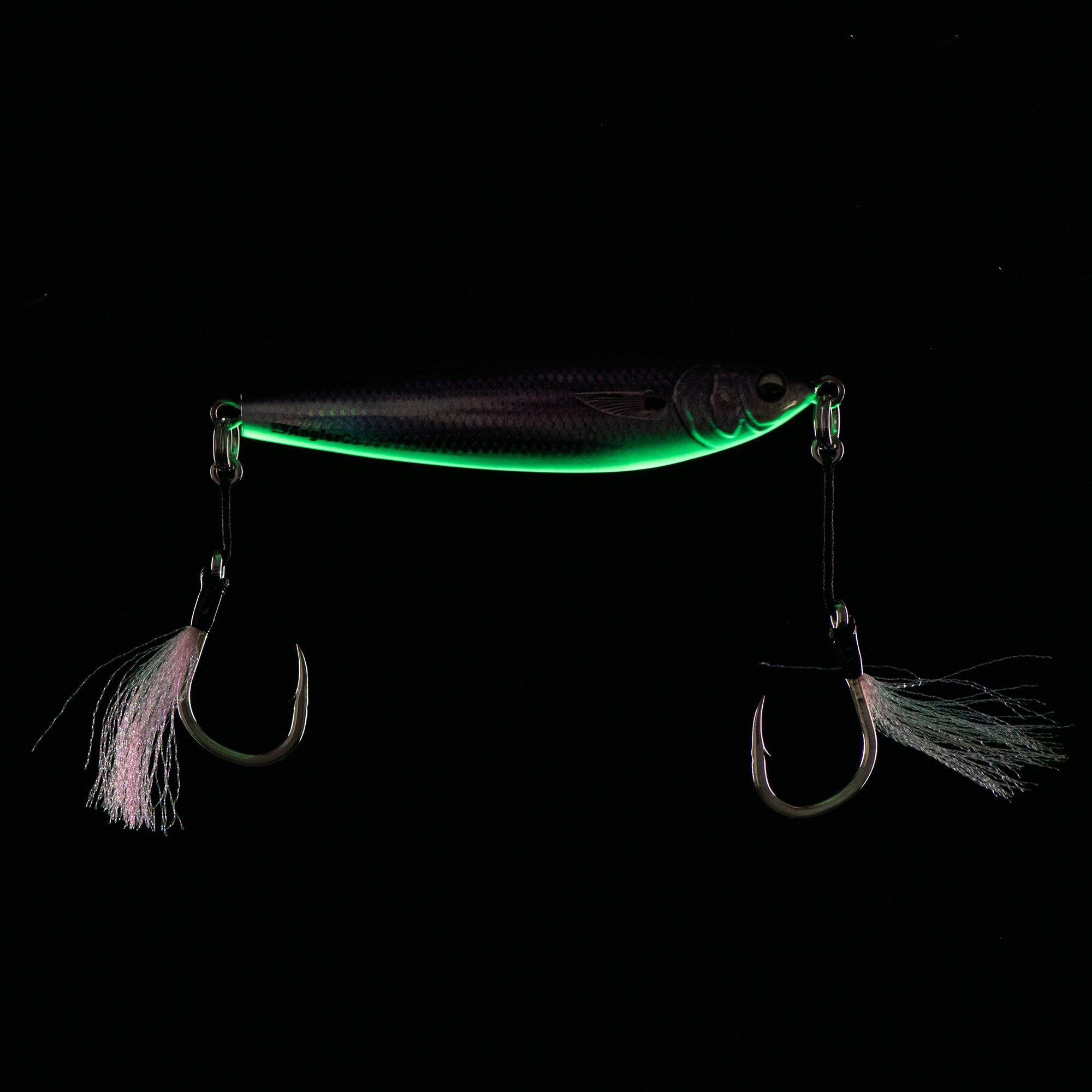
Grindset Glow Rizz Jig
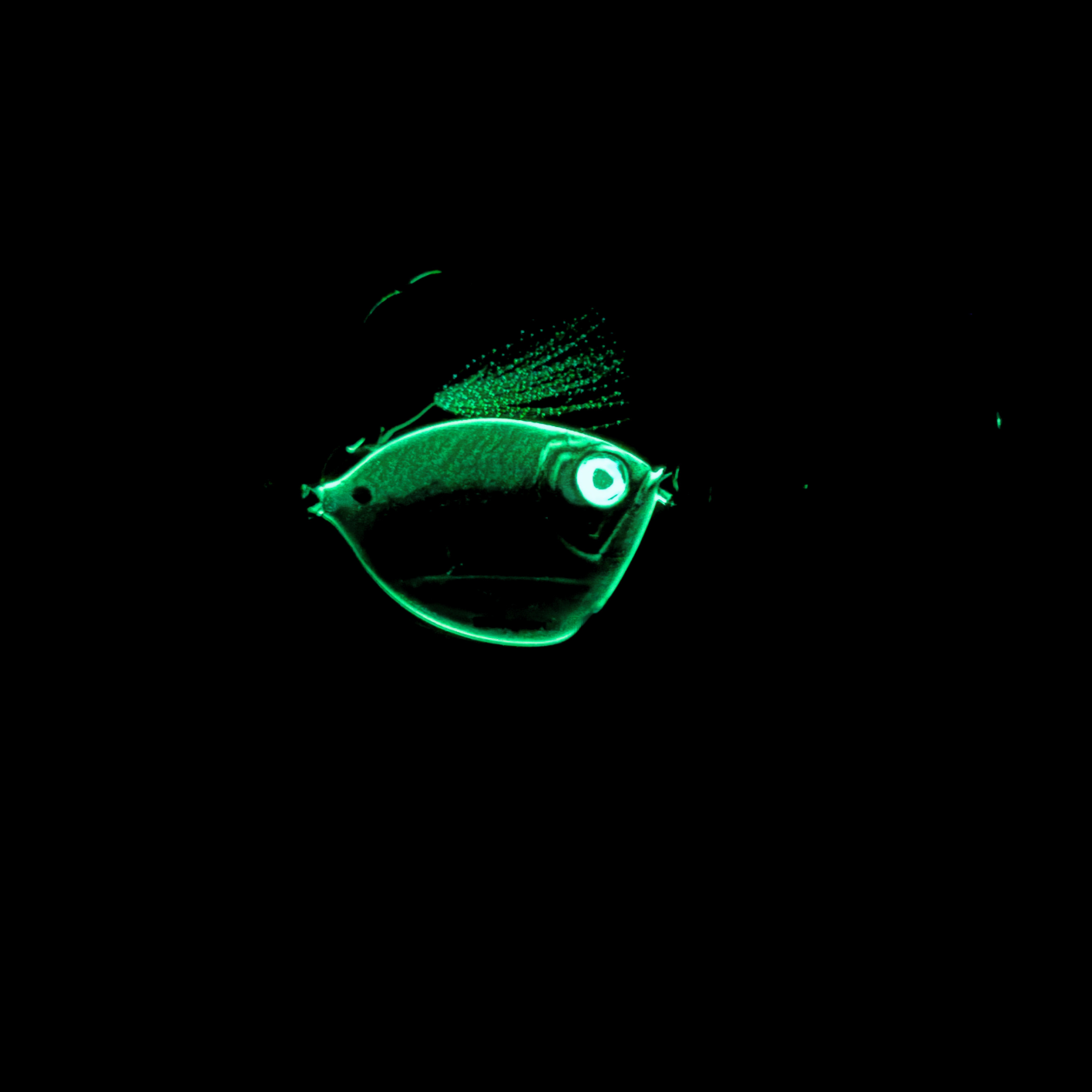
High-visibility orange glow pattern with a glowing belly and undertone designed for deep water, low-light conditions, dirty water, and nighttime bites. Built to stand out when predators are hunting aggressively below the surface.
Best For:
- Deep drops
- Night fishing
- Dirty water
- Aggressive reaction bites
Available in: 30g, 70g, 100g, 150g, 200g, 300g

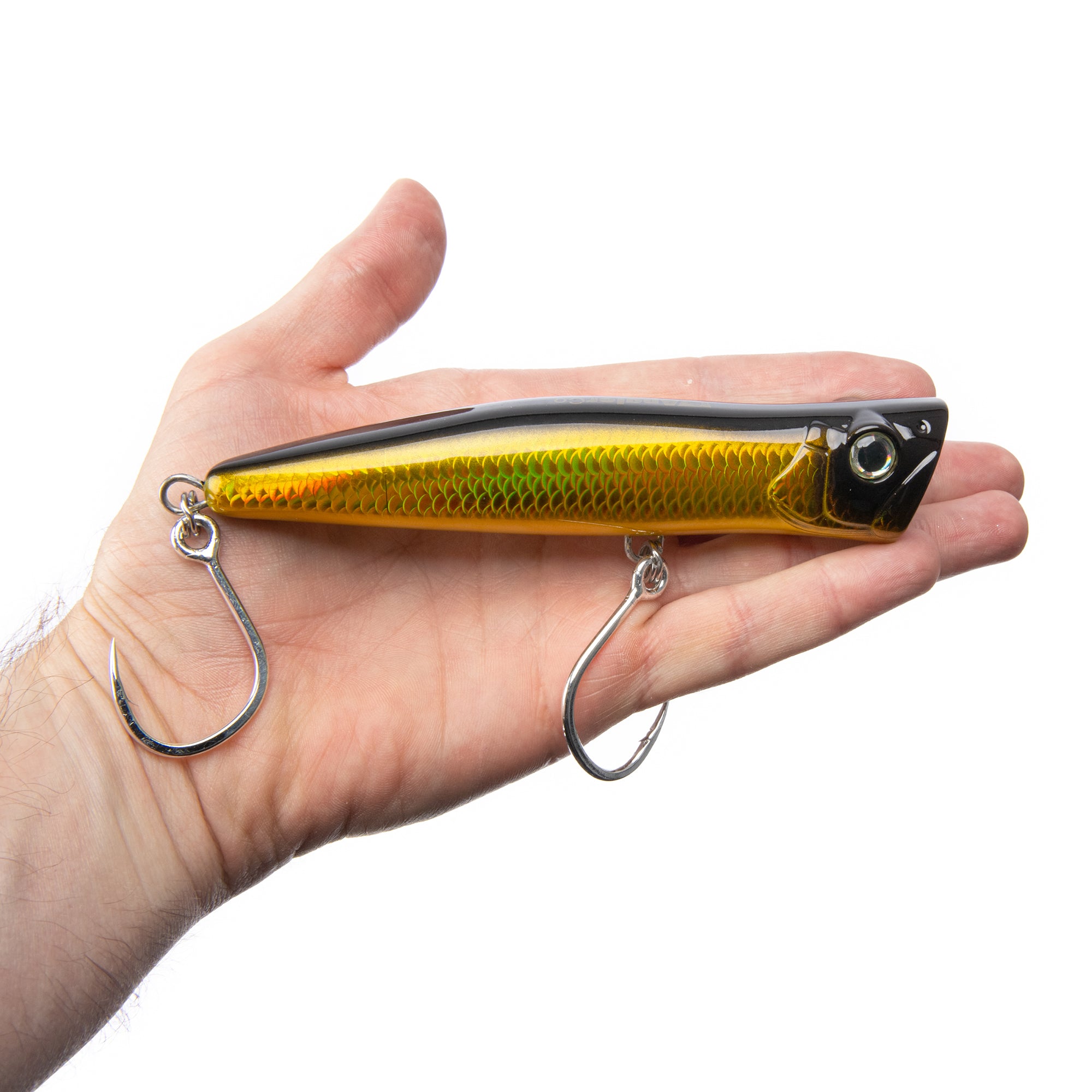
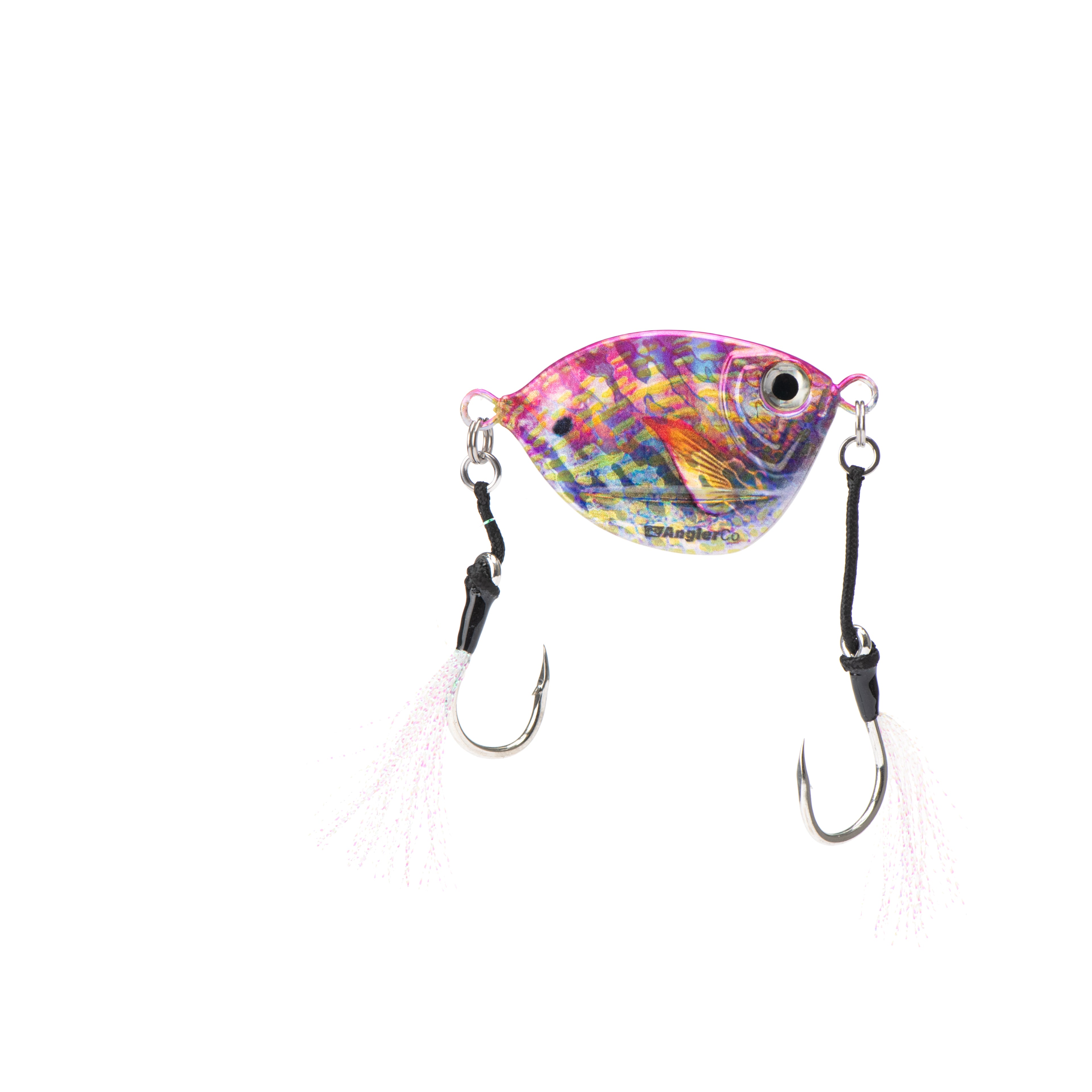
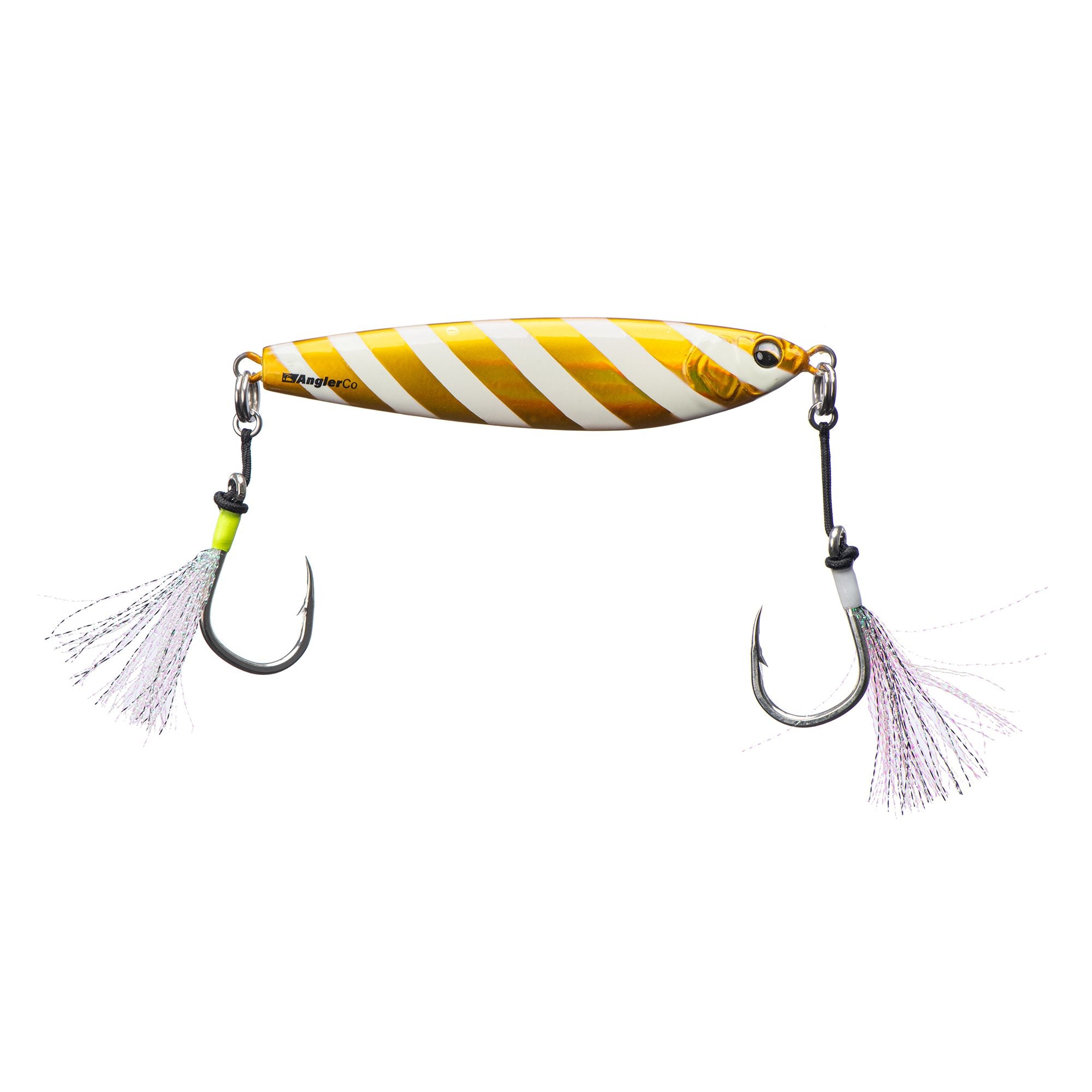
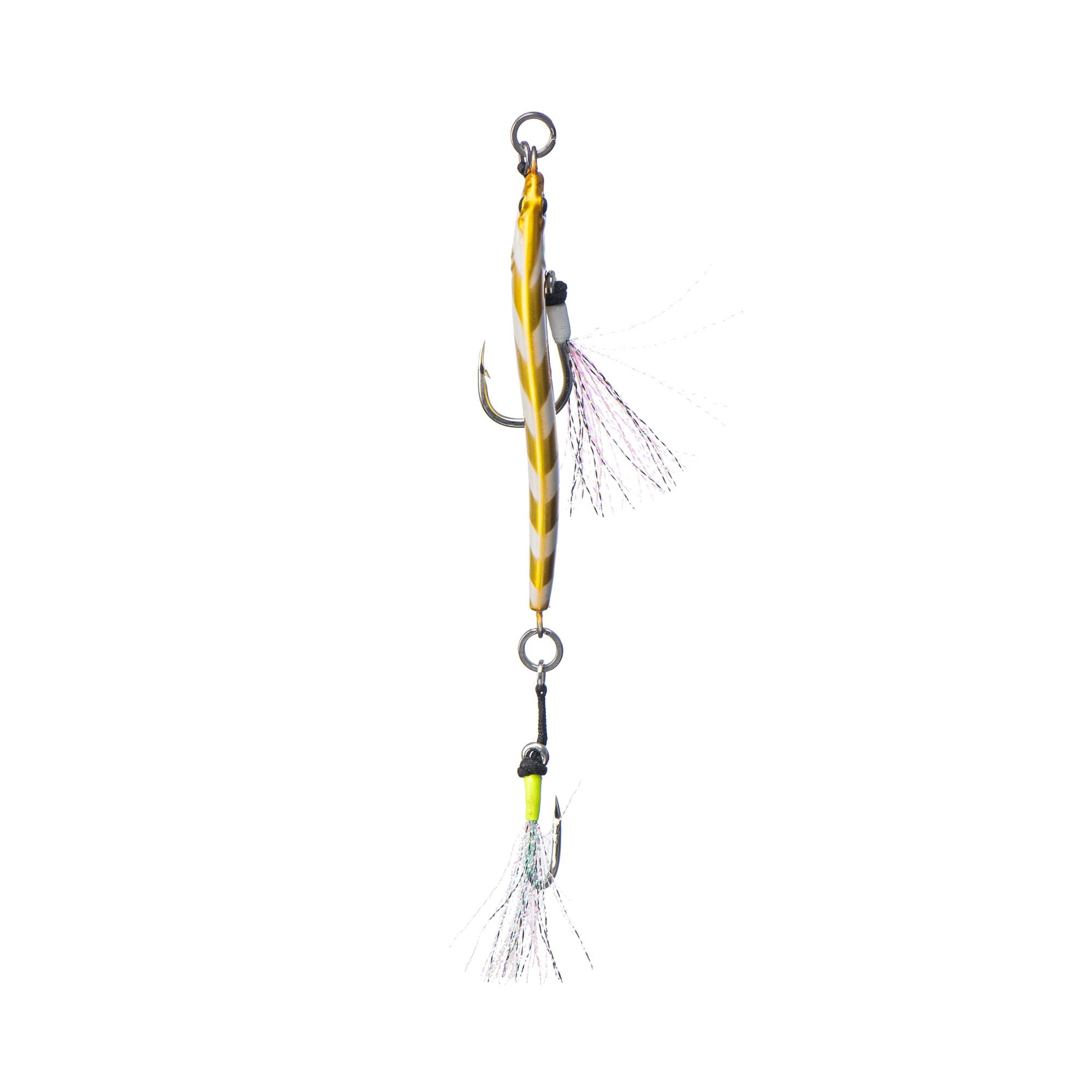
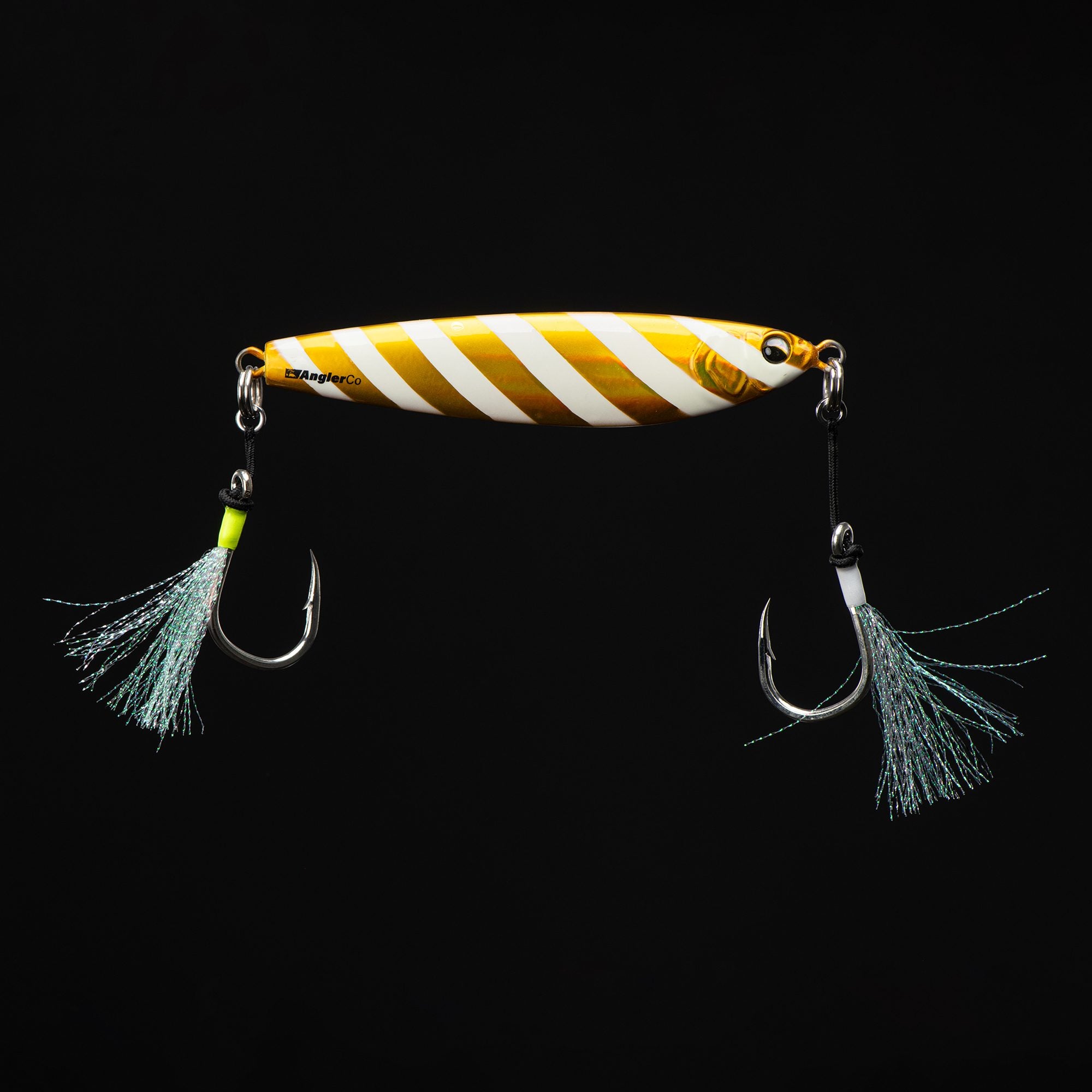
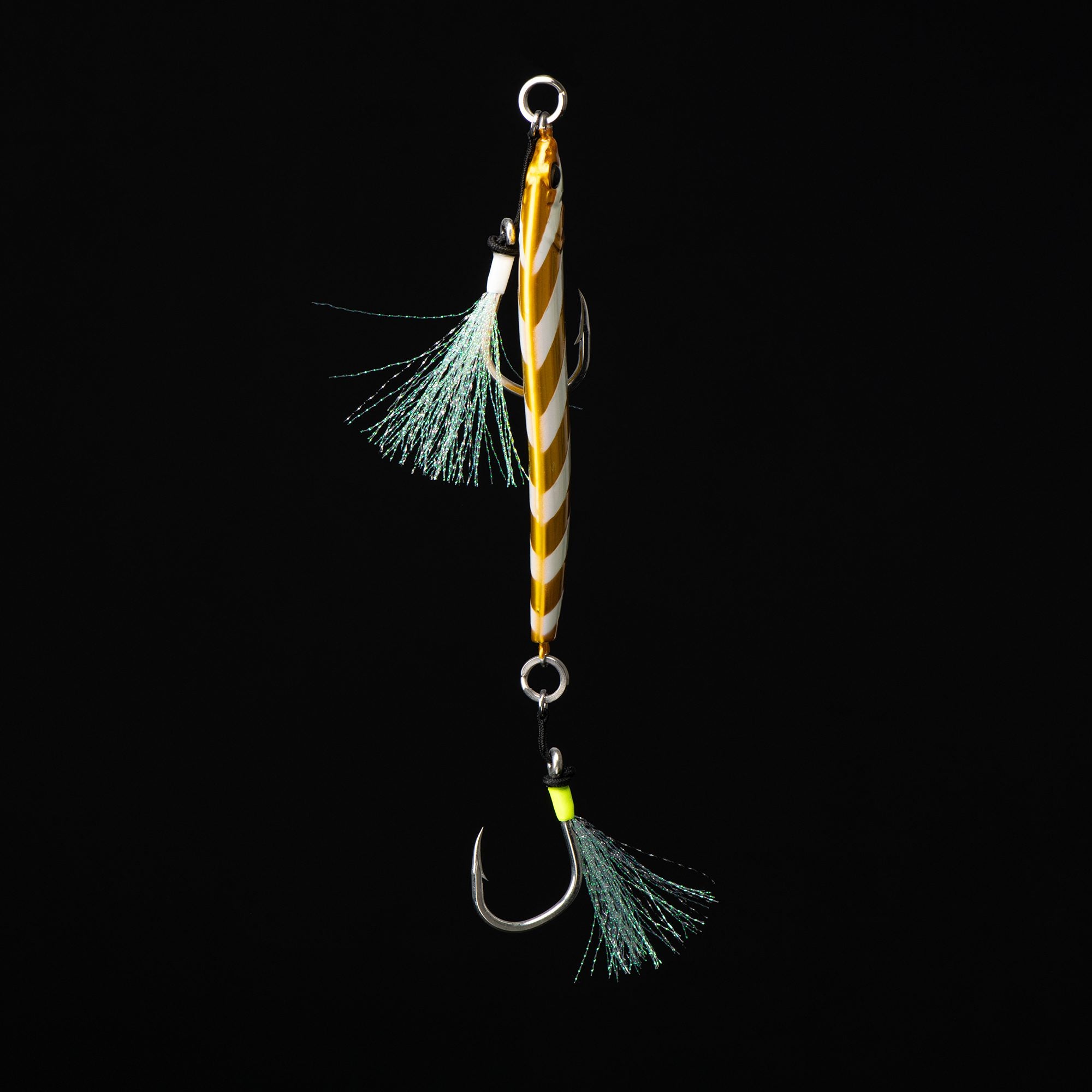
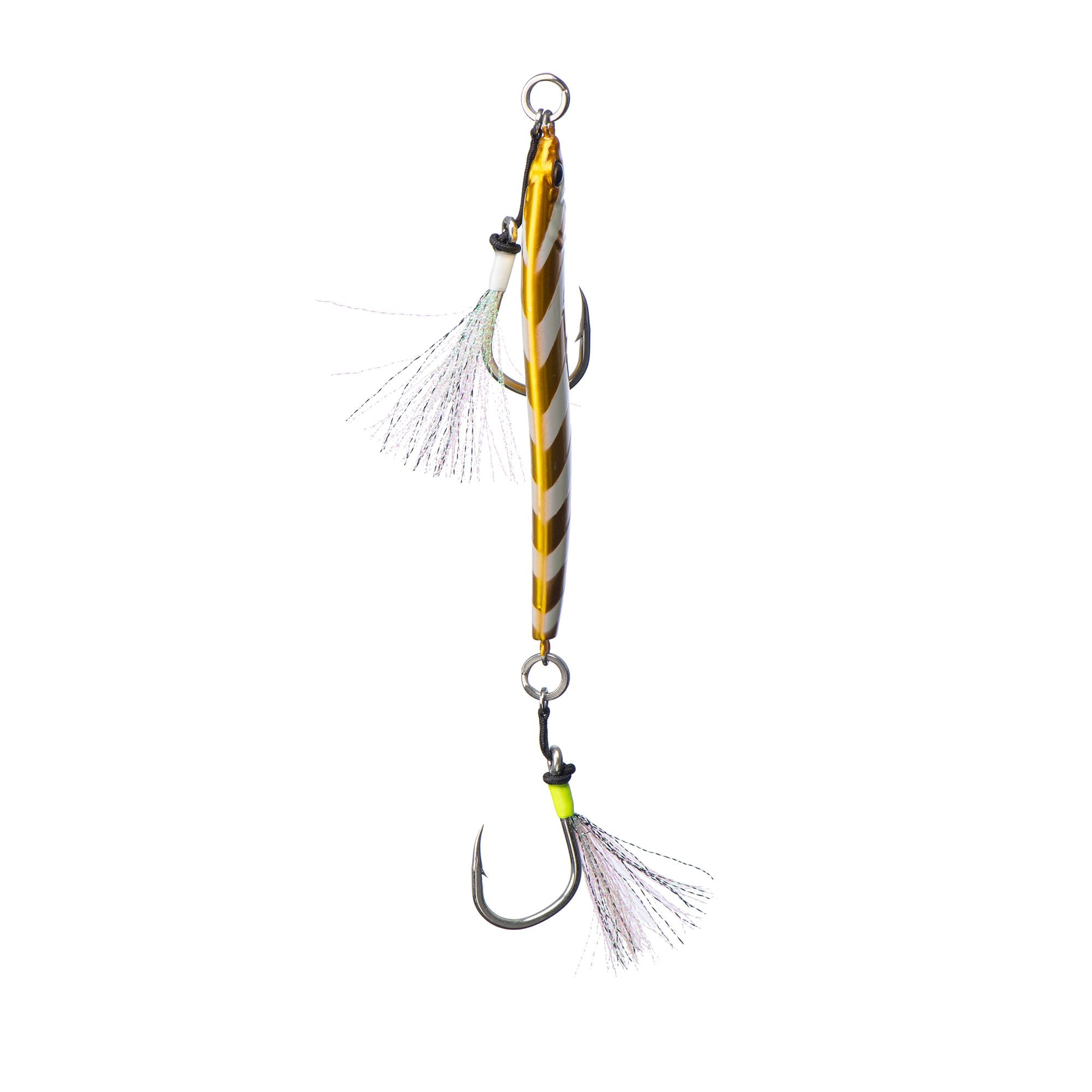
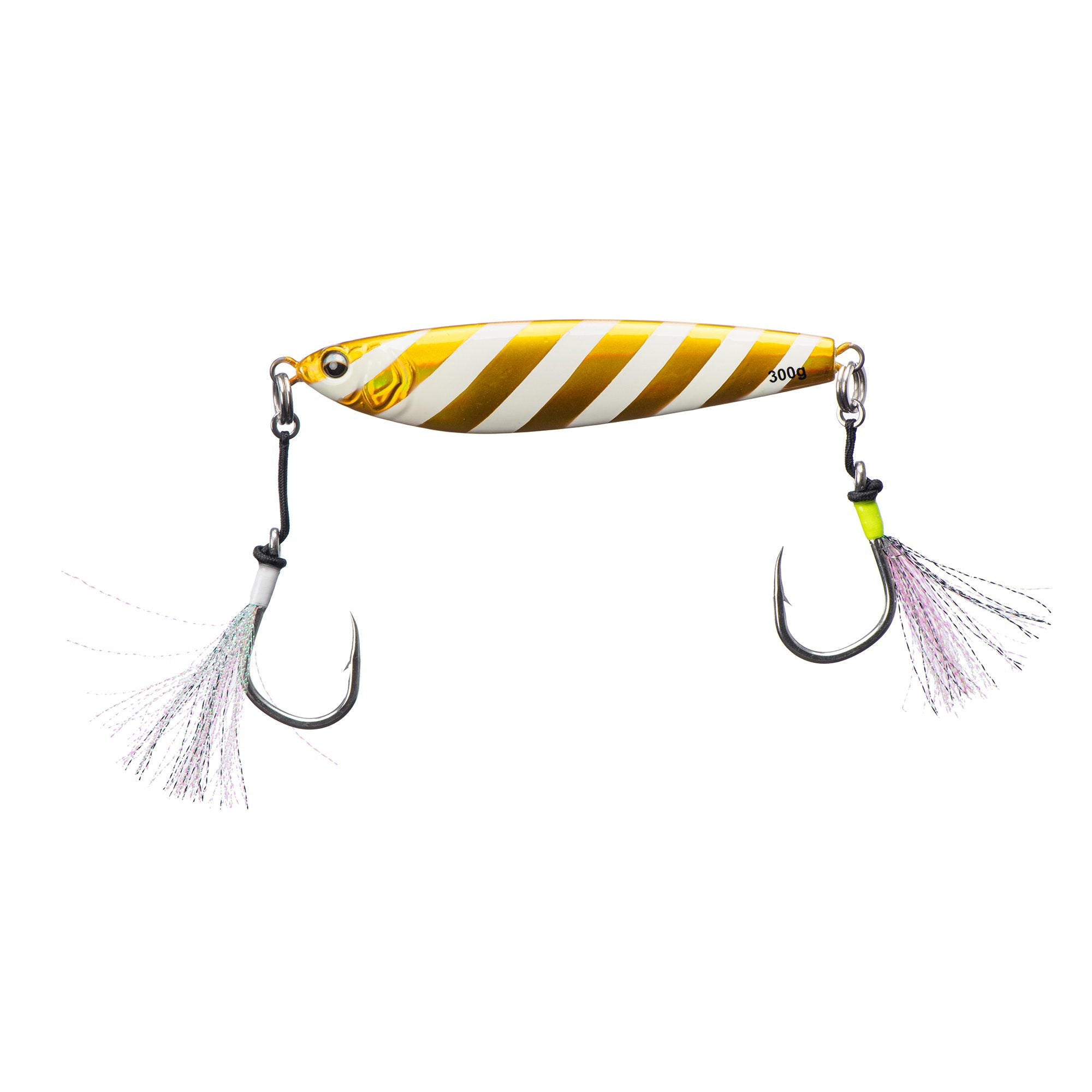
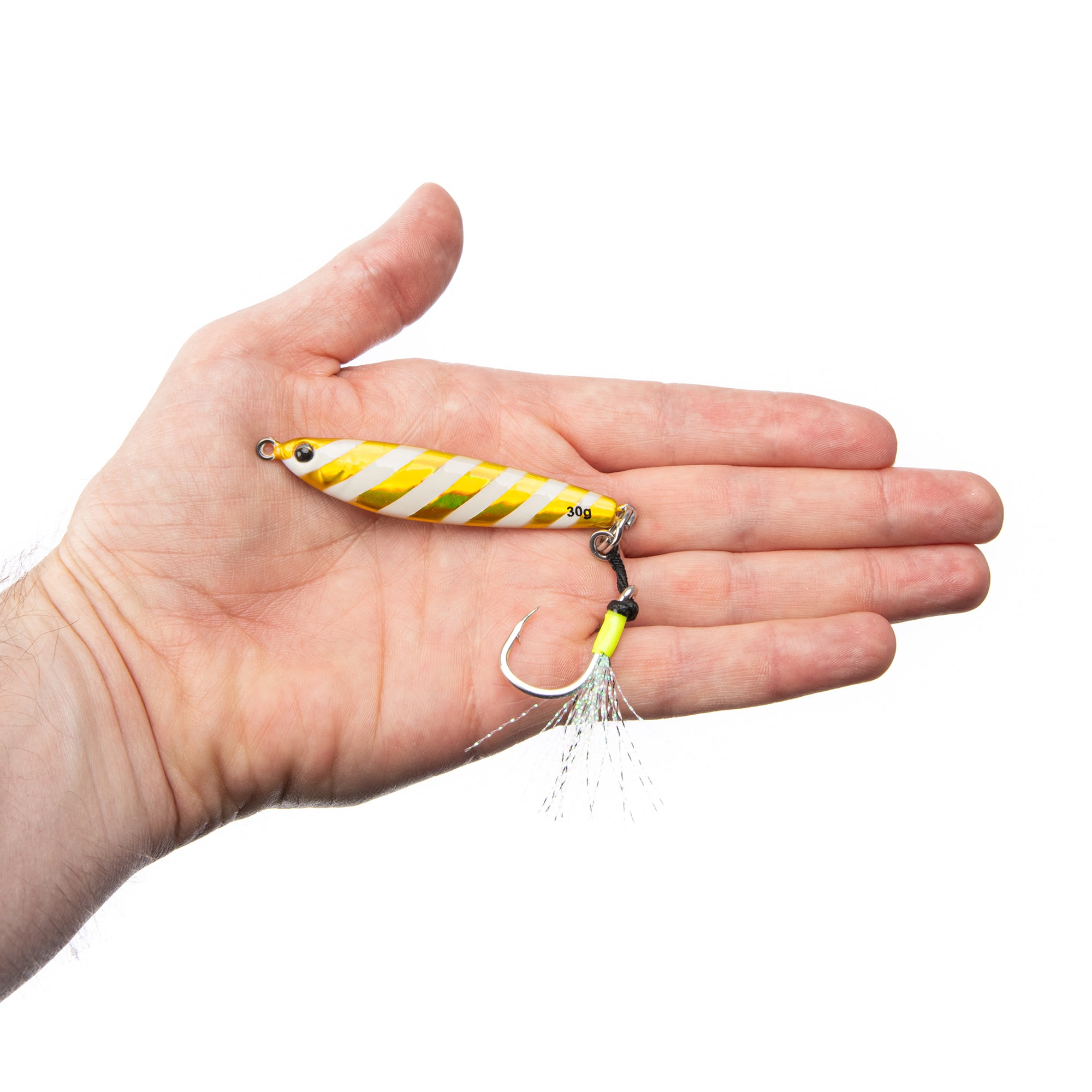
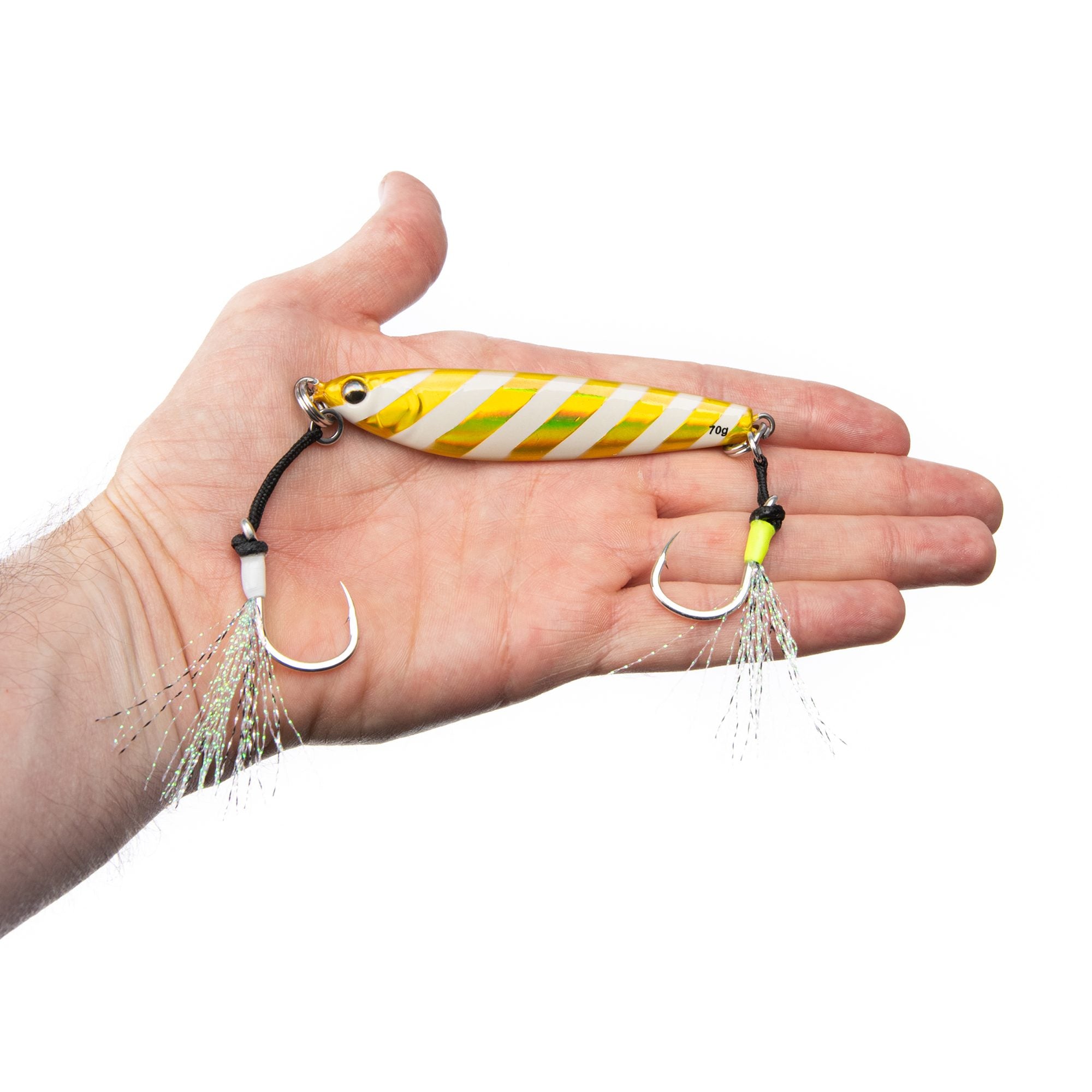
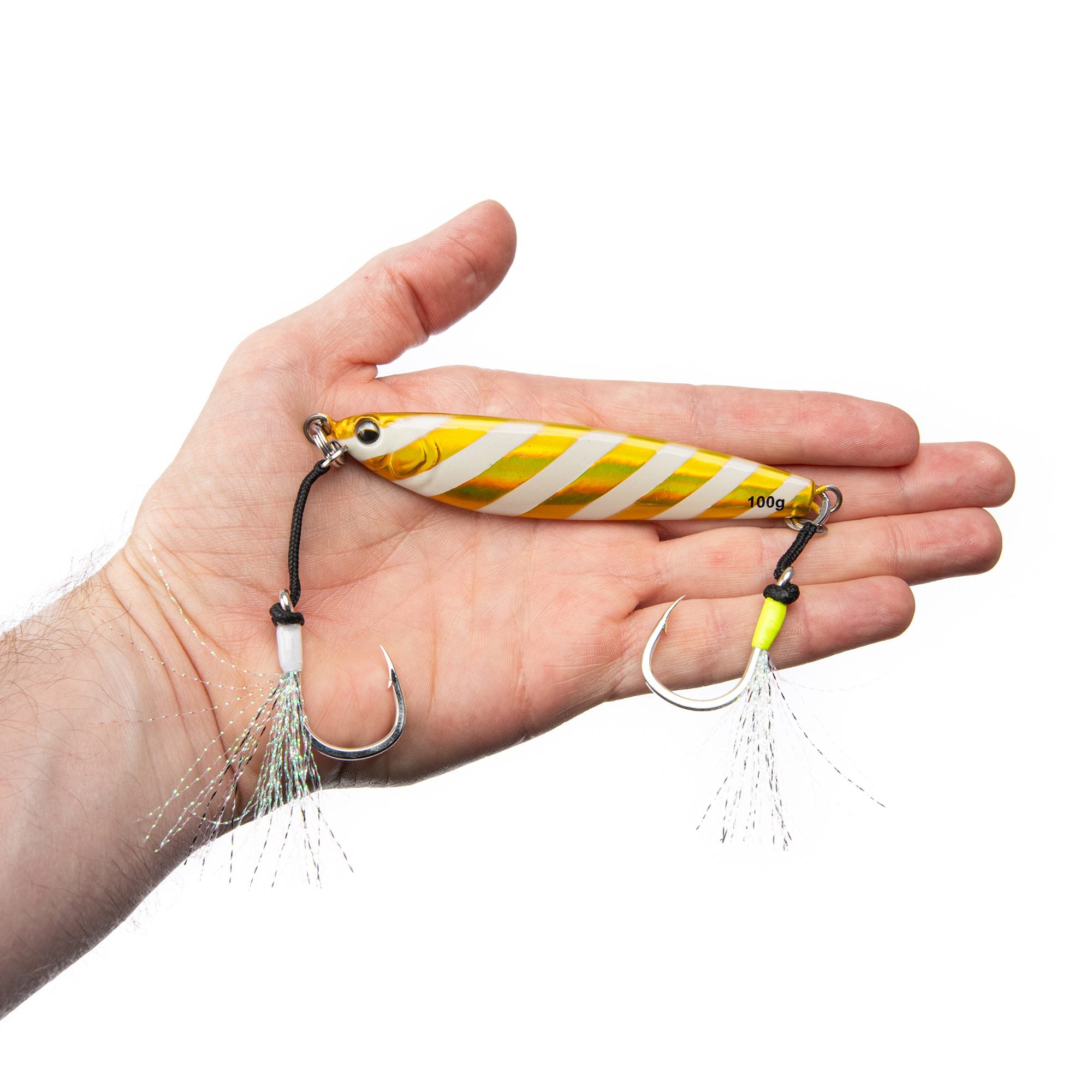
24K Drip Rizz Jig
A high-flash gold attractor pattern built for maximum visibility and aggressive strikes around reefs, wrecks, and ledges. Designed to shine when fish are feeding hard or visibility is low.
Best For:
- Deep structure
- Grouper
- Amberjack
- Low-light conditions
- Shines bright in the sunlight
Available in: 30g, 70g, 100g, 150g, 200g, 300g
WHY THE RIZZ JIG WORKS
The Rizz Jig Series wasn’t designed to blend in with every other slow pitch jig on the market. It was built to move differently, stay in the strike zone longer, and trigger the kind of violent offshore bites anglers remember. Whether you’re dropping deep structure, targeting suspended fish, or looking for something pressured fish haven’t seen before, the Rizz Jig was built to get crushed.

CHOOSING THE RIGHT WEIGHT JIG
Weight selection makes or breaks your jigging day. Too light, and your line bows in the current. Too heavy, and you lose action.
General rule: 1 gram of jig weight per foot of depth.
Example: 200 ft of water = ~200g jig.
Adjust for current:
- Heavy current = step up in weight.
- Light or no current = fish as light as possible for maximum flutter.
We always recommend using the lightest jig that conditions allow.
More natural fall = more bites.
How to Fish the Rizz Jig
The Rizz Jig was built to move differently in the water column, giving anglers multiple ways to trigger reaction strikes from aggressive offshore predators. Thanks to its S-shaped body and wounded bait flutter, the Rizz Jig stays active throughout the drop and produces whether you’re working it aggressively or barely moving it at all.
Slow Pitch Jigging
Drop the Rizz Jig to the bottom and work it with controlled lift-and-fall movements. The S-shaped body creates a wide flutter and injured bait slide that hangs in the strike zone longer, making it deadly for grouper, snapper, amberjack, and reef predators. When fish get pressured or finicky, slowing your cadence down often produces the hardest bites.
Vertical Jigging
The Rizz Jig excels when worked vertically through the water column with sharp lifts and controlled drops. As the jig slides and flutters back down, it imitates a struggling baitfish trying to escape — triggering aggressive strikes from tuna, kingfish, cobia, and suspended pelagic species.
Freefall
Sometimes the best presentation is letting the jig do exactly what it was designed to do. Send it down and let the Rizz Jig flutter naturally on slack line. The wounded bait action, wide slide, and long hang time create an easy target predators instinctively attack on the fall.
Deadstick
When the bite slows down, resist the urge to move spots too quickly. Let the Rizz Jig sit motionless near the bottom for a minute or two before lifting it again. Predators often track the jig during the pause, and the sudden movement off bottom can instantly trigger a reaction strike from fish that were following it the entire time.
Frequently Asked Questions
How do you rig the Rizz Jig?
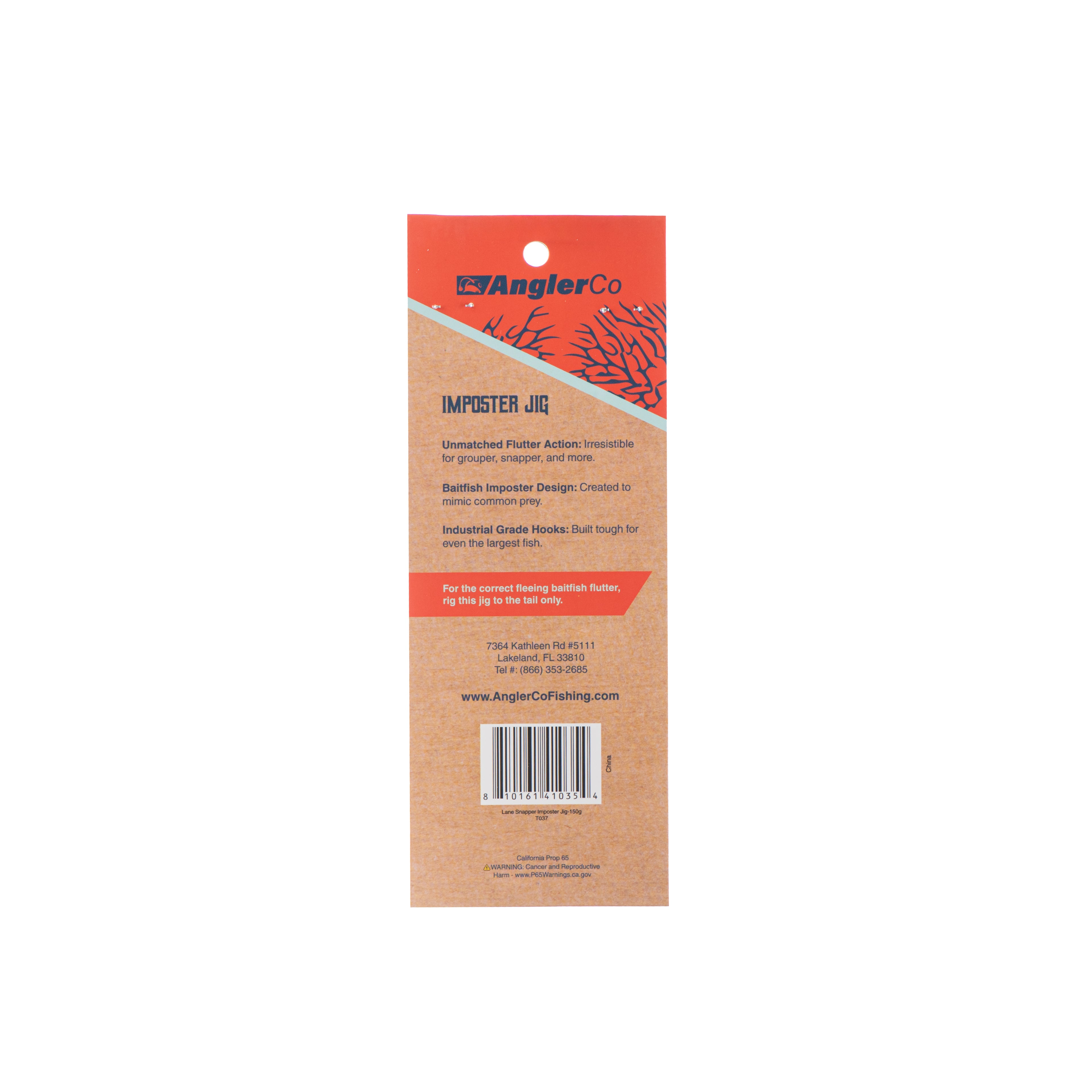
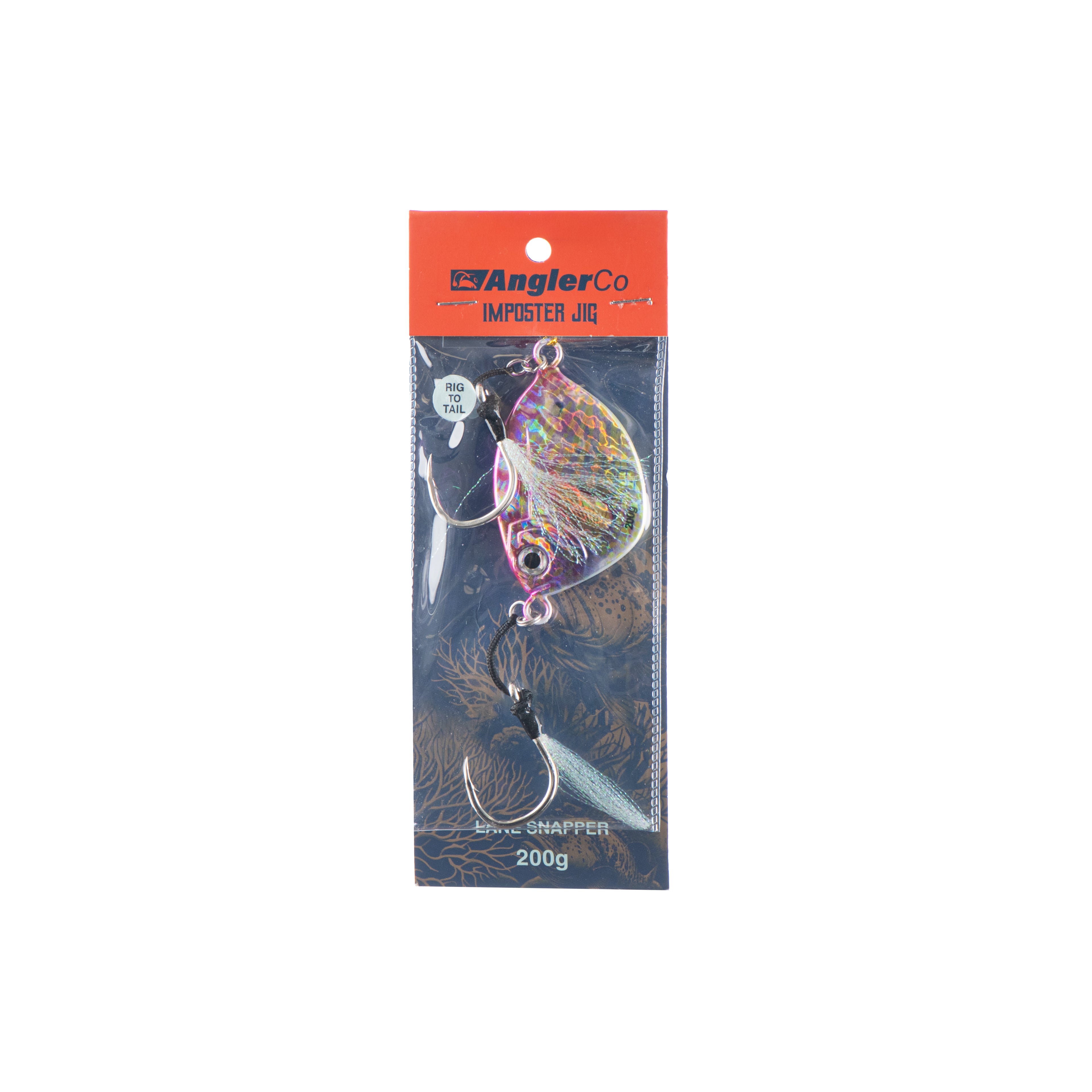
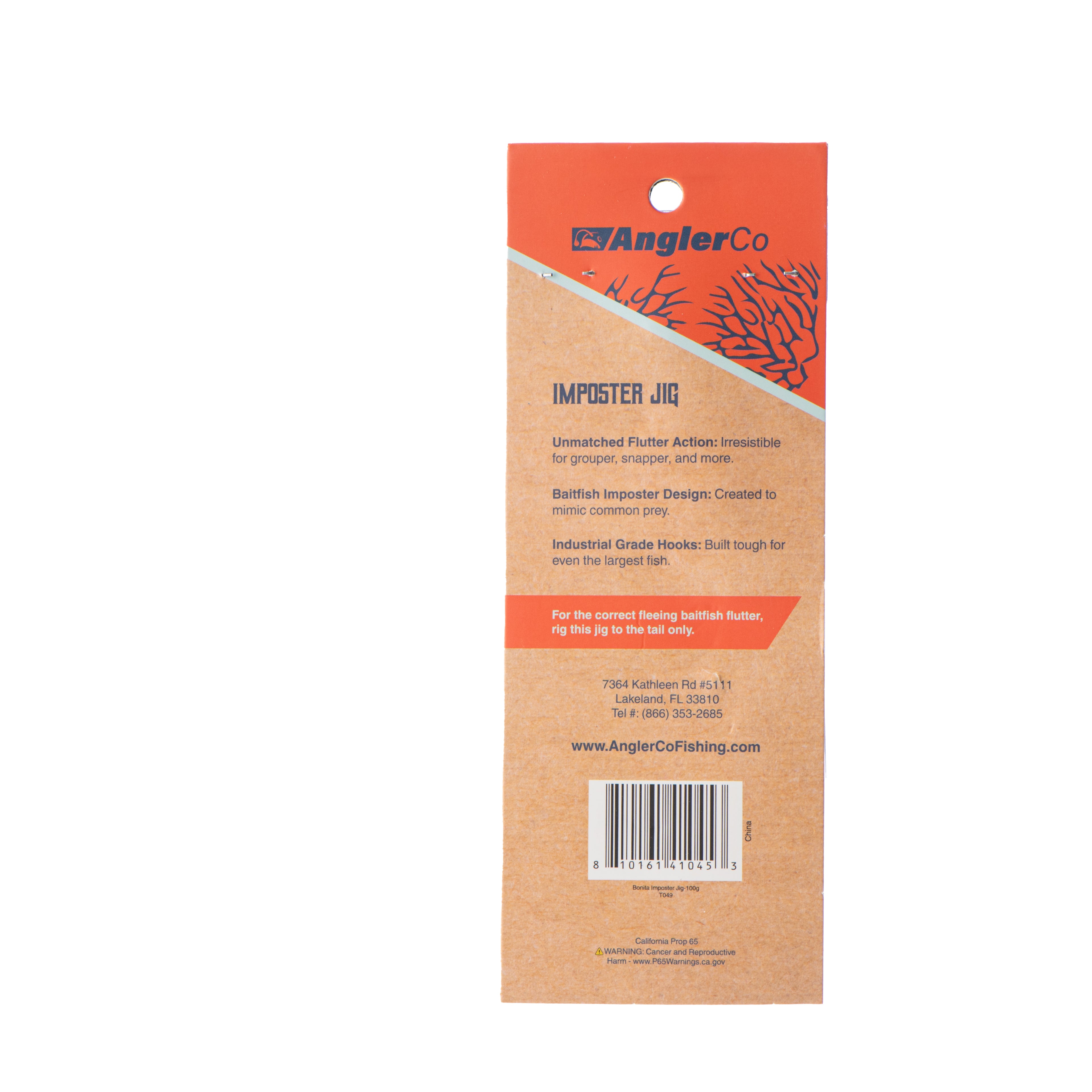
Tie your leader directly to the hardwire anchor point on the tail end of the jig to get the best action. The Rizz Jig is designed to be fished tail-tied, giving it an aggressive head-first darting motion along with its injured bait flutter and wide sliding fall.
What size Rizz Jig Do I Need?
A solid starting point is roughly 1 gram per foot of water under normal conditions.
- 30g = around 30 feet
- 70g = around 70 feet
- 100g = around 100 feet
- 150g = around 150 feet
- 200g = around 200 feet
- 300g = around 300 feet
If the current is ripping or your drift speed increases, move up a size to stay vertical and keep the jig working right.
Does the Rizz Jig have two hooks or one?
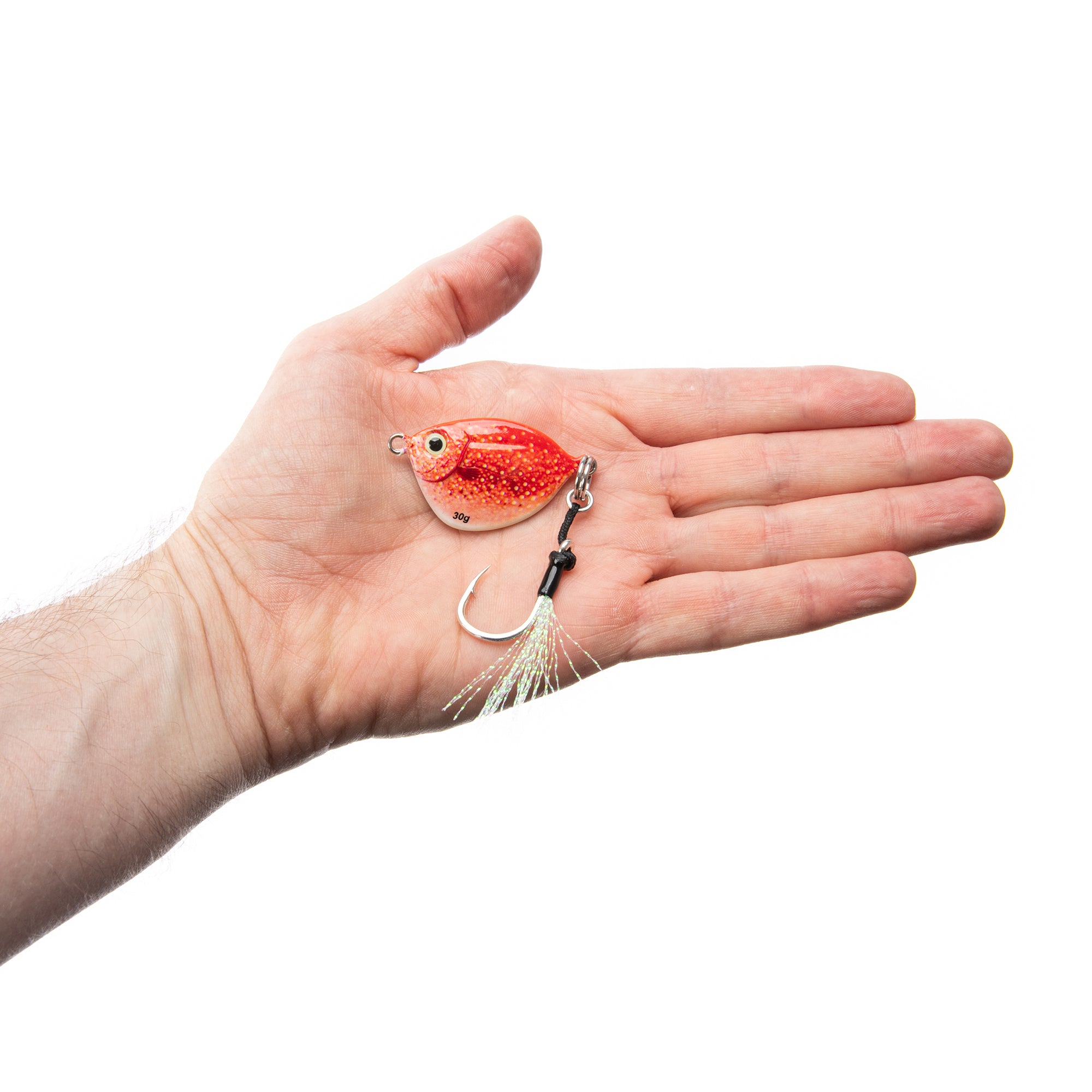
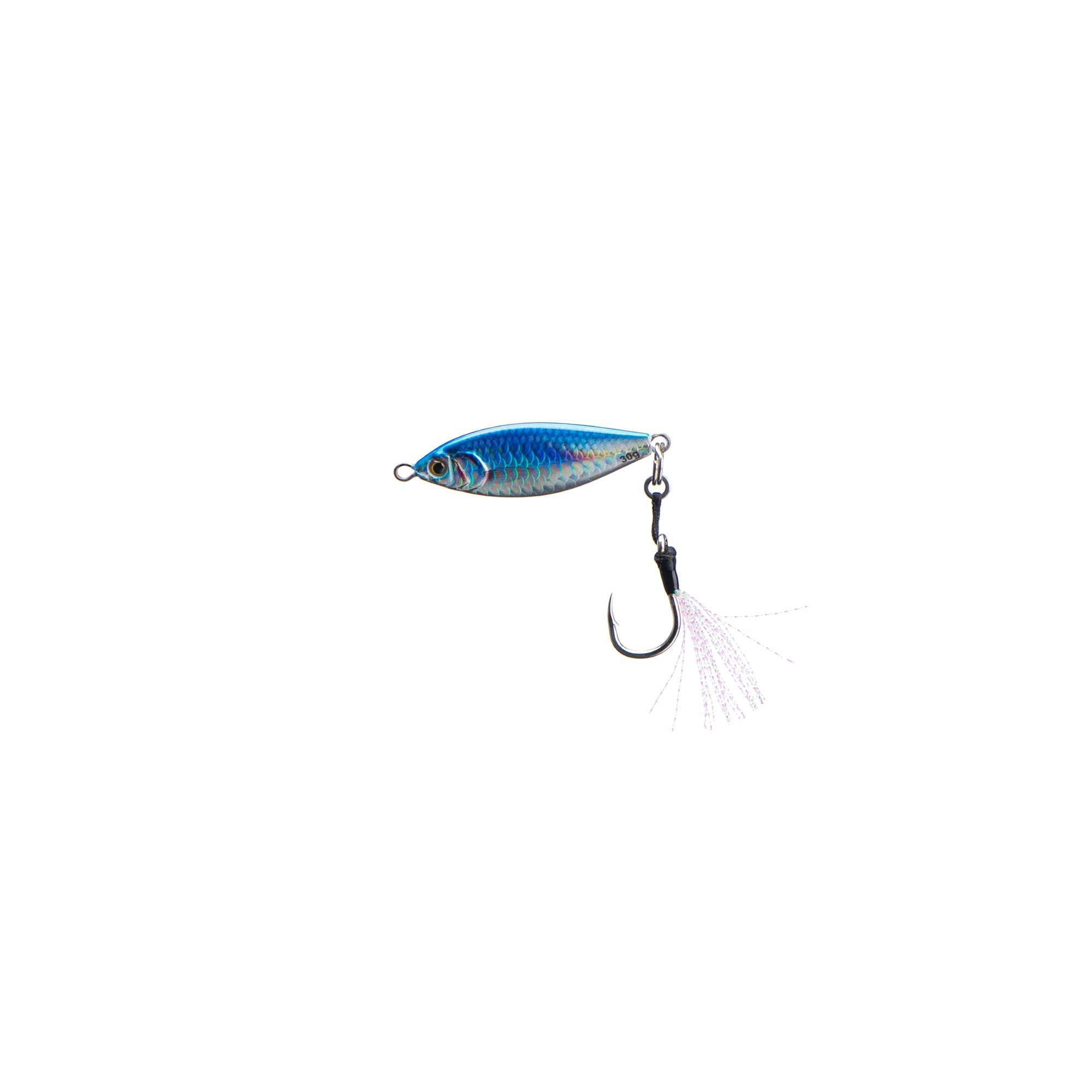
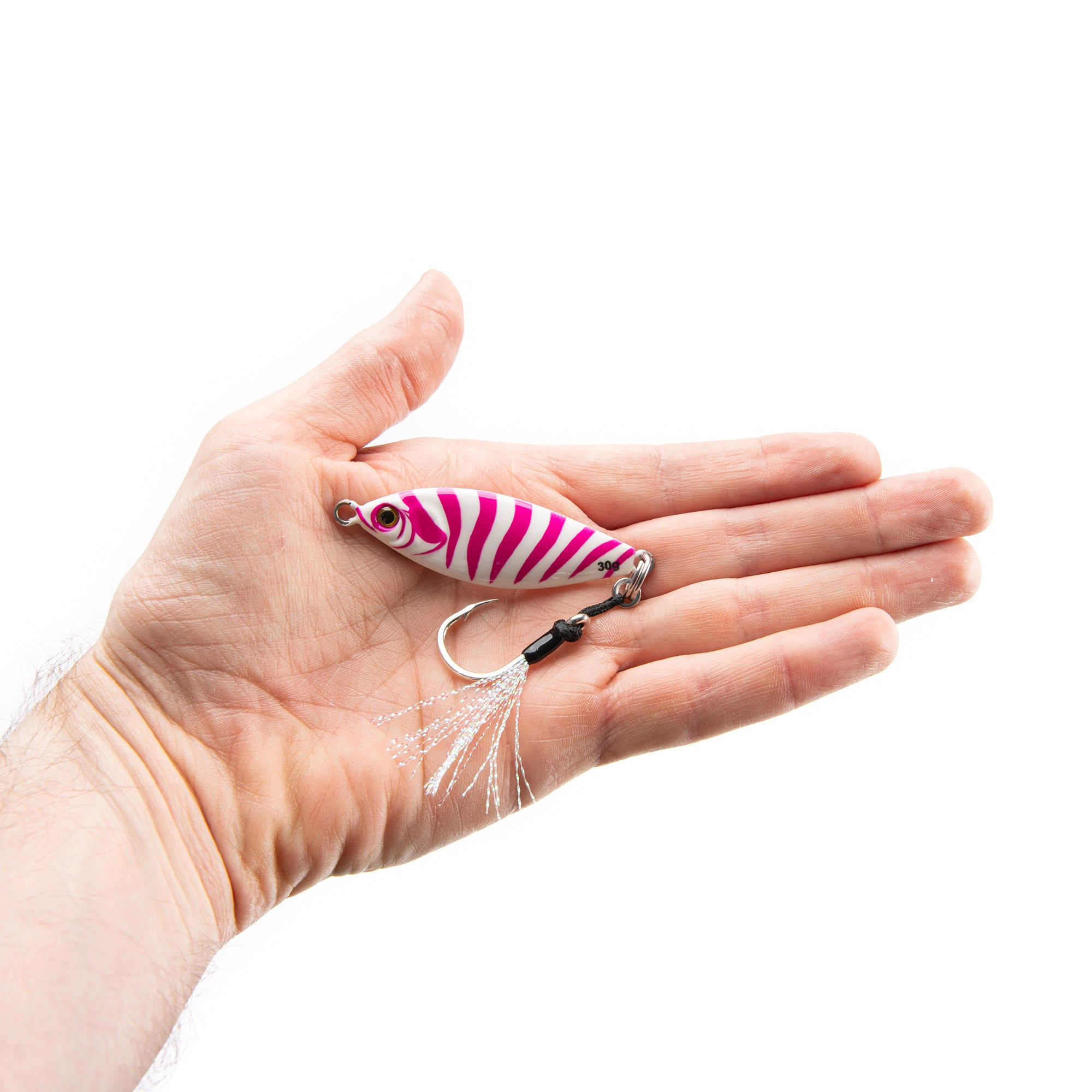
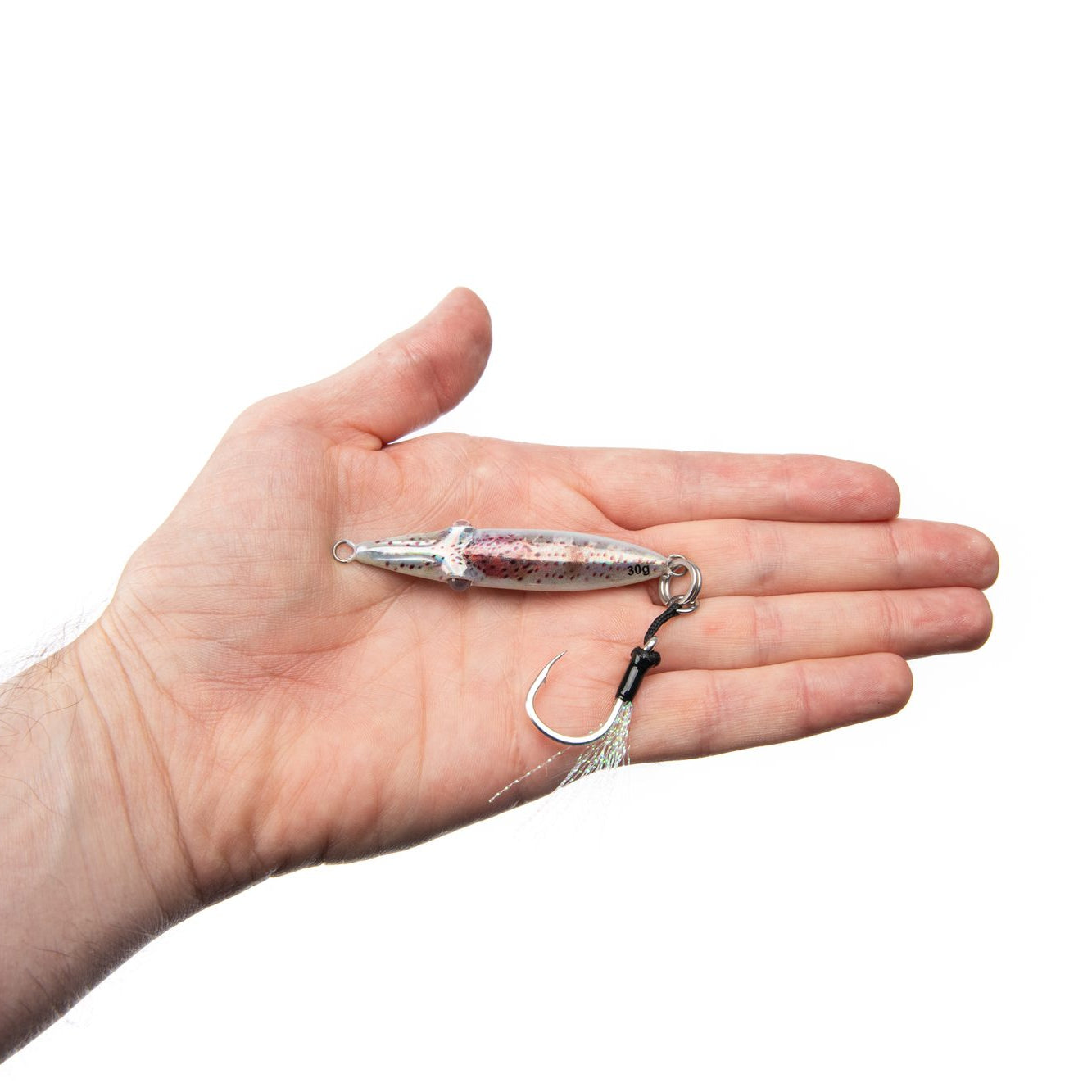
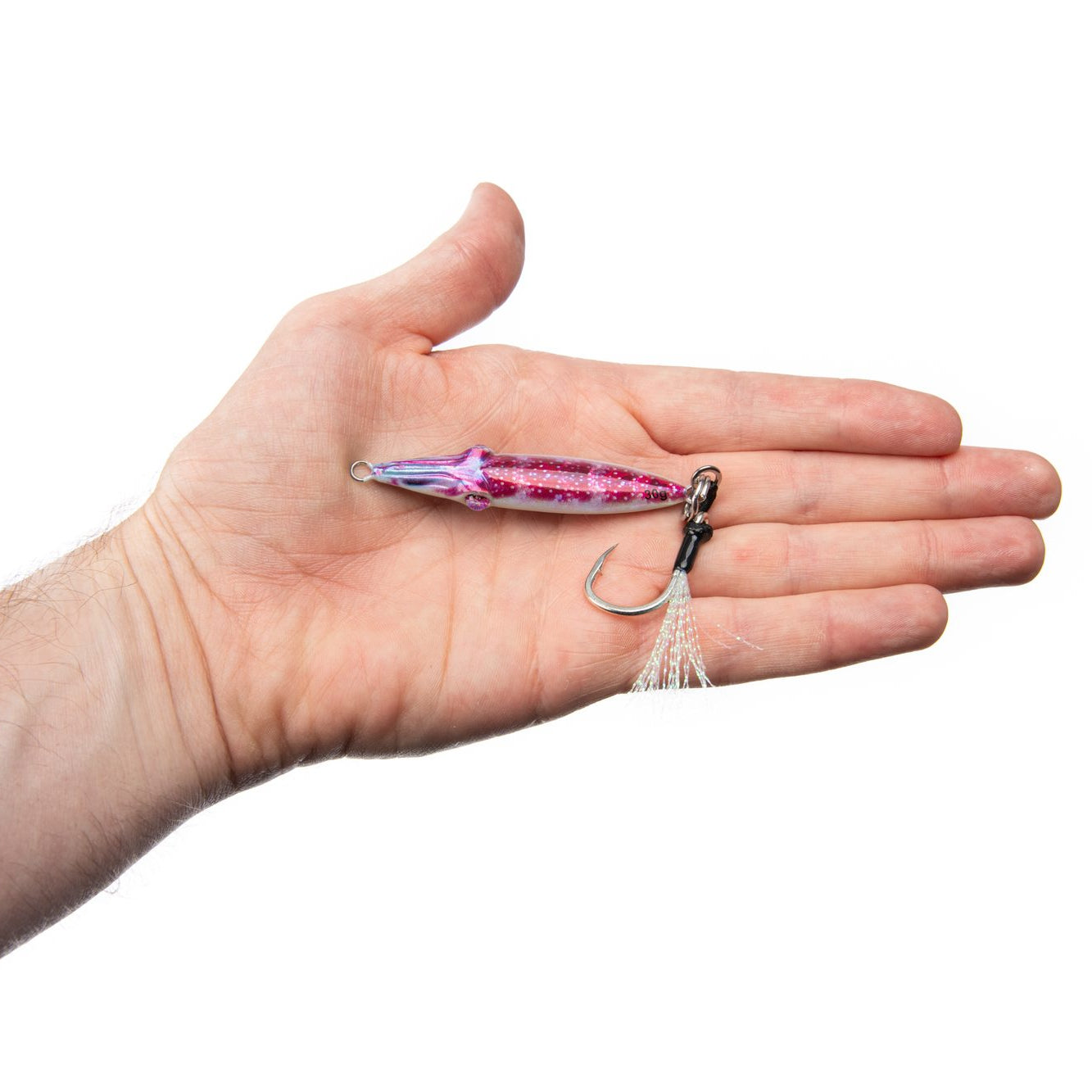
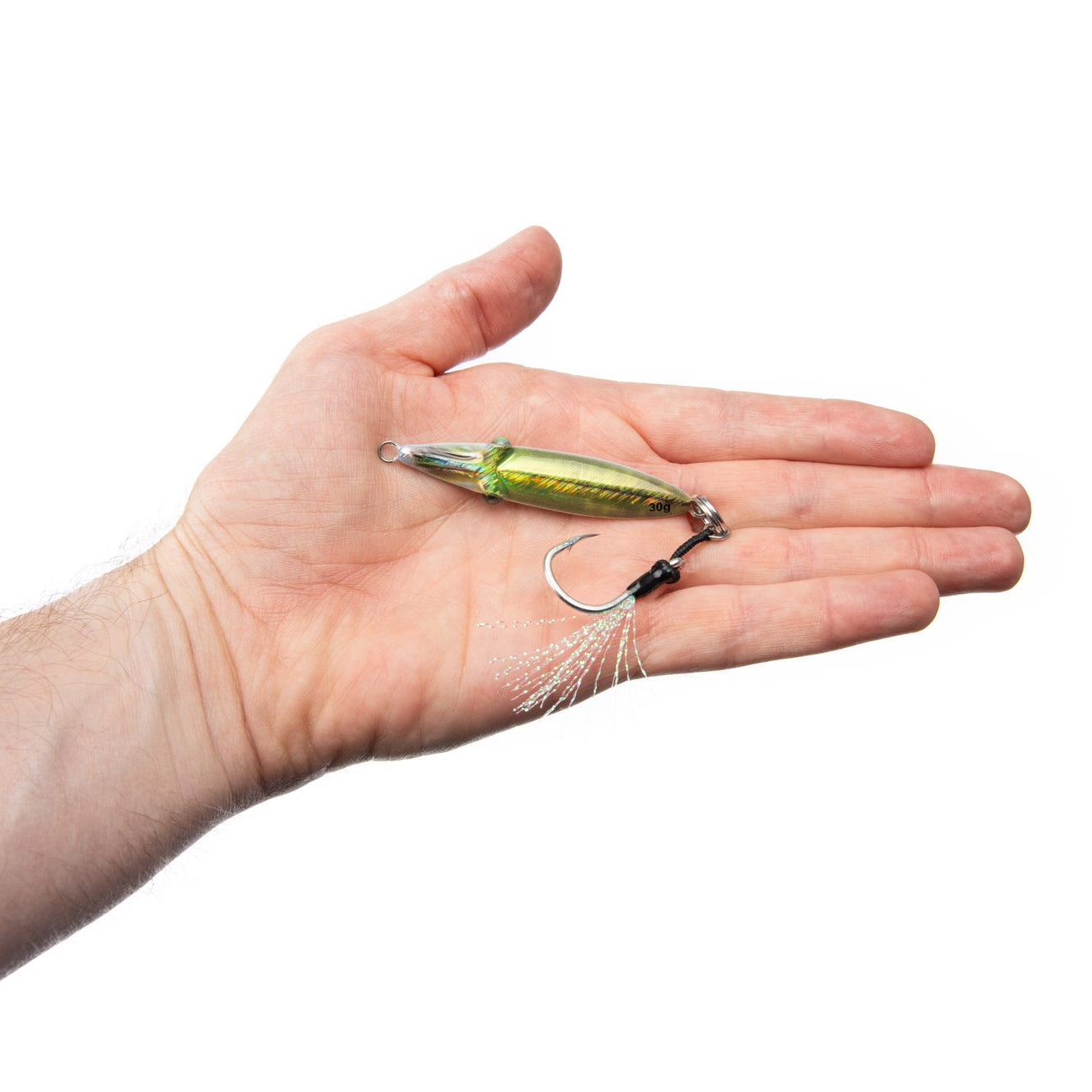
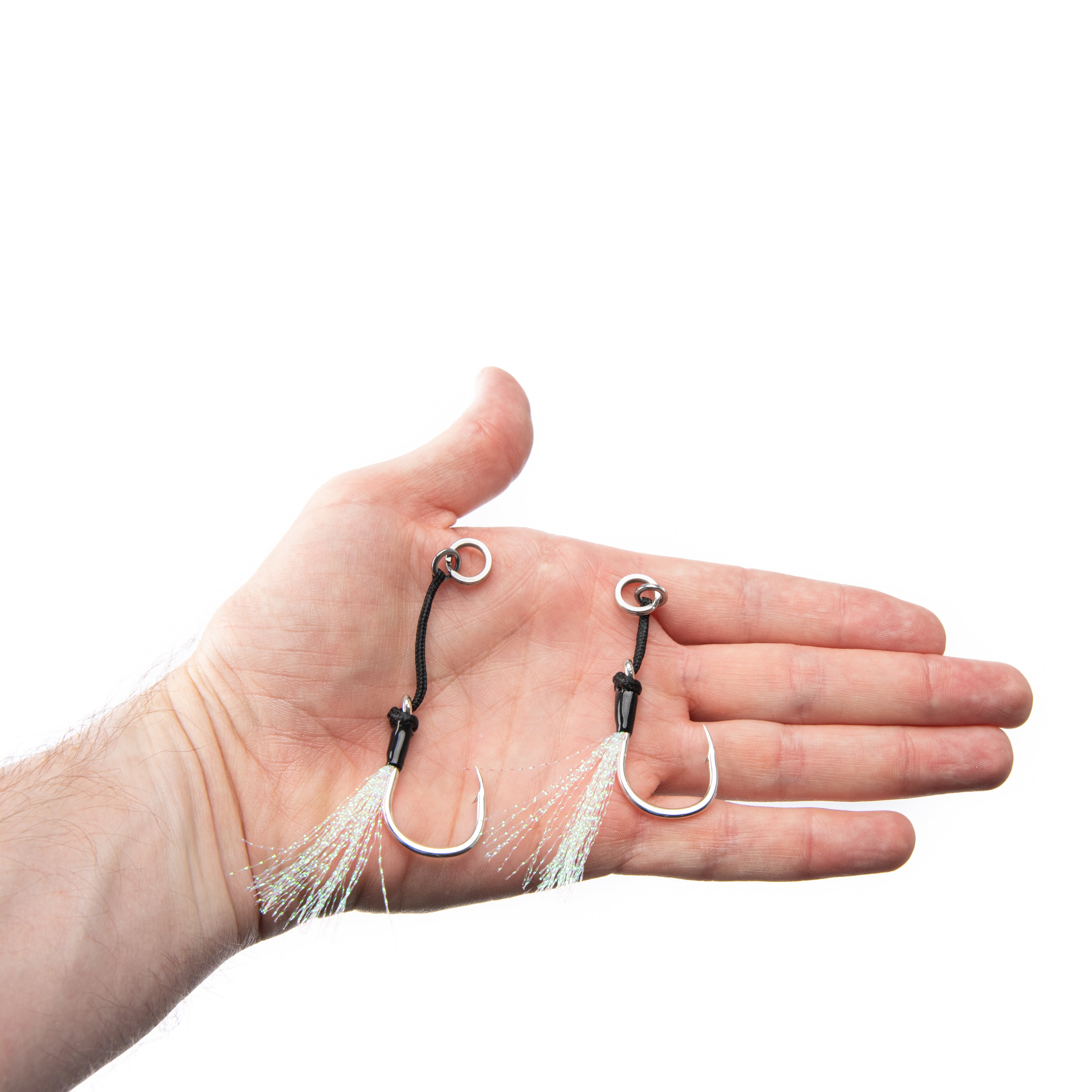
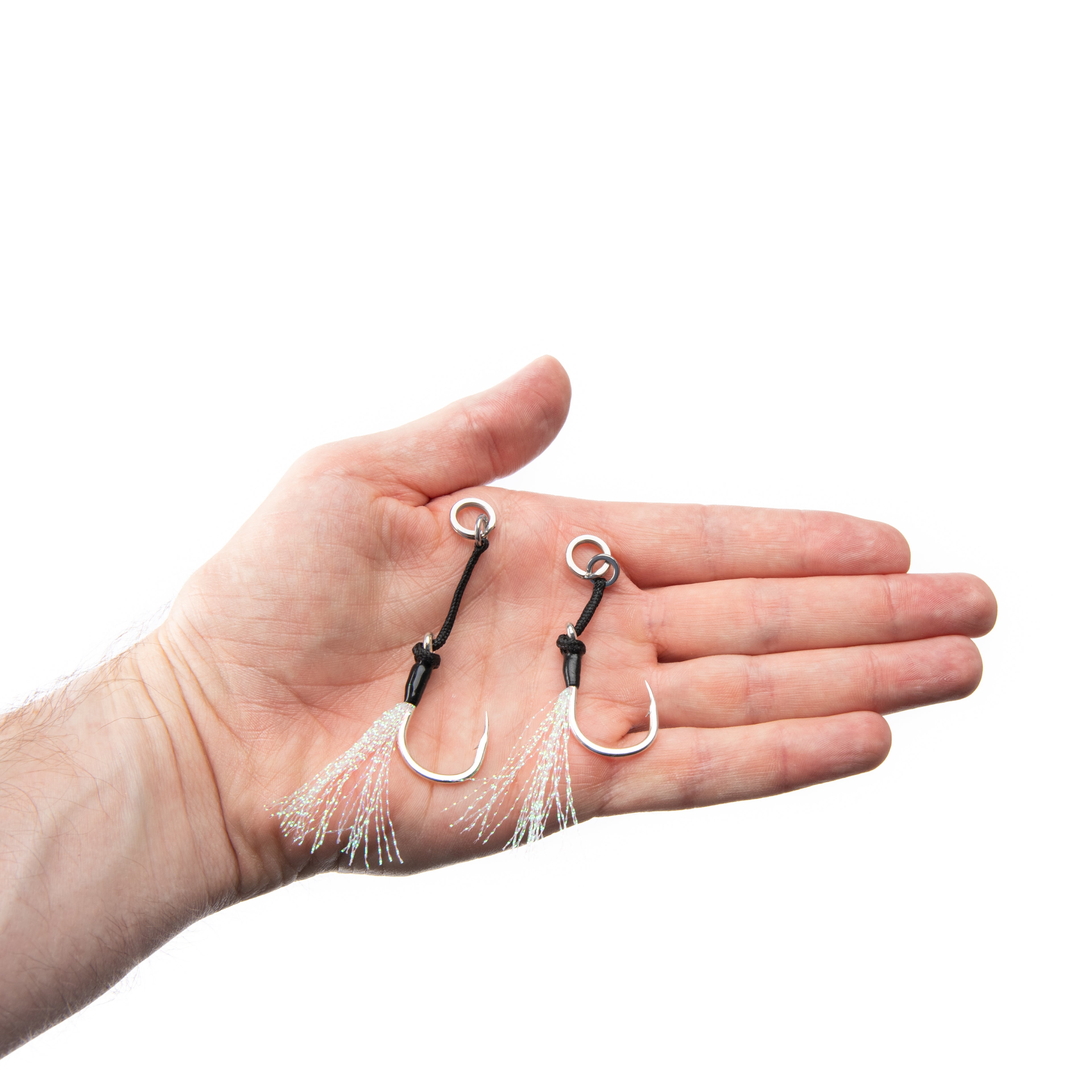
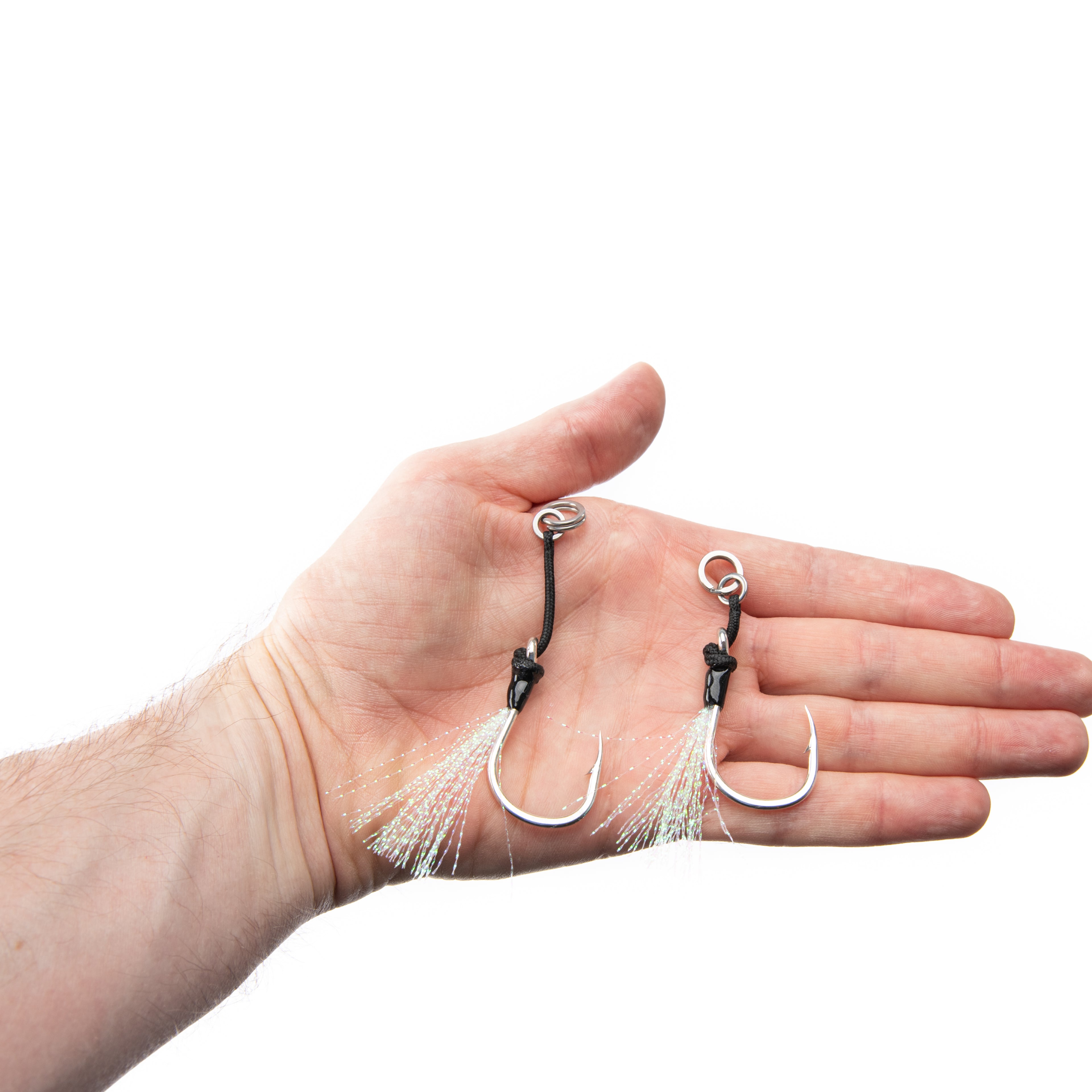
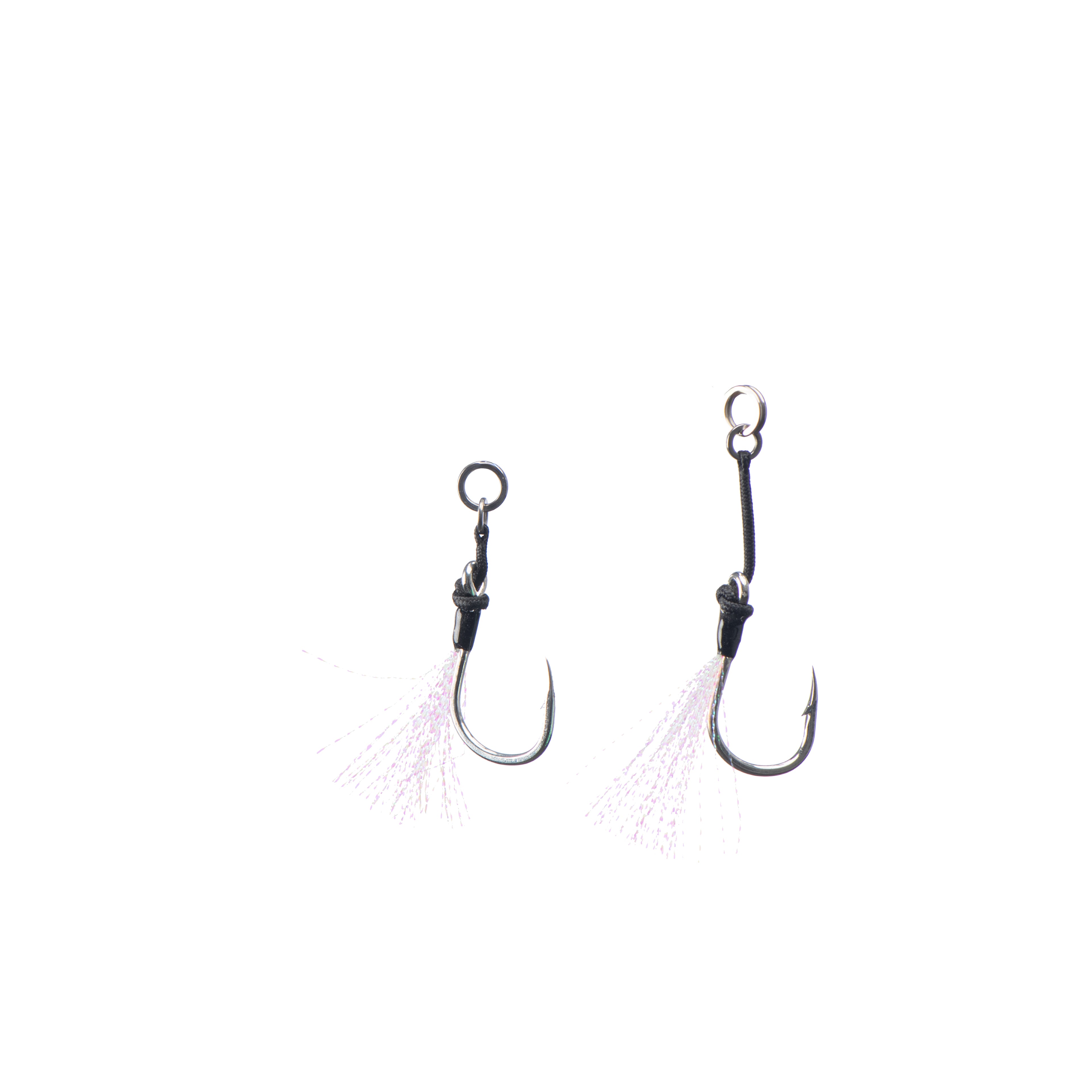
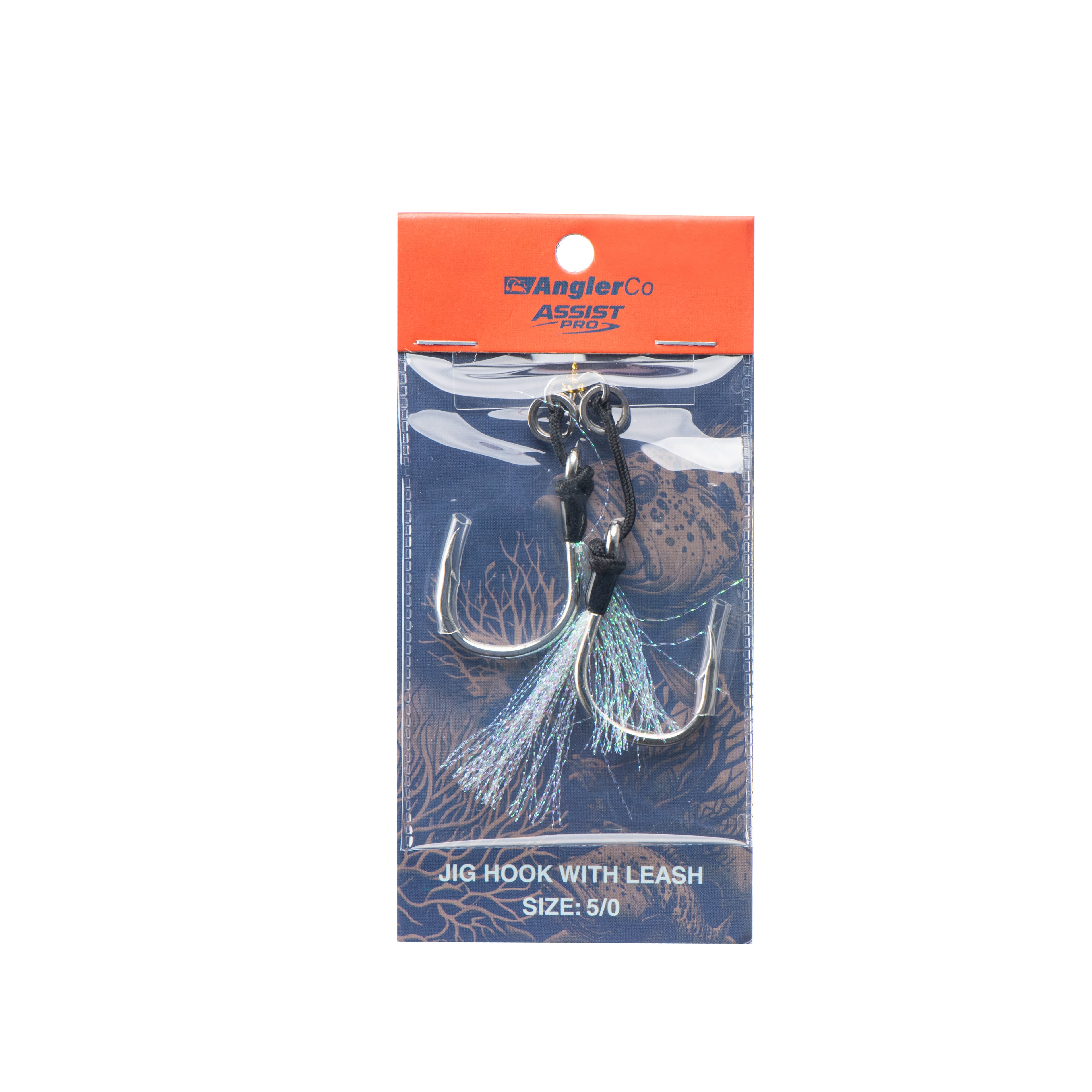
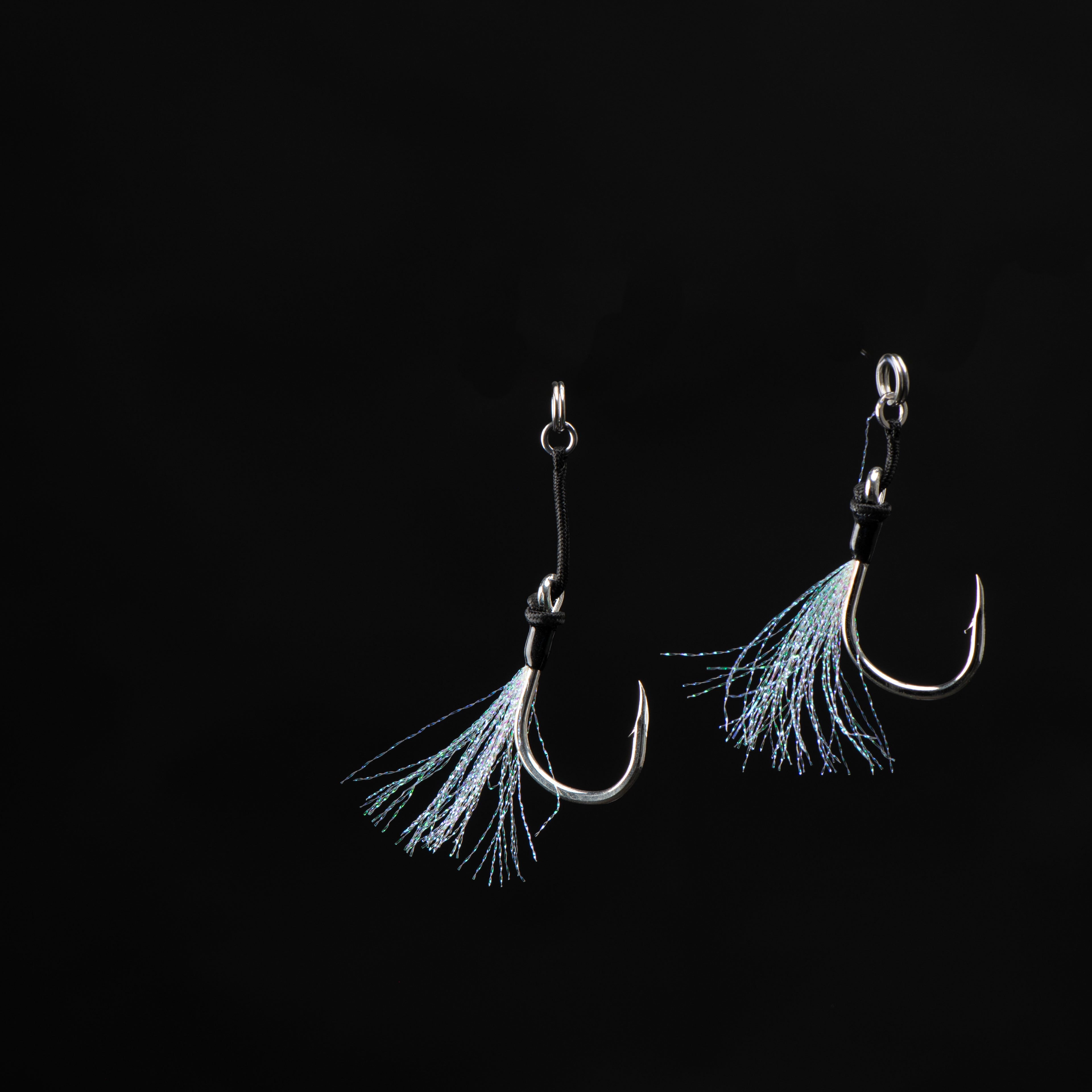
The 30g version comes pre-rigged with a single assist hook attached at the tail. You can leave it tail-rigged for vertical jigging or move the hook to the nose for casting and retrieve-style fishing.
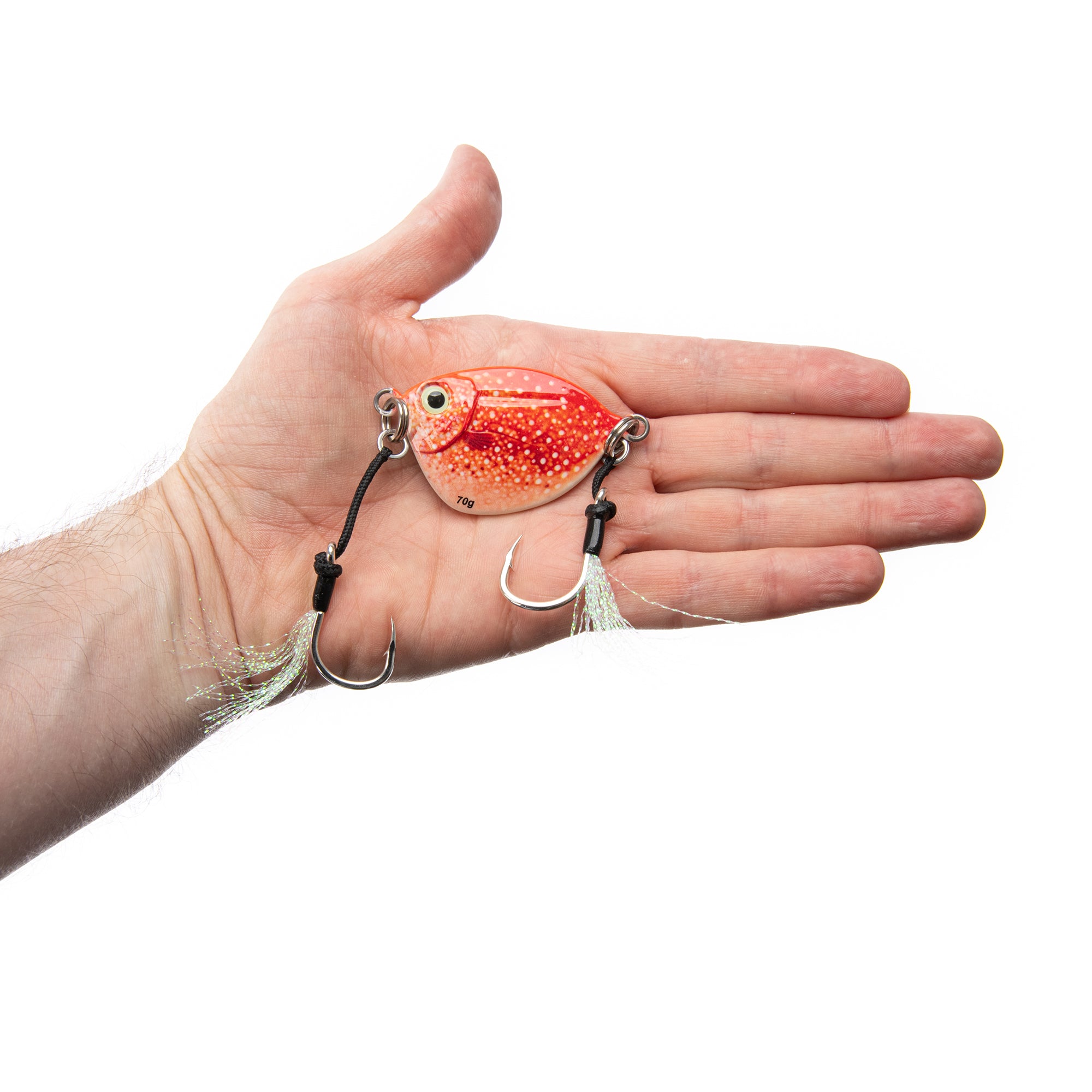
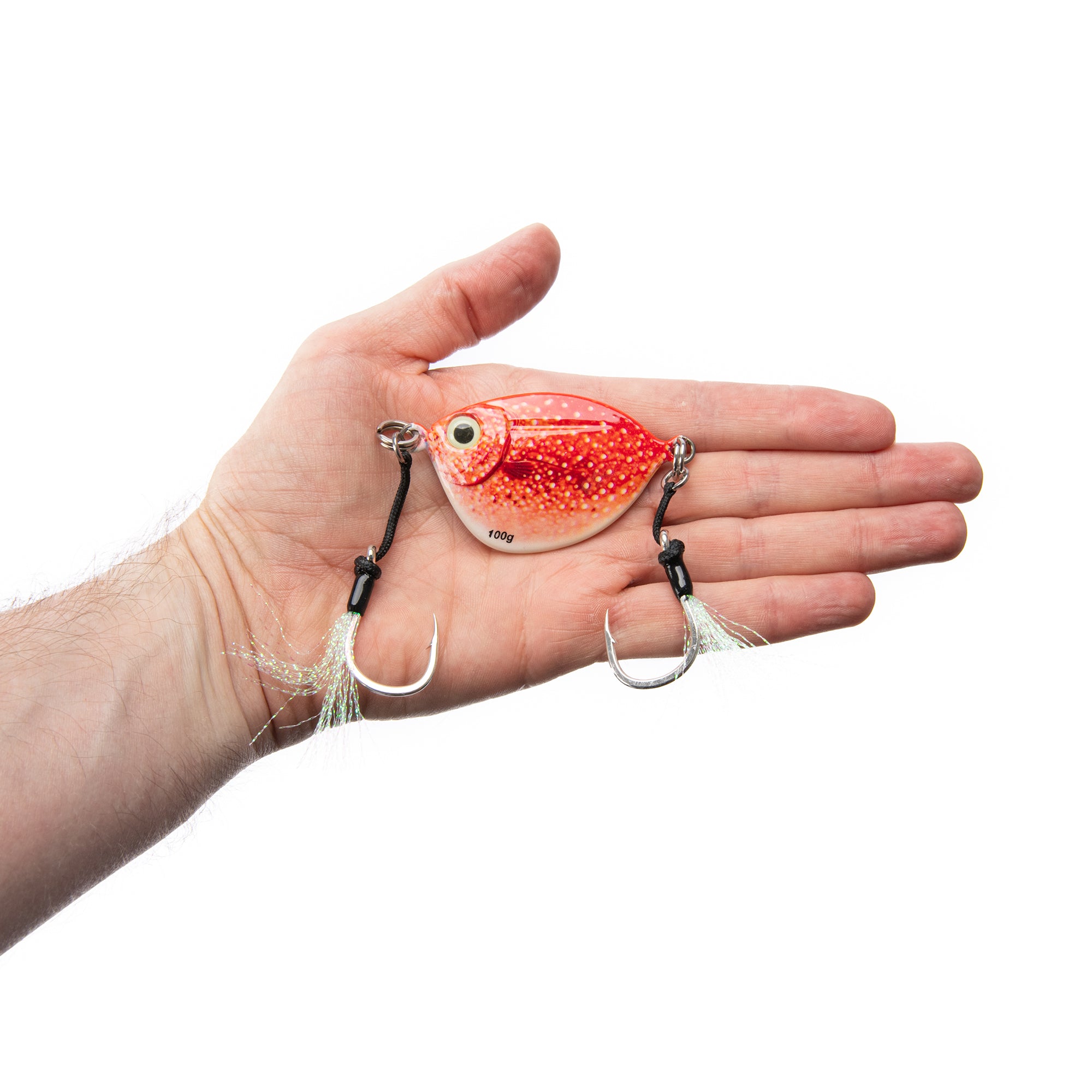
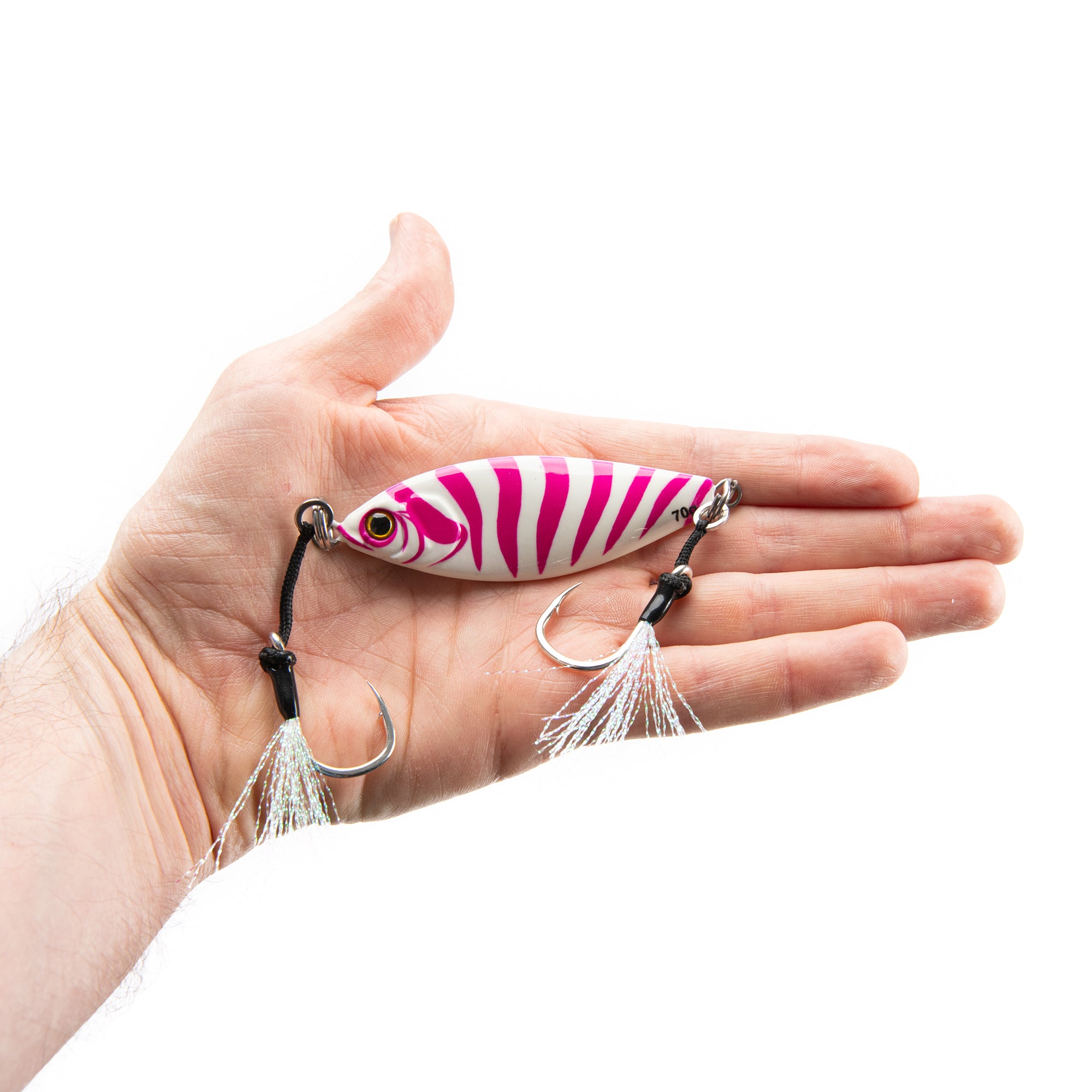
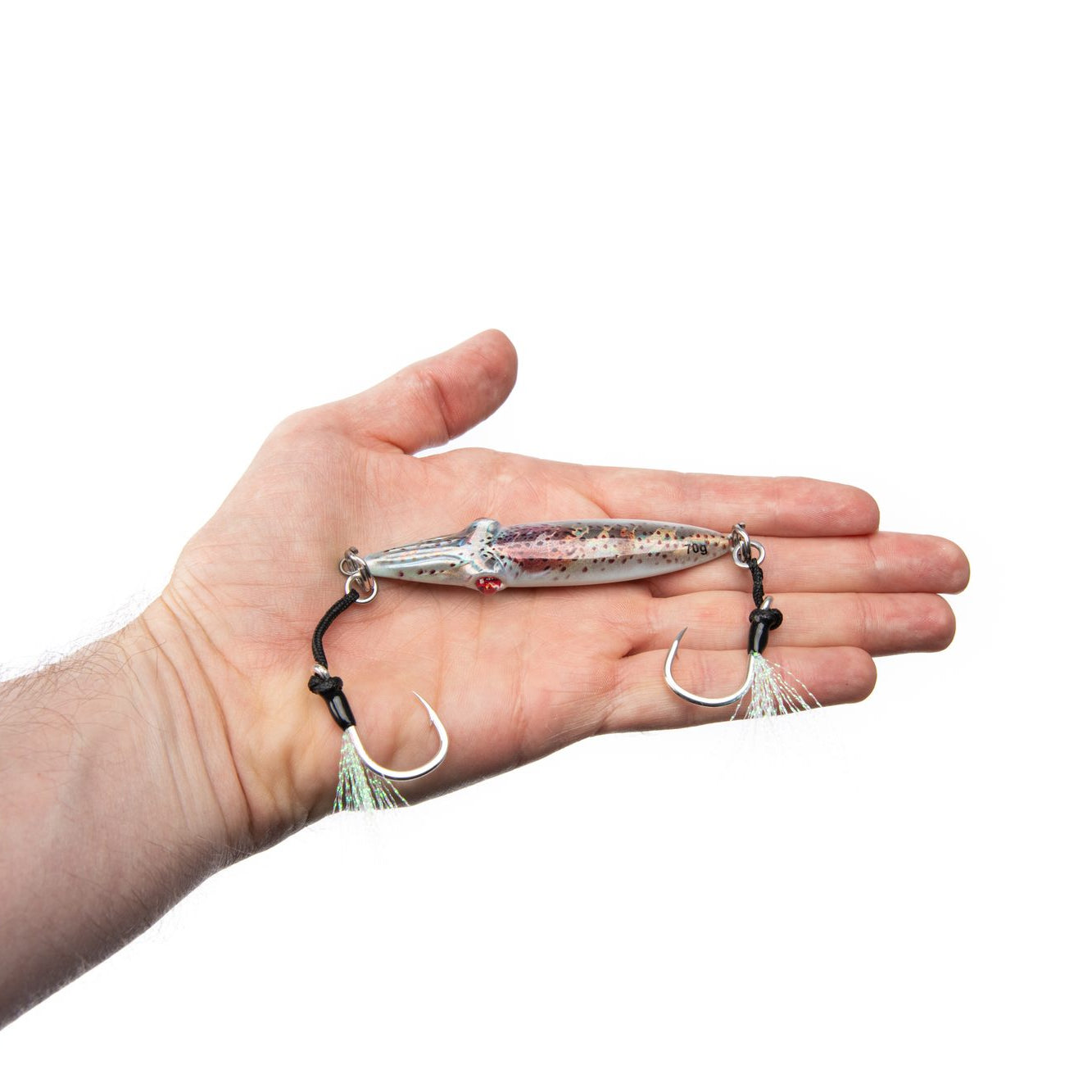
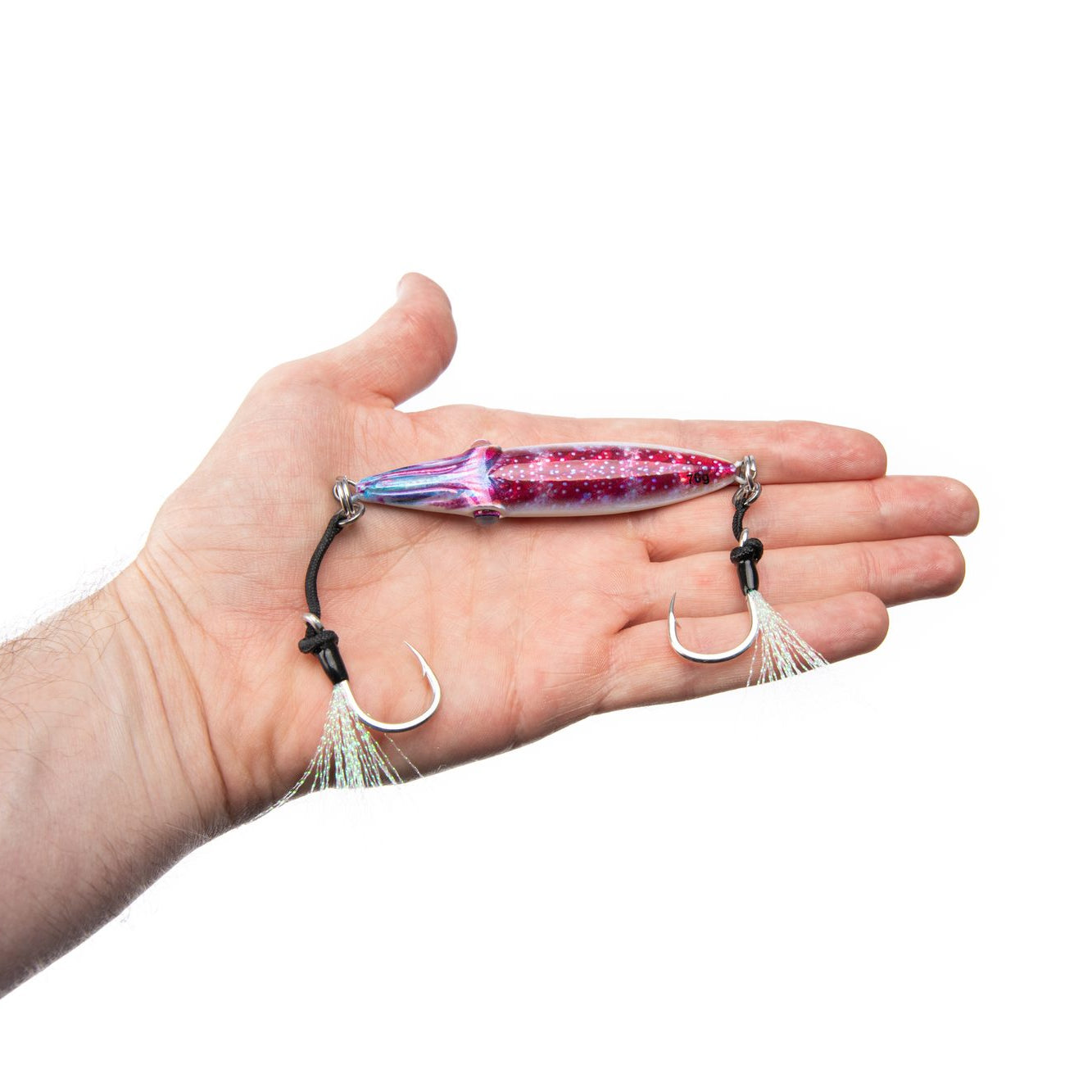
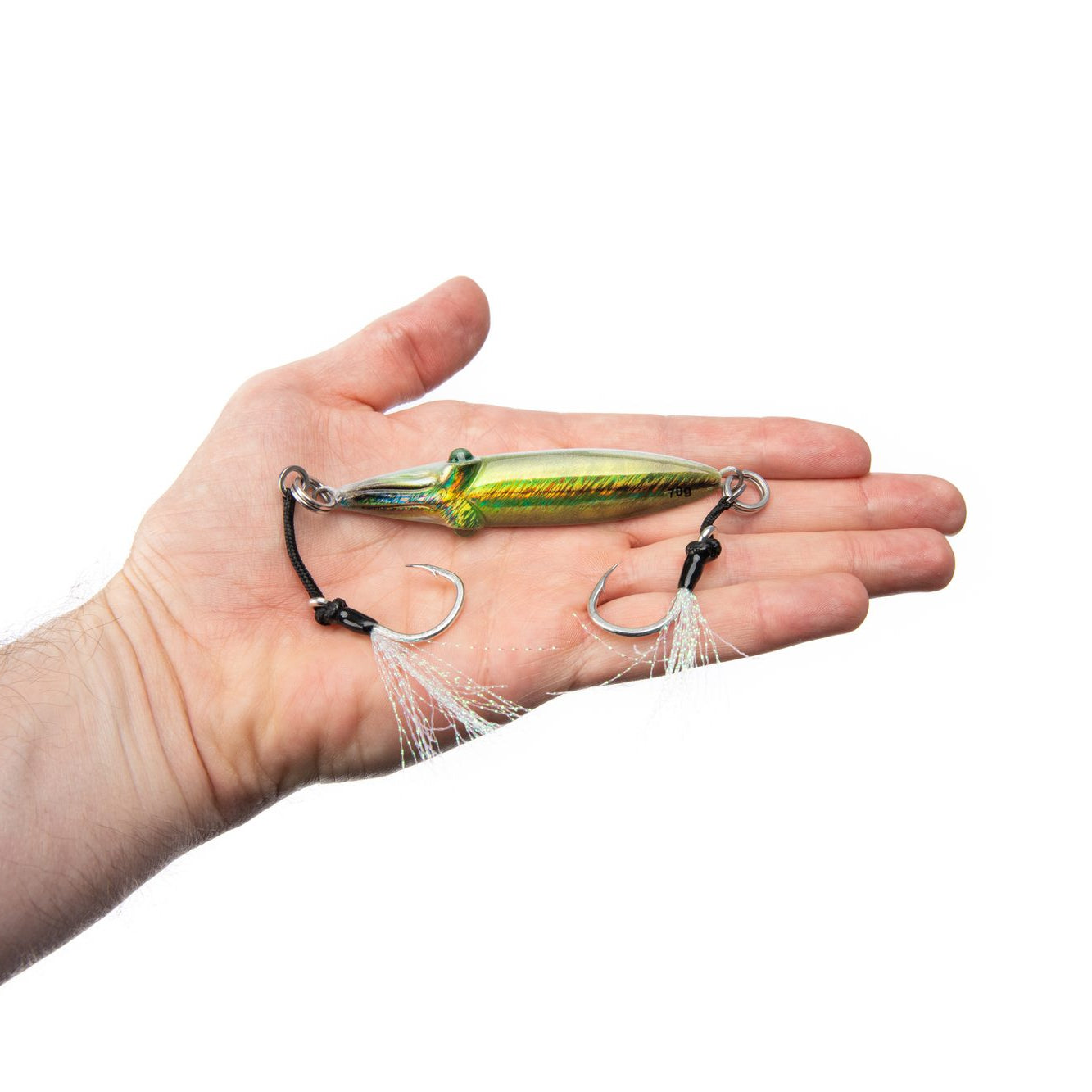
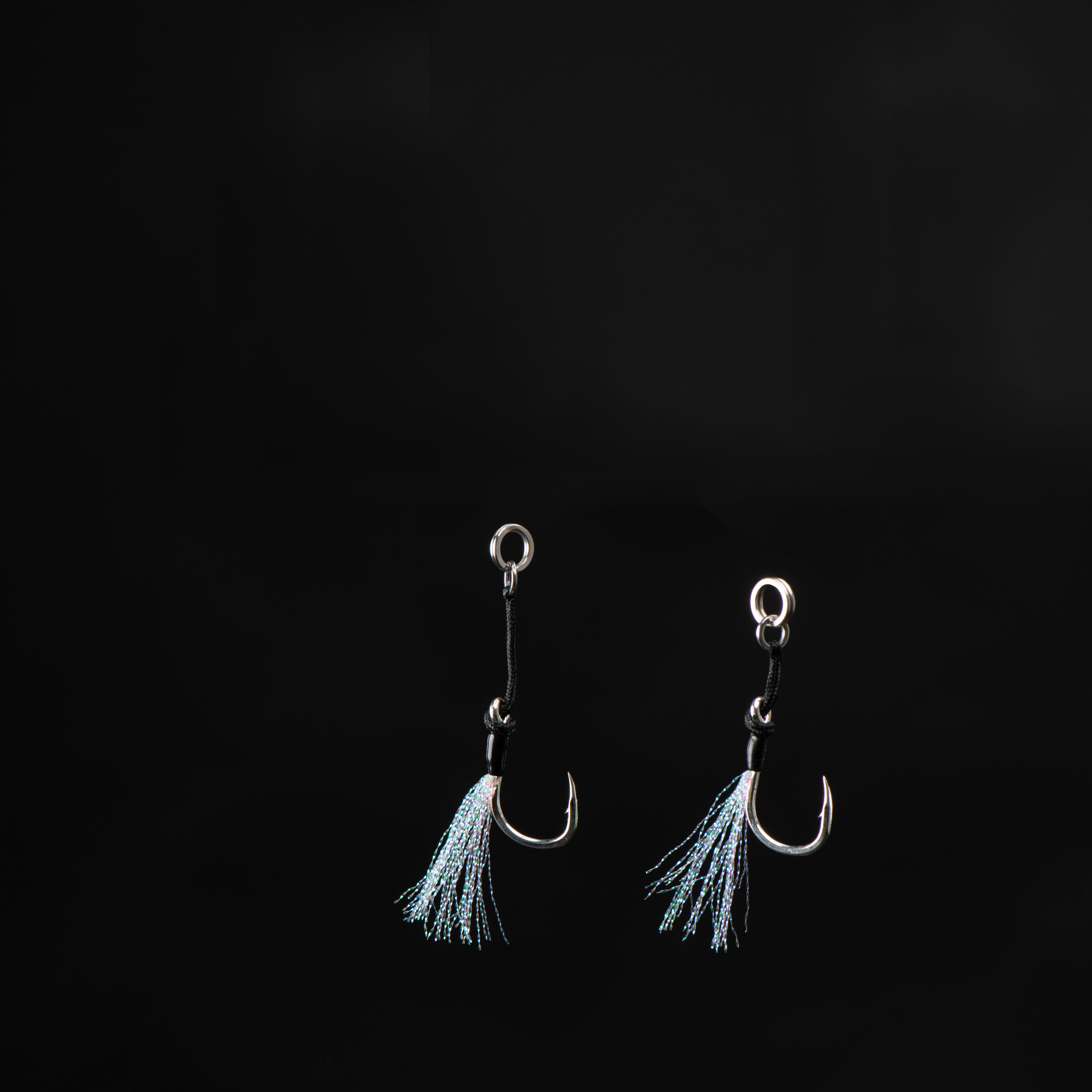
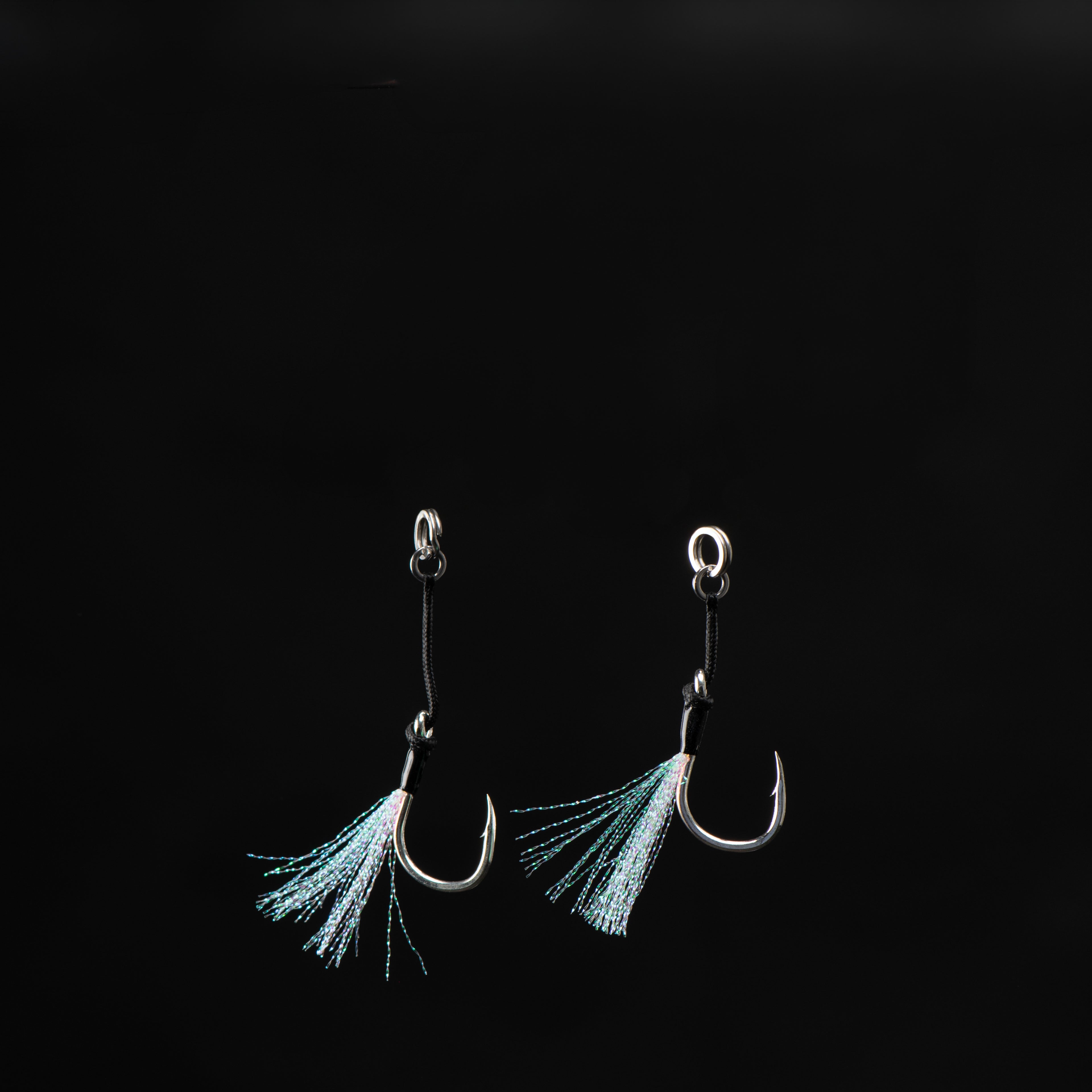
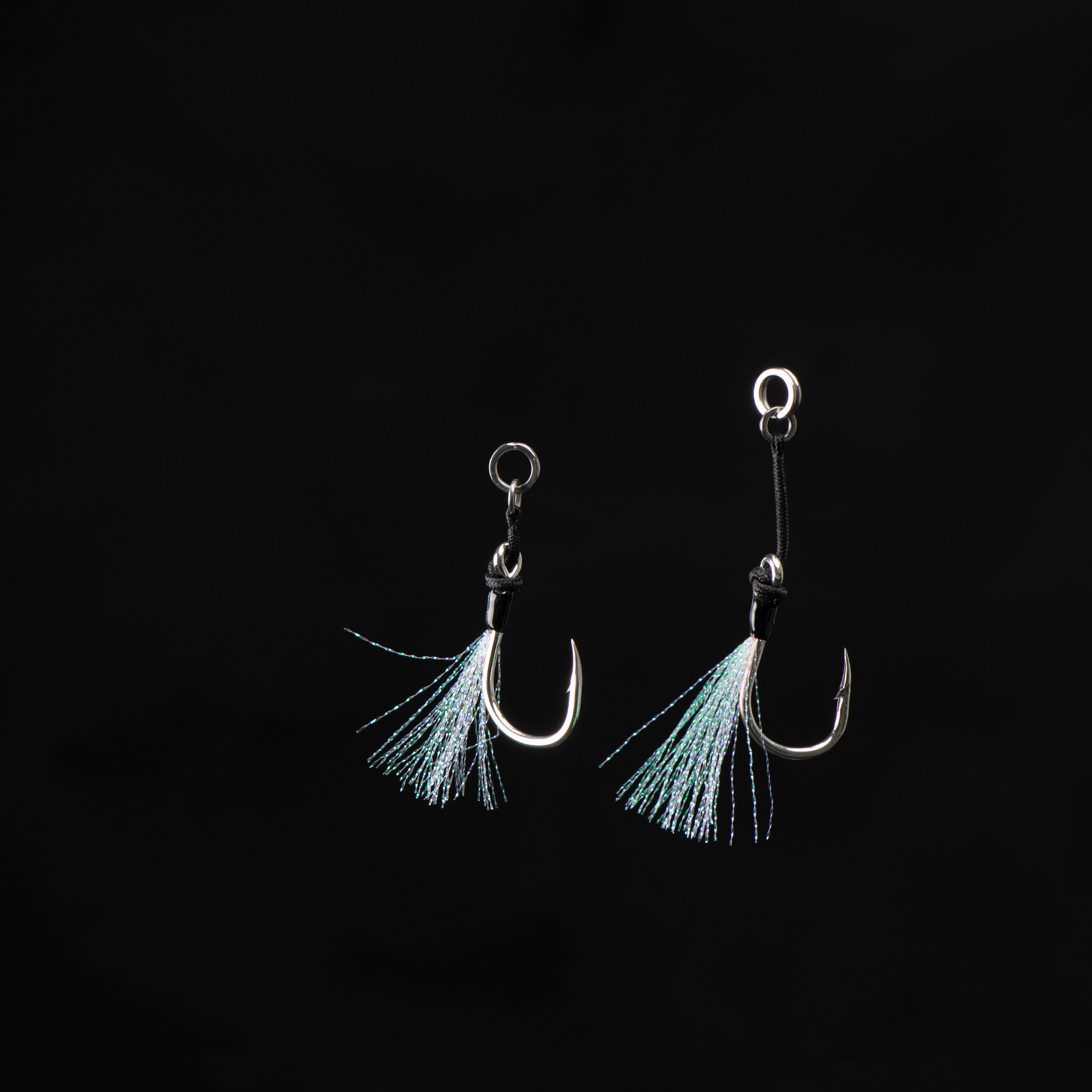
All other sizes (70g–300g) come pre-rigged with dual assist hooks and are ready to tie on and drop.
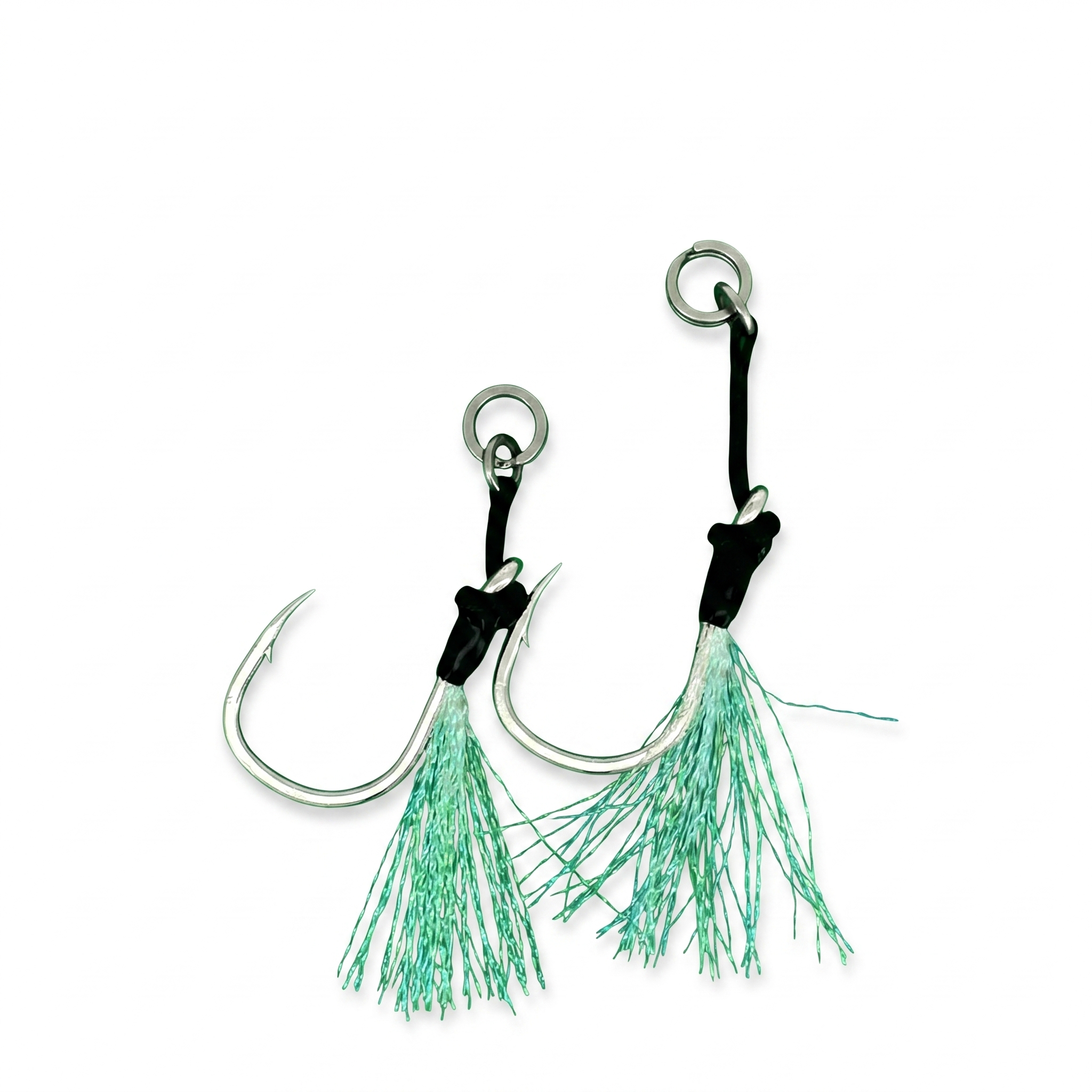
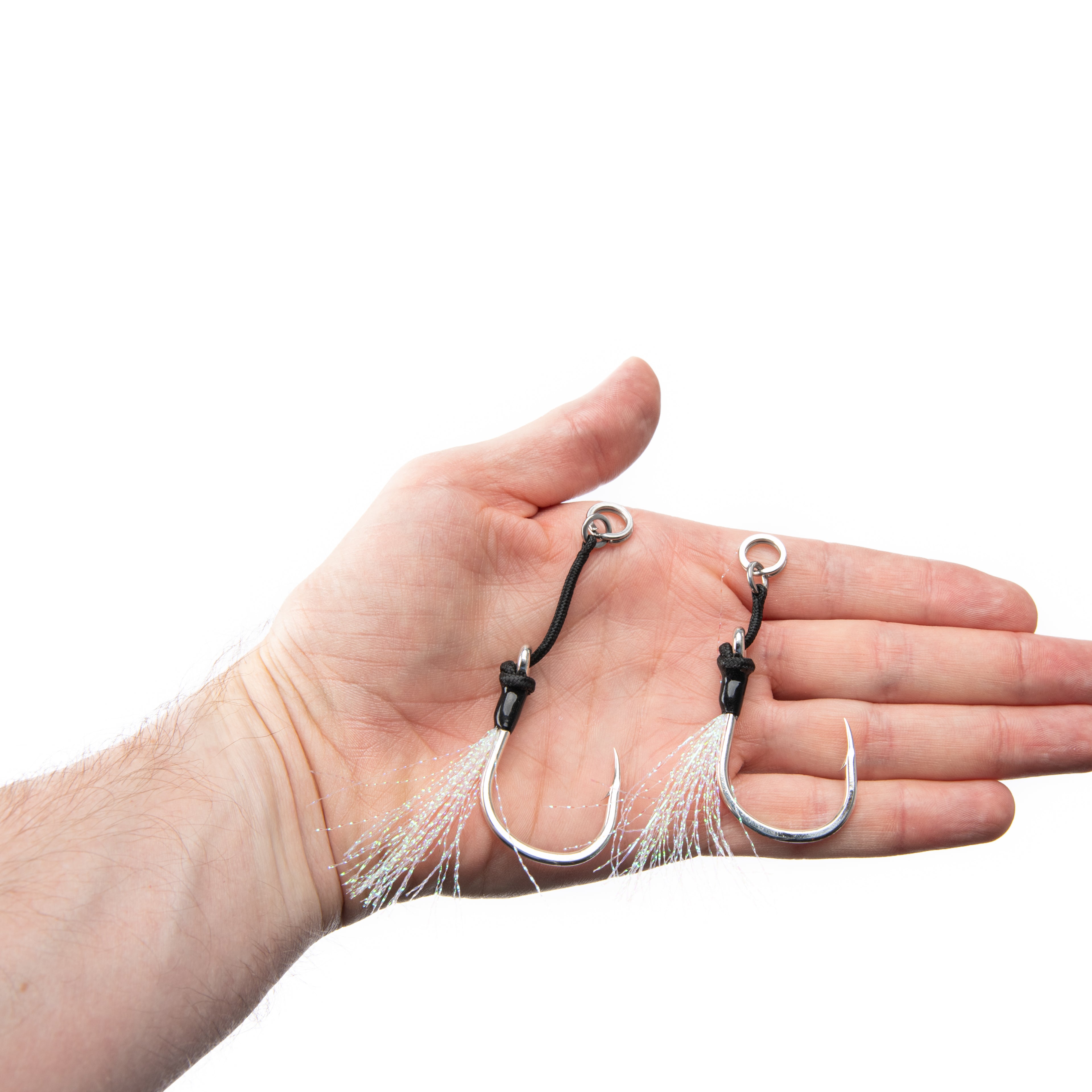
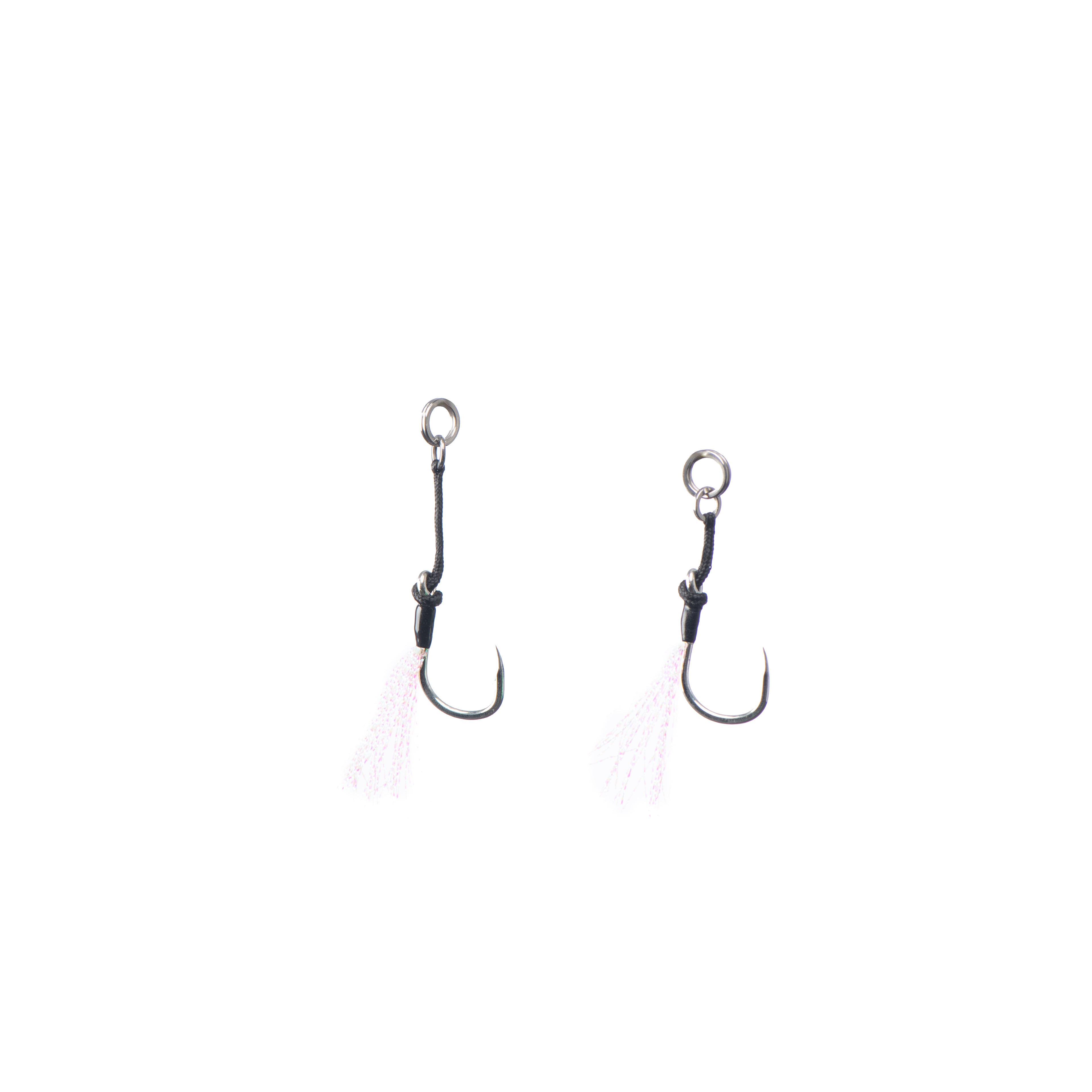
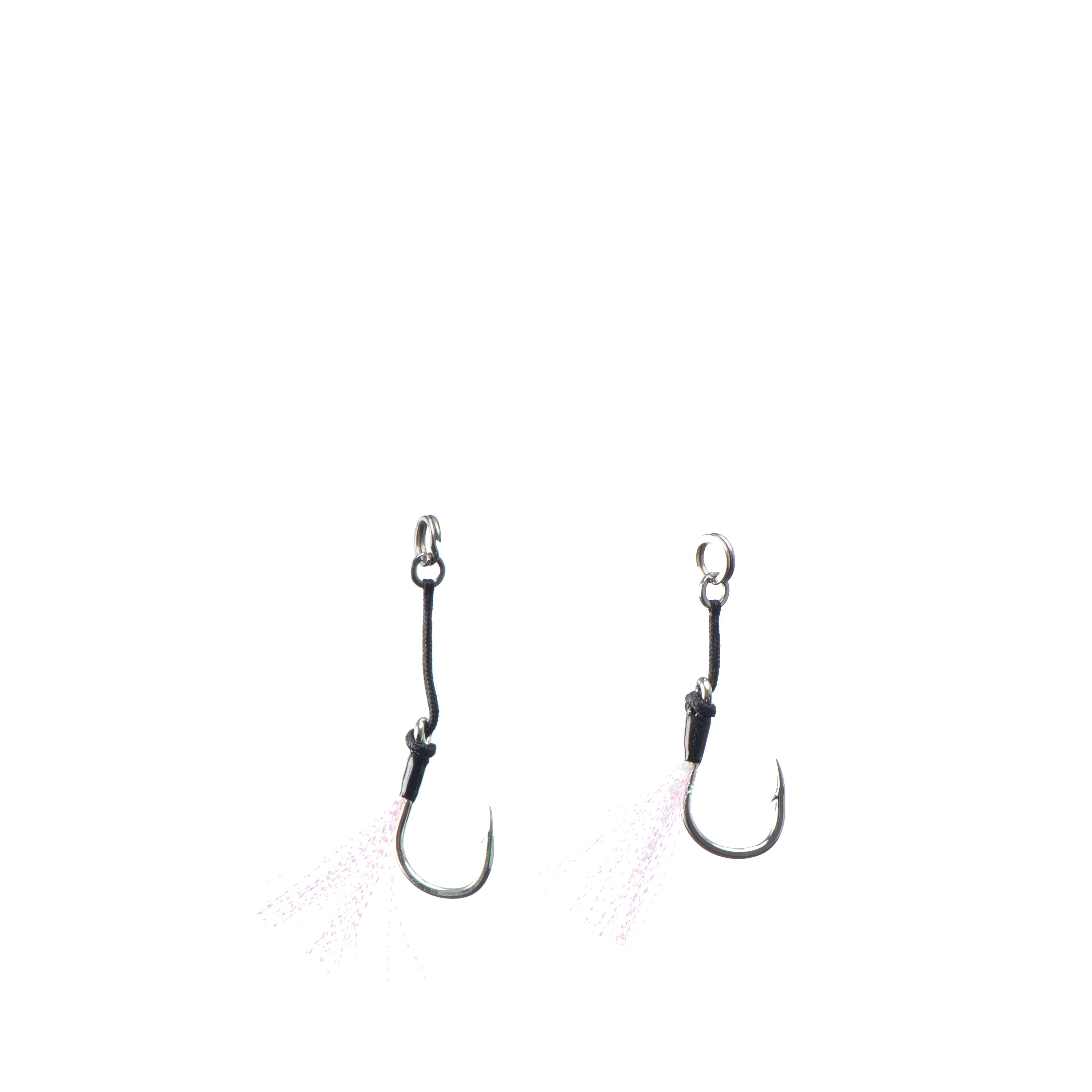
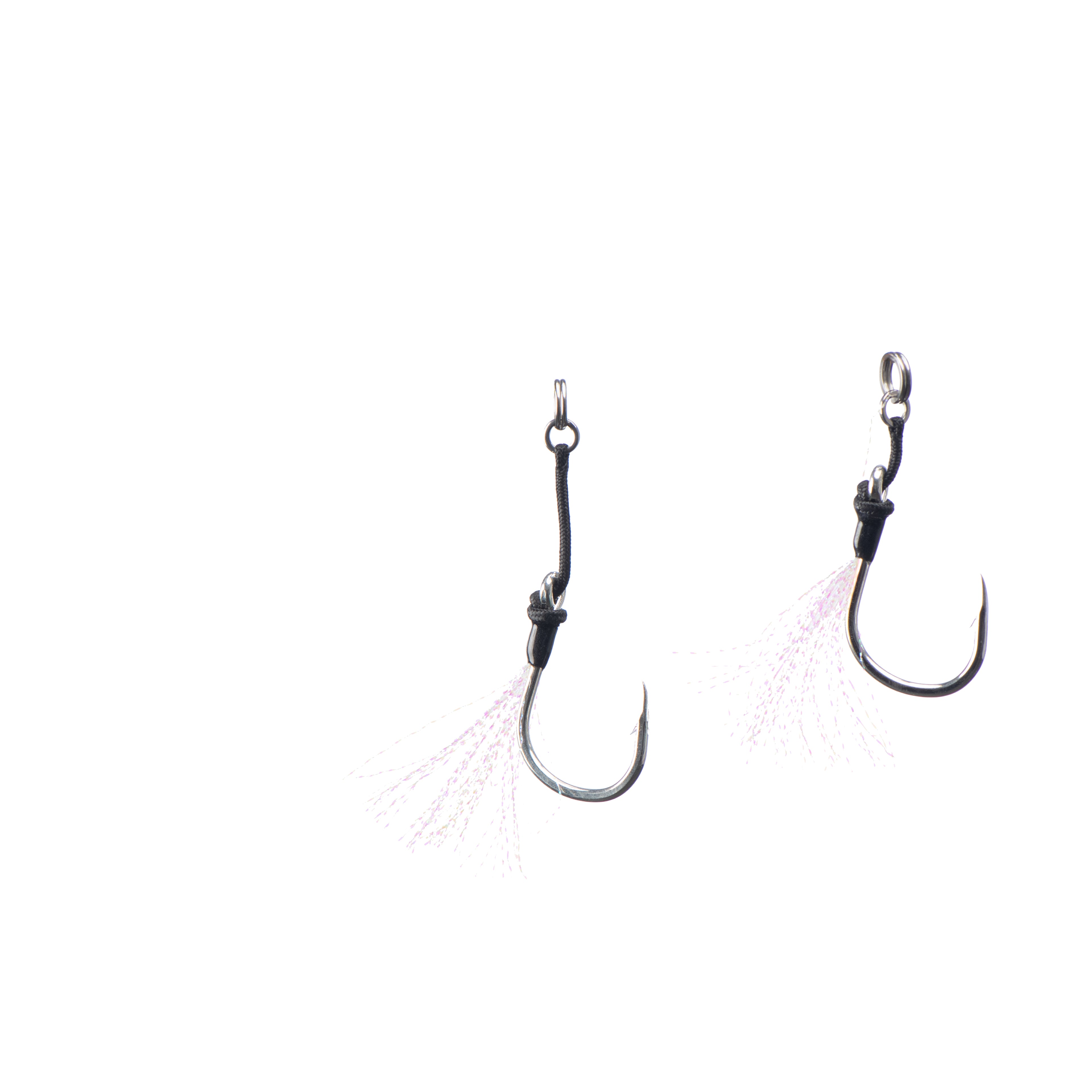
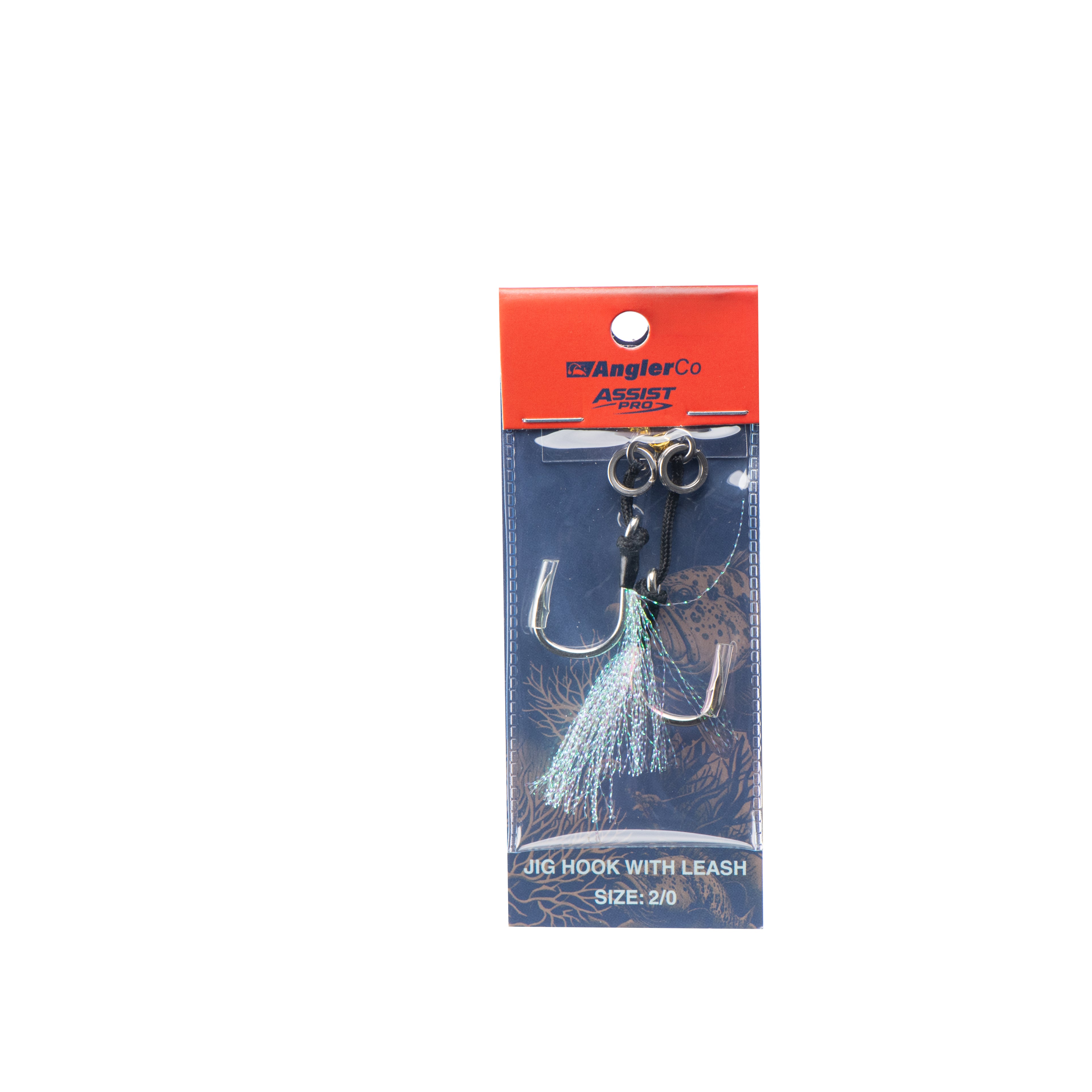
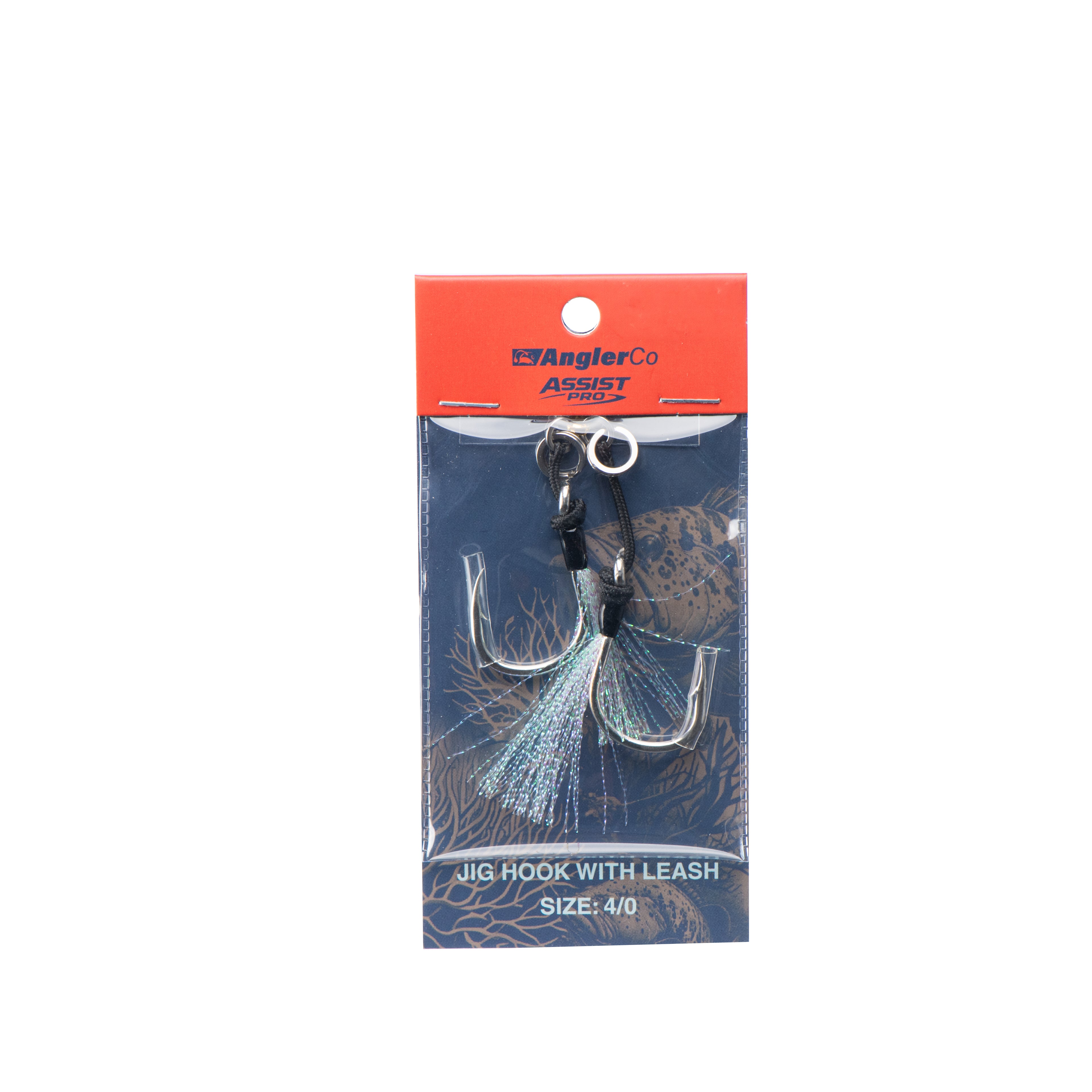
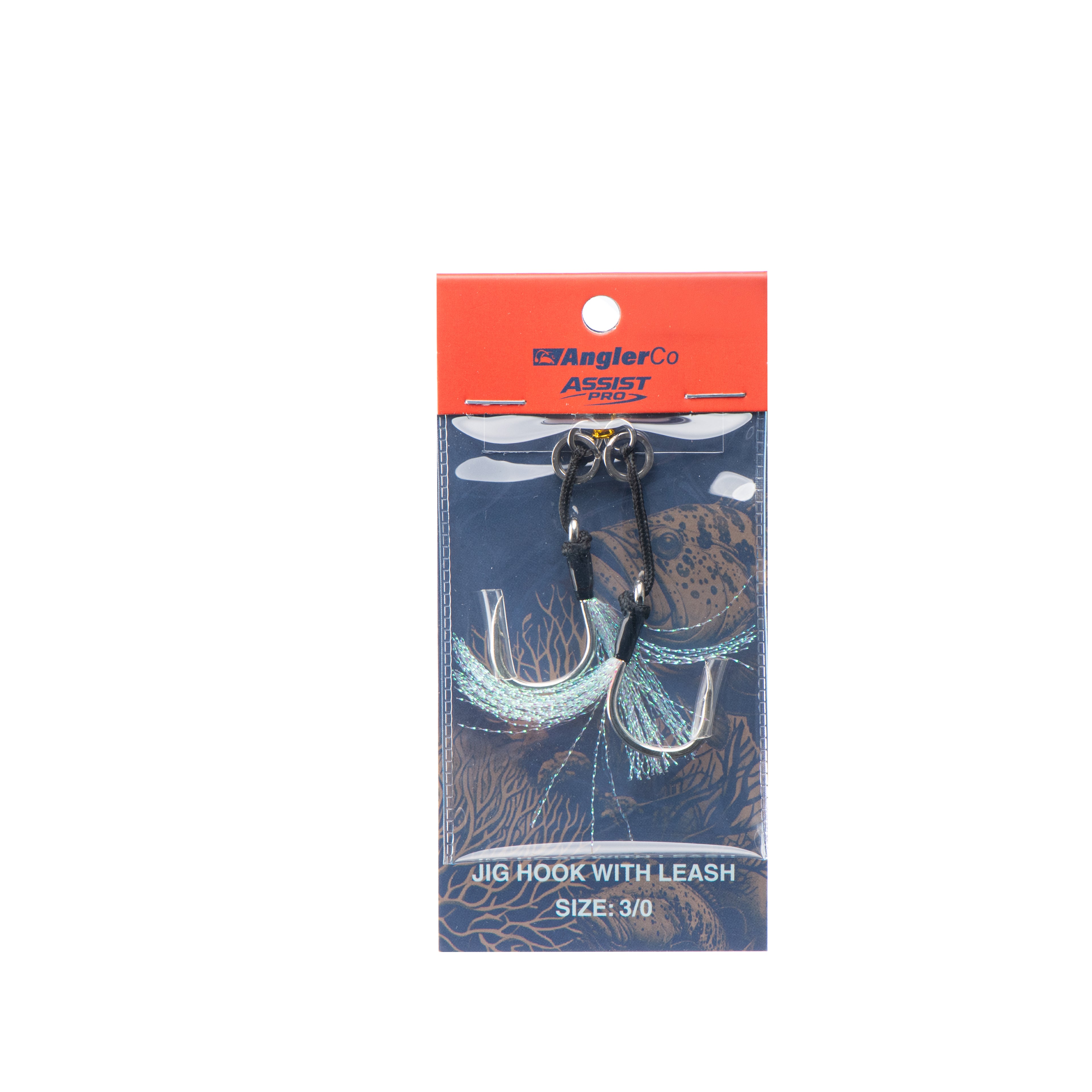
Need extras? Check out the AnglerCo Assist Pro Jig Hooks — perfect as replacement assist hooks for your Rizz Jigs and other jigs in your collection.
How do I work the jig?
The Rizz Jig is designed for slow pitch and long-fall jigging techniques. Drop the jig to depth, then use smooth upward rod lifts before lowering the rod tip back toward the water.
As the rod tip drops, give the jig a slight amount of slack line so it can flutter, slide, and hang naturally on the fall like a wounded baitfish.
- Lift the rod slowly
- Lower the rod tip toward the water
- Allow slight slack on the fall
- Repeat while staying connected to the jig
Most bites happen on the fall while the jig is fluttering horizontally and hanging in the strike zone. If the jig suddenly feels heavy, stops early, or your line jumps — swing. They usually eat it on the drop.