





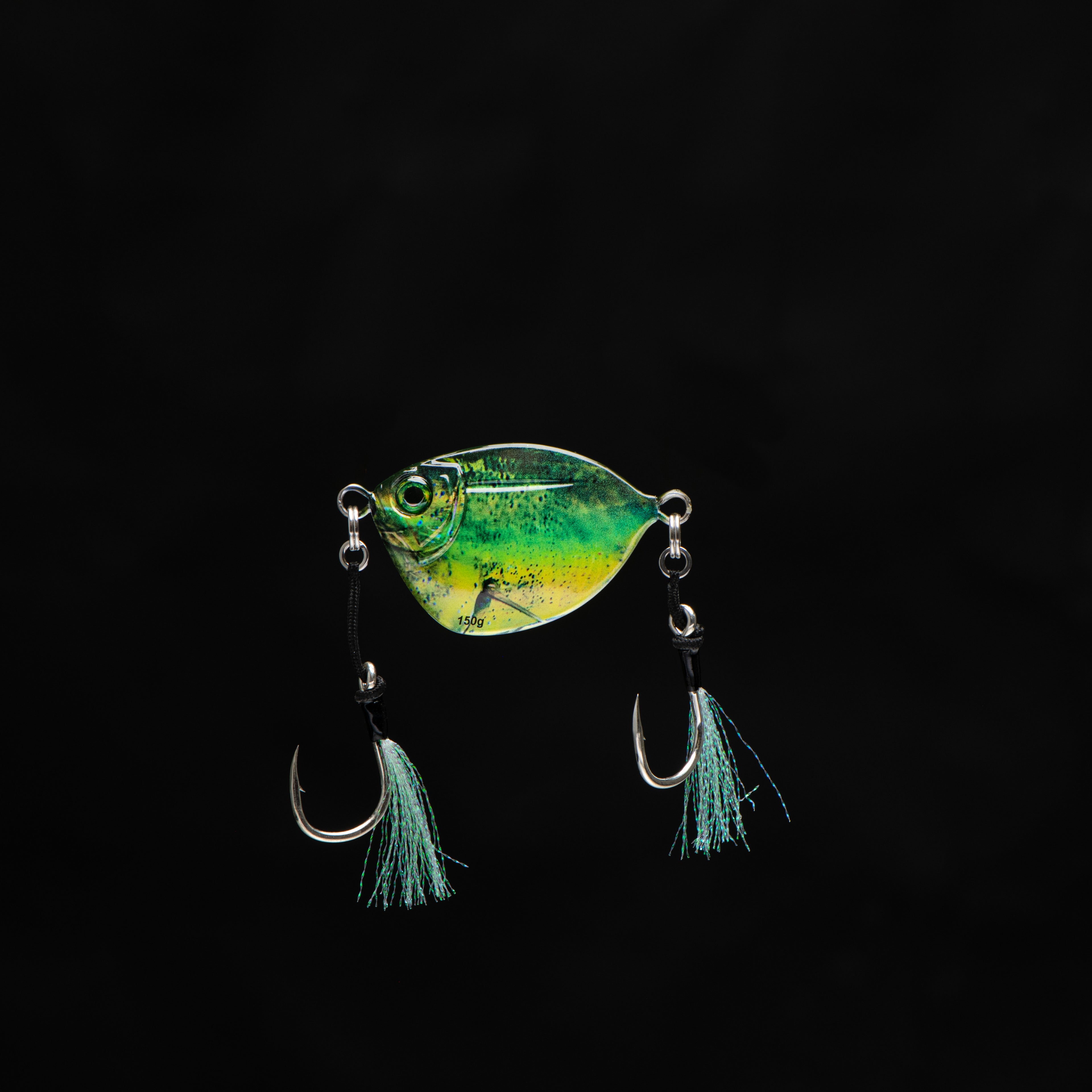
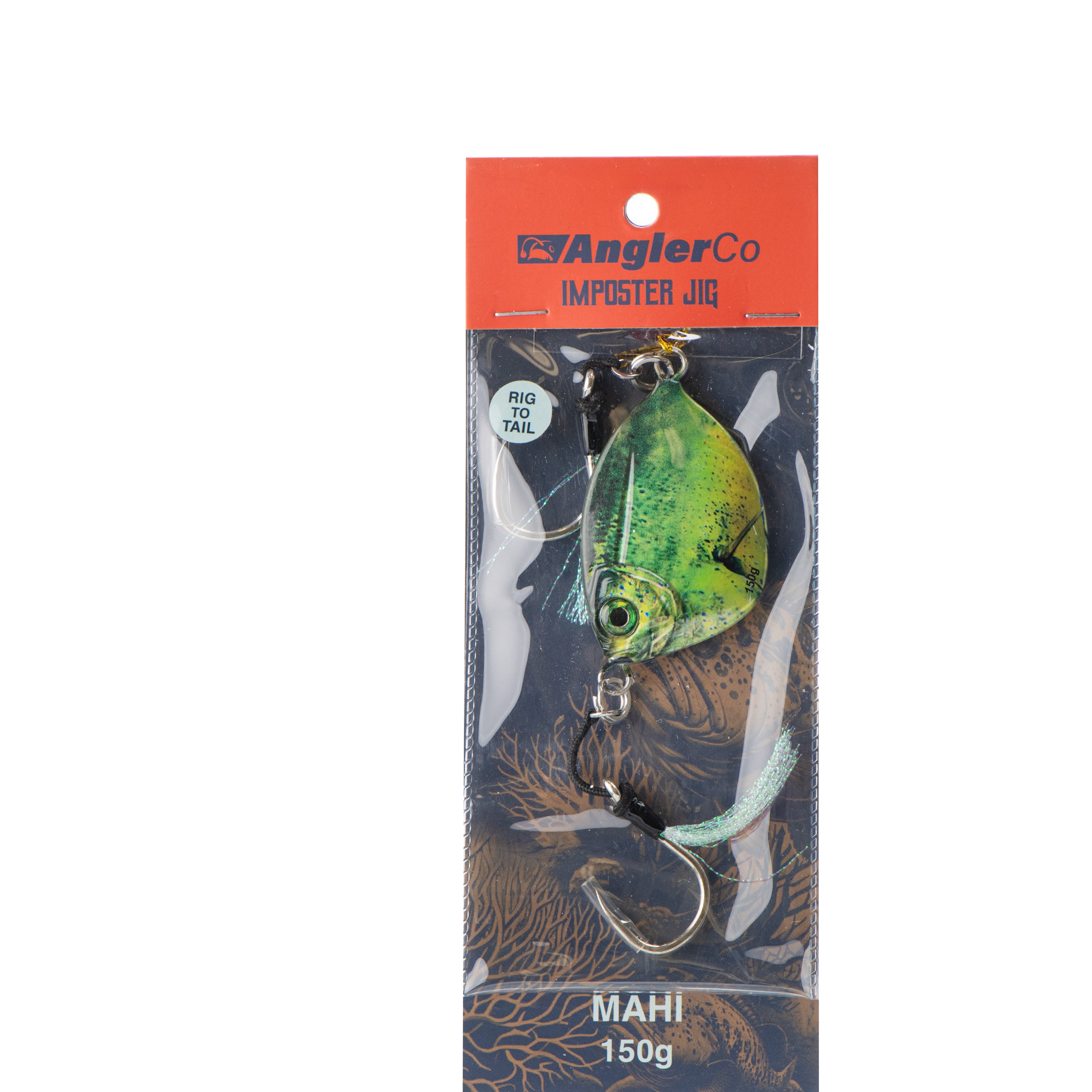
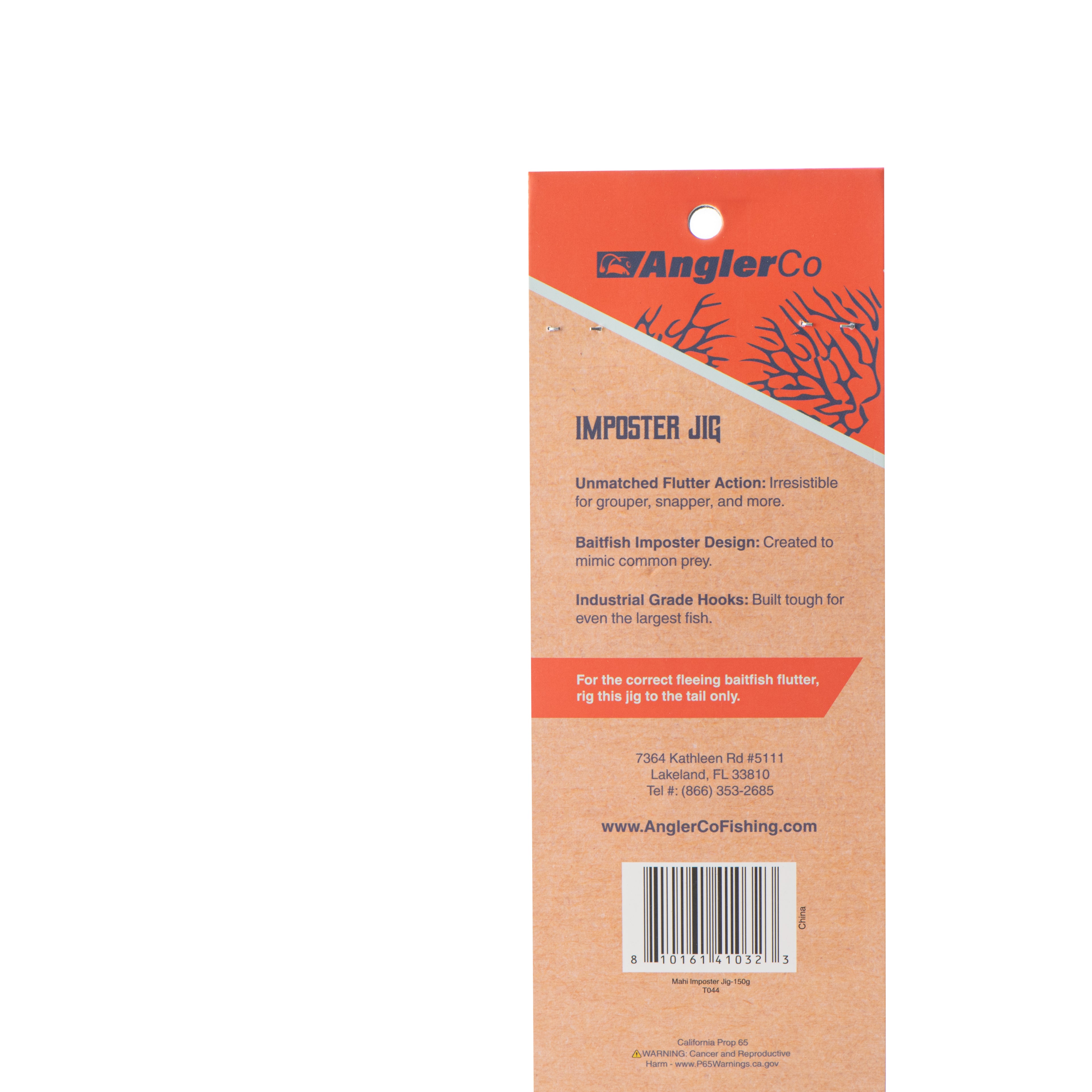
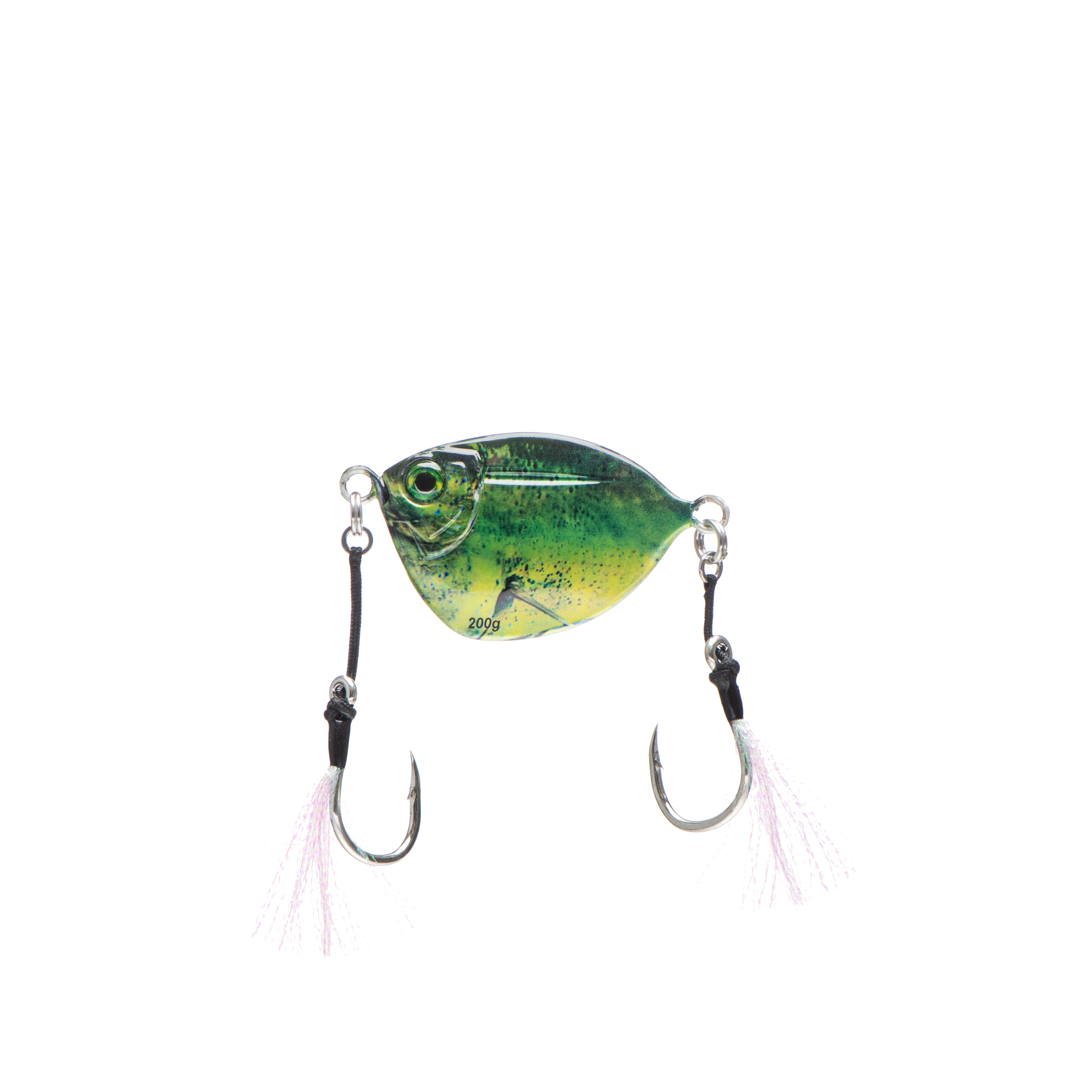
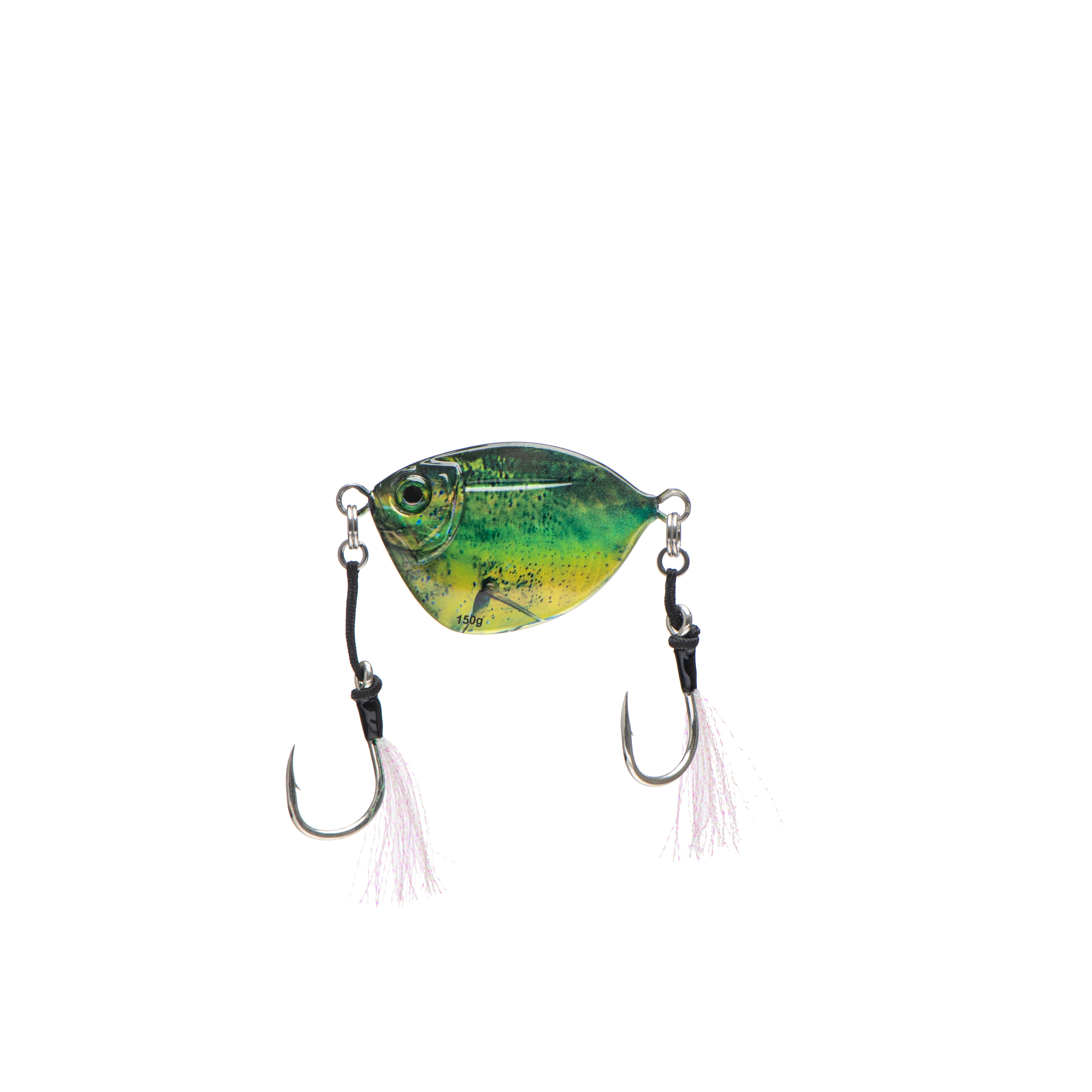
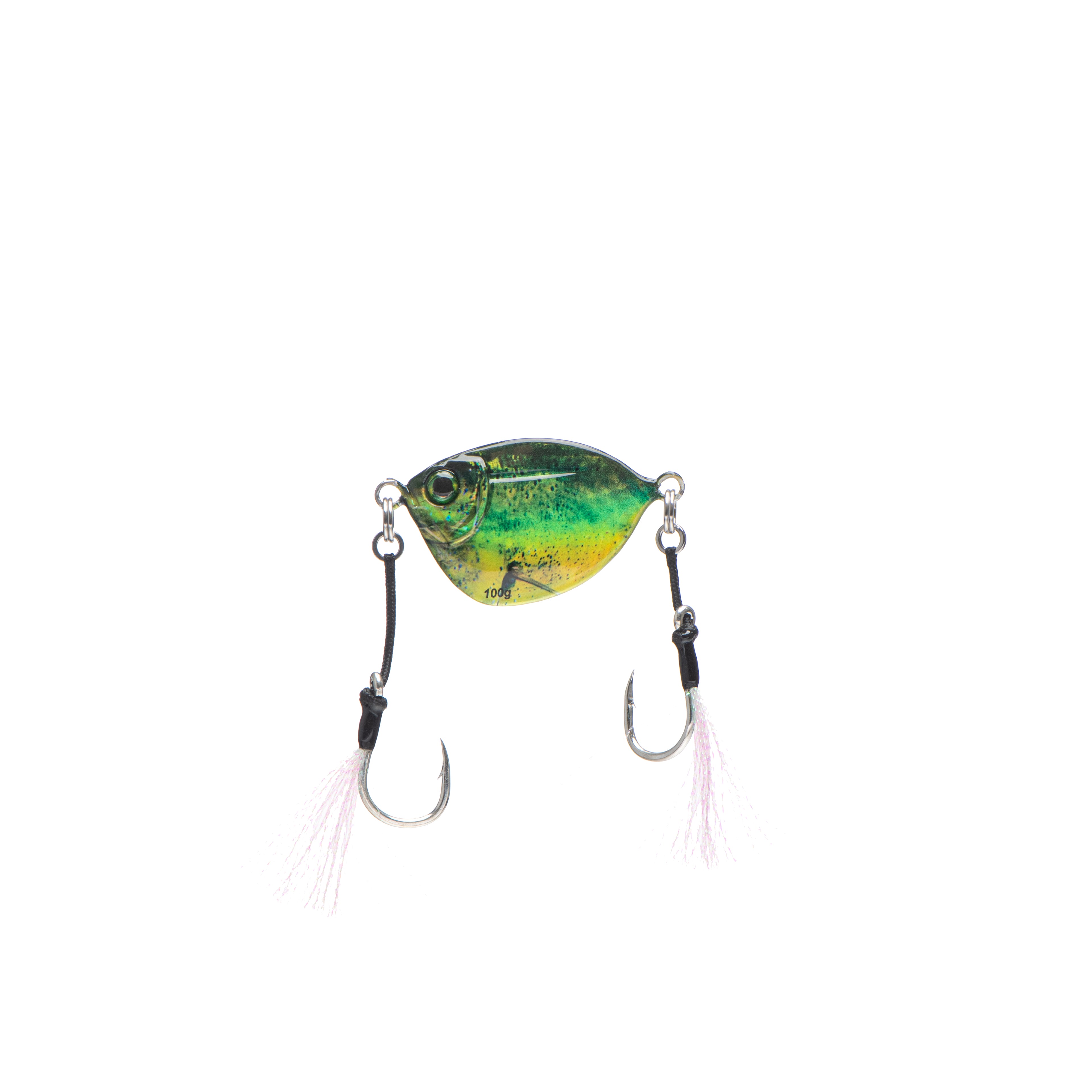
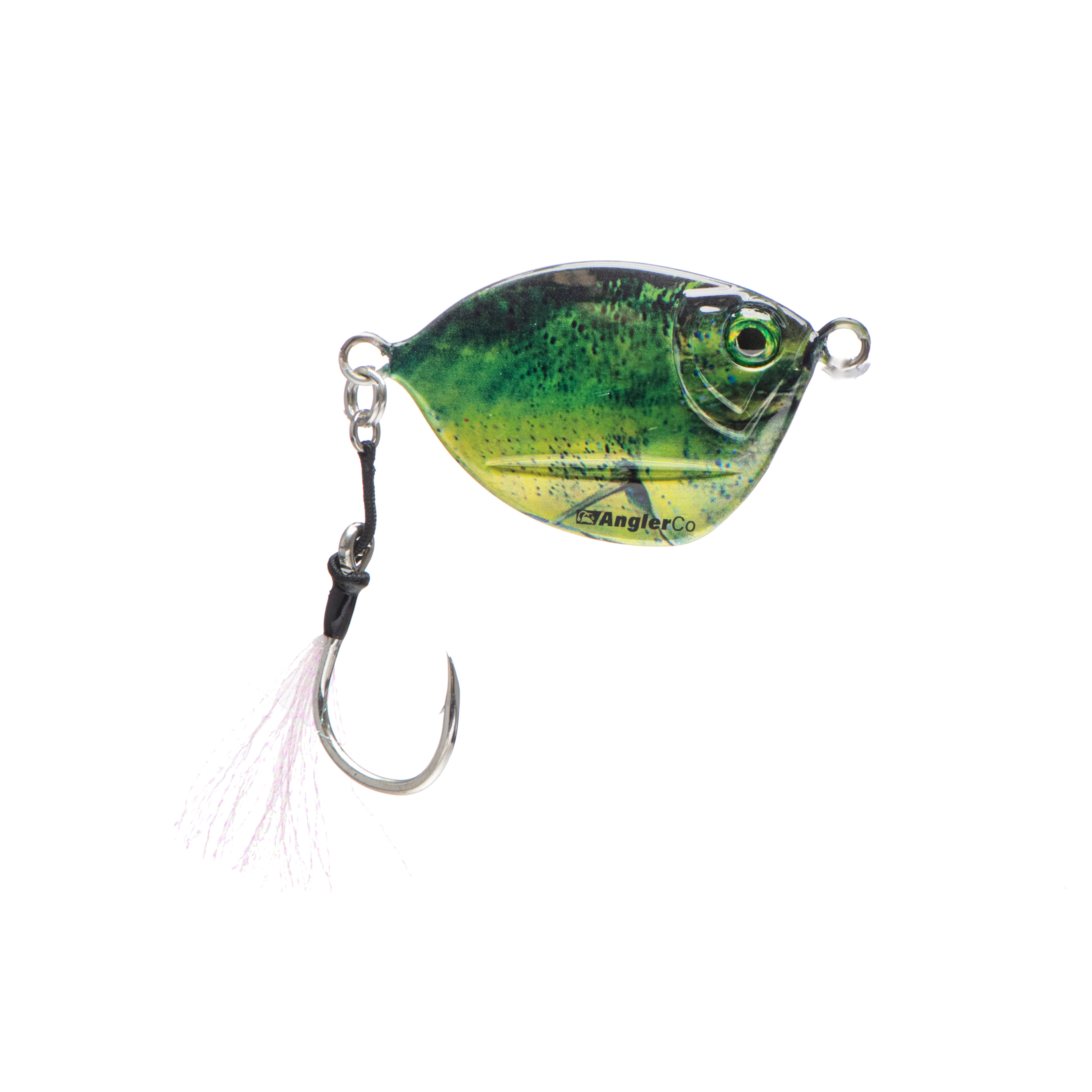
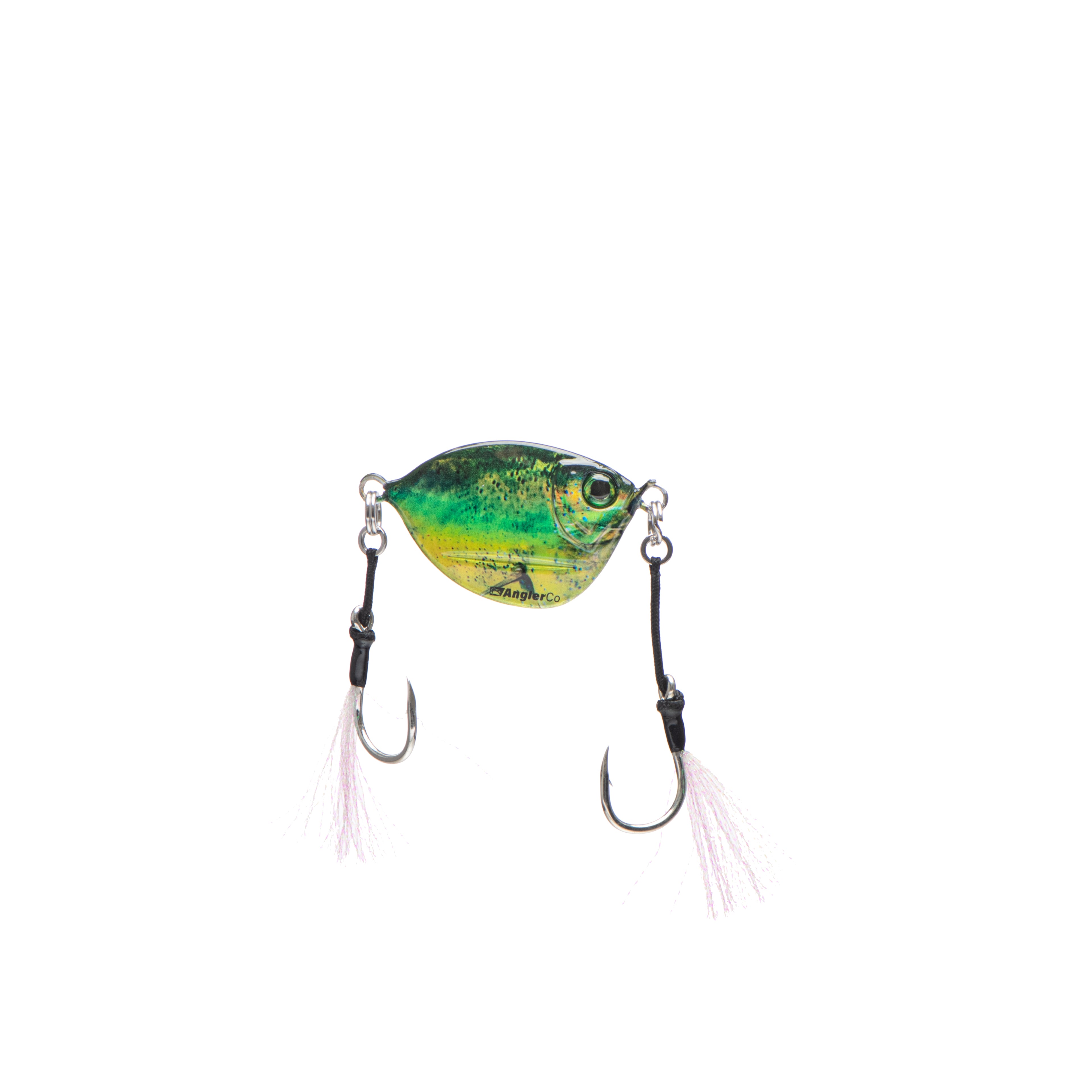
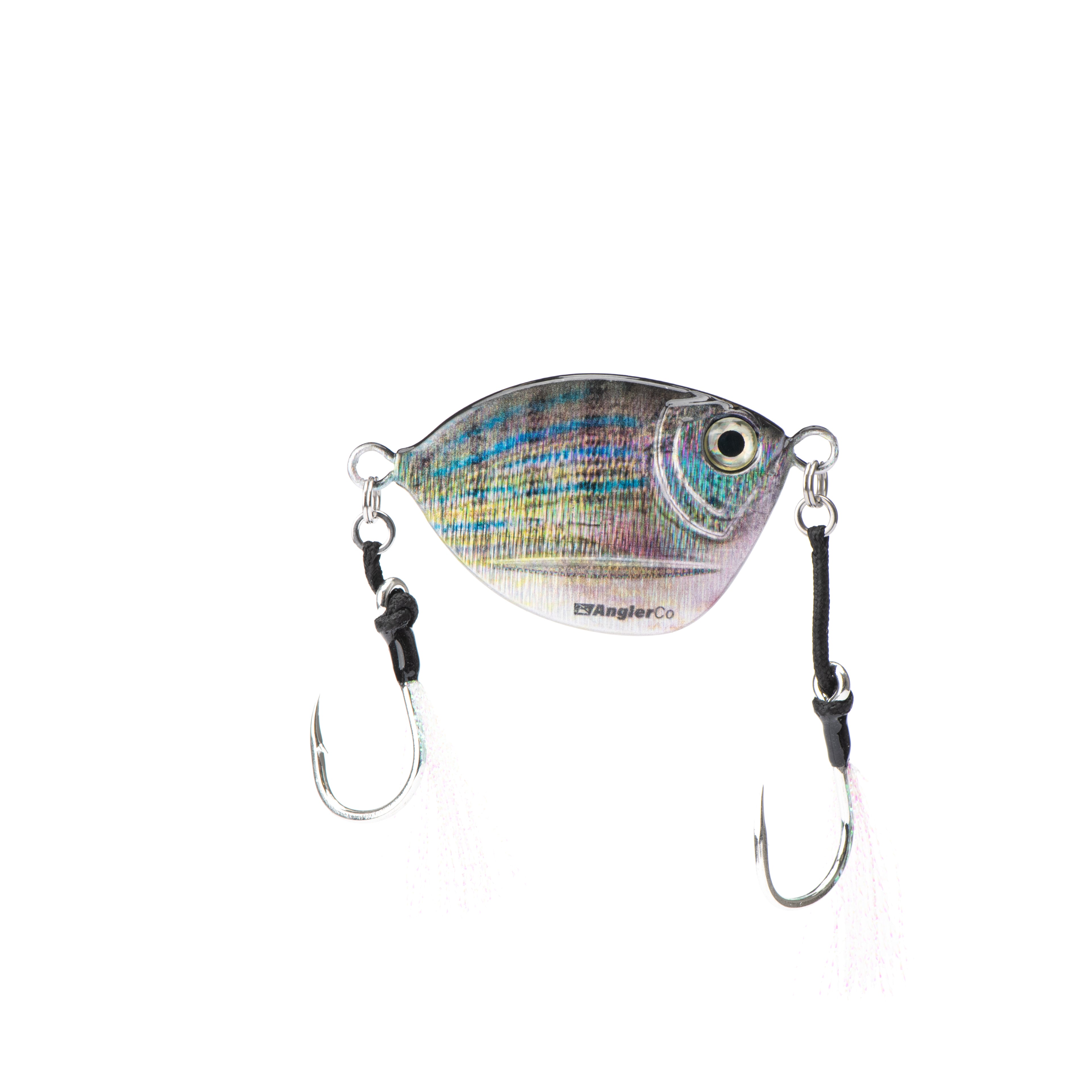
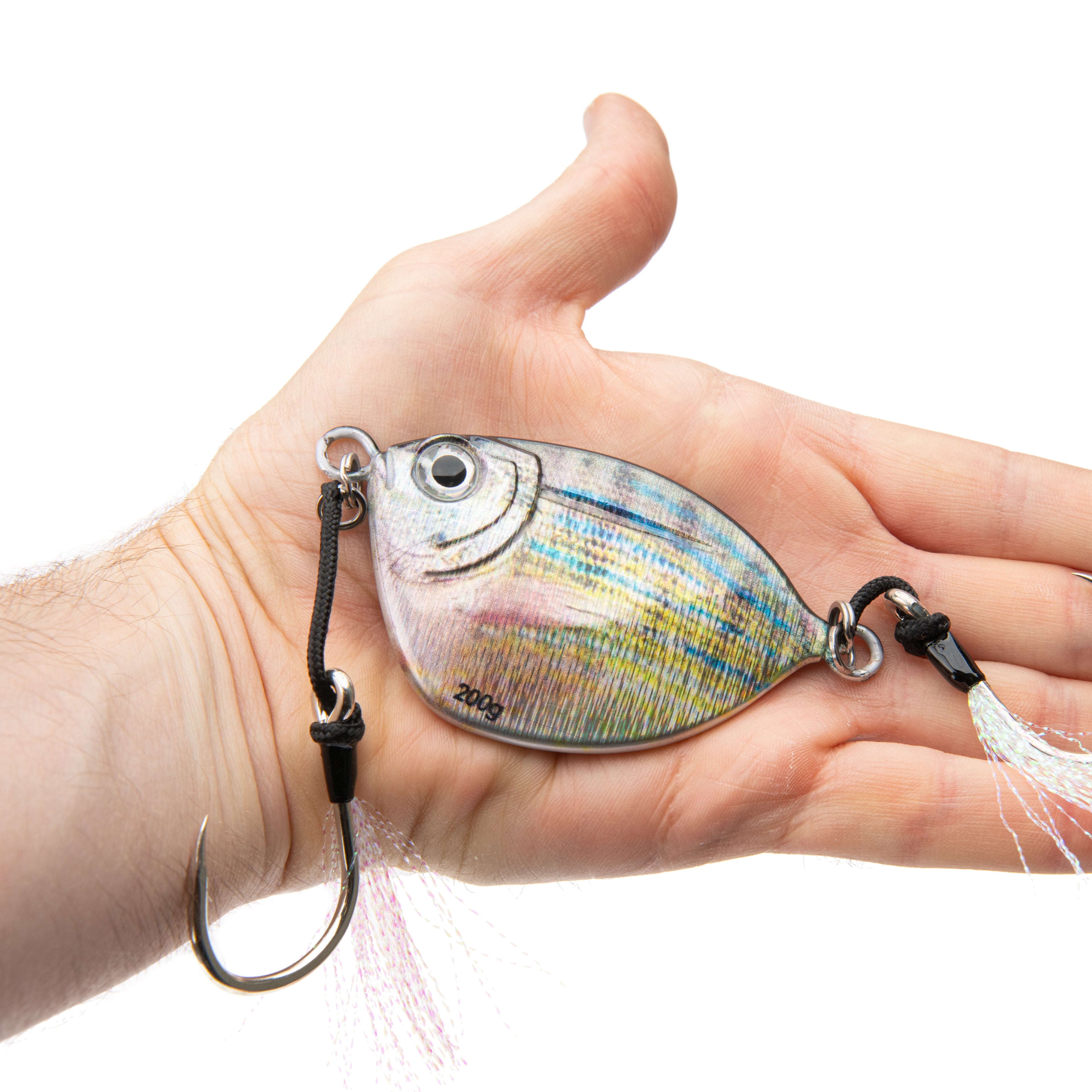
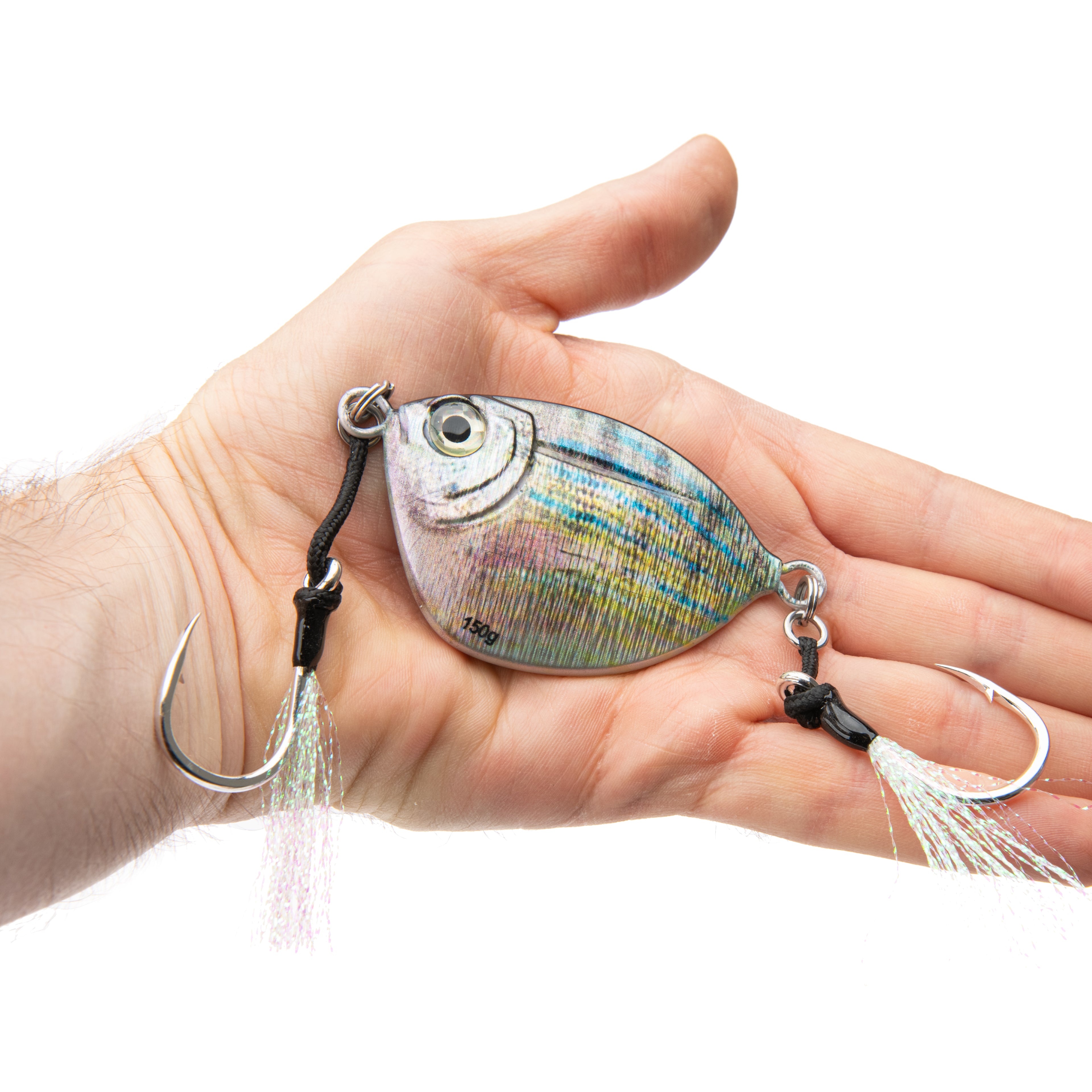
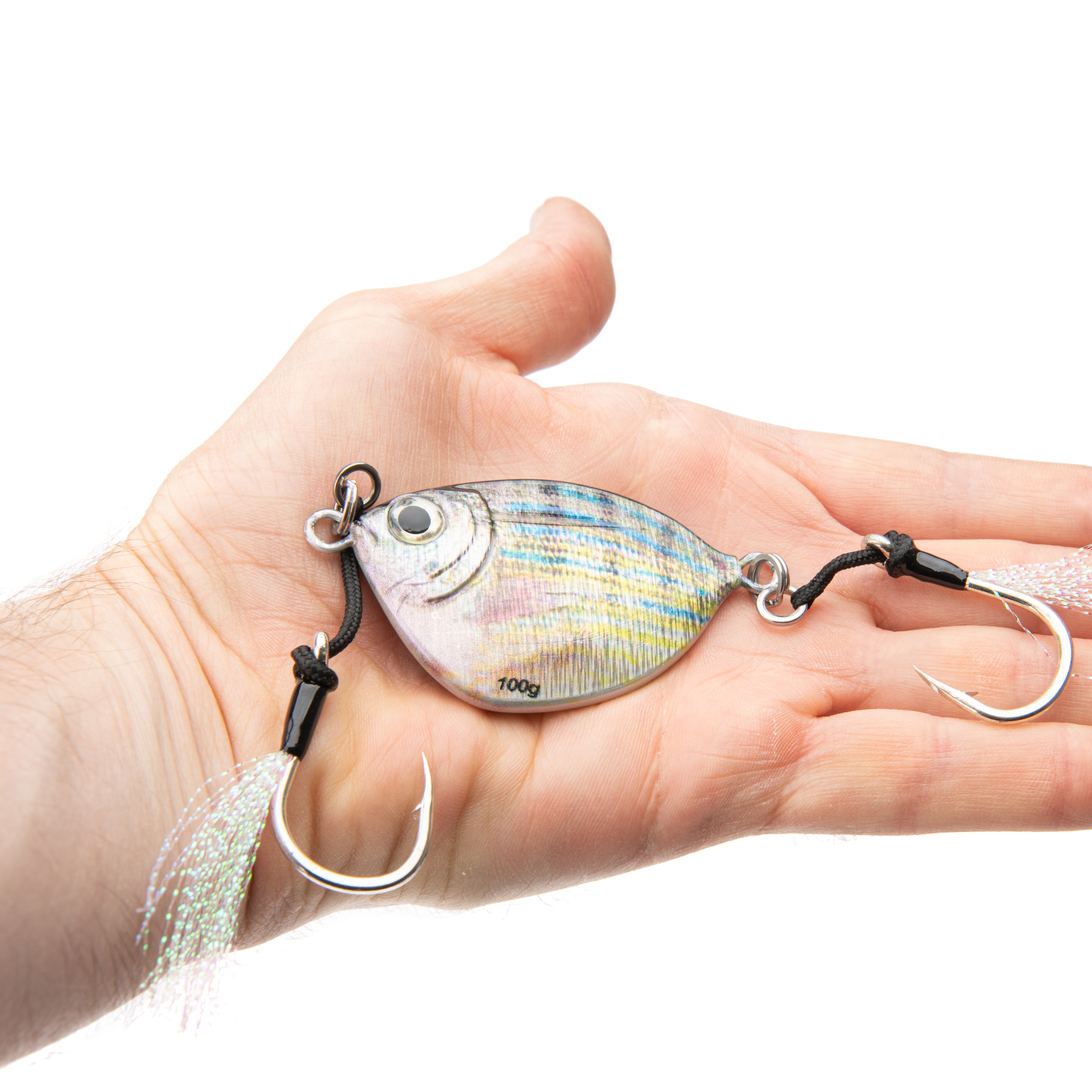
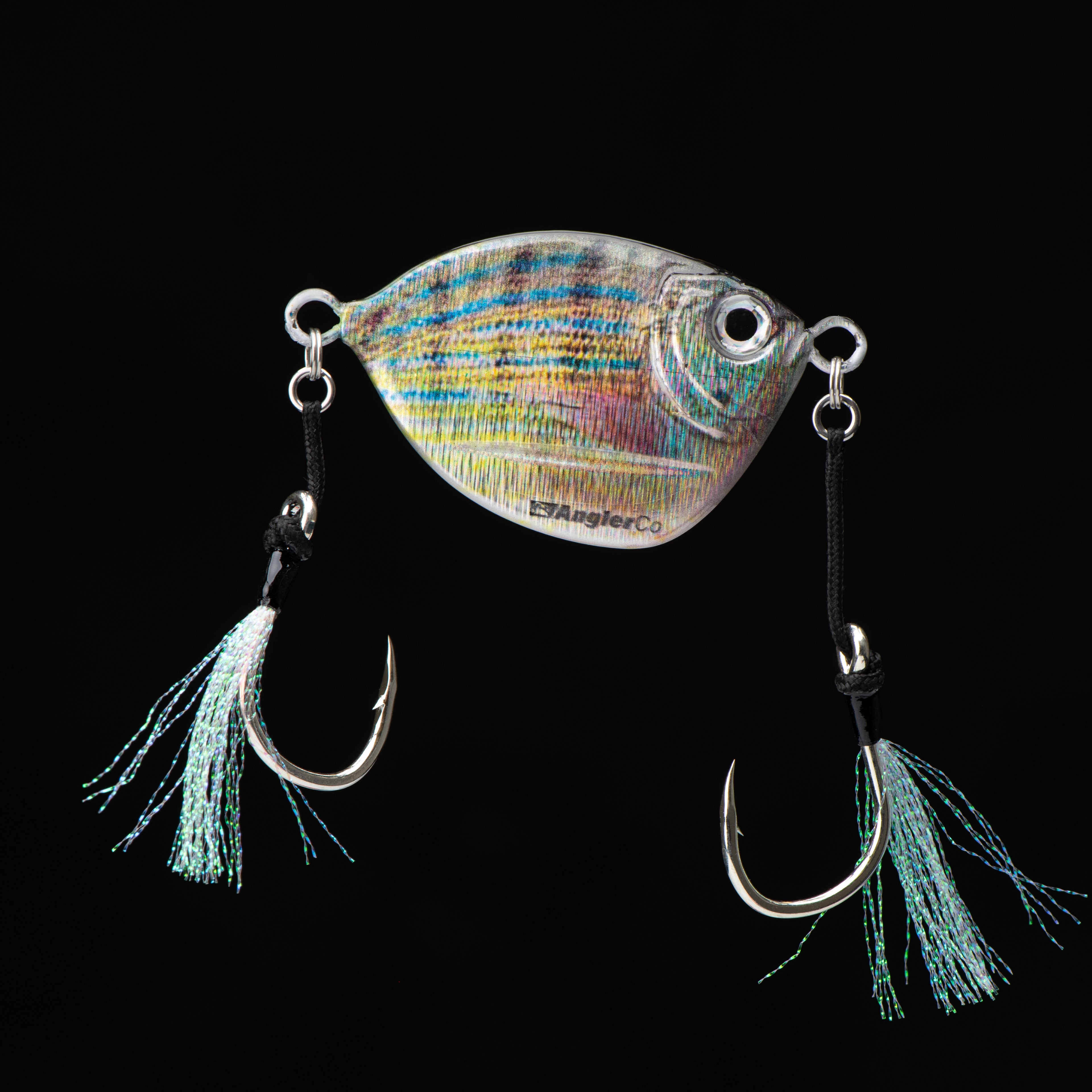
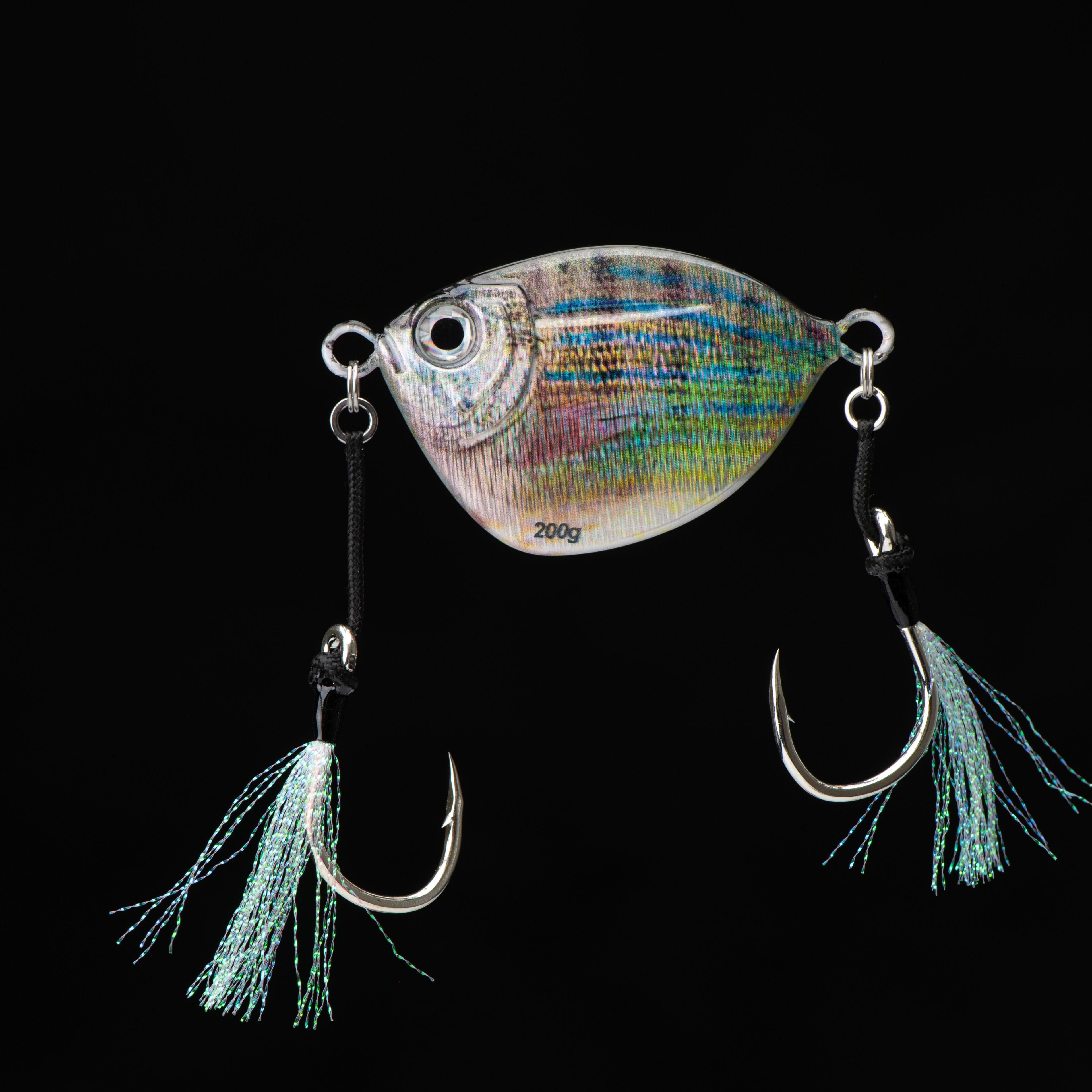
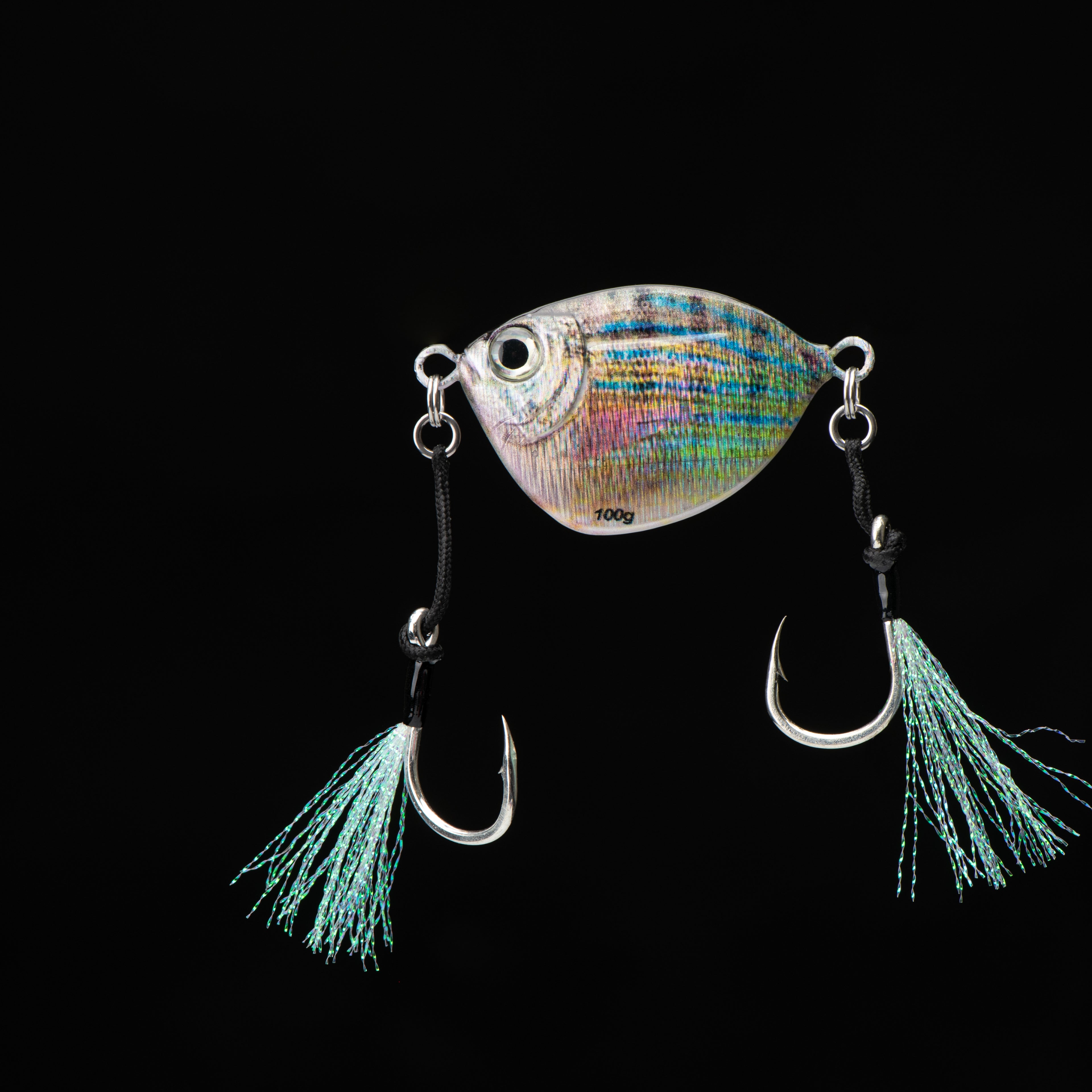
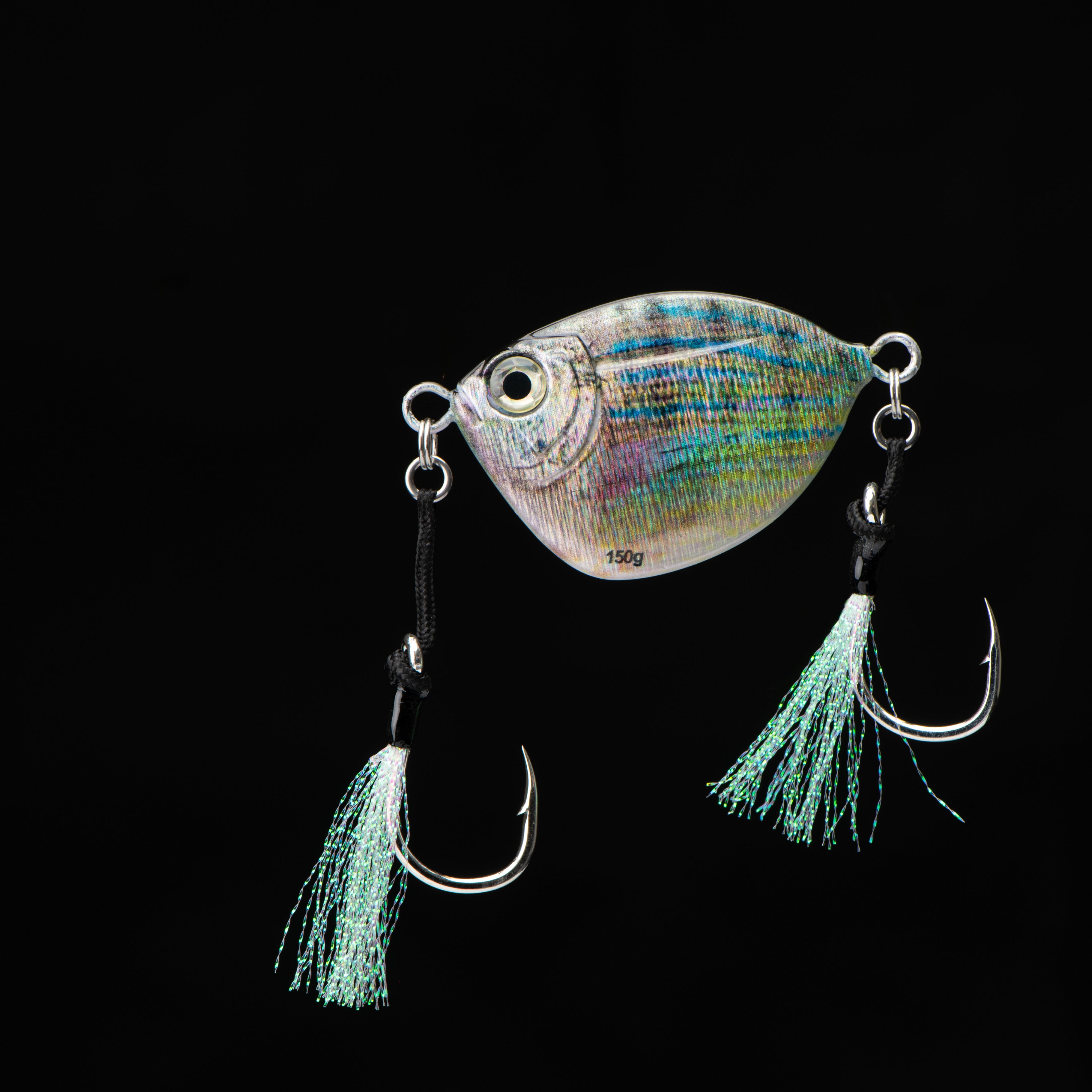
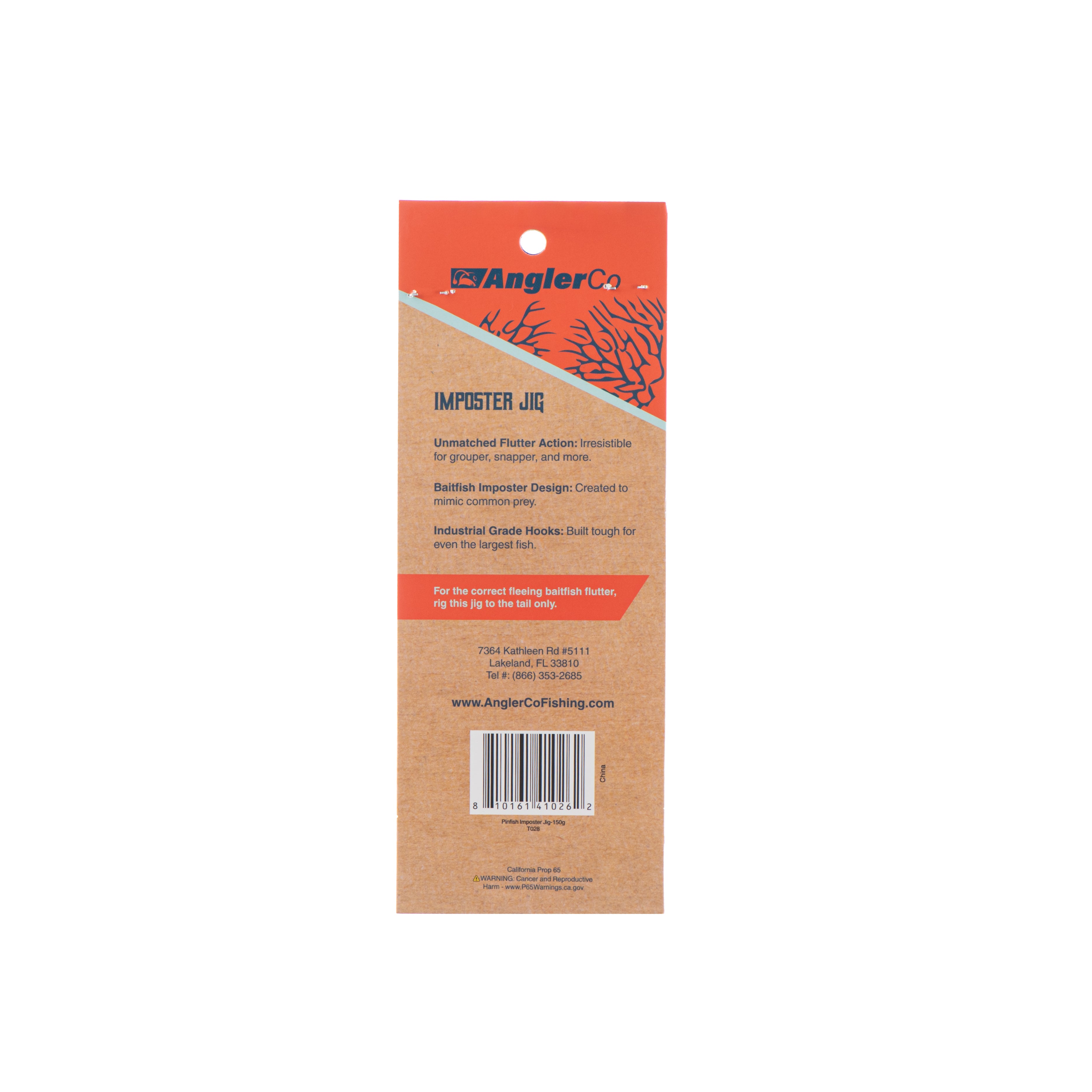
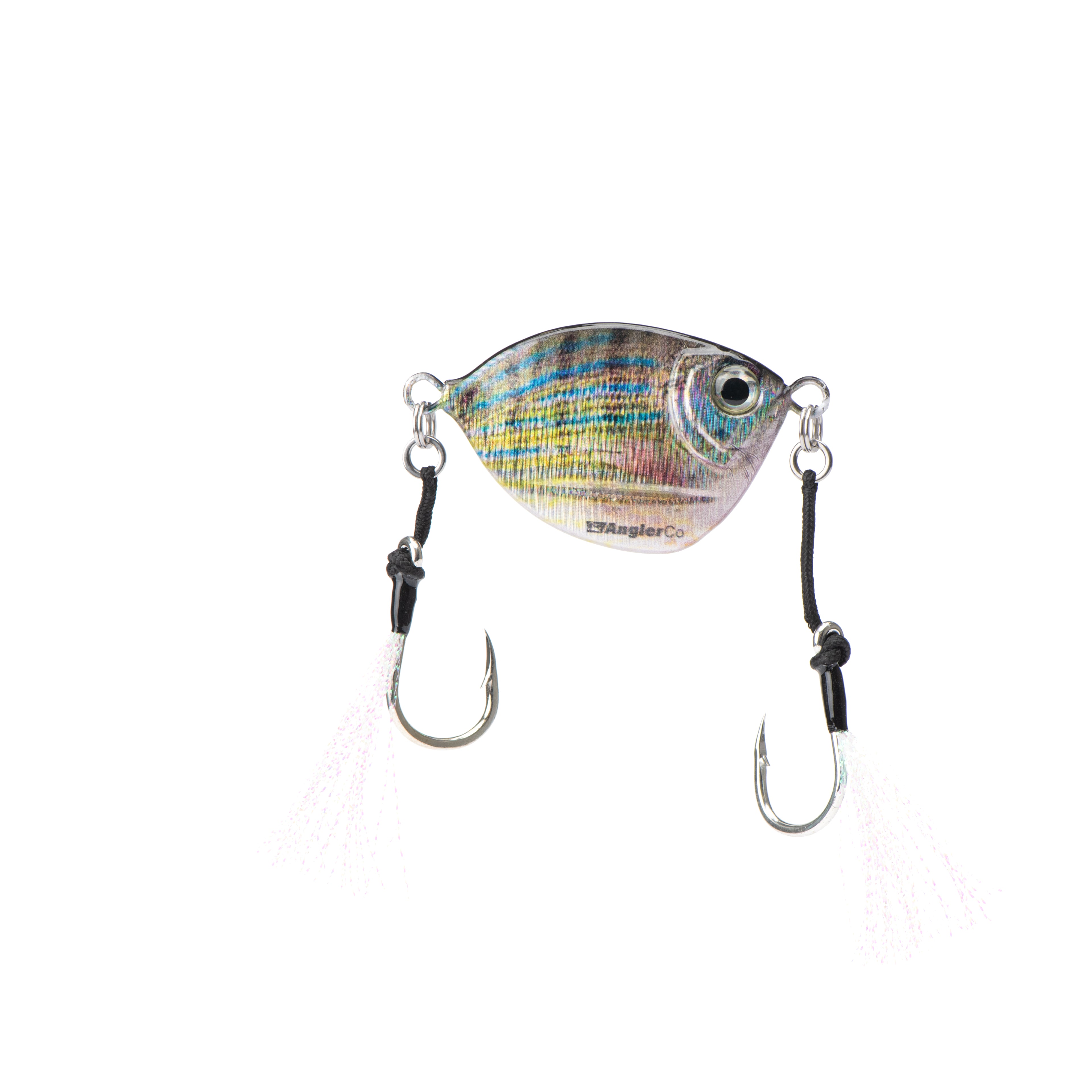
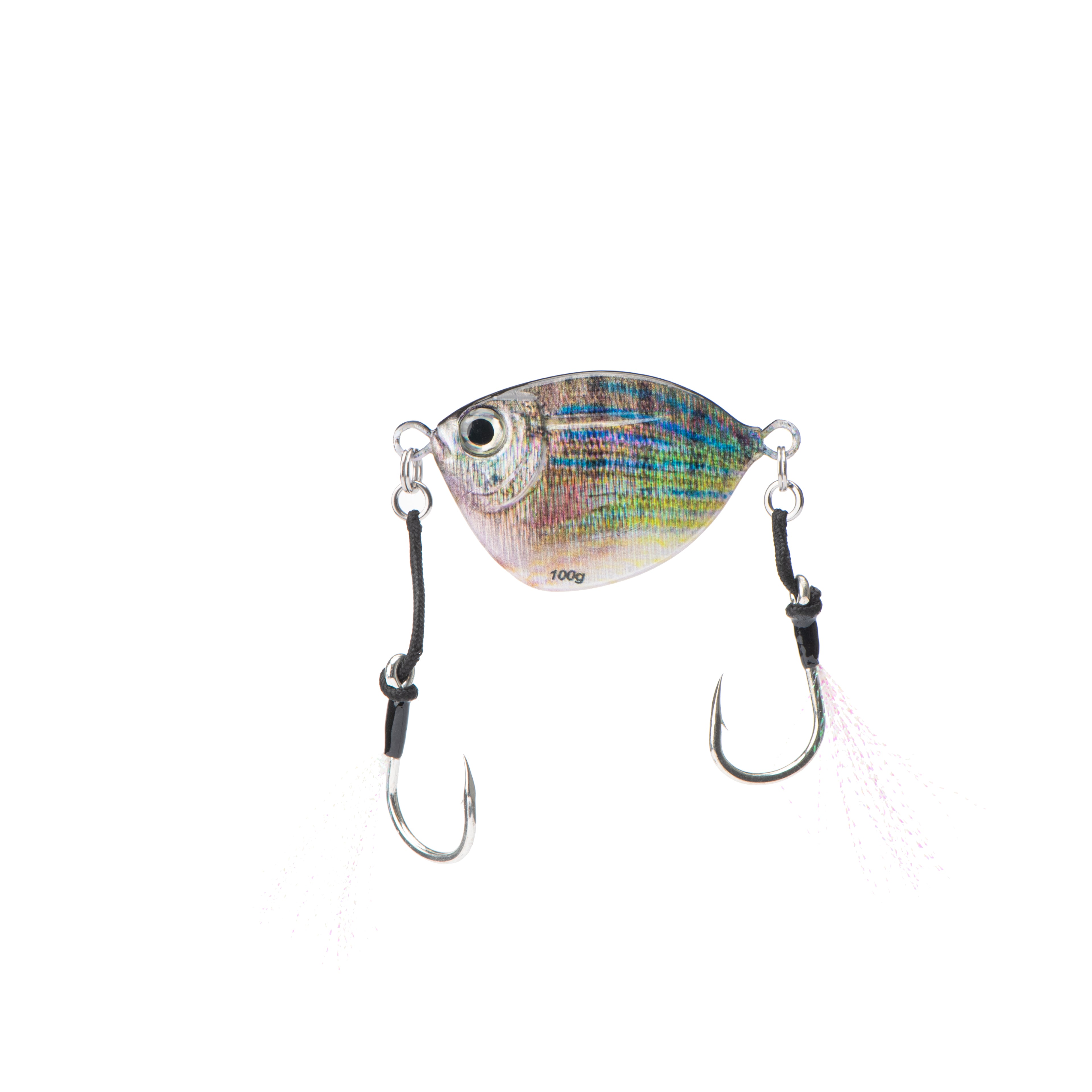
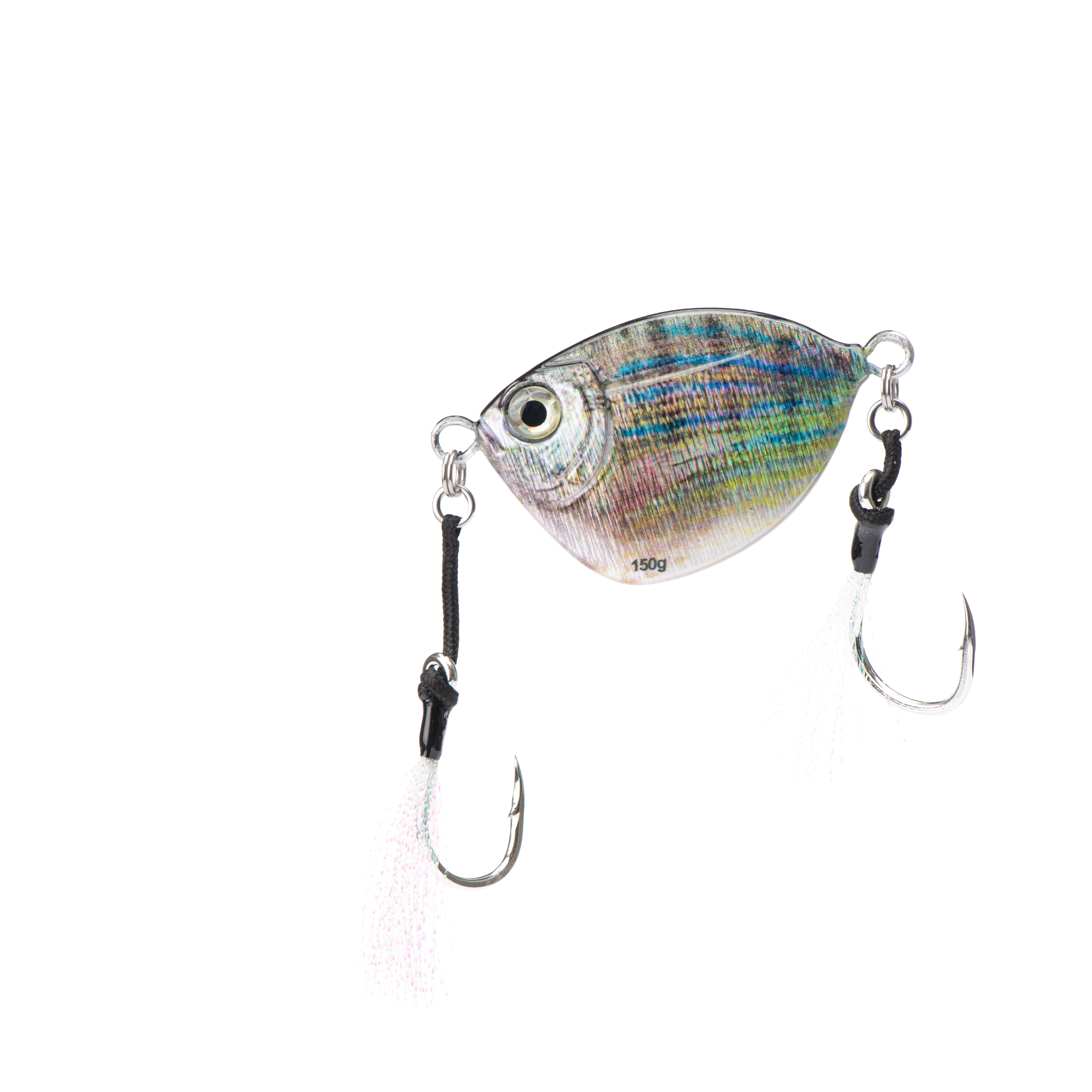



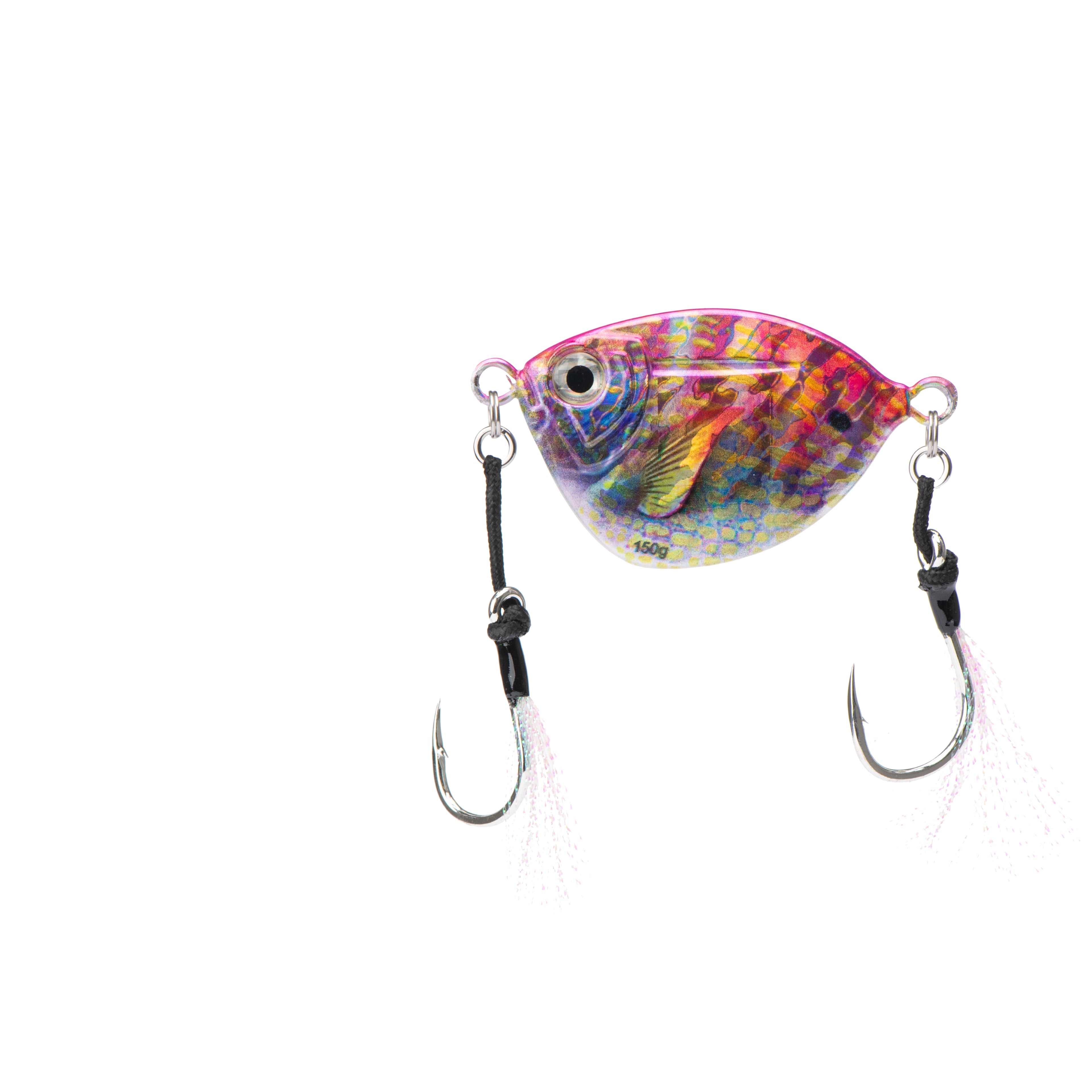
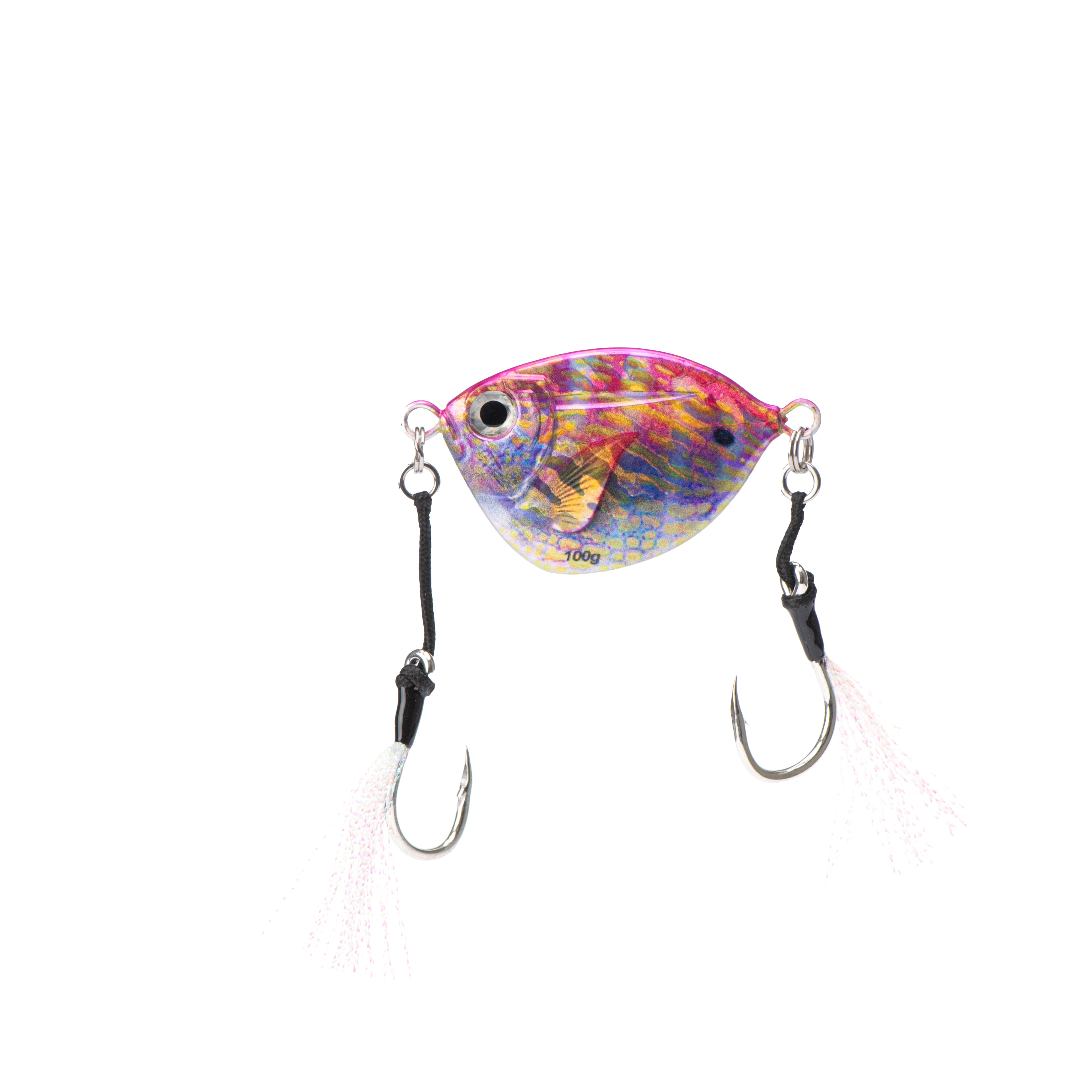
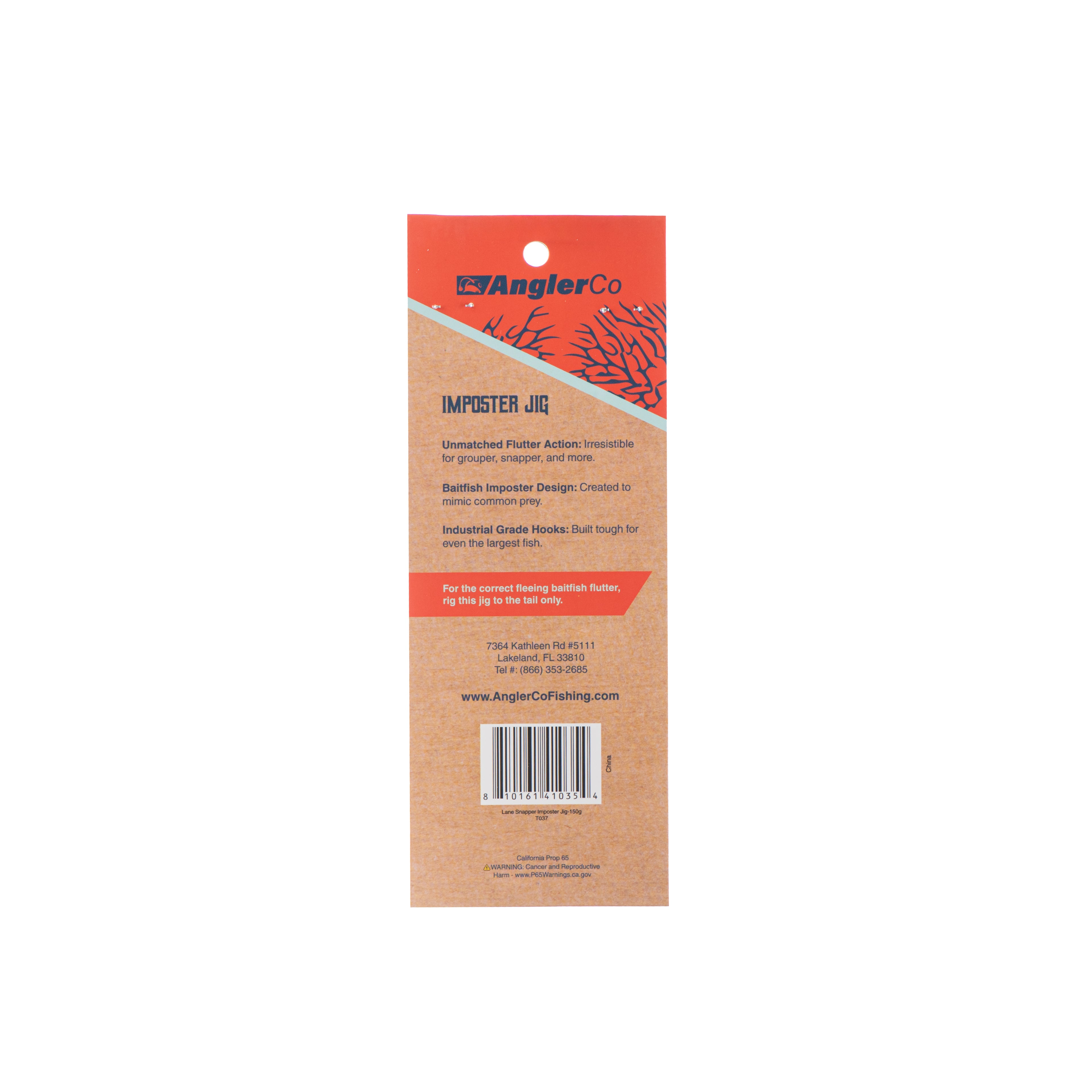
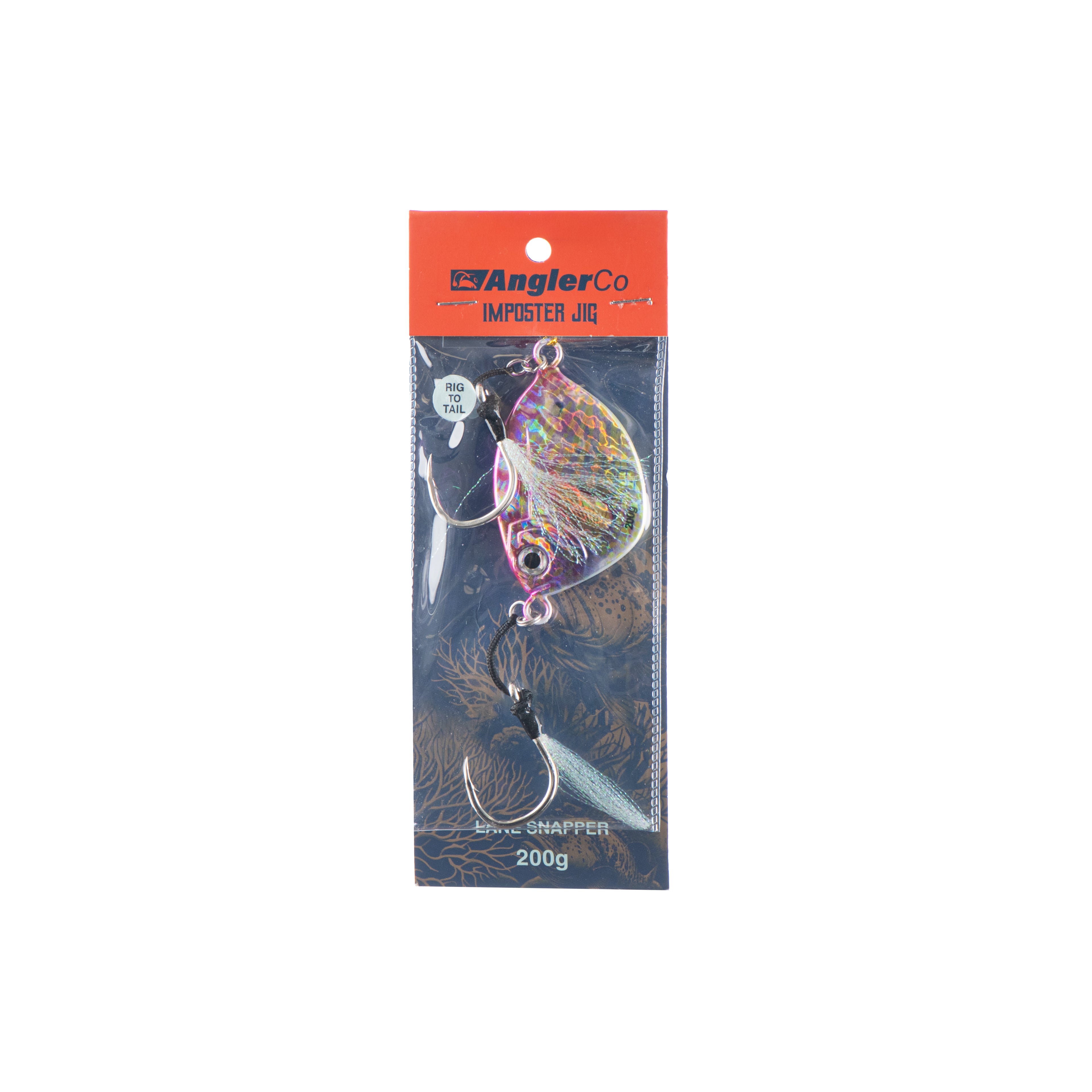
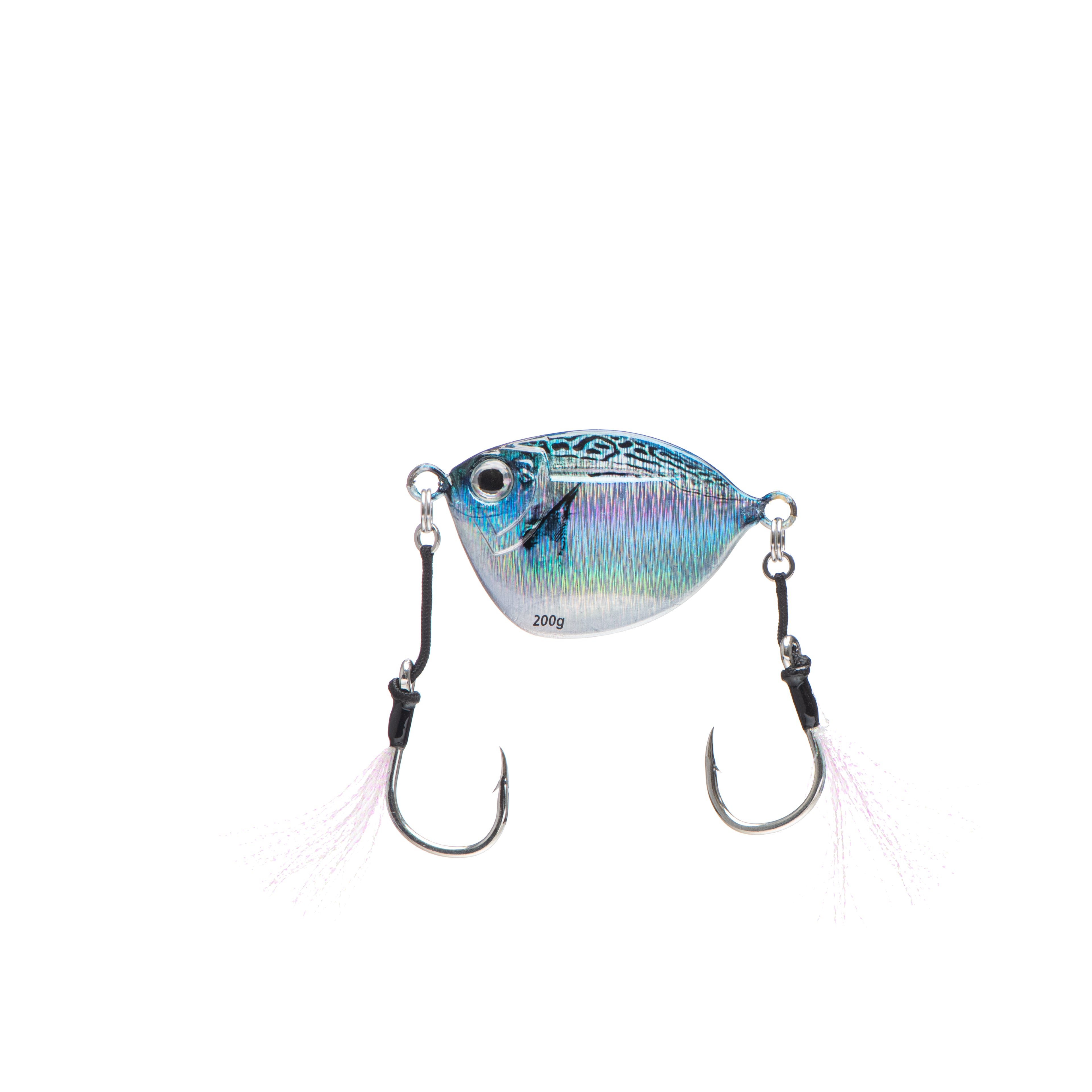
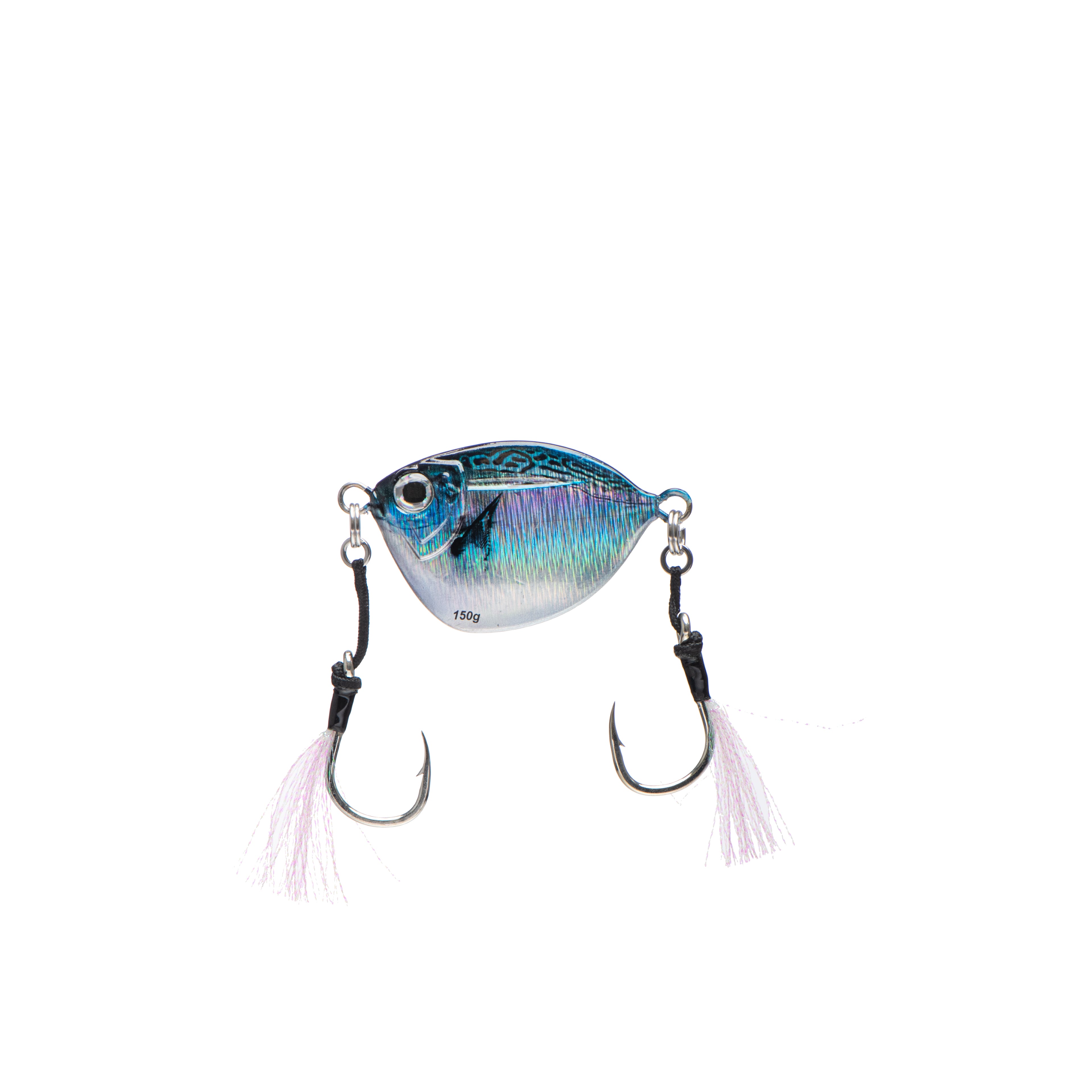
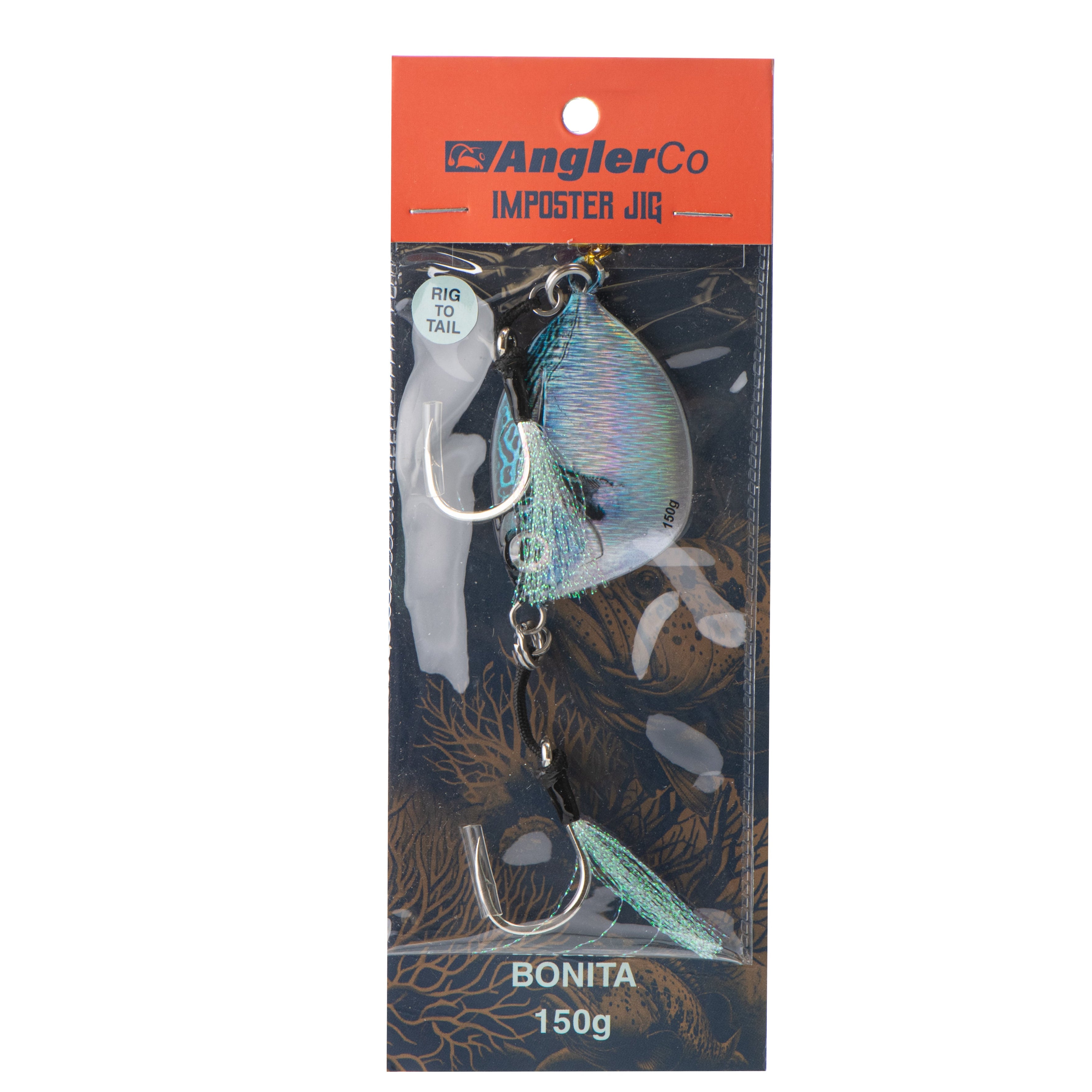
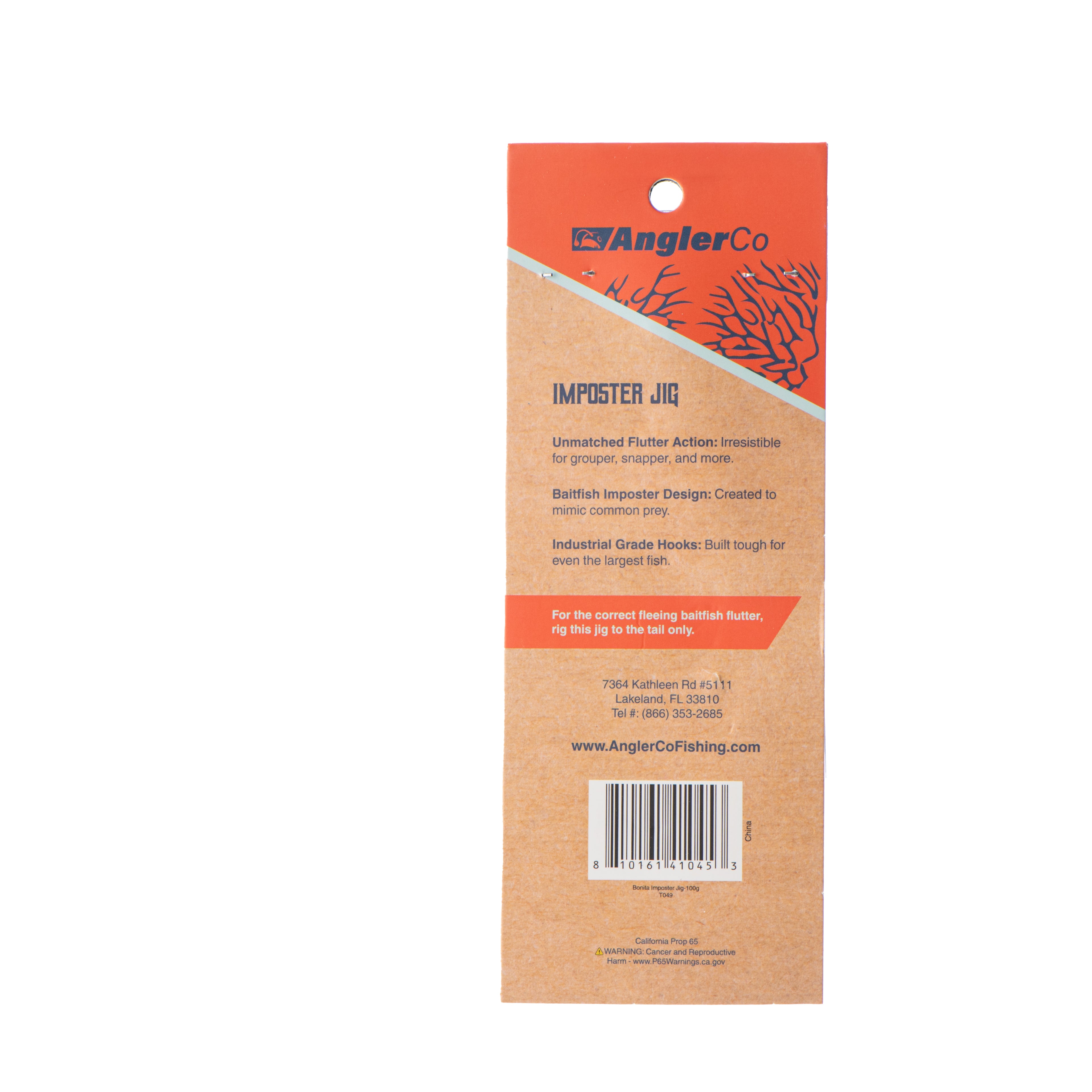

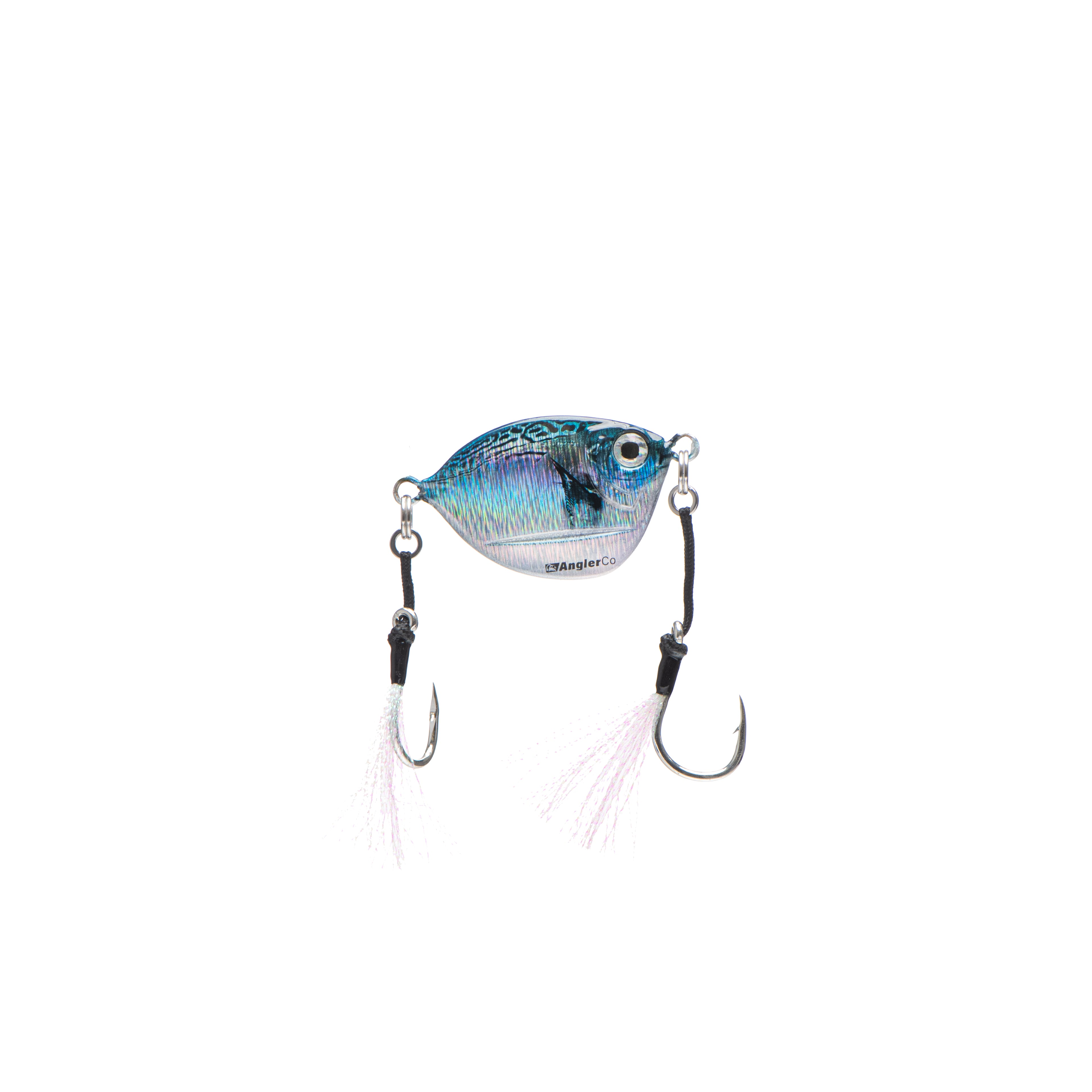
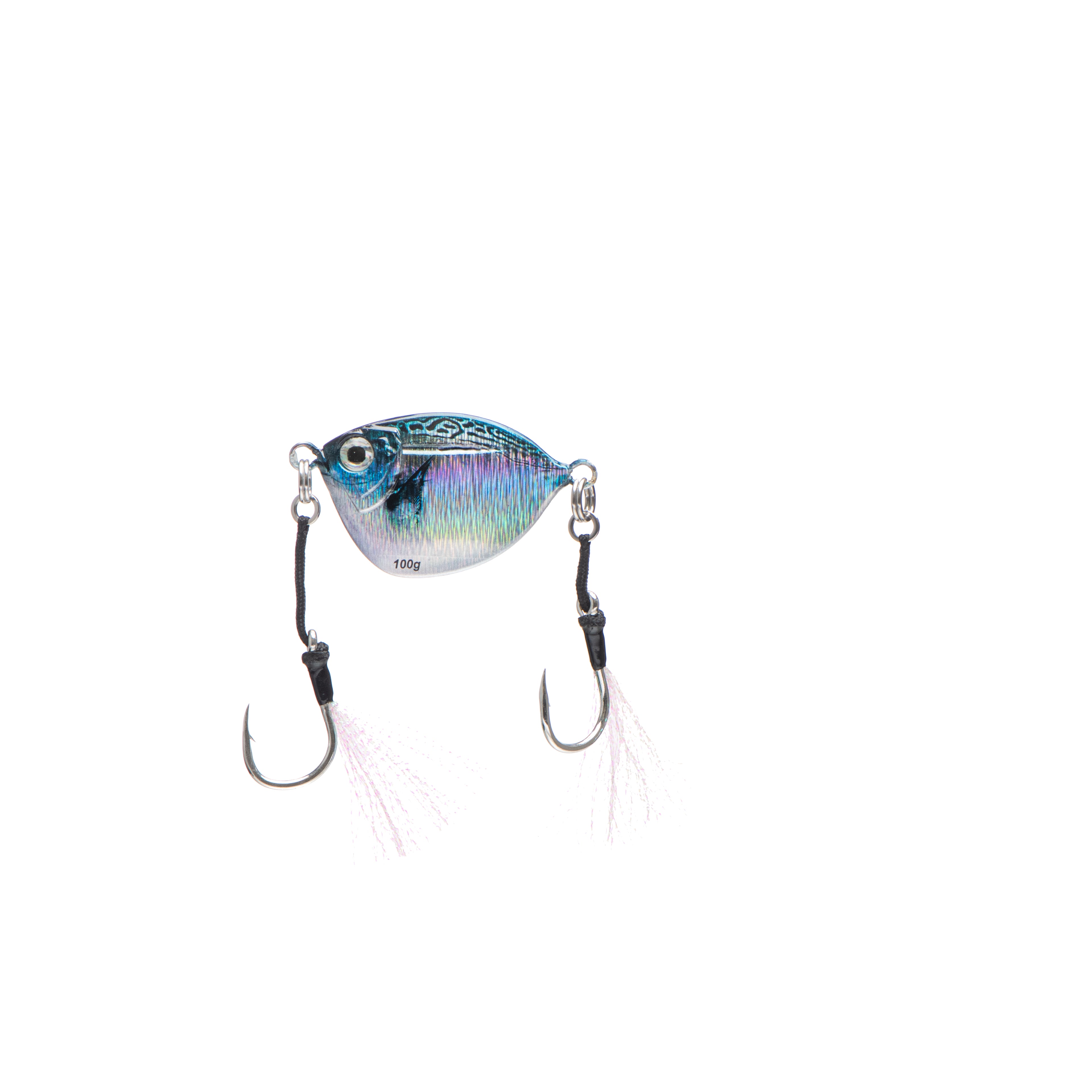
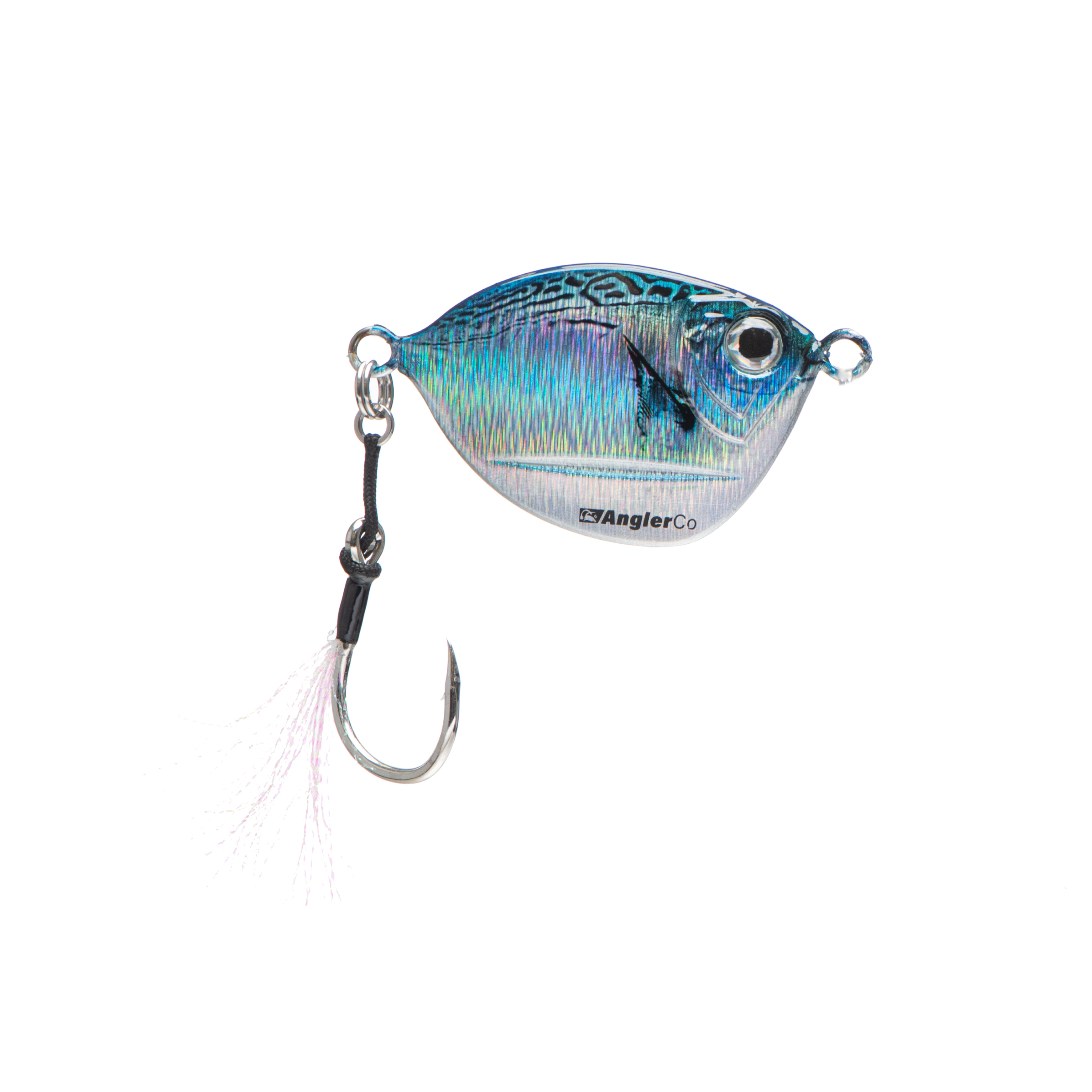


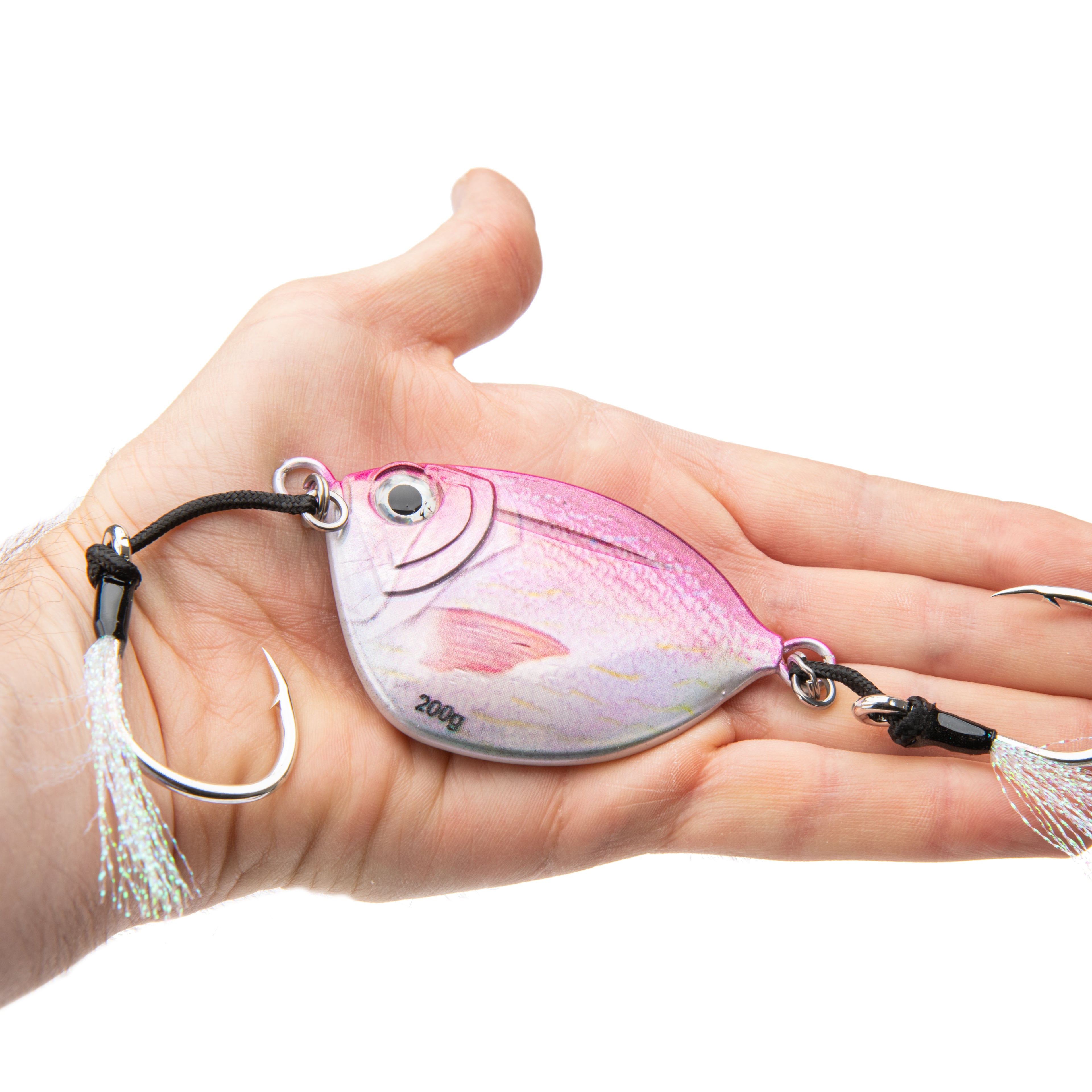
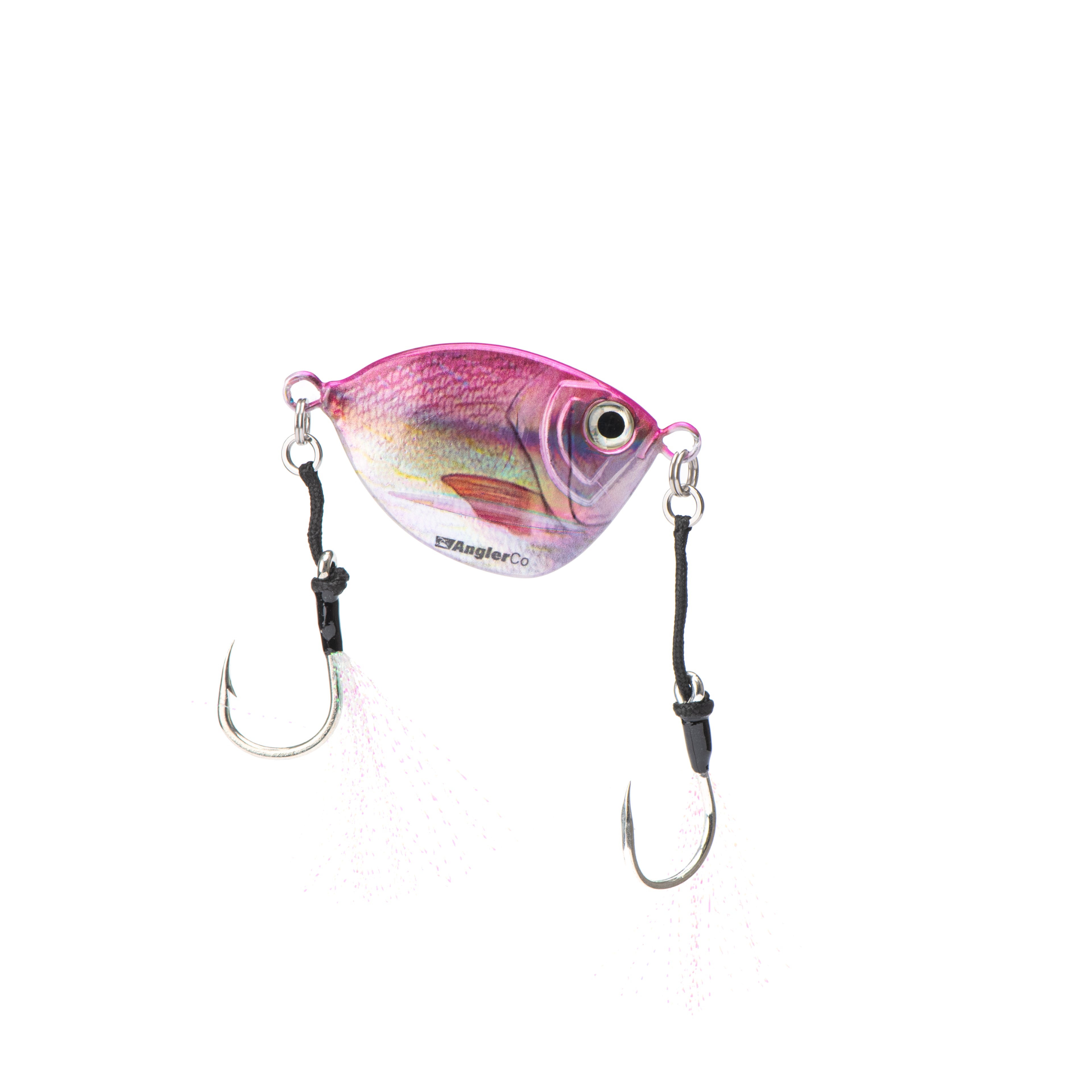
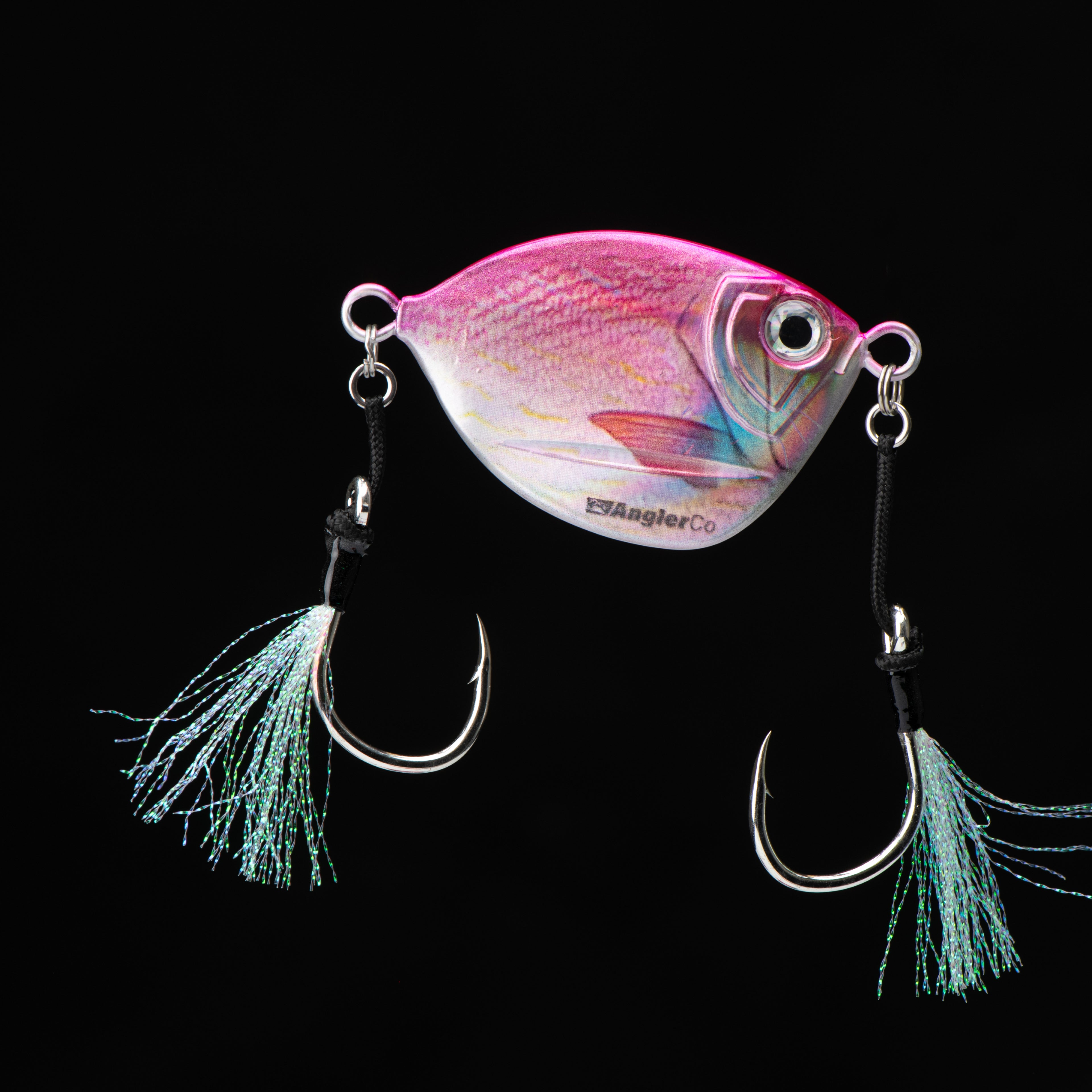
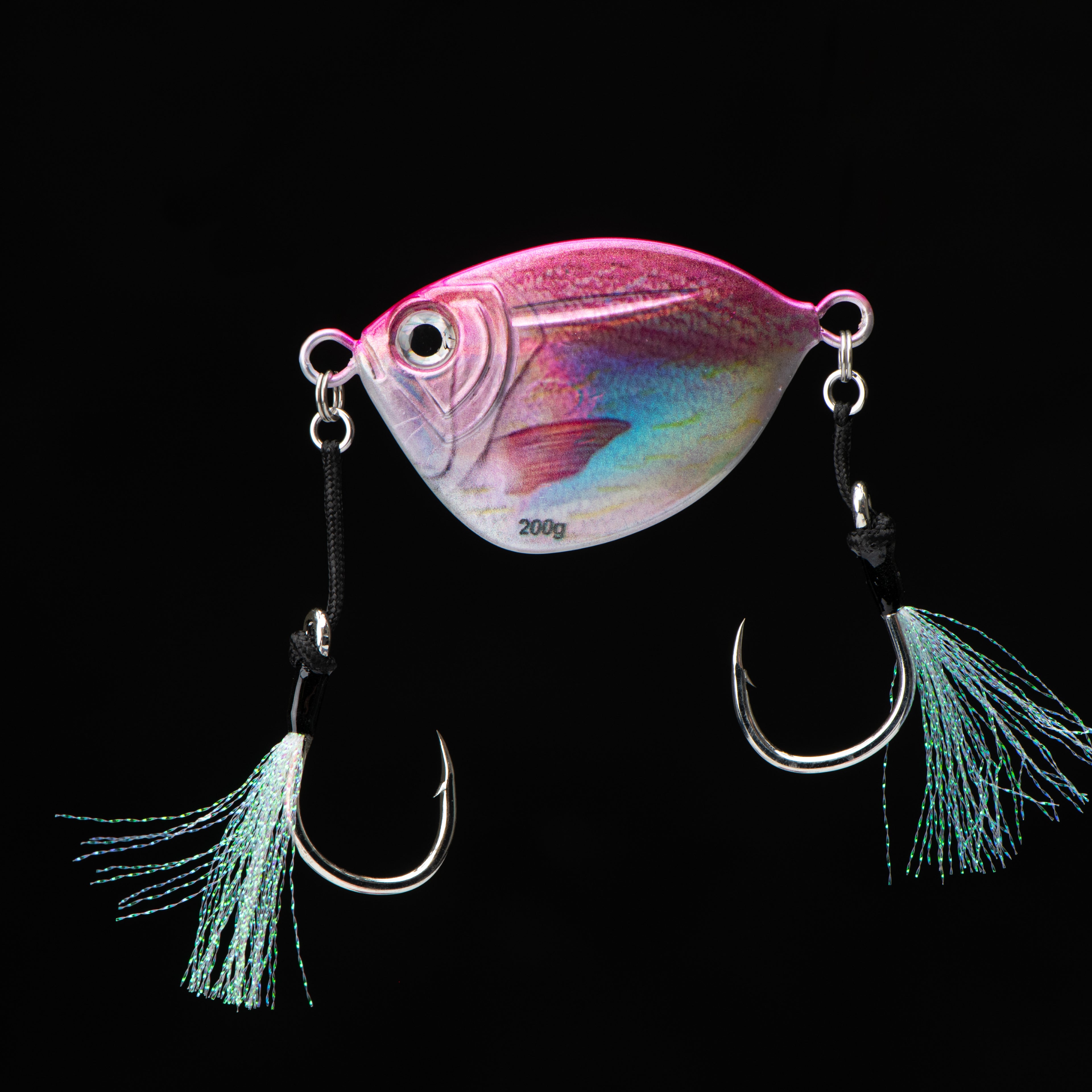
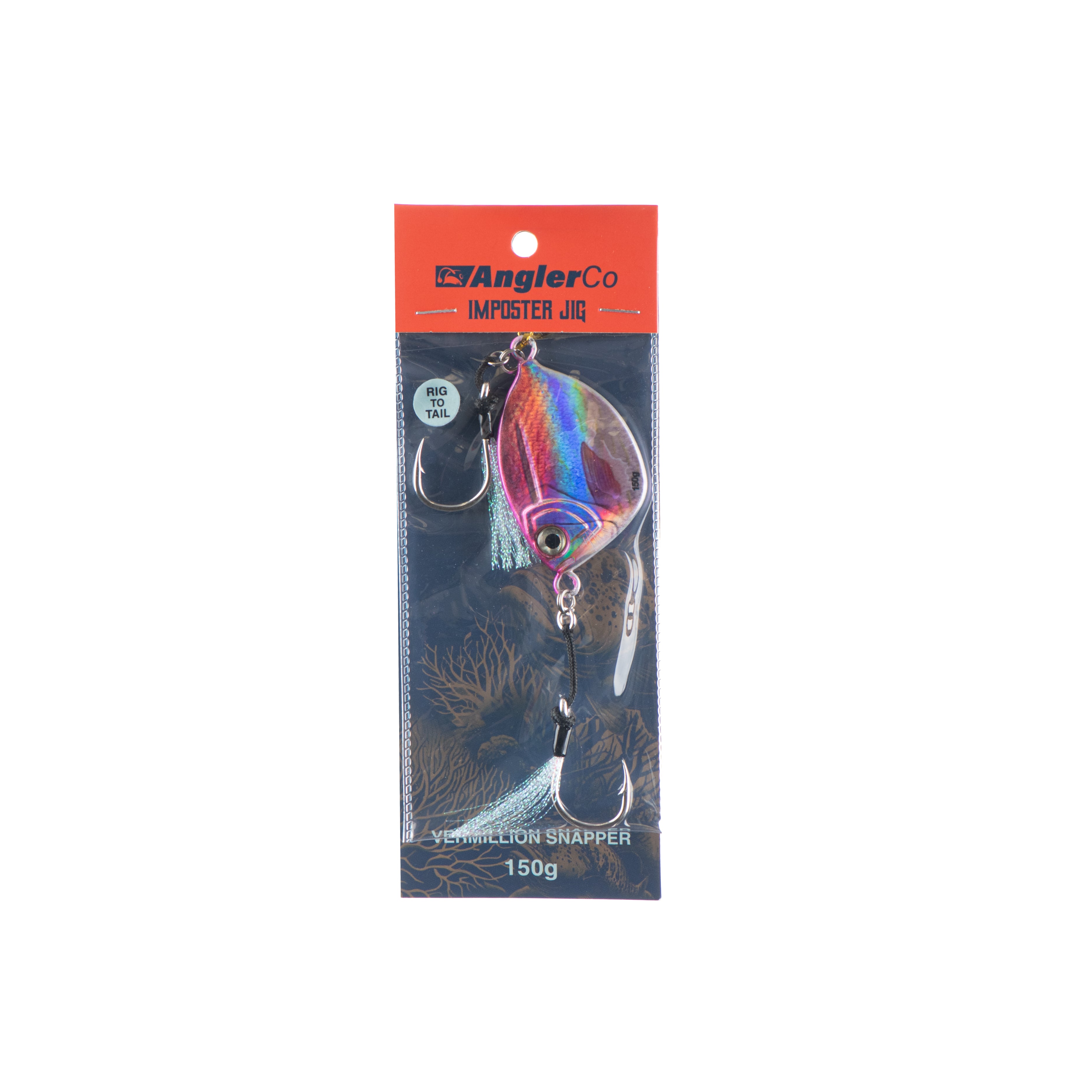
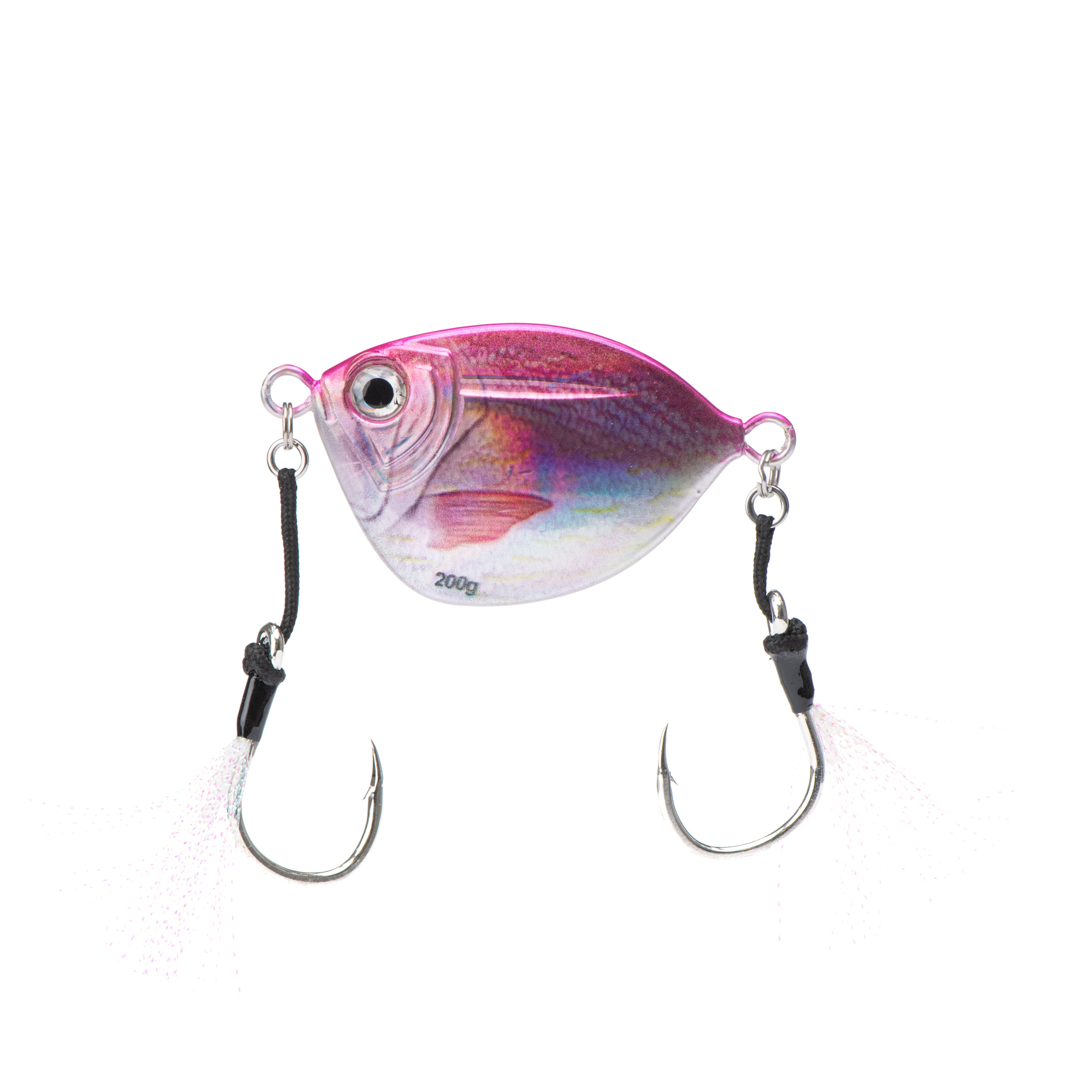


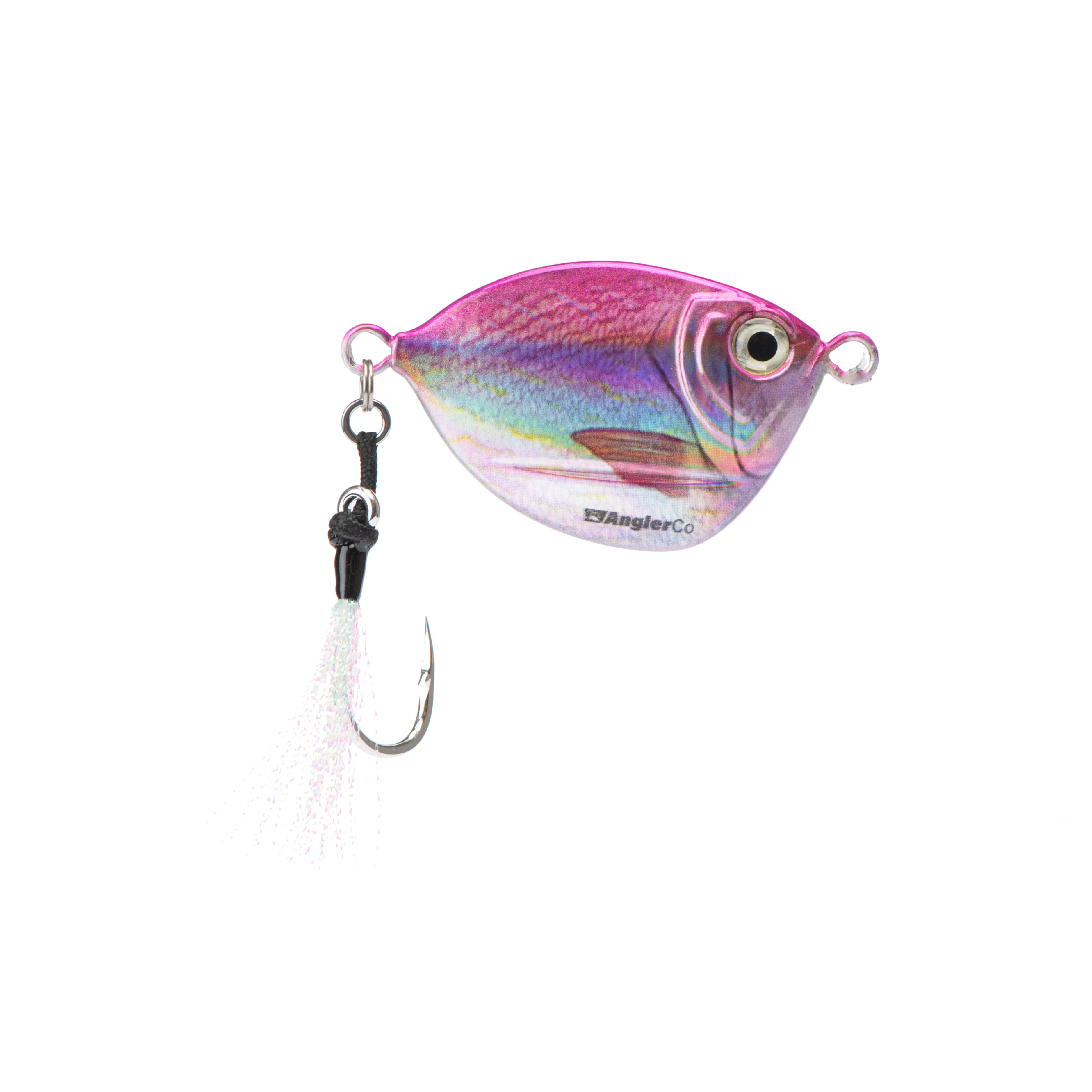
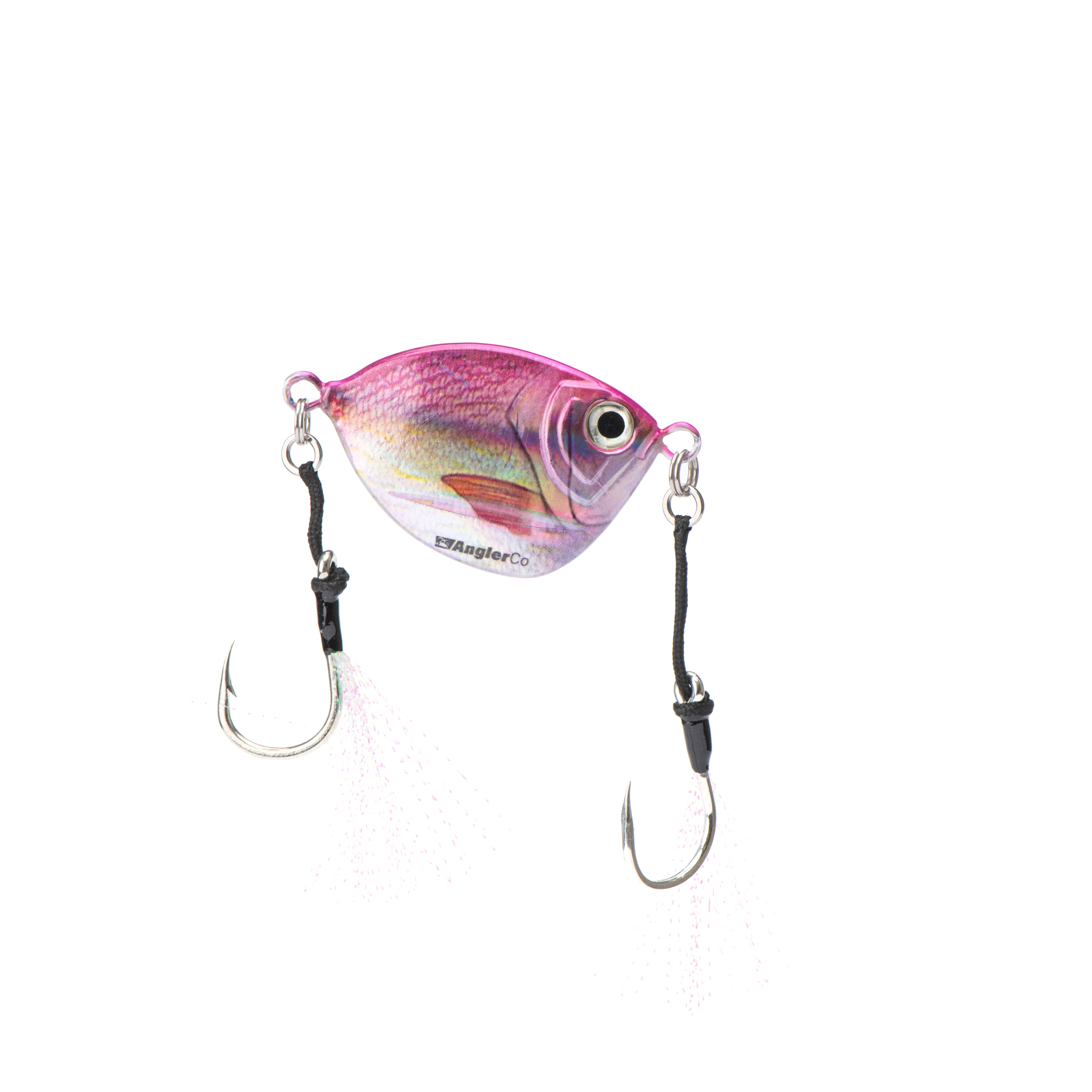

When you’re dropping on ledges, wrecks, and deep reefs for grouper, there’s no room for guesswork. Grouper fishing is structure fishing. Heavy fish. Hard bottom. Brutal bites. If your jig doesn’t fall right, balance correctly, and hold up to punishment, it doesn’t matter how good it looks on the rack — it’s not coming back with you.
That’s exactly why more offshore anglers are calling the AnglerCo Imposter Jig the best slow pitch jig for grouper fishing. Not because it’s flashy. Not because it’s trendy. But because it’s built to do the one thing that matters offshore: get eaten and keep working.
This guide breaks down why slow pitch jigging is so effective for grouper, what separates a good jig from a great one, and why the Imposter Jig consistently earns space in the jig roll of serious anglers across the Gulf, Atlantic, and beyond.

One of the fastest ways to gain confidence in a new lure is to hear how real anglers are fishing it — and what it’s doing on the water. The Imposter Jig has earned that trust for a simple reason: it produces when you slow down and let the jig do the work.
Why Slow Pitch Jigging Is So Effective for Grouper
Grouper are ambush predators. They don’t chase far. They sit tight to structure — ledges, wrecks, rock piles — and wait for something that looks vulnerable.
That’s where slow pitch jigging shines. Unlike speed jigging or traditional bottom rigs, slow pitch jigs spend more time in the strike zone. Each lift-and-drop creates a fluttering, wounded-bait action that grouper can’t ignore. The bite often comes on the fall, when the jig looks easiest to kill.
Key advantages of slow pitch jigging for grouper:
- Maximum time near bottom, where grouper live
- Natural, non-threatening presentation
- Triggers reaction strikes from fish that won’t move far
- Highly effective in pressured areas where bait rigs get ignored
But slow pitch jigging only works if the jig is balanced correctly. And that’s where many jigs fall short.

What Makes the Best Slow Pitch Jig for Grouper?
Not all slow pitch jigs are created equal. Grouper will quickly expose weak designs, poor finishes, and bad balance. A true grouper jig needs to check a few non-negotiable boxes.
1. Perfect Balance on the Fall
The fall is everything. A quality slow pitch jig must flutter horizontally, roll naturally, and glide just enough to look wounded — not spiral uncontrollably or drop like a rock. Poor balance kills bites.
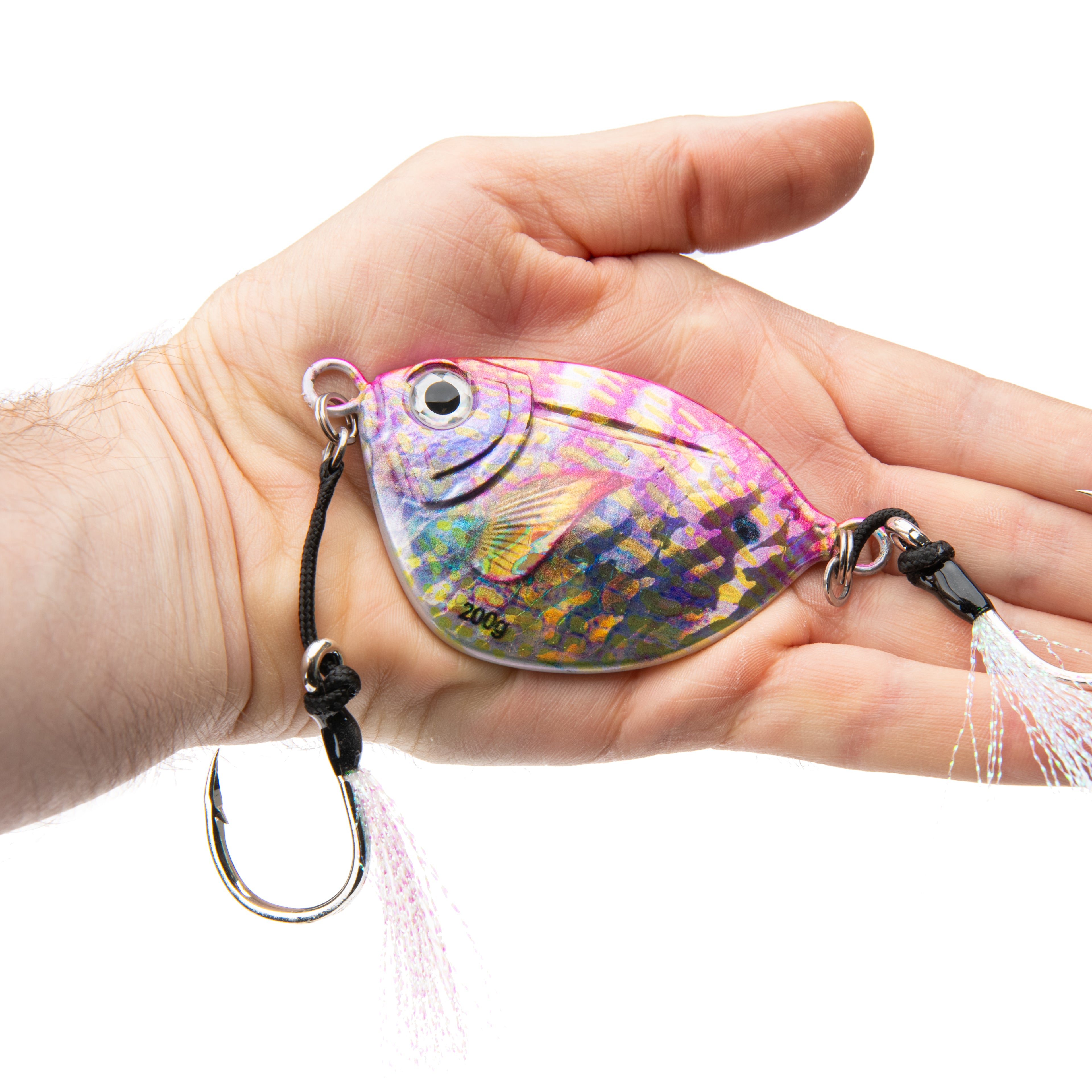
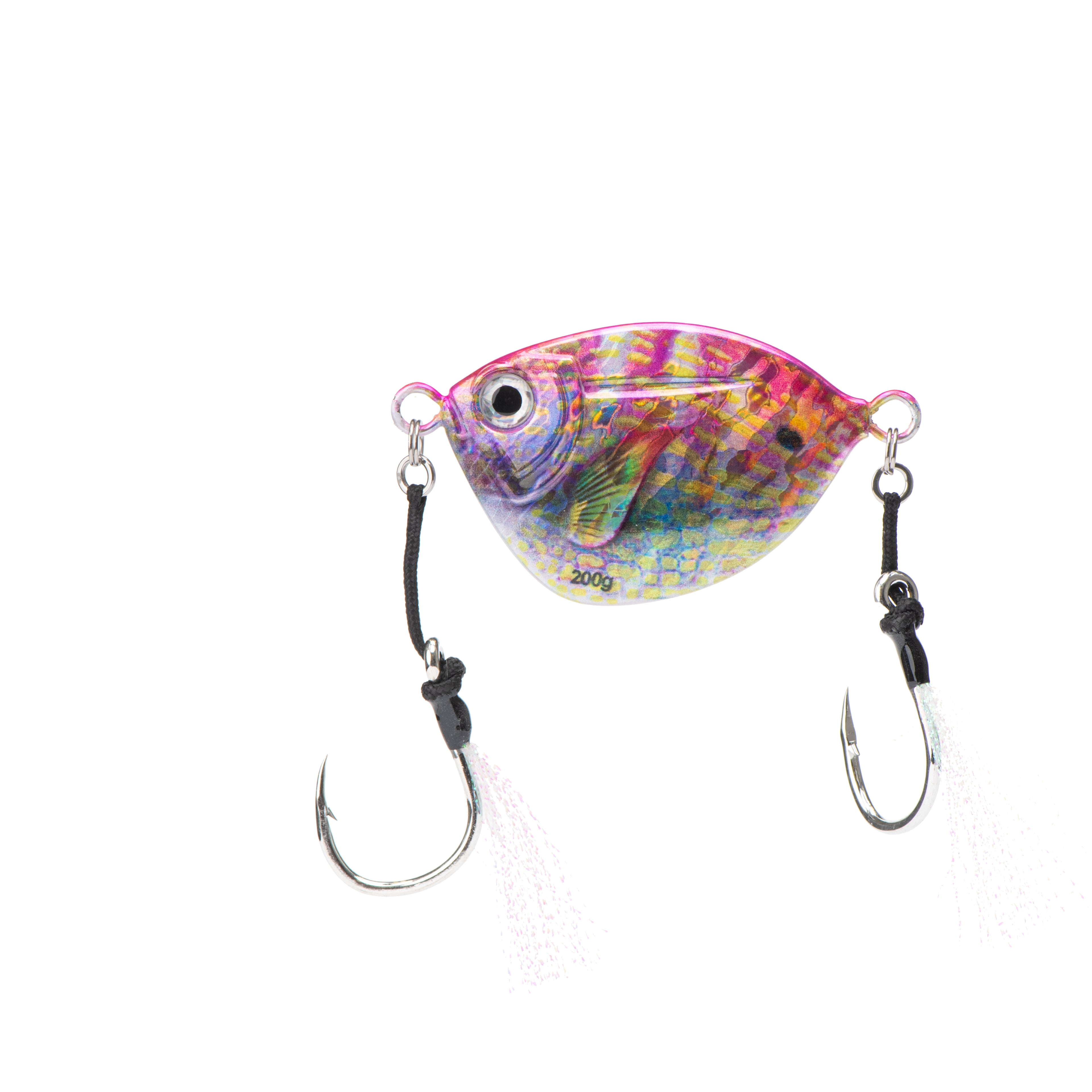
The Imposter Jig is precision-balanced so it falls with a controlled, baitfish-like flutter that stays in the strike zone longer. That’s when grouper commit.

2. Weight Options That Match Real-World Depths
Grouper don’t live in 50 feet of water. You’re often fishing 150, 250, even 400+ feet — sometimes with current ripping.
The Imposter Jig lineup is built in true offshore weights, allowing anglers to follow the golden rule:
One gram of jig weight per foot of depth.
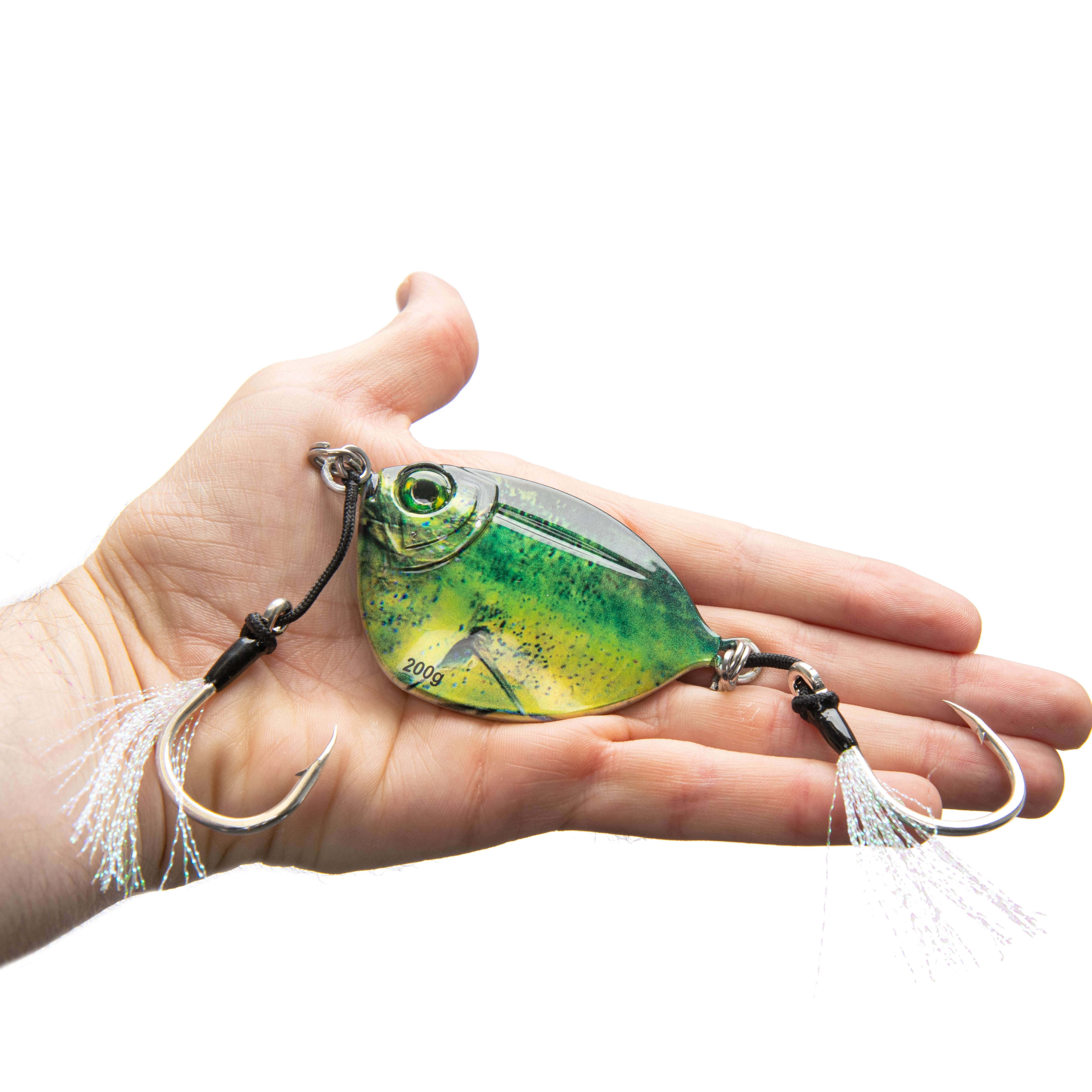
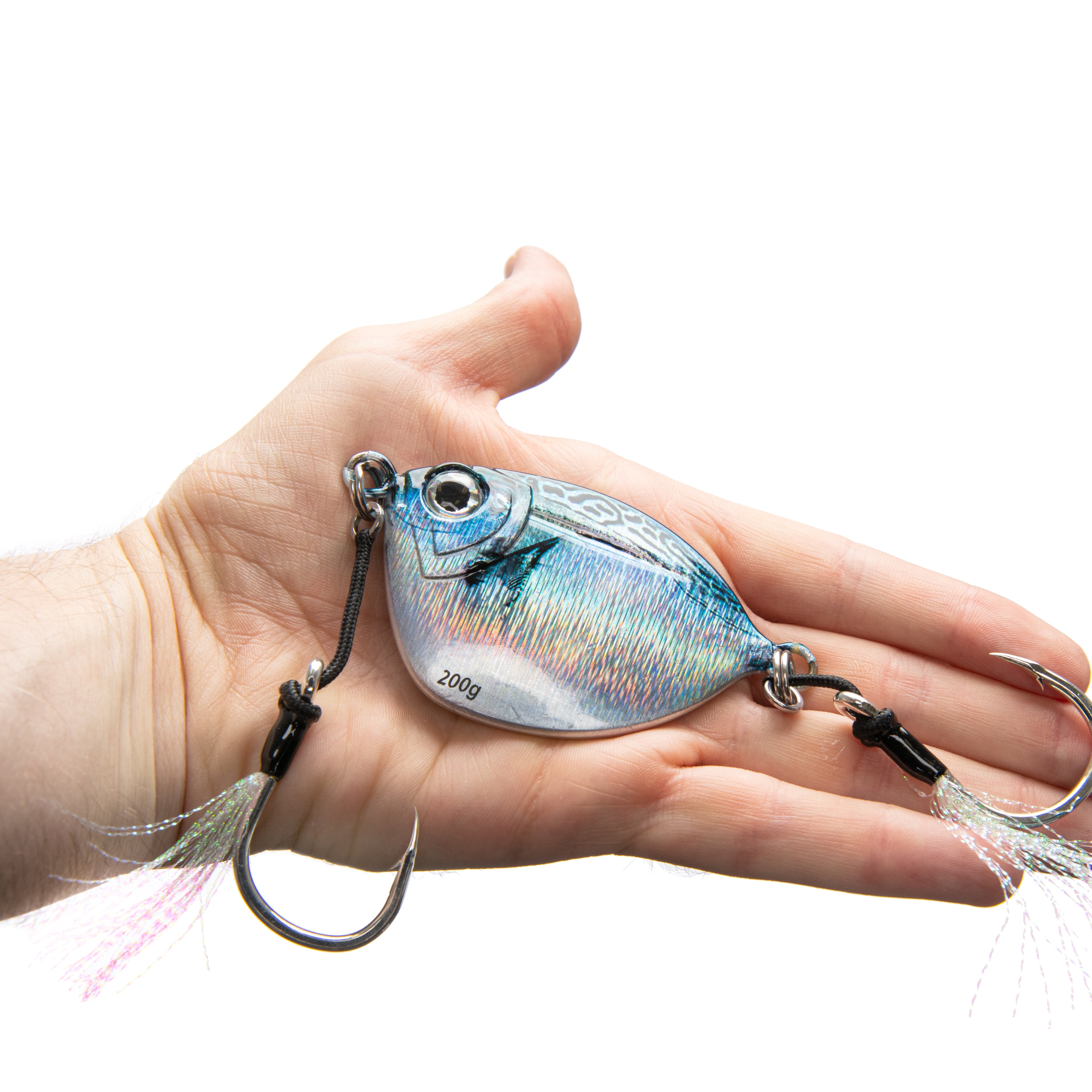
That means: 200 ft = ~200g. 300 ft = ~300g. Heavier when current demands it.
Using the lightest jig conditions allow creates more flutter, more hang time, and more bites. The Imposter Jig lets you dial that in precisely.
3. Proven Colors That Grouper Actually Eat
Grouper are opportunistic, but they’re not blind. They key in on what’s around them. That’s why the Imposter Jig isn’t painted in random “fish-catching” colors — it’s designed to match real forage.

Top grouper-producing patterns include:
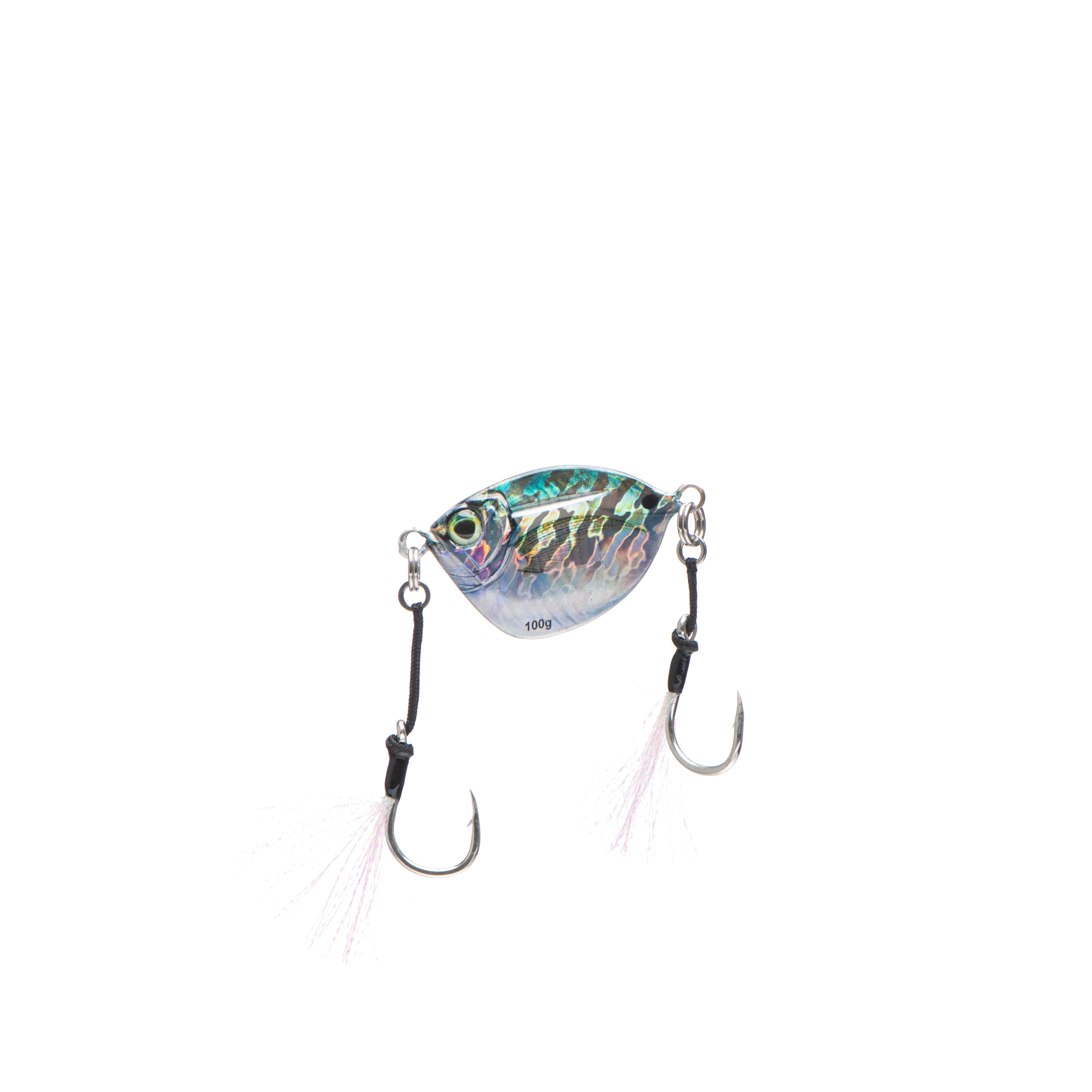
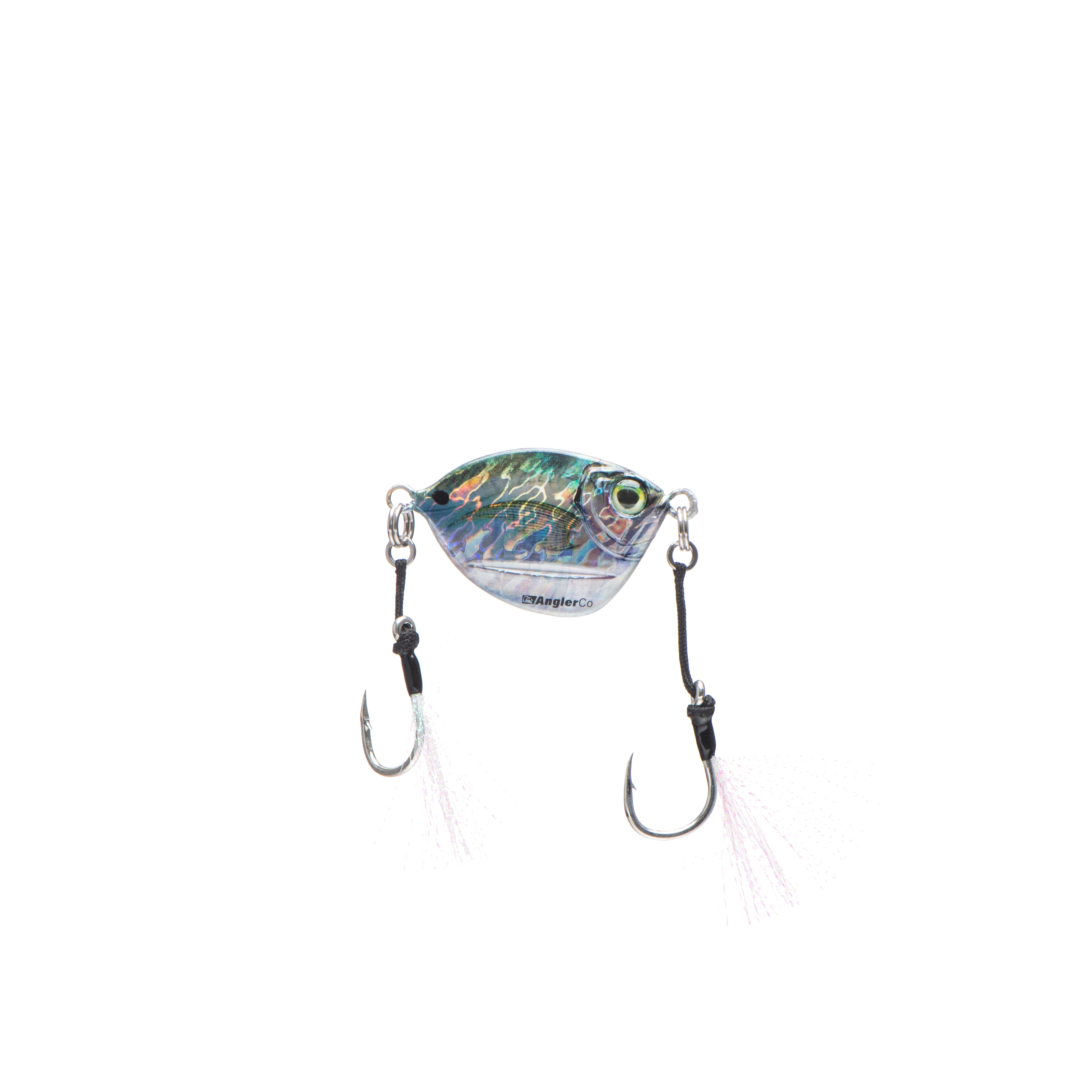
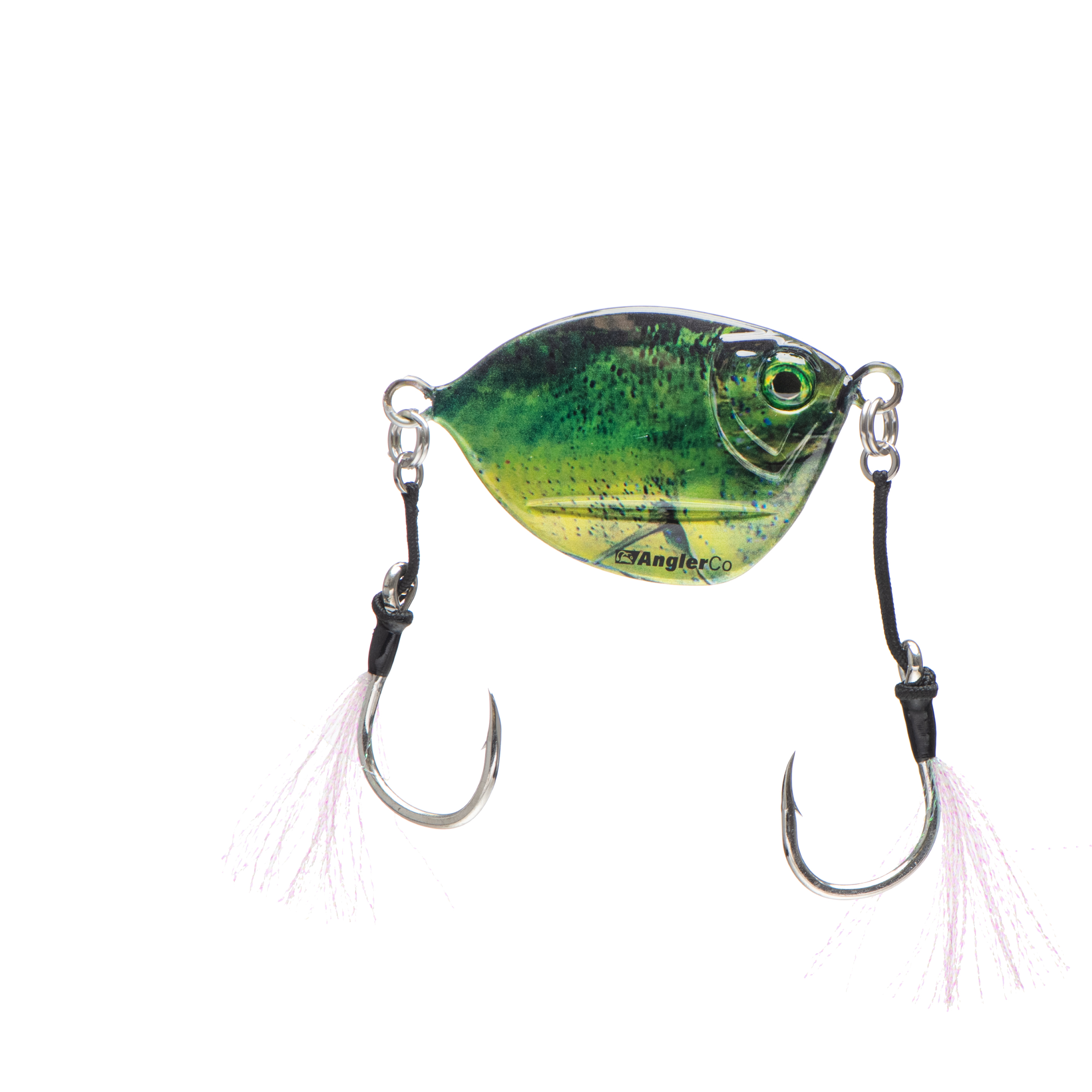
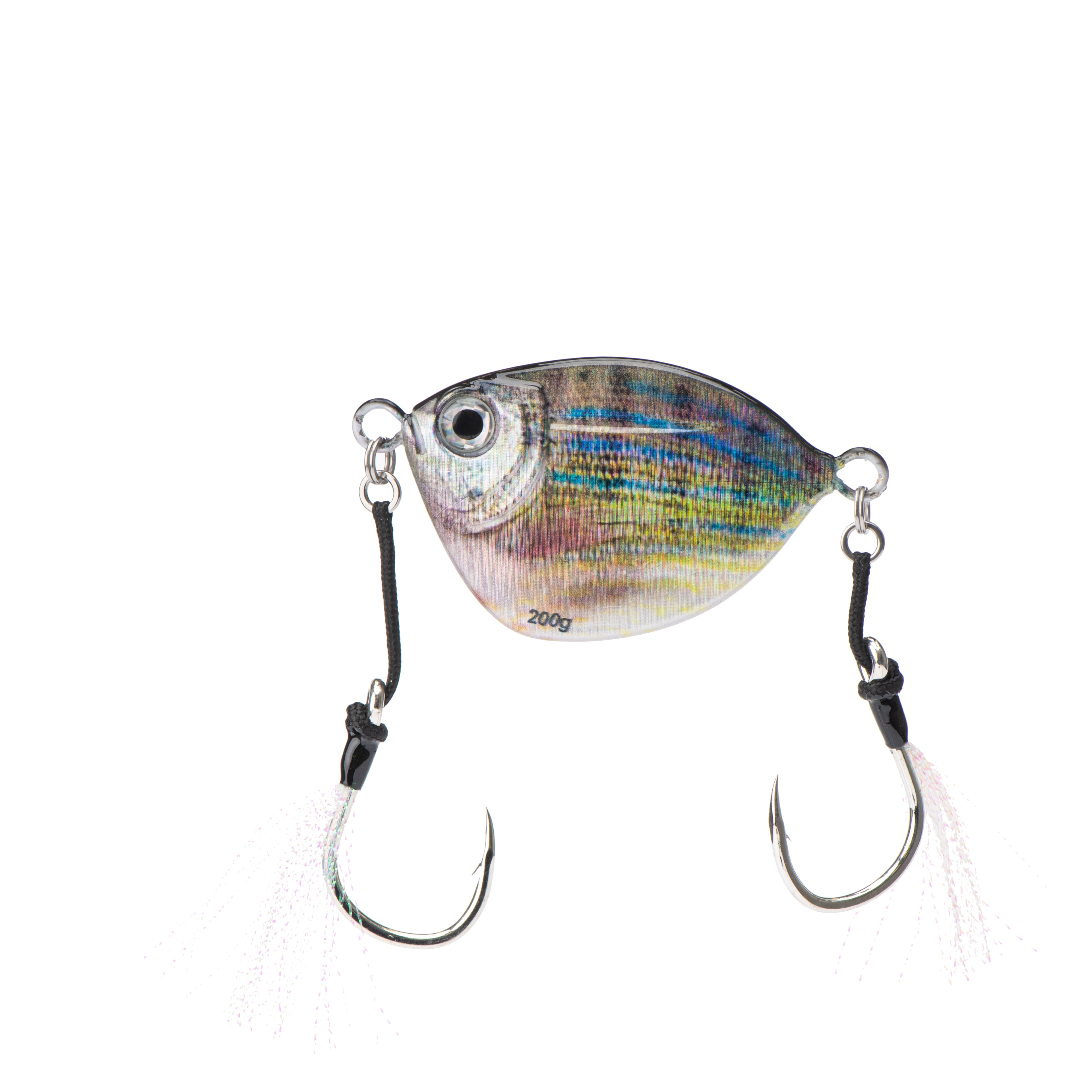
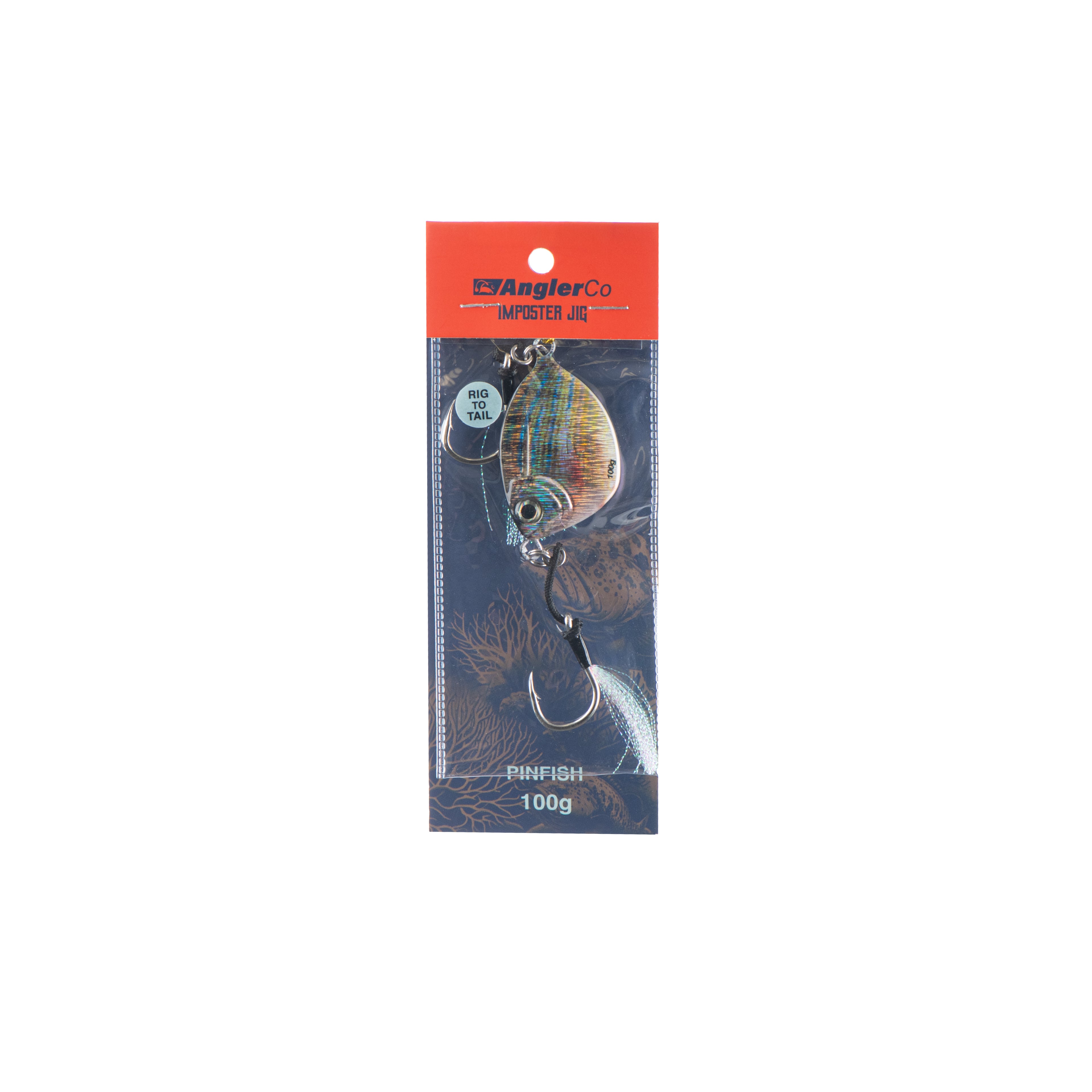
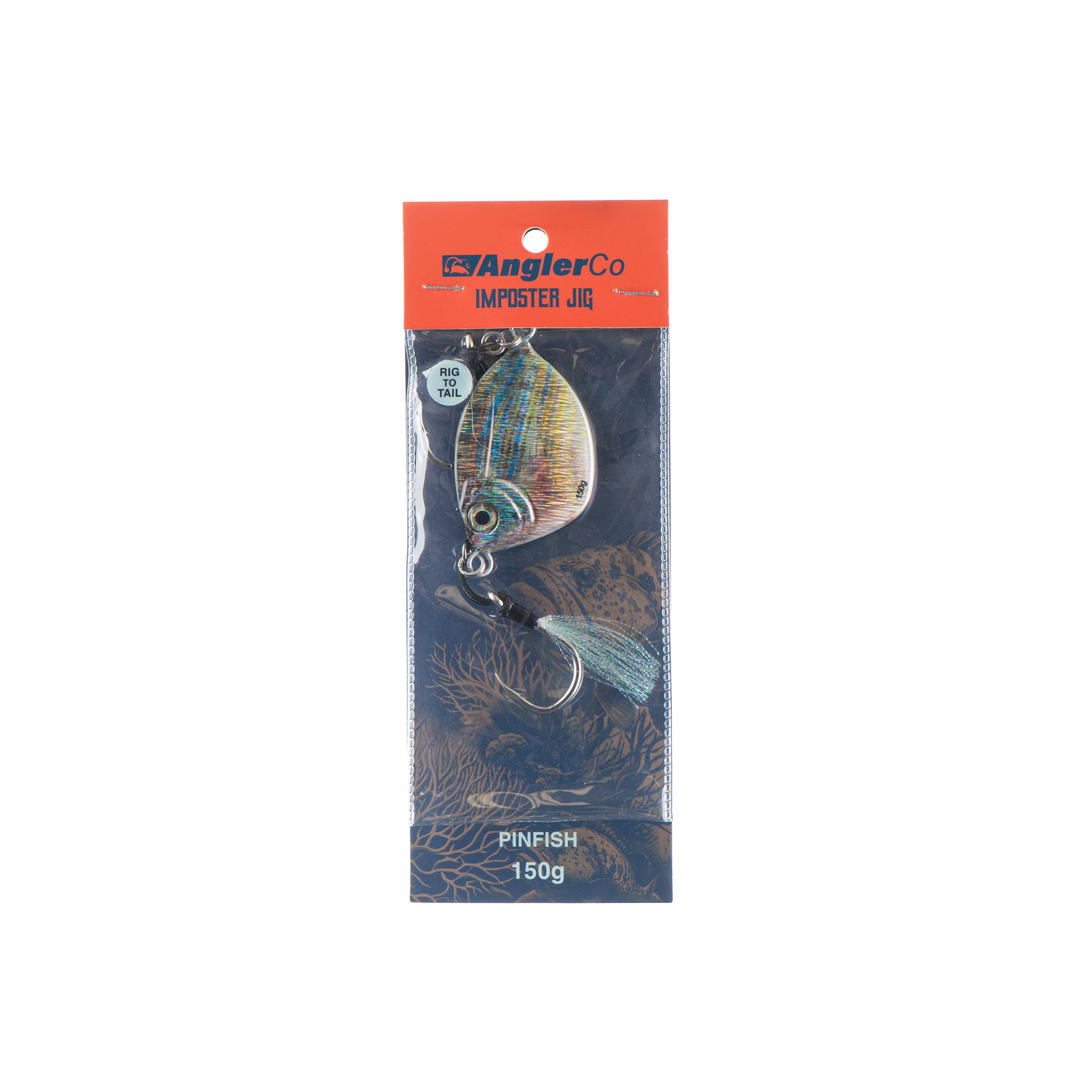
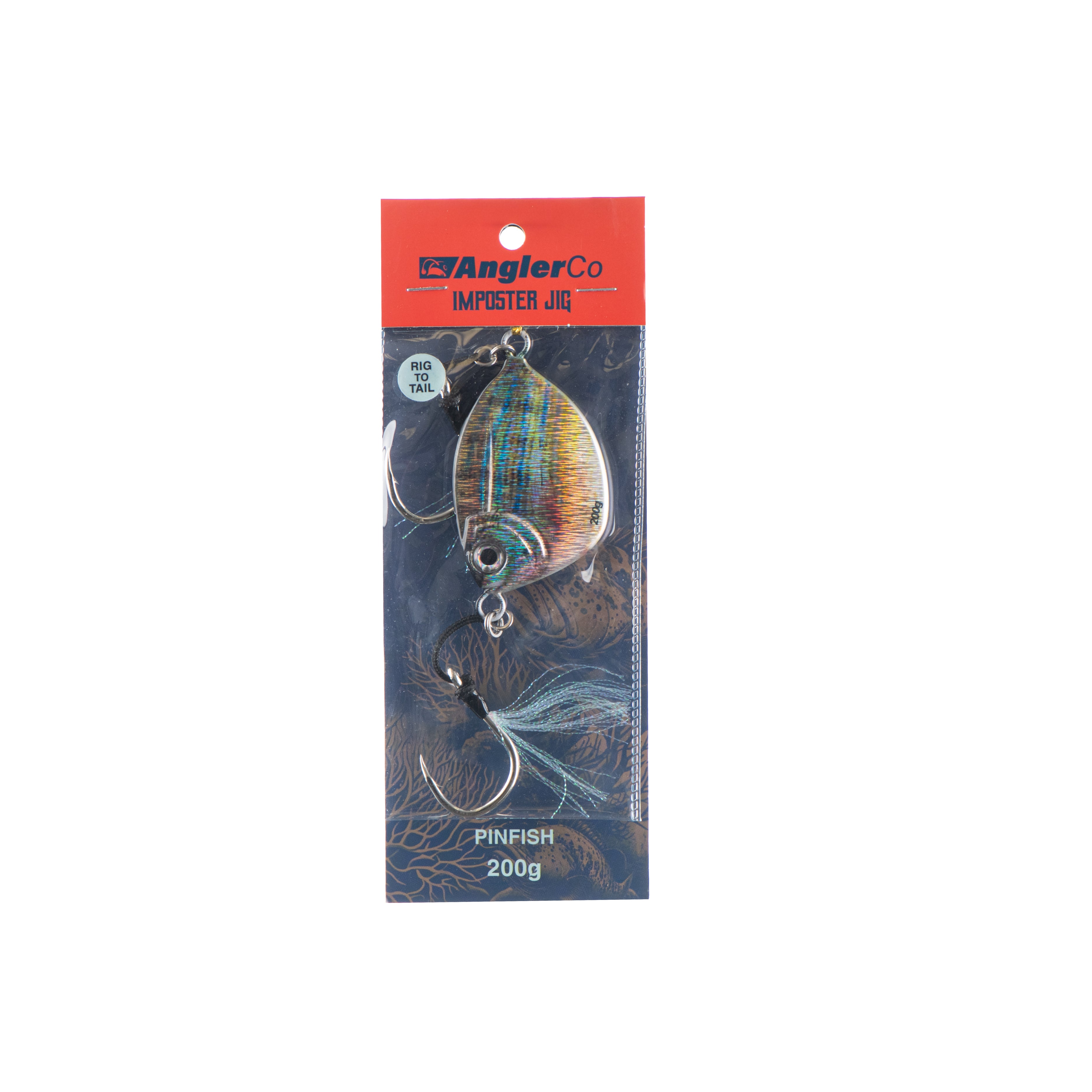
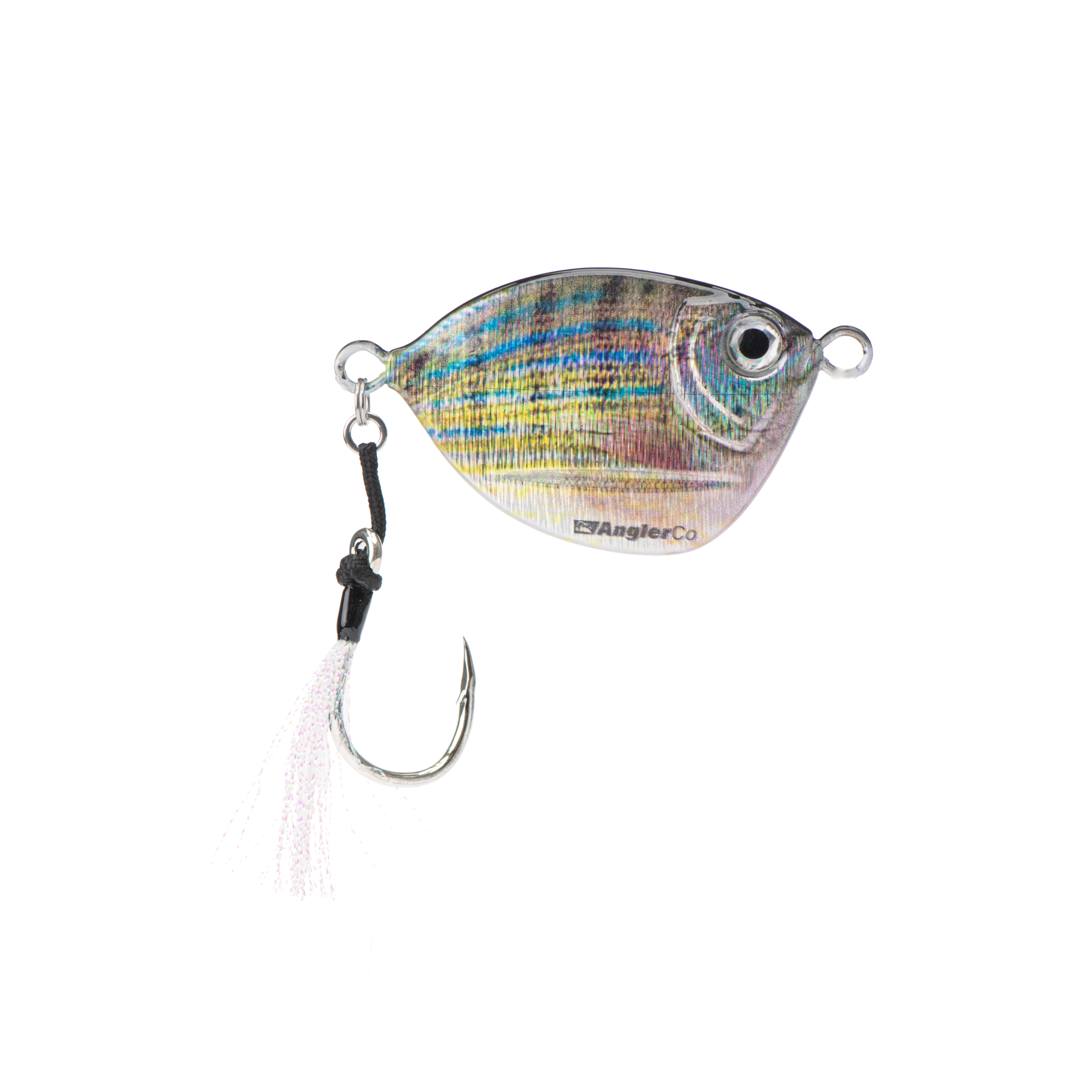
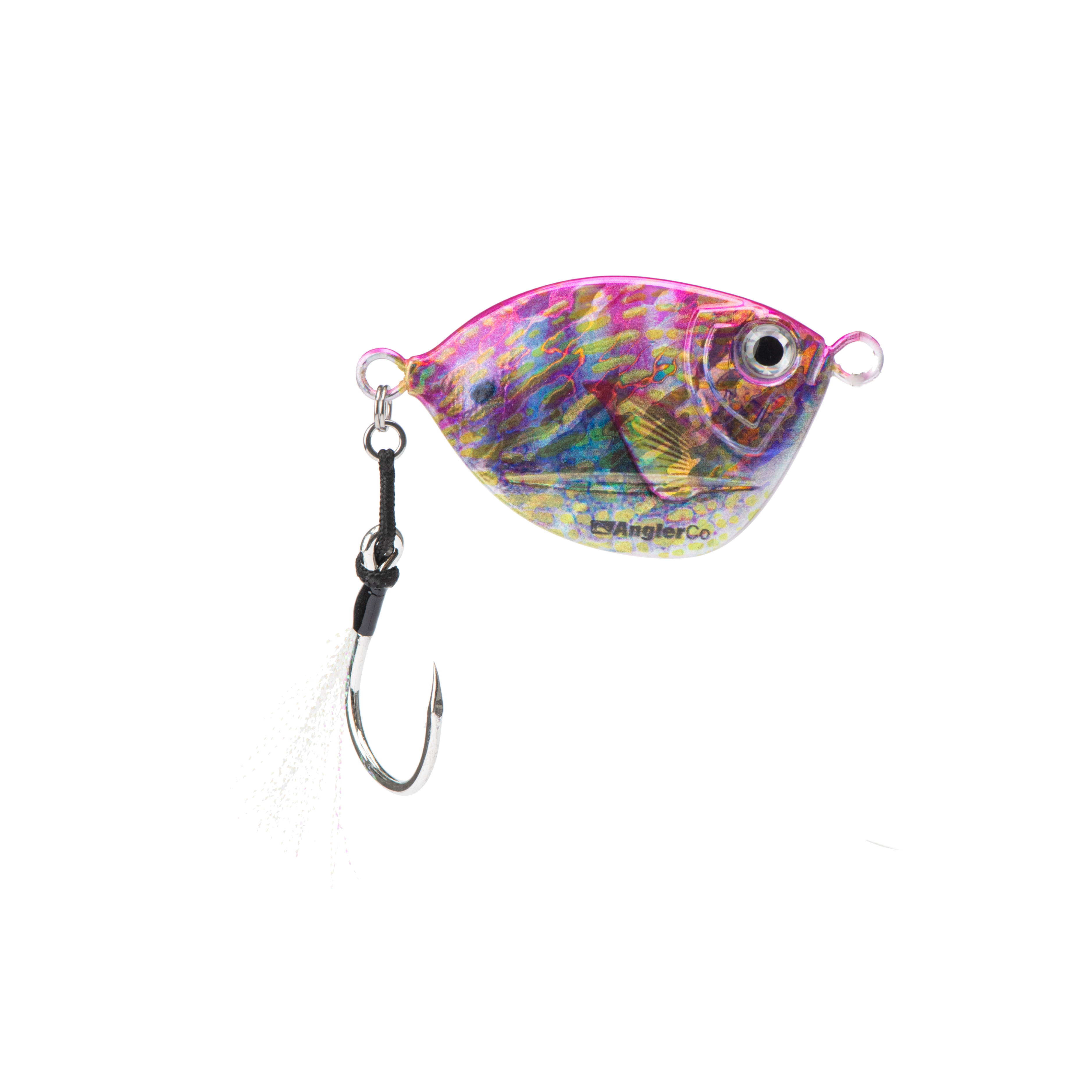
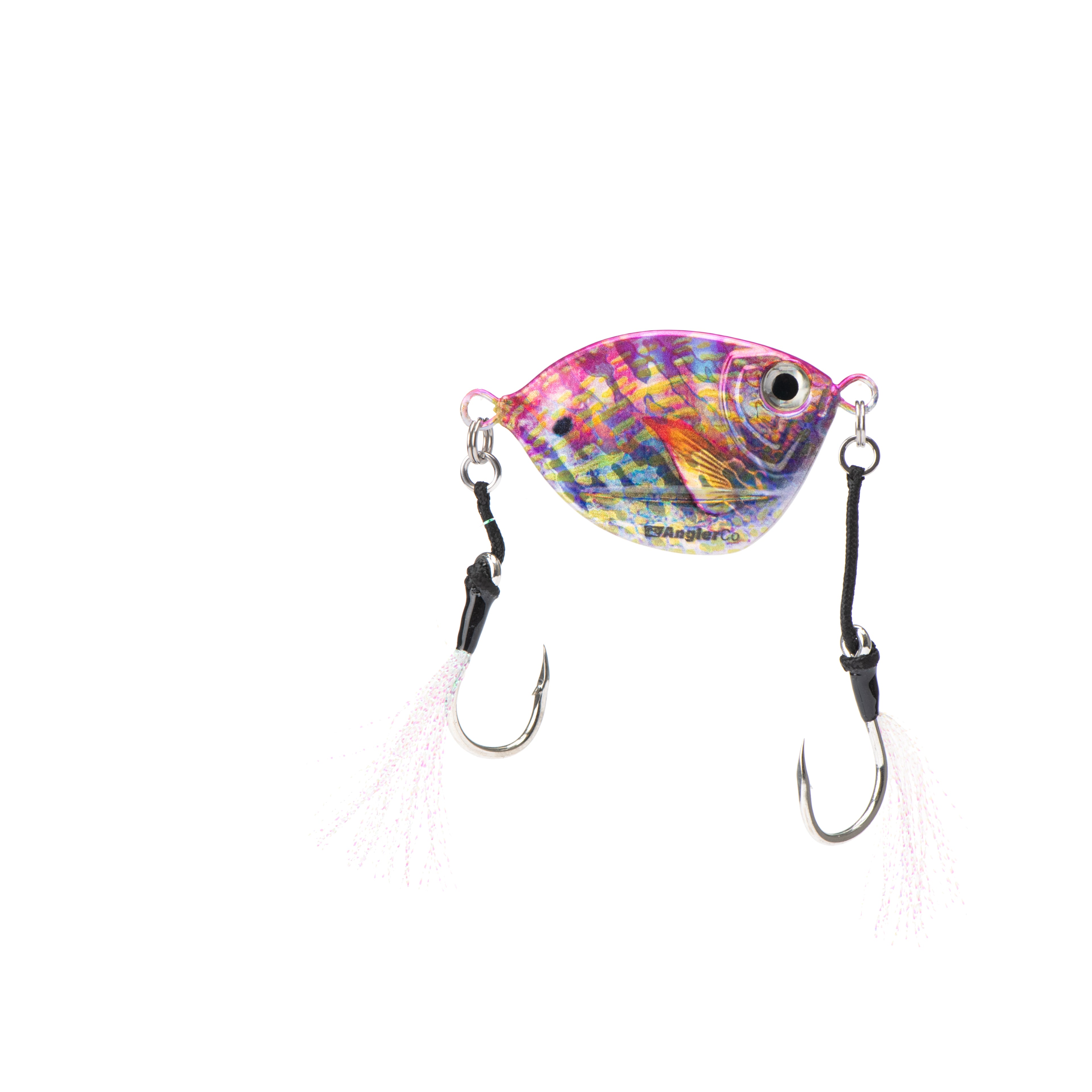
- Pinfish Imposter – A staple around reefs and ledges where pinfish are everywhere
- Vermillion Snapper Imposter – Smaller snapper colors trigger aggression
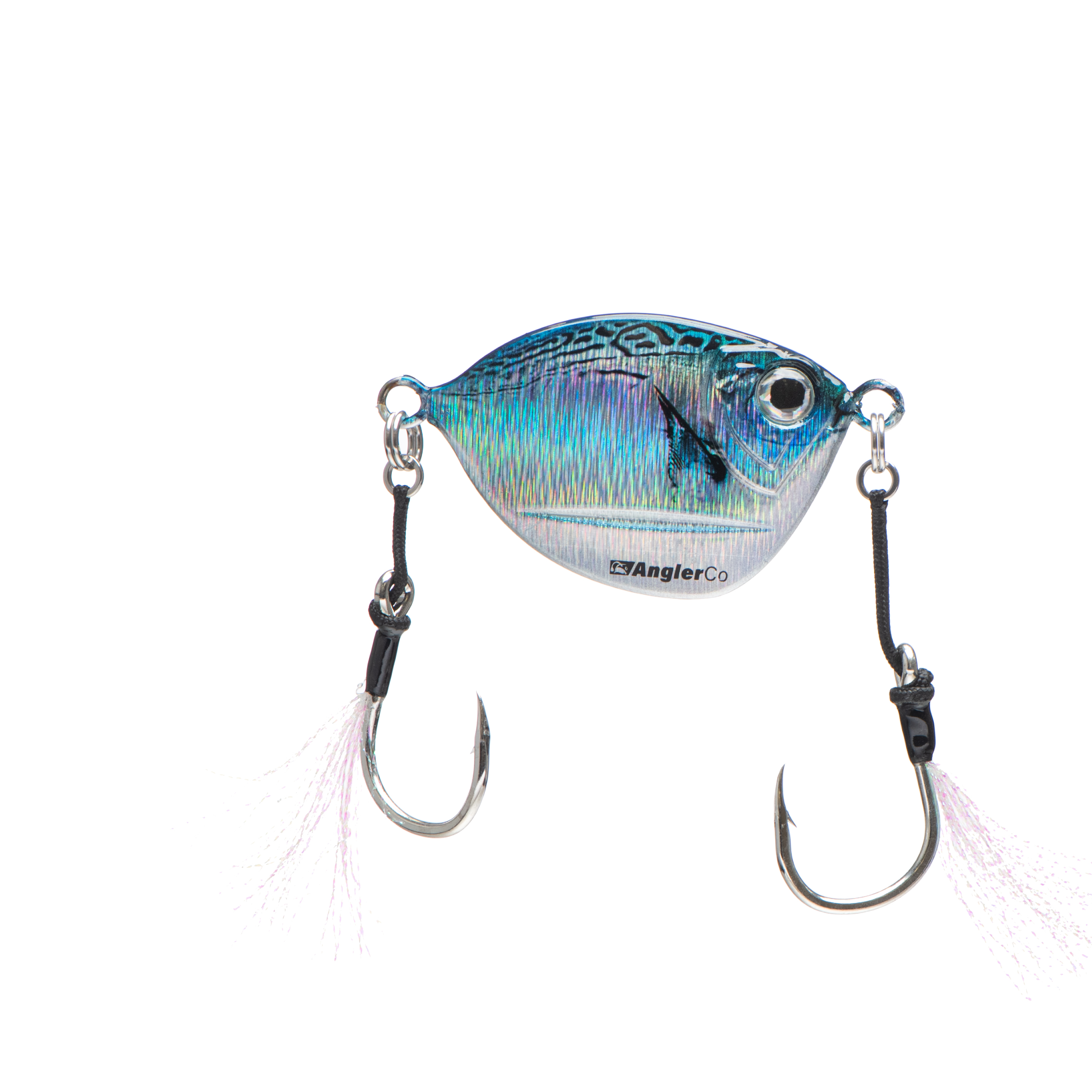
- Lane Snapper Imposter – Subtle, natural tones for pressured fish
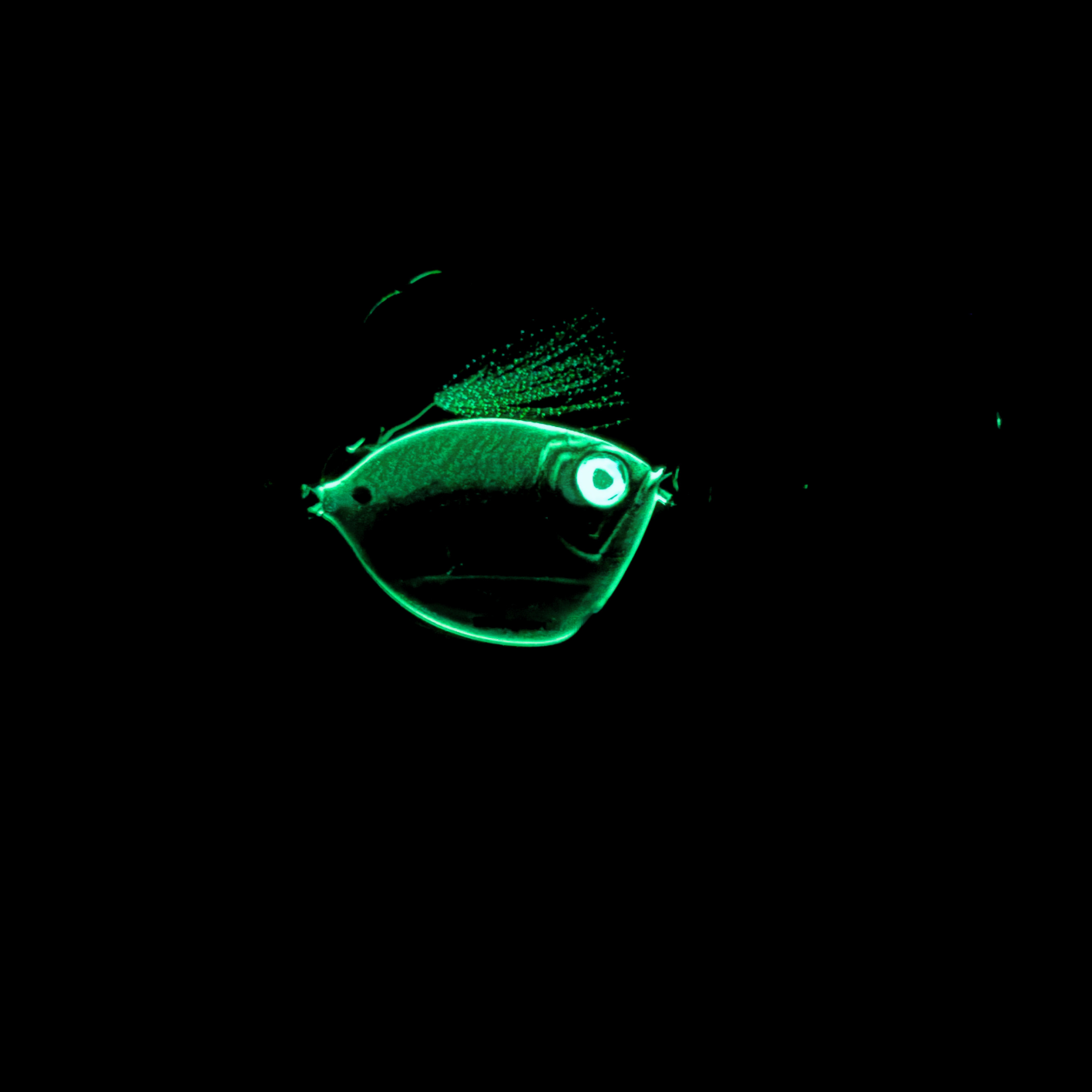
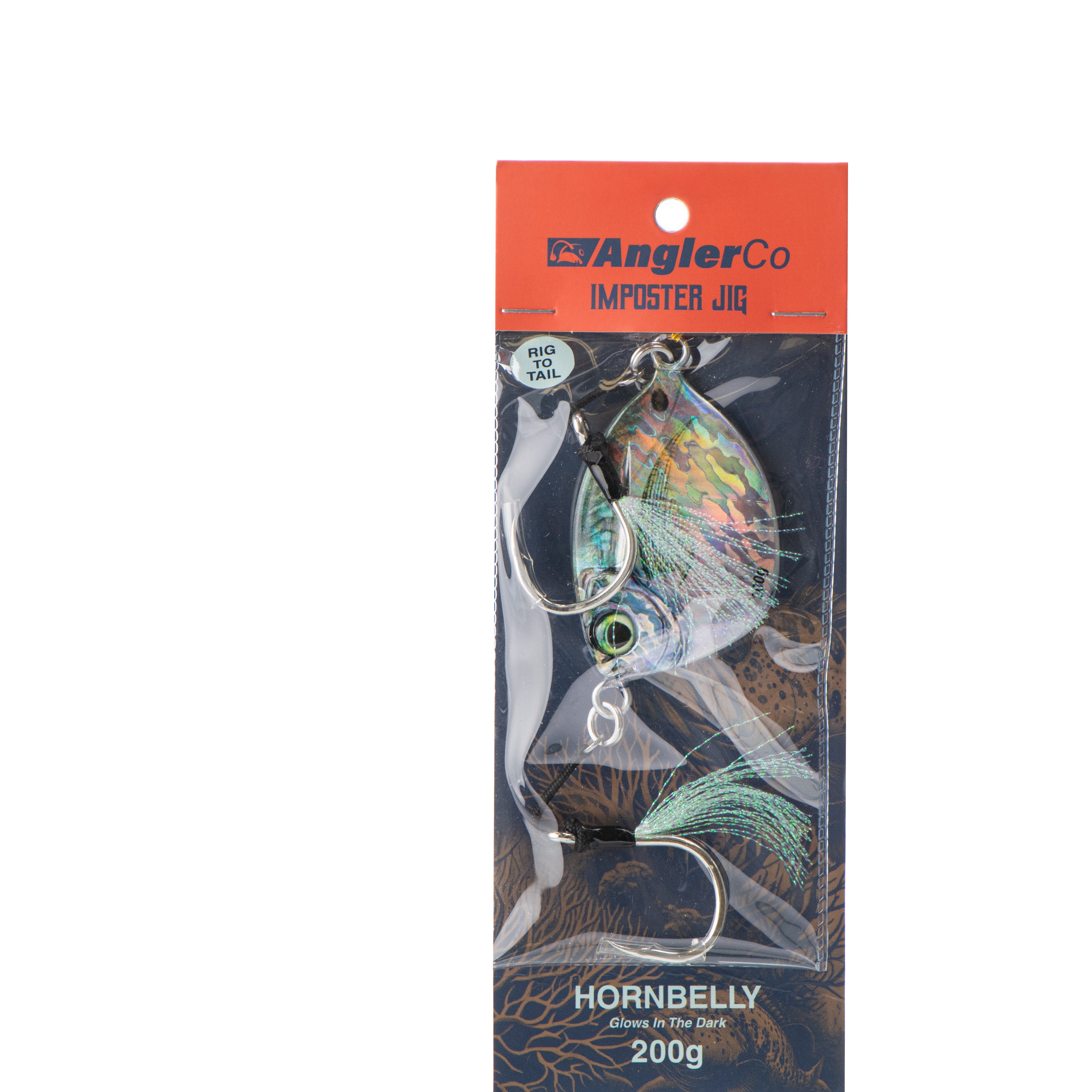
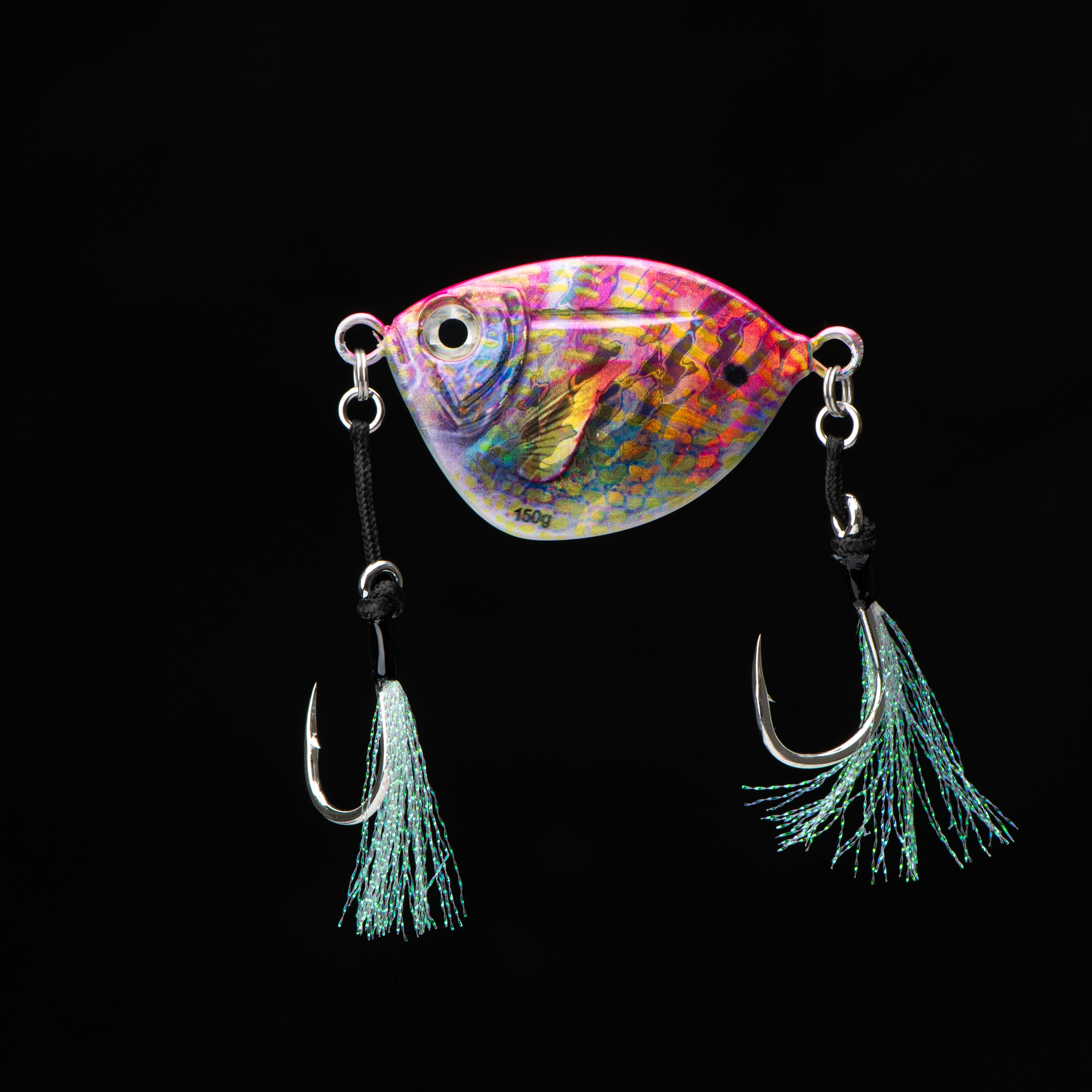
- Hornbelly Glow Imposter – Deadly in deep water, low light, and night drops
Glow isn’t a gimmick here. The Hornbelly charges fast and stays visible where sunlight can’t reach.

4. Durability That Holds Up to Grouper Punishment
Let’s be honest: grouper are hard on gear. They live in rocks. They crush jigs. They scrape paint. Any slow pitch jig that claims “chip-proof forever” hasn’t been fished hard enough.
The Imposter Jig is built with thick, durable finishes and solid construction, so while the paint will scar (as it should), the balance and action never quit.
That’s the difference between a jig that looks good and one that keeps catching after fish #10.
Why the AnglerCo Imposter Jig Excels Specifically for Grouper
Plenty of jigs catch fish. Fewer are designed from the ground up with grouper in mind. The Imposter Jig stands out because every element supports the way grouper actually feed.

Balanced Profile = More Bites on the Drop
Grouper often eat when the jig is falling back toward bottom. The Imposter Jig’s balanced design creates a fluttering, wounded descent that looks like an easy kill.
Many anglers notice bites come right after lifting the jig, when it flutters back toward structure.
Rigged Right, Out of the Package
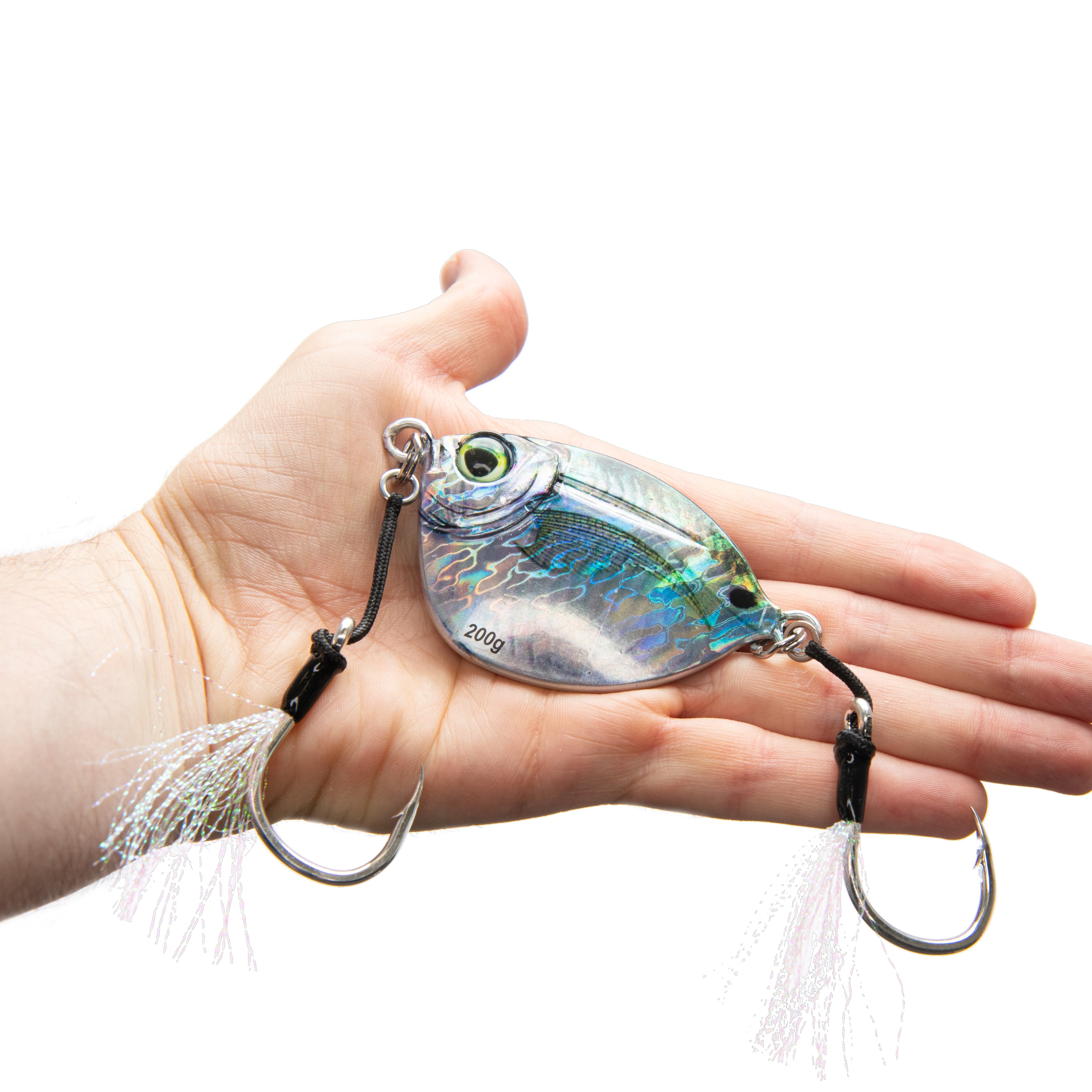
Hook size matters. Too big, and you kill the action. Too small, and you miss fish. Imposter Jigs come rigged with hook sizes matched to each weight, saving you time and ensuring the jig performs as designed.
That’s especially important when you’re fishing deep and every drop counts.
Confidence in Heavy Structure
When you’re dropping into wrecks and rock piles, hesitation costs fish. The Imposter Jig inspires confidence because anglers know it sinks true, flutters correctly, and holds up to abuse.
That confidence lets you fish it where grouper actually live, not where you’re comfortable.
How to Fish the Imposter Jig for Grouper (Step-by-Step)

The beauty of the Imposter Jig is its versatility. It produces with several techniques, but slow pitch is where it truly shines for grouper.
Slow Pitch Jigging (Primary Method)
- Drop the jig to bottom
- Lift the rod slowly and deliberately
- Let the jig fall on semi-slack line
- Repeat — lift, fall, lift, fall
Keep the rhythm slow. Let the jig do the work. Watch your line on the fall — many grouper bites feel like nothing at all until the rod loads up.
Freefall (When Fish Are Aggressive)
Sometimes grouper don’t need encouragement. Drop the jig and let it flutter naturally without touching it. The built-in action often triggers instant strikes.
Deadstick (When the Bite Is Tough)
When things shut down, deadstick it: let the jig sit on bottom for 30–90 seconds, then lift again. Grouper often hover before committing — that first lift after a pause can be explosive.
Choosing the Right Weight for Grouper Fishing
Weight selection can make or break your day. Start with the baseline: 1 gram per foot of water. Then adjust for current.
| Depth | Starting Weight | Adjust for Current |
|---|---|---|
| 100–150 ft | 100–150g | +50g if needed |
| 200–300 ft | 200–300g | +100g in strong current |
| 300+ ft | 300–400g | Heavier if required |
Always fish the lightest jig conditions allow. More flutter equals more bites.
Choosing the Best Color for Grouper
When in doubt, match the hatch. If you’re fishing deep, low light, or at night, glow becomes a serious advantage.
- Pinfish Pattern – Reefs and ledges
- Vermillion & Lane Snapper – Natural reef forage
- Hornbelly Glow – Deep water, night fishing, heavy overcast
Glow shines where light disappears. Natural colors shine when fish are pressured.

Who the Imposter Jig Is Built For
The Imposter Jig wasn’t designed for anglers chasing trends. It was built for anglers chasing results:
- Weekend warriors who want gear that works
- Charter captains who need reliability day after day
- Offshore anglers who fish structure hard and often
If you’re serious about grouper, this jig earns its place.
The Bottom Line: The Best Slow Pitch Jig for Grouper Fishing
The AnglerCo Imposter Jig isn’t trying to reinvent slow pitch jigging. It’s refining what already works — balance, durability, and proven bait profiles — and packaging it into a tool anglers can trust.
Balanced fall. Proven colors. Offshore-tested durability. Rigged right.
That’s why more anglers are calling it the best slow pitch jig for grouper fishing — and why once it hits your jig roll, it rarely leaves.

Ready to Drop?
If your next trip involves deep reefs, hard structure, and fish that don’t give second chances, the Imposter Jig is built for exactly that moment.
Balanced. Tough. Proven Offshore.