





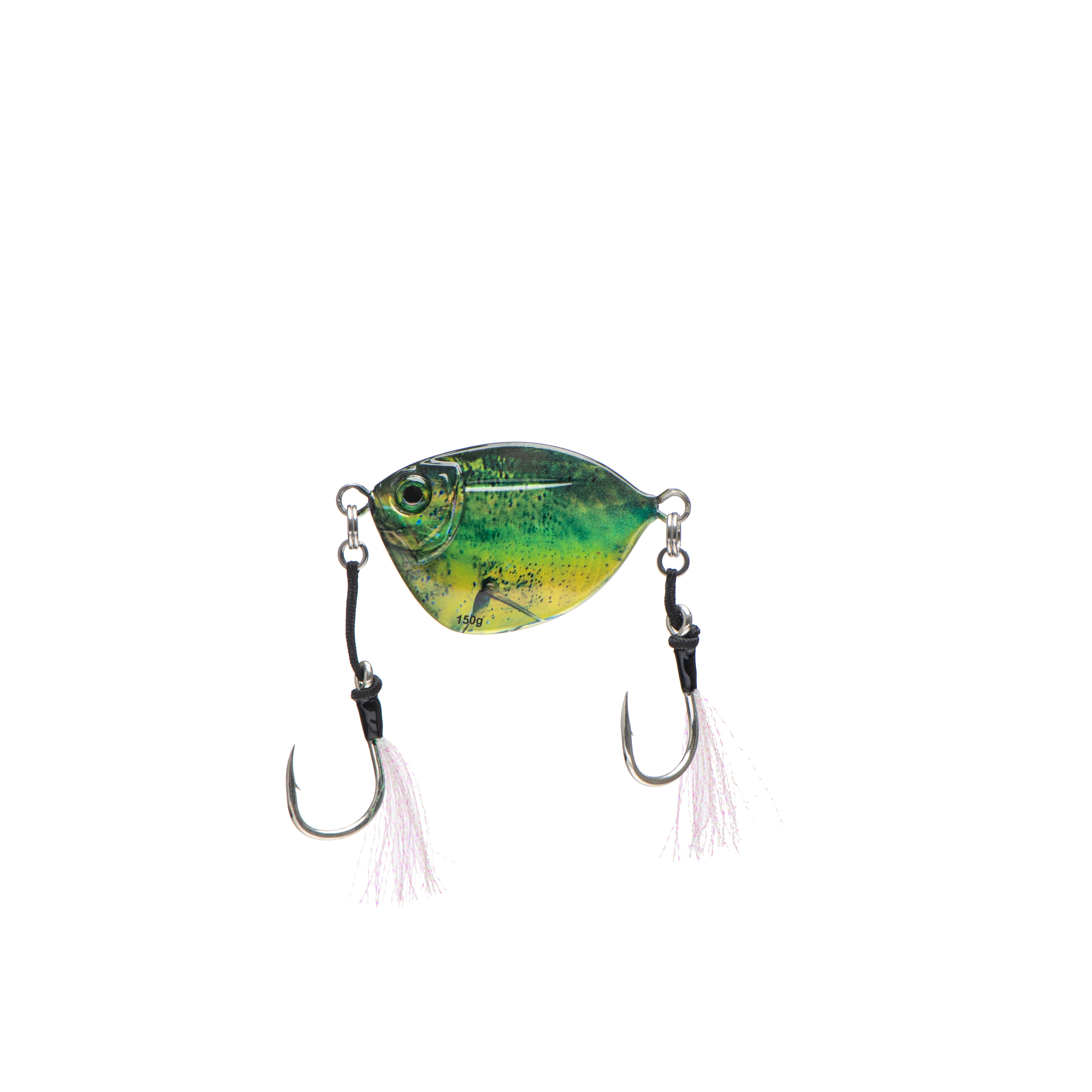
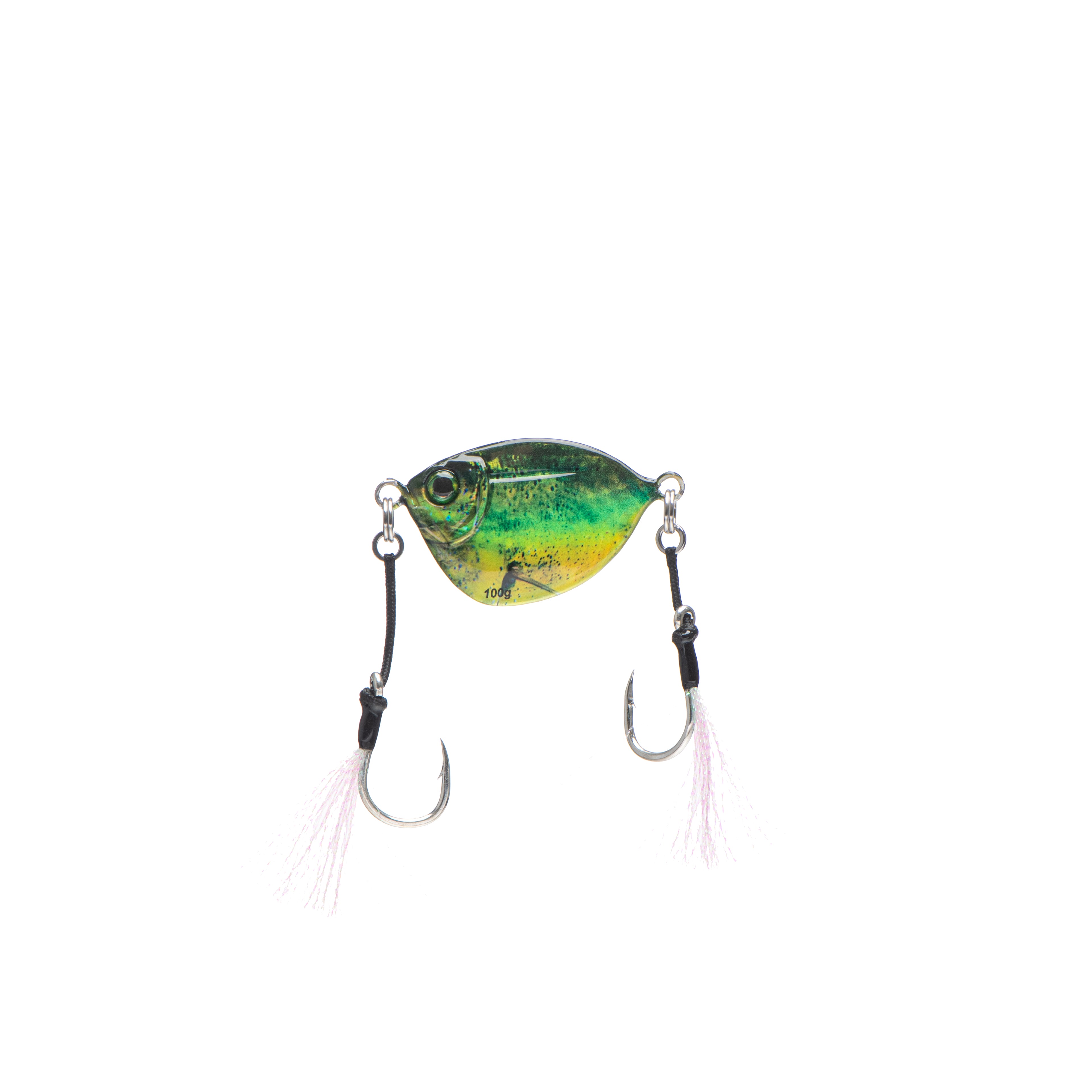
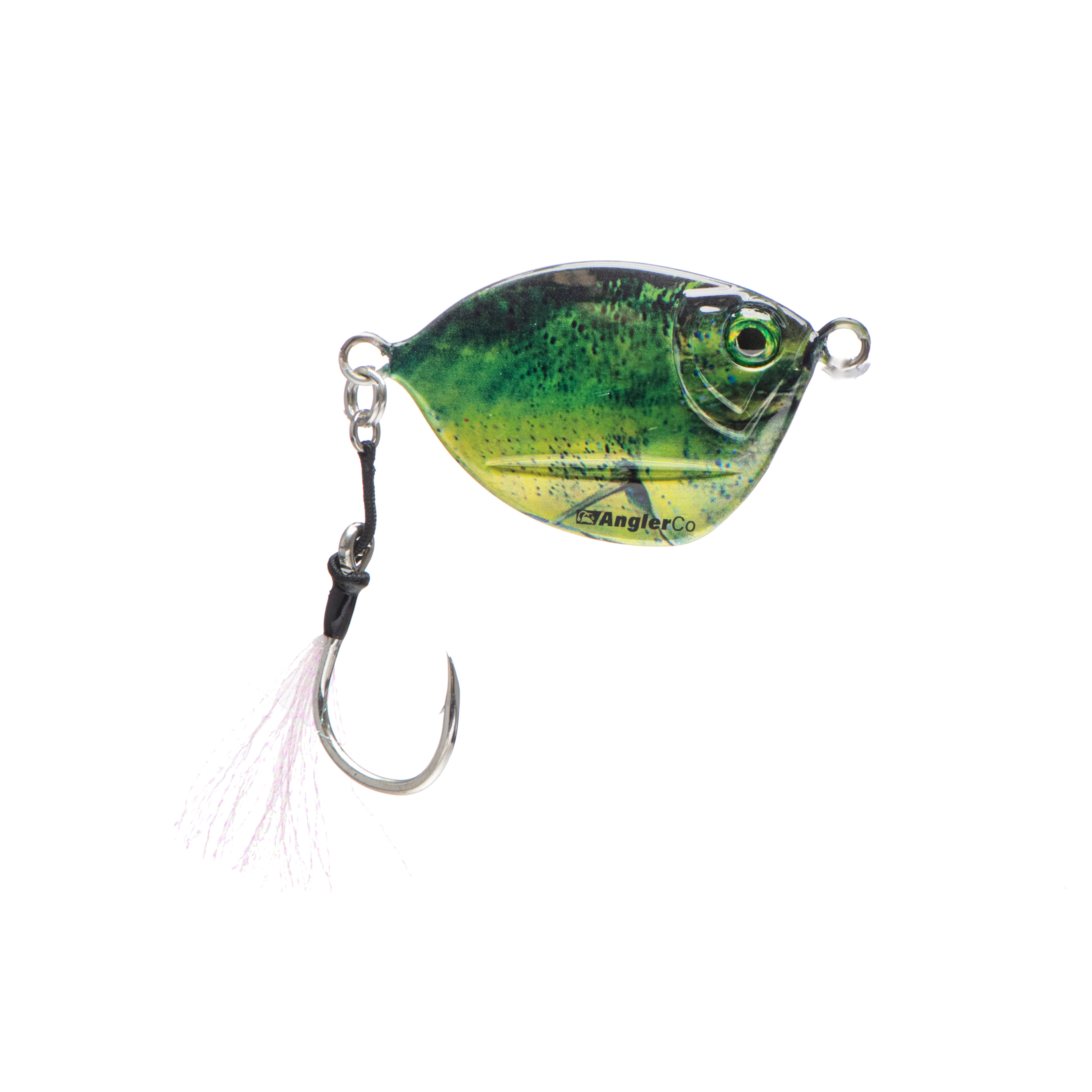
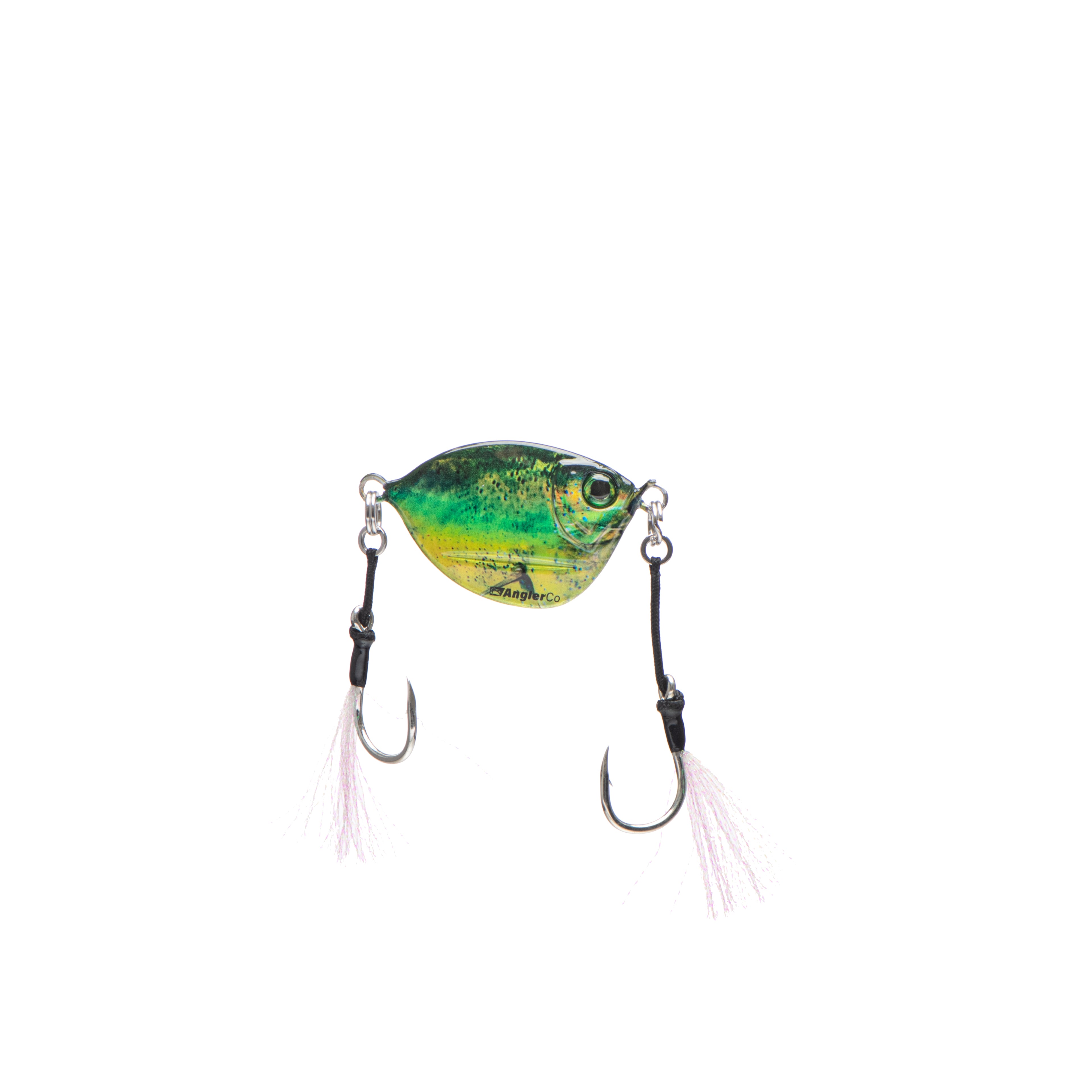



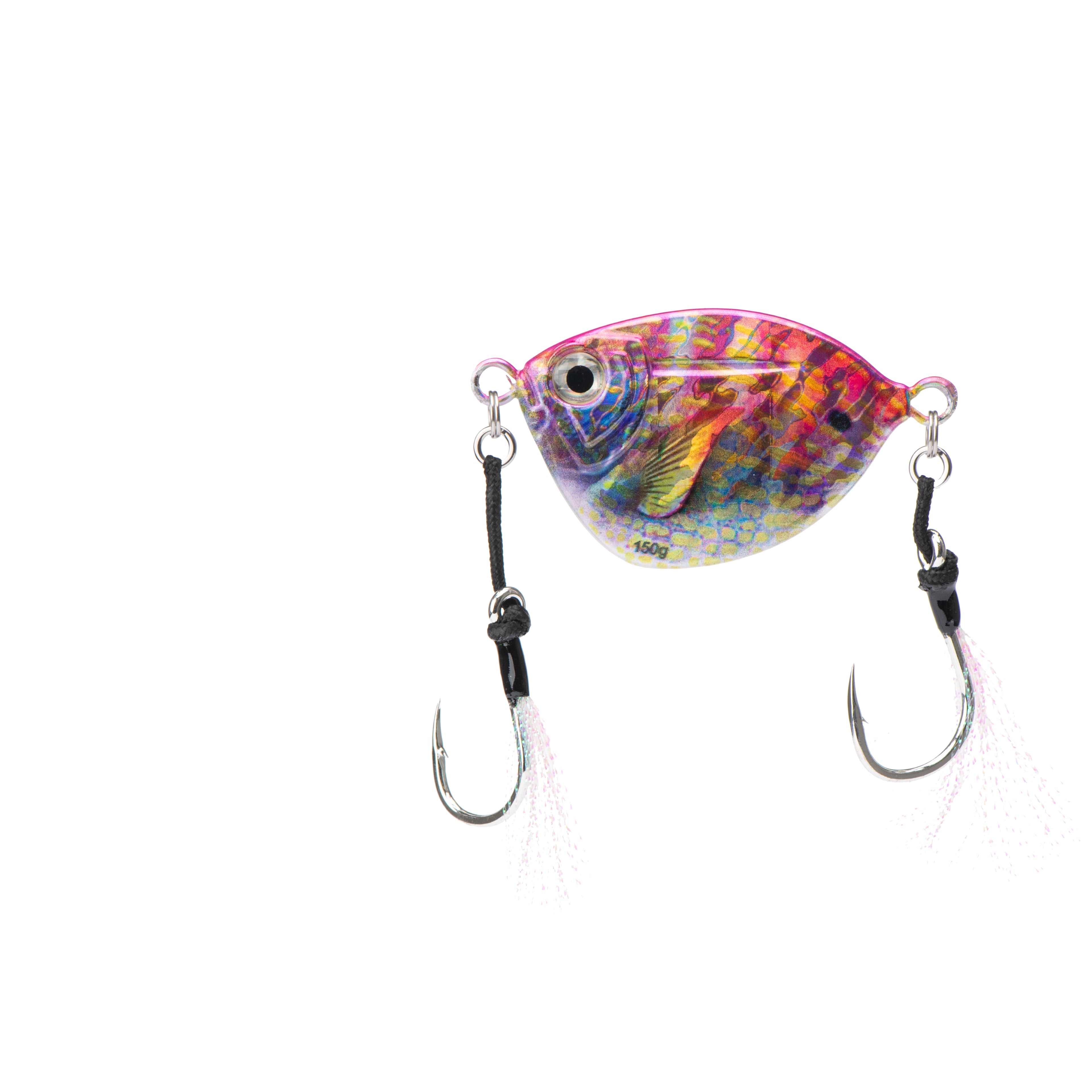
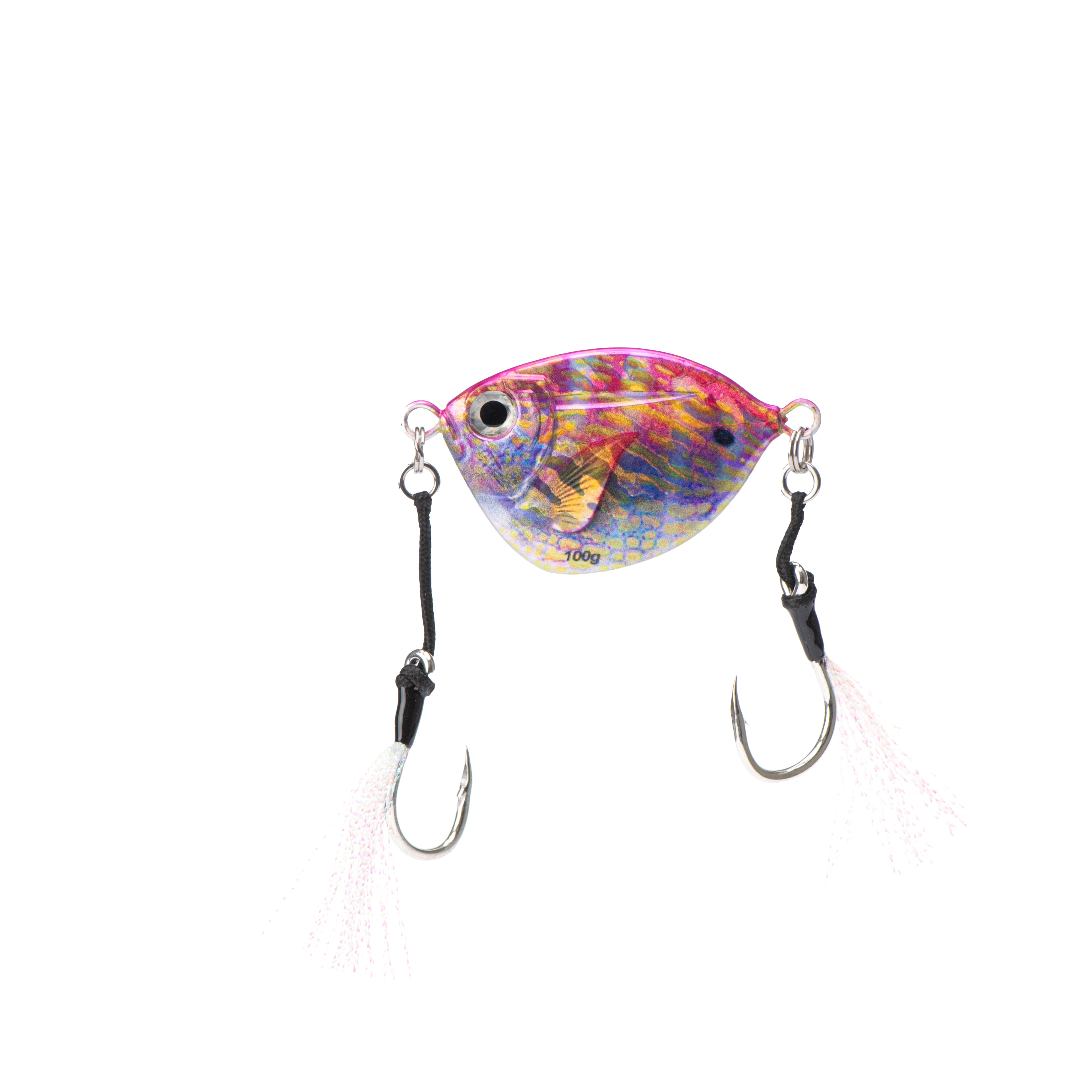
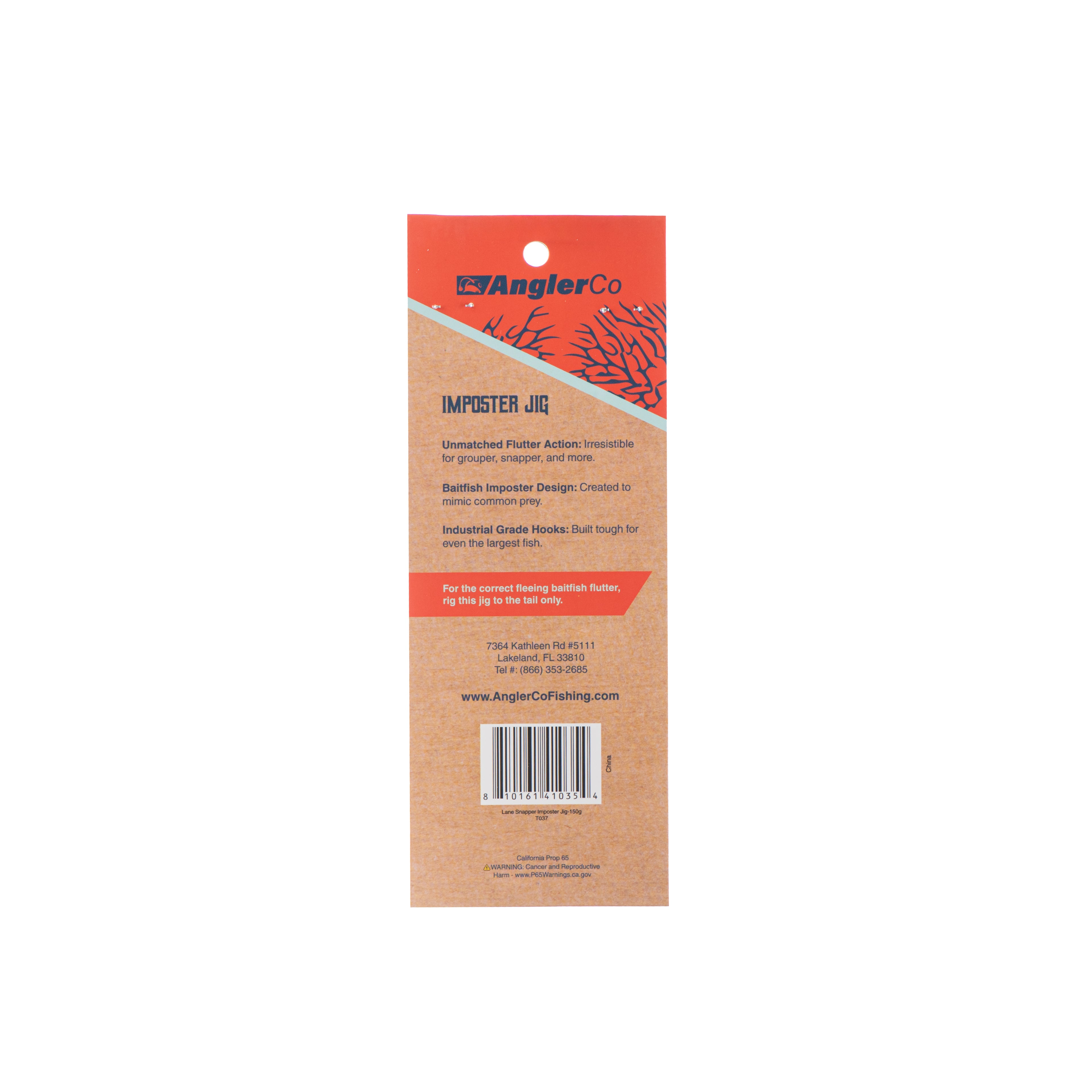
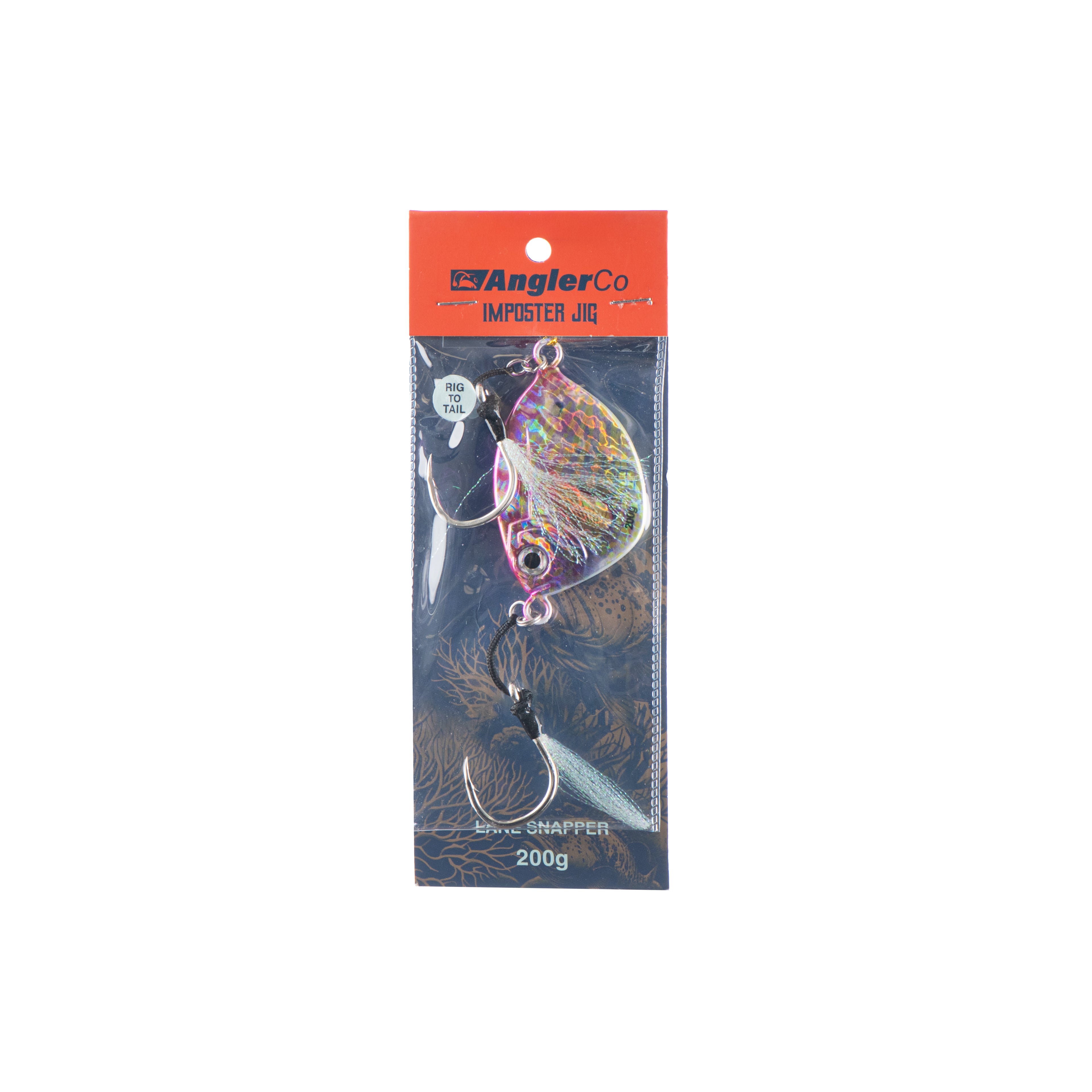
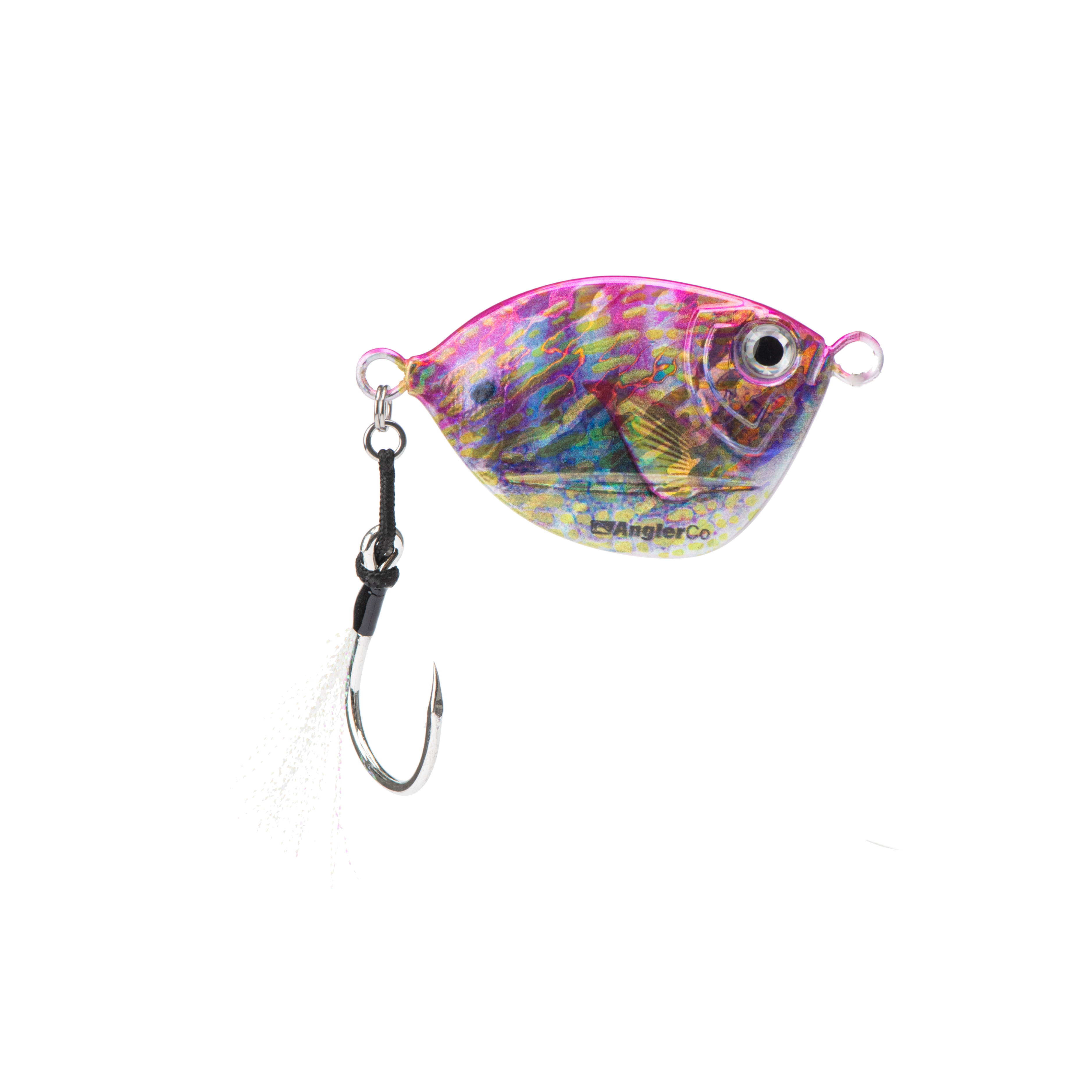
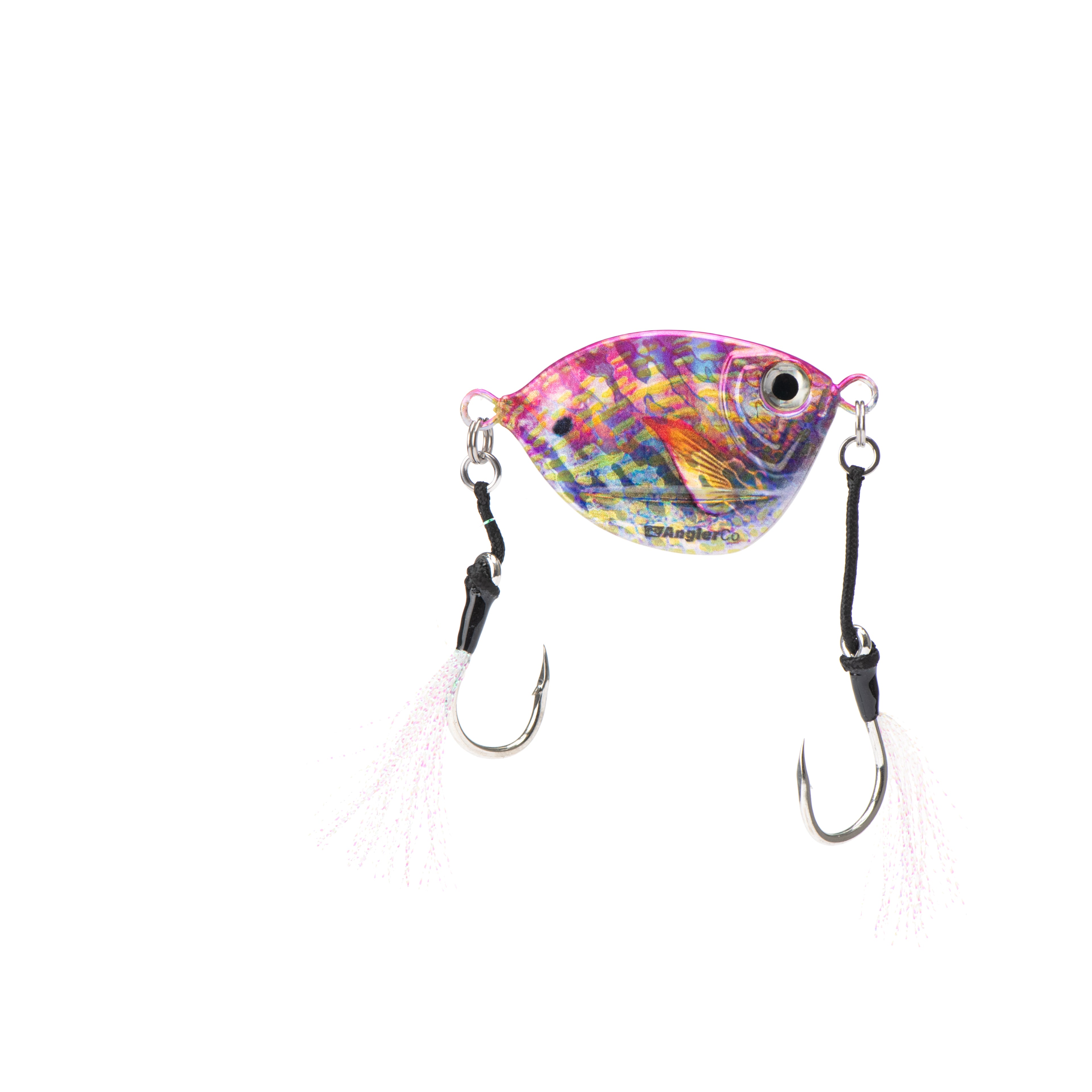
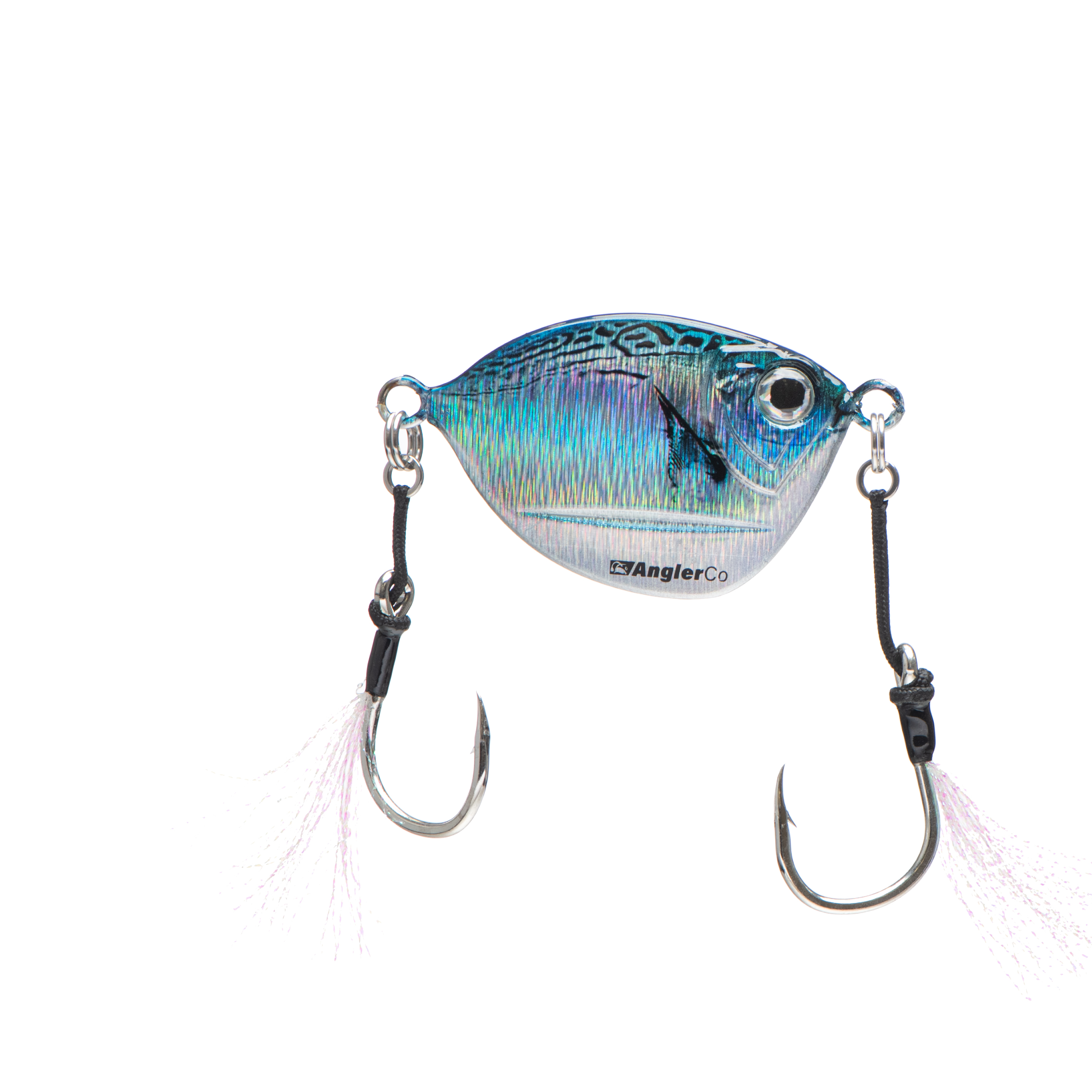
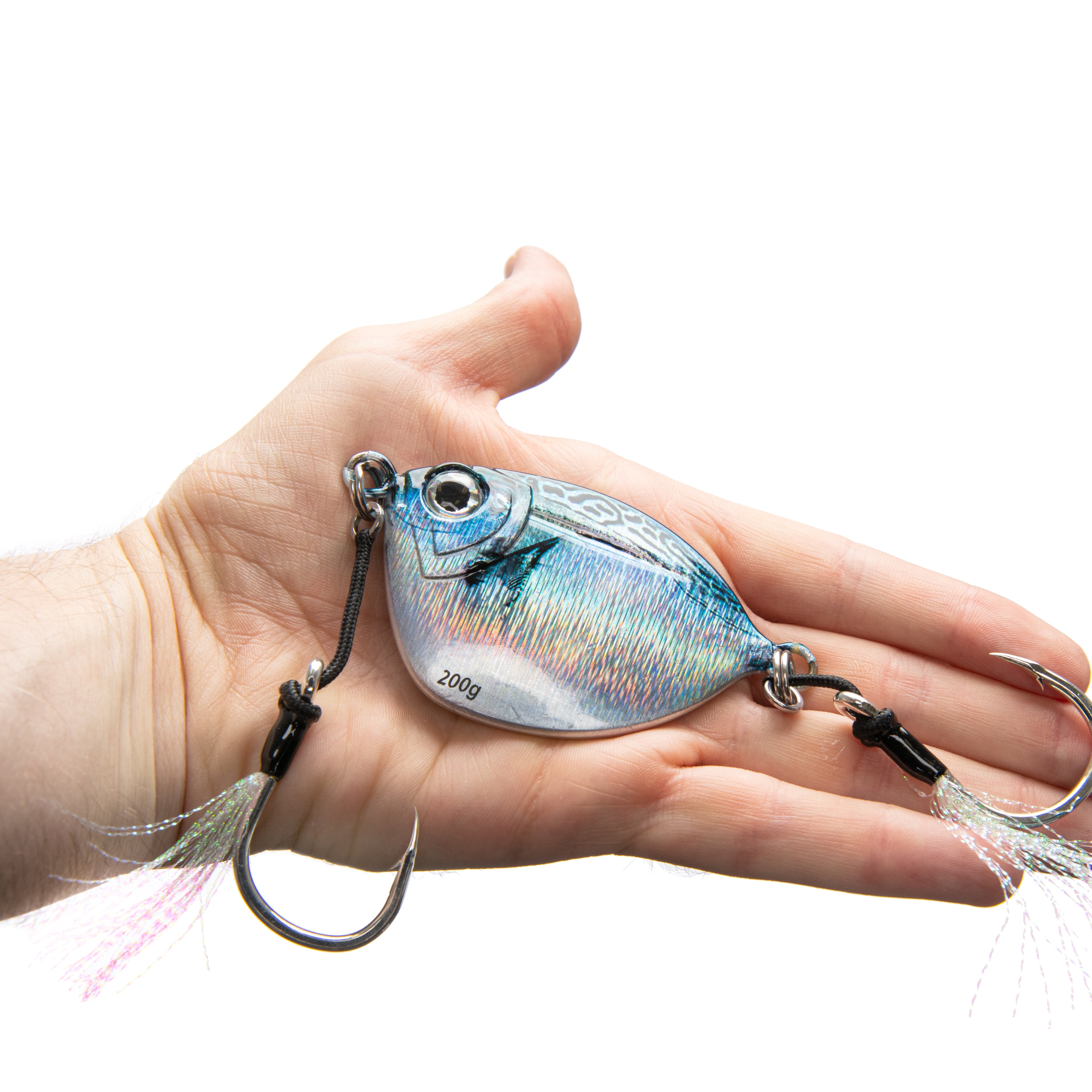






When you’re fishing deep reefs, rubble, and wreck edges for red snapper, details matter more than hype. Red snapper are aggressive by nature, but they’re also conditioned by pressure—boats, bait rigs, sinkers clanging bottom, and lures that fall wrong. On a busy piece of bottom, snapper learn fast. They’ll still show up on your sonar, still stack up under the boat, still hover in that 5–20 foot zone above structure… and then refuse to commit if what you’re dropping doesn’t look right. That’s why “good enough” presentations turn into long stretches of watching marks without feeling a thump. For consistent snapper hookups, your jig has to do three things at once: get down efficiently, stay in the strike window, and fall like real forage—not like a metal bar on a rope. If your jig doesn’t fall naturally, stay in the strike zone, and look like the baitfish snapper are already feeding on, you’ll get follows and pecks instead of that decisive, rod-loading eat.
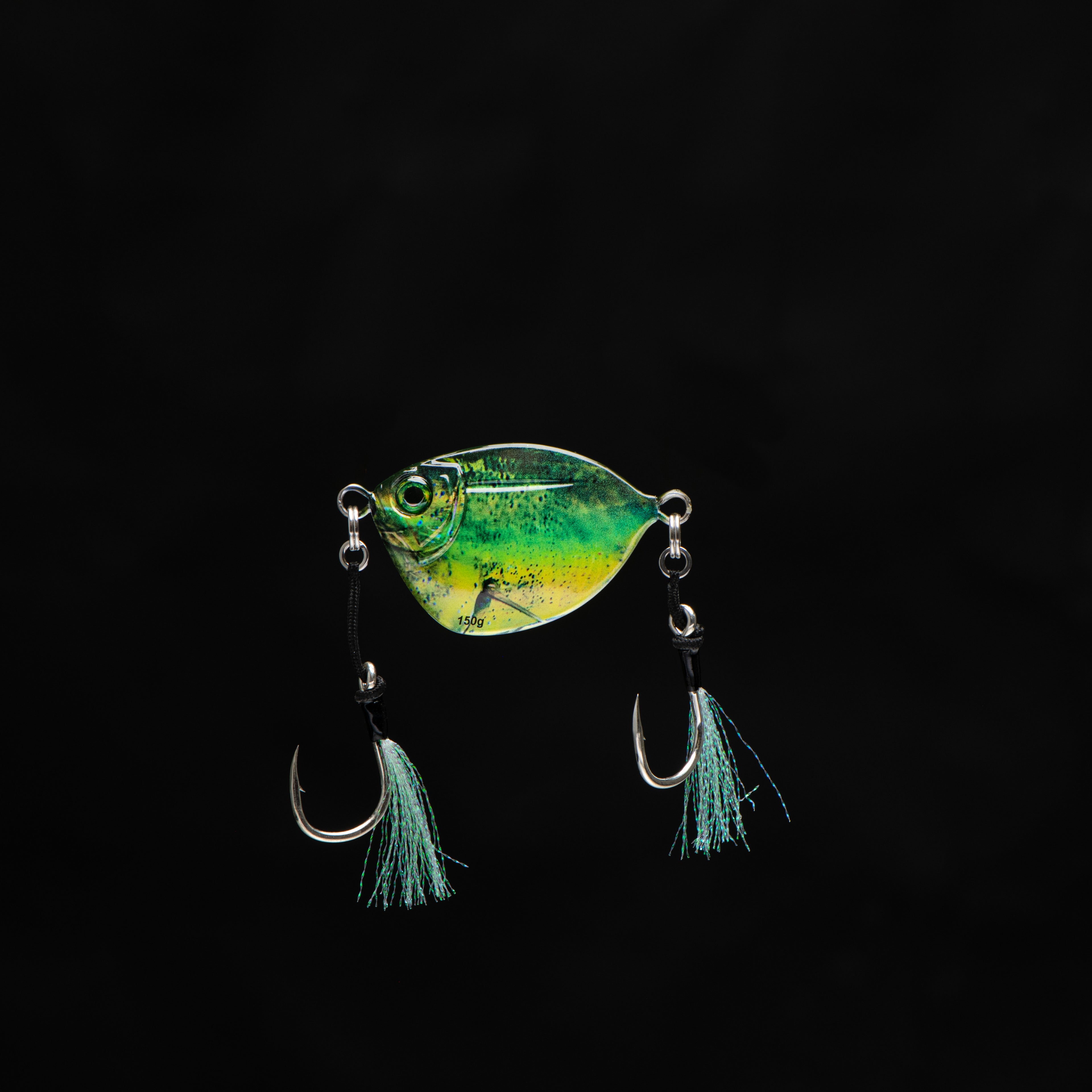
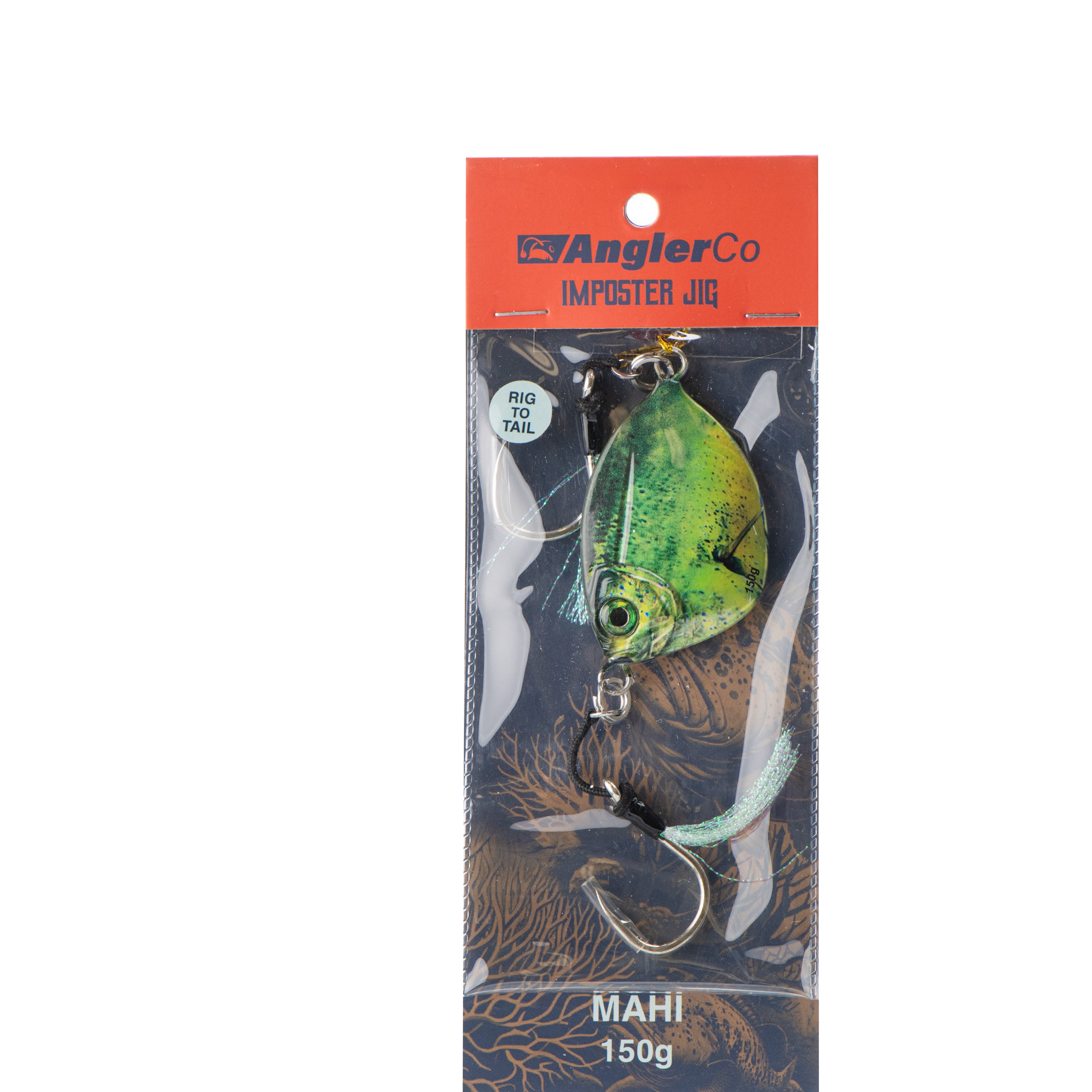
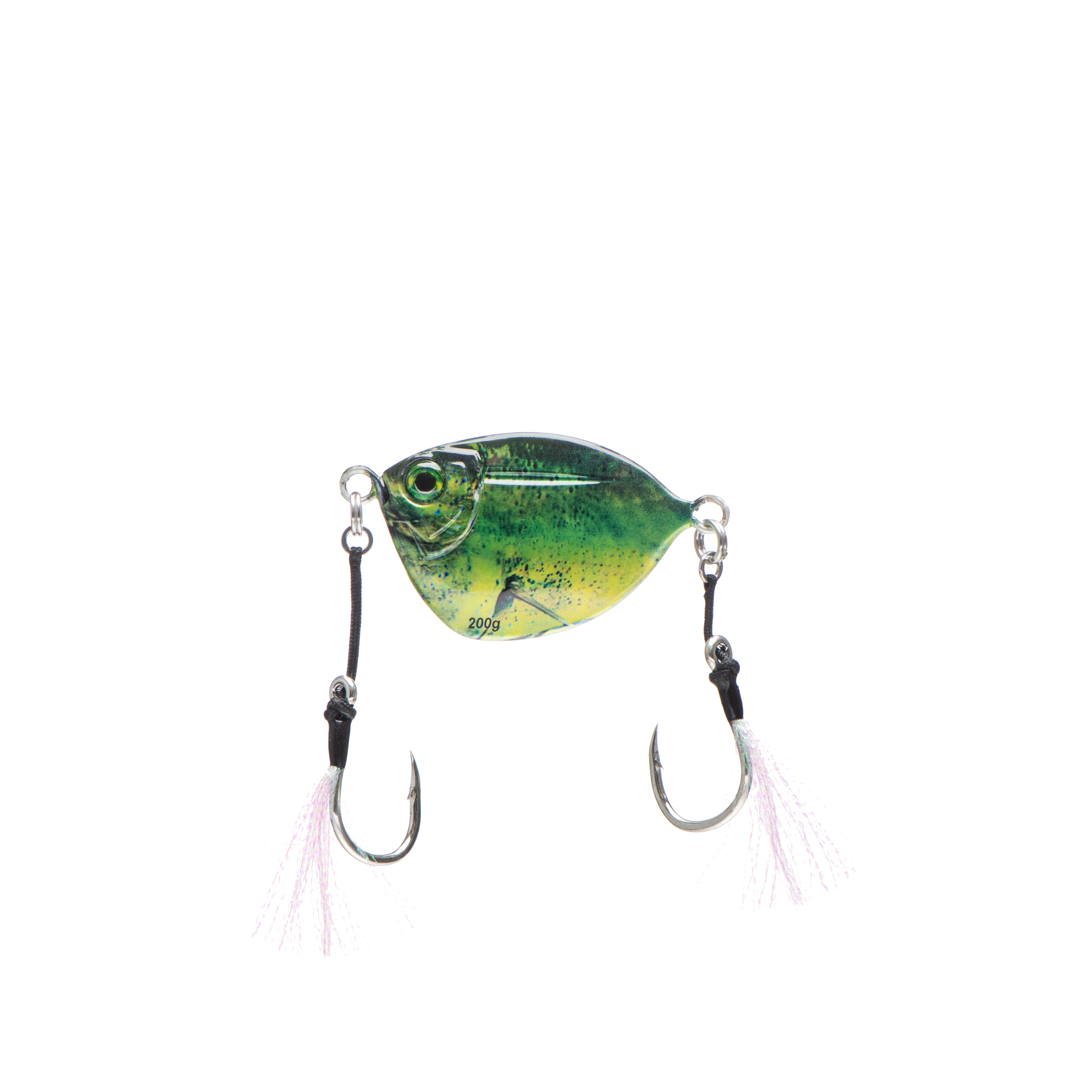
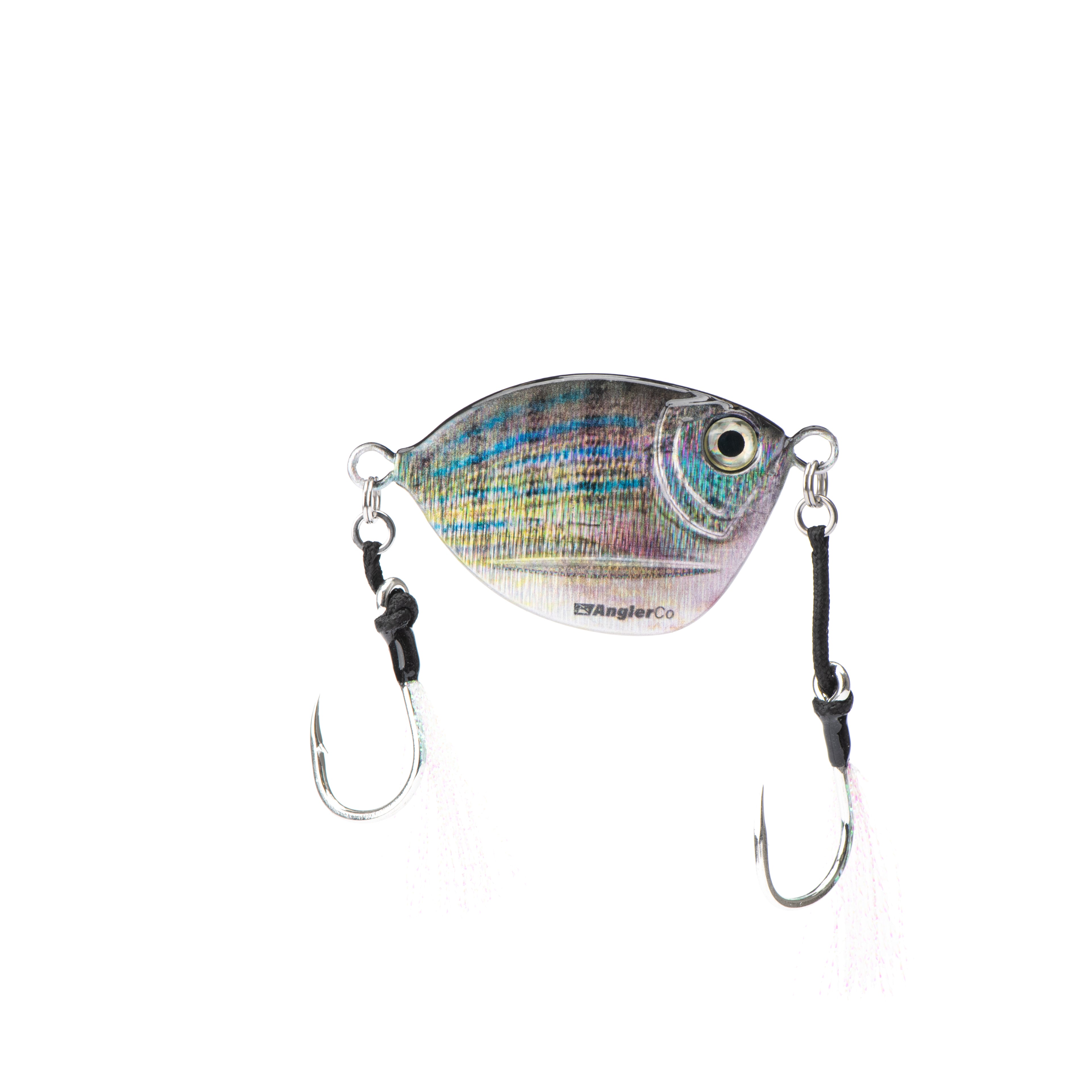
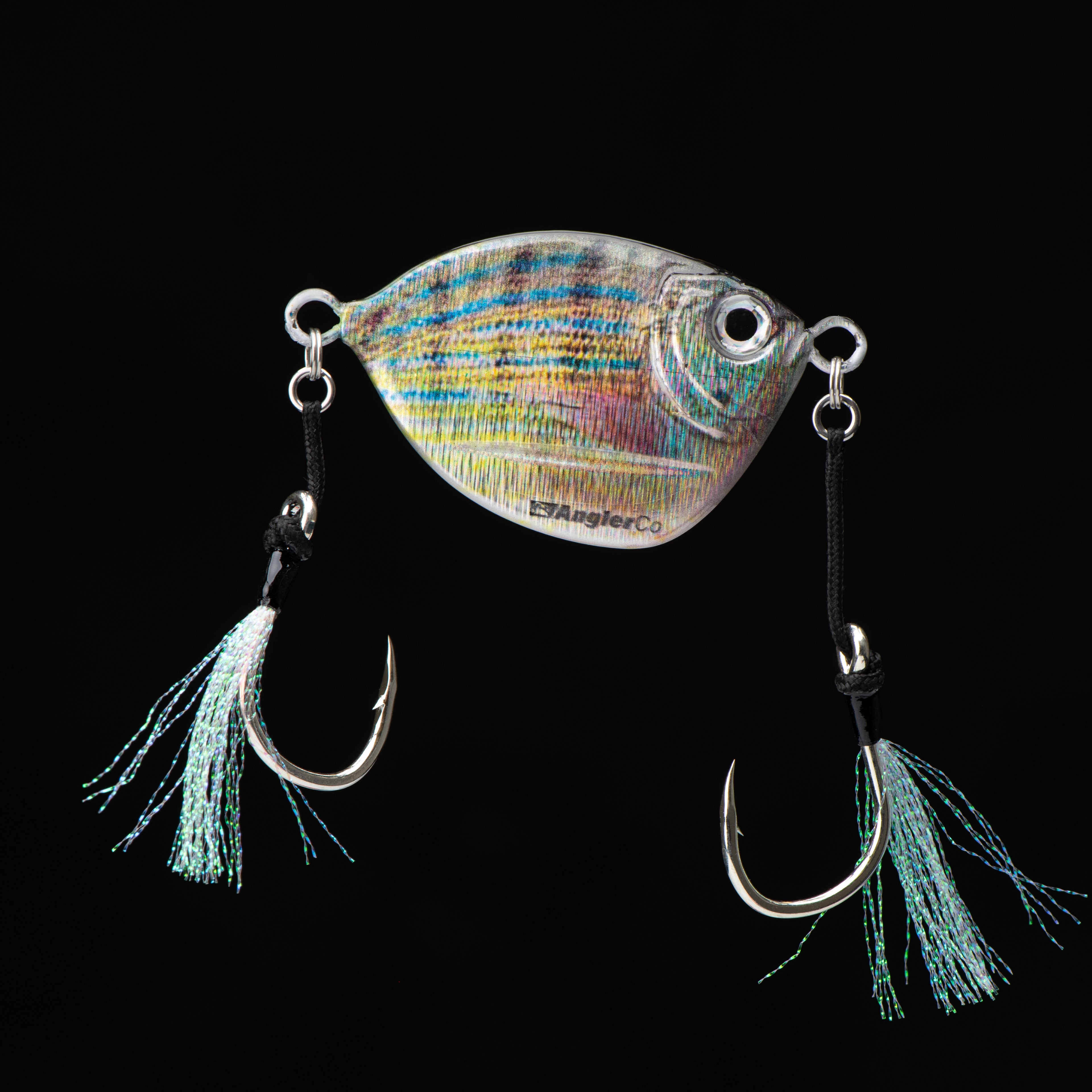
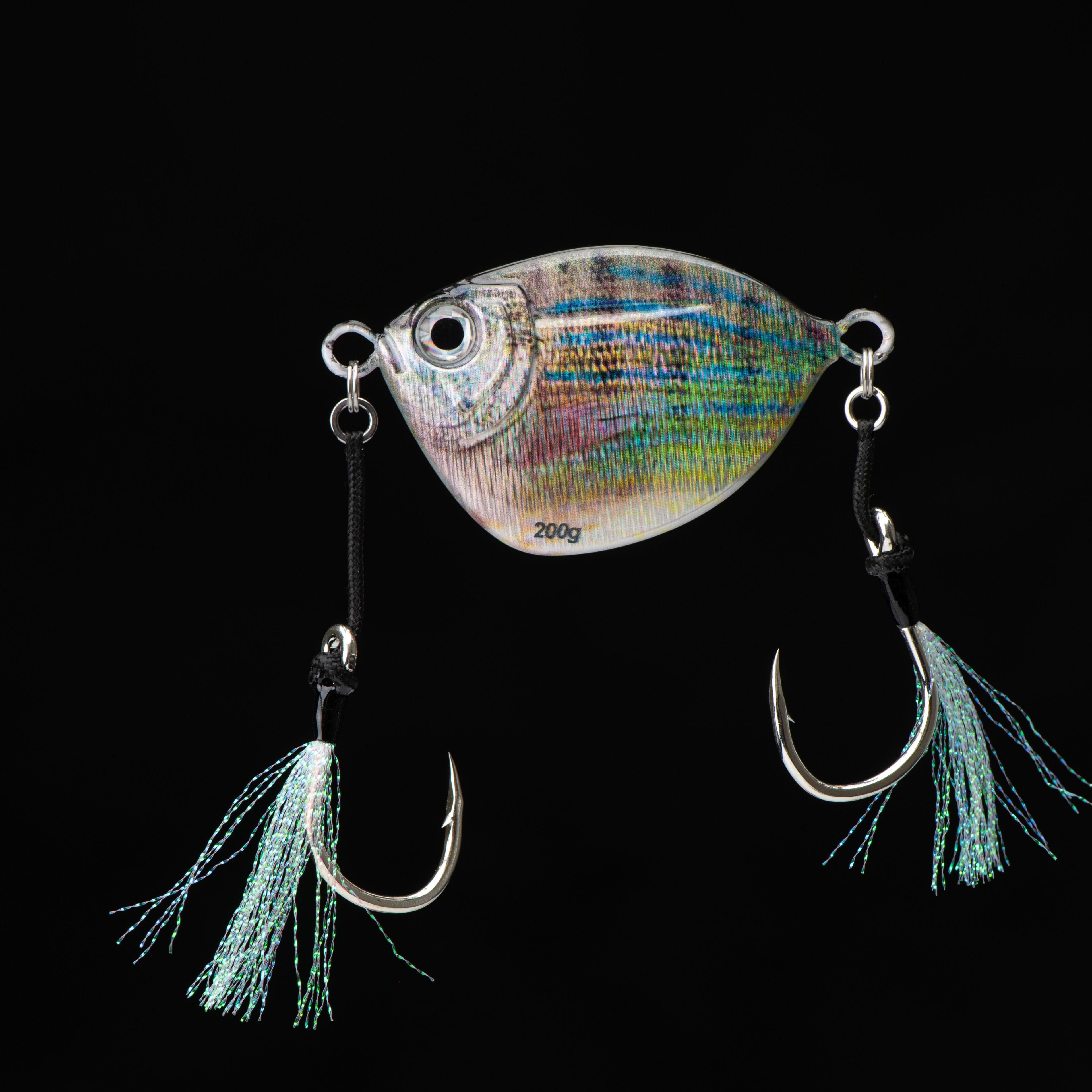
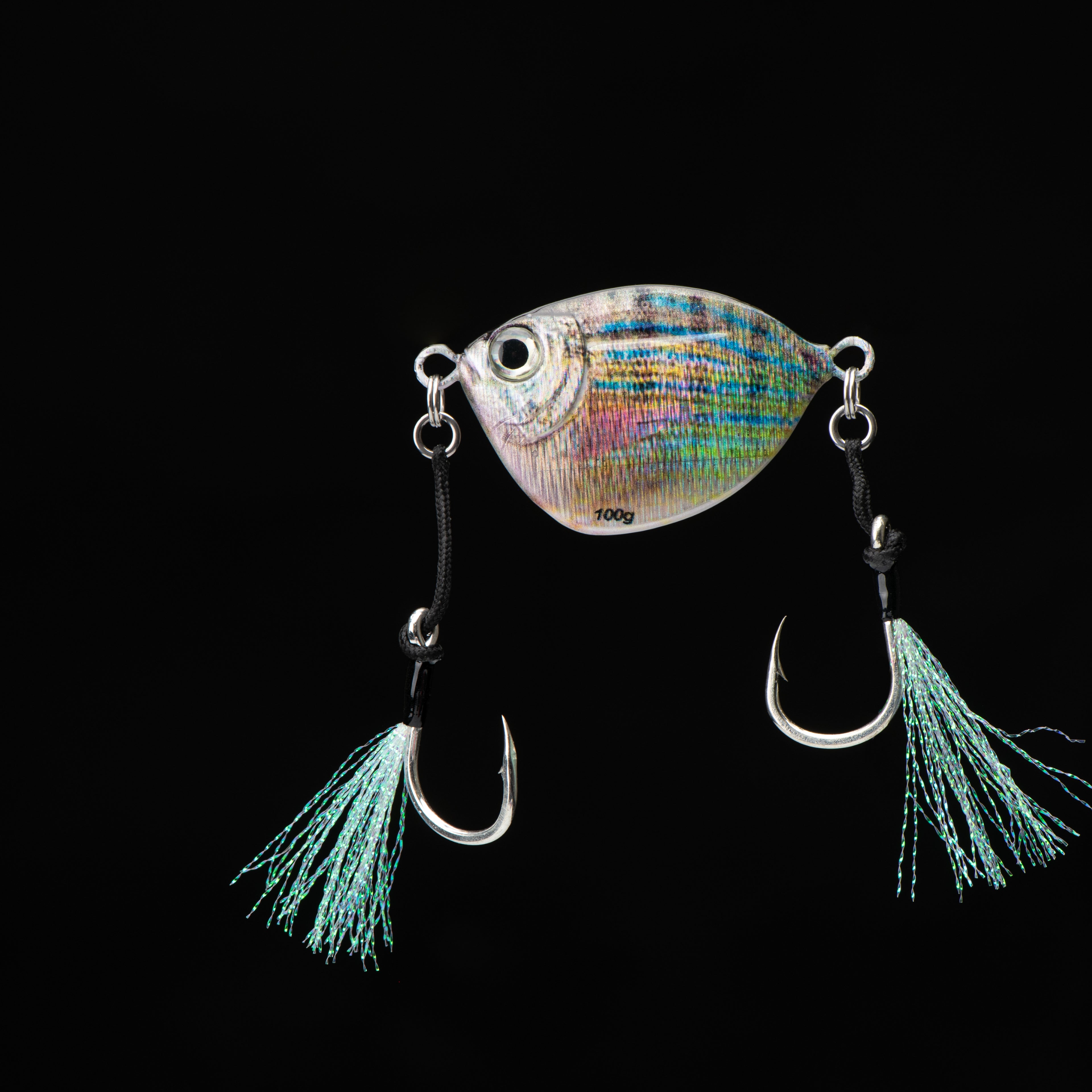
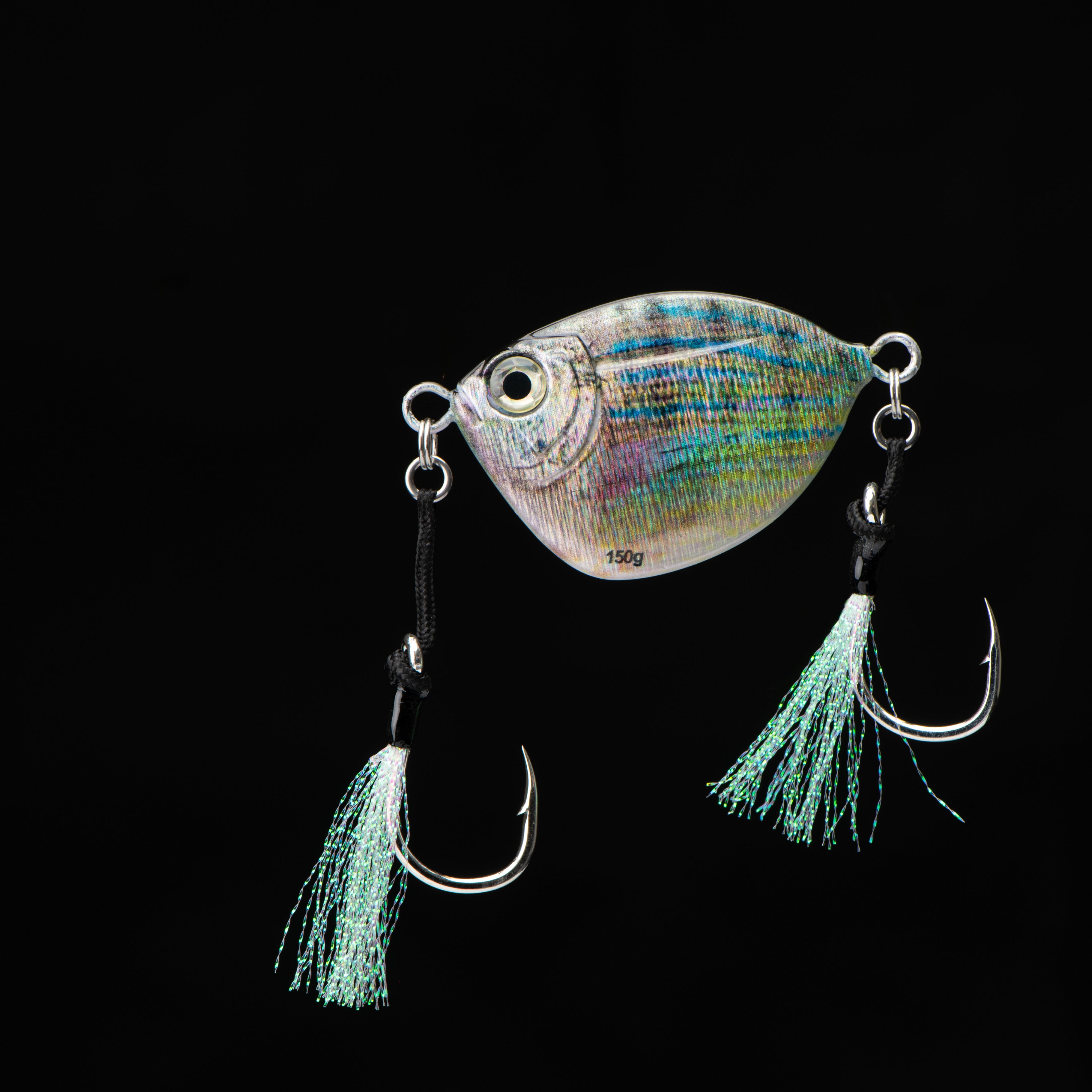
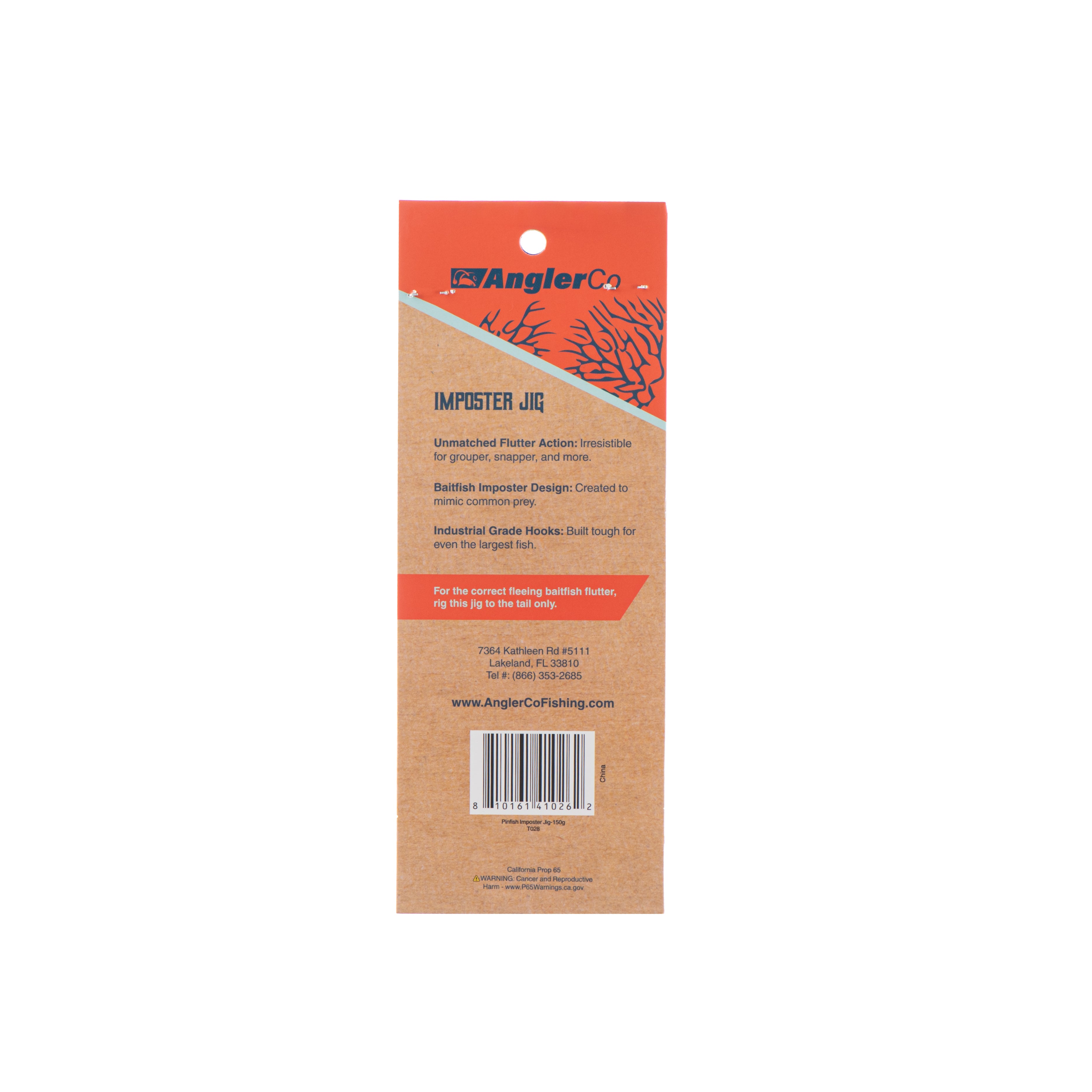
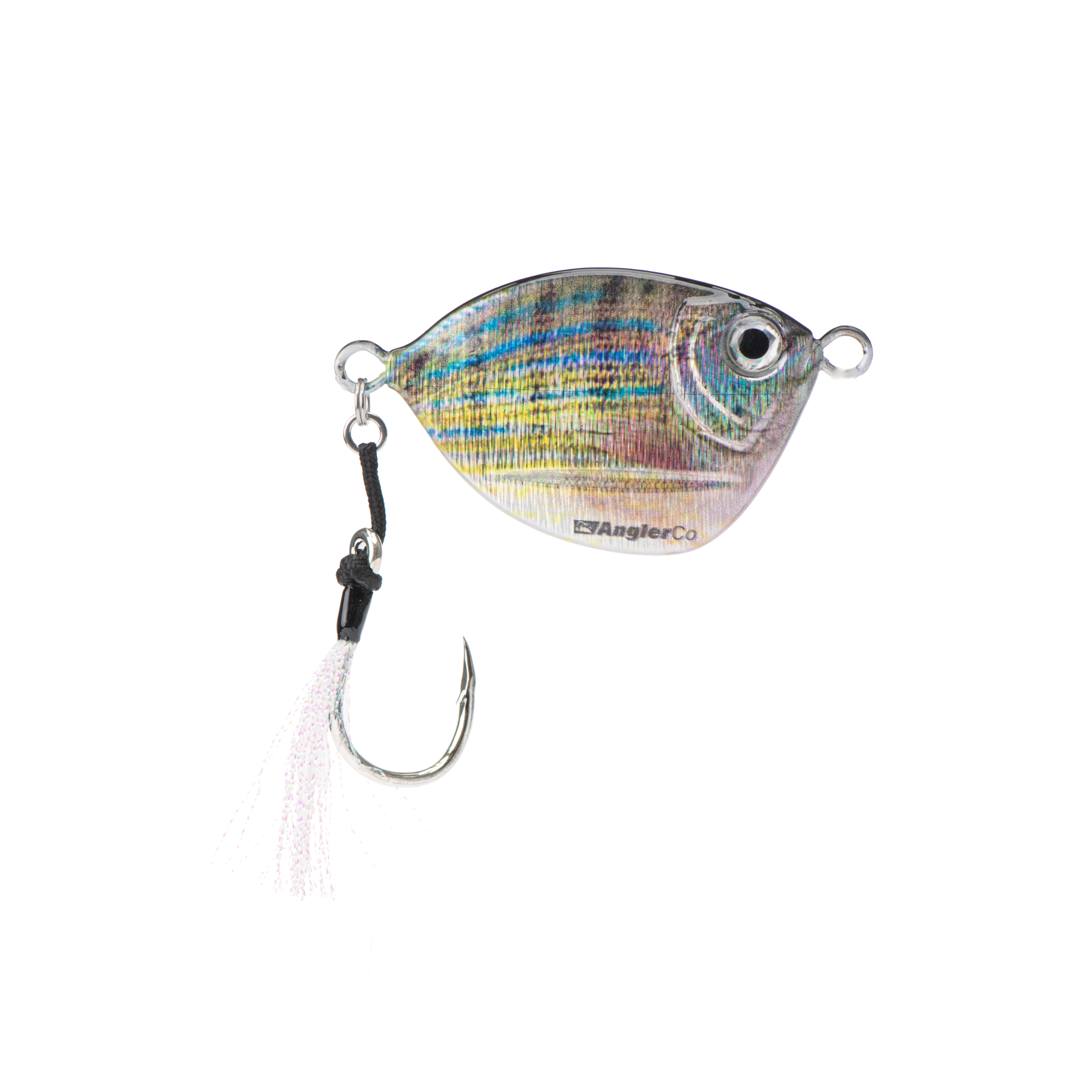
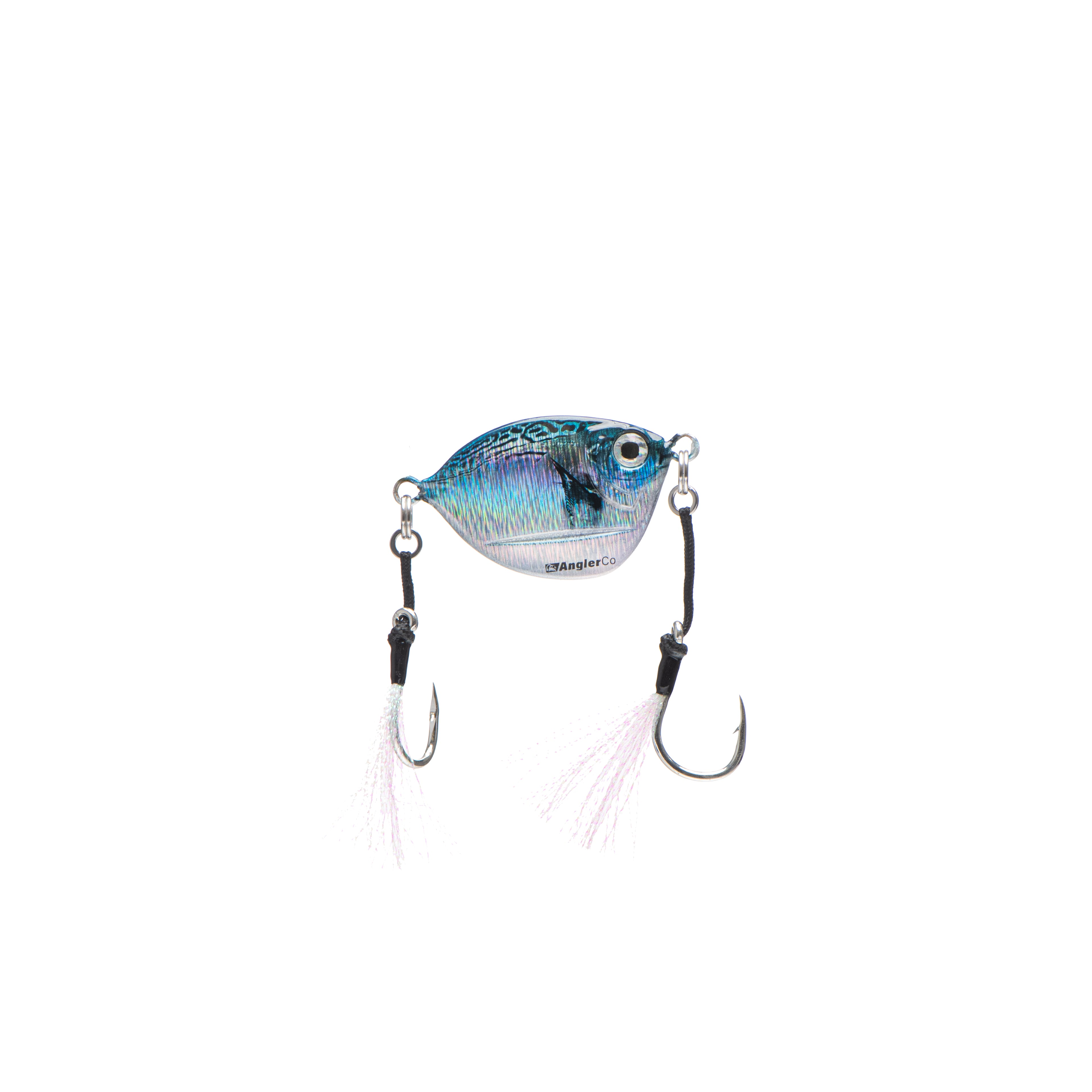
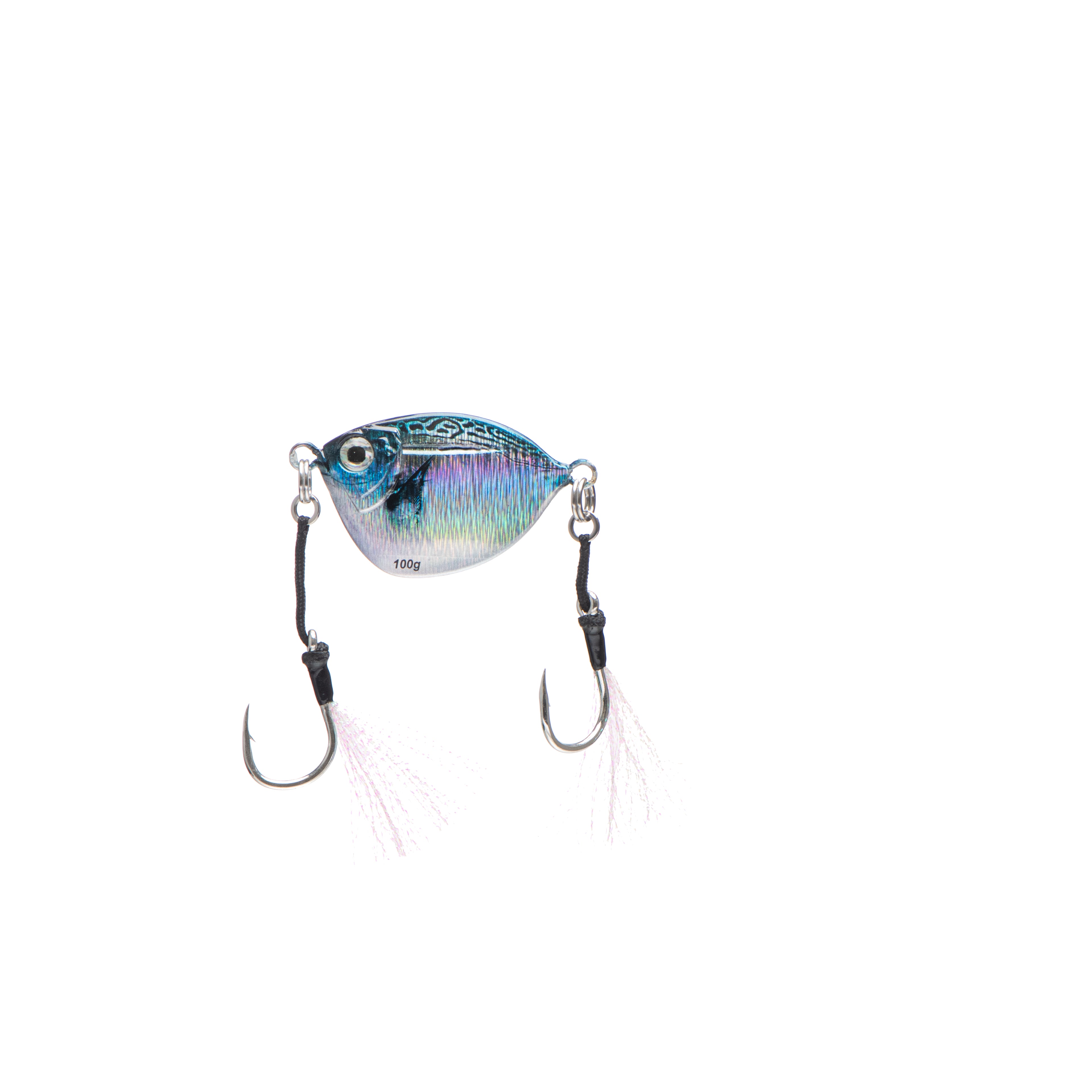
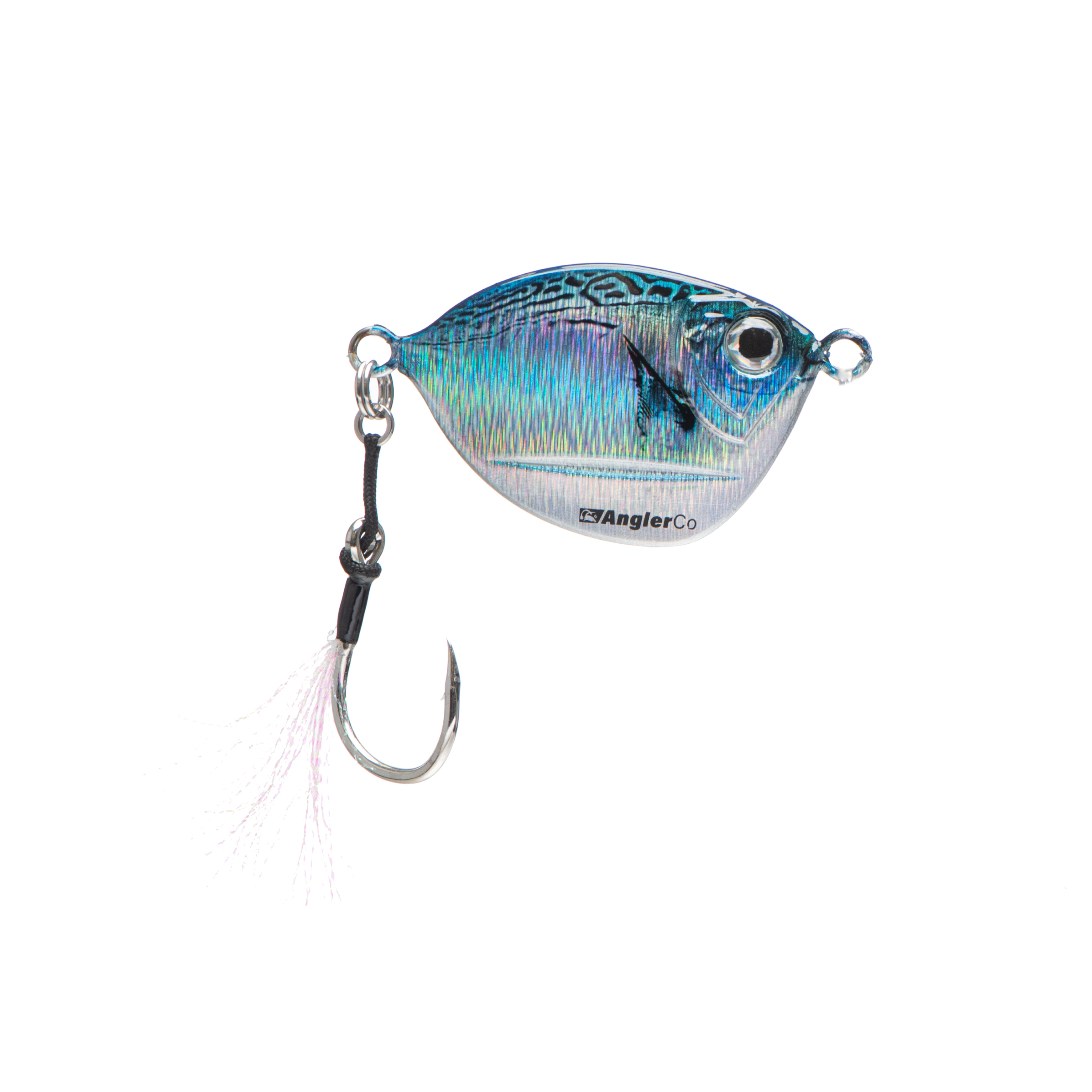
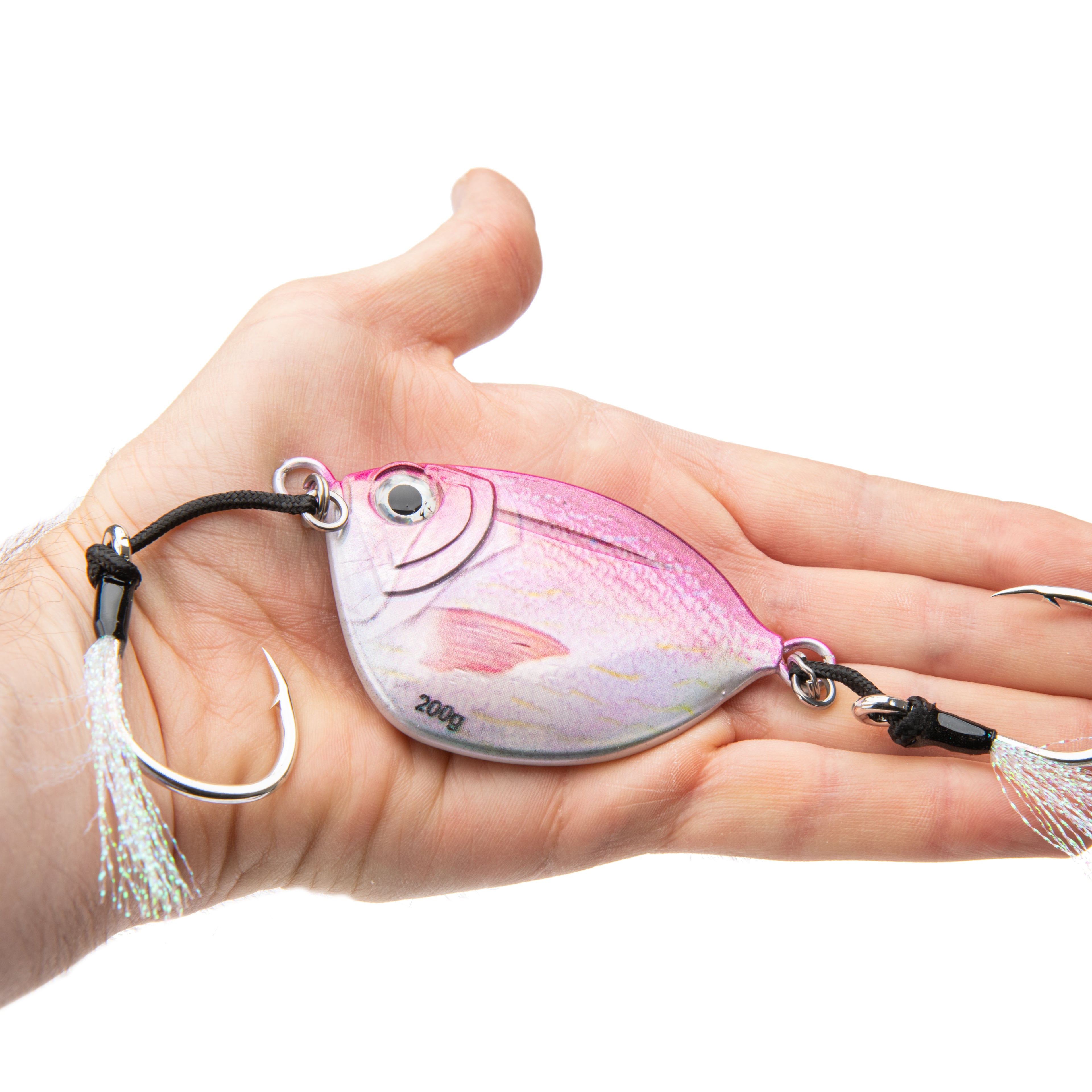
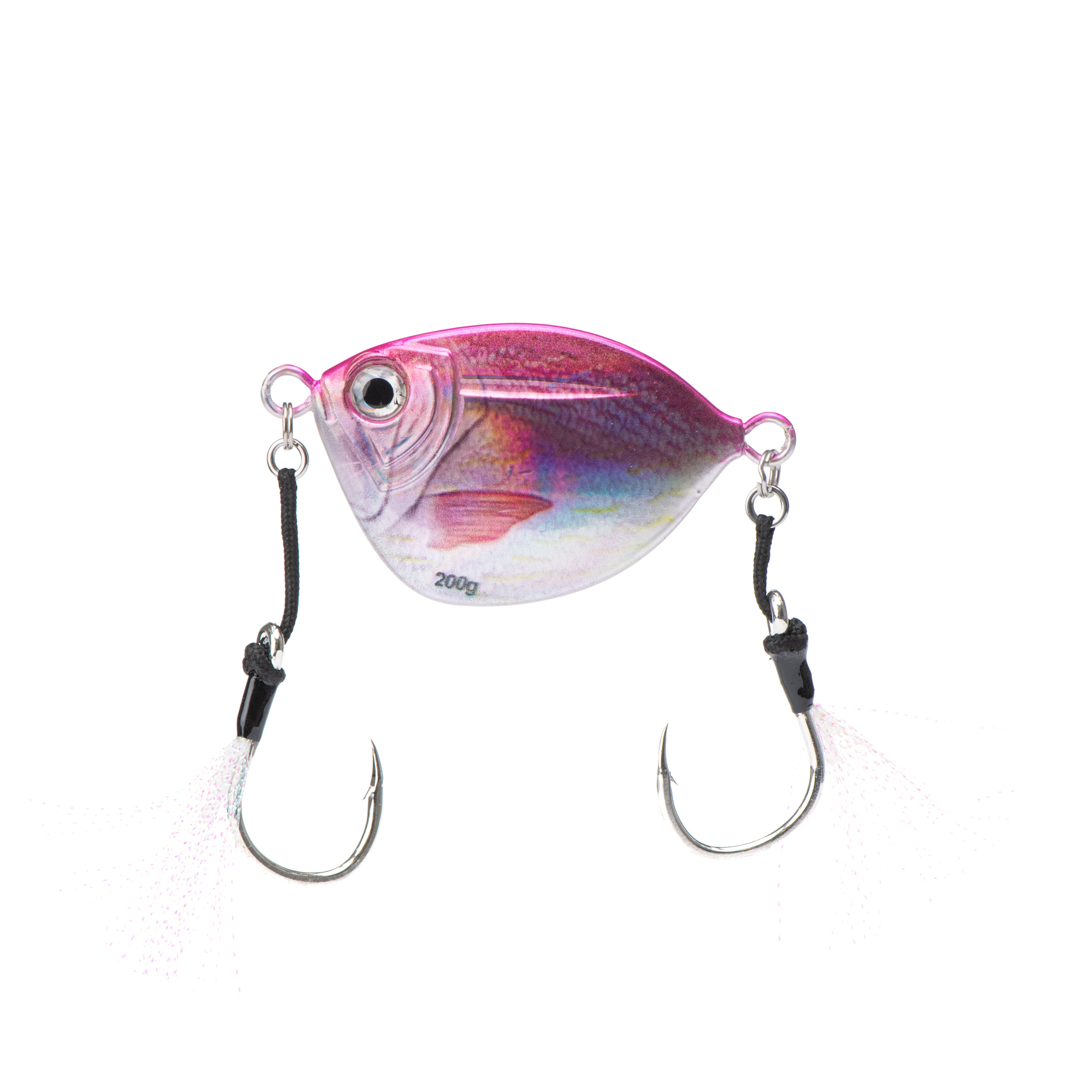
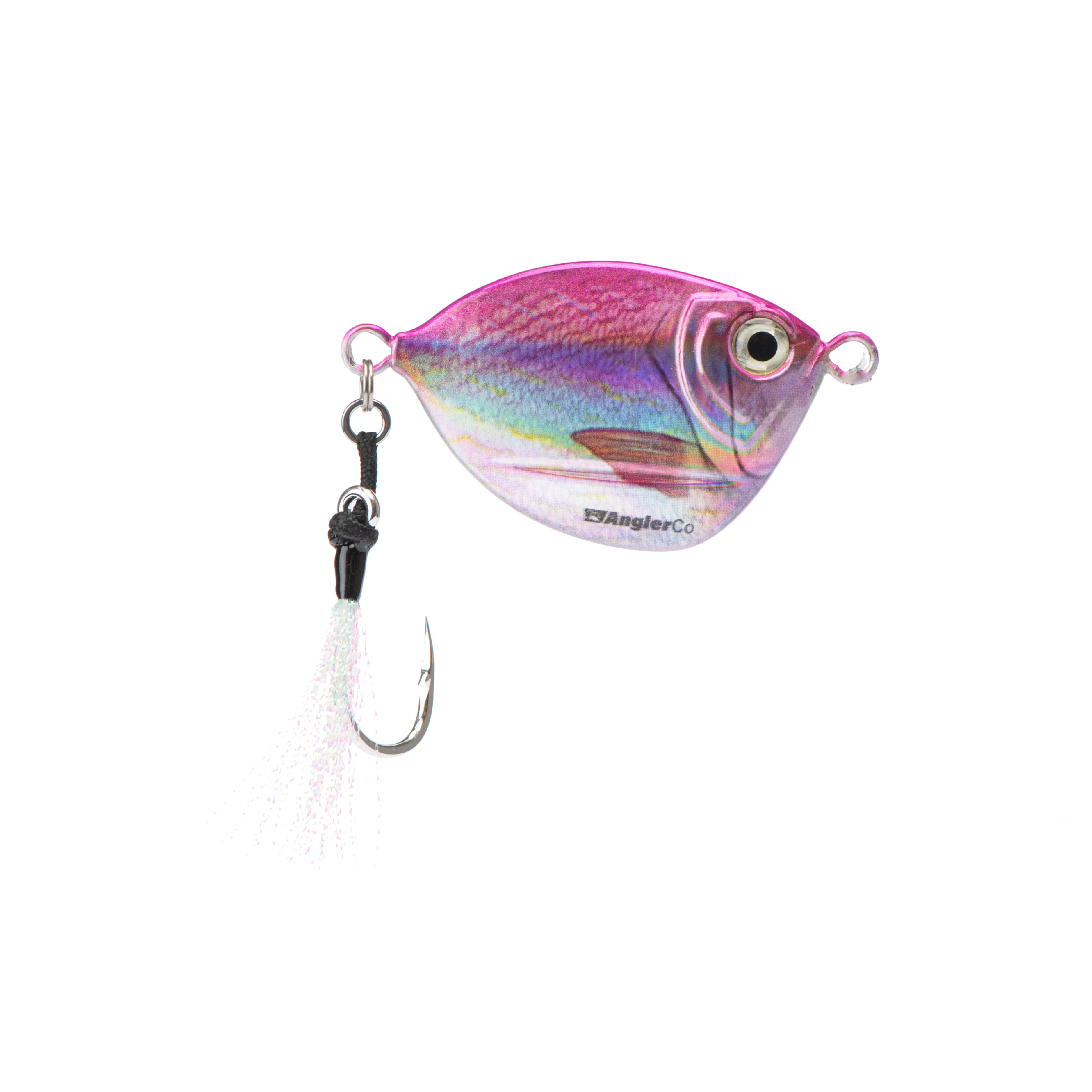
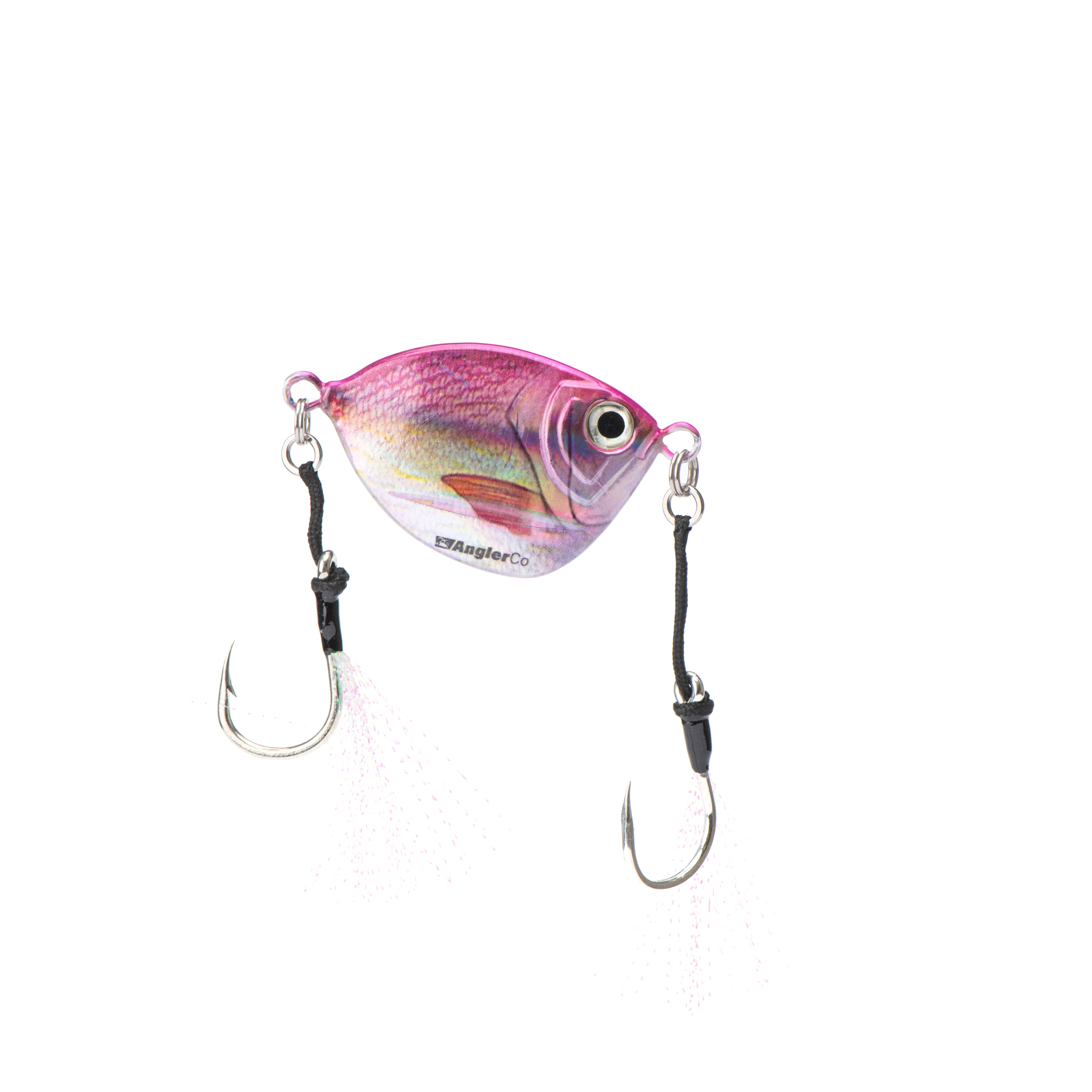
That’s why more offshore anglers are calling the AnglerCo Imposter Jig the best slow pitch jig for red snapper fishing. Not because it’s trendy—because it’s effective where snapper are actually caught: around hard bottom, current edges, and pressured reefs. The Imposter Jig is built for a controlled, balanced fall that triggers bites when a fast rip, a clunky drop, or a plain bait rig stops producing. If you’ve ever watched snapper follow your offering to mid-water and then fade away, slow pitch is the fix—and a properly balanced slow pitch jig is the difference between “they’re here” and “they’re eating.”
This guide breaks down why slow pitch jigging is so effective for red snapper, how to dial in weight, color, and cadence based on depth and current, and why the Imposter Jig has become a confidence lure for serious snapper anglers. You’ll learn how to keep your jig vertical, how to fish the fall (where most snapper bites happen), and how to pick the right pattern when the bite is easy versus when the fish are picky. If your goal is a cleaner bite window, better hook-up ratio, and a lure that keeps working after a full day of bottom contact, you’re in the right place.

Red snapper don’t hesitate when something looks like a real, vulnerable meal—and that’s the entire point of slow pitch. A snapper doesn’t need you to “work” a lure like a maniac; it needs a reason to commit. The Imposter Jig earns its reputation because it produces bites on the fall—the exact moment snapper are most likely to strike. That fall is where the illusion happens: a baitfish fluttering down, wounded or separated, losing control in the current. When your jig flutters and rolls naturally instead of spiraling or dropping dead, snapper don’t just nip… they eat. That’s why anglers who switch to a balanced slow pitch profile often feel like they “found the cheat code” for snapper—especially on days when bait rigs are getting picked clean by small fish or the snapper are just window shopping beneath the boat.
Why Slow Pitch Jigging Is So Effective for Red Snapper
Red snapper are structure-oriented feeders that hover just off bottom, watching for baitfish to drift past, panic, or separate from the school. They’re not always chasing at full speed. A lot of snapper feeding is opportunistic: “If it’s easy, eat it now.” That’s why a slow pitch jig is such a natural fit. It mimics the exact type of prey that snapper pick off every day—injured baitfish, small snapper species, and reef forage that flutters and stalls in the water column. When you give snapper that slow, controlled fall, you’re showing them an easy target in a tight window right over the structure they live on.
Slow pitch jigging keeps your lure in that critical zone longer. Instead of ripping a jig straight up and out of the strike window, you’re cycling a controlled lift-and-fall that repeats in the same vertical corridor. That’s huge on snapper because they often “track” a lure for a few seconds before committing. The controlled lift draws attention. The controlled fall seals the deal. And because the best slow pitch jig for red snapper fishing is designed to flutter on semi-slack line, it looks natural even when you’re not actively moving it. On days with current, that flutter is exactly what turns a look into a bite.
Key advantages of slow pitch jigging for red snapper:
- Extended time in the strike zone above reefs and wrecks, so snapper have more chances to commit instead of watching your lure zip away.
- Natural flutter that pressured snapper trust, especially when they’ve seen every bait rig and “speed jig” trick in the book.
- High bite percentage on the fall because the lure looks like a wounded baitfish losing control—snapper react fast to that.
- Deadly when fish ignore bait rigs or when small fish are stealing baits; metal doesn’t get stripped, and the action stays consistent drop after drop.
Without proper balance, that presentation disappears—and so do the bites. The difference between “slow pitch” and “just dropping metal” is the fall. If your jig spirals, helicopters, or plummets nose-first, it stops looking like prey and starts looking like hardware. A truly balanced jig keeps doing the convincing work for you, even when you’re tired, even when the boat swings, even when the current changes. That’s why jig design matters more for snapper than most anglers realize.

What Makes the Best Slow Pitch Jig for Red Snapper?
Red snapper expose flaws fast. Poor balance, incorrect weight, and unrealistic color choices show up as short strikes, tail swipes, or a complete refusal to eat. A true snapper jig needs to fall right, flutter correctly, and match the forage snapper see every day—especially on reefs that get hammered during season. The best slow pitch jig for red snapper fishing is the one that stays in control at depth, doesn’t line-bow into useless angles, and keeps its action when conditions get ugly. When you combine that with patterns that resemble common reef bait, you get a lure that turns electronics into fish in the box.
1. Perfect Balance on the Fall
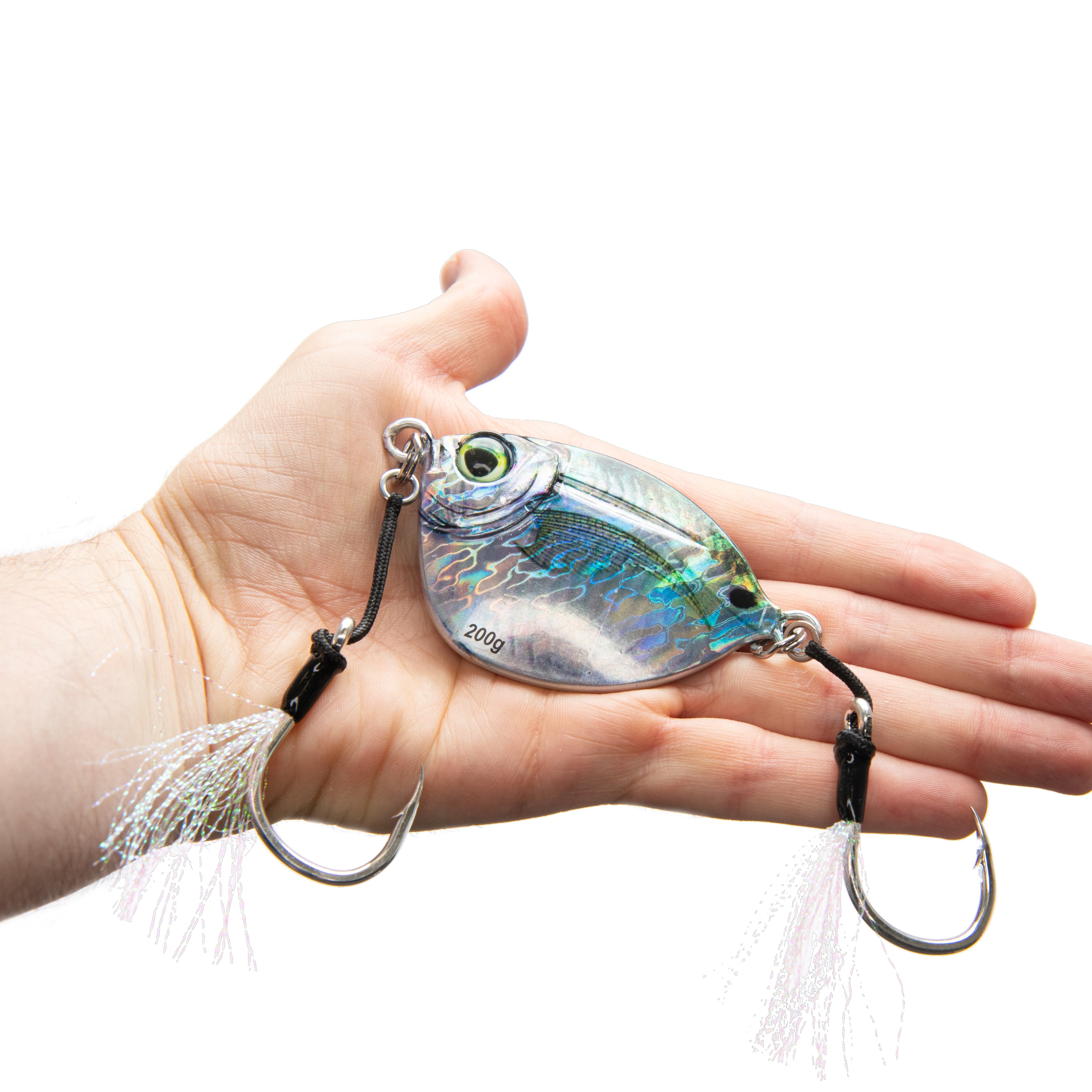
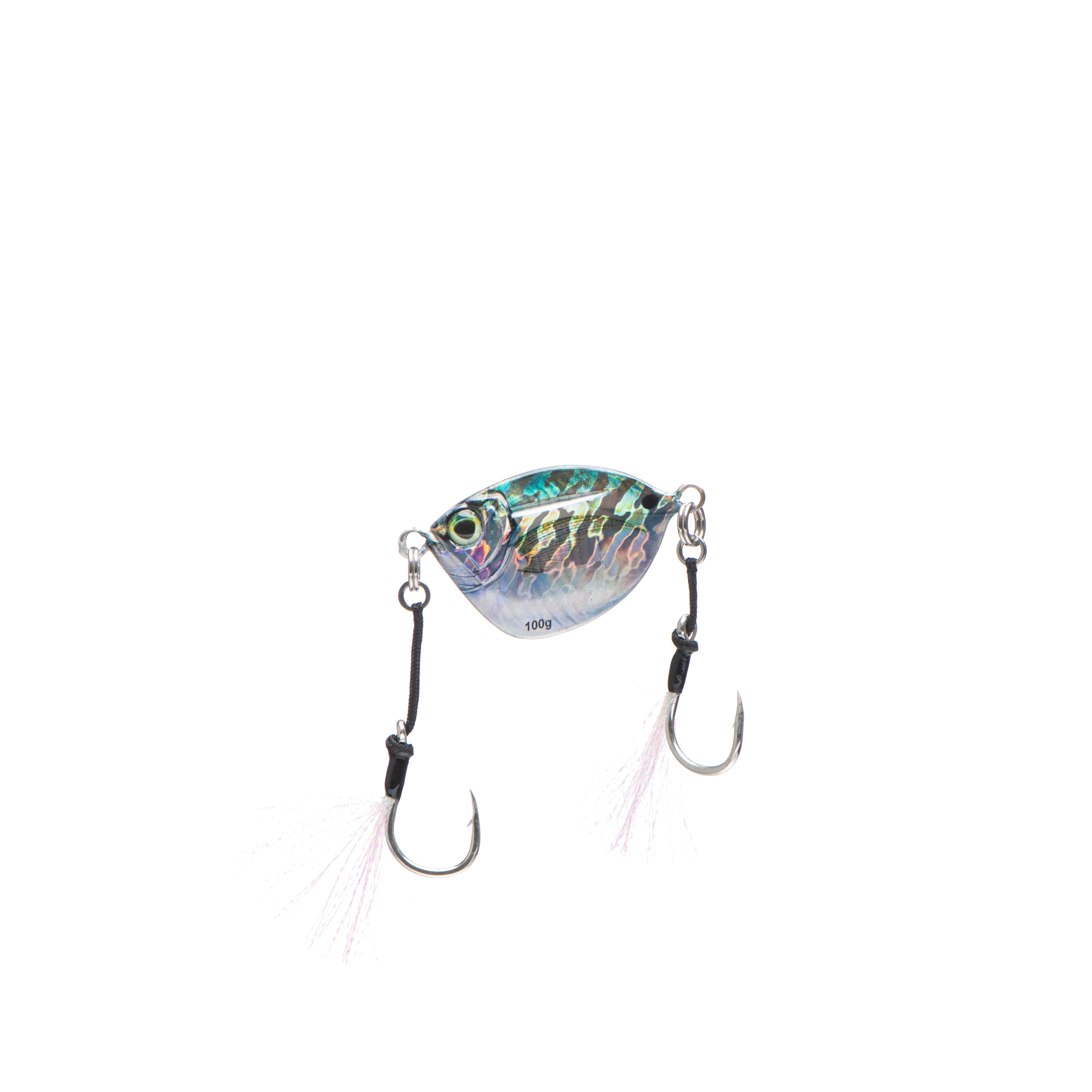
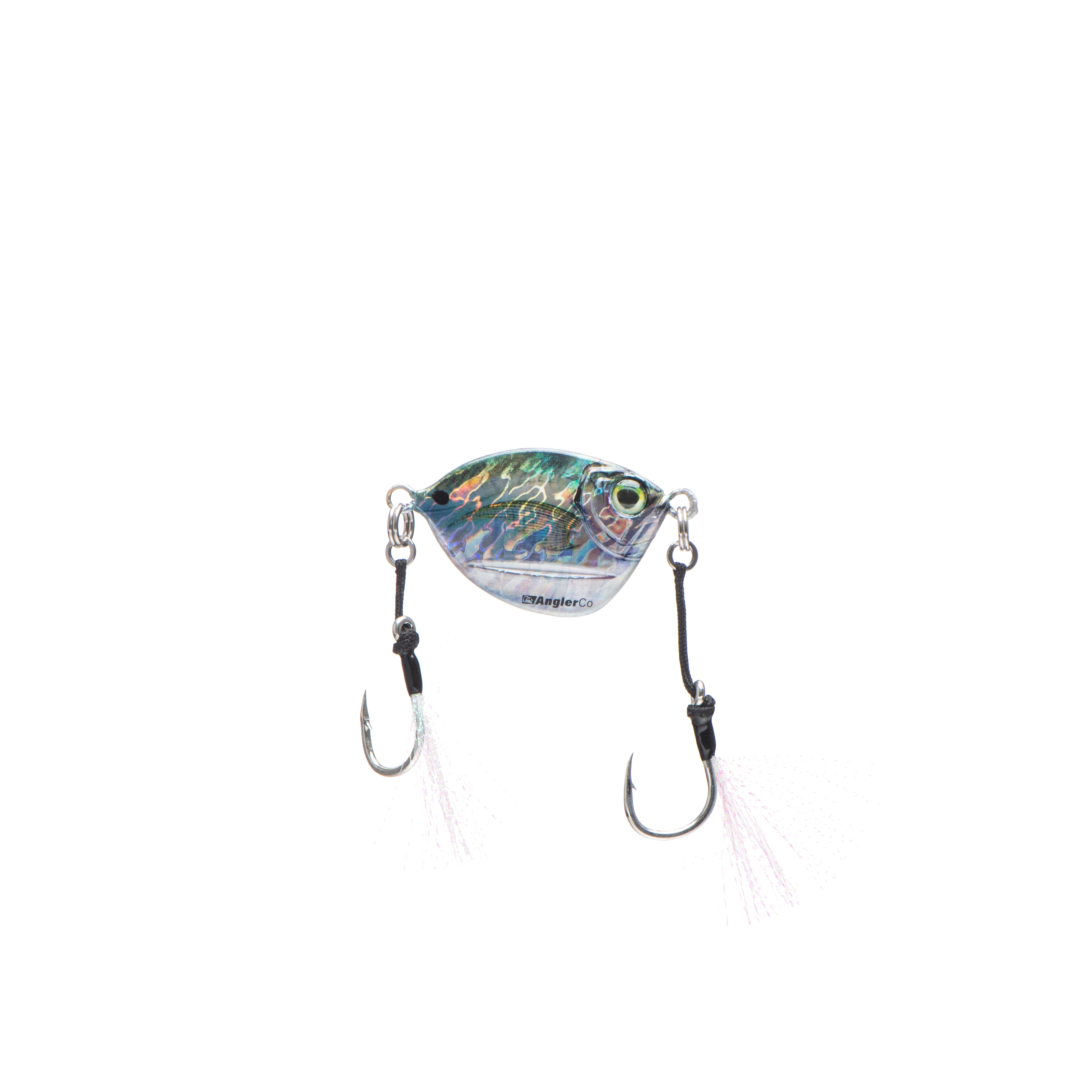
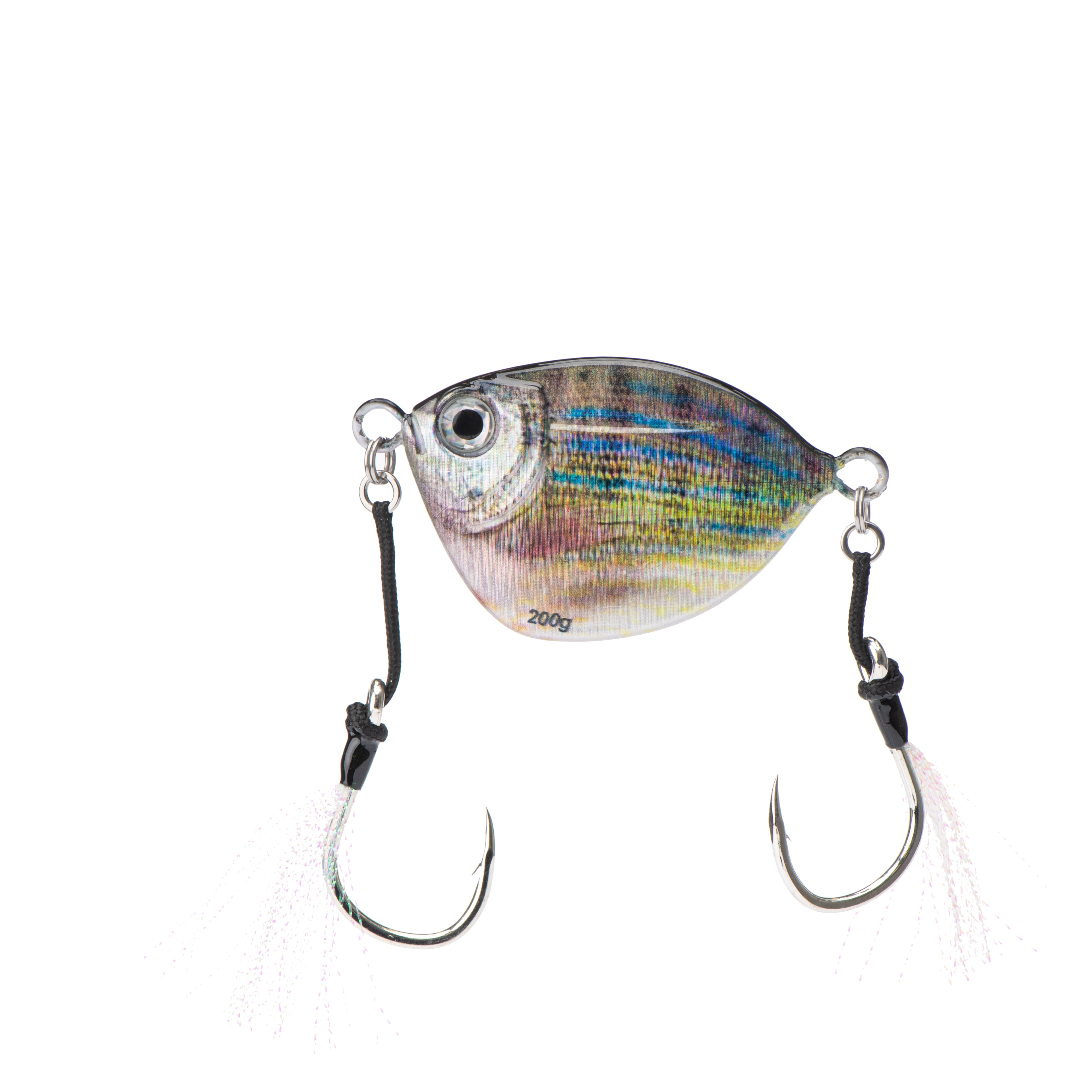
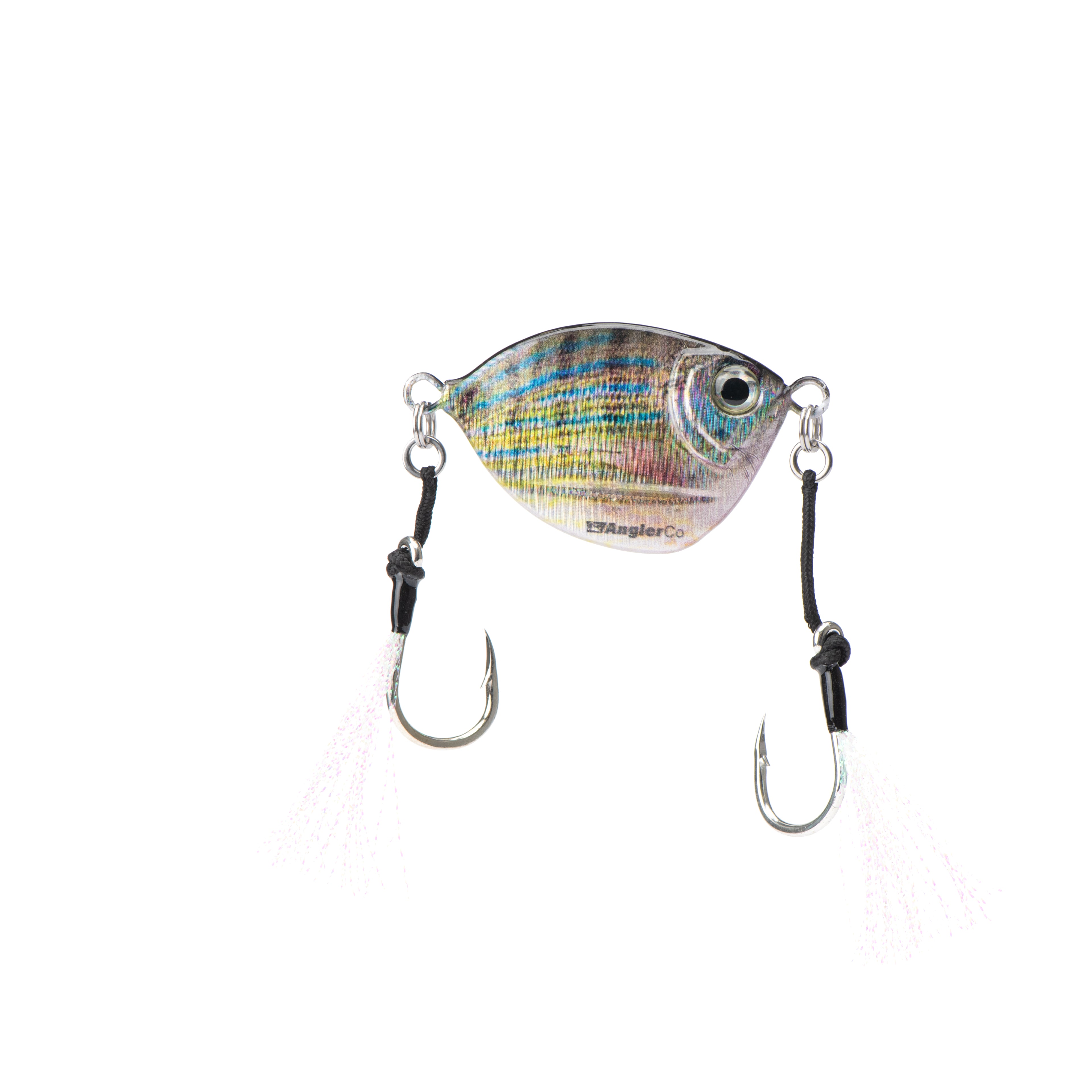
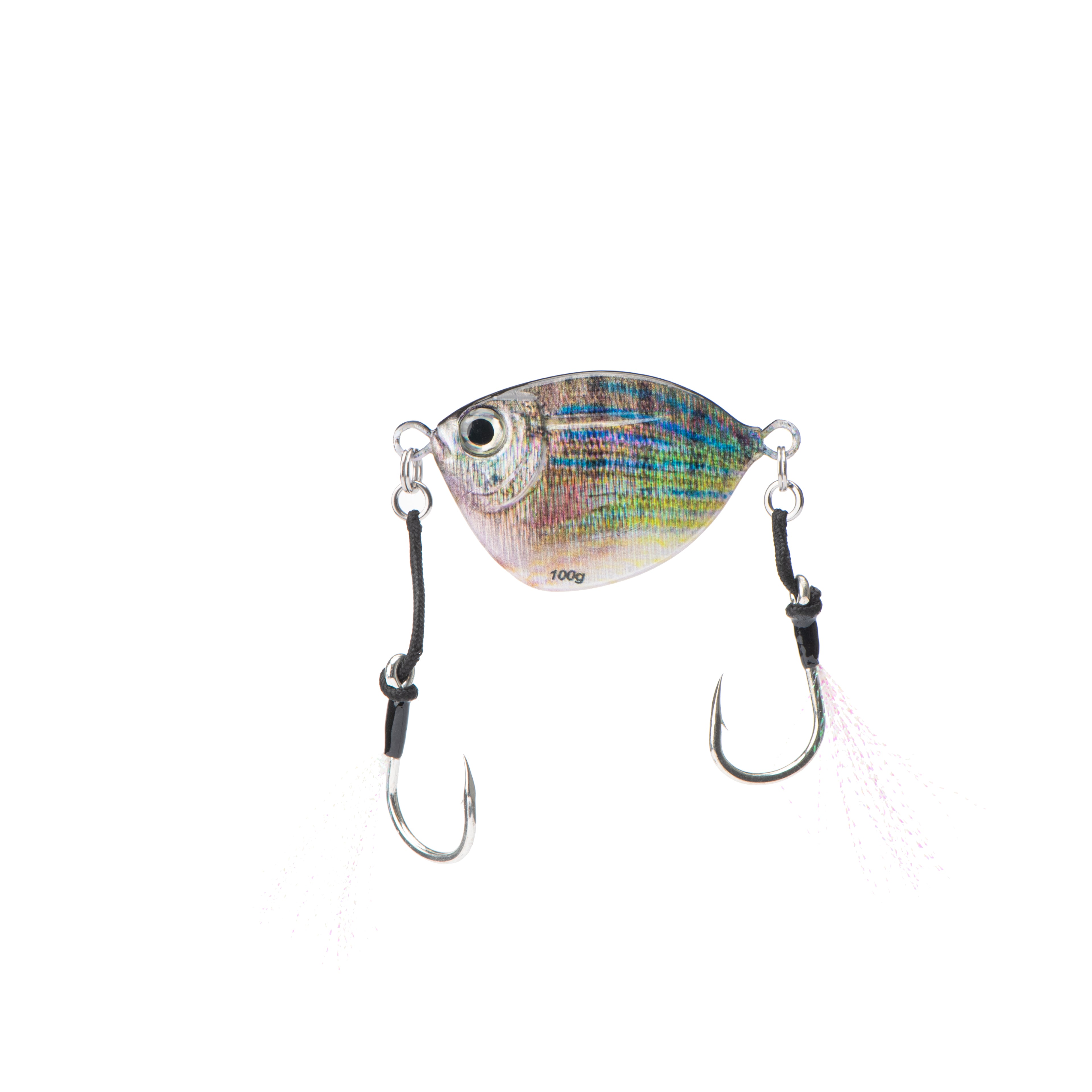
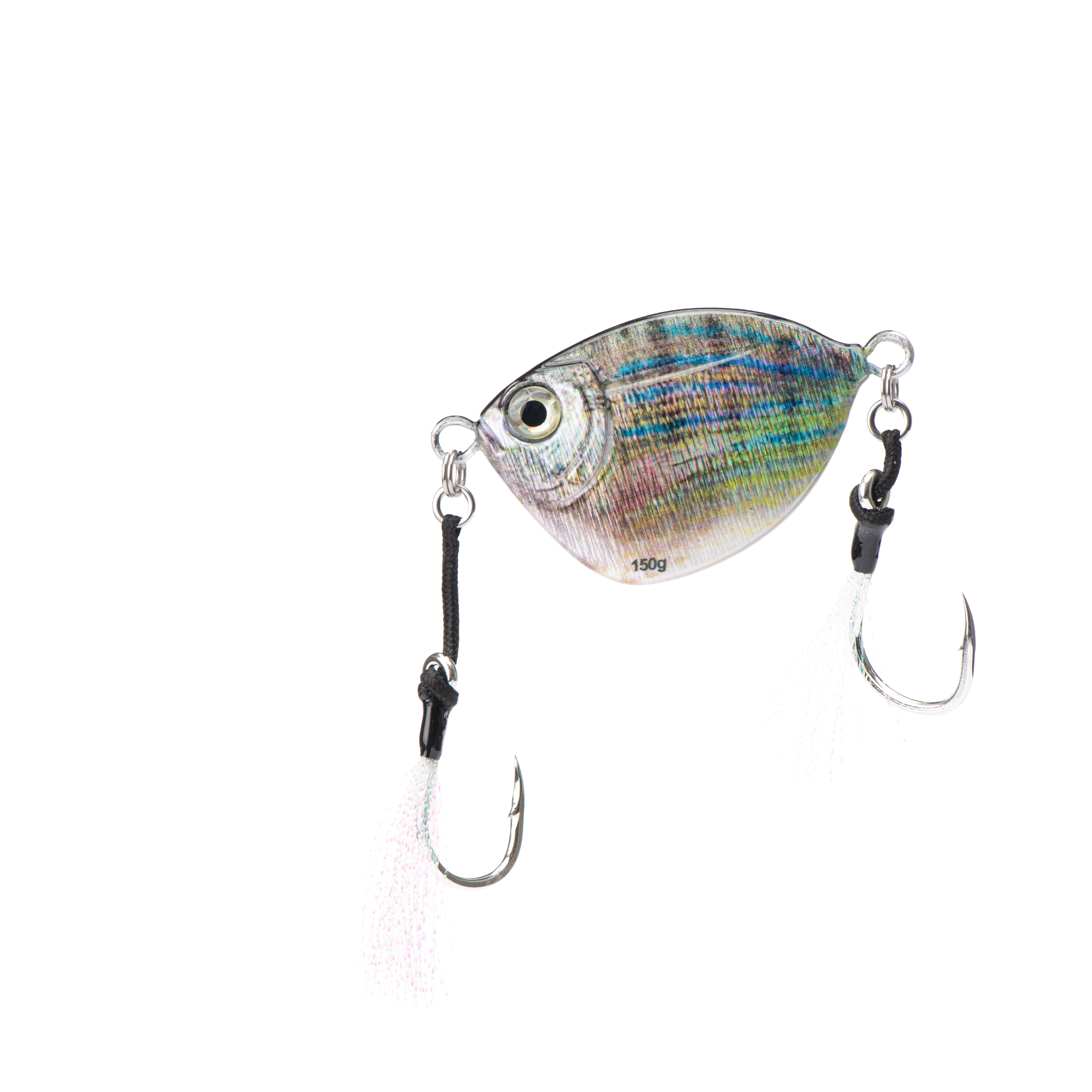
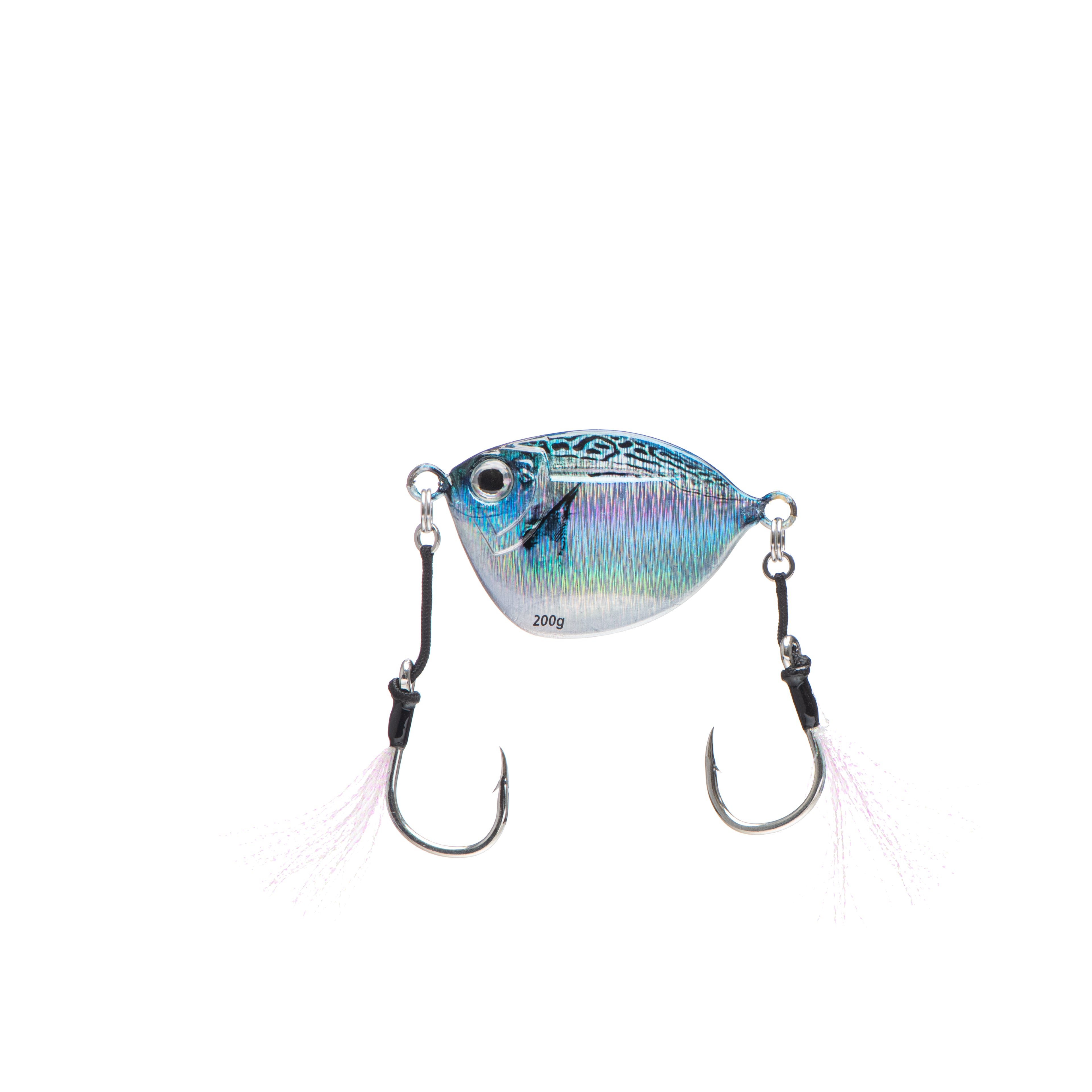
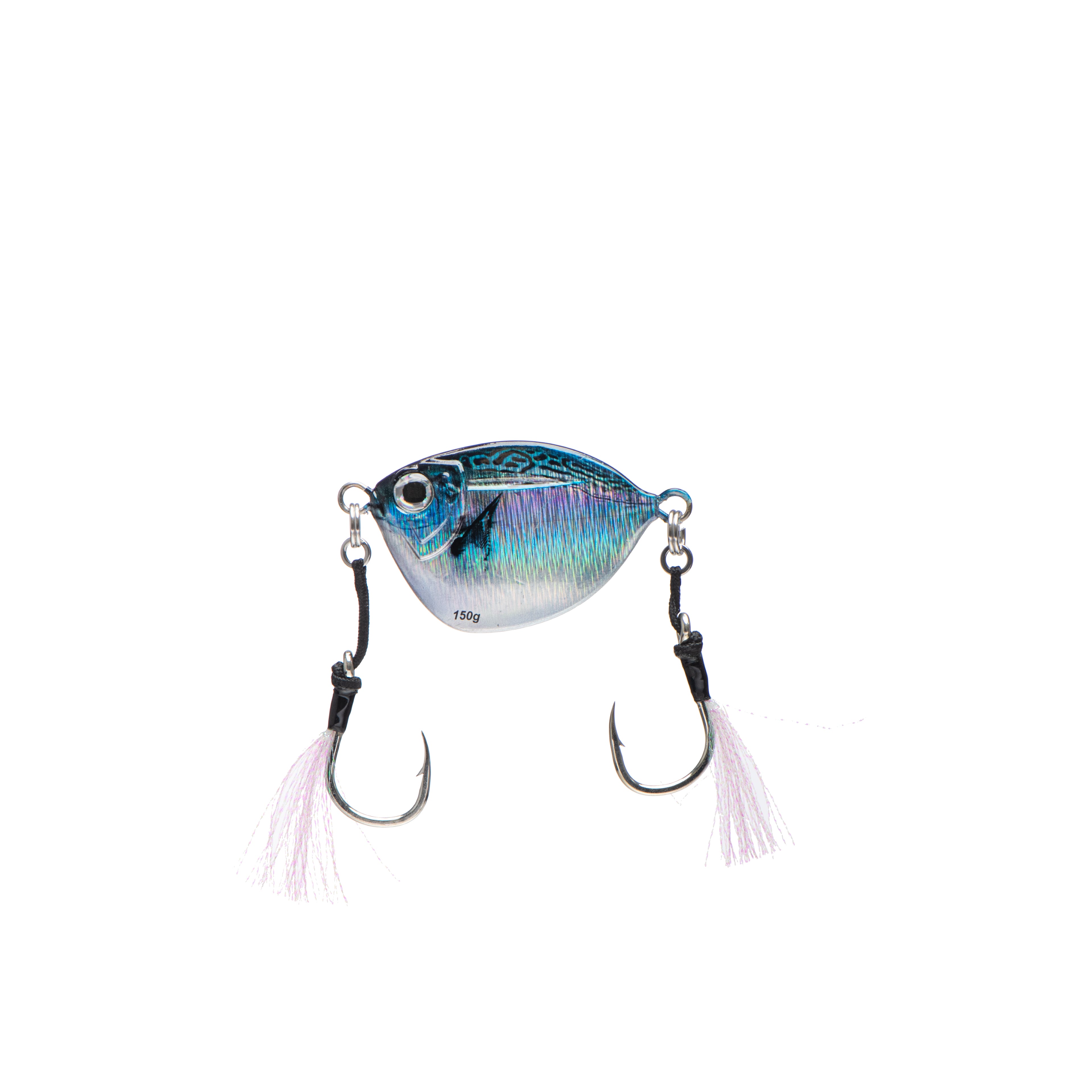
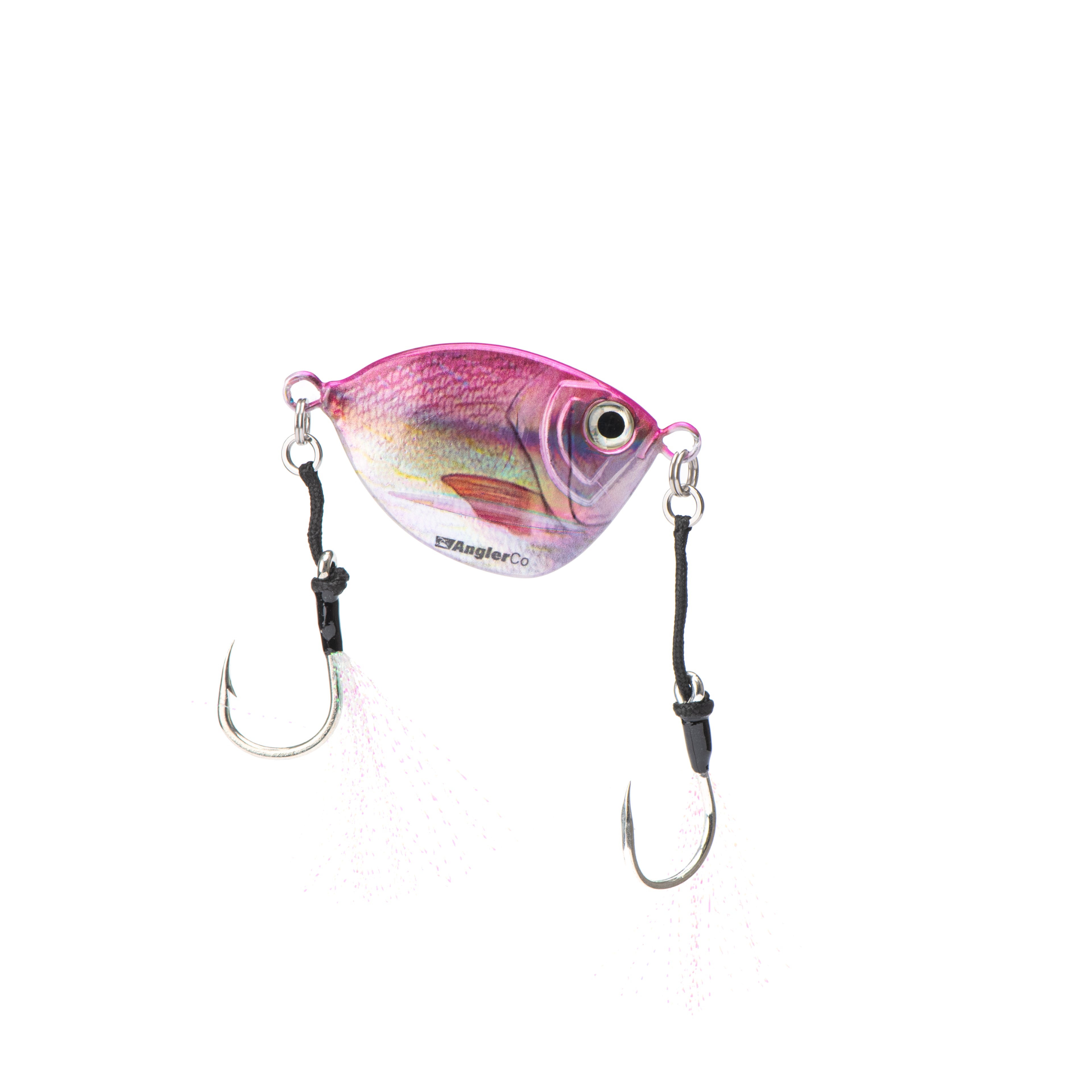
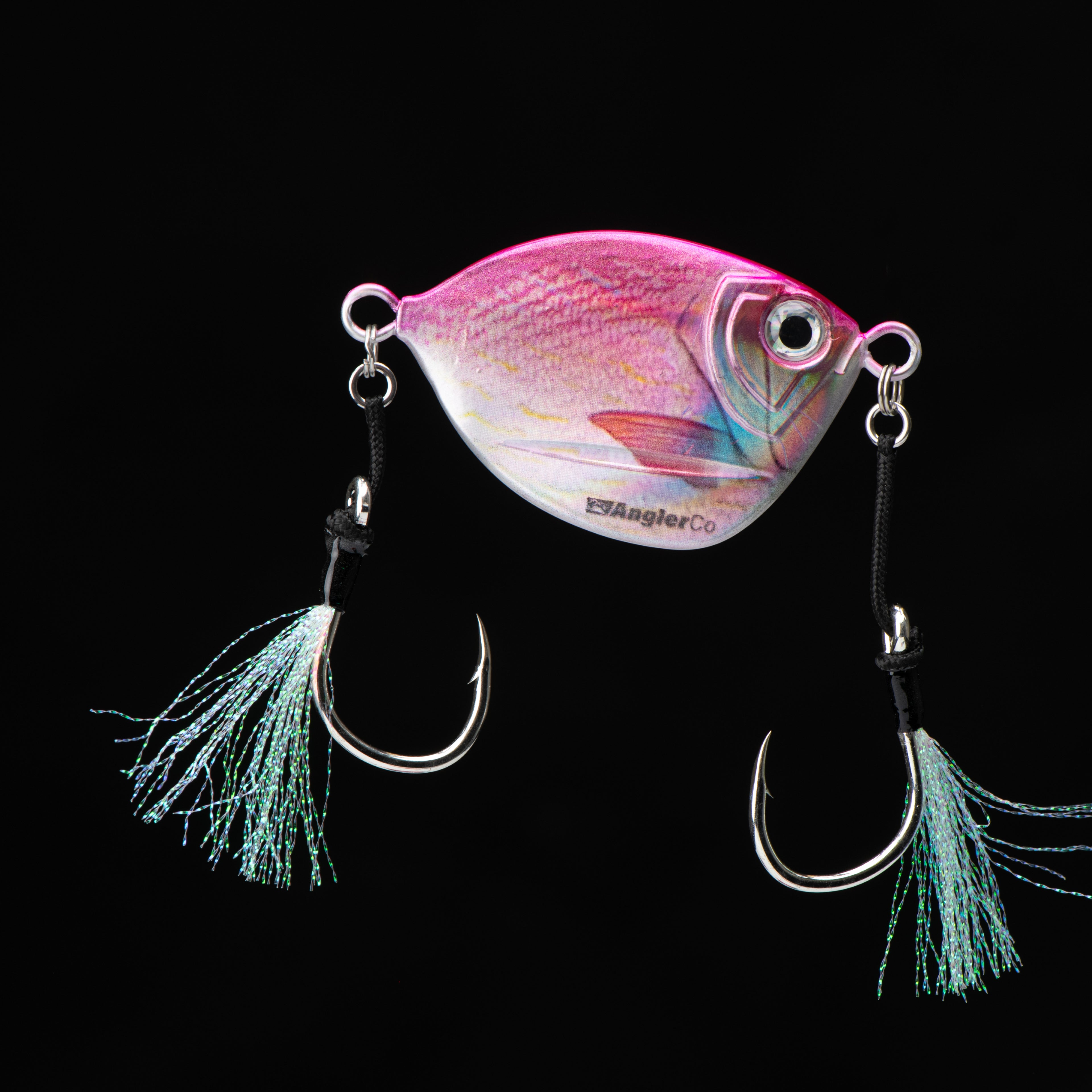
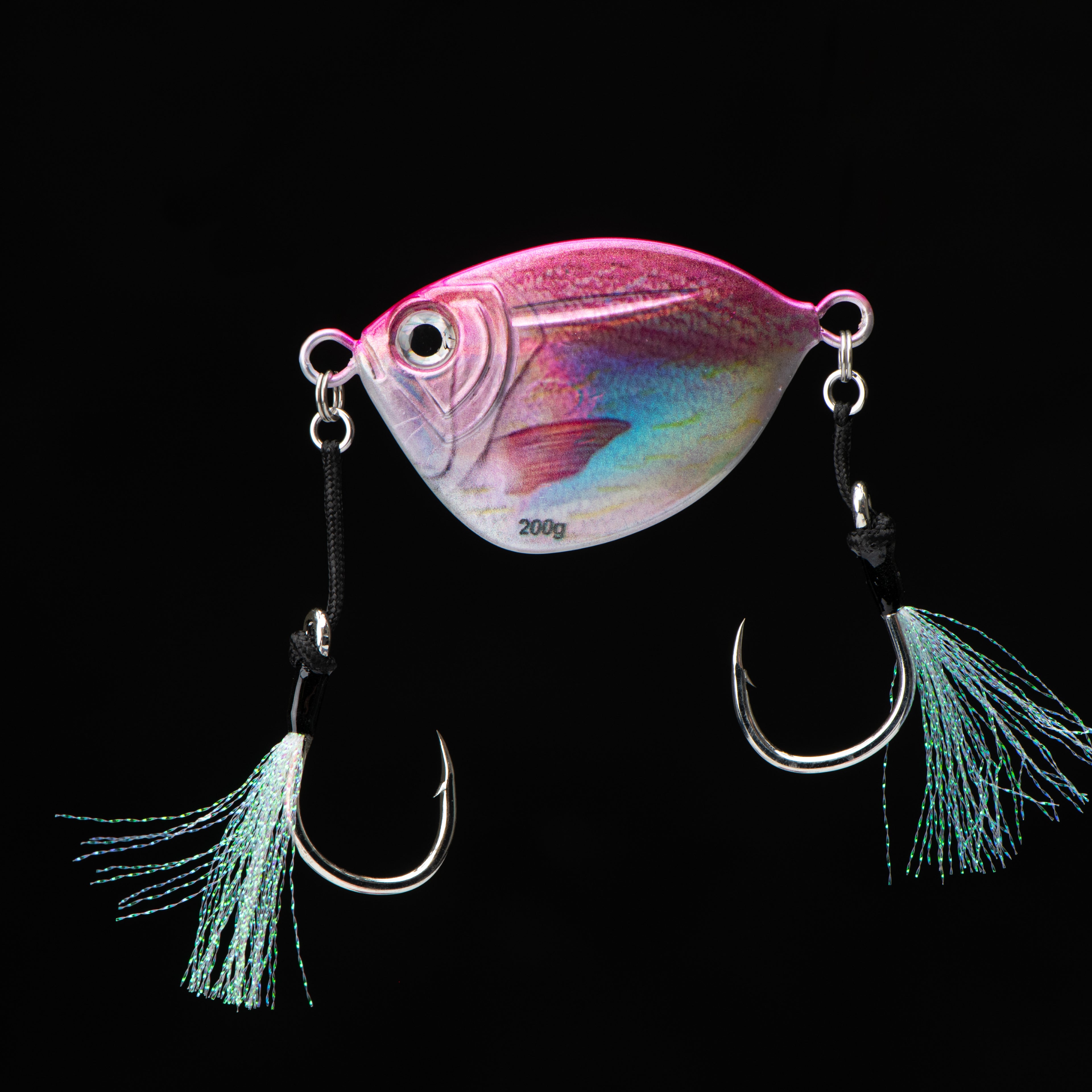
Most red snapper bites happen as the jig flutters back toward bottom. Snapper are excellent at tracking a falling object and timing the hit—often right as the jig pauses or “kicks” during its flutter. The Imposter Jig is precision-balanced to fall horizontally with just enough roll to mimic a wounded baitfish—not spiral, not helicopter, and not crash like a sinker. That balanced posture is what creates hang time, and hang time is what gives snapper an extra beat to decide. When the fall looks real, snapper don’t need convincing. They react.

2. Weight Options That Match Snapper Depths
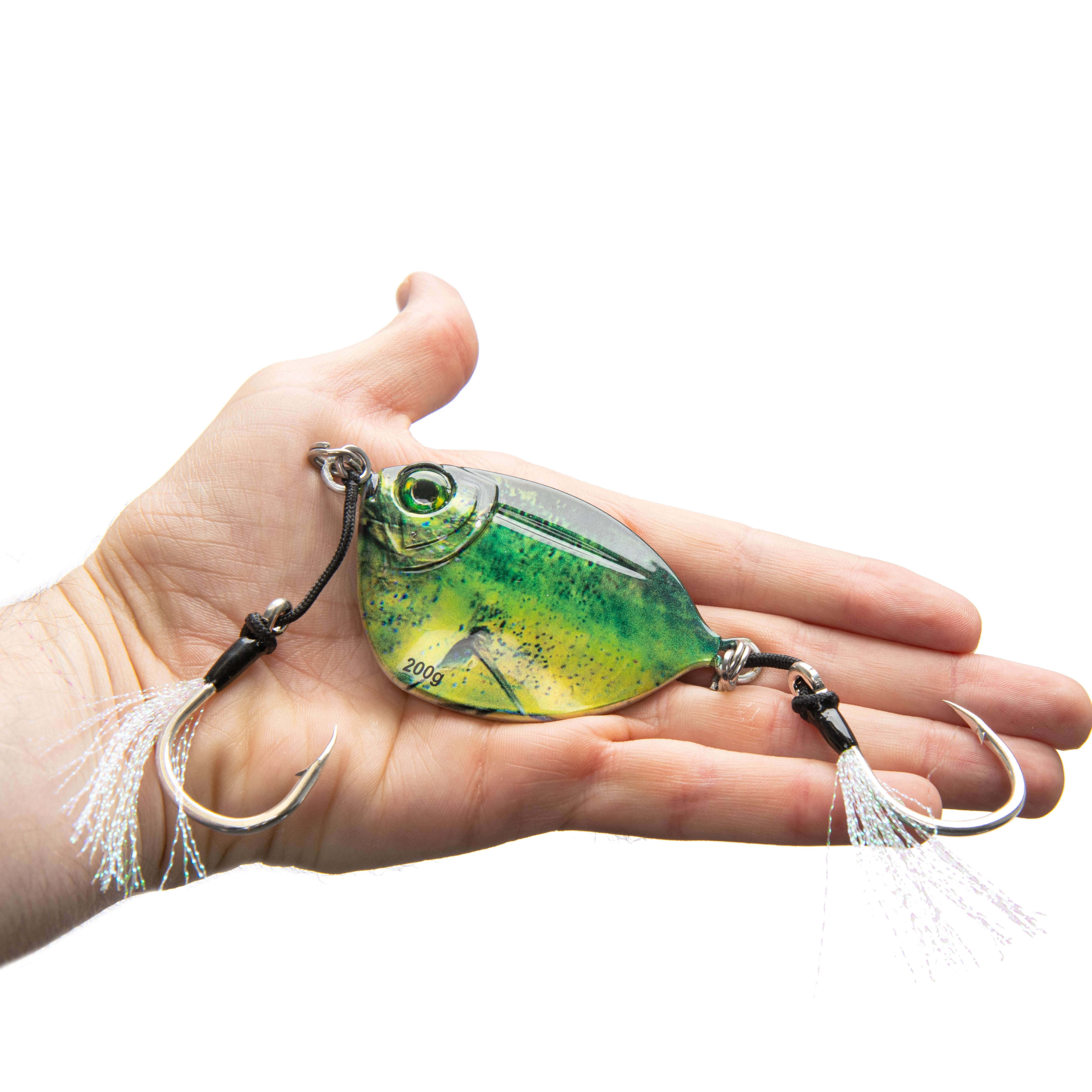
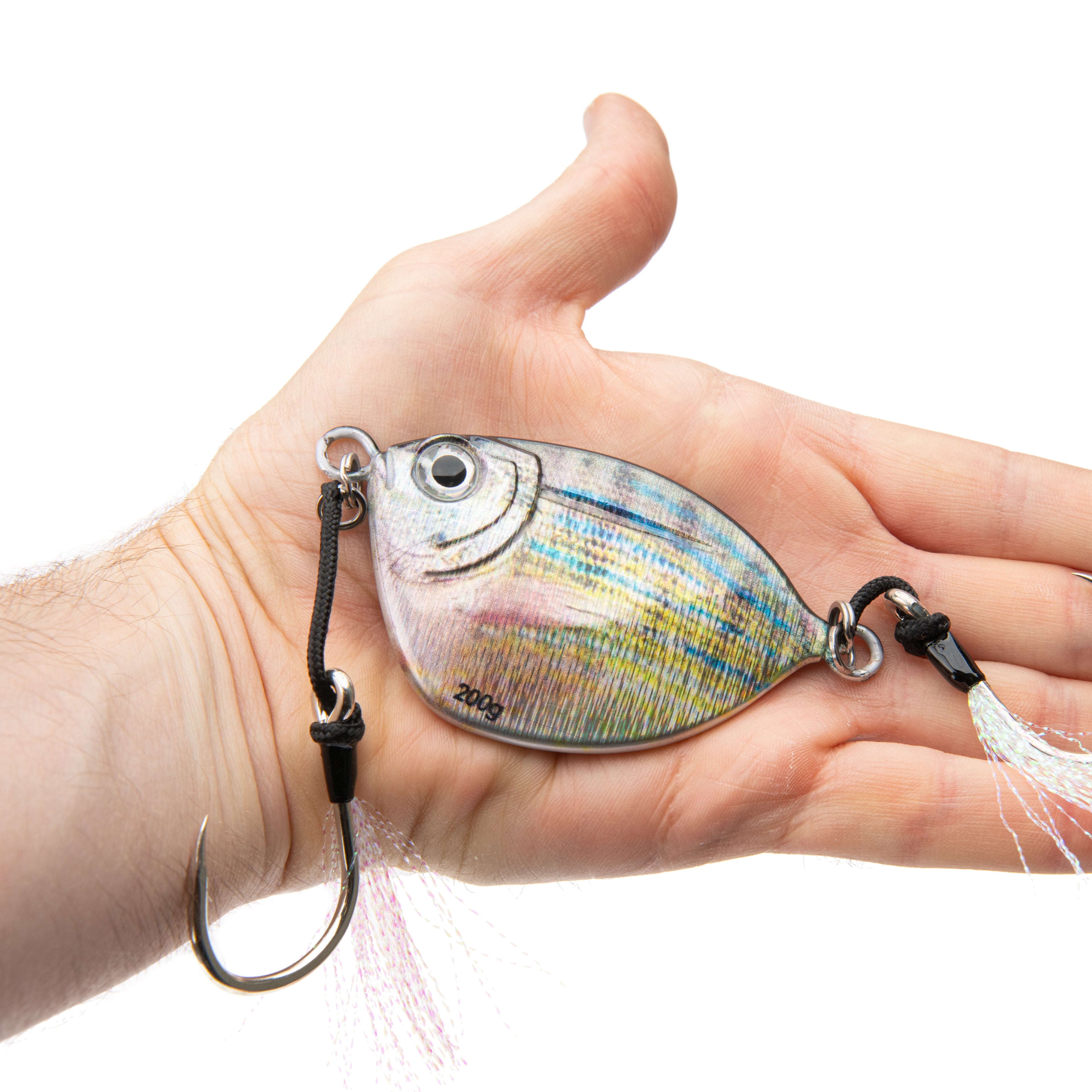
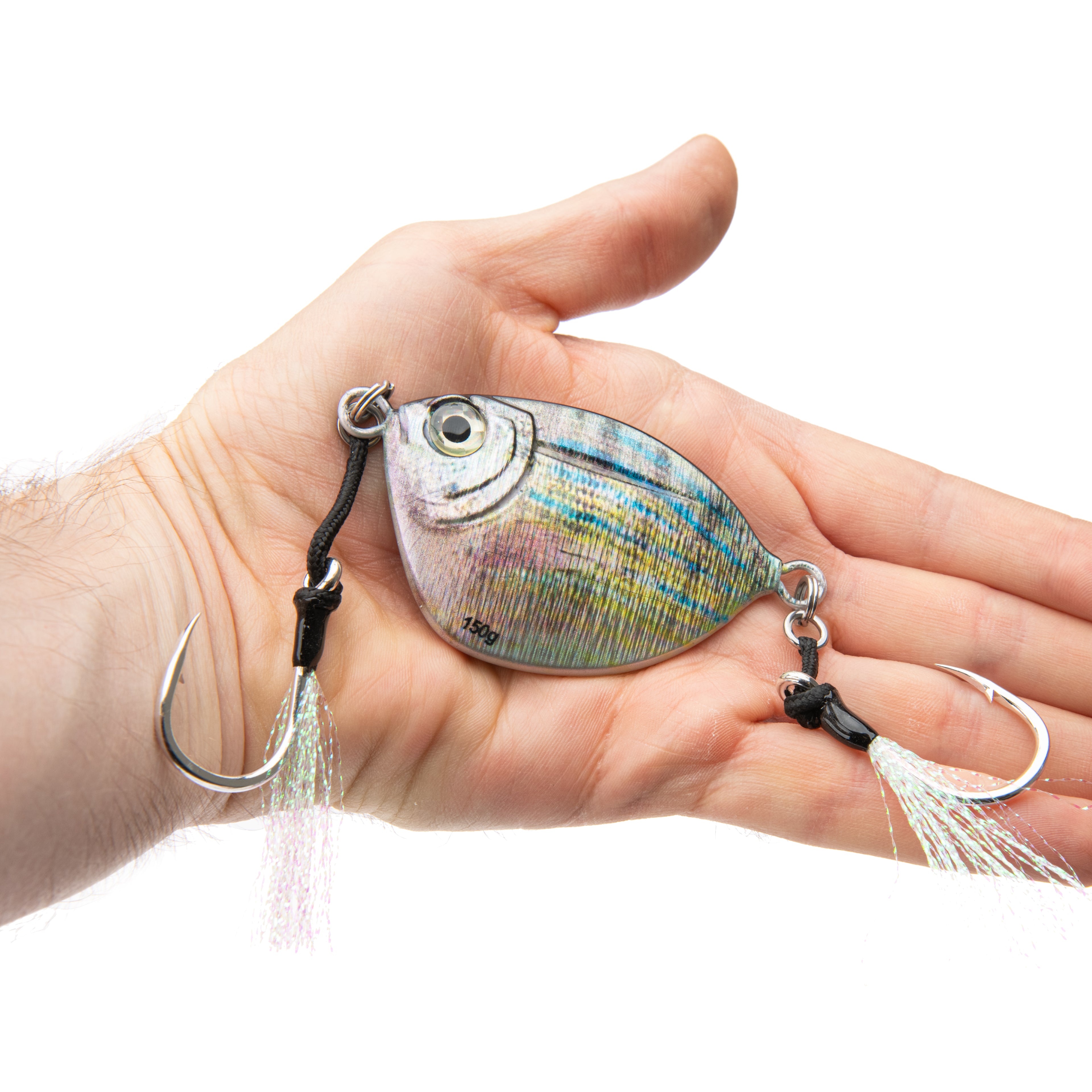
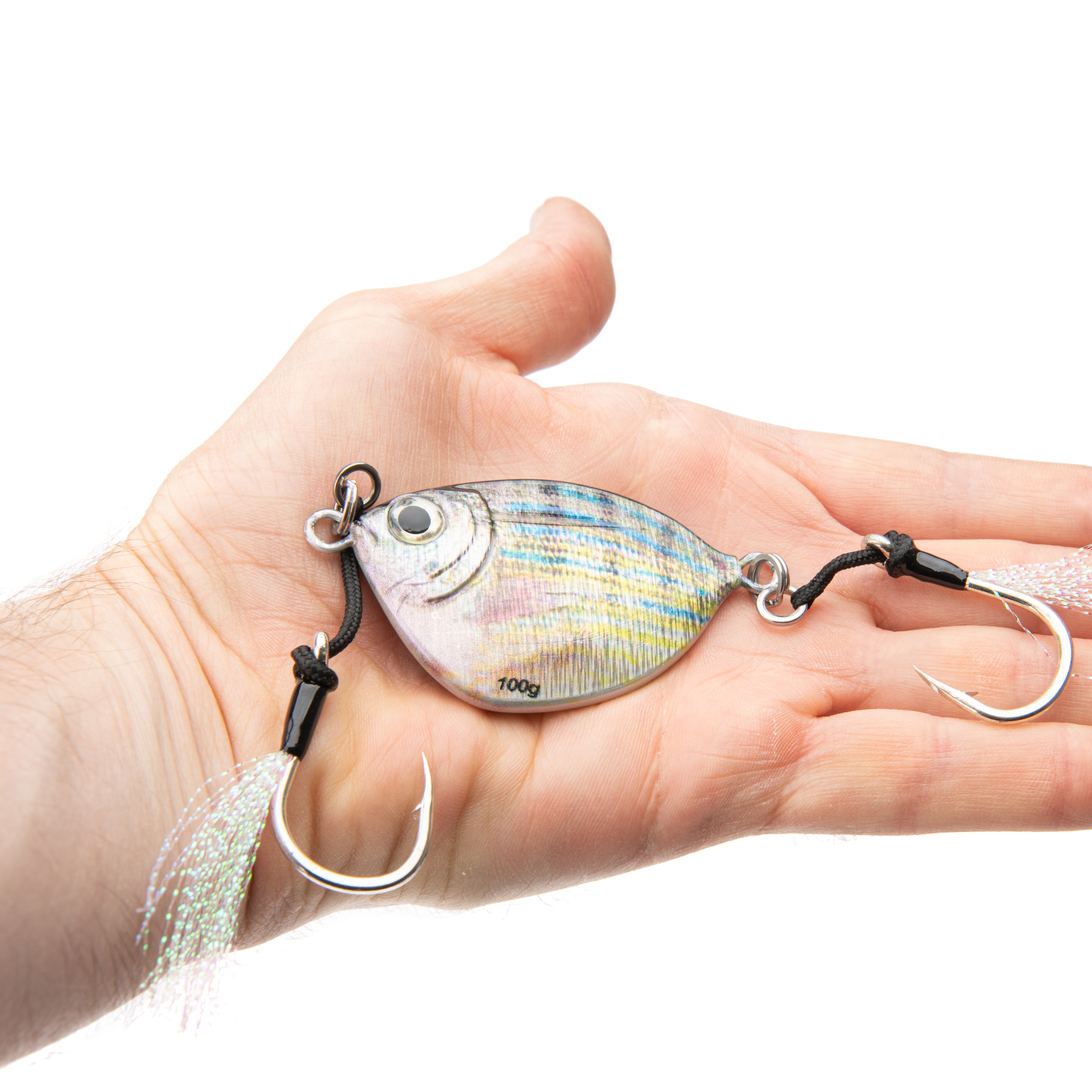
Red snapper are commonly targeted between 120 and 300+ feet, often in current, and often on boat traffic lanes where drift speed changes quickly. The number one reason slow pitch fails for beginners is simple: the jig is too light for the conditions, so it never fishes vertically and never works correctly. When your line bows, you lose contact, you miss the fall, and your jig’s action turns into a random swing. Imposter Jigs are built in true offshore weights so you can stay vertical and maintain proper action. This matters for snapper because the bite can be subtle at depth— sometimes a “tick,” sometimes just slack appearing mid-fall. Staying vertical helps you detect the bite and set the hook immediately.
A practical starting point is the classic slow pitch rule: choose enough weight to keep your line mostly vertical, then go as light as conditions allow so allowing the jig to flutter naturally. That “lightest possible” mindset is where the bite often improves because the fall becomes more believable. If current increases, step up in weight to regain control. If it lays down, step down and let the jig work slower. Snapper respond to a natural fall more consistently than a fast, rigid drop.
Rule of thumb: 1 gram per foot of water.
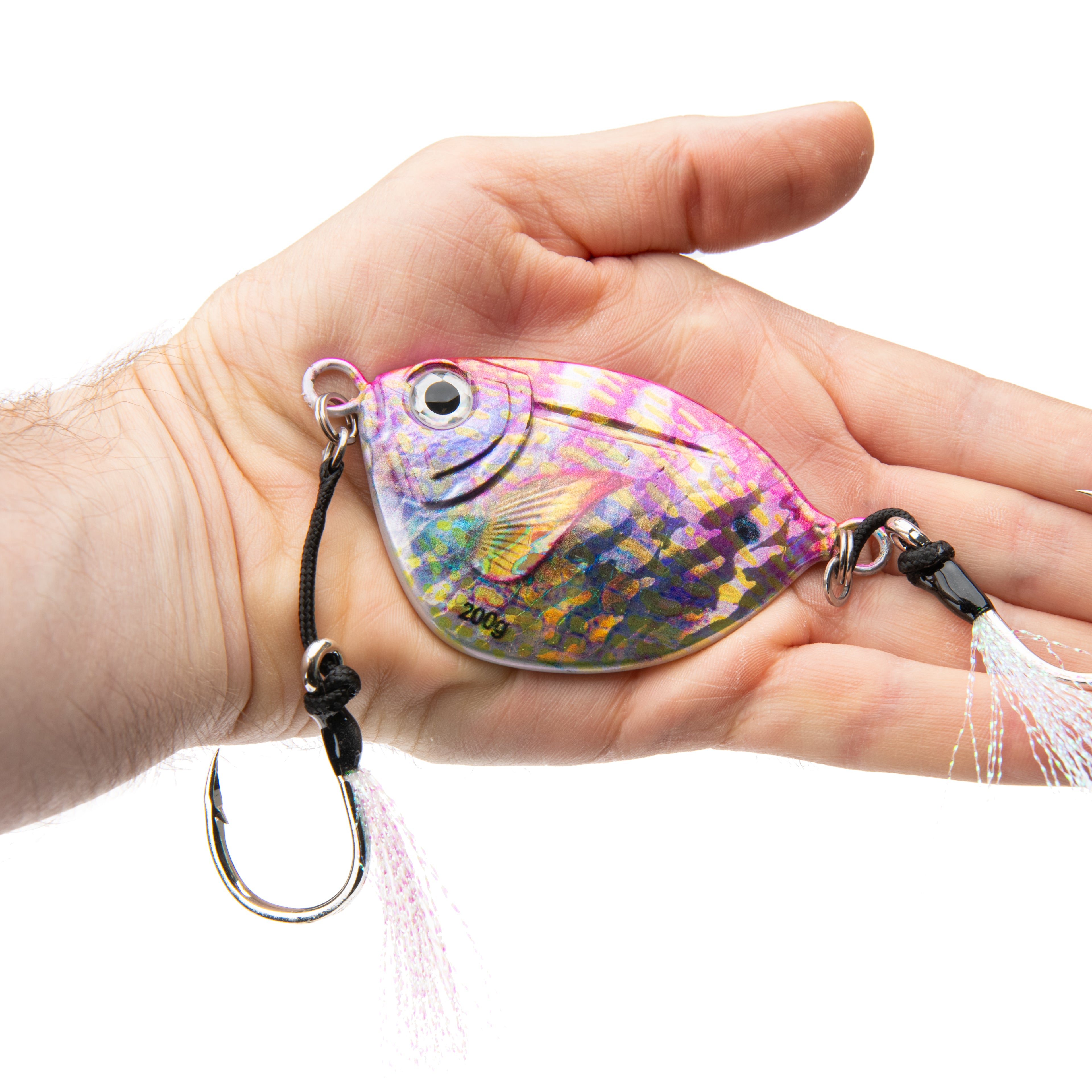
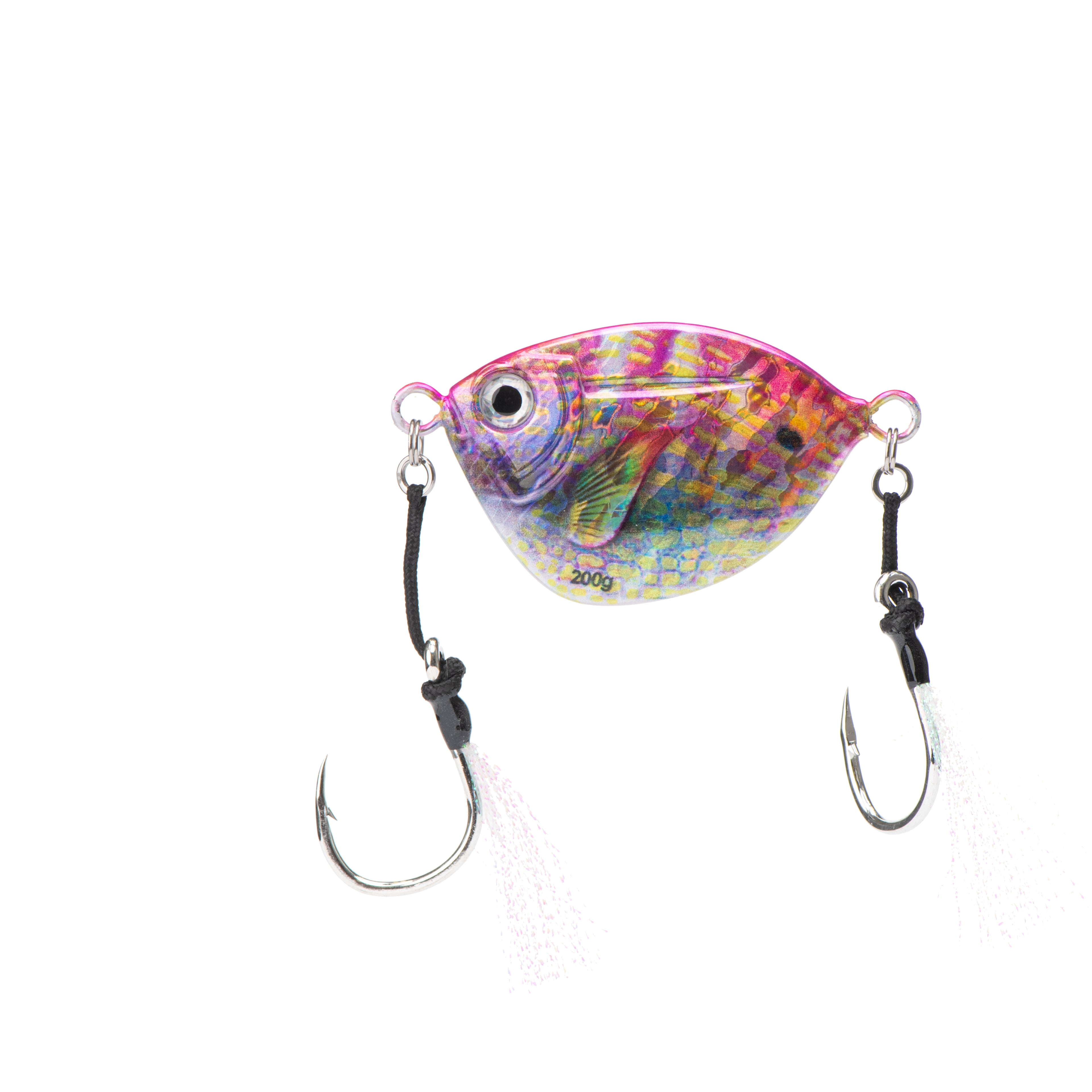
Always fish the lightest jig conditions allow—because that’s where snapper bites increase. If you’re in 200 feet, start around 200g and adjust up if your line is sweeping hard. If you can keep it vertical, don’t over-weight it. The more natural the fall, the more confident the fish get.
3. Proven Colors Red Snapper Key In On
Snapper are visual feeders. They don’t just “smell the bait” and bite—they see it, track it, and decide. Color matters most for two reasons: matching the forage on that piece of structure and creating visibility at depth. In clear water, natural baitfish patterns can be the difference between followers and eaters. In deeper water or low light, glow and contrast help snapper find the jig faster. The goal isn’t to paint a rainbow; it’s to present a believable target that stands out just enough without looking unnatural.

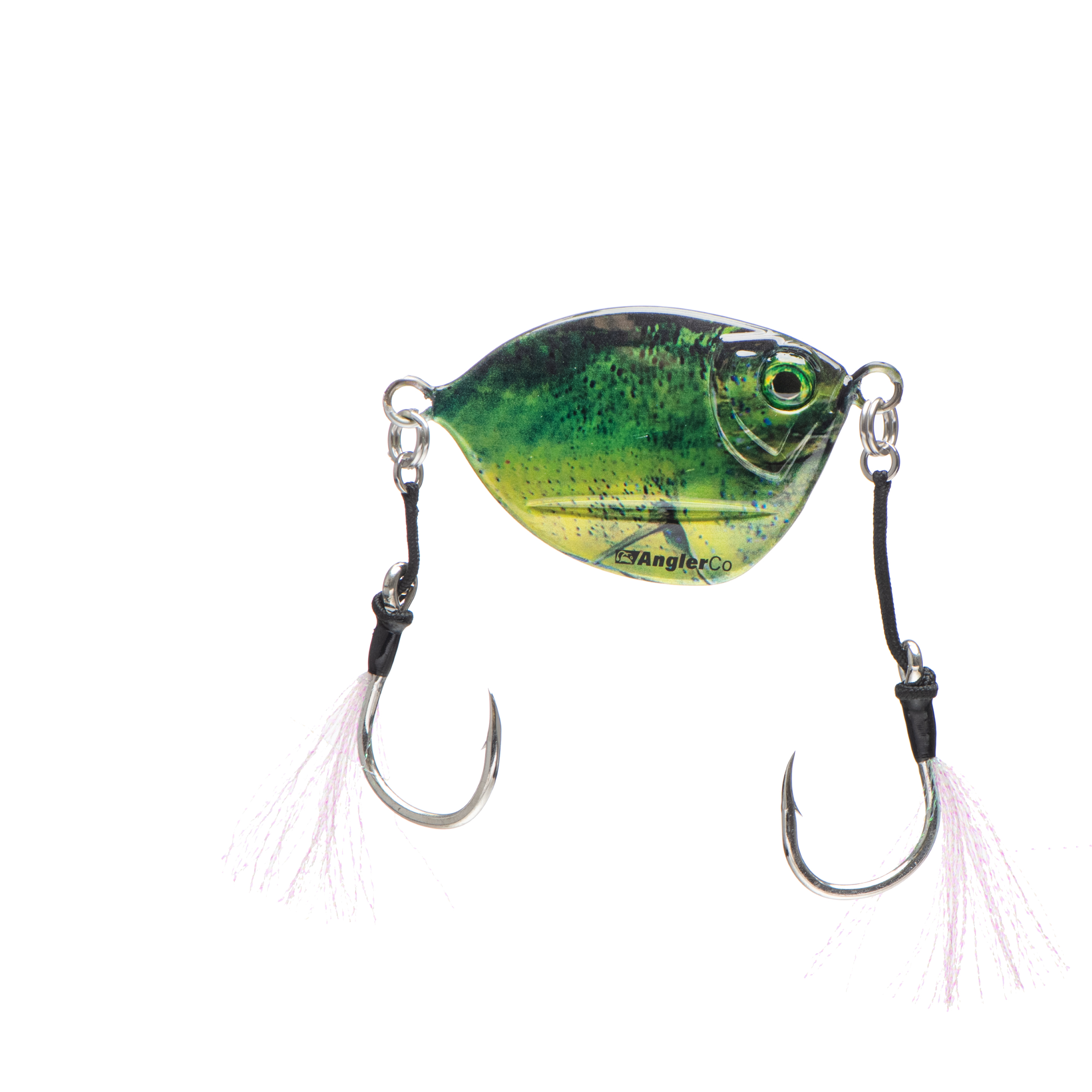
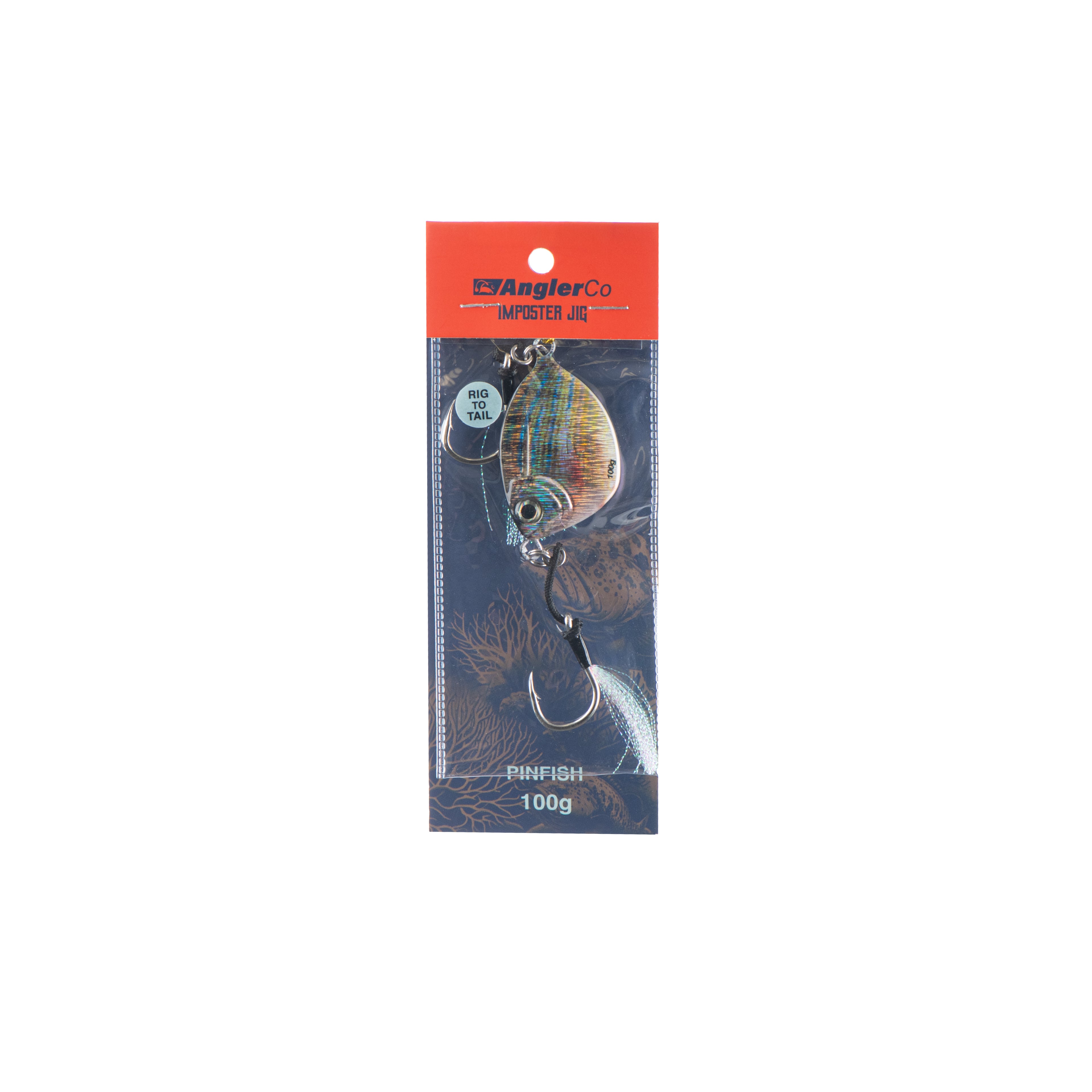
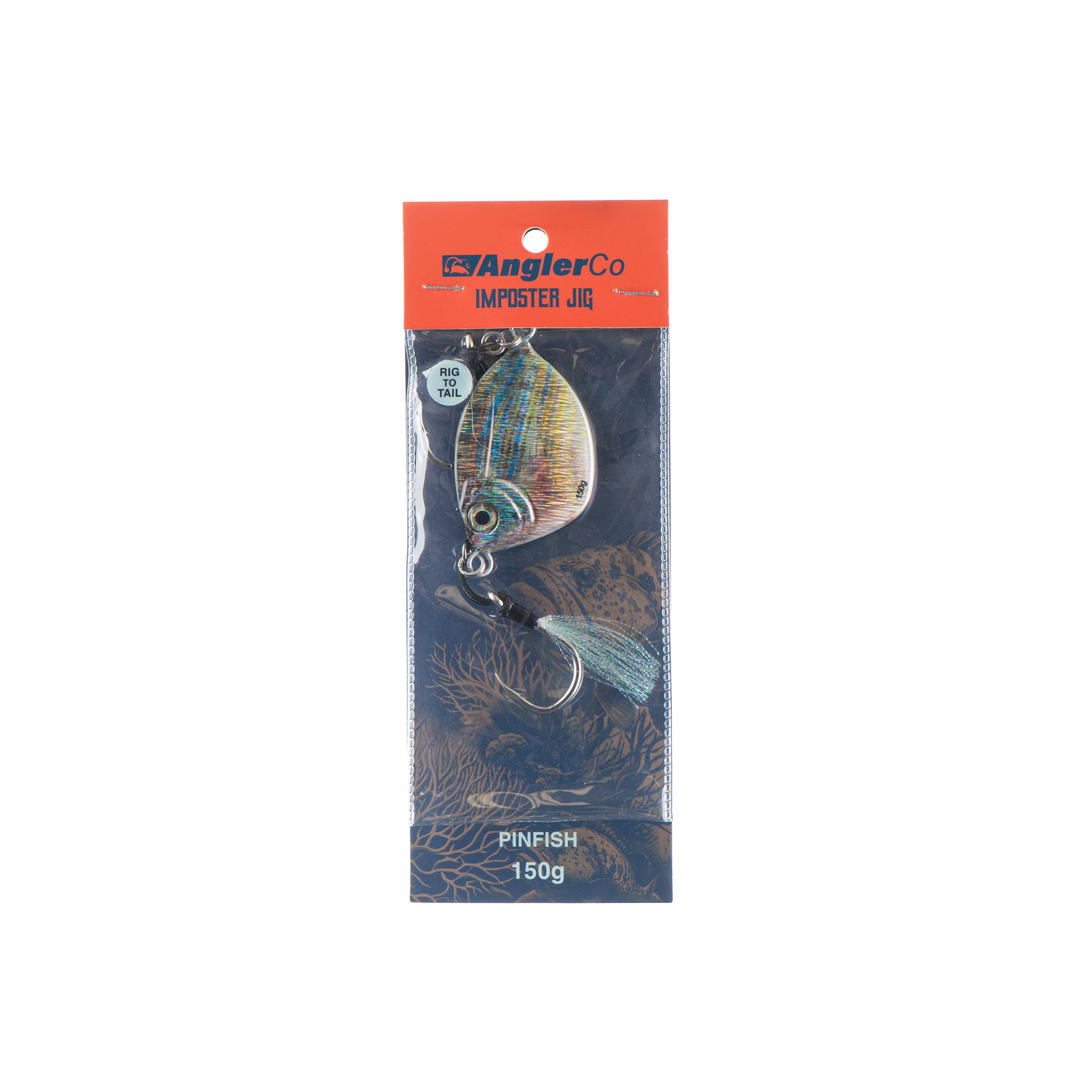
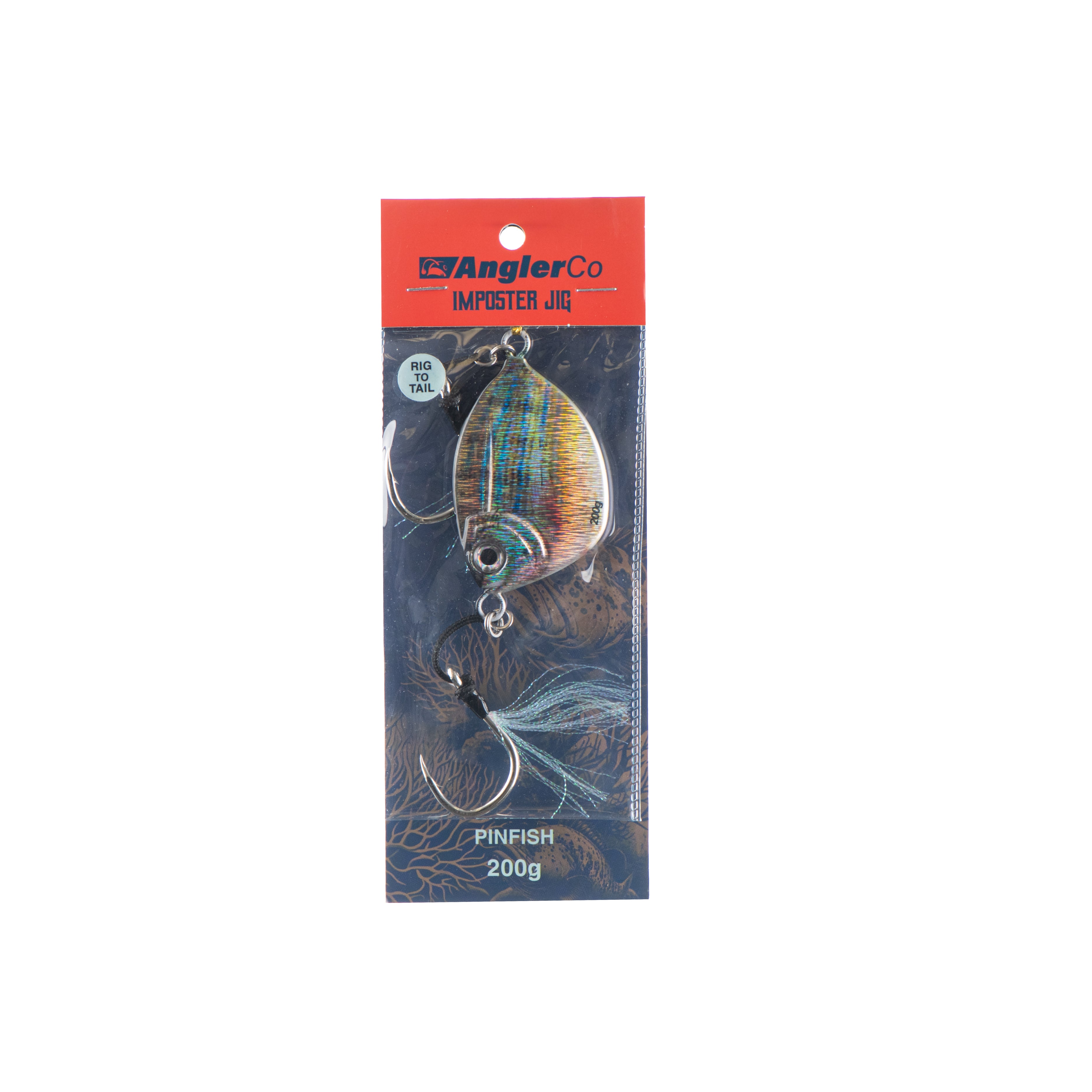
- Pinfish Pattern – Prime reef forage when snapper are feeding tight to structure and want a realistic baitfish profile that doesn’t look “painted on.”
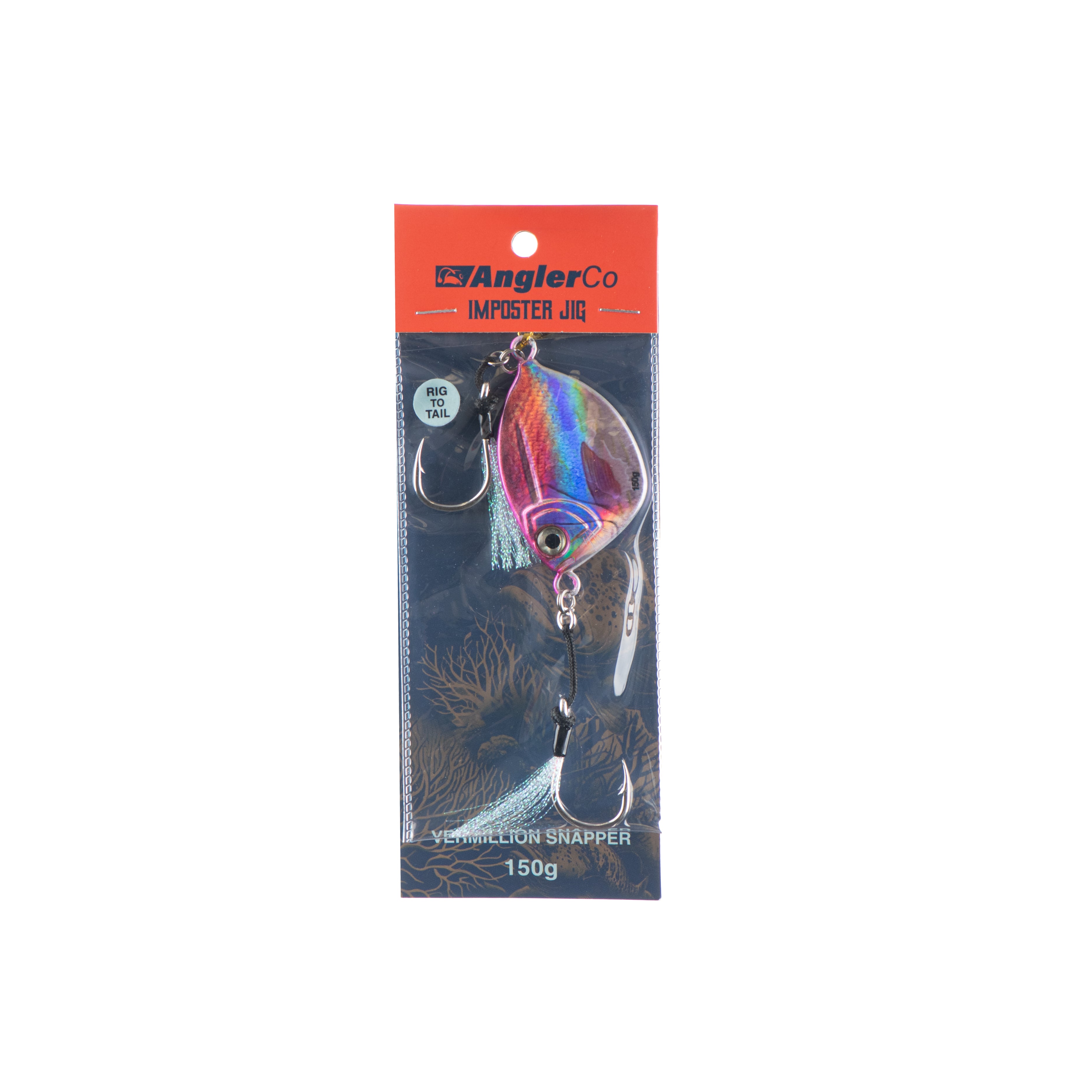
- Vermillion Snapper Pattern – Triggers competitive feeding; that red/orange reef vibe is a snapper magnet when they’re keyed on smaller reef fish.
- Lane Snapper Pattern – Natural and subtle for clear water and pressured spots; a confidence pattern when snapper are picky.
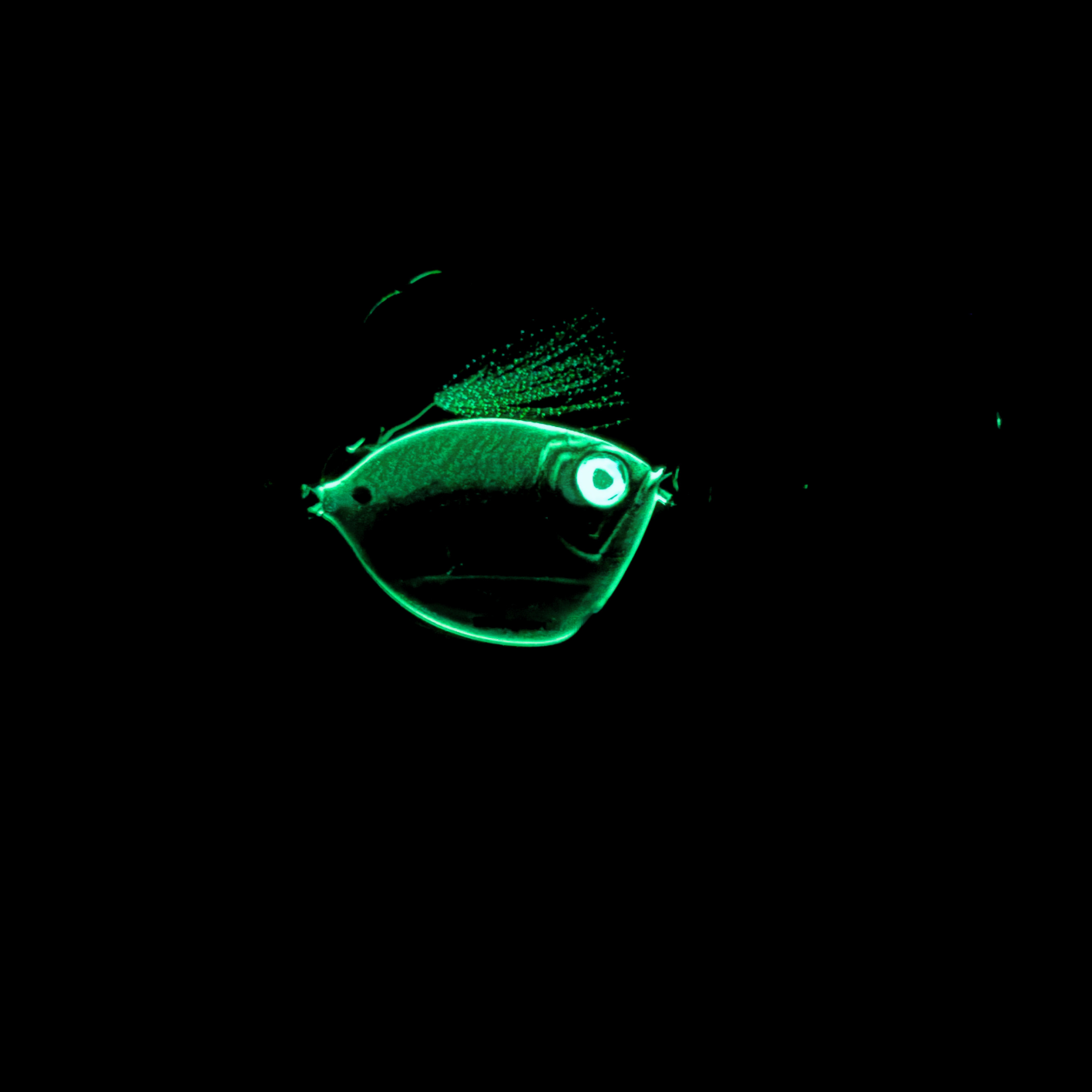
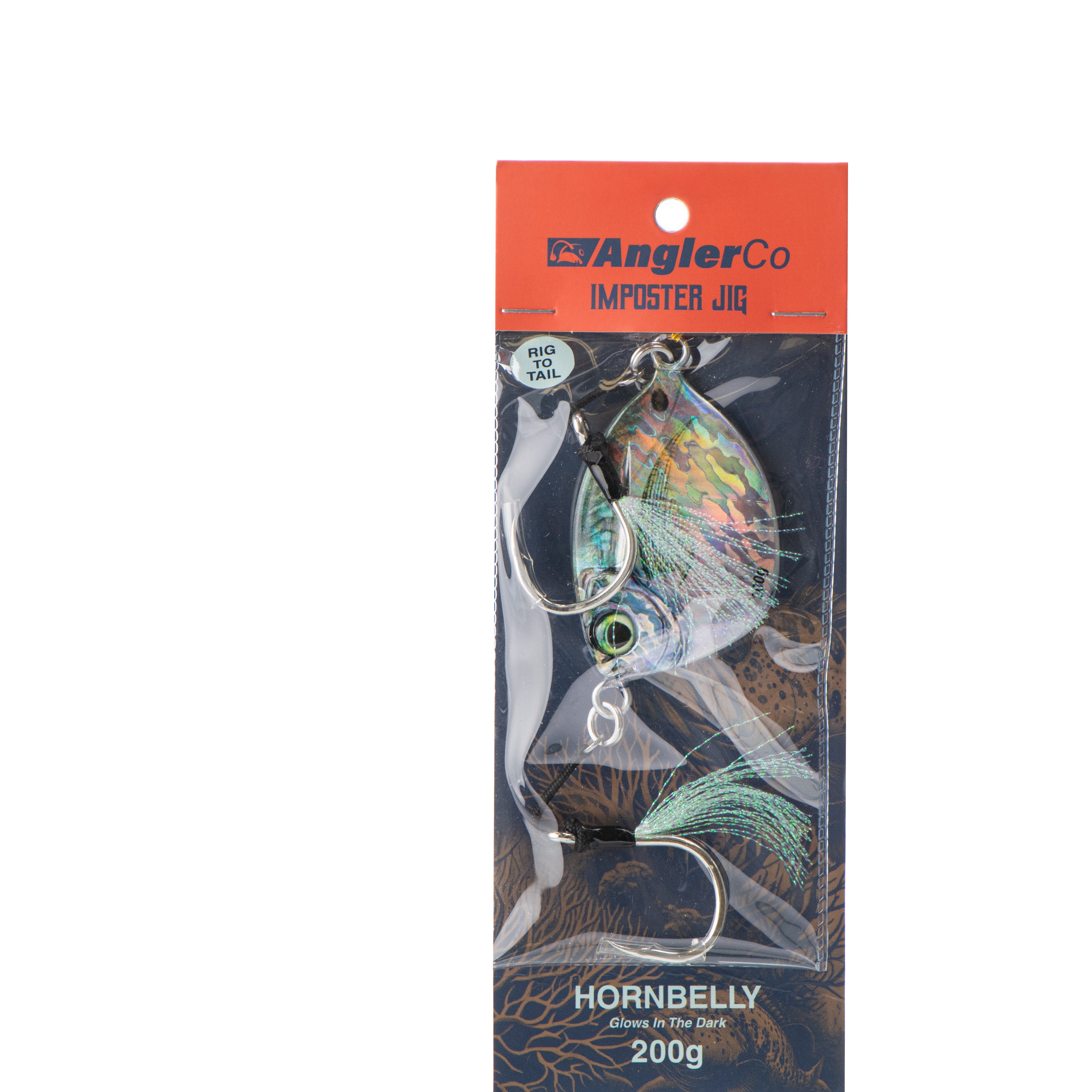
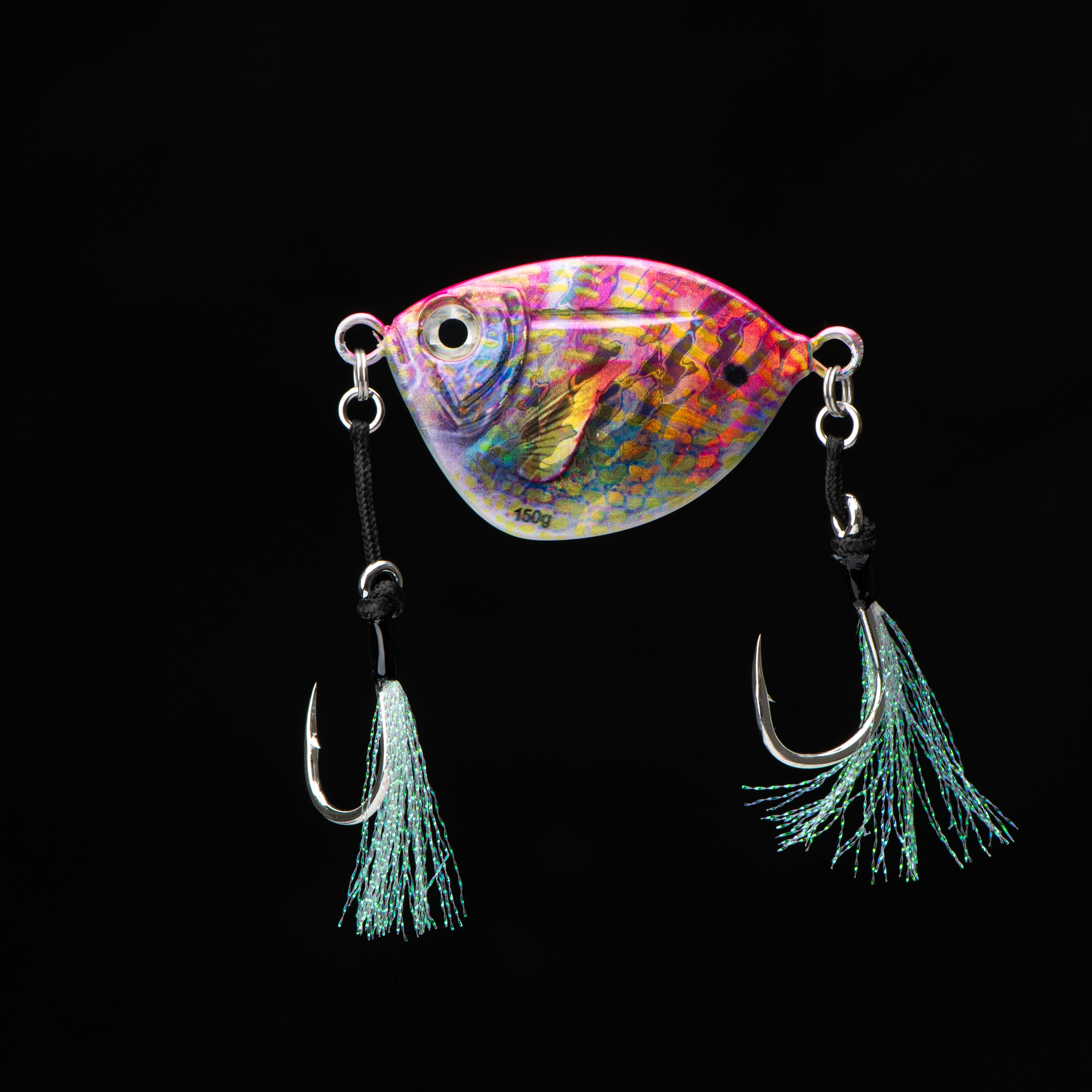
- Hornbelly Glow – Essential for deep water and low light; glow helps snapper locate the jig on the fall and commit before it hits bottom.

4. Durability for Reef Fishing
Red snapper live tight to structure, and snapper fishing means bottom contact—whether you like it or not. Your jig is going to touch rock, rub wreck steel, bounce on rubble, and occasionally get cracked by other fish in the mix. That environment punishes cheap finishes and weak hardware. The Imposter Jig is built to take abuse while maintaining its balance and action—even after repeated bottom contact and hard fights. For snapper, that matters because your lure needs to fish correctly after the first drop and after the fiftieth. A scarred finish is normal. A ruined action is not. The Imposter Jig’s priority is performance: it keeps fluttering, keeps falling right, and keeps earning bites when other jigs lose their “magic” halfway through the day.
Why the AnglerCo Imposter Jig Excels for Red Snapper
The Imposter Jig isn’t generic, and it isn’t built to “sort of” do everything. It’s designed to exploit how red snapper actually feed: they react to falling, vulnerable prey, and they commit when the target looks easy and real. That’s why balance, fall rate, and profile matter so much. With snapper, you’re not trying to force a bite—you’re trying to trigger instinct. The Imposter Jig is built to do that consistently across a wide range of depths and conditions, from calm drifts to current-heavy bottom.
Balanced Profile = More Snapper Bites
The controlled flutter on the fall triggers snapper to strike before the jig reaches bottom, which is exactly where you want bites: in open water above structure, not buried in the rocks. A balanced jig also reduces “micro-tangles” and weird spins that kill your presentation. When snapper are suspended and tracking your lure, that smooth, stable flutter keeps them engaged longer—and engagement is what becomes a bite.
Rigged Right Out of the Package
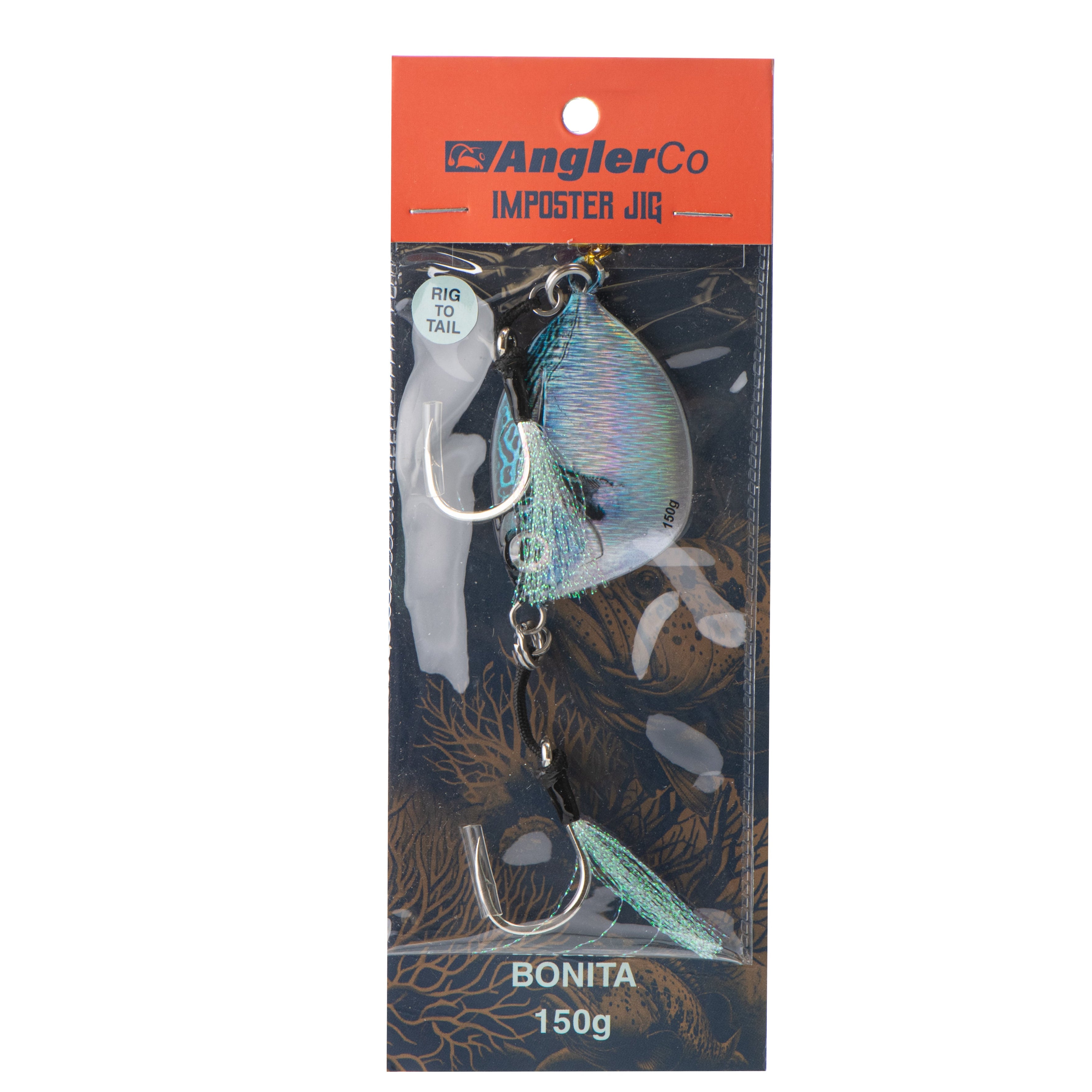
Correct hook sizing preserves action and improves hookups—critical when snapper strike short or peck at the tail of a lure. A well-matched assist hook setup helps you stick fish that would otherwise miss a single rear treble or swipe a bait rig without getting pinned. When the jig is balanced and the hooks are sized properly, you get cleaner hookups and fewer missed opportunities on the fall.
Confidence on Pressured Reefs
When snapper ignore bait, slow pitch often turns lookers into eaters. That’s especially true on reefs that see heavy pressure: fish get conditioned to common rigs, and they get selective. A slow pitch jig that falls like real prey is different enough to break through that conditioning. Confidence matters too—when you trust the lure, you fish it longer, you stay in the zone, and you make better decisions about cadence instead of constantly swapping offerings.
How to Fish the Imposter Jig for Red Snapper

The biggest myth in slow pitch is that you need complicated moves. You don’t. With snapper, consistency wins. Your goal is to repeat a believable lift that draws attention, followed by a controlled fall that looks like a wounded baitfish. Most snapper bites happen during that fall, so your focus should be on line control and timing. Keep contact without “tight-lining” the jig—give it enough slack to flutter, but not so much that you can’t detect the bite. If you’re not getting bit, change one variable at a time: cadence first, then weight, then color.
Slow Pitch Method
- Drop to bottom, then engage and confirm you’re in contact—snapper often eat right as the jig hits or just after the first lift.
- Slow lift with a smooth, controlled motion to about chest height; the lift is the “attention getter,” not the main show.
- Controlled fall on semi-slack line so the jig can flutter; watch for ticks, sudden slack, or a line jump—those are snapper bites.
- Repeat the rhythm for 10–20 seconds, then pause or “deadstick” briefly if fish are following; that pause often triggers a commit.
A simple snapper-friendly cadence is lift-fall, lift-fall, then a short pause. If the bite is aggressive, keep it steady. If snapper are hesitant, slow down. Let the jig fall longer. Give it time to flutter and stall. When you feel a bite, don’t overthink it—reel down and lift to load the rod. At depth, a sweeping, confident hookset is usually better than a wild jerk. The goal is to come tight quickly and keep pressure, especially if other reef fish are competing near bottom.
The Bottom Line: The Best Slow Pitch Jig for Red Snapper Fishing
When red snapper get selective, slow pitch jigging stands apart because it solves the two biggest problems snapper anglers face: staying in the strike zone and getting the fish to commit. The AnglerCo Imposter Jig delivers the balance, action, and durability snapper anglers rely on—especially when the bite turns technical. It flutters on the fall like real forage, fishes clean in the water column, and holds up to reef punishment without losing the action that makes slow pitch work. If you’re serious about putting more red snapper in the boat, the “best slow pitch jig for red snapper fishing” isn’t the one with the loudest marketing. It’s the one that falls right, stays natural, and keeps producing drop after drop. That’s the Imposter Jig.

Ready to Drop?
If red snapper are on your next trip’s target list, the Imposter Jig belongs on your leader. Whether you’re fishing a shallow reef in 120 feet, working a deeper wreck in 250+, or adjusting to current on a busy snapper spot, a balanced slow pitch presentation gives you an edge. Bring the jig that stays natural on the fall, stays durable on the bottom, and keeps triggering bites when the fish get picky.
Balanced. Proven. Snapper Approved.